
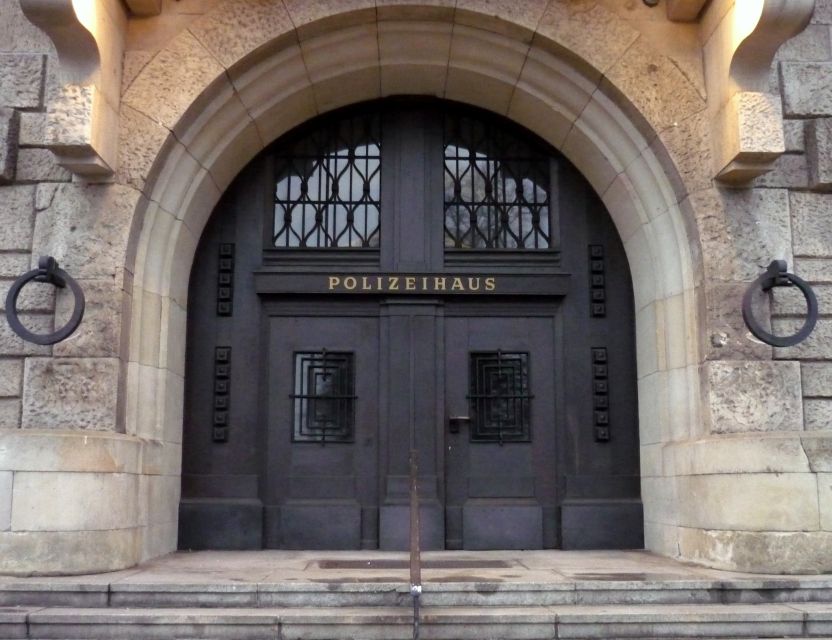
REVIEW · LOWER SAXONY
The Dark Side of Bremen: Killers and Criminals
Bremen has a darker side worth hearing. This tour turns Bremen’s criminal past from the Middle Ages to the 21st century into real, stop-by-stop stories, and I like the crime-archive stories plus the 1900 prison visit. It’s also heavy true-crime material, so it is not suitable for children.
You’ll spend about 1.5 to 2 hours with a live guide in German, following case files that mix murder questions, executions, and elaborate heists. If you prefer light sightseeing, this one may feel too intense. If you like the darker side of history told clearly, you’ll probably enjoy it a lot.
In This Review
- Key things to know before you go
- Bremen’s Criminal Past, Told Like Casework
- Step Into the 1900 Prison That Was Built for the Future
- Criminal Archives and the Paper Trail of Wrongdoing
- Sentencings and Executions, in Specific Locations
- A Murder That Wasn’t, But Still Was a Crime
- The Burglar’s Puzzling Death: Think Like a Detective
- The Fire-Extinguisher Twist: Crime Planning Details
- Off the Beaten Path, With Real Locations and a Clear Theme
- Price and Value: What $16 Gets You
- Who Should Book This Tour, and Who Should Skip It
- How to Plan Your Visit in Bremen
- Should You Book The Dark Side of Bremen?
- FAQ
- How long is The Dark Side of Bremen tour?
- What does the tour cost?
- What language is the tour guide?
- Is the tour suitable for children?
- What is included in the tour price?
- What is not included?
- Where is the meeting point?
- Is there free cancellation?
- Can I reserve now and pay later?
- Are there starting times?
Key things to know before you go
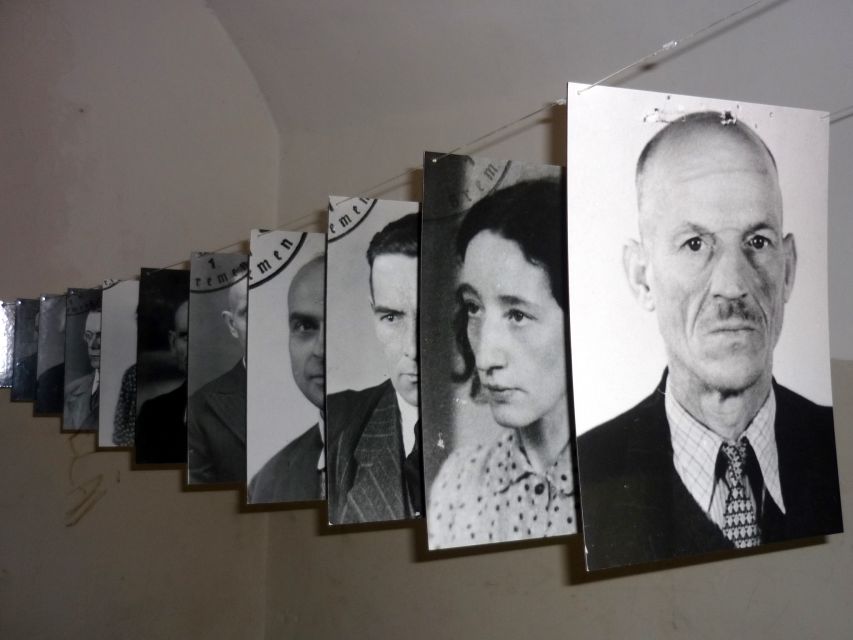
- A 1900 prison visit that was once called the most modern in Germany
- Criminal archives on the route, where the stories come with documents and context
- Sentencings and executions sites, handled in a factual, guided way
- Case puzzles, including a murder that wasn’t, yet still counted as a crime
- A burglar’s puzzling death story you’ll be asked to reason through
- German-only live guiding, so language matters
More of Lower Saxony on foot
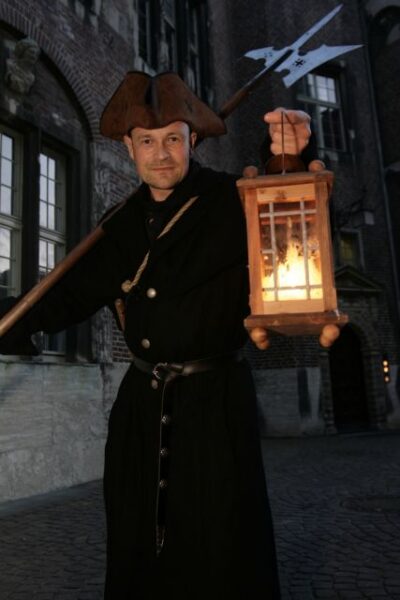
- Bremen: Walking Tour in German with Night Guard★ 4.7 · 2,922 reviews
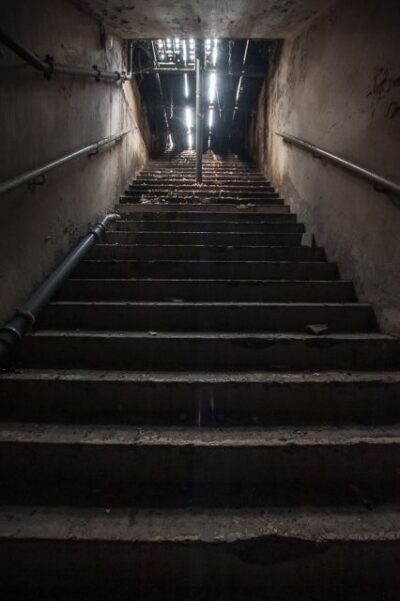
- Bremen: Underground Guided Tour★ 4.1 · 1,408 reviews
- Bremen: 3-Hour Beck’s Brewery Tour★ 4.6 · 1,091 reviews
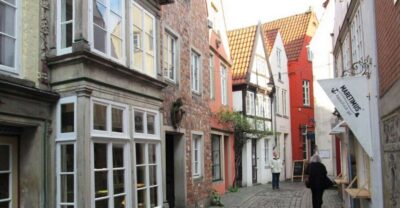
- Bremen: Walking Tour of Historic Schnoor District★ 4.8 · 429 reviews
Bremen’s Criminal Past, Told Like Casework
If you think Bremen is all canals and coffee, this tour corrects that fast. It focuses on the underbelly of the city, from old criminal life through newer decades, with an emphasis on what people did, what the justice system did in response, and how the cases were argued.
I love tours that do not treat history like a postcard. Here, the goal is not just to look at old buildings, but to understand how crime worked in real life, including how people were caught, judged, and sentenced. You get the sense that the guide is guiding you through a stack of case files, not a script.
One practical note: the guide provides live interpretation in German. If you don’t read or understand German well, you’ll still catch the structure of the story, but you may miss details. This is the kind of tour where clarity matters, because the explanations include specific twists.
Step Into the 1900 Prison That Was Built for the Future
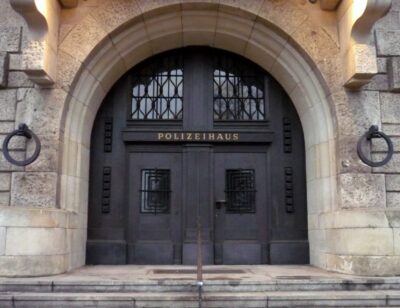
The center of the experience is a prison that was built in 1900, and it was once described as the most modern prison in Germany. That alone is worth planning around. Prisons were not just rooms where people waited. In the early 1900s, they were part of a whole approach to punishment, security, and order.
On the tour, you’ll visit what the prison was like, then connect it to the types of crimes your guide is talking about. You’re not just hearing dramatic scenes. You’re seeing the kind of infrastructure that shaped outcomes, from detention to interrogation to sentencing.
What makes this stop valuable is the contrast. Modern-looking (for its era) buildings make the criminal stories feel more grounded. Instead of treating crimes like faraway legends, you see the system that processed them. It also sets the mood for the rest of the walking route, because you’ll be primed for the details that follow, especially the archive sections and the sentencing and execution sites.
Criminal Archives and the Paper Trail of Wrongdoing
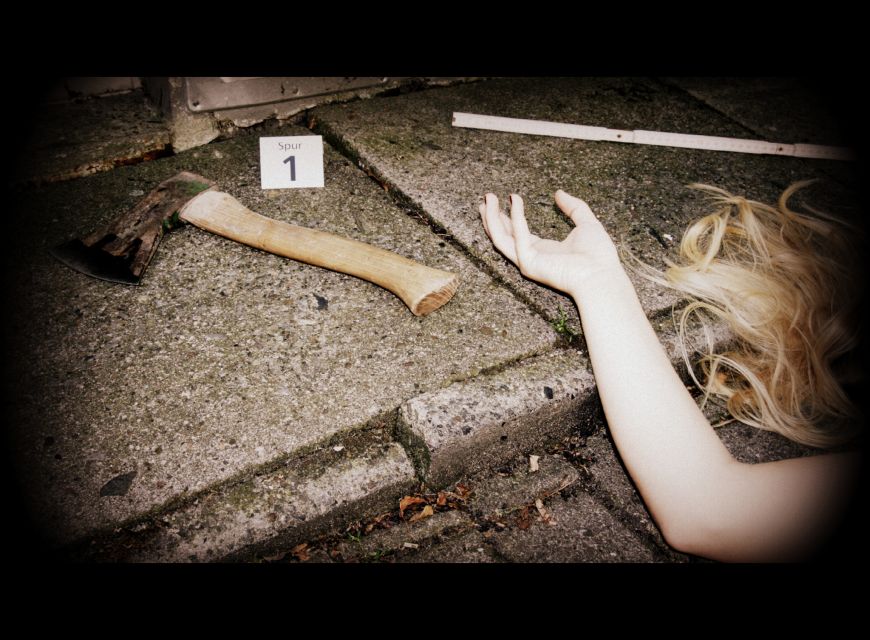
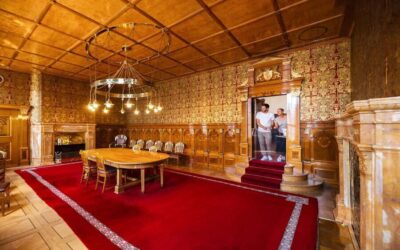
A big part of this tour is the criminal archives you visit with your guide. This is where the experience becomes more than spooky storytelling. Archives suggest documents, records, and the kind of evidence people relied on.
During this portion, the guide points out how crimes were documented and how you can think through the case from the available information. The tour description hints at historic crimes, deadly murders, and elaborate heists. Even without knowing the cases ahead of time, you can understand why archives are powerful: they show the gap between what happened and what was proven.
This matters for you because it changes the tone. You’re not only watching people get punished. You’re learning how a case becomes a case, how an incident gets framed as a crime, and how the legal system tried to solve what was confusing.
Sentencings and Executions, in Specific Locations
You also visit sites connected to sentencings and executions. These stops give the tour its edge, because they connect the archive details to a physical place. You feel the timeline more clearly, from accusation to judgment to the final outcome.
These moments can be emotionally intense. The tour is clearly positioned as true-crime history, not a family walking tour. If you know you dislike execution-related stories or violent historical subject matter, you might want to skip this one.
For those who do want it, I think this is where the guide’s structure matters most. You’re not wandering. You’re hearing what happened, why it mattered legally, and how the punishment was carried out in that era. That combination makes the locations more meaningful than just “here is a plaque.”
A Murder That Wasn’t, But Still Was a Crime
One of the case-style segments is about an investigation described as a murder that wasn’t, yet which still constituted a crime. That sounds like a word puzzle, and it is, but it also points to something real about criminal law: sometimes the crime is not what you expect.
This part of the tour is useful because it trains your attention. You’ll listen for the difference between the act and the legal label. Maybe the outcome was different than assumed. Maybe the intent or evidence was complicated. Either way, the tour asks you to reason through what makes something count as a criminal offense.
For you, this is a great stop if you like story-driven history with logic. It turns the tour into a kind of guided problem-solving, which also keeps you from getting lost in gore or shock value. The guide’s job here is to keep the narrative clear, and the nature of the case suggests that clarity is the focus.
The Burglar’s Puzzling Death: Think Like a Detective
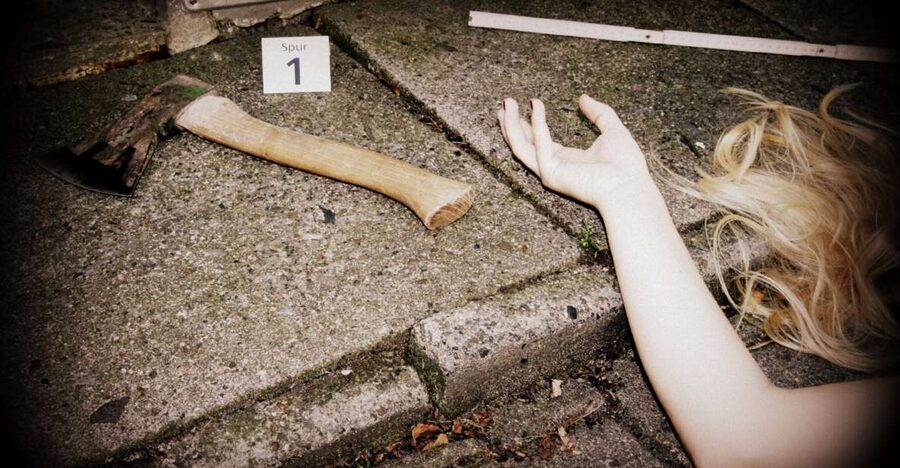
Another standout described is a segment where you investigate the puzzling death of a burglar. This is not just “and then someone died.” The wording signals a scenario where the details are uncertain enough that you are expected to figure out what might have happened.
This is the kind of storytelling I enjoy on tours, because it asks you to stay active. You’re not only receiving facts. You’re building your own explanation using the clues the guide provides, then comparing your reasoning to how the case was understood.
This portion is also where the tour earns its reputation for being interesting. A case puzzle works best when the guide communicates details in a way you can hold in your head. The tour duration, 1.5 to 2 hours, means the pacing matters. You’ll want to listen closely in this section, because it sounds like the logic is part of the entertainment.
The Fire-Extinguisher Twist: Crime Planning Details
You’ll also get a scenario connected to explosive fire extinguishers and the idea of “thinking like a criminal.” This is a very specific detail, and it hints at the tour’s approach. Instead of vague danger, you hear how methods can be used and misunderstood.
I like that kind of realism. People often imagine crime as simple. In real accounts, tactics can be clever, sometimes mixing ordinary objects with unusual intent. The tour’s mention of a fire-extinguisher twist suggests the guide frames the incident with practical mechanics, then explains why it mattered legally.
For you, it’s a reminder that crime is often about opportunity and planning, not only violence. If you prefer the analytical side of true crime, this is likely to be one of your favorite segments.
Off the Beaten Path, With Real Locations and a Clear Theme
This is a Bremen tour designed for people who want a darker, less typical angle. You’re not just doing a highlights loop. You’re going after the city’s criminal history, including places that connect to punishment and evidence.
That off-the-beaten-path focus is exactly why this is worth considering. Bremen’s usual tourist circuit can make the city feel too orderly. Here, the disorder is part of the educational point. You’ll see how the city looked through the lens of justice and crime, which is a different way to understand any place.
The other thing I appreciate is the theme stays consistent. You move from prison to archives to sentencing and execution connections to case puzzles. Even when the stories shift across time periods, the throughline is the same: crime, proof, and consequences.
Price and Value: What $16 Gets You
At $16 per person for 1.5 to 2 hours, the value is strongest if you want a guided narrative with specialized subject matter. This is not a generic “Bremen walk.” You’re paying for an experienced guide and a focused route that includes a major prison stop and archive-related storytelling.
The biggest value test is whether the topic is your kind of history. If you like true crime, justice systems, and case logic, you’re likely to feel like the price is a bargain. If you dislike heavy themes or prefer family-friendly sightseeing, the cost won’t matter because the experience won’t match your taste.
Also note what’s not included: transfers. That means you’ll want to arrange getting to the meeting point on your own.
Who Should Book This Tour, and Who Should Skip It
This tour is best for adults and older teens who enjoy historical true crime and reasoning through cases. It sounds designed for people who like specifics: archives, documented crimes, and explanations that try to make sense of what happened.
It is absolutely not suitable for children, so treat that as a firm rule, not a suggestion.
If you are easily disturbed by execution-related material or violent historical themes, you should probably skip. On the flip side, if you like tours that trade generic landmarks for story-based locations, and you enjoy a bit of “case-solving” energy, this one fits.
How to Plan Your Visit in Bremen
The duration is 1.5 to 2 hours, so plan for a focused walk, not a slow day. Since the meeting point may vary depending on the option booked, be sure you have the correct start location for your time slot.
Because transfers are not included, you’ll want to plan your route to Bremen’s central area using your normal local transport habits. Wear comfortable shoes. You’ll be moving between sites, and the stories sound like they’re built for a guided pace.
Also plan for the language barrier. The tour is German only, with a live guide. If you want full enjoyment, you might consider learning a few basic German words related to crime and justice, or bring your attention to the structure of the story rather than relying on every detail.
Should You Book The Dark Side of Bremen?
My take: book it if you want a sharply themed, adult-only true-crime walk that includes a 1900 prison and criminal archives, plus actual case puzzles that ask you to think. It’s also priced for accessibility, which makes it easier to try a niche topic without feeling like you’re taking a huge risk.
Skip it if you’re shopping for light, casual sightseeing, or if you do not want execution-related history. With German-only guiding, make sure your language comfort matches the kind of story detail this tour emphasizes.
If you’re the kind of person who reads case notes for fun, you’ll likely enjoy this tour’s structure and the way the stops build into one coherent criminal-history storyline.
FAQ
How long is The Dark Side of Bremen tour?
The tour lasts about 1.5 to 2 hours.
What does the tour cost?
The price is $16 per person.
What language is the tour guide?
The live tour guide speaks German.
Is the tour suitable for children?
No. The tour is absolutely not suitable for children.
What is included in the tour price?
It includes a city tour and an experienced tour guide.
What is not included?
Transfers are not included.
Where is the meeting point?
The meeting point may vary depending on the option booked.
Is there free cancellation?
Yes. You can cancel up to 24 hours in advance for a full refund.
Can I reserve now and pay later?
Yes. You can reserve now & pay later.
Are there starting times?
Yes. The duration is 1.5 to 2 hours, and you can check availability to see starting times.
Lower Saxony, Town by Town
Everything else we filed on Bremen
- Bremen: Full-Day Kayak Rental on the Wümme River
★ 4.8 · 14 reviews - Above the rooftops of Bremen
★ 4.1 · 19 reviews - Truth or lie? – A special tour through Bremen’s Old town
★ 4.3 · 20 reviews - Bremen: Private pub crawl with insider-guide & free shots
★ 4.5 · 22 reviews - Bremen: Private Walking Tour with a Professional Guide
★ 4.2 · 22 reviews - e-Scavenger hunt Bremen: Explore the city at your own pace
★ 4.0 · 24 reviews
Hanover Bremen and Lower Saxony Tours, side by side.
 ★ 4.7Bremen: Walking Tour in German with Night GuardFrom $182,922 reviews
 ★ 4.5Bremen: City Center Guided Walking TourFrom $142,709 reviews
 ★ 4.1Bremen: Underground Guided TourFrom $181,408 reviews
 ★ 4.6Soltau: Heide Park Resort Day TicketFrom $421,160 reviews
 ★ 4.6Bremen: 3-Hour Beck’s Brewery TourFrom $281,091 reviews
 ★ 4.8Bremen: Walking Tour of Historic Schnoor DistrictFrom $14429 reviews
 ★ 4.5Hannover: Guided Old Town Walking TourFrom $13338 reviews
 ★ 4.6Bremen: Universum Science Center Entrance TicketFrom $21324 reviews
Other lists this tour is on