
REVIEW · 3-HOUR EXPERIENCES
3-Hour Bike Tour of Tiergarten and Berlin’s Hidden Places
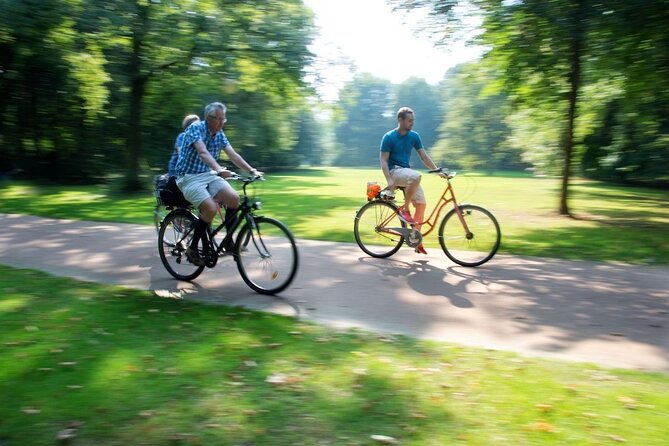
Berlin moves fast. This tour slows you down on purpose. You pedal through the leafy lanes of Tiergarten and slip into quieter neighborhoods where big bus routes usually skip. I like the way the guide turns everyday streets into an easy way to understand Berlin’s past and its modern reset.
Two things I especially like are the constant rhythm of bike lanes, garden paths, and calm sidestreets, and the guide’s stop-by-stop storytelling that makes each place feel connected instead of random. One possible drawback: you only have about three hours total, so if you’re hungry for snacks or drinks, plan ahead because there is no guaranteed long break built into the ride.
In This Review
- What This Tour Does Better Than Most City Tours
- Key Points You’ll Care About
- Why This 3-Hour Tiergarten Bike Ride Feels Like Berlin, Not a Checklist
- Starting at Poststraße 11: Bikes, Helmets, and a Simple Meet-Up
- Stop-by-Stop: Tiergarten, Nikolaiviertel, and the Stories Between
- Tiergarten: Berlin’s Central Park, the Easy Way
- Nikolaiviertel: Where Berlin’s Story Starts
- Märkisches Museum and the 3D-City Models
- Barenzwinger Berlin: Why the Name Berlin Talks About Bears
- Parochialkirche: Religion, Destruction, Rebuild, Survivors
- Franziskaner Klosterkirche: Medieval History in a Rare Memorial
- Global Stone Project: Berlin’s Stonehenge, With a Love Story
- Hansaviertel: Housing Futures, 1957 Perspective
- Clärchens Ballroom: Forever Dancing, Morbid Charm
- Scheunenviertel: Courtyard Life, Shopping, Art, and Party
- The Real Value: Local Insight You Can Use, Not Just Photos
- Price and What You Actually Get for $45.10
- The Language Detail: German Only, and Why It Matters
- Who This Tour Fits Best
- Should You Book This Tiergarten Bike Tour of Berlin’s Hidden Places?
- FAQ
- Is food included on the 3-hour bike tour?
- What is included in the price?
- Where does the tour start and end?
- How long is the tour?
- Does the tour run in bad weather?
- What language is the tour in?
- Can I get a refund if plans change?
What This Tour Does Better Than Most City Tours
The best part for me is confidence. You’re not stuck staring at a map while waiting for traffic to change. With an urban cruiser, a helmet, and a guide who keeps the pace friendly, you can actually enjoy the ride between stops.
And if you get a guide like David, you’ll see why people rave about the mix of expertise and dry Berlin humor. Just keep in mind the tour operates only in German, so English speakers need to choose a private option.
More handlebar time in Berlin
- Berlin: Sights and Highlights Bike Tour with a Local Guide★ 4.8 · 2,698 reviews
- Berlin Highlights 3-Hour Bike Tour★ 5.0 · 948 reviews
- Berlin City Bike Tour with Beer Garden Stop★ 5.0 · 917 reviews
- Berlin Highlights: 3-Hour Bike Tour★ 4.9 · 809 reviews
Key Points You’ll Care About
- Tiergarten without the stress, guided along bike-friendly routes and calmer back streets
- A stop list with real variety, from Nikolaiviertel and medieval churches to Hansaviertel and Clärchens Ballroom
- 3D-city-model time, a rare chance to grasp Berlin’s constant rebuilding
- Berlin’s naming stories, with a stop tied to the bear connection in Barenzwinger
- Small group feel, typically 5 to 15 people, so you’re not fighting a crowd
- What’s included is the hard part, pro guide, bike use, and helmet, with food left to you
Why This 3-Hour Tiergarten Bike Ride Feels Like Berlin, Not a Checklist
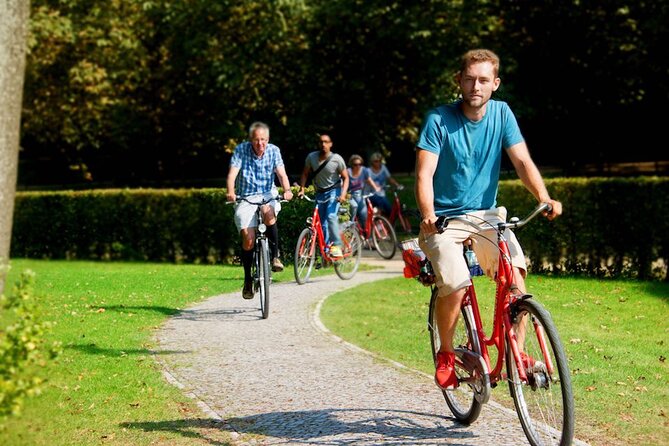
Berlin can be overwhelming on foot. Streets are wide, neighborhoods feel different every few turns, and the history is layered, sometimes all at once. This tour is built for the middle ground: enough structure to guide you, enough flexibility to still feel like you’re moving through real life.
You get the comfort of a bike that’s made for city riding, not athletic suffering. The route is designed around bike lanes and quieter streets, so you spend your energy on pedaling and listening, not on avoiding chaotic intersections. And because you’re stopping in places people often miss, you come away with a clearer sense of how Berlin became Berlin, not just a pile of landmarks.
There’s also a practical reason this works. In three hours, you can actually cover ground around central Berlin while still having time to hear stories. That beats the usual “look fast, move on” feeling you can get in a bus or walking tour.
Starting at Poststraße 11: Bikes, Helmets, and a Simple Meet-Up
The tour starts and ends back at Poststraße 11, 10178 Berlin. That matters, because you avoid that awkward end-of-tour scramble. You can plan your day around it like a normal appointment.
At the start, you’ll handle bike rental and get going from the same spot where you end. You’ll also get a helmet, and the bike use is included. If you’ve ridden a city bike before, you’ll likely find it easy. If you’re new to biking, the guide’s job is to keep you moving smoothly and help you feel comfortable enough to enjoy the ride.
One more detail to watch: this tour uses a mobile ticket. So have your phone charged and ready, and don’t leave it buried under photos and apps.
Stop-by-Stop: Tiergarten, Nikolaiviertel, and the Stories Between
This is a “ride with meaning” kind of itinerary. Instead of repeating the same big-sight loop, you’re guided through central Berlin’s green spaces and then into neighborhoods that feel quieter and more personal.
Tiergarten: Berlin’s Central Park, the Easy Way
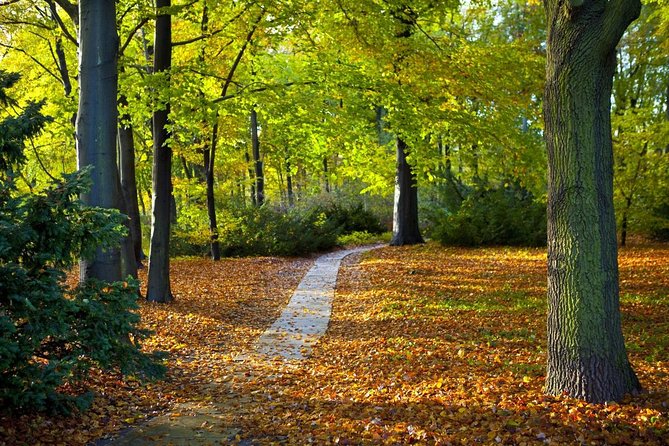
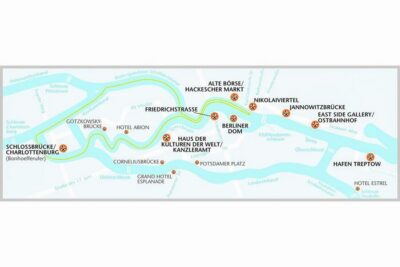
Your first big sightseeing anchor is Tiergarten, Berlin’s central park. The value here is how the tour uses Tiergarten as a breathing space. You’re not looking at it from a viewpoint and moving on. You experience it at bike speed, which makes the leafy lanes feel like part of your day instead of a quick stop.
Expect the atmosphere to shift in a good way. The city goes from “all angles” to “green and calm,” and you’re primed for the next phase: the older quarters where Berlin’s past is never far away.
Nikolaiviertel: Where Berlin’s Story Starts
Next is Nikolaiviertel, described as the place of Berlin’s origin. This area is also framed by how the district was remodeled after destruction during the 1980s. That’s a key idea to remember: Berlin doesn’t only have old buildings. It also has rebuilt identity.
The tour gives you a quick window to see the quarter’s quieter side in the middle of the city. And because you arrive by bike, you don’t feel like you’re arriving in a rush. You slip into a calmer pocket and get a feel for what “origin” can mean when a city has been rewritten over time.
Märkisches Museum and the 3D-City Models
You’ll stop near the Märkisches Museum to look at the big 3D-city-models of Berlin. This is one of those “wait, that’s actually useful” moments. Berlin’s growth and constant renewal can be hard to picture if you only see present-day streets.
The models help you connect the dots. You start thinking in layers: what was there, what changed, what was replaced, and how the city keeps rebuilding its own story.
Barenzwinger Berlin: Why the Name Berlin Talks About Bears
Then comes Barenzwinger Berlin. This stop ties to an old naming question, where does the name Berlin come from, and what does it have to do with bears. Even if you’ve heard parts of the story before, the stop format makes it land more clearly.
The tour’s strength is that it doesn’t just mention the bear connection as trivia. It frames it as a piece of how Berlin explains itself.
Parochialkirche: Religion, Destruction, Rebuild, Survivors
At Parochialkirche, you get a stop focused on religion and the city’s painful breaks, destruction, rebuild, and the idea of designated survivors. This is the kind of topic that can feel heavy if you only read it on a sign.
A guided stop helps because you can ask questions in your head and listen for the big idea: in Berlin, survival is not random. It’s part of how the city chooses what to keep.
Franziskaner Klosterkirche: Medieval History in a Rare Memorial
Next you’ll visit Franziskaner Klosterkirche, described as an abandoned place and a rare memorial to Berlin’s medieval history. The word abandoned matters here. This isn’t a postcard church experience where everything feels polished and new.
It’s more like Berlin showing you a preserved trace. You come away with a better sense of what medieval history looks like when it’s been left to linger.
Global Stone Project: Berlin’s Stonehenge, With a Love Story
Then you reach the Global Stone Project, sometimes called Berlin’s Stonehenge. The stop description also includes a note about love being difficult sometimes. That hint tells you the mood is more human and less academic.
Think of this as a creative pause in the middle of a historical route. You stop, you look, you listen to the meaning behind it, and then you get moving again while your mind resets.
Hansaviertel: Housing Futures, 1957 Perspective
Your next stop is Hansaviertel, framed as the future of housing, at least from the year 1957 perspective. That wording is doing a lot of work. It encourages you to see buildings as ideas, not just walls.
This is a good spot for anyone who likes architecture or social history. You can look at the area with a “what were people dreaming about” mindset, and it fits nicely after the medieval and reconstruction stops earlier.
Clärchens Ballroom: Forever Dancing, Morbid Charm
Next up is Clärchens Ballroom. The stop is described as forever dancing, surrounded by morbid charme. The tone alone makes it memorable, and the tour gives you a short moment to read the vibe properly.
This is where Berlin feels like a living culture, not only a past you visit. Even in a brief stop, you get the sense that the city plays with darker themes while still keeping movement and nightlife in its DNA.
Scheunenviertel: Courtyard Life, Shopping, Art, and Party
Finally, you land in Scheunenviertel, described as an urban paradise for the posh, with courtyard oases, decent shopping and fine dining, plus culture, art, and party. That description is playful, but it points to a real pattern in Berlin neighborhoods: small courtyards and community spaces often matter as much as the street itself.
This end stop is useful because it closes the loop. You start with central park calm, you move through origin stories and reconstruction, and then you finish in a district that feels like Berlin’s present and future are already happening.
The Real Value: Local Insight You Can Use, Not Just Photos
A good bike tour doesn’t just move you from A to B. It changes how you notice the city while you’re still there. This one is built around that idea.
You’re guided through places with context, so when you see a church, a housing district, or a quirky installation, you understand why it matters. You also get a clearer sense of what Berliners mean when they talk about constant renewal. Even without a big speech, the stops and the order make the theme obvious.
And because you ride through quiet sidestreets and bike routes, you get the feel of daily Berlin. It’s not only monuments. It’s the in-between.
One more practical plus: the group size is kept to a maximum of 15, with a typical minimum of 5. That keeps the tour from feeling like a moving classroom. You get enough time at each stop, and the guide can actually manage the pace.
Price and What You Actually Get for $45.10
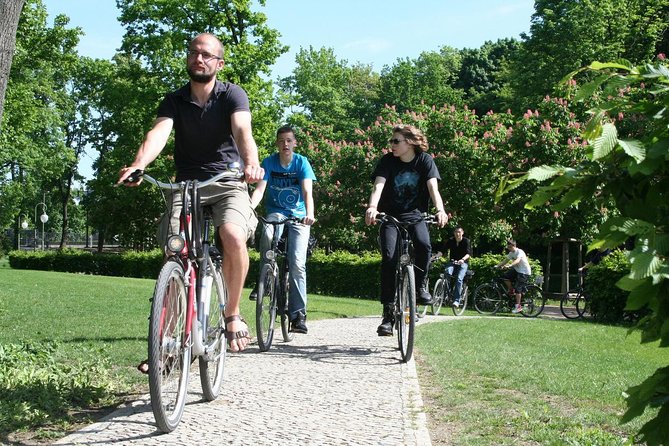
At $45.10 per person for about three hours, the price makes sense if you look at what’s included. You’re paying for a professional guide, plus bike use and a helmet. That’s the core of any good urban cycling tour, because those are the pieces that take planning and know-how off your plate.
Food and drinks are not included. That’s normal for this kind of tour, but it does affect how you plan your day. Since the ride is long enough that your body might want a break, I recommend bringing a small snack with you or budgeting time to grab something nearby after the tour.
Also note that the tour runs in all weather conditions. If you’re the type who hates being uncomfortable, dress for the forecast and bring the right layer. It’s easier to enjoy the stories when you’re not busy thinking about being cold or wet.
The Language Detail: German Only, and Why It Matters
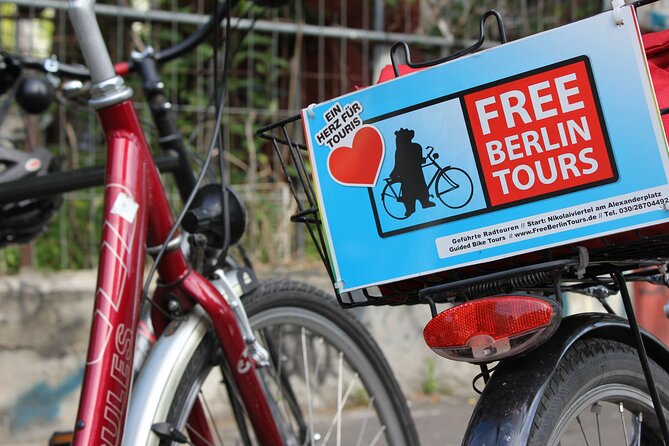
This tour is available only in German. If that’s a deal breaker, the workaround is choosing a private tour in English.
If you’re comfortable with basic German, you might still enjoy the nonverbal parts: the route planning, the stop flow, and the way the guide structures each location. But if you want every story clearly, language matters. So be honest with yourself before booking.
Who This Tour Fits Best
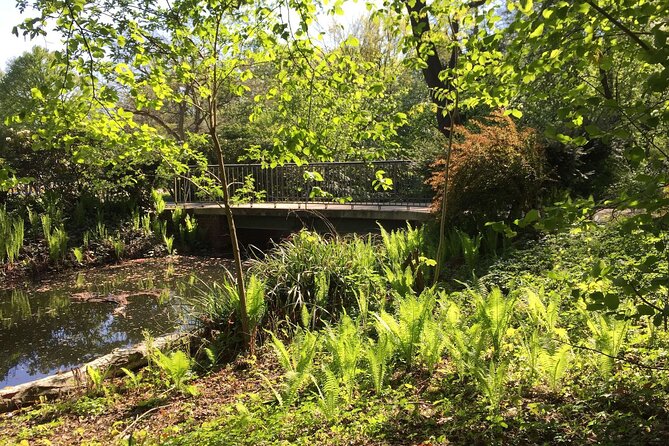
This is a great match if you want to see Berlin at a human pace. You’ll like it if you enjoy bike riding through city streets, and you want more than a photo walk.
It also suits people who like history but don’t want a classroom lecture. The stops are varied, and the themes connect: origin stories, reconstruction, medieval traces, and modern housing visions, plus culture along the way.
Families can consider it too, with one condition: children must be accompanied by an adult. Most people can participate, but you should still think about whether you feel comfortable riding in an urban setting for three hours.
Should You Book This Tiergarten Bike Tour of Berlin’s Hidden Places?
Yes, if you want a guided ride that mixes green calm, historical context, and neighborhood variety without turning the day into a sprint. The included bike, helmet, and professional guidance make it an easy value play, especially if you’re new to the city and want to build a mental map quickly.
Book it when you can, because the tour is often reserved about 13 days in advance on average. And do yourself a favor: plan for the food side on your schedule, bring a layer for the weather, and confirm you’re okay with the German-only format.
If you’re looking for a ride that helps you understand Berlin as a city that keeps rebuilding and reinterpreting itself, this one is a strong choice.
FAQ
Is food included on the 3-hour bike tour?
Food and drinks are not included unless the provider specifies otherwise. Plan on handling snacks or drinks outside the tour.
What is included in the price?
The tour includes a professional guide, use of a bicycle, and a helmet.
Where does the tour start and end?
The meeting point is Poststraße 11, 10178 Berlin, and the tour ends back at the same meeting point.
How long is the tour?
The duration is approximately 3 hours.
Does the tour run in bad weather?
Yes. The tour operates in all weather conditions, so dress appropriately for rain and cooler temperatures.
What language is the tour in?
The tour is available only in German. For English, you’ll need to choose a private tour.
Can I get a refund if plans change?
Yes. You can cancel for a full refund if you cancel up to 24 hours in advance of the start time. If you cancel less than 24 hours before, the amount paid is not refunded.
The Berlin Bike Lanes
Everything else we filed on Berlin
- East Berlin: City of Shadows Walking Tour
★ 5.0 · 11 reviews - Berlin: Die Stachelschweine – Frank Lüdecke – Träumt Weiter
★ 4.7 · 11 reviews - Potsdam Day Trip from Berlin with a Local: Private & Personalized
★ 4.0 · 11 reviews - An Introduction to Berlin Walking Tour
★ 5.0 · 11 reviews - DJ for a Day: Learn to Mix Like a Pro in Berlin
★ 5.0 · 11 reviews - 2-H Segway Sightseeing Tour Berlin
★ 4.5 · 11 reviews
3-Hour Experiences, side by side.
 ★ 4.5Munich 3-Hour Guided Bike TourFrom $401,731 reviews
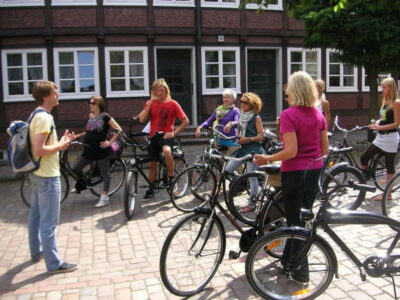 ★ 4.8Hamburg 3-Hour Bike TourFrom $441,353 reviews
 ★ 4.6Bremen: 3-Hour Beck’s Brewery TourFrom $281,091 reviews
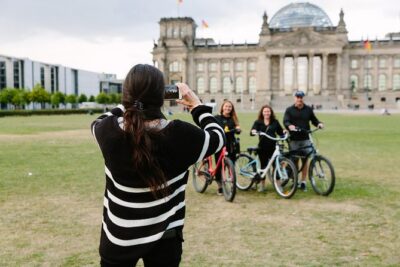 ★ 5.0Berlin Highlights 3-Hour Bike TourFrom $42948 reviews
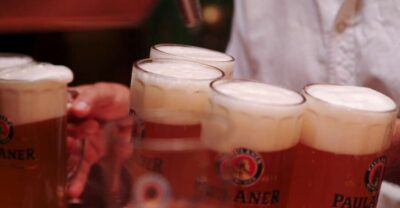 ★ 4.6Munich’s Beer Halls and Breweries: 3-Hour Guided TourFrom $50928 reviews
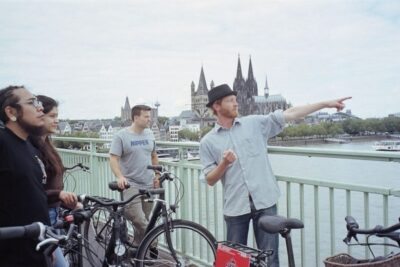 ★ 4.8Cologne: 3-Hour Guided Bike TourFrom $50878 reviews
★ 4.9Berlin Highlights: 3-Hour Bike TourFrom $37809 reviews
★ 4.8Cologne: 3-Hour Guided Bike TourFrom $50878 reviews
★ 4.9Berlin Highlights: 3-Hour Bike TourFrom $37809 reviews
 ★ 4.7Berlin: 3-Hour Street Art TourFrom $23778 reviews
Other lists this tour is on