
REVIEW · GUIDED
Berlin: 4-Hour Guided Highlights Tour in Spanish
Berlin makes sense in four guided hours. This Spanish-language walking tour strings together the big icons and the heavy moments, so you see landmarks and also understand what life felt like as Berlin split into East and West. I especially like two things: you spend real time at places like Museum Island and the Berliner Dom, not just passing by, and the guide connects the architecture to everyday choices, fear, and hope. One possible drawback is simple, it is only offered in Spanish, so if you do not read or listen comfortably in Spanish, you will miss a lot.
You start at Alexanderplatz, right by the TV Tower, so you can orient fast before the walk gets serious. I also like that the pace is built for a group that includes slower walkers, with at least one planned break for coffee, bathroom time, and a breather.
The tour runs every day starting at 10:00, rain or shine, and it is a solid 4 hours on your feet. If the weather is bad, dress for cold and slippery sidewalks, not just for photos.
In This Review
- Key things to know before you go
- Where the tour starts at Alexanderplatz and why that matters
- The walking flow: how Berlin’s timeline gets built in 4 hours
- Museum Island and the Berliner Dom: UNESCO views you can actually feel
- Unter den Linden area: from grand avenues to everyday imperial Berlin
- Gendarmenmarkt: where the tour earns its beauty break
- Hitler’s rise, the Gestapo HQ remains, and the Holocaust Memorial
- Berlin Wall origins and everyday life on both sides
- Potsdamer Platz: the modern city after the break
- Finishing at Brandenburg Gate, Berlin’s enduring symbol
- Price and value: is $29 a fair deal for 4 hours in Spanish?
- Who should book this tour, and who should skip it
- Should you book this Spanish highlights tour?
- FAQ
- What is the duration of the Berlin guided highlights tour?
- What language is the tour guide speaking?
- Where exactly do I meet the guide at Alexanderplatz?
- What time does the tour start?
- Is the tour wheelchair accessible?
- Is hotel pickup available?
- What should I bring for the walking tour?
Key things to know before you go
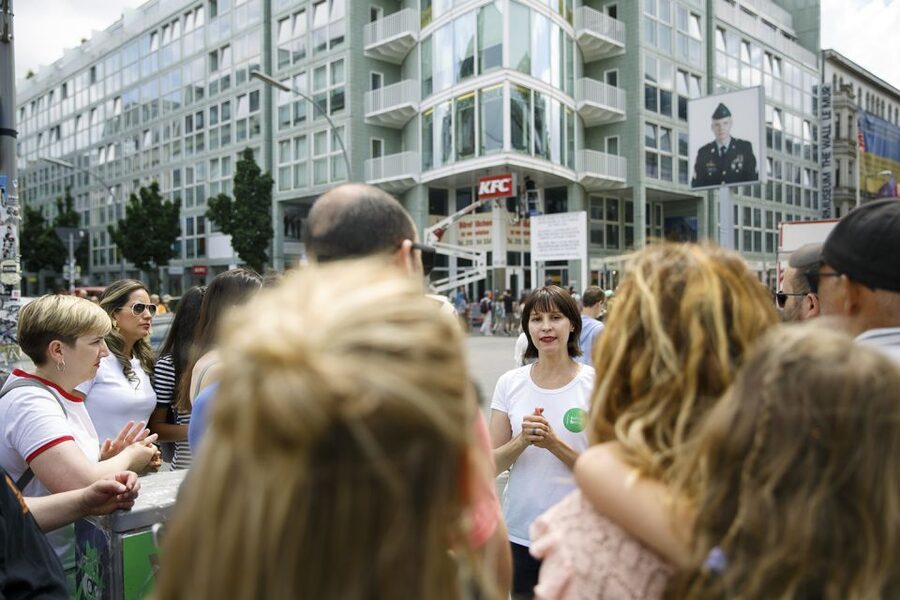
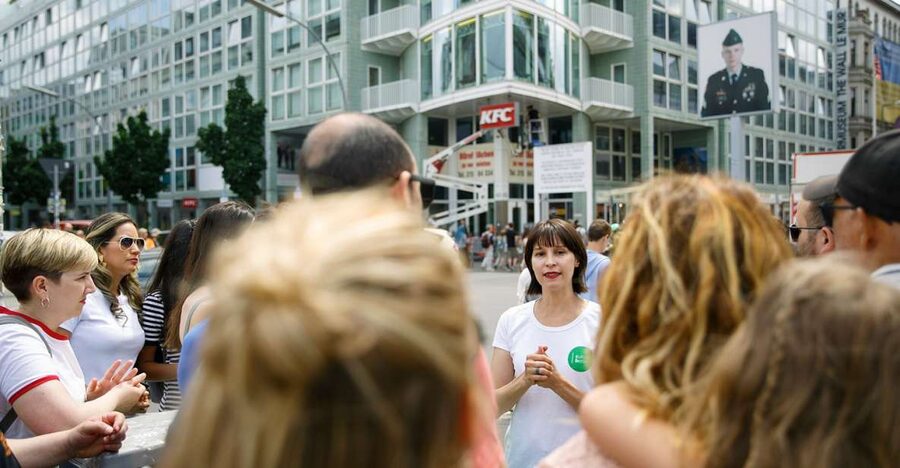
- Spanish live guide, history told as real people stories
- Museum Island and Berliner Dom included, UNESCO included too
- Gendarmenmarkt photo stop on one of Berlin’s most beautiful squares
- Memory stops for the Holocaust and the Nazi era, plus Berlin Wall context
- End point is Brandenburg Gate, so you finish on the most iconic view
- Built-in time for a short coffee, bathroom, and rest break
Undecided? The closest Berlin write-ups we have are these.
- Berlin: Reichstag, Dome and Government District Guided Tour★ 4.7 · 18,288 reviews
- Berlin: 1-Hour City Tour by Boat with Guaranteed Seating★ 4.3 · 16,993 reviews
- Berlin: Boat Tour Along the River Spree★ 4.4 · 11,252 reviews
- Discover Berlin Half-Day Walking Tour★ 5.0 · 9,624 reviews
Where the tour starts at Alexanderplatz and why that matters
The meeting point is easy to find if you look for a green flag with the words tours en español, beside the only entrance to the TV Tower (Fernsehturm). You are placed between the Fernsehturm and the Alexanderplatz train area, right by Espresso House. That matters more than you’d think. Berlin can feel like a patchwork of neighborhoods, so starting at a major hub helps you follow the route without stress.
I like that you get rolling immediately. Instead of a sit-down intro, you begin in the city’s modern core and then move backward and forward through time. You can think of it as learning Berlin in a straight line, not a scavenger hunt.
If you are traveling with limited mobility, this tour is wheelchair accessible, which is rare for a walking highlights route. That said, you should still plan for standing and uneven sidewalks around busy squares.
The walking flow: how Berlin’s timeline gets built in 4 hours
This is not a museum-only day. It is a walking route that uses sightlines and street corners as teaching tools. The guide’s job is to connect the visuals in front of you to what Berlin meant in each era, including why the Berlin Wall was built and how it shaped daily life.
I like the structure because it keeps you from getting lost in dates. You go from the origins of Berlin into imperial-era landmarks, then down into the darkest parts of 20th-century history, and finally out toward the reunified city vibe at Potsdamer Platz and the Brandenburg Gate.
Expect a tour that moves at a steady pace but still allows a short break. One of the most practical mentions is an approximate 30-minute interval for coffee, bathroom time, and resting. That keeps the experience from turning into a nonstop slog, especially in cold weather.
Museum Island and the Berliner Dom: UNESCO views you can actually feel
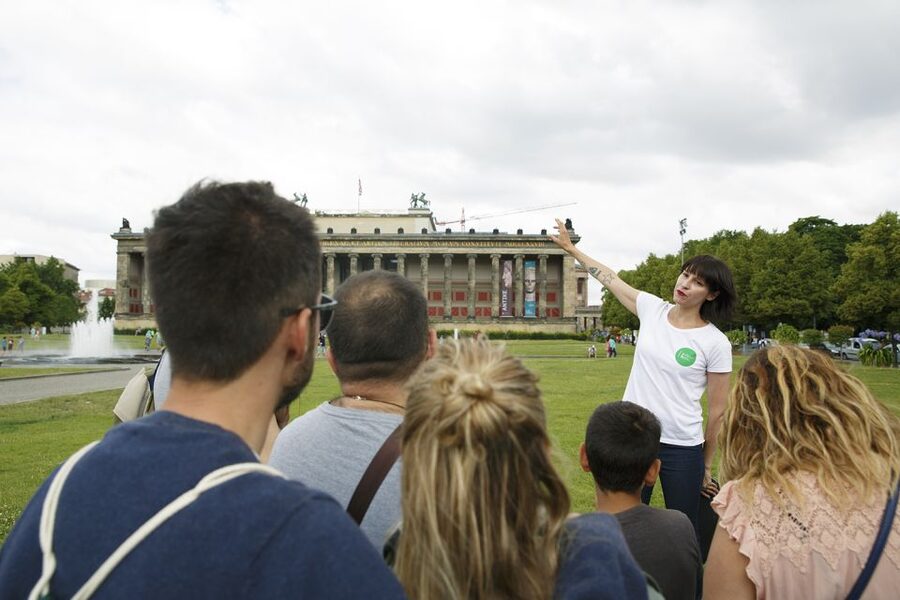
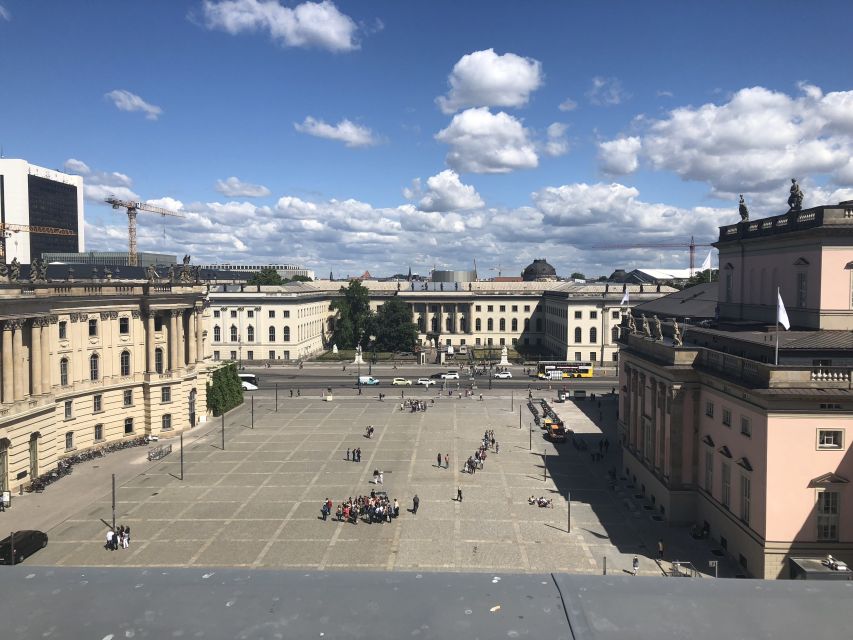
One of the first major “wow” moments is Museum Island, a UNESCO World Heritage Site. Even if you do not go inside every museum, the setting is impressive. You are looking at an island of culture right in the middle of the Spree area, with landmark buildings that look designed for postcards.
From there, you head toward the Berlin Cathedral, the Berliner Dom. The cathedral’s size and position make it hard to ignore, and it gives you a sense of how power and identity were expressed through architecture. A good guide uses this stop to explain that these buildings were not just pretty facades. They were statements of Berlin’s role, its ambitions, and its changing political face.
Practical note: this section can be visually dense. Take a moment to look past the obvious center view and notice details like the surrounding façades and how the cathedral frames the square-like space around it. That is how you start to understand why the guide keeps pointing out specific corners.
Unter den Linden area: from grand avenues to everyday imperial Berlin
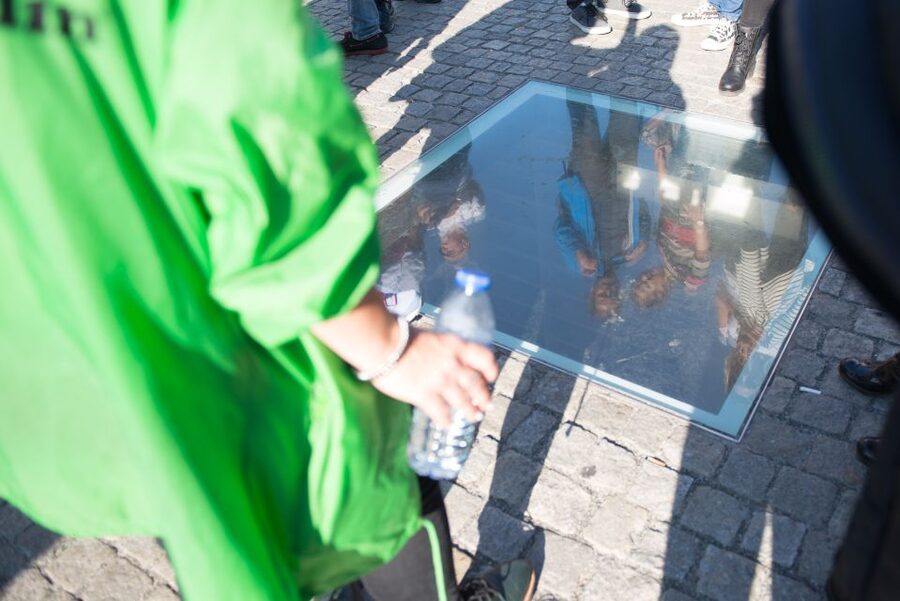
After the museum-and-cathedral cluster, the tour shifts toward the long, elegant avenues that helped define Berlin’s “center stage.” You walk down Kaisers Avenue and see Unter den Linden, one of the city’s best-known corridors. Even if you only have seen it in photos, standing close to it makes a difference. The street feels like a stage set with buildings lining the edges like curtains.
Along the way, you pass prominent civic and cultural buildings, including Humboldt University, the Royal Library, and the State Opera. What I like about this part is that it gives you a “how the city functioned” layer. Universities, libraries, opera houses, government institutions. These are the places where ideas and social life moved, long before Berlin Wall checkpoints defined daily routines.
If you are planning your photos, aim to pause at the widest sightlines rather than trying to photograph while walking. The route is designed as a walking story, not a park-stroll photo shoot.
Gendarmenmarkt: where the tour earns its beauty break
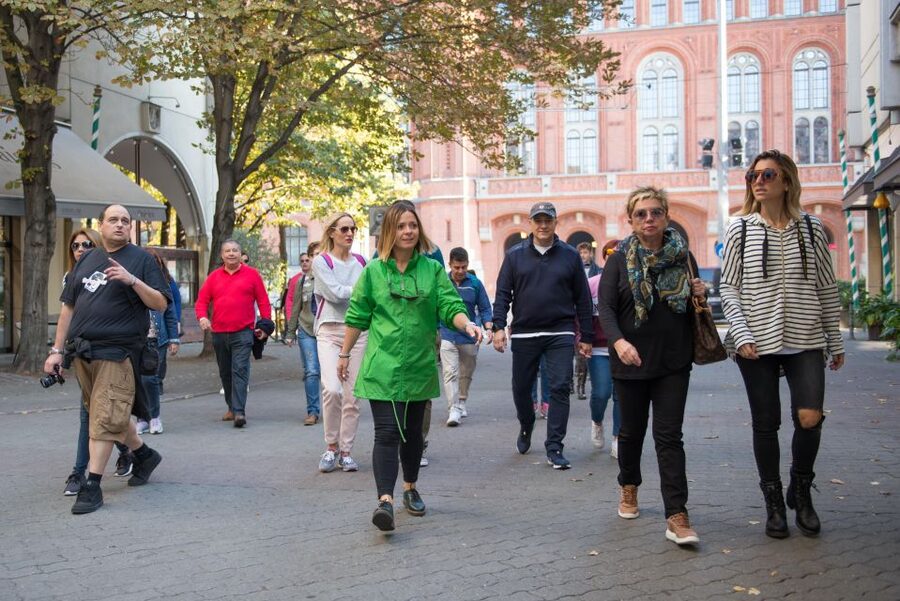
At Gendarmenmarkt, the tour slows just enough to let you appreciate one of Berlin’s most striking squares. The guide gives you context, then you get a photo opportunity in the plaza. This is the kind of stop that works even if you are not a hardcore history lover, because the place is just visually satisfying.
You also get a break from the heavier themes that come later. For me, that balance matters. A tour that rushes from tragedy to tragedy can leave you numb. A stop like this gives you a mental reset, and it makes the next memory stops hit harder instead of just feeling exhausting.
Here, the guide’s storytelling style is a big part of the experience. In Spanish, you are more likely to get meaning, not just facts. People have praised guides for turning the history into reflection and discussion, so if you can follow Spanish conversation well, this is where you’ll feel it the most.
Hitler’s rise, the Gestapo HQ remains, and the Holocaust Memorial
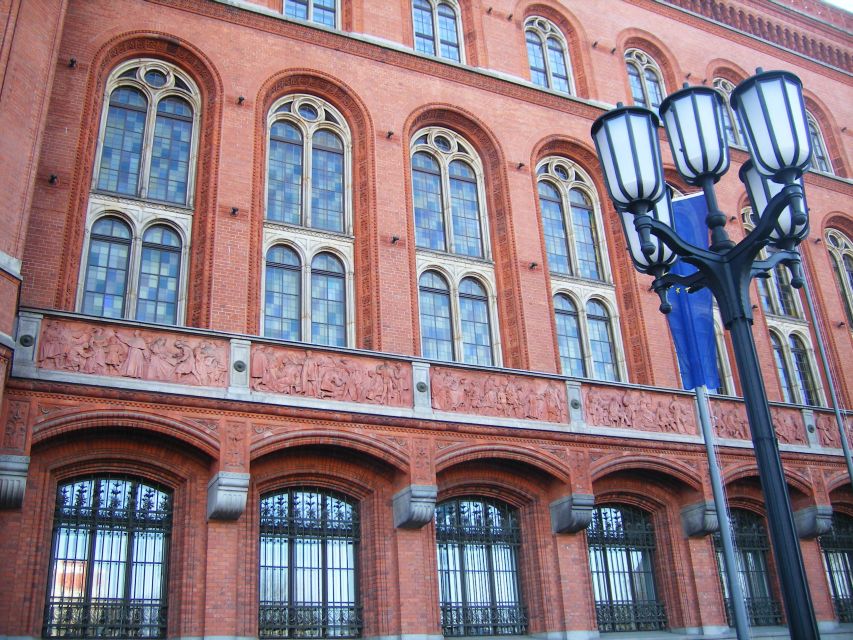
Then the tour moves into the sections that demand respect and clear explanations. You hear details about Hitler’s rise to power, and you also see the remains of the Gestapo Headquarters. Even without going deep into specific dates, these stops help you connect the Nazi regime to what it did on the ground.
Right after that, you remember the Holocaust at the Memorial to the Murdered Jews of Europe. This is one of those Berlin stops where the setting itself carries weight. You do not need theatrics. The place does the work, and a good guide gives you enough framing so you understand why it exists and what it is asking you to carry afterward.
A practical consideration here: in emotional sites, people often slow down. Plan your stamina. Take the short breaks when offered earlier, and keep moving at a pace that lets you stop and look when the guide points out something important.
Berlin Wall origins and everyday life on both sides
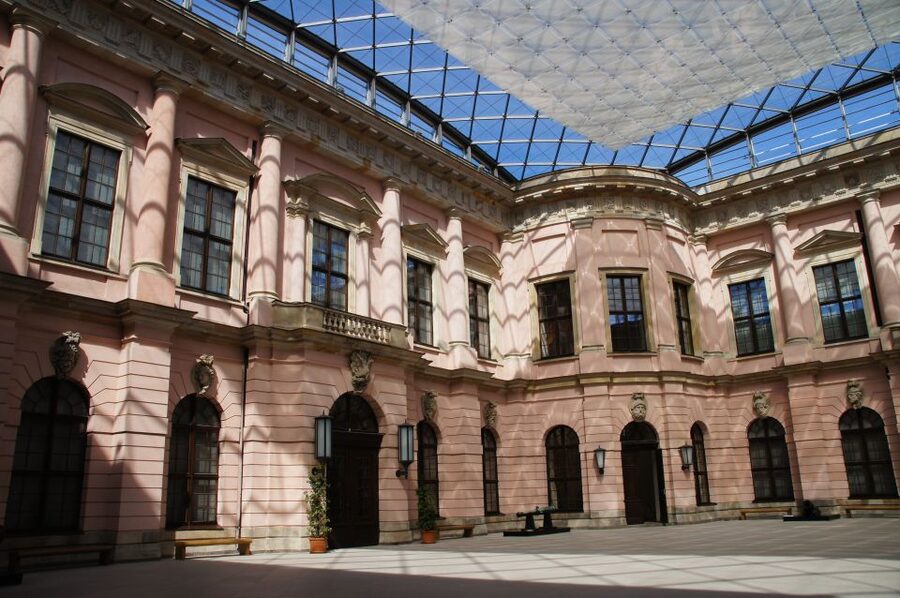
This is the part of the tour that turns Berlin from a list of landmarks into a real story about control and courage. You discover why the Berlin Wall was constructed, why it fell, and how local residents lived with it every day.
I like that the tour focuses on daily life, not only political speeches. The guide talks about the contrast between East and West, and it includes stories of East Germans who risked their lives to cross to West Berlin. That kind of detail makes the Wall feel less like a historical diagram and more like a system that shaped mornings, commutes, family decisions, and fear levels.
One reason this tour works well for first-timers is that it does not treat the Wall as a single event. It treats it like a long condition. You learn how it began, then you move toward how it ended, and you see how that changes the city’s identity.
For anyone who has only heard simplified versions of the Wall, you’ll likely appreciate the way the guide explains it in a human, critical way. People have highlighted guides who encouraged debate and reflection, not just memorization of dates.
Potsdamer Platz: the modern city after the break
After the heavy sections, the route shifts again toward the modern city, and Potsdamer Platz is a smart choice for that pivot. The area is known for its contemporary look and sense of movement, and it gives you a visual cue that Berlin has rebuilt itself.
What I like about ending the Wall story here is that you can connect cause and effect. When you understand what the Wall meant, you notice what a reunified city tries to become: open corridors, public space, and the feeling that you can move without fear.
If you are into street-level observation, this is a great place to pause and watch. Even on a guided walk, you can take a moment to see how people use the space now, because it contrasts so sharply with the earlier parts of the day.
Finishing at Brandenburg Gate, Berlin’s enduring symbol
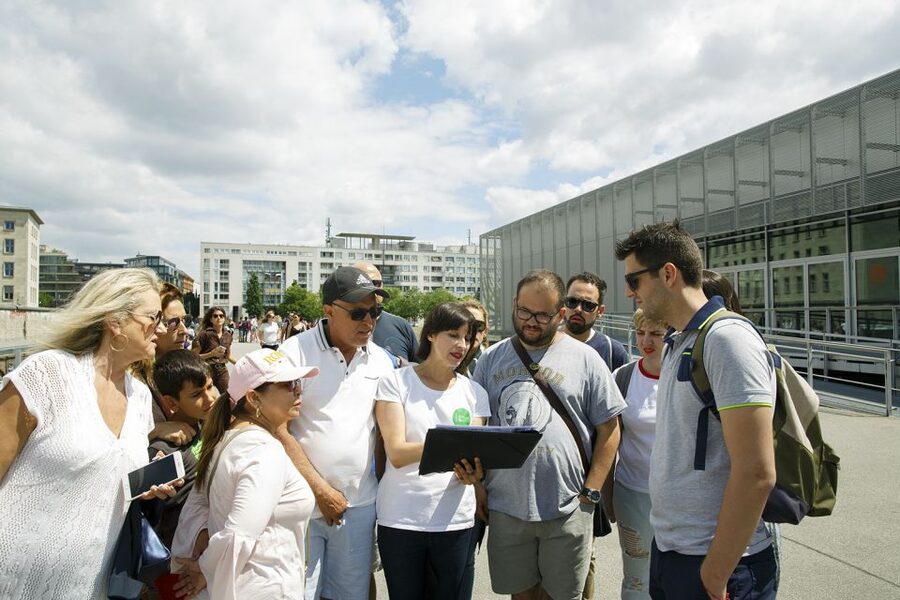
You wrap up at the Brandenburg Gate, the city’s symbol most visitors come to see. Ending there makes sense for two reasons. First, it is easy to spot and easy to return from afterward. Second, it acts like a visual summary. You just moved through division, memory, and the political machinery behind it, then you land at the iconic monument that people associate with reunification and national identity.
Even if you have seen the gate in photos, you will likely feel how the surrounding area frames it. The gate is never alone. It is part of a larger public space that now functions as a city center meeting point.
If you want to turn the end into extra value, plan a simple add-on right after the tour. You are already at a major hub, so you can choose your next stop based on what you learned, not just on what is nearest.
Price and value: is $29 a fair deal for 4 hours in Spanish?
At $29 per person for a 4-hour guided highlights tour, the value is strongest when you fit the format. You are paying for three things: a trained Spanish-speaking guide, a route that hits major landmarks efficiently, and interpretive context that you might not get on your own without reading or research.
If your goal is a quick Berlin primer with real story weight, this price is reasonable. Four hours is long enough to matter, but short enough to keep your day flexible. You also get a route that combines major sights like Museum Island, Berliner Dom, Gendarmenmarkt, Potsdamer Platz, and Brandenburg Gate with memory stops like the Holocaust memorial and the Gestapo Headquarters remains.
Where it may not feel like a bargain is if you already know Berlin well or you do not follow Spanish. In that case, the guide’s main value drops. Also, because this is a walking tour, you get the most value if you are comfortable on your feet for most of the afternoon.
Who should book this tour, and who should skip it
This tour is a great match for you if:
- You want a Spanish guided overview of Berlin’s top sights plus the Wall and Holocaust context
- You like learning through walking routes and street-level landmarks
- You want a guided structure so you do not have to plan every turn
- You appreciate history told through human stories, not only dates
It might be a poor fit if:
- Spanish is a struggle for you, since the tour is only offered in Spanish
- You hate walking and want a shorter, mostly seated format
- You prefer deep museum time instead of an outside, landmark-driven route
Should you book this Spanish highlights tour?
I think you should book it if you are arriving in Berlin needing both orientation and context, and if you can comfortably follow a Spanish guide. The route is efficient, the major sights are real anchors, and the balance between beauty stops and memory stops gives you a fuller picture of how Berlin became Berlin.
If you are unsure about your Spanish level, do a quick check first. This is the kind of tour where the quality of your listening determines how much meaning you take home. For everyone else, it is a strong use of half a day that helps the city click fast.
FAQ
What is the duration of the Berlin guided highlights tour?
The tour lasts 4 hours.
What language is the tour guide speaking?
The live tour guide speaks Spanish only.
Where exactly do I meet the guide at Alexanderplatz?
You meet near a green flag that says tours en español, beside the only entrance to the TV Tower (Fernsehturm) in Alexanderplatz. It is between the TV tower and the Alexanderplatz train station, next to Espresso House.
What time does the tour start?
The tour starts at 10:00, and it runs every day.
Is the tour wheelchair accessible?
Yes, the tour is wheelchair accessible.
Is hotel pickup available?
Pickup is optional, and it can be at your hotel lobby.
What should I bring for the walking tour?
Wear comfortable clothes.
Everything else we filed on Berlin
- East Berlin: City of Shadows Walking Tour
★ 5.0 · 11 reviews - Berlin: Die Stachelschweine – Frank Lüdecke – Träumt Weiter
★ 4.7 · 11 reviews - Potsdam Day Trip from Berlin with a Local: Private & Personalized
★ 4.0 · 11 reviews - An Introduction to Berlin Walking Tour
★ 5.0 · 11 reviews - DJ for a Day: Learn to Mix Like a Pro in Berlin
★ 5.0 · 11 reviews - 2-H Segway Sightseeing Tour Berlin
★ 4.5 · 11 reviews
Guided, side by side.
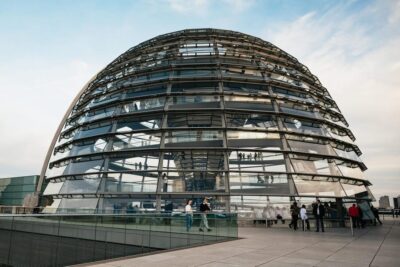 ★ 4.7Berlin: Reichstag, Dome and Government District Guided TourFrom $1818,288 reviews
 ★ 4.7Dresden: Semperoper Tickets and Guided TourFrom $1812,102 reviews
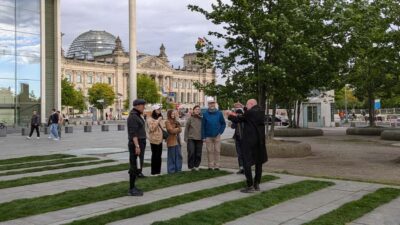 ★ 4.7Berlin: Government District around the Reichstag Guided TourFrom $2848,447 reviews
 ★ 4.7Hamburg: Elbphilharmonie Plaza Guided TourFrom $275,882 reviews
 ★ 4.8Berlin: Hidden Backyards Guided Walking TourFrom $235,360 reviews
 ★ 4.7Berlin: 1-Hour Boat Tour with Bilingual Live GuideFrom $223,629 reviews
 ★ 4.6Bamberg: Guided Walking TourFrom $143,202 reviews
 ★ 4.5Bremen: City Center Guided Walking TourFrom $142,709 reviews