
REVIEW · GERMANY
Berlin: David Bowie in 1970s West-Berlin
Bowie left fingerprints on West Berlin. This 3-hour private route takes you to Hansa Studios and Bowie’s Berlin home, tying the places to the sounds and songs he built there. You get the bigger story too, like how his electronic music interests led him to West-Berlin, not just to move houses but to change his creative orbit.
Before you go, one practical note: the price is $288 per person, and it does not include food and drinks. Bring water, plan a snack before or after, and wear shoes that can handle a fair bit of city walking.
In This Review
- Key highlights to look for
- Why 1970s West Berlin matters to Bowie
- Starting at Martin Gropius Bau, then fast bearings
- Potsdamer Platz, where Bowie looks back in time
- Hansa Studios, the sound address behind the legend
- KaDeWe and City West, the in-between places Bowie would have known
- The former Dschungel, plus Chez Romy Haag for nightlife realism
- How Tangerine Dream and Edgar Froese fit the story
- The bus ride to Bowie’s Berlin home, then the story lands
- Price and value for a $288 private 3-hour tour
- Language, group size, and the real vibe with Martin
- Who should book this Bowie in West-Berlin tour
- Should you book, or keep looking?
- FAQ
- How long is the tour?
- Is this tour private?
- What languages are available?
- Where do we meet?
- What are the main places you visit?
- Is hotel pickup included?
- Are food and drinks included?
- Does the tour include a bus ride?
- How much does it cost?
- Can I cancel for a full refund?
Key highlights to look for
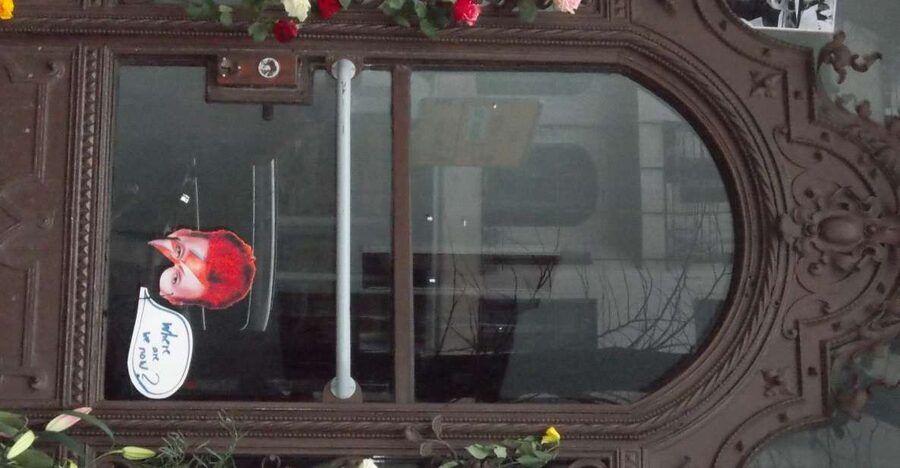
- Hansa Studios frontage for the real address behind the myth
- City West club stops linked to Bowie nightlife and scene buzz
- Martin Sauter’s storytelling that connects Berlin locations to specific Bowie songs
- A bus transfer that closes the loop by getting you to Bowie’s Berlin home
- Tight 3-hour timing that balances key sights without turning into a history lecture
Undecided? The closest Berlin write-ups we have are these.
- Berlin: Reichstag, Dome and Government District Guided Tour★ 4.7 · 18,288 reviews
- Berlin: 1-Hour City Tour by Boat with Guaranteed Seating★ 4.3 · 16,993 reviews
- Berlin: Boat Tour Along the River Spree★ 4.4 · 11,252 reviews
- Discover Berlin Half-Day Walking Tour★ 5.0 · 9,624 reviews
Why 1970s West Berlin matters to Bowie
Berlin in the 1970s was not just a backdrop. It was a creative tool, a place that encouraged reinvention, and Bowie used it that way. His move to West-Berlin came after major momentum elsewhere, and by the time he settled in the city between 1976 and 1978, you can feel Berlin shaping his music choices and his attitude toward sound.
This tour leans into that idea. It does not treat Bowie as a statue you read about. Instead, you walk through the parts of West-Berlin that match how he worked, where he went, and what kind of vibe pulled him in. You also hear why the city appealed to him, including his fascination with the emerging electronic sound, with West-Berlin playing a role alongside Düsseldorf.
The result is a tour that feels like music history you can point at, not just facts you memorize.
Starting at Martin Gropius Bau, then fast bearings
You begin at Martin Gropius Bau, a fitting start point if you like your Bowie Berlin story with context. In 2014 it hosted a major Bowie exhibition, which helps set a tone: this area is where modern Berlin routinely re-frames the past.
From there, the route sets you up for what makes the day work. You are not bouncing randomly across town. The tour sequence is designed to move you from big landmark energy into the specific City West lanes where Bowie spent time, including key music and nightlife connections.
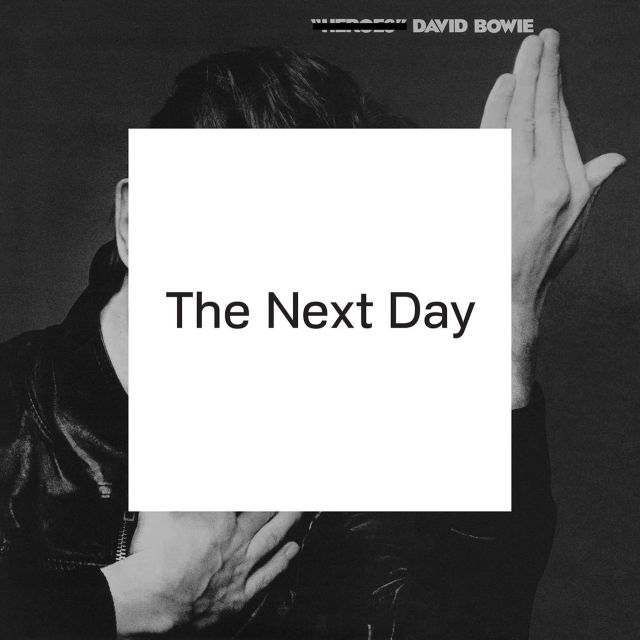
If you want an easy win, arrive a few minutes early so you can get your bearings fast and be ready when the guide starts linking what you see to the songs you already know, like Heroes. Even if you are not a hardcore Bowie completist, this start helps you settle in.
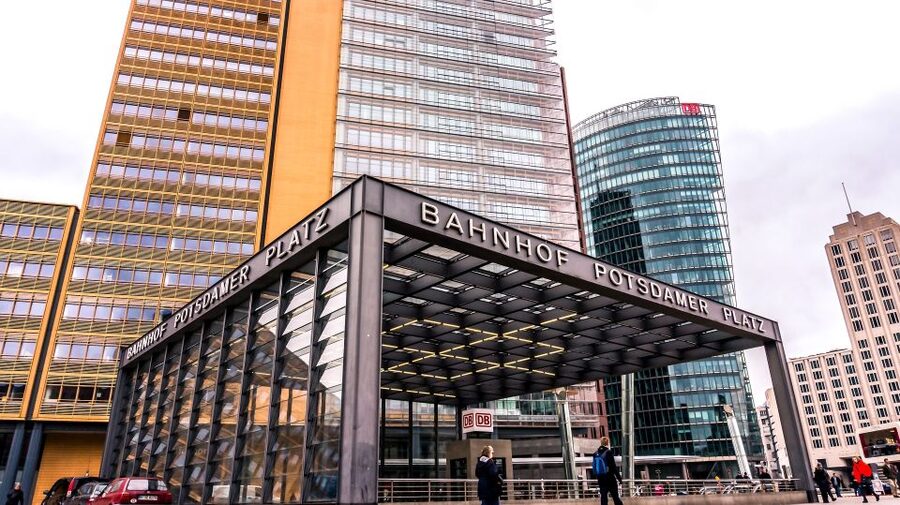
Potsdamer Platz, where Bowie looks back in time
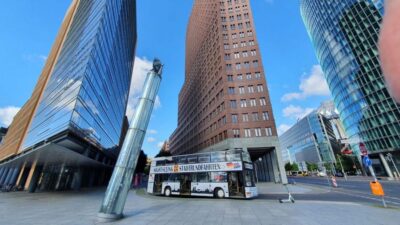
Next you pass Potsdamer Platz. This spot has its own modern identity, but Bowie referenced the area later, in Where Are We Now (2012). So even though you are chasing the 1970s, the tour makes space for how Bowie carried Berlin into later work.
That matters because it shows you a two-way street. Berlin influenced him while he lived there. Then, years later, he still used the city as a memory machine for the themes he cared about.
As you move through the area, focus on the contrast. You are seeing today’s city layout while the guide paints the mental map back to the 1970s. It makes the stops feel alive, not like a scavenger hunt.
Hansa Studios, the sound address behind the legend
The standout for many people is simple: you stand in front of Hansa Studios. That name carries weight for anyone who cares about recording history. On this tour, the studio is treated as more than a famous wall. It becomes a clue.
The guide connects the studio moment to Bowie’s attraction to new sounds, including the electronic direction emerging around that era. This is where you start to understand how West-Berlin was shaping the kind of music Bowie wanted to make, not only the kind of places he wanted to hang out.
Practical tip: take a minute at the front. Look around, notice traffic and street life, then let the guide’s story land. The connection between a real studio frontage and the music it helped create hits harder when you pause, not when you rush.
If you care about why Bowie sounded like himself but also unlike his earlier era, this stop is where that question starts to answer itself.



KaDeWe and City West, the in-between places Bowie would have known
The route continues past KaDeWe and through the City West corridor. This is the part of the tour that helps you understand how Bowie lived his days, not only how he planned his artistic moments.
KaDeWe is the kind of place that signals mainstream West Berlin life, while City West more broadly suggests movement, shopping, socializing, and the everyday rhythm of the neighborhoods Bowie worked within. You are seeing the city as a working environment, which is important when you are trying to understand why a creative person chooses a location.
You also get a sense of scale. West-Berlin was compact enough to feel intimate, but big enough that a person like Bowie could bounce between scenes, rehearsals, and hangouts without feeling boxed in.
The former Dschungel, plus Chez Romy Haag for nightlife realism
Two club-related stops help make the whole Bowie Berlin story feel grounded: the former location of the Dschungel and outside the club that was Chez Romy Haag.
These are not included as trivia stops. The point is to give you a picture of the scene Bowie moved through. You are learning what it meant to spend time in West-Berlin nightlife in that decade, when electronic music energy and art crowd culture were colliding in real spaces.
The tour also connects these nightlife references to songs tied to his Berlin years, including Boys Keep Swinging, Yassassin, and Neuköln. Even the choice to misspell Neuköln is part of the story, because it shows Bowie playing with language and sound while he tuned into the city’s personality.
How to get the most out of these stops: do not treat them like photo ops only. Listen for the relationship between place and lyric, then take in what the street feels like now. That contrast is half the value, because it helps you picture how a scene would feel even after the venues change.
How Tangerine Dream and Edgar Froese fit the story
One part of the tour that quietly adds a lot is the way it explains how Bowie got plugged into Berlin’s creative ecosystem before he found his own flat.
Before he secured his own place, he was offered a stay in Edgar Froese’s apartment, the founder of Tangerine Dream. This detail helps you understand Bowie’s pattern: he did not just show up and look around. He inserted himself into networks of people building new sounds.
And that also clarifies the motivation behind the move. The tour frames it as more than romance with a city. It was practical, creative, and tied to the evolving electronic music landscape where West-Berlin mattered.
If you are a music fan, this is the kind of connection that makes the whole route click. Suddenly, Hansa Studios, club scenes, and song references feel linked by a consistent theme: Bowie seeking new inspiration through the right people and the right sound.
The bus ride to Bowie’s Berlin home, then the story lands
After the walking segments through key West-Berlin areas, you board a bus to get to David Bowie’s Berlin home, where the tour ends.
That bus transfer is useful. It saves time and keeps the story cohesive. By the time you reach the home, you have already heard the lead-up reasons for the move, the influence of electronic sound, the places where he spent time, and the music references that follow him around the city.
This is where you can slow down mentally. The tour stops you from thinking Bowie was only a touring performer floating above the city. Instead, you get the sense of a resident life: a person doing the work of writing, recording, and absorbing Berlin while also going out and keeping his mind open.
Practical note: because the day is three hours, the overall rhythm is paced. You likely will not have long lingering moments at every stop, so use the bus arrival as your chance to absorb the theme and mentally connect the dots.
Price and value for a $288 private 3-hour tour
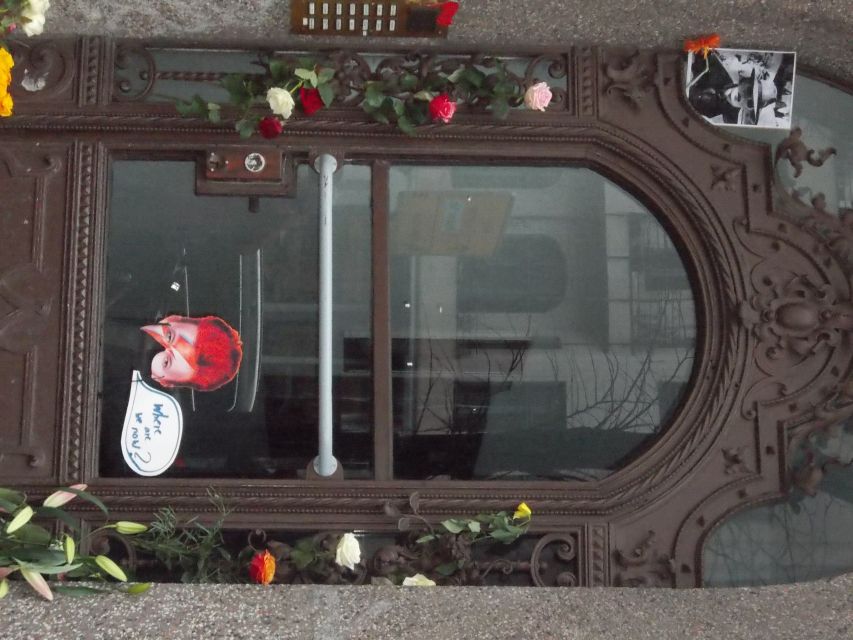
At $288 per person for a 3-hour private group, this is not a budget sightseeing add-on. It is closer to a focused, guide-led experience.
So what makes it feel worth it?
1) You are paying for an organized route through specific Bowie-relevant places, from the studio frontage to club sites to his home.
2) You are paying for interpretation. The guide is there to connect what you see to why it mattered for Bowie’s life in West-Berlin, including specific song ties.
3) You are paying for time efficiency. In a short window, you cover multiple key areas without having to plan transport between scattered addresses.
You also get flexibility that matters if you like a tailored feel. The tour is private, and the guide can adjust the pacing and focus to your interests. In the reviews, that comes through as Martin being communicative and responsive, with a friendly delivery style that keeps the information moving.
If you are the kind of traveler who enjoys music history when it is tied to real streets, you’ll likely see this as good value. If you only want general Berlin landmarks, you may find it overpriced for what you want.
Language, group size, and the real vibe with Martin
The tour runs with a live guide in English, French, or German, and it is a private group. That matters because Bowie-themed tours can get oddly stiff if the guide is reading from a script. Here, the guide approach described is warm and humorous, with lots of knowledge about Bowie and Berlin that stays understandable.
The reviews also point out that Martin took extra time with smaller private groups and adapted the tour to needs. That is a practical advantage: you can ask follow-up questions, focus on the songs you care about most, and spend a little more time on the places that trigger your interest.
For best results, come with at least a few song titles you associate with Bowie. Mention Heroes or the Berlin-leaning tracks like Neuköln and Yassassin, and you’ll likely get richer explanations.
Who should book this Bowie in West-Berlin tour
This experience is a strong fit if you:
- Love David Bowie and want Berlin locations tied to his creative years, not just a list of addresses
- Enjoy when a guide connects pop music to real city geography
- Want a short, high-signal tour rather than a long, sprawling day
- Prefer a private format where the guide can respond to your interests
It may be less ideal if you:
- Want food included or a full-day outing
- Prefer totally unguided wandering
- Are not interested in Bowie-era music context and just want broad Berlin sightseeing
Should you book, or keep looking?
If you are a Bowie fan who likes seeing music history in the real world, I think this is a good book. The mix of Hansa Studios, nightlife locations like the former Dschungel and Chez Romy Haag area, and the finale at Bowie’s Berlin home gives you a satisfying arc. You also get the “why” behind the move to West-Berlin, including the electronic sound thread and the Edgar Froese connection.
My decision rule is simple: book if you want an organized, story-driven route you can feel in your head while you walk. Skip if you only want general Berlin sights, or if $288 for a three-hour tour feels like too much for your travel style.
If you do book, plan a snack, bring comfortable shoes, and choose the language you’ll feel most fluent in. That way you catch every song tie and every Berlin detail without straining.
FAQ
How long is the tour?
It lasts 3 hours.
Is this tour private?
Yes. It is listed as a private group.
What languages are available?
The live tour guide is available in English, French, and German.
Where do we meet?
You meet at the start point where your guide is holding a David Bowie album, book, or CD.
What are the main places you visit?
You start at Martin Gropius Bau, then pass Potsdamer Platz, go past Hansa Studios, continue by KaDeWe and the former locations of the Dschungel and Chez Romy Haag, and finish with a bus ride to David Bowie’s Berlin home.
Is hotel pickup included?
Hotel pickup is available if desired.
Are food and drinks included?
No. Food and drinks are not included.
Does the tour include a bus ride?
Yes. At one point you board a bus to reach David Bowie’s Berlin home, and the tour ends there.
How much does it cost?
The price is $288 per person.
Can I cancel for a full refund?
Yes, you can cancel up to 24 hours in advance for a full refund.
Everything else we filed on Berlin
- Private Photo Tour in Kreuzberg
★ 5.0 · 3 reviews - Kreuzberg Private Walking Tour: Immigrants, Artists & Hipsters
★ 5.0 · 3 reviews - Berlin’s Jewish Heritage: Private Tour of the Vibrant Jewish District
★ 5.0 · 3 reviews - Individual city tour Berlin for max. 8 persons
★ 5.0 · 3 reviews - Berlin & The Third Reich Private Guided Tour
★ 5.0 · 3 reviews - Private Analogue Photography Experience in Berlin
★ 5.0 · 3 reviews