
REVIEW · CITY TOURS
Berlin: Hansaviertel “The City of Tomorrow” Guided Tour
Hansaviertel is Berlin with the future theme turned on. I love how this tour connects International Building Exhibition 1957 ideas to real buildings you can still walk by, and I love the architecture stop points like the Müller-Rehm/Siegmann House and the Gropius-Haus. One drawback: in winter, a two-hour outdoor walk can feel a bit long if the light is fading early.
The guides set the tone, with names like Tobias and Mr Schwabe showing up in past tours for an upbeat mix of history, humor, and patience with questions. Still, this isn’t a rapid-hit sightseeing loop, so if you want constant photo stops every 20 seconds, you might prefer a faster city-center route.
In This Review
- Key things I think you will care about
- Hansaviertel and the 1957 dream of a structured city
- The two-hour walk, the guide style, and what $23 buys you
- Getting oriented: Hansaviertel’s planning lesson before the wow moments
- Berlin Pavilion and the Müller-Rehm/Siegmann House
- Gropius-Haus and the Kaiser-Friedrich Memorial Church
- The Swedish House and why details matter
- Hansaplatz station, the Library, and the Hospital
- Van den Broek House, Schwippert House, and the Academy of Art
- Timing, weather, and comfort tips for a good experience
- Price and logistics: a focused $23 experience that makes the district click
- Who this tour is best for
- Should you book the Hansaviertel City of Tomorrow tour?
- FAQ
- How long is the Hansaviertel City of Tomorrow guided tour?
- How much does the tour cost?
- What languages are available?
- Where is the meeting point?
- Is the tour wheelchair accessible?
- What is the cancellation policy?
Key things I think you will care about
- IBA 1957 planning on the ground: you’ll learn how the district was redesigned using modern urban development principles.
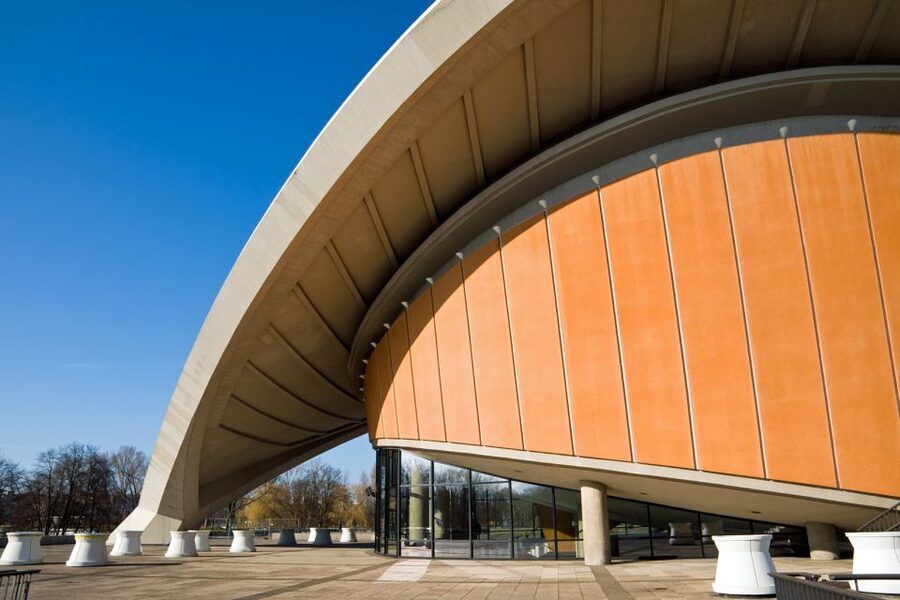
- Signature architecture, not just facades: the walk highlights specific buildings such as the Berlin Pavilion, Gropius-Haus, and the Kaiser-Friedrich Memorial Church.
- A calm, manageable pace: it’s a leisurely walking tour that fits into a tight itinerary.
- Real Berlin institutions nearby: Hansaplatz station, the Hansaviertel Library, and the Hansaviertel Hospital appear along the route.
- City of Tomorrow, not a museum tour: you’ll see modernist design ideas still shaping daily life in the neighborhood.
- English or German with friendly, talkative guides: prior tours show a strong emphasis on answering questions and explaining clearly.
The wider Berlin sightseeing pile
- Berlin: 1-Hour City Tour by Boat with Guaranteed Seating★ 4.3 · 16,993 reviews
- Berlin: City Sightseeing Hop-On Hop-Off Bus Tour★ 4.1 · 4,233 reviews
- Berlin: 1-Hour City Sightseeing Cruise★ 4.4 · 2,210 reviews
- Berlin City Hop-on Hop-off Tour with Optional Cruise★ 3.5 · 1,155 reviews
Hansaviertel and the 1957 dream of a structured city
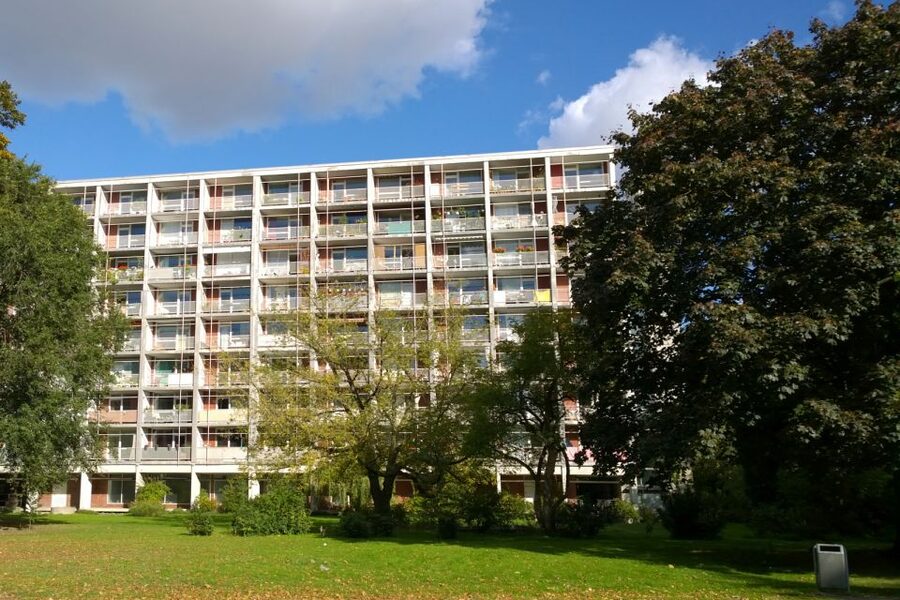
Hansaviertel was planned with a specific ambition: to show how a postwar city could be designed with space, structure, and modern thinking. The big idea you’ll hear early is the International Building Exhibition of 1957, often framed as a live model for the future, rather than a theory you read about later.
What makes this area more than a cool architecture neighborhood is that the district reflects Berlin’s big contrasts. On one hand, you’re looking at clean lines and carefully thought-out layouts from the mid-century modern era. On the other hand, you’re in Berlin, meaning the background story is never purely optimistic, and the city’s turbulence sits under the design.
As you walk, you’ll start noticing how the planning philosophy changes how buildings relate to streets, courtyards, and public space. That is the secret sauce here: it’s not only about seeing famous buildings. It’s about understanding why the district looks the way it does.
The two-hour walk, the guide style, and what $23 buys you
This is a 2-hour walking tour with a live guide in English or German. The price is $23 per person, which is modest for a focused architecture route where the guide is doing the heavy lifting: explaining the purpose behind each design choice and connecting it to the broader story of 1950s modern Berlin.
That value matters. You could spend the same time wandering around on your own, but you’d likely miss the logic that turns these buildings into a coherent “City of Tomorrow” experiment. With a guide, the stop points start feeling intentional, like pieces of the same puzzle.
From the review pattern, the guiding style is a strong point. Guides such as Tobias and Mr Schwabe are remembered for being engaging and funny, while still answering lots of questions. That combo is ideal in a district like Hansaviertel, where architectural details can be subtle and you want explanations without getting lectured.
Practical note: the meeting point can vary depending on which option you book, so plan to arrive a few minutes early once you have your specific pickup location. And because it’s outdoors and mostly walking, wear shoes you trust, especially on days when Berlin feels like it’s in a hurry and the pavements are slick.
Getting oriented: Hansaviertel’s planning lesson before the wow moments

The tour typically starts by getting you oriented in Hansaviertel before you zoom in on standout buildings. You’ll hear how the district was newly designed according to modern urban development principles for the exhibition in 1957. The phrase you should keep in mind is the one about a structured, spacious city, because it explains a lot of what you’ll see.
Here’s what to watch for while you listen, even before you reach the big landmarks:
- Where open space sits relative to building placement.
- How street flow and access feel compared to older parts of Berlin.
- How the architecture communicates order without looking rigid.
This matters because once the tour hits the individual houses and churches, you’ll understand them as responses to planning goals, not just standalone masterpieces.
If you’re the kind of visitor who likes to ask questions, this tour is set up for that. The guides who lead it seem comfortable with a lively group discussion, which helps if your interests lean more toward design, politics, or the everyday feel of the neighborhood.
Berlin Pavilion and the Müller-Rehm/Siegmann House
Two stops early on help you lock into the tour’s main theme: how this district served as a showcase for modern ideas.
First up is the Berlin Pavilion. Think of it as part of the exhibition atmosphere, a place that supports the bigger message that Hansaviertel was meant to look forward. Even if you don’t know the finer design terms, you’ll be able to connect the Pavilion to the exhibition concept: this wasn’t meant to be random housing. It was part of a curated vision of urban life.
Then comes the Müller-Rehm/Siegmann House, a key building where the guide’s explanations help you see design details as choices with consequences. When you’re standing in front of a modernist building, it can be easy to focus only on the surface look. The best moment is when the guide points out how the building’s form fits the district’s plan and its idea of a better city.
If you love architecture, this part is where the tour earns its keep. You’ll start learning what to look for beyond windows and roofs, like how different design elements communicate openness, function, and a mid-century sense of order.
One consideration: if you’re new to architecture, don’t worry about keeping track of every name. The guide’s job is to connect the dots in a way you can follow without a design degree.
Gropius-Haus and the Kaiser-Friedrich Memorial Church
Next, the tour shifts toward two major anchors that make Hansaviertel feel like a real architectural conversation, not just a single style.
The Gropius-Haus is the type of stop that makes you slow down, because it represents the influence of major modernist thinking on this neighborhood. When you’re listening while you look, the building starts to feel like an argument: functional layout, clear geometry, and the mid-century belief that form should serve life.
Right after that, you’ll see the Kaiser-Friedrich Memorial Church. Churches are often where architecture becomes emotional, not just clever. This stop adds a layer of meaning because religious buildings tend to carry a different kind of continuity through time, even when they sit in a modern planned district.
Together, these two stops do something important: they show how “tomorrow” planning didn’t erase older cultural needs. Instead, it put them side by side, letting you sense the city negotiating between forward motion and existing identity.
And yes, you’ll likely spend a few extra minutes here if you like taking photos, because the viewpoints and building lines give you lots of angles.
The Swedish House and why details matter
The tour also includes the Swedish House, mentioned as one of the landmarks you’ll encounter while exploring the district. Even without getting stuck on one specific style label, this stop is valuable because it highlights the international character of the exhibition.
Hansaviertel’s story isn’t only German. It was a place where national and international architects contributed ideas. When you see the Swedish House in context, you begin to understand what that international participation meant for the look of the district.
This is a great part of the walk to pay attention to subtle differences. Two buildings might both feel modern, but the rhythm of openings, the sense of mass, and how the building meets the street can vary in ways that are easier to spot with a guide talking you through what to notice.
Hansaplatz station, the Library, and the Hospital
A walking architecture tour can sometimes forget the people. This one doesn’t. After the standout houses and exhibition-era buildings, you’ll pass important everyday places: Hansaplatz station, the Hansaviertel Library, and the Hansaviertel Hospital.
These stops change the feel of the tour in a good way. They remind you that urban design lives or dies based on daily use. A district can look impressive on paper, but it’s the station access, the community resources like the library, and services like the hospital that make it a real neighborhood.
If you like “how do people actually live here” travel, this part will help you picture Hansaviertel as more than an architecture exhibit. You’ll connect mid-century planning to practical needs, like where people move through the city and where they gather for learning and health.
Also, these are useful wayfinding anchors. After the tour, you can keep exploring on your own with a mental map that feels grounded, not abstract.
Van den Broek House, Schwippert House, and the Academy of Art
The route continues with more signature residences and cultural architecture, including the Van den Broek House and the Schwippert House. These are the kinds of stops where you get better at spotting architectural “themes” instead of chasing only the most famous names.
When a guide points out contrasts between buildings, it helps you see that Hansaviertel’s City of Tomorrow idea wasn’t a single template. It was a district where different architects tested approaches within the same overall planning framework.
Then you’ll finish with the Academy of Art, another reminder that this neighborhood was never only about housing. Arts education fits the district’s forward-looking concept, because it connects design and culture to the idea of rebuilding and reimagining public life.
If you’re traveling with someone who doesn’t usually care about architecture, this ending can help. Arts-related spaces give you a human handle on what you’ve been seeing. By the time you reach the Academy of Art, the buildings start feeling like part of a living system, not just historical objects.
Timing, weather, and comfort tips for a good experience
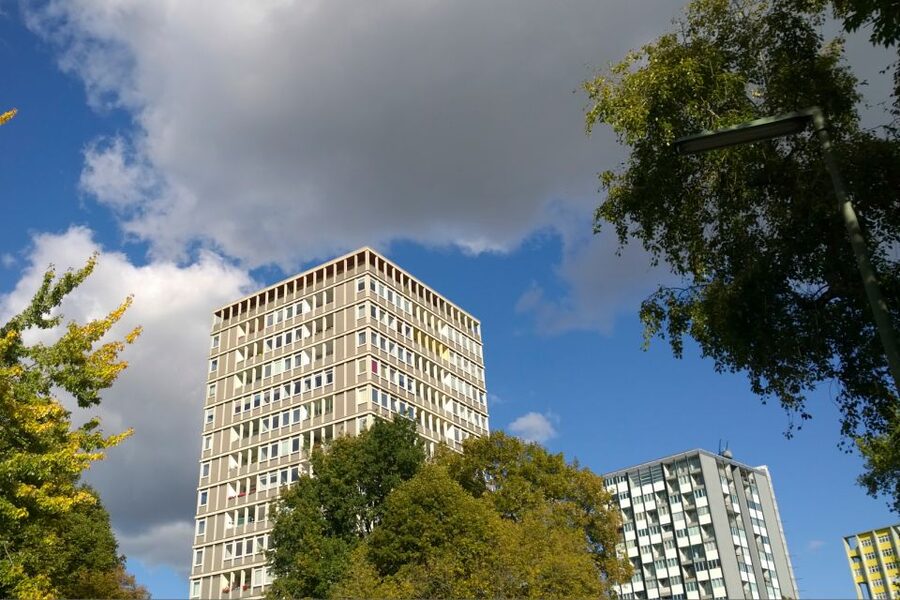
Since the tour is 2 hours on foot, you should plan for a steady walk but not a marathon. It’s described as leisurely, but that word matters: you still need enough energy to enjoy the explanations without constantly checking your watch.
In winter, daylight fades early in Berlin. One past suggestion was that starting a bit earlier in winter could help, which is a fair consideration if you don’t want to feel rushed by darkness.
What to do to make this smoother:
- Bring a layer you can adjust, Berlin weather shifts fast.
- Wear shoes with grip, especially if sidewalks are wet.
- If you want photos, assume you will stop often, because architecture gives you angles everywhere.
If you’re traveling with mobility needs, the tour is wheelchair accessible, which is great. Still, it’s a walking route, so it’s smart to wear comfortable footwear and be ready for uneven outdoor surfaces.
Price and logistics: a focused $23 experience that makes the district click
At $23 per person for 2 hours, this tour is priced like a practical add-on for architecture lovers and curious sightseers. You’re not paying for a long bus ride or a big multi-stop day. You’re paying for a guided walking route that connects names, buildings, and planning ideas into a story you can actually remember.
That’s the value part: the tour turns “I saw some interesting buildings” into “I understand what those buildings were trying to do.” And in Hansaviertel, that understanding is what separates casual viewing from a satisfying experience.
Meeting point timing can vary based on the option you choose. Once you have your specific meeting point, treat it like an appointment: arrive early, so you can start relaxed.
Who this tour is best for
This is a strong match for:
- People who like 50s and modernist architecture and want the why behind the look.
- Travelers who enjoy walking routes that feel slightly off the main tourist track.
- Anyone who wants Berlin context without spending the entire day in a museum.
It can feel less ideal if:
- You want a whirlwind highlights tour with frequent stops and minimal explanation.
- You’re traveling only for classic landmarks, like Brandenburg Gate or Museum Island, and you prefer that style of sightseeing.
If you’re the type who likes to learn while you walk, you’ll probably find this one easy to enjoy.
Should you book the Hansaviertel City of Tomorrow tour?
If you want one afternoon in Berlin that feels thoughtful and well paced, I’d say yes. The district gives you a rare opportunity to see how mid-century planning shaped real streets and real public life, and the tour is built to help you notice the details that matter.
Book it if you care about architecture and city design, especially the ideas behind the International Building Exhibition of 1957. Consider passing if you’re short on time and only want the most famous sights, because this tour’s reward is in interpretation, not in speed.
FAQ
How long is the Hansaviertel City of Tomorrow guided tour?
The tour lasts 2 hours.
How much does the tour cost?
The price is $23 per person.
What languages are available?
The live tour guide is available in English and German.
Where is the meeting point?
The meeting point may vary depending on the option booked.
Is the tour wheelchair accessible?
Yes, the tour is listed as wheelchair accessible.
What is the cancellation policy?
You can cancel up to 24 hours in advance for a full refund.
Seeing Berlin in One Go
Everything else we filed on Berlin
- East Berlin: City of Shadows Walking Tour
★ 5.0 · 11 reviews - Berlin: Die Stachelschweine – Frank Lüdecke – Träumt Weiter
★ 4.7 · 11 reviews - Potsdam Day Trip from Berlin with a Local: Private & Personalized
★ 4.0 · 11 reviews - An Introduction to Berlin Walking Tour
★ 5.0 · 11 reviews - DJ for a Day: Learn to Mix Like a Pro in Berlin
★ 5.0 · 11 reviews - 2-H Segway Sightseeing Tour Berlin
★ 4.5 · 11 reviews
City Tours, side by side.
 ★ 4.3Berlin: 1-Hour City Tour by Boat with Guaranteed SeatingFrom $2516,993 reviews
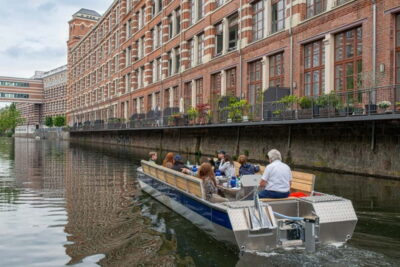 ★ 4.7Leipzig: City History Canal Sightseeing Tour on a MotorboatFrom $186,232 reviews
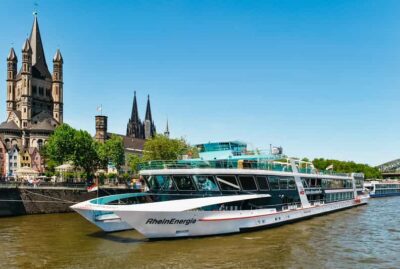 ★ 4.3Cologne: Panoramic City CruiseFrom $235,698 reviews
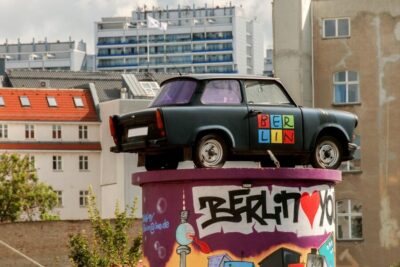 ★ 4.1Berlin: City Sightseeing Hop-On Hop-Off Bus TourFrom $254,233 reviews
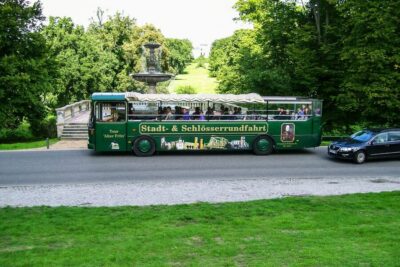 ★ 4.7Potsdam: City and Castles TourFrom $293,721 reviews
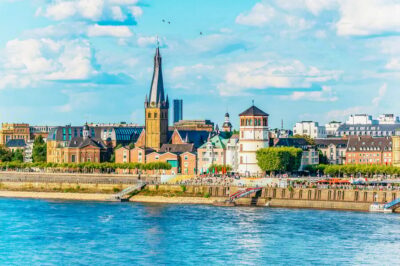 ★ 4.1Düsseldorf: City Sightseeing Cruise on the RhineFrom $232,954 reviews
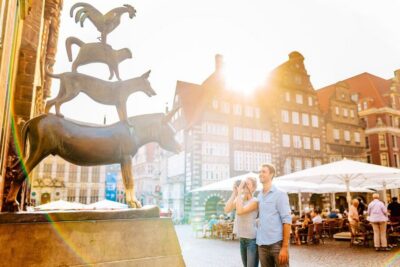 ★ 4.5Bremen: City Center Guided Walking TourFrom $142,709 reviews
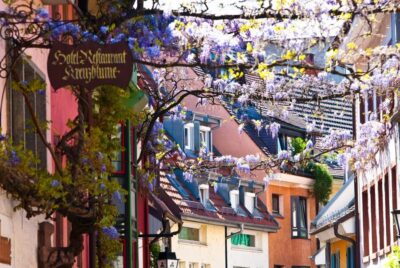 ★ 4.7Freiburg: Gässle, Bächle and More City TourFrom $132,632 reviews
Other lists this tour is on