
REVIEW · 1-DAY TOURS
Berlin in one day – day tour with an expert guide
Six hours of Berlin, and you actually get it. This one-day route is built for major landmarks plus the personal, on-the-ground stories of World War II and the Cold War. I especially like the way you move through Mitte on foot while the guide ties each stop to the next, and I also like that the tour is structured enough to fit a lot without feeling chaotic. The only drawback is pacing, it is a full 6 hours of walking and standing, so good shoes matter.
One more thing I appreciate: you are not stuck listening to a script. In at least one case, a guide named Julian was praised for tailoring the tour to interests and making sure nothing relevant got skipped. That matters in Berlin, where you can wander for hours and still miss the key “why this matters” moments.
In This Review
- Key things you should notice before you go
- Why Mitte plus walking beats a cram-bus day
- Starting at Ebertstraße 24 with a pickup that keeps things simple
- Brandenburg Gate to Checkpoint Charlie: the day’s backbone
- East Side Gallery and Museum Island: when the Wall becomes art and space
- Reichstag and Topography of Terror: power, then consequence
- Unter den Linden, ghost stations, and escape stories
- Humboldt University and the Soviet War Memorial: the Cold War mapped in place
- What the included admission ticket does for your day
- Price and value for a 6-hour, no-vehicle Berlin day
- Who should book this and who should skip it
- Should you book Berlin in one day with Birchys Berlin Tours?
- FAQ
- How long is the Berlin in one day tour?
- Where does the tour start and end?
- Is pickup offered?
- Does the tour use transportation like a bus?
- Is this tour private?
- What is included in the price, and can I cancel for free?
Key things you should notice before you go
- Expert local guide, tight structure that keeps the day moving.
- No vehicles used, so you see the streets between sights.
- Major East and West Berlin landmarks packed into one route.
- Cold War storytelling including watchtowers, ghost stations, and escape stories.
- Admission ticket included, so you save time sorting logistics on the day.
- Private group format, only your group participates.
Undecided? The closest Berlin write-ups we have are these.
- Berlin: Reichstag, Dome and Government District Guided Tour★ 4.7 · 18,288 reviews
- Berlin: 1-Hour City Tour by Boat with Guaranteed Seating★ 4.3 · 16,993 reviews
- Berlin: Boat Tour Along the River Spree★ 4.4 · 11,252 reviews
- Discover Berlin Half-Day Walking Tour★ 5.0 · 9,624 reviews
Why Mitte plus walking beats a cram-bus day

Berlin in one day works best when the itinerary feels like a guided walk through a single story line. This tour is centered on Mitte, the part of town where so many turning points happened. You start with big-photo symbols, then zoom into the “how people actually lived” details that often get overlooked when you only do museums and monuments.
The on-foot design is also a value move. Without private transportation, the tour doesn’t depend on traffic, shuttle timing, or seat time. You get street-level context. You can look around and notice how the city is layered, old and new sitting side by side, especially around the former border areas and memorial sites.
The tradeoff is physical effort. Six hours in a single day means you should plan for steady walking. If you are the type who likes to stop for photos, read every plaque, and then sit down often, you may feel the pace. If you are good with moving and listening, this format is a strong match.
Starting at Ebertstraße 24 with a pickup that keeps things simple

You meet at Ebertstraße 24, 10117 Berlin. The good part: the tour ends back at the meeting point, so you do not have to solve transit at the end of the day when you are tired.
Pickup is offered on foot from your hotel lobby about five minutes before the tour. That is helpful if you are staying nearby and want to avoid a long commute just to start. It also signals the tour is designed to work in a walkable area, not as a “meet here, then disappear in a vehicle.”
Practical note: the tour includes a mobile ticket, and it is offered in English. Service animals are allowed, and most travelers can participate. The key thing for your planning is to build the day around the meeting time and bring water and comfort items, since there’s no mention of vehicle breaks.
Brandenburg Gate to Checkpoint Charlie: the day’s backbone
This is where Berlin stops being a postcard city and starts feeling like a timeline you can walk.
You begin with the grand symbol: the Brandenburg Gate. The guide then connects it to the bigger story of World War I and World War II, and especially the retrospective of the Battle of Berlin. That framing matters. The Gate looks iconic, but it also becomes a marker for how Berlin was rebuilt, reinterpreted, and politicized.
From there, you head toward Checkpoint Charlie and the Berlin Wall Memorial. These stops are not just “see the famous spot” experiences. They are the kind of place where the guide’s narrative can help you understand the border as a lived reality. One-minute you are looking at a checkpoint reference point, and the next minute you are hearing how people tried to cross, what it meant to fail, and why the Wall changed daily life.
Why this works on a one-day tour: it creates contrast. You go from monumental symbolism to human-scale pressure. That contrast is what makes the next sections hit harder.
Possible drawback to keep in mind: because the stops are so significant, you may want extra time for quiet reading. With only 6 hours total, you will have to choose between soaking everything in and keeping pace. If you care deeply about memorial texts, plan to skim and catch the highlights your guide flags.
East Side Gallery and Museum Island: when the Wall becomes art and space
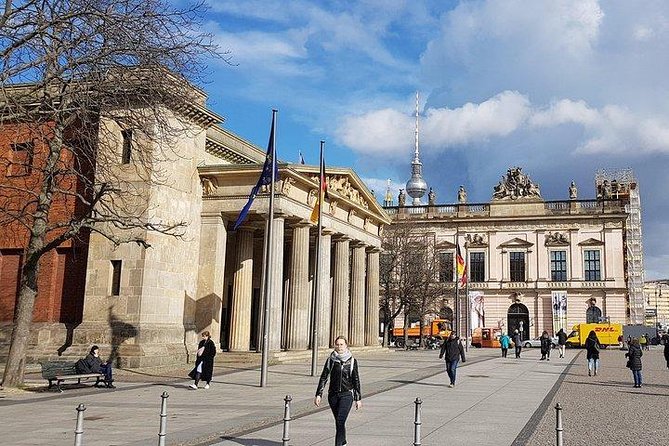
After the checkpoint area, the route includes the East Side Gallery and Museum Island. Even if you have seen photos of the Wall sections, seeing this portion in person changes how you think about it. It stops feeling like a single historical event and starts feeling like a long, messy process of transformation.
The Wall is often taught as a barrier. Here, the guide’s talk about Berlin’s divided reality helps you notice something else: after the Wall, Berlin filled in the gaps with symbols, memory, and public interpretation. The East Side Gallery is a strong example of that. You can see how street art and public messaging grew out of political history instead of replacing it.
Museum Island adds another layer. It is not only about art and architecture. It is a reminder that Berlin was already an intellectual center, and then history turned that into something more complicated. The guide can tie the Cold War setting to the city’s long-term identity, so the island feels connected to the rest of the day instead of like a detour.
If you are hoping for “just museums,” this may feel more story-driven than collection-driven. But if you want a guided understanding of why these places matter in Berlin’s political memory, it’s a good pairing.

Reichstag and Topography of Terror: power, then consequence
Next comes two stops that often define how first-timers think about modern Berlin: the Reichstag and Topography of Terror.
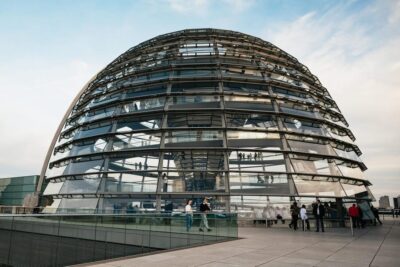
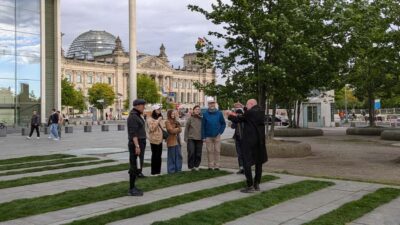
The Reichstag stop gives you a sense of political gravity. It is one of those buildings that makes you stand back and rethink the whole idea of governance, because Berlin’s 20th-century story is inseparable from power struggles. The guide frames it in relation to the same conflict that shaped the city’s fate earlier in the day.
Then Topography of Terror brings the consequences into focus. This is the kind of place where the meaning is heavier than the sight itself. The value of having a guide here is timing and interpretation. You do not just read. You connect the themes: occupation, terror systems, and how a city tries to document what happened.
One consideration: because this part of the day deals with brutal subject matter, it can feel emotionally intense. If you prefer light sightseeing, you might want to prepare yourself mentally. If you are okay with learning history in full weight, this portion is one of the strongest reasons to book the tour.
Unter den Linden, ghost stations, and escape stories
After the major memorial anchors, you move along Unter den Linden, one of Berlin’s key “spine” streets. This is where the day becomes more like walking through the corridor of power and influence.
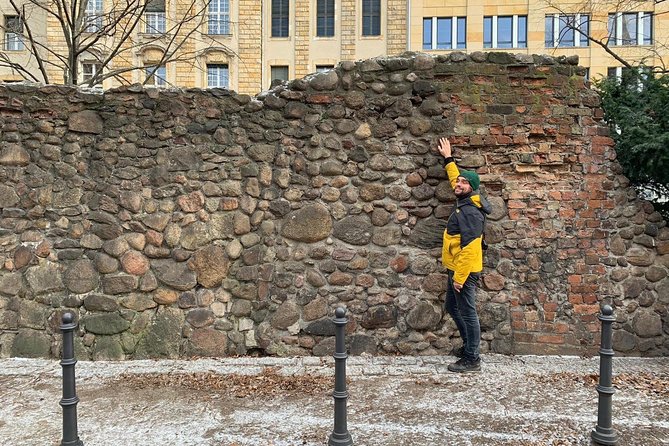
The tour includes a focus on watchtowers, ghost stations, and escape stories. Those elements can be startling when you first hear them explained in context. The phrase ghost stations often points to how parts of the transit network were affected by division. When you walk near these areas with a guide explaining how the Cold War shaped movement, public space suddenly has an extra layer of meaning.
Escape stories are especially memorable because they remind you the Wall was not only about control. It was also about resistance, risk, and desperate choices. Even if you only catch a few key stories during the stop, the guide can help you understand why they were possible, why they failed, and what people hoped to gain.
Practical tip for you: bring your curiosity and let the guide’s narrative steer how you look at the street. If you treat it like a sightseeing stroll, you may miss why this part lands so well.
Humboldt University and the Soviet War Memorial: the Cold War mapped in place
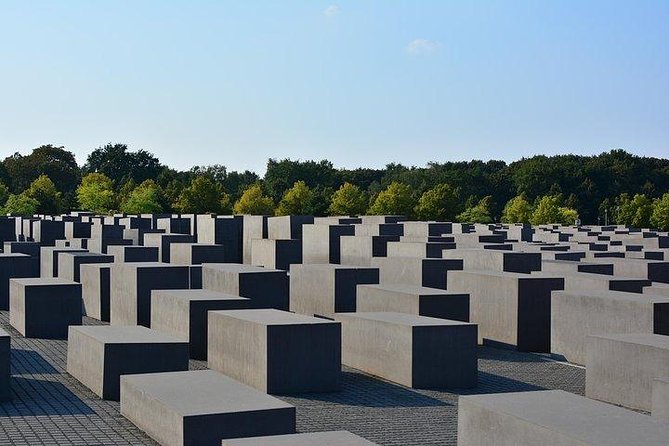
The route continues with Humboldt University and the Soviet War Memorial. Together, they work like two bookends for Berlin’s divided era.
Humboldt University adds an intellectual center to the political story. The guide’s framing can help you see the city’s academic identity alongside the forces that tried to reshape it. It also helps connect World War II aftermath to the Cold War structure that followed.
Then the Soviet War Memorial brings the viewpoint back to a specific political memory. In Berlin, many landmarks are connected to competing narratives. A guided approach is a big help here because the point is not to pick one story as the correct one. The point is to understand how different powers memorialized events and how that shows up in the built environment.
A key value of including these stops on a one-day route is balance. If your day only covers Wall imagery and Western narratives, you can leave with a narrow view. Adding these elements helps you see Berlin as a city where multiple sides left their marks.
What the included admission ticket does for your day
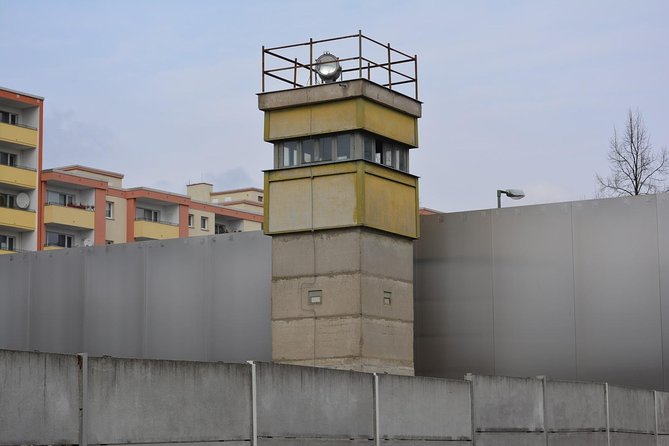
The tour notes that an admission ticket is included. The exact sites covered aren’t specified in the info you provided, so I cannot promise which one you will enter. But in real life, included admission usually means less time in line and less last-minute ticket searching.
On a 6-hour schedule, that matters. It keeps your day focused on walking and listening, instead of turning into a split-second scramble around ticket desks. If you’re planning a tight itinerary, this is one of the “small details that save your day” features.
Price and value for a 6-hour, no-vehicle Berlin day
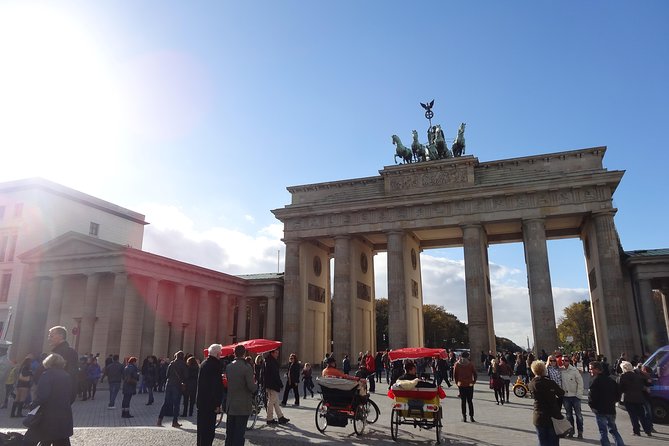
The price is $294.72 per person for about 6 hours, with a local guide included. That sounds high until you compare what you actually get: a private tour format (only your group), a concentrated route through major East and West Berlin landmarks, and the guide’s interpretation of war and Cold War history. This isn’t just walking between sights. The value is the connective tissue, the way the guide links each stop into a single story.
Also, it helps that there is group discount noted. If you have friends or family who want to share the experience, the cost per person can make more sense.
The no-vehicle setup should be part of your value math too. It is not a “chauffeur + quick stops” model. You are paying for time with a guide who keeps the flow efficient on foot.
The booking pace is another hint at demand. It is commonly booked about 22 days in advance on average. If you have a specific date, I would not wait until the last week.
One more practical thought: because this is a private tour, it is great if you want flexibility around what you care about. If you prefer a more free, self-directed style, you might feel boxed in by a structured 6-hour plan. But if you want an expert to help you make sense of Berlin fast, it is a strong setup.
Who should book this and who should skip it
This tour is a great fit if:
- You are short on time and want the big landmarks plus the “why” behind them.
- You like history that feels physical, tied to street corners, memorials, and buildings.
- You want a guided plan that reduces decision fatigue.
It may be less ideal if:
- You struggle with long stretches of walking and standing.
- You prefer a more relaxed pace with lots of unstructured free time.
- You only want art or architecture and would rather skip heavy historical stops.
If you want one-day Berlin that does not feel random, this route has a clear logic: symbols first, then division, then memory, then how Berlin’s landscape carries those stories forward.
Should you book Berlin in one day with Birchys Berlin Tours?
I think you should book it if your goal is to understand Berlin quickly, with a guide who can keep the day organized and relevant. The strongest reason is the combination of major landmarks and the Cold War narrative tied to concrete places like the Wall Memorial, East Side Gallery, the Reichstag, and Topography of Terror. Add in the praised guide style you can get with a name like Julian, and you have a tour designed to be more than a highlight list.
If you are sensitive to intense subject matter, plan for that mentally before you go. And if you know you will need frequent rests and slow wandering, this format may feel rushed.
For most first-timers who want value and clarity, this is a sensible way to spend 6 hours in Berlin, with a route that makes the city’s layers easier to hold in your head.
FAQ
How long is the Berlin in one day tour?
The tour runs for about 6 hours.
Where does the tour start and end?
It starts at Ebertstraße 24, 10117 Berlin, Germany and ends back at the meeting point.
Is pickup offered?
Yes. The guide will pick you up on foot from the hotel lobby about 5 minutes before the tour.
Does the tour use transportation like a bus?
No. The tour does not use vehicles.
Is this tour private?
Yes. Only your group will participate.
What is included in the price, and can I cancel for free?
Local guides are included, and an admission ticket is included. You can cancel for a full refund if you cancel up to 24 hours in advance.
Everything else we filed on Berlin
- East Berlin: City of Shadows Walking Tour
★ 5.0 · 11 reviews - Berlin: Die Stachelschweine – Frank Lüdecke – Träumt Weiter
★ 4.7 · 11 reviews - Potsdam Day Trip from Berlin with a Local: Private & Personalized
★ 4.0 · 11 reviews - An Introduction to Berlin Walking Tour
★ 5.0 · 11 reviews - DJ for a Day: Learn to Mix Like a Pro in Berlin
★ 5.0 · 11 reviews - 2-H Segway Sightseeing Tour Berlin
★ 4.5 · 11 reviews
1-Day Tours, side by side.
 ★ 4.5From Munich: Neuschwanstein & Linderhof Castle Full-Day Trip12,494 reviews
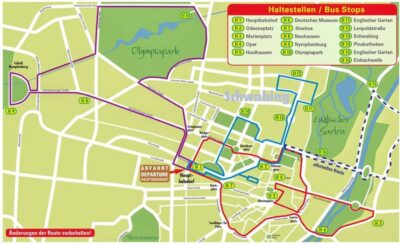 ★ 4.3Munich Hop-On Hop-Off Tour: 1-Day or 2-Day TicketFrom $274,161 reviews
 ★ 4.7From Munich: Neuschwanstein Castle Full-Day TripFrom $933,977 reviews
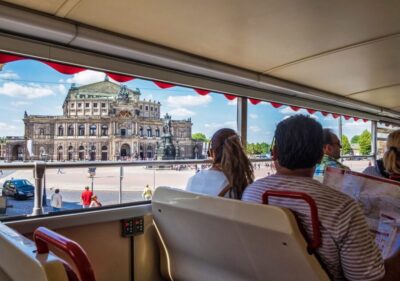 ★ 4.5Dresden: 1-Day Hop-On-Hop-Off Bus TourFrom $292,813 reviews
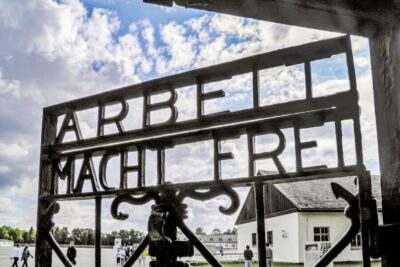 ★ 4.7From Munich: Dachau Memorial Site Half-Day TripFrom $622,526 reviews
 ★ 4.5Neuschwanstein Castle and Linderhof Palace Day Trip from MunichFrom $911,756 reviews
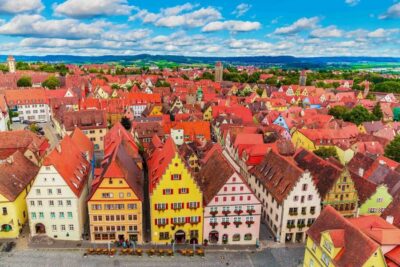 ★ 4.4From Munich: Rothenburg and Nördlinger Ries Day Trip by BusFrom $701,748 reviews
 ★ 4.4From Frankfurt: Rhine Valley Day TripFrom $1751,317 reviews