
REVIEW · TOURS
Berlin: Sightseeing Tour in Classic Volkswagen T1 Samba Bus
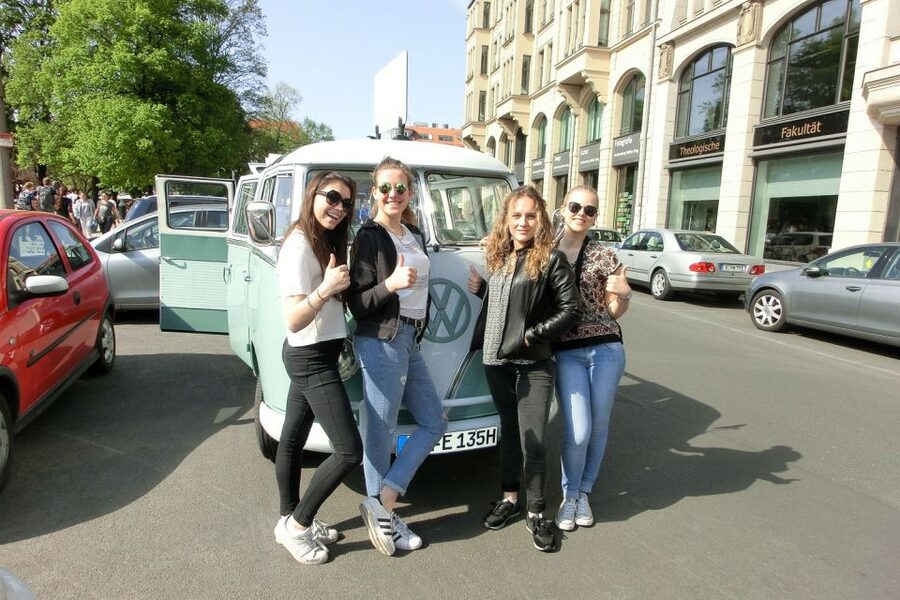
Berlin clicks into focus from a 1965 bus. This short ride is fun and practical, because you’re not stuck on a loop, you’re cruising in a 1965 VW T1 Samba with live commentary that ties big landmarks to the streets around them. I especially like how the tour feels personal, with guides such as Rajko and Michael calling out details and adding context as you pass major sights like the Berlin Cathedral and Brandenburg Gate. One drawback to plan for: it’s a 2-hour drive-by format, so you’ll see a lot, but you won’t do full museum or inside-the-building visits.
My second big plus is the way you’re set up to remember what you’re looking at. The bus has 21 windows, and you follow along with a photo booklet (an analog iPad) that helps you picture what places looked like in earlier eras. In winter, the included heating also makes a big difference for comfort. If you want slow, deep stops with lots of walking, this tour might feel too fast paced.
In This Review
- Key highlights that make this Berlin bus tour worth your time
- Why a classic VW T1 Samba bus makes Berlin easier
- The 2-hour format: what you gain and what you skip
- Meeting at Berlin Cathedral: the tour’s “map” start
- Lustgarten and Museum Island: the quick path through old Berlin landmarks
- German Historical Museum and Neue Wache: moving from collections to meaning
- Crown Prince’s Palace, Humboldt University, and Unter den Linden: the “power and learning” axis
- Brandenburg Gate and Reichstag: the turning point you feel in the route
- Federal Chancellery to Hauptbahnhof, Bellevue Palace, and Siegessäule: Berlin’s “center system”
- West Berlin sweep: Zoologischer Garten, Kurfürstendamm, KaDeWe, and the Gedächtniskirche area
- Kulturforum and Philharmonie to Potsdamer Platz: art, architecture, then traffic reality
- Berlin Wall corridor and the Anhalter Station area: the emotional center of the ride
- Holocaust Memorial and Checkpoint Charlie: history you can’t speed past
- Berlin Palace, Rotes Rathaus, TV Tower, and St. Mary’s Church: closing with skyline and civic identity
- Comfort and viewing: why the 7-person limit really helps
- Who should book this VW T1 Samba tour, and who might skip it
- Value for $51: why the price feels fair for what you get
- Should you book this Berlin VW T1 Samba sightseeing tour?
- FAQ
- How long is the Berlin VW T1 Samba sightseeing tour?
- Where do I meet for the tour?
- What sights are included on the route?
- What is the bus like and how many people fit?
- What languages are the live guides?
- Is the tour wheelchair accessible?
- What’s included in the price?
- Who should avoid booking?
Key highlights that make this Berlin bus tour worth your time
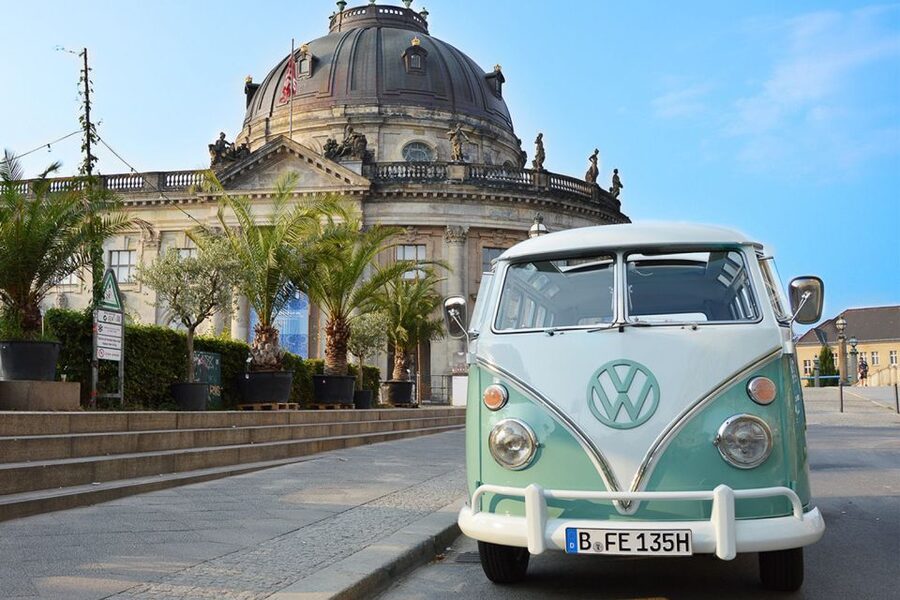
- A restored 1965 VW T1 Samba bus that turns transit into part of the experience
- Live guide stories shared in English or German, with the small group keeping things interactive
- 21 windows plus a photo booklet, so you can connect what you see today to what changed over time
- A route that mixes East and West Berlin themes in just 2 hours
- Small group limit of 7, which usually means better sight lines than big buses
Undecided? The closest Berlin write-ups we have are these.
- Berlin: Reichstag, Dome and Government District Guided Tour★ 4.7 · 18,288 reviews
- Berlin: 1-Hour City Tour by Boat with Guaranteed Seating★ 4.3 · 16,993 reviews
- Berlin: Boat Tour Along the River Spree★ 4.4 · 11,252 reviews
- Discover Berlin Half-Day Walking Tour★ 5.0 · 9,624 reviews
Why a classic VW T1 Samba bus makes Berlin easier

Berlin can feel like several cities layered on top of each other. That’s the challenge. The solution here is how the tour is built: you ride a vintage VW T1 Samba bus and use the windows as your frame. From the street, you get wide views without climbing stairs, and you still hear the stories behind what you’re passing.
I like that the tour isn’t just a list of famous stops. The guide’s commentary is live, and the bus route includes side roads that help you understand how neighborhoods connect. It’s also a nice change from the usual hop-on, hop-off approach, where you spend a lot of time waiting and you miss the thread that makes it all click.
The bus itself matters too. It’s described as a lovingly maintained, mint-condition vehicle, and multiple guides’ setups include comfort features that make a short tour in cold weather feel doable. People also remark on how comfortable it is, which is important, because 2 hours passes fast when you’re sitting in a seat that’s not great.
The 2-hour format: what you gain and what you skip
This tour is built for quick orientation. In 2 hours, you’ll get close to a lot of Berlin’s most recognizable landmarks plus several locations that give you clues about the city’s 20th-century shifts. That’s valuable if you’re trying to decide where to spend more time later.
Here’s the trade-off. You’ll mainly pass by stops and view things from the street. The photo booklet is there to give you extra visual context, but you won’t be doing extended interior visits. So if your goal is museum tickets and long guided tours inside major buildings, you’ll likely want to pair this with other, longer activities.
Meeting at Berlin Cathedral: the tour’s “map” start
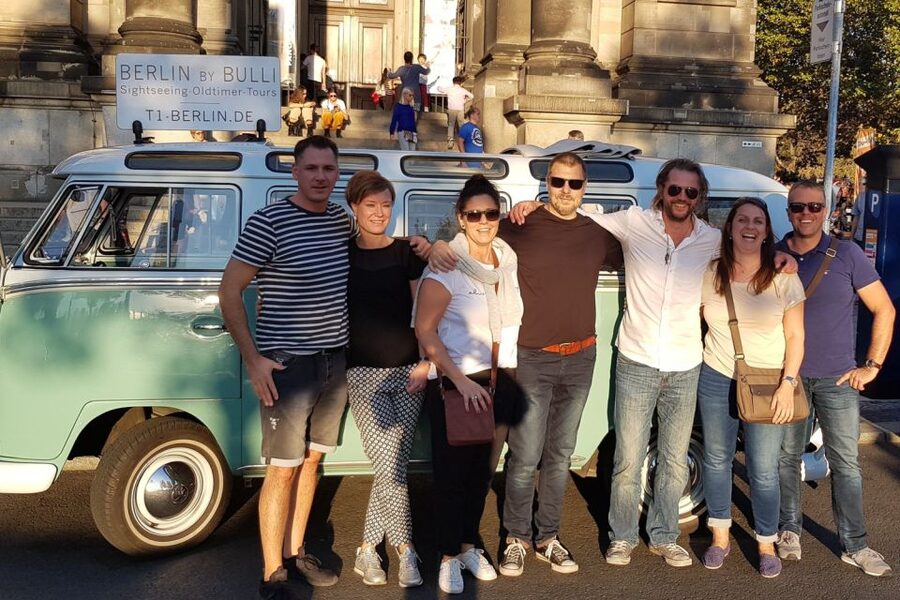
You start at Berlin Cathedral, and that opening point helps. It’s one of those landmarks that anchors your mental map right away. You’re also starting in the central historic core, which is smart, because it lets the route reach both the museum zone and the big civic sights without feeling like you’re driving across town just to begin.
From there, you’re ready to absorb how Berlin is arranged: grand spaces, then streets that lead into calmer, more residential patterns. The bus angle of viewing also helps, because you’re not only looking at buildings, you’re seeing how the road layout guides the city.
Lustgarten and Museum Island: the quick path through old Berlin landmarks
Early in the ride, you pass Lustgarten, then move along the area with major museum buildings like Alte Nationalgalerie, Neues Museum, Pergamon Museum, and Bode Museum. Even if you don’t go inside anything, this stretch is useful because these structures sit in a tight cluster, and your guide uses them to build a timeline.
This is where the photo booklet really earns its keep. You’re viewing the outside today, then flipping through images that help you picture earlier versions of what you’re seeing. That makes your later museum choices easier. You start to understand what style and era you’re gravitating toward.
A practical tip: keep your phone away for the first part and just watch. When the guide explains what you’re passing, it’s easier to learn the city if you don’t turn the whole ride into one long photo sprint.
German Historical Museum and Neue Wache: moving from collections to meaning
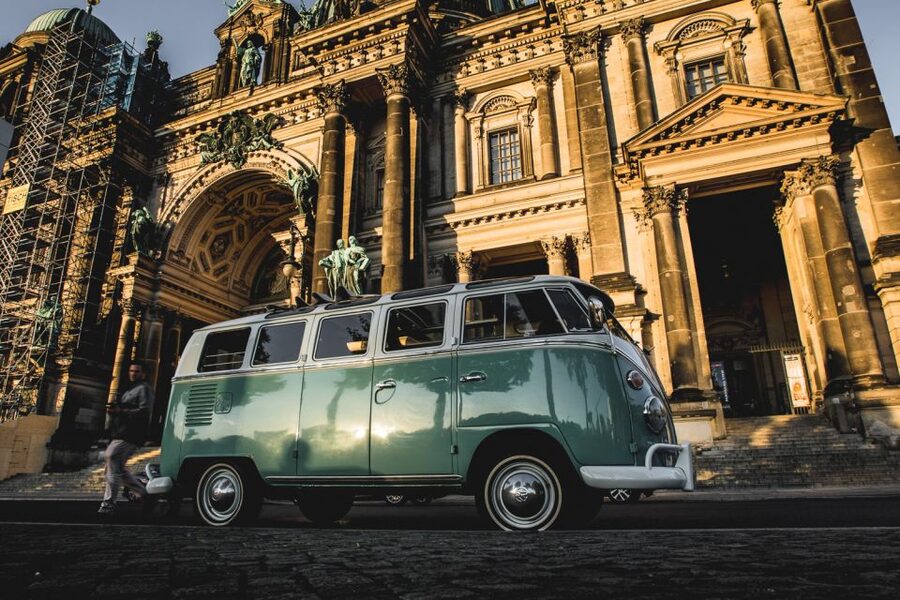
As the tour continues, you pass German Historical Museum and Neue Wache. These aren’t just famous names on a route. They signal a shift from grand architecture to places tied to public memory and political life.
Even from the road, the way the guide frames these stops helps you connect the museum/culture zone with the next theme in Berlin: how history was staged in public spaces. This is a strong section for anyone who wants more than surface level sightseeing, because the guide’s job is to point out what the city is trying to say, not just what it looks like.
Crown Prince’s Palace, Humboldt University, and Unter den Linden: the “power and learning” axis
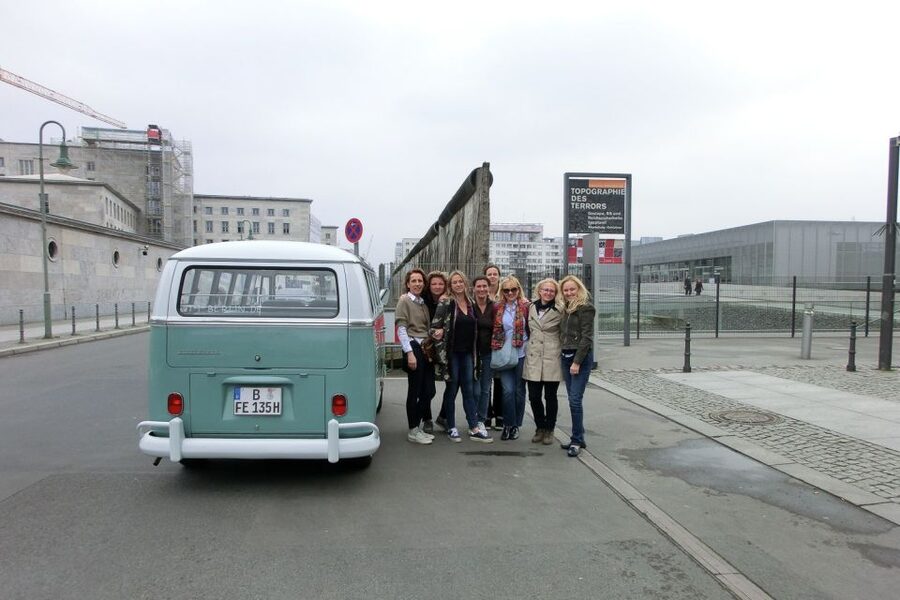
As you ride past Crown Prince’s Palace, Humboldt University of Berlin, and Berlin State Opera, you get the feel of a broad civic corridor. Then you continue along Bebelplatz and onto Unter den Linden and Pariser Platz.
This part is all about the city’s long-running identity as a place of institutions. You’ll see opera, university, and ceremonial streets in one connected sweep. That matters because Berlin’s most famous sights don’t sit randomly; they often line up with big avenues and historically important zones.
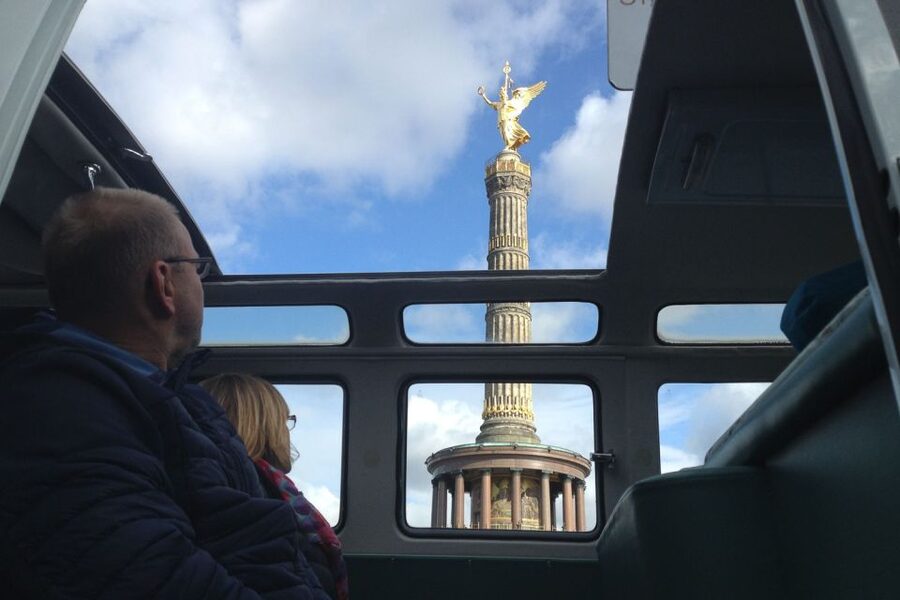
Also, the bus layout makes it easier to watch both sides of the street. With 21 windows, you can choose your best view side depending on what the guide is calling out.
Brandenburg Gate and Reichstag: the turning point you feel in the route
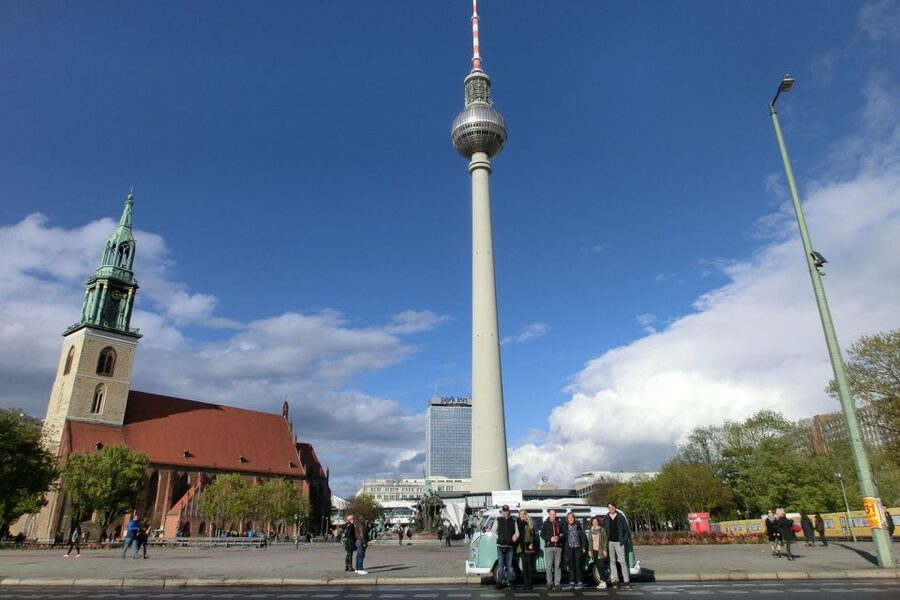
Then comes Brandenburg Gate, followed by Reichstag and the Government district. This is the moment where the tour’s themes tighten around modern Berlin and its political center.
From the bus, you get the scale of these places quickly. You see how the road network feeds into the big civic spaces, and you’re close enough to street-level detail that the sights don’t feel abstract.
The guide also helps you connect the gate area to the later stops tied to German governance. You pass Federal Chancellery later, and you’ll also see related sites like Government district landmarks and major transport nodes that connect power with movement.
Federal Chancellery to Hauptbahnhof, Bellevue Palace, and Siegessäule: Berlin’s “center system”
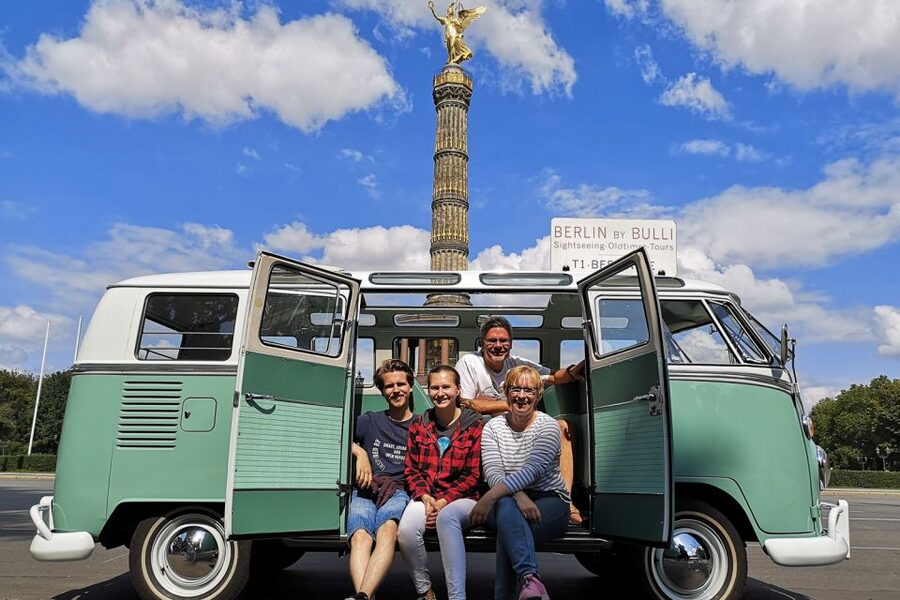
After the Reichstag zone, you pass through the broader central district. You’ll roll past Berlin Hauptbahnhof, then head toward Bellevue Palace and Berlin Victory Column (Siegessäule).
This segment is a good example of what the tour does well: it doesn’t treat Berlin as only old buildings. It shows you the working machine behind the city center. Transport hubs, official buildings, and large public monuments are all part of the same story.
If you’re only doing one guided option in Berlin, this is one of the reasons to pick this tour. It gives you enough spatial context that your later self-guided walks will make more sense.
West Berlin sweep: Zoologischer Garten, Kurfürstendamm, KaDeWe, and the Gedächtniskirche area
Once the route turns toward the west side, you’ll pass landmarks tied to Berlin’s modern shopping and entertainment image, including Zoologischer Garten, Theater des Westens, Savignyplatz, Kurfürstendamm, and Tauentzienstraße. You also pass by Kaiser Wilhelm Memorial Church (Gedächtniskirche) and the shopping area around KaDeWe.
This isn’t just a photo stop list. The guide’s pacing lets you see how West Berlin’s identity shaped the streets you’ll actually want to walk later. Even if you’re not shopping, Kurfürstendamm is a powerful “feel” experience, because it’s where you understand the city’s everyday energy.
The route keeps moving, though. That’s great for coverage, but it means you won’t linger. If you want to shop for real, plan to use this tour as your orientation and then come back.
Kulturforum and Philharmonie to Potsdamer Platz: art, architecture, then traffic reality
Next you pass Berliner Philharmonie and Kulturforum, then head toward Potsdamer Platz. This sequence is a strong contrast. You go from performance/architecture spaces into one of Berlin’s most recognizable modern intersections.
It helps to see both in one ride, because Berlin’s cultural monuments and modern urban life sit side by side. You can also sense the scale of development and redevelopment across decades just by watching how the streets open up and how the city’s flow changes.
This is one of the times when your photo booklet can make you connect today’s layout with earlier city plans. Even when you cannot verify details with your eyes at street speed, the guide’s framing helps you fill in the gaps.
Berlin Wall corridor and the Anhalter Station area: the emotional center of the ride
The ride then reaches Berlin Wall, followed by Niederkirchner Straße and Anhalter Station. This is where the tour becomes more serious. The locations on the route are tied to division and the physical evidence of how the city was separated.
Even though you’re not spending long here, you’re hearing live commentary that puts the stops into a wider context. That’s important because the bus makes it easy to see many places quickly, and the guide’s job is to keep the story from turning into a sightseeing checklist.
If you’re sensitive to heavy historical topics, give yourself mental space here. This section can hit hard, especially with a guide who speaks clearly about what you’re seeing.
Holocaust Memorial and Checkpoint Charlie: history you can’t speed past
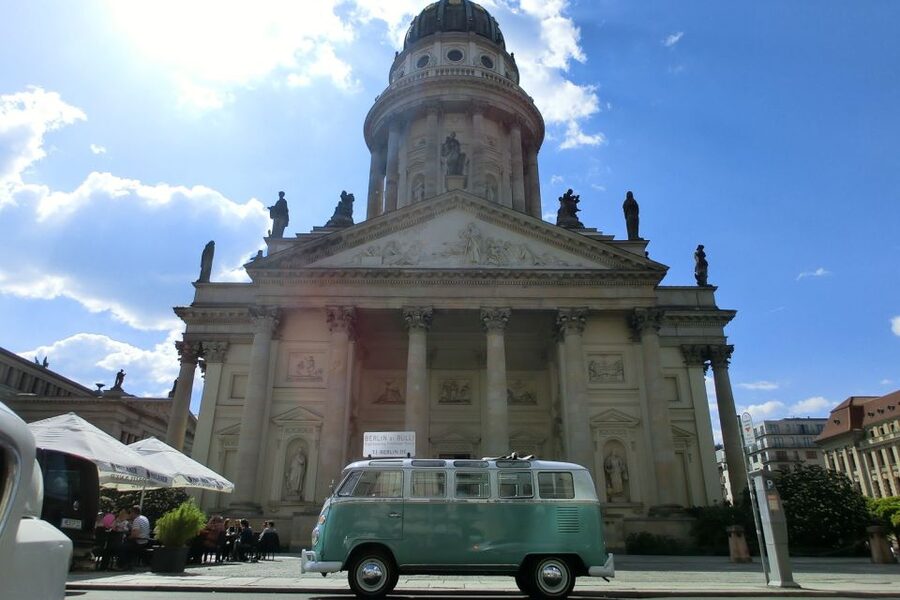
You then pass the Holocaust Memorial, then move toward Friedrichstraße and Checkpoint Charlie, and continue to Gendarmenmarkt.
This stretch matters because it’s not just about architecture, it’s about consequence. The bus format doesn’t reduce the seriousness of these sites. If anything, hearing the story while you’re close to the locations can make the experience more grounded than reading a sign later.
It’s also a section where your time feels tight. You might want to linger, but you can’t. The best way to use the moment is to listen closely, notice the street context, and then decide what you need to explore on your own afterward.
Berlin Palace, Rotes Rathaus, TV Tower, and St. Mary’s Church: closing with skyline and civic identity
In the final stretch, you’ll pass Berlin City Palace, cross areas near Jungfern Bridge, and then ride toward Galgenhaus, Rotes Rathaus, the TV Tower area, Neptunbrunnen (Neptun Fountain), and St. Mary’s Church.
This ending is a smart choice because it shifts you back toward a panoramic Berlin mindset. The skyline and civic buildings help you see how Berlin now presents itself, and the bus keeps the route flowing so you’re not stuck navigating complicated streets at the exact moment you might be tired.
Also, the bus is still moving when you get to the TV Tower area. That movement gives you a different view than if you stop and stand still. You’re more likely to remember the way the city opens up in that direction.
Comfort and viewing: why the 7-person limit really helps
This is a small group tour, limited to 7 participants. That matters more than it sounds. On big buses, your view is often blocked, and photos become a game of shoulders and angles. In a tight group, you can actually see what the guide is pointing to.
The vehicle has heating when necessary, and reviews highlight how much winter comfort affects the experience. If you’re visiting in cold months, that heating turns a potential chore into a more relaxed morning.
The route also uses 21 windows, which means even if you’re sitting on the inside seat, you likely get clear viewing angles without constantly leaning.
One other practical detail: the tour is offered in English and German, and it may run in more than one language. That’s a normal reality in Berlin tours with mixed groups. It means you should expect the guide to manage the room.
Who should book this VW T1 Samba tour, and who might skip it
I think this tour is a great fit if:
- you want a fast, street-level way to learn Berlin’s layout
- you like history explained through real places, not just museum walls
- you appreciate a guide who tells the story while you’re actually seeing the buildings
- you’re visiting in winter and want a warm, comfortable way to cover a lot
I’d think twice if:
- you need in-depth, inside-the-building time at major museums
- you’re sensitive to motion or conditions listed as not suitable for this tour, including epilepsy
- you’re sick, since it’s noted as not suitable for people with a cold
- you’re above 275 lbs (125 kg), since there’s a weight limit
Value for $51: why the price feels fair for what you get
At $51 per person for a 2-hour sightseeing tour, you’re paying for three things at once: transport in a classic VW T1 Samba, live guide commentary, and the photo booklet tool that supports the historical storytelling.
The biggest value lever is time. Berlin spreads out, and even a short visit needs a “get oriented” activity. This tour gives you a dense route through central Berlin plus both historic and modern anchor points. For many people, it also makes later planning easier, because you come away knowing where major districts sit relative to each other.
The small group format adds value too. You’re less likely to feel like a passenger in a crowd and more likely to actually track what the guide is pointing out.
Should you book this Berlin VW T1 Samba sightseeing tour?
Yes, if you want an efficient and memorable way to see Berlin’s highlights with a human story attached to the street scenes. The mix of classic bus charm, live commentary, comfort (including heating), and the photo booklet format makes it a smart first or early-in-your-trip move.
Before booking, set expectations for the format: it’s a short, drive-by route. You’ll get impressive coverage, but you’ll likely want to come back later for any stops that truly pull you in. If that sounds like your style, this is an easy “do it” choice.
FAQ
How long is the Berlin VW T1 Samba sightseeing tour?
The tour lasts 2 hours.
Where do I meet for the tour?
You meet at Berlin Cathedral.
What sights are included on the route?
The route includes major landmarks such as Berlin Cathedral, Brandenburg Gate, Reichstag, Berlin Wall, Holocaust Memorial, Checkpoint Charlie, TV Tower, and Neptun Fountain, plus many other stops along the way.
What is the bus like and how many people fit?
It’s a classic 1965 Volkswagen T1 Samba bus, and the group size is limited to 7 participants. The bus has 21 windows.
What languages are the live guides?
The live commentary is available in English and German. The tour may be conducted in more than one language.
Is the tour wheelchair accessible?
Yes, it is wheelchair accessible, but non-folding wheelchairs are not allowed.
What’s included in the price?
Included items are transportation in the Volkswagen T1 Samba bus, driver/guide, live commentary, a photo booklet (analog iPad), and heating when necessary.
Who should avoid booking?
It’s not suitable for people with epilepsy and it’s also noted as not suitable for people with a cold. There is also a weight limit of 275 lbs (125 kg). Intoxication and glass objects are not allowed.
Everything else we filed on Berlin
- East Berlin: City of Shadows Walking Tour
★ 5.0 · 11 reviews - Berlin: Die Stachelschweine – Frank Lüdecke – Träumt Weiter
★ 4.7 · 11 reviews - Potsdam Day Trip from Berlin with a Local: Private & Personalized
★ 4.0 · 11 reviews - An Introduction to Berlin Walking Tour
★ 5.0 · 11 reviews - DJ for a Day: Learn to Mix Like a Pro in Berlin
★ 5.0 · 11 reviews - 2-H Segway Sightseeing Tour Berlin
★ 4.5 · 11 reviews
Tours, side by side.
 ★ 4.7Berlin: Reichstag, Dome and Government District Guided TourFrom $1818,288 reviews
 ★ 4.3Berlin: 1-Hour City Tour by Boat with Guaranteed SeatingFrom $2516,993 reviews
 ★ 4.7Hamburg: Sex and Crime in St. Pauli Tour for Ages 18+From $29515,447 reviews
 ★ 4.7Dresden: Semperoper Tickets and Guided TourFrom $1812,102 reviews
 ★ 4.4Berlin: Boat Tour Along the River SpreeFrom $3411,252 reviews
 ★ 5.0Discover Berlin Half-Day Walking TourFrom $249,624 reviews
 ★ 4.3Berlin: Hop-on Hop-off Bus Tour with Live CommentaryFrom $228,579 reviews
 ★ 4.7Berlin: Government District around the Reichstag Guided TourFrom $2848,447 reviews