
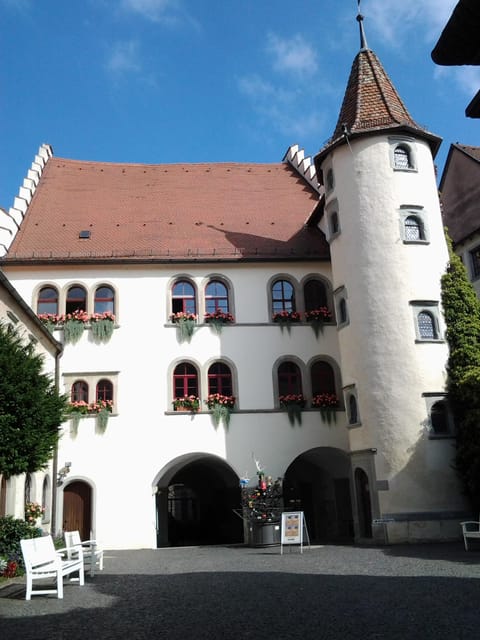
REVIEW · GERMAN WINE
Constance: Public city tour with wine tasting
Konstanz tastes like summer. This public city tour puts medieval Konstanz and Lake Constance wines into one easy 150 minute plan, led by See-Guide with a wine ambassador. You’ll walk past major landmarks and stop at scenic corners for tastings that feel connected to place, not like a roadside wine stand.
I especially like the pairing of city storytelling with real wine details. You’re not just handed glasses, you learn what makes Lake Constance grapes different, including the Ice Age soils under the vines. One possible drawback: the pace can feel a bit quick, so wear comfortable shoes and be ready to keep moving.
In This Review
- Key things I’d circle before you go
- Konstanz wine, with the tasting attached to real places
- What the 150 minute schedule feels like on your feet
- Where it starts: the Historische Hafenuhr
- Konstanz Port tasting: start with lake air and local wine
- Stadtgarten: a breather before the next flavor stops
- Fischmarkt: old-town life, then a sip
- Münsterplatz and Konstanz Cathedral: where wine meets landmark time
- Niederburg: a quieter flavor of the old town
- Dominicans Island: a scenic stop with a point
- St. Stephan: the closing pour and the final landmark
- The wines: what you’ll learn and why it matters
- Price and value: what $47 buys you in real terms
- Who this is best for, and who should skip it
- A few practical tips before you go
- Should you book Constance: Public city tour with wine tasting?
Key things I’d circle before you go
- Wine tasting built into the walk, with tastings during the route at selected overlooks and old-town stops
- At least five bottles of wine sampled, plus bread and mineral water to keep you going
- Müller-Thurgau and Burgundy styles explained in plain terms, including how Müller-Thurgau can taste reminiscent of Muscat
- Prime Konstanz sights in one loop, from the harbor clock to the cathedral and St. Stephan
- Good on moody weather days, since the tour keeps you indoors and outdoors based on what’s next on the route
- German only, so go in ready for German guidance or bring a translation app
More lakeside days to compare
- Konstanz: Mainau Island Entry Ticket★ 4.6 · 539 reviews
- SEA LIFE Konstanz Admission Ticket★ 3.5 · 218 reviews
- Constance: 1.5-Hour Night Watchman City Tour★ 4.8 · 212 reviews
- Konstanz Scavenger Hunt and Sights Self-Guided Tour★ 4.5 · 14 reviews
Konstanz wine, with the tasting attached to real places
Konstanz sits on Lake Constance, and this tour uses that fact cleverly. The group starts where you can actually feel the harbor atmosphere, then you head through town to views that make the lake feel close. That matters, because Lake Constance wine tasting can sound like a label, but here the guide ties it to everyday geography.
You’ll hear how the vines are rooted in weathered soils tied to the Ice Age. That’s not trivia for trivia’s sake. It’s one of the reasons the wines often taste distinct from what people expect from Germany. You also get a simple overview of why Lake Constance is one of Germany’s top wine areas, especially for white wines.
And yes, you taste. The tour includes a selection of Lake Constance wines such as fine Burgundy styles and a mild Müller-Thurgau. You’ll also refuel along the way with fresh bread and mineral water between tastings, which helps the whole experience feel more like a guided afternoon than a sprint through stations.
What the 150 minute schedule feels like on your feet
This is a 150 minute, guided, public city tour, so it’s designed to keep a steady flow. That’s the best part for some people, and the tradeoff for others. You cover multiple stops across the old town, and each tasting moment is short, about 15 minutes at each main point.
If you like slow wandering, this may feel fast. One review note that really fits the format: the tour can be paced briskly. I’d treat it like a focused walking tour with tastings, not a long, lingering tasting session. The upside is you get a lot of Konstanz in a compact time block.
The tour is in German with a live guide and wine ambassador. If you don’t speak German, you’ll still be able to enjoy the physical route and the tasting, but the richer wine explanations will land best if you can follow along.
Where it starts: the Historische Hafenuhr
You meet at the Historische Hafenuhr in Konstanz, the historic harbor clock. It’s between the ticket office of the Lake Constance shipping companies and the underpass, not far from the historic council building.
This start point is practical. You’re positioned at a meaningful crossroads of water and old town, so you get orientation fast. Plus, it sets the tone that this tasting is about the region, not only about the bottle.
Tip: wear comfortable shoes. The route is a city walk with multiple stops, so you’ll want footwear that handles uneven old-town surfaces without complaint.
Konstanz Port tasting: start with lake air and local wine
The first stop after meeting is the port area in Konstanz. Here you get a guided introduction and an early wine tasting, about 15 minutes.
This works because it establishes the theme right away. Lake Constance wines are tied to the local growing conditions, and being near the water helps you connect the dots between climate, vines, and what ends up in your glass. If you’re the type who learns best by linking story to setting, this opener is a good move.
The drawback is simple: the tasting is early, so you’ll want to be ready. If you typically prefer to eat first, use the bread and water that come later to balance out your schedule.
Stadtgarten: a breather before the next flavor stops
Next comes the Stadtgarten area. You’ll have another guided segment and another tasting window, about 15 minutes.
I like this mid-route placement because it gives you a pause from dense old-town streets. The tour keeps your energy up, and you also get chances to reset your palate before the next set of locations. In a wine tasting, pacing your senses is part of the experience, not an afterthought.
Fischmarkt: old-town life, then a sip
At the Fischmarkt, you’re in a spot that feels made for stories about everyday Konstanz life. You’ll get another short guided portion along with a wine tasting.
This is also where the tour’s format really clicks. Each stop is doing two jobs: showing you something important in the old town and then letting you taste a piece of the region’s wine culture in that same context. You’re learning by moving, not by sitting in one place.
If you’re sensitive to standing times, keep that in mind. The stops are short, but the tour still involves time on your feet between them.
Münsterplatz and Konstanz Cathedral: where wine meets landmark time
Münsterplatz is one of those hubs where everything feels historical and central. You’ll move through another guided section with tasting, then continue toward the cathedral.
At Konstanz Cathedral, the format shifts slightly. You’ll get a visit plus guided time there, about 15 minutes. The key here is contrast. Instead of leaning only into tasting, you’re given a true landmark moment. It makes the afternoon feel like a full city experience, not just a sequence of sips.
Practical note: cathedrals and landmark buildings can be cooler than the open streets. If you’re out in any season, a light layer helps.
Niederburg: a quieter flavor of the old town
After the cathedral area, the tour heads to Niederburg. You’ll have another guided stop and another wine tasting, again about 15 minutes.
I like this part because it usually feels less like a postcard square and more like real walking-town Konstanz. It’s the kind of segment where you can start recognizing the town’s rhythm, and the wine tasting keeps things interesting without turning the route into a museum line.
Dominicans Island: a scenic stop with a point
Then comes Dominicans Island, with another guided segment and wine tasting window, about 15 minutes.
Island settings on lakes tend to bring you closer to the water visually and emotionally. Even if you’re not thinking about the island itself while you’re tasting, the location helps you remember the basic truth of Lake Constance wine: it’s a water-shaped region. This stop is where that idea becomes easier to feel.
If weather is gray or drizzly, don’t panic. You’re not stuck inside only, and the tour keeps shifting between sights and tasting spots. One review called out how the guide handled modest rain in a positive way, and that fits this kind of scheduled walking route.
St. Stephan: the closing pour and the final landmark
The tour finishes at St. Stephan, and the last tasting stop is at Sankt-Stephans Church. You’ll have the guided segment and tasting time, about 15 minutes.
By the time you reach St. Stephan, you’ve already covered the harbor, the central squares, the cathedral area, and the island viewpoint. Ending here feels satisfying because it’s another clear landmark close to the tour’s theme. You get a final wave of context and then you can wrap your head around what you learned.
Also, ending at a church gives you a natural finish point. You’re not wandering after the last glass. You can step out and decide what to do next while everything is still fresh.
The wines: what you’ll learn and why it matters
This tour is clearly built around Lake Constance wine identity. You’ll hear about why these wines can taste so sun and soil driven. The guide explains that Lake Constance vines grow in weathered Ice Age soils, which gives the wines a special character.
You’ll taste a range that includes:
- Fine Burgundy wines
- Mild Müller-Thurgau, described as light and tasty, with aroma and taste reminiscent of Muscat
That last point is useful if you’ve ever been confused by Müller-Thurgau. Many people assume all German whites taste similar. On this tour, you get language to compare. Instead of guessing, you’ll learn how to notice style differences: lightness, aroma direction, and what to expect in mouthfeel.
Between tastings, you’ll get fresh bread and mineral water. That’s not only to be polite. It helps you keep your palate clearer so the next wine doesn’t all blur together.
Price and value: what $47 buys you in real terms
At $47 per person for about 150 minutes, you’re paying for three things at once: a guided walk through old Konstanz, wine ambassador storytelling, and multiple wine tastings that include food and water.
If you’ve ever done a tasting that feels like a hard sell, this format tends to feel more balanced. You’re not only buying wine, you’re buying guided context: why the region’s wine styles are the way they are and how the town connects to that identity. The “at least five bottles” piece matters too. You get enough variety to actually notice differences, not just one highlight wine.
The biggest value for money is the combination. Paying for a guided city route on its own is one cost, and tastings alone are another. Here they’re bundled into one experience that keeps moving, so the time feels justified.
Who this is best for, and who should skip it
This tour is a strong match if you want:
- A guided old-town walk in Konstanz
- A wine tasting that’s explained in context
- A chance to taste Lake Constance styles like Burgundy and Müller-Thurgau
- A 2.5 hour plan that doesn’t require extra planning afterward
It may be less ideal if:
- You prefer slow, unstructured sightseeing
- You need a lot of seated time, since it’s a walking tour with short stop periods
- You’re relying on English language guidance, since the tour is German only
- You’re traveling with children under 18, since it is not suitable for them
- You’re pregnant, since the activity is not suitable for pregnant women
The good news is that it is wheelchair accessible, so mobility needs are at least considered in the design.
A few practical tips before you go
- Bring comfortable shoes. You’ll cover several old-town stops.
- Expect quick windows. Each tasting moment is short, so don’t count on long hangs at each stop.
- Pace yourself with the bread and mineral water, especially if you’re sensitive to alcohol.
- If your German is basic, load a translation app before you arrive. The walking still works, but the wine explanations land best when you can follow them.
- If rain shows up, treat it as part of the plan. The tour includes multiple outdoor and landmark moments, and it’s structured to keep moving.
Should you book Constance: Public city tour with wine tasting?
Yes, if you want a single afternoon that gives you both Konstanz sights and a real Lake Constance wine education. The format is practical: a guided loop through major old-town areas, paired with tastings at scenic stops, plus bread and mineral water to keep you comfortable.
I’d pass if you hate brisk pacing or you need an English speaking tour. Also, because it’s not suitable for children under 18 and not recommended for pregnant women, make sure it fits your group first.
If you’re looking for a value-minded way to taste the region while learning why Lake Constance wines taste the way they do, this is one of the more coherent wine experiences around Baden-Württemberg.
Seeing Konstanz in One Go
Around Lake Constance
Everything else we filed on Konstanz
- Konstanz Scavenger Hunt and Sights Self-Guided Tour
★ 4.5 · 14 reviews - Constance: 1.5-Hour Night Watchman City Tour
★ 4.8 · 212 reviews - SEA LIFE Konstanz Admission Ticket
★ 3.5 · 218 reviews - Konstanz: Mainau Island Entry Ticket
★ 4.6 · 539 reviews
German Wine Tastings and Vineyards, side by side.
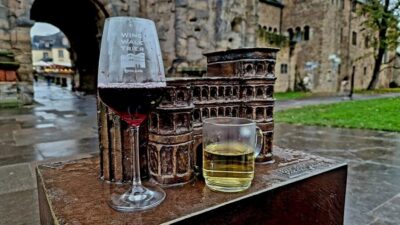 ★ 4.8Trier: Guided City Walk with Wine TastingFrom $43979 reviews
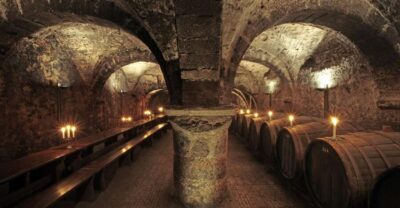 ★ 4.7Trier: Discovery Tour – Germany’s Oldest Wine CellarFrom $20218 reviews
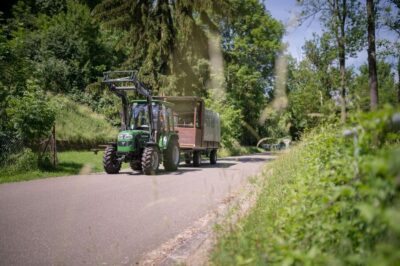 ★ 4.1Stuttgart: Vineyard Tour by Covered WagonFrom $46217 reviews
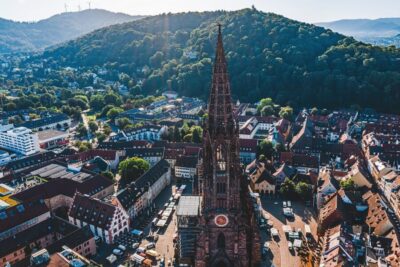 ★ 4.5Freiburg: Veni, vidi, vino – wine hike and tastingFrom $81144 reviews
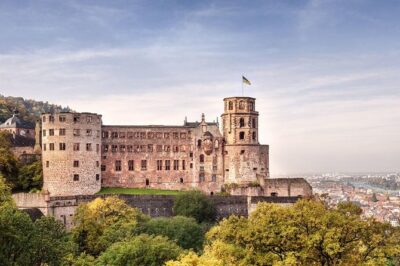 ★ 3.5Heidelberg and Rhine Valley Day Trip With Wine Tasting and Dinner from FrankfurtFrom $309101 reviews
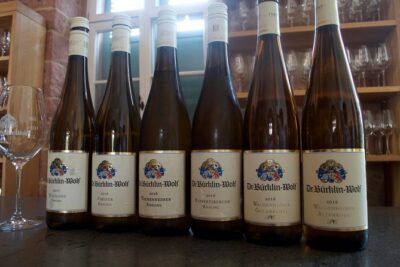 ★ 5.0Rhine Valley Wine Tasting Tour from Frankfurt and MainzFrom $47687 reviews
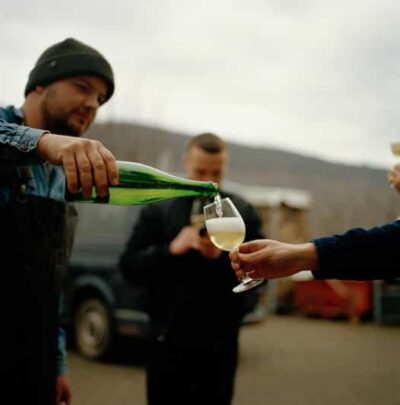 ★ 4.8Reil, Mosel: Guided organic wine tasting and cellar tourFrom $2984 reviews
 ★ 4.8Winetasting with tour through the wineryFrom $1674 reviews