
REVIEW · GERMANY
DJ for a Day: Learn to Mix Like a Pro in Berlin
One session and you understand what makes a DJ click. This Berlin workshop is practical DJ coaching, from basic mixing to vinyl scratching, plus the story behind how the city’s electronic scene evolved.
I especially like the chance to touch real gear, not just watch from the couch. You get time on CDJ-style controls and also vinyl scratching, so you learn the difference with your hands, not just your head. One consideration: the experience is short, so expect a foundation, not a full mastery course.
You also get structure to play with your favorite styles, whether that means techno, trance, psytrance, or hard techno and hardcore. And instructor Sasha (Jesus), Marcos Jesus Otero Valeta, keeps it fun and approachable while explaining what matters, including how Berlin’s club sounds connect to the bigger electronic picture.
The only drawback worth flagging is that you need some comfort learning a new skill in a small room, and you will be limited by the group size and time on each setup.
In This Review
- Key things I’d plan for before you go
- A 90-minute Berlin music lesson you can actually play
- Meeting point, small group, and what “hands-on” really means
- Getting your hands on CDJ and vinyl in the same session
- Scratching basics: hip hop, techno, and pop technique primer
- Mixing structure and transitions, without the pretzel logic
- Choosing your genre: techno, trance, hard styles, and more
- The Berlin electronic story you can connect to the decks
- Instructor style: Sasha (Jesus) makes gear feel friendly
- Drinks included, and why that small comfort helps
- Who this experience fits best
- Price and value: what $67 buys you in Berlin
- Should you book this DJ workshop in Berlin?
- FAQ
- What is the duration of the DJ workshop?
- How much does it cost?
- Is the group small?
- What languages is the instructor available in?
- Does the workshop include drinks?
- Is it suitable for children?
Key things I’d plan for before you go
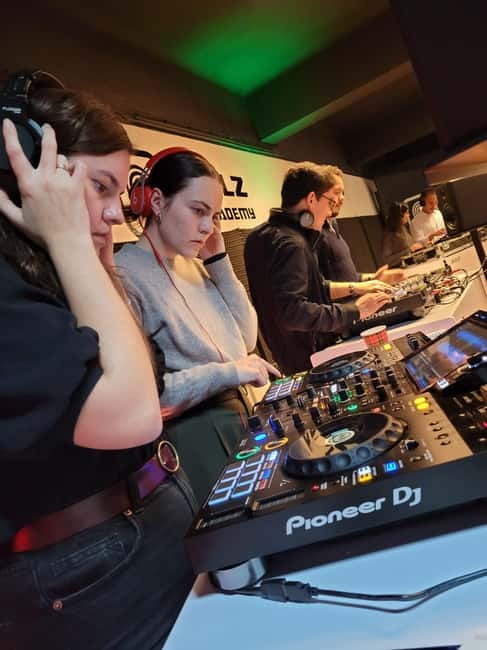
- Small group focus (max 6): more hands-on time and less waiting.
- CDJ and vinyl comparison: you learn how mixing feels when the media changes.
- Scratching basics with multiple styles: hip hop, techno, and pop techniques get introduced.
- Effects and real DJ setup handling: turntable, mixing table, and effects are part of the lesson.
- You choose your direction: the instructor helps you work within genres you like, including hard styles.
- Drinks included: coffee, water, or soft drinks keep you comfortable for the full 1.5 hours.
Undecided? The closest Berlin write-ups we have are these.
- Berlin: Reichstag, Dome and Government District Guided Tour★ 4.7 · 18,288 reviews
- Berlin: 1-Hour City Tour by Boat with Guaranteed Seating★ 4.3 · 16,993 reviews
- Berlin: Boat Tour Along the River Spree★ 4.4 · 11,252 reviews
- Discover Berlin Half-Day Walking Tour★ 5.0 · 9,624 reviews
A 90-minute Berlin music lesson you can actually play
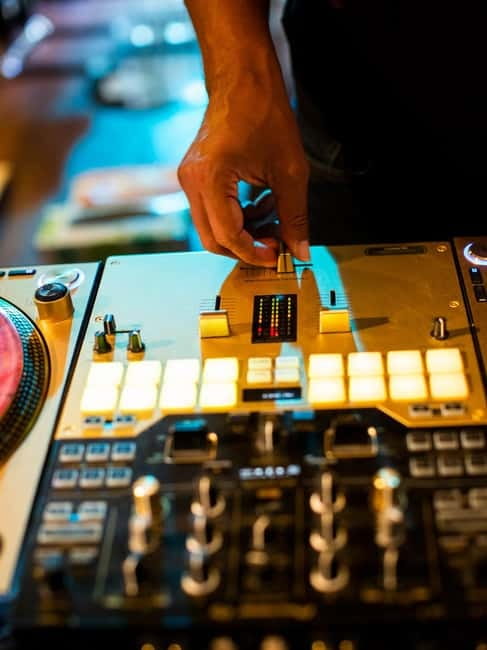
If you’ve ever watched a DJ and thought, I get the vibe, but how do they do it, this is a good reality check. In just 1.5 hours, you work through the essentials: how DJs handle tracks, how they transition between songs, and how scratching fits into the toolkit. It’s the kind of class where the goal is not to impress people on day one, it’s to help you get your bearings fast and leave with a working feel for the process.
The vibe is also very Berlin. You don’t just learn buttons. You get context for why certain sounds and techniques show up again and again in the city’s electronic culture. Sasha (Jesus) also shares what he considers the right music for different clubs, including the oldest one, so you start thinking like a DJ who understands the room.
At $67 per person, it lands in the range where you should ask: is it worth it compared to just going out and listening? For me, the value is the hands-on practice. You’re paying for time at the decks, coaching, and quick guidance that you can’t replicate by yourself without equipment and a mentor. If you are curious about electronic music production culture and want to try the craft, this is a smart use of a trip hour.
Meeting point, small group, and what “hands-on” really means
You meet in Berlin at a simple landmark: between a cake shop and a jewelry shop. It’s a straightforward setup, and the activity ends back at that same meeting point. That matters because you do not need a long transit plan or multiple location changes to get your lesson.
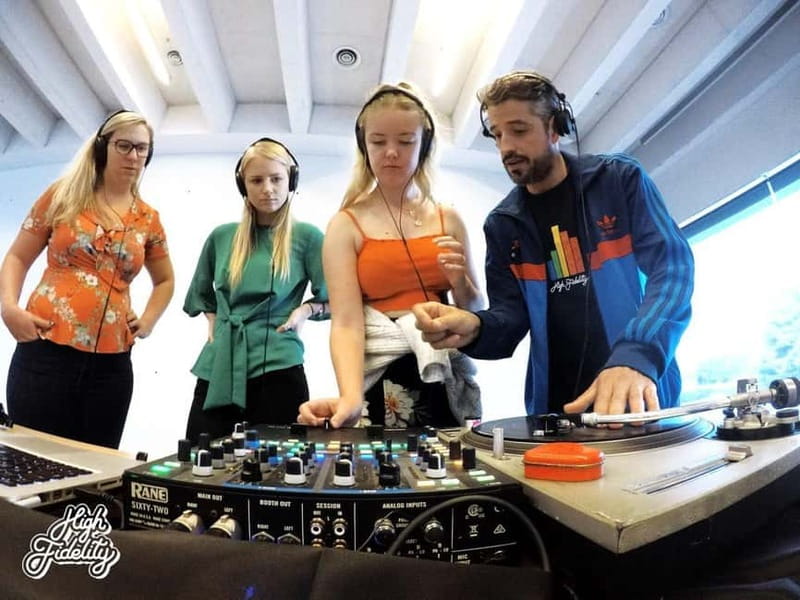
The class is limited to 6 participants, and that small cap is not just marketing fluff. DJing is physical. You need actual time at the gear, and in a room with more people, that time gets sliced thin. Here, you can expect the instructor to guide you directly and let you try things, including scratching and mixing basics.
The duration is 1.5 hours. That’s long enough to learn the concept and make a first attempt, short enough that you should come in with realistic expectations. You’ll likely leave knowing how to start, how to match beats in a simple way, and how scratching basics feel on vinyl. You probably won’t leave as the next headline act. But you should leave with something you can repeat later, and that’s the real win.
Getting your hands on CDJ and vinyl in the same session
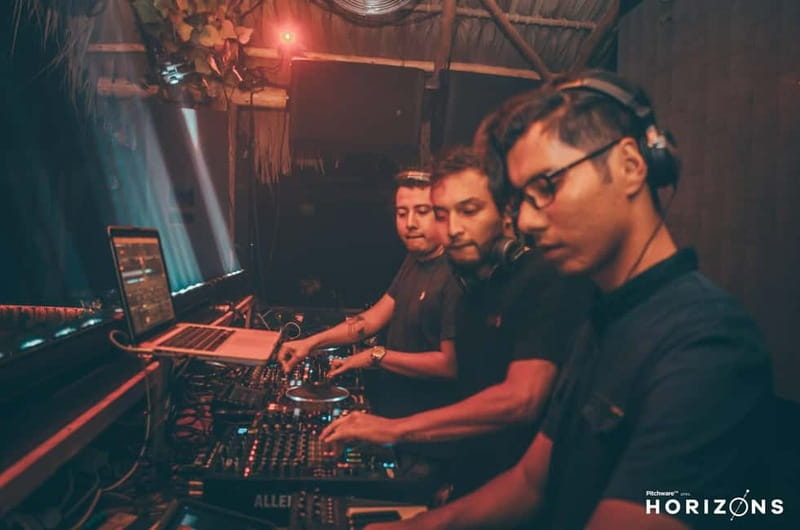
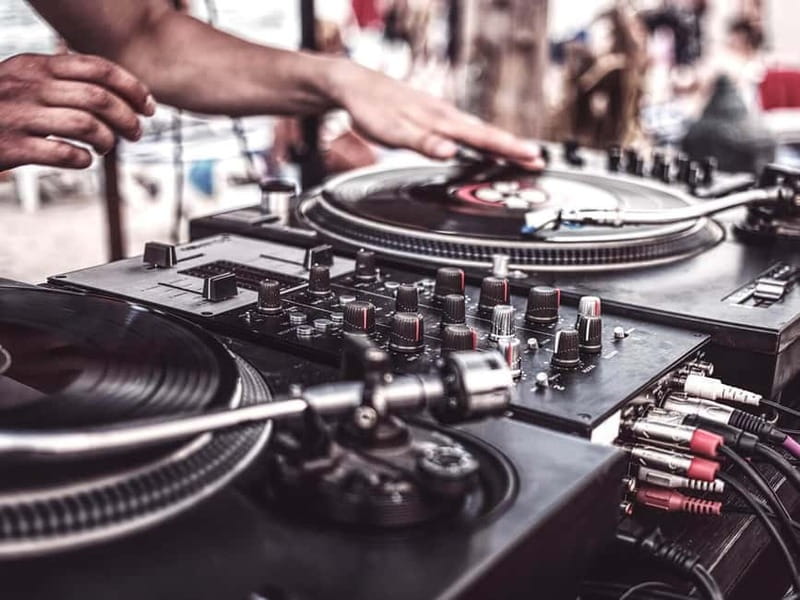
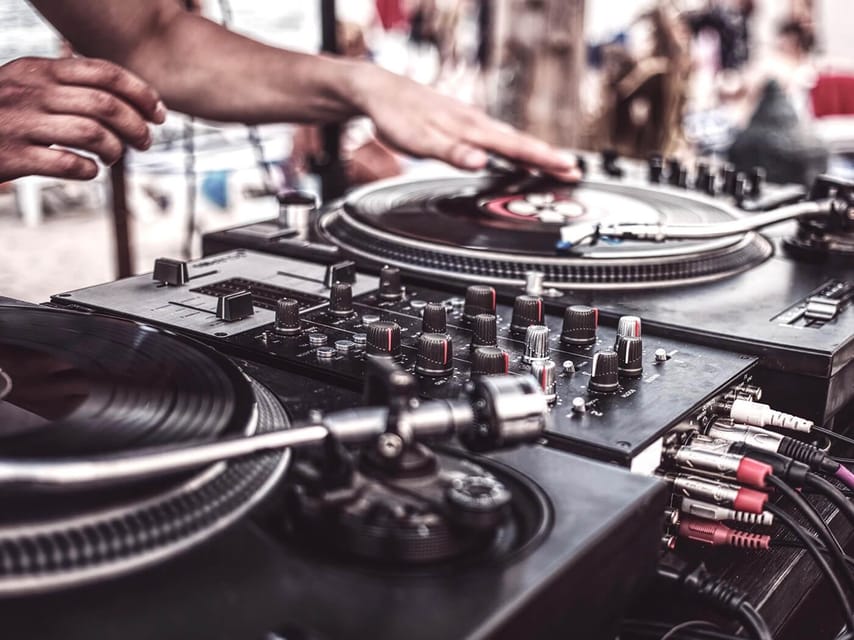
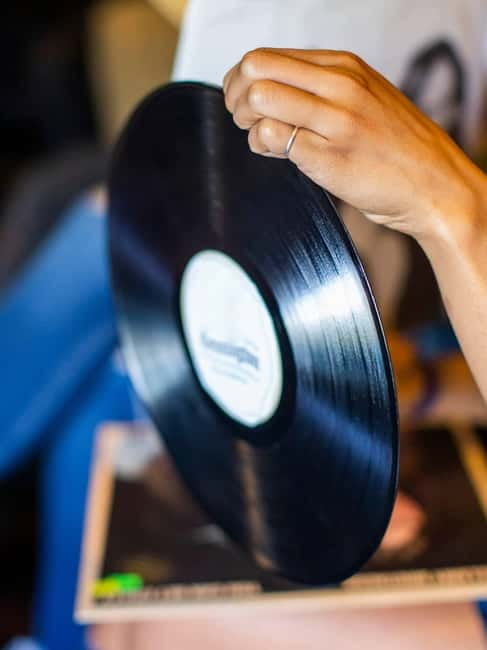
One of the best parts is that you don’t have to choose one format. You get to experience both. The workshop includes time where you can play with CDJ-style controls, and you also get vinyl time so you can feel how turntables change the workflow.
Why that matters: CDJ control is usually about precision and speed. Vinyl control is more about touch and timing. When you switch formats, you learn that DJ technique is not one universal movement. The mechanics change, the feel changes, and so does how you think about transitions.
The instruction explicitly mentions learning the basics of how to DJ, including handling vinyl, the turntable, and a mixing table with effects. In practical terms, you’re not just pressing play. You’re learning the difference between preparing a track, cueing it, and making it work in sequence. The vinyl part also introduces scratching, which forces you to think about rhythm and motion, not only volume and beat matching.
You can also play one song on the gear. If that doesn’t sound like much, remember what’s hard: learning a system in front of someone who can correct you. That one-song moment is your proof-of-concept. It’s also why the small group size matters. You get a chance to try, not just to watch.
Scratching basics: hip hop, techno, and pop technique primer
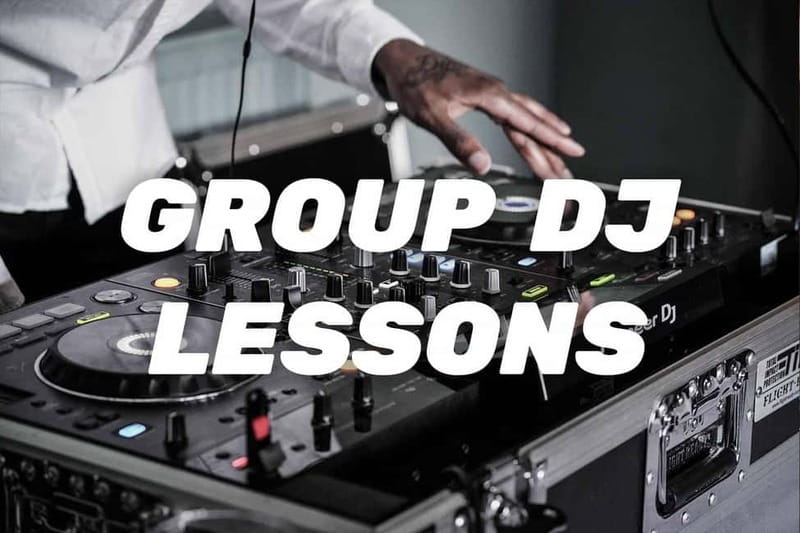
Scratching is where a DJ workshop can either turn into a gimmick or teach real technique. Here, you get scratching introductions with different styles listed as hip hop, techno, and pop.
You might think scratching is only for scratching’s sake. In a DJ set, it’s more like punctuation. It can add energy, create a hook, or mark a transition. But it also can sound messy if you don’t understand timing and control. The value of a guided intro is that you learn what to pay attention to, such as hand motion and when to move versus when to let the sound breathe.
Because the session is 1.5 hours, you won’t master all scratch patterns. What you should aim to learn is the basics: how to set up the record, how to perform a simple scratch motion, and how to blend it into a musical moment. If you leave with one usable scratching action you can repeat, you’ll feel the difference immediately compared to just turning the record slightly.
And if you’re unsure about your musical instincts, scratching is a great place to start. It forces you to listen for rhythm while doing physical moves, which is often easier than trying to explain mixing in purely abstract terms.



Mixing structure and transitions, without the pretzel logic
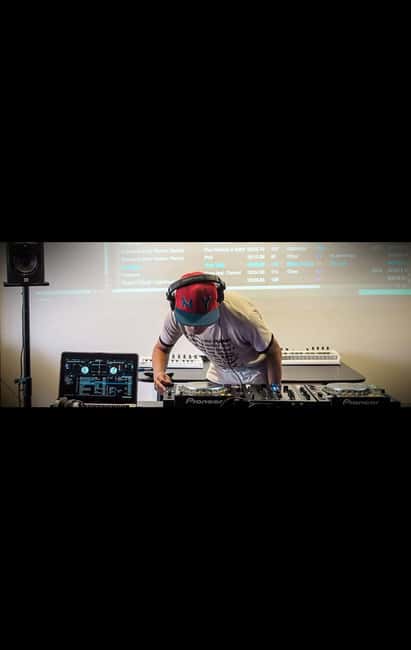
The workshop description hints at a key idea: song structure with beats, like Beethoven or Mozart. That comparison is useful because it nudges you away from random knob turning. DJs are not only selecting music, they’re building momentum using repeating rhythms, intro and outro sections, and tension-release moments.
You’ll learn the basics of mixing songs. That likely includes the core elements: handling tracks in sequence, matching beats in a simple way, and using effects without turning your track into a fog machine. The instruction specifically mentions mixing table effects, which is important. Effects are fun, but they have a purpose in transitions. Used well, they smooth your changeover. Used poorly, they hide mistakes and tire the listener.
Even if you don’t know DJ vocabulary yet, you can follow along because the lesson is designed for beginners. The goal is that you understand what you’re doing while doing it. That’s what keeps it engaging.
If you are into DJ culture, you’ll also like the “pick your style” approach. You choose the direction, and the instructor helps you bring that choice into the mixing process, rather than forcing you into a single “correct” genre.
Choosing your genre: techno, trance, hard styles, and more
Berlin’s electronic reputation can make it feel like you must love techno to belong. This workshop takes a broader view. You can play the style you want, and the session lists multiple genre lanes: trance, progressive, hard techno, techno, hardcore, hip hop, hard style, plus the earlier mention of techno, trance, psytrance, and Jouse.
That’s a practical advantage. If you love hard techno, you should not be stuck playing something gentle. If you’re more into hip hop scratch energy, you’ll have a path to apply that scratching style while learning the DJ basics.
I like the way this keeps you motivated. Music is personal. When the instructor lets you use your taste as the starting point, you learn faster. You also leave more likely to practice on your own later, because the first tracks you try will actually match your instincts.
The Berlin electronic story you can connect to the decks
This class is not only technical. Sasha (Jesus) explains Berlin’s history in electronic music and how the evolution shapes what comes next. You’ll also see the evolution through multiple genres that show how the city’s sound has shifted over time.
Is this a lecture? It’s more like the context layer. When someone connects technique to culture, it helps the lesson stick. For example, a mixing technique feels less like a random skill when you understand why certain styles keep returning in the city’s club ecosystem.
The workshop also includes guidance on the right music of each club in Berlin, including the oldest one. Even if you do not plan to hit every club, it’s still useful. It gives you a lens for thinking about crowd and venue. A DJ’s job is different depending on the room, and understanding that concept early is what separates “playing tracks” from “building sets.”
Instructor style: Sasha (Jesus) makes gear feel friendly
From the feedback, the instructor is the kind of teacher who turns nerves into momentum. Sasha (Jesus), Marcos Jesus Otero Valeta, comes across as skilled and relaxed, with a lot of knowledge to share. The lessons are described as fun, easygoing, and packed with things to learn, and that matches what you want in a beginner workshop.
In a DJ session, confidence is a real factor. You’re in a new environment, you’re handling unfamiliar gear, and you’re learning by trying. If the teacher stays calm, you learn faster. If the teacher hurries, you miss the basics.
The reviews also highlight that Sasha is not just technically capable but also able to explain DJ basics clearly and then let you try. That combination is exactly what you want for a one-and-a-half-hour experience. You should feel like you are getting corrected in real time, not just hearing theory.
Drinks included, and why that small comfort helps
The workshop includes drinks: coffee, water, or soft drinks. It sounds minor, but it helps because you’re in a focused session and you want to stay comfortable. DJ practice requires attention, and attention is easier when you are not distracted by thirst or energy dips.
It also nudges the experience toward a friendly, hang-out learning environment, not a strict class where you feel like you should not move.
Who this experience fits best
This workshop is a great fit if you fall into one of these buckets:
- You want to learn DJ basics in a short, practical way
- You love electronic music and want to understand how DJs shape a set
- You are curious about the real feel of vinyl versus CDJ-style control
- You want a small-group intro led by an English and German instructor
- You’re comfortable learning a new skill and trying even if you’re a beginner
It is not suitable for children under 13, which keeps the atmosphere aligned with adult-style learning.
If you already DJ regularly, you might find the session more like a structured refresher than a deep technical master class. Still, even experienced music people often enjoy comparing vinyl and CDJ technique in a guided environment.
Price and value: what $67 buys you in Berlin
At $67 per person for 1.5 hours in a group of up to 6, you are paying for a mix of instructor time and equipment access. In most cities, hands-on audio workshops can cost more if they include gear time and active coaching. Here, you also get drinks and the opportunity to play, not just observe.
The key value question is whether you want to be at the decks for a moment. If yes, then this is strong value because the cost includes the setup, coaching, and practice time. If you mainly want to hear Berlin techno stories without touching gear, you might feel the time is too short. But if you want to leave with a basic technique and a sense of how the sound is built, the price is reasonable.
Given the all-5-star feedback, with repeated praise for learning, try-it-yourself access, and the instructor’s knowledge, the workshop seems to deliver on that “you do it, with guidance” promise.
Should you book this DJ workshop in Berlin?
I think you should book it if you want an authentic Berlin experience that isn’t just another night out. This gives you a creative activity tied to the city’s electronic culture, and you learn by doing. The CDJ and vinyl pairing is a standout, because it forces you to understand technique in a concrete way. The small group size also makes it more personal than many larger workshops.
Skip it only if you want a long, multi-day deep course or if you prefer listening-only experiences. With 1.5 hours, this is a foundation workshop. It’s designed to get you moving, not to turn you into a professional DJ by the end of the session.
If your goal is to come home with new skills, a better sense of how DJ mixing works, and a story about vinyl scratching you can actually explain, this is an easy yes.
FAQ
What is the duration of the DJ workshop?
The duration is 1.5 hours. Starting times vary, so you’ll want to check availability.
How much does it cost?
It costs $67 per person.
Is the group small?
Yes. The workshop is limited to 6 participants.
What languages is the instructor available in?
The instructor speaks English and German.
Does the workshop include drinks?
Yes. It includes drinks such as coffee, water, and soft drinks.
Is it suitable for children?
No. It is not suitable for children under 13.
Everything else we filed on Berlin
- East Berlin: City of Shadows Walking Tour
★ 5.0 · 11 reviews - Berlin: Die Stachelschweine – Frank Lüdecke – Träumt Weiter
★ 4.7 · 11 reviews - Potsdam Day Trip from Berlin with a Local: Private & Personalized
★ 4.0 · 11 reviews - An Introduction to Berlin Walking Tour
★ 5.0 · 11 reviews - DJ for a Day: Learn to Mix Like a Pro in Berlin
★ 5.0 · 11 reviews - 2-H Segway Sightseeing Tour Berlin
★ 4.5 · 11 reviews