
REVIEW · BERCHTESGADEN
From Munich: Berchtesgaden Foothills and Obersalzberg
Obersalzberg pairs breathtaking views with heavy history. From Munich, this day trip climbs into the Berchtesgaden foothills for alpine panoramas, and I love the comfort of the luxury bus plus the sweep from the Eagle’s Nest area. The only real catch is timing, it is a long 10 hours, and fog or snow can reduce what you see from higher up.
What makes it work is how the route flexes. When the Kehlsteinhaus area is socked in, the plan shifts to the famous salt mines in Berchtesgaden, so the day does not stall. I also like the strong guiding style people mention again and again, with names like Ursula and Elizabeth showing up in the stories, plus clear logistics from the bus team.
One more consideration before you commit: this trip is not a fit if you have mobility limits or claustrophobia. The Eagle’s Nest visit involves enclosed spaces and elevator/tunnel logistics, and that matters.
In This Review
- Key moments that make this day trip worth it
- From Munich’s Karlsplatz to Obersalzberg on a comfortable ride
- Obersalzberg viewpoints: the Alps, the lakes, and the why behind it
- Kehlsteinhaus and the Eagle’s Nest: the special ride and the mountain-top reward
- Nazi Documentation Center Museum: putting the scenery in context
- Salt mine Berchtesgaden: the best Plan B when fog or snow hits
- Return drive on the German Alpine Way: slow curves, last photos
- Pace, meals, and what to pack for a 10-hour day
- Who should book, and who should skip it
- Should you book this Munich to Berchtesgaden day trip?
- FAQ
- Where do I meet in Munich?
- Is the Eagle’s Nest included in the base price?
- What happens if the weather is bad?
- How long is the tour?
- Is there a guide, and what language is offered?
- What ID or documents do I need?
- How much extra is the special bus to Kehlsteinhaus?
- Is this tour suitable for people with mobility impairments or claustrophobia?
- Can I cancel for a refund?
Key moments that make this day trip worth it
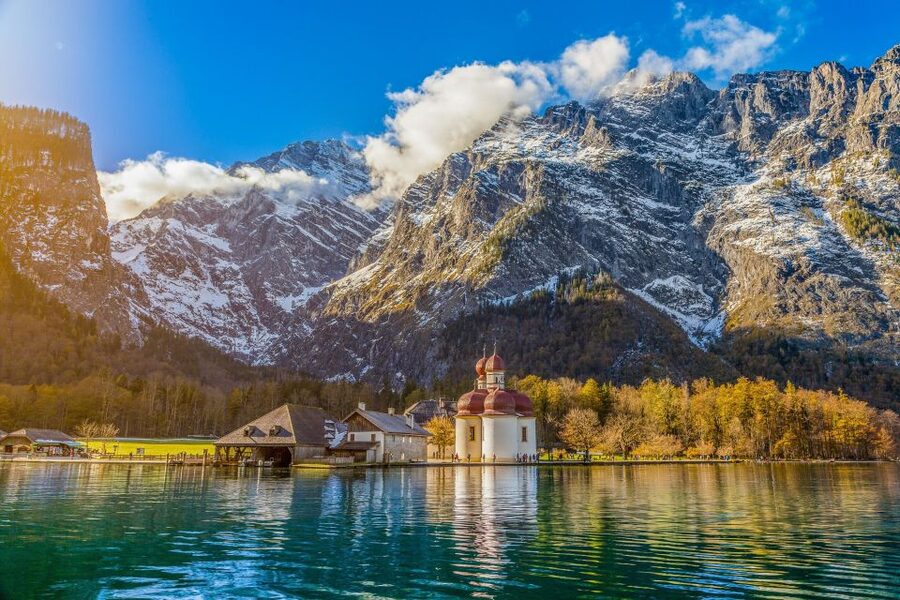
- Luxury bus comfort from Munich, including time to settle in before the mountain road climbs
- Kehlsteinhaus, the Eagle’s Nest holiday retreat, reached via the special transport and elevator/tunnel experience
- Nazi Documentation Center Museum option, which helps you understand what you are seeing rather than just looking
- Salt mine Berchtesgaden as a weather backup, so you still get a major attraction if clouds roll in
- Scenic drive back on the German Alpine Way, with sinuous valley curves through the Alps toward Berchtesgaden
Other Berchtesgaden days worth comparing
- Berchtesgaden and Eagle’s Nest Day Tour from Munich★ 4.0 · 1,077 reviews
- Berchtesgaden and Eagle’s Nest Day Trip from Munich★ 4.5 · 797 reviews
- From Munich: Guided Group Tour to Eagle’s Nest★ 4.8 · 303 reviews
- From Munich: Königssee Day Trip with Boat Ride and Salt Mine★ 4.5 · 93 reviews
From Munich’s Karlsplatz to Obersalzberg on a comfortable ride
This is a full day, and that first step matters. You meet at Karlsplatz 21-24, in the Gray Line, AutobusOberbayern bus lane. Plan to arrive at least 20 minutes early, because the schedule depends on everyone syncing up before the bus pulls out.
The bus ride is part of the experience, not dead time. People note that the vehicles are large and practical, with air conditioning working well, which is a big deal on long road days. You also get intermittent moments to orient yourself for what is coming next, including the sense that the scenery is changing as the bus climbs toward the Alps.
The day runs about 10 hours, so treat it like a proper outing, not a quick add-on. You will be happiest if you pack for a long sit, wear comfortable shoes, and keep expectations realistic about how much can fit.
Obersalzberg viewpoints: the Alps, the lakes, and the why behind it
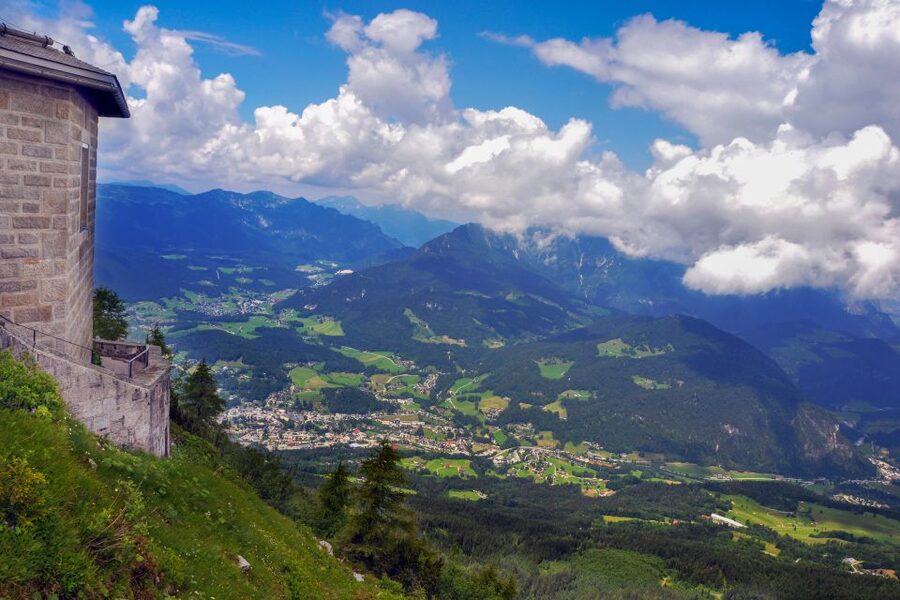
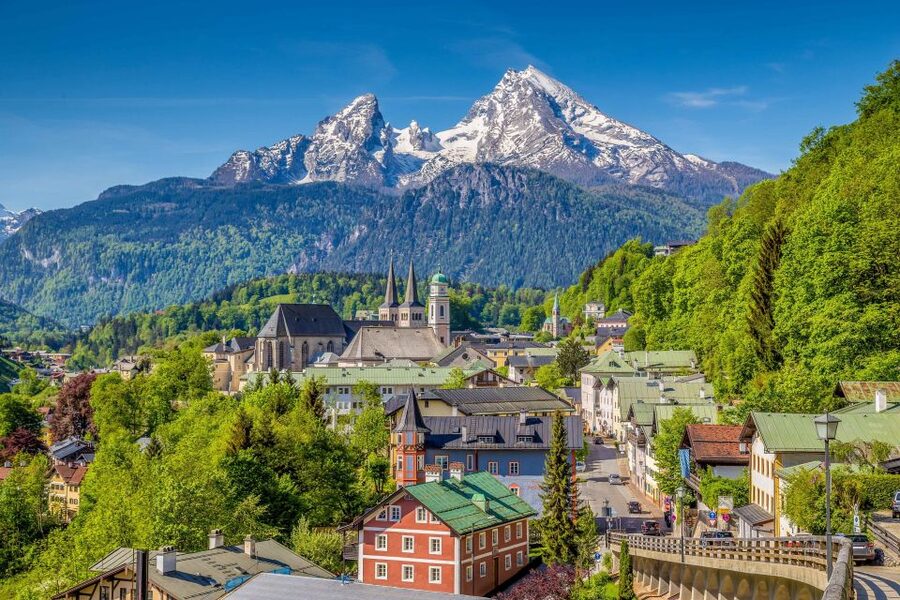
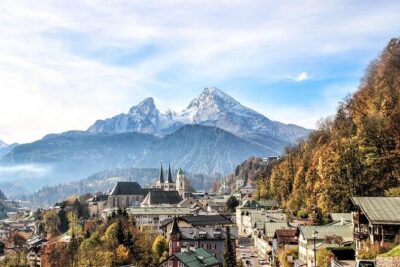
Once you reach Obersalzberg, you are hit with the classic Berchtesgaden feeling: steep mountains, open sightlines, and that “how did anyone build here?” geography. The tour focuses on the viewpoints first because this area is famous for what you can see, not just what happened here.
This is also where context matters. Obersalzberg was a strategic and symbolic place, and the mountain position is part of the story. Even if you care most about the engineering of the Eagle’s Nest route, you will understand faster when the day includes a history stop too.
A small practical note: if the weather is good, your photo time feels generous. If the weather turns, views can soften behind clouds, and your time still needs to be used wisely. The good news is that the program has a fallback that protects your day.
Kehlsteinhaus and the Eagle’s Nest: the special ride and the mountain-top reward
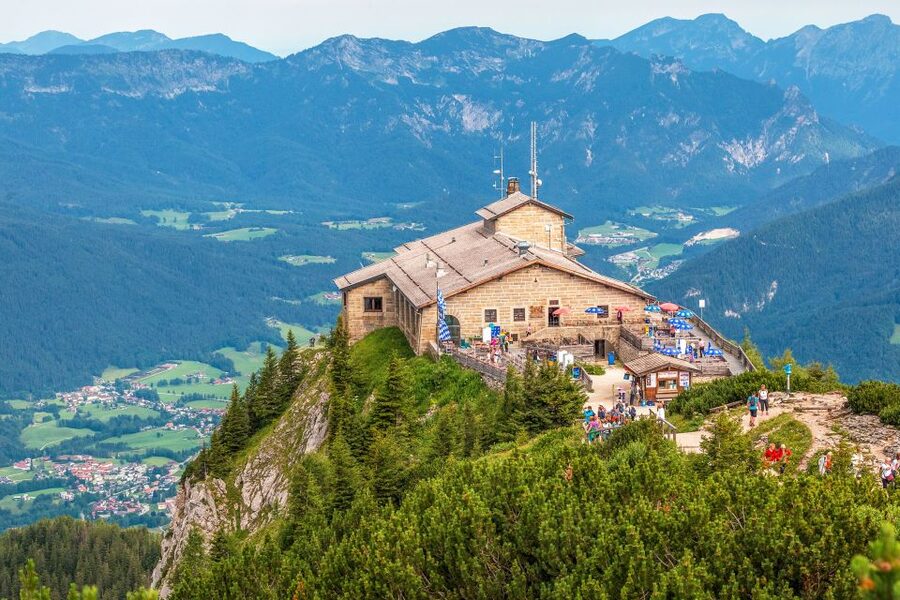
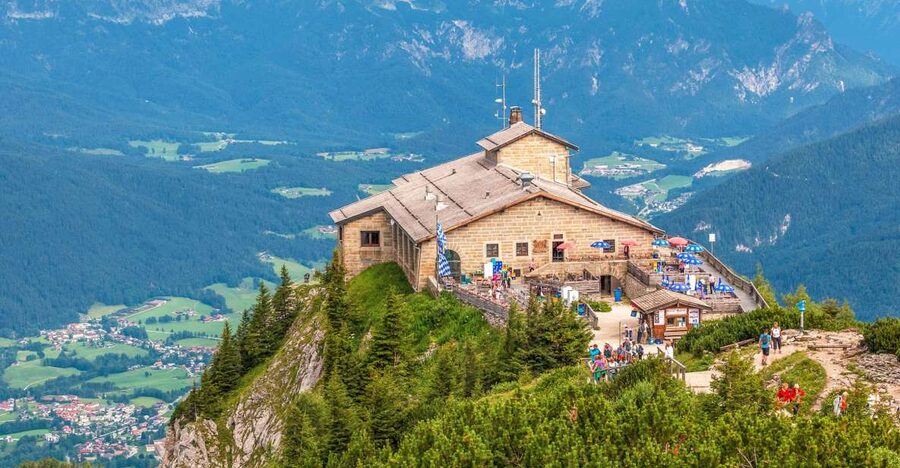
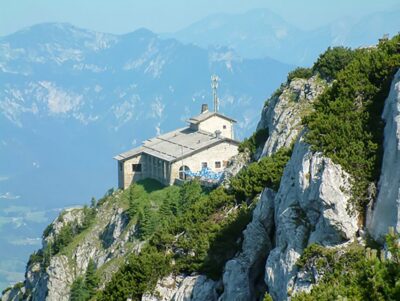
The Kehlsteinhaus, often called the Eagle’s Nest, is the headline. It is also the part that is easy to misunderstand unless you know how it is handled.
Here is the key point: the tour includes getting you to Obersalzberg with the main bus, but travel to the Eagle’s Nest requires a special bus service for an extra €35, paid by credit or debit card only. That extra step is worth considering up front, because it determines whether you get the full experience at the top.
When conditions allow, you go onward by the special transport and then access the summit via enclosed mountain engineering, including an exciting underground elevator and tunnel-like elements. People talk about this as memorable on its own, even before you step onto the panoramic deck area. It is one of those “this is surreal” moments where the logistics feel like part of the sightseeing.
And yes, the views are the payoff. The sightlines across the mountain region are why the retreat was built where it was. One recurring theme in the feedback is the sheer wow factor of seeing the panorama from the Eagle’s Nest area, even for people who already knew the historical headlines.
Practical tip: I’d bring a little cash too, just in case. Some visitors mention that payment can be awkward at the Eagle’s Nest site, so having cash as a backup can save time if anything gets bottlenecked at the entrance.
Nazi Documentation Center Museum: putting the scenery in context
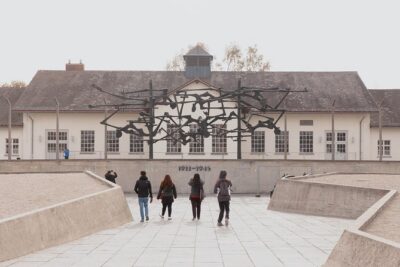
If you want the day to make sense beyond the postcard view, the Nazi Documentation Center Museum is the move. The tour offers the option, and it is the place where you can connect the buildings and the viewpoints to real decisions, real propaganda, and real harm.
The value here is balance. Without a museum stop, it is easy to focus only on the dramatic setting and the engineering. With the museum included, you get a clearer narrative of what the regime wanted from this place, and how the story fits the mountain geography you have just been driving through.
Guides often shape this part into a straight, human lesson, with explanations that land quickly during the time you have. Names like Ursula and Elizabeth show up in the kinds of comments people make, and the common thread is that the guide helps you connect the dots instead of dumping facts and sending you on your way.
If you are sensitive to difficult subject matter, you should still know: this stop is not there to sensationalize. It is there to provide background so the rest of the day does not feel like a history-free sightseeing circuit.
Salt mine Berchtesgaden: the best Plan B when fog or snow hits
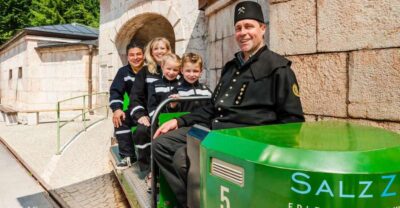
Weather is not polite in the Alps. When conditions are bad, the program switches so you do not lose the whole day. Specifically, if there is fog or snow, you will visit the salt mine Berchtesgaden instead of the Eagle’s Nest.
This substitution is smart for two reasons. First, it keeps the trip meaningful even when mountain views are hidden. Second, it highlights why the area became important in the first place. Salt was not just a local product, it shaped the economy and drew attention to Berchtesgaden and its surroundings.
People describe the salt mine visit as a genuinely interesting alternative, not a consolation prize. It also fits the “mountain world” theme of the day, because you are still in a remarkable landscape of stone and underground spaces, just with a different kind of history.
If you are choosing your gear, dress for cold and damp just in case. Even in seasons that feel mild in Munich, mountain weather can surprise you, and being comfortable makes the underground segment easier to enjoy.
Return drive on the German Alpine Way: slow curves, last photos
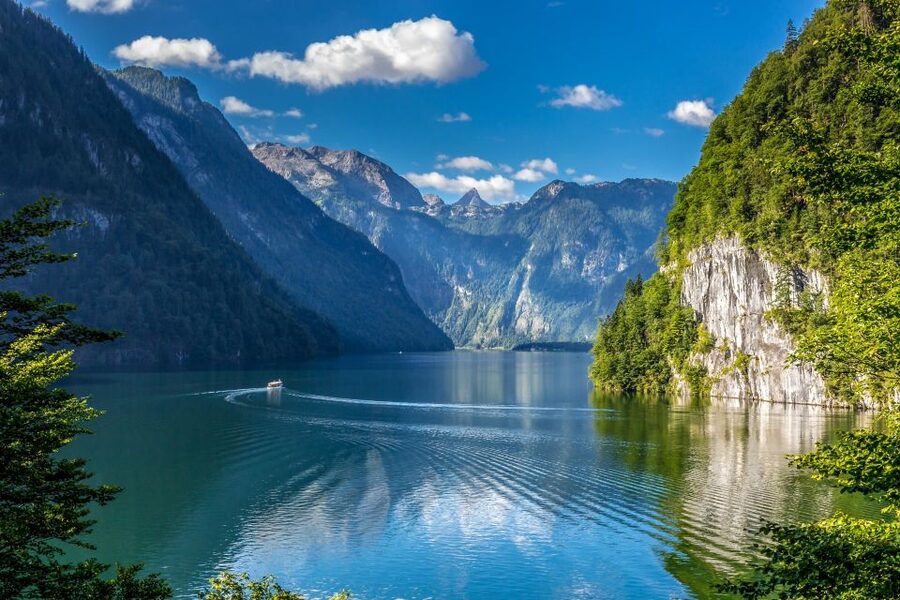
After the main attractions, you head back along the Deutsche Alpenstrasse, the German Alpine Way. This is one of those routes where the drive itself feels like sightseeing, with sinuous curves that trace alpine valleys toward Berchtesgaden.
This part of the day is also where you can catch any missed angles. If the earlier viewpoints were partially blocked by clouds, the drive back can still give you a sense of scale and geography. It is not about rushing, it is about taking in the region as a whole.
A couple people mention the day can feel long, so this return segment is useful as a wind-down. You can re-center, review photos, and mentally sort what you saw: mountain engineering, harsh history, and the “other” story of the salt economy.
Pace, meals, and what to pack for a 10-hour day
This is a long day, even though the itinerary is well structured. People repeatedly call out that it is worth it, but also note you are sitting on a bus for a good stretch of time. If you hate being on the road, this might not be the best fit, but if you can handle a full-day outing, it is a strong way to see a lot without juggling trains or transfers.
Meals are the only part that feels a bit out of the tour’s control. One recurring comment is that the restaurant option can be average since it is located in a busy tourist area. If food matters to you, plan for a simple meal and focus on the sights, or consider grabbing something you like during any downtime in Berchtesgaden if you get that chance.
What to pack is basic but important:
- Comfortable shoes for walking at viewpoints and museum areas
- Layers. Temps shift between Munich and higher elevations
- Passport or ID card, since identity is explicitly required
- If you plan to visit the Eagle’s Nest, consider bringing some cash as a backup for on-site payment quirks
If the weather is iffy, your mindset should shift too. With fog or snow, the salt mine option keeps the day moving, but your top-deck photo goals might change.
Who should book, and who should skip it
This tour is ideal if you want three things in one structured day:
1) Big alpine views in the Berchtesgaden area
2) A clear historical context through the Nazi Documentation Center Museum option
3) A weather-resistant alternative, meaning salt mine Berchtesgaden if visibility drops
It is also a good choice if you do not want to stress over logistics from Munich. The luxury bus takes care of the big transportation pieces, and the guide helps with timing between stops.
But it is not for everyone. It is explicitly not suitable for people with mobility impairments, and it is also not suitable for people with claustrophobia due to the enclosed parts of the Eagle’s Nest route.
If you are bringing older relatives or someone with limited mobility, you should treat those restrictions seriously rather than assuming you can improvise.
Should you book this Munich to Berchtesgaden day trip?
Book it if you want an efficient way to see Obersalzberg, get either the Eagle’s Nest experience or the salt mine alternative, and have a guide to connect the views to the history.
Skip or rethink it if you know you cannot handle:
- A 10-hour day that includes extended road time
- Tight spaces tied to the Eagle’s Nest access route
- Potential visibility loss if weather turns, even though you still get the salt mine backup
My decision advice is simple. If you are flexible on weather, this tour delivers. Prioritize good footwear, dress in layers, and plan your expectations around the mountain reality. With that mindset, you get a day that is both scenic and historically grounded, without you having to assemble the puzzle yourself.
FAQ
Where do I meet in Munich?
You meet at Karlsplatz 21-24 in the Gray Line, AutobusOberbayern bus lane.
Is the Eagle’s Nest included in the base price?
Not fully. The tour price includes the main transportation and guide, but travel to the Eagle’s Nest by special bus service costs an additional €35.
What happens if the weather is bad?
If conditions are bad, such as fog or snow, the plan switches to the salt mine Berchtesgaden instead of the Eagle’s Nest.
How long is the tour?
The duration is 10 hours.
Is there a guide, and what language is offered?
Yes. The tour includes a live tour guide in English.
What ID or documents do I need?
Bring a passport and/or an ID card as required for the tour.
How much extra is the special bus to Kehlsteinhaus?
The special bus service to reach Kehlsteinhaus costs €35, and it is payable by credit or debit card only.
Is this tour suitable for people with mobility impairments or claustrophobia?
No. It is not suitable for people with mobility impairments and not suitable for people with claustrophobia.
Can I cancel for a refund?
Yes. The tour offers free cancellation up to 24 hours in advance for a full refund.
More Days Around Berchtesgaden
Everything else we filed on Munich
- Munich Beer and Bavarian Bites Private Tour
★ 5.0 · 11 reviews - Private Day Trip from Munich to Neuschwanstein and Linderhof
★ 4.0 · 11 reviews - Private Munich Old Town Walking Tour – with optional Breakfast
★ 5.0 · 11 reviews - Festive Concert in the All-Saints Court Church
★ 4.6 · 11 reviews - Private Castle Tour from Munich: Neuschwanstein, Hohenschwangau, and Linderhof
★ 4.5 · 12 reviews - Munich: Oktoberfest Big Beer Tent Evening including table reservation
★ 4.8 · 12 reviews
Berchtesgaden and Eagle's Nest Tours, side by side.
 ★ 4.6Eagle’s Nest and Berchtesgaden Tour from SalzburgFrom $1231,455 reviews
 ★ 4.0Berchtesgaden and Eagle’s Nest Day Tour from MunichFrom $761,077 reviews
 ★ 4.5Berchtesgaden and Eagle’s Nest Day Trip from MunichFrom $78797 reviews
 ★ 4.6Bavarian Salt Mine Tour and BerchtesgadenFrom $106353 reviews
 ★ 4.8From Munich: Guided Group Tour to Eagle’s NestFrom $176303 reviews
 ★ 4.7Salzburg: Sound of Music and Salt Mines TourFrom $164299 reviews
 ★ 5.0Eagle’s Nest Hiking TourFrom $240133 reviews
 ★ 4.5From Munich: Königssee Day Trip with Boat Ride and Salt MineFrom $8793 reviews
Other lists this tour is on