
REVIEW · TOURS
Get In: The Ultimate Berlin Club Tour
Berlin clubs have a secret map. This 3.5-hour walk through Berlin’s nightlife connects augmented reality moments with the real people, movements, and music that shaped the scene. You’ll hear why some venues matter, what door rules mean, and how the city’s club culture became a form of community.
I especially love the max 10 person size, which keeps the vibe relaxed and your guide actually answers questions. I also love that the storytelling is driven by Jeff, whose style mixes facts, humor, and music culture so you come away with a mental “where to go next” plan, not just names on a wall.
One possible drawback: behind-the-scenes access is subject to availability, and the route still involves steady walking. If you want zero walking and guaranteed entry into every famous club, this may feel a bit more structured than you’d like.
In This Review
- Key highlights you should know before you go
- How This Berlin Club Tour Prepares You for Night One
- SchwuZ: The LGBTQ+ Launchpad and Romy Haag’s Legacy
- SO36: West Berlin’s Punk, Feminism, and Counterculture Roots
- Tresor: A Former Power Plant and the Techno Turning Point
- KitKatClub: Cabaret Roots, Sexual Freedom, and Identity
- Clubcommission e.V.: Safer Spaces and Clubs as Activism
- Kater Blau and Holzmarkt: The Underground vs. Gentrification
- YAAM: Black Caribbean Influence, Reggae, and Community-Building
- Berghain: The Bunker Story, No-Photo Rules, and Gender Expression
- RAW Gelände: Open-Air Rave Roots and the Alternative Map
- Augmented Reality, Mixies, and Why the Tech Matters
- Price and Logistics: Paying for a Shortcut, Not Just a Walk
- Who This Tour Fits Best (And Who Might Not Love It)
- Should You Book This Berlin Club Tour?
- FAQ
- How long is the tour, and what time does it start?
- How much does the tour cost?
- Where do we meet, and where does the tour end?
- Do I need to bring a public transport ticket?
- Is admission included at the club stops?
- What is included with augmented reality and Mixies photos?
- What is the maximum group size?
- Can I cancel, and what if it is canceled due to weather?
Key highlights you should know before you go
- A tight group size (10 max) keeps the tour personal and question-friendly.
- SchwuZ to Berghain to RAW Gelände is a smart shortcut across Berlin’s most talked-about scenes.
- Augmented reality segments plus Mixies photos help you remember the stories later.
- Techno history with global connections, including Detroit’s influence, is part of the core story.
- Club culture as politics and safer spaces, not just nightlife.
Undecided? The closest Berlin write-ups we have are these.
- Berlin: Reichstag, Dome and Government District Guided Tour★ 4.7 · 18,288 reviews
- Berlin: 1-Hour City Tour by Boat with Guaranteed Seating★ 4.3 · 16,993 reviews
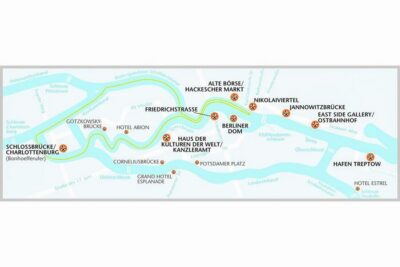
- Berlin: Boat Tour Along the River Spree★ 4.4 · 11,252 reviews
- Discover Berlin Half-Day Walking Tour★ 5.0 · 9,624 reviews
How This Berlin Club Tour Prepares You for Night One
This tour runs for about 3 hours 30 minutes, starting at 11:30 am and ending around RAW Gelände, close to the Warschauer Straße train stop. It’s built for daylight hours, which I like, because you get orientation first, then you can decide where to go once the lights shift.
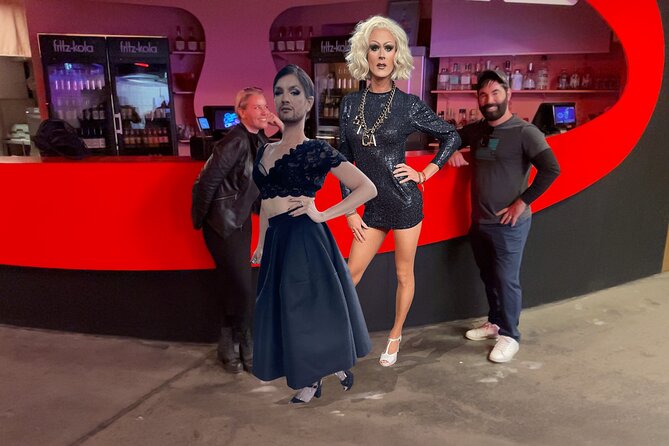
The experience includes a mobile ticket and uses augmented reality during the walk. You also get a big media bundle after, including 200+ photos, videos, quotes, and audio clips, so it’s not just “hear it once, forget it later.”
Now the value question. At $81.98 per person, you’re paying for more than sightseeing. You’re buying an edited route through Berlin’s club culture, guided by stories that help you understand what you’re actually seeing, why the venues developed the way they did, and what to watch for when you plan your own night.
SchwuZ: The LGBTQ+ Launchpad and Romy Haag’s Legacy
SchwuZ is where the tour sets its tone. This stop focuses on how Berlin’s nightlife was reshaped by the Berlin Wall and how queer community spaces helped push change during periods when society was far less accepting.
You’ll hear about Romy Haag, a trans pioneer who helped revolutionize nightclub culture in the 1970s. The bigger point is how clubs were never only about music, they were also about survival, visibility, and building a place where people could exist as themselves.
A second layer here is activism during the AIDS crisis, and how that energy fed into community organizing. Today, SchwuZ remains a cultural hotspot for the LGBTQ+ community, and the tour treats it as a starting line for understanding Berlin’s later techno dominance.
This stop runs about 20 minutes, and admission is included as part of the experience. That matters because it keeps your costs predictable right at the start.
SO36: West Berlin’s Punk, Feminism, and Counterculture Roots
Next is SO36, a club tied to the spirit of West Berlin in the 1970s. This stop leans into how economic pressure shaped the scene, because when money is tight, people get creative and they build their own spaces.
SO36 became a hub for punk, feminism, and counterculture, and you’ll also hear about involvement of major music figures like David Bowie and Iggy Pop. Even if you don’t know every detail, it’s an important reminder that Berlin’s clubs were never isolated, they were part of a broader music conversation.
The tour also connects SO36 to Berlin’s Turkish community and how the club’s programming grew over time. It includes mentions of events like Kreuzberg CSD and Mad & Disabled Pride, which helps you see the club as a long-term platform for inclusion, not just a one-era phenomenon.
This stop is about 20 minutes, and admission is free as part of the tour. The practical benefit is you can focus on listening and learning rather than worrying about extra payments.
Tresor: A Former Power Plant and the Techno Turning Point
Tresor is one of those names that shows up in techno conversations for a reason. Here, you’ll learn about the club’s setting in a former GDR power plant, which is more than decoration. It’s part of how Berlin’s post-Wall club scene took shape in abandoned spaces.
The tour frames Tresor as a symbol of Berlin’s techno movement, especially in the period after the Wall fell, when people started repurposing locations and building new nightlife identities. That historical context helps explain why techno in Berlin often feels less like a trend and more like a living system.
A key story is how Detroit’s Black techno DJs helped shape the sound and culture that became central to Berlin’s scene. That global connection is a big deal, because it shows Berlin’s nightlife didn’t develop in a vacuum. It borrowed, transformed, and then fed back into the world music map.
Tresor is a shorter stop at about 15 minutes, and admission is free with the tour. It’s enough time to get the “why this mattered” message without turning it into a lecture.
KitKatClub: Cabaret Roots, Sexual Freedom, and Identity
At KitKatClub, the focus shifts to expression. The tour explains the venue’s roots in Berlin’s cabaret culture from the 1920s, then brings you forward to today’s reputation for bold freedom and identity exploration.
This stop is about why some clubs function like safe stages for people who want to challenge norms. You’ll hear that KitKatClub is known as a haven for those exploring boundaries around sexuality and identity, and that it’s associated with avant-garde parties that push conventions.
The useful takeaway for you is how the club’s vibe connects to Berlin’s wider philosophy: people test boundaries, then create culture around what feels possible. If you’re the type who wonders why Berlin has a reputation for radical acceptance, this stop gives you the “how” behind it.
The tour spends about 15 minutes here, with admission included as free within the experience.
Clubcommission e.V.: Safer Spaces and Clubs as Activism
Not every tour tells you that clubs can be political infrastructure. This one does.
At Clubcommission e.V., the tour explains how Berlin clubs function as safer spaces for marginalized communities and how they’ve acted as centers of activism. You’ll hear about protests tied to the far-right AfD and support for LGBTQ+ rights, with clubs framed as places where art and social change meet.
This is one of the most practical stops, even if you don’t think of yourself as political. It gives you a lens for reading Berlin nightlife: when you see certain behavior, rules, or community practices inside, it’s often connected to something real outside.
This stop is about 10 minutes, with admission listed as free. Short, but it adds weight to everything else on the route.
Kater Blau and Holzmarkt: The Underground vs. Gentrification

Then the tour tackles the pressure on Berlin’s alternative scene. At Kater Blau and Holzmarkt, you’ll hear how these venues fight gentrification and the loss of underground culture.
This stop is built around a simple idea. A city can keep changing, but nightlife needs protection to stay honest. The tour shares how these clubs work to maintain authenticity, preserve alternative spaces, and defend Berlin’s creative community from commercial development.
It’s not just nostalgia. It’s about why the scene’s future depends on today’s venues staying viable and independent enough to keep doing what they do.
This part is brief at about 5 minutes, and admission is free.
YAAM: Black Caribbean Influence, Reggae, and Community-Building
YAAM adds a different cultural thread. The tour explains the role of the Black Caribbean community in Berlin’s music scene, especially the influence of reggae.
Here, the emphasis is on cultural exchange and community building, plus initiatives aimed at tolerance and youth empowerment. You’ll also hear that inclusion shows up not only in the music and events, but in advocacy connected to refugees and other marginalized groups.
The time is short at about 5 minutes, but it connects the dots between club culture and how communities share support through music.
Admission is free as part of the tour.
Berghain: The Bunker Story, No-Photo Rules, and Gender Expression
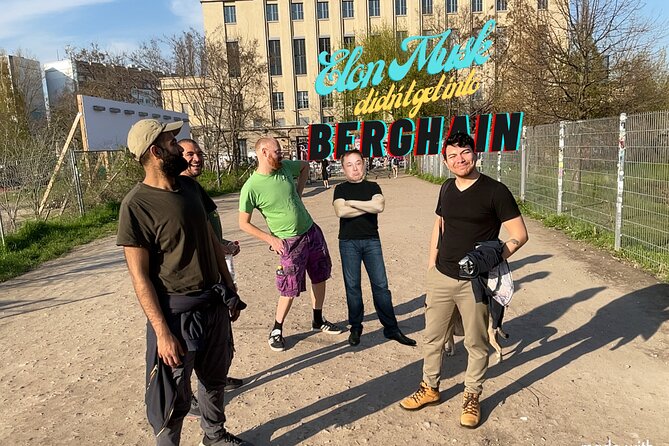
Berghain is where Berlin’s nightlife mythology peaks. The tour covers its history in a former bunker, and how it evolved into one of the most influential techno venues in the world.
You’ll also learn why the club’s no-photo policy matters. The message isn’t “rules for control.” It’s tied to freedom and anonymity on the dancefloor, so people can move without being turned into content.
The tour adds another important angle: an inclusive atmosphere where sexual exploration and gender expression are celebrated. It even references thinkers like Judith Butler and Michel Foucault to explain the ethos behind that acceptance.
One practical tip from the route’s tips section is about entry strategy. If you’re trying to maximize your chances of getting in, consider planning for Sunday morning as a potentially better bet, just don’t treat it as a guarantee.
This stop takes about 20 minutes, and admission is free within the experience.
RAW Gelände: Open-Air Rave Roots and the Alternative Map
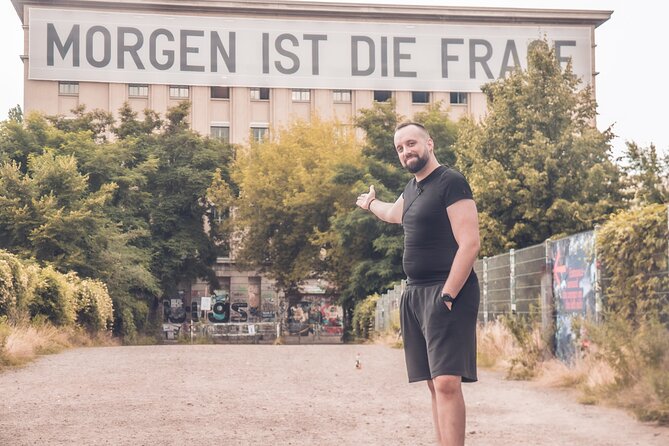
The final stretch is RAW Gelände, a sprawling site that hosts multiple clubs including Suicide Circus, Haubentaucher, and Astra Kulturhaus. The tour frames this area as a key player in shaping Berlin’s alternative culture.
You’ll hear how gentrification has hit RAW and other venues over time, including mentions of places like Watergate and Grießmühle. There’s also discussion of struggles faced by hotspots like ://aboutblank.
The tour doesn’t stop at the loss story. It links RAW to Berlin’s longer history of open-air raves, explaining how those events helped reclaim techno culture and kept it moving as a force in the city.
This stop is about 10 minutes and ends close to Warschauer Straße, which makes it easy to keep going afterward.
Augmented Reality, Mixies, and Why the Tech Matters
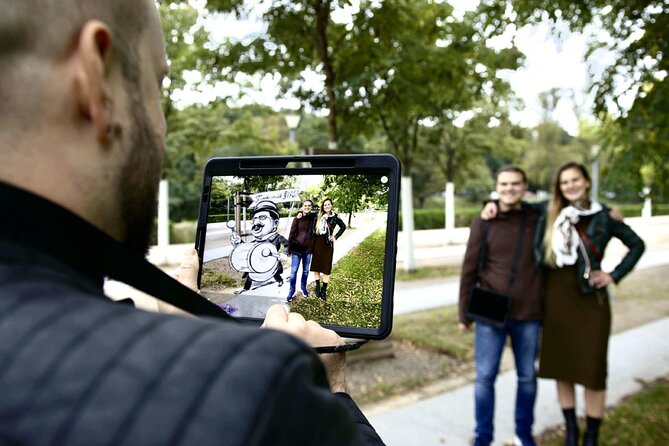
The AR element is not just a gimmick. The tour includes augmented reality segments where celebrities and clubs come to life, and it wraps that into an experience that’s meant to help you connect story to place.
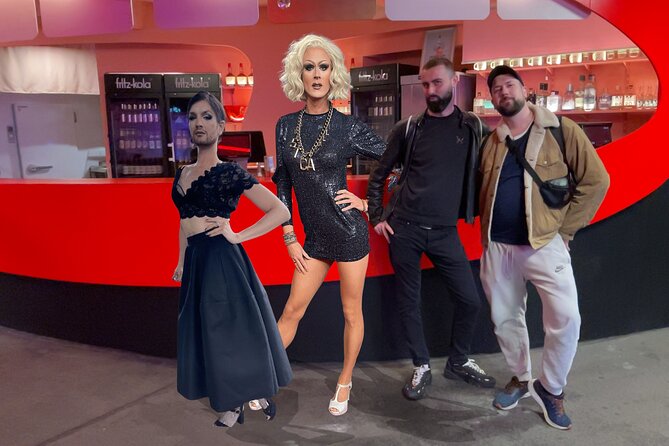
You also get Mixies, which are personalized photos with AR elements. That matters because it gives you a tangible memory, and Berlin nightlife stories are the kind you want to keep referring back to when you’re planning your next night.
On top of that, the media package includes 200+ photos, videos, quotes, and audio clips, which is a big help if you like learning in chunks. When you’re standing in the next club later and you suddenly remember a name, a quote, or a short audio clip, it makes the whole city feel less random.
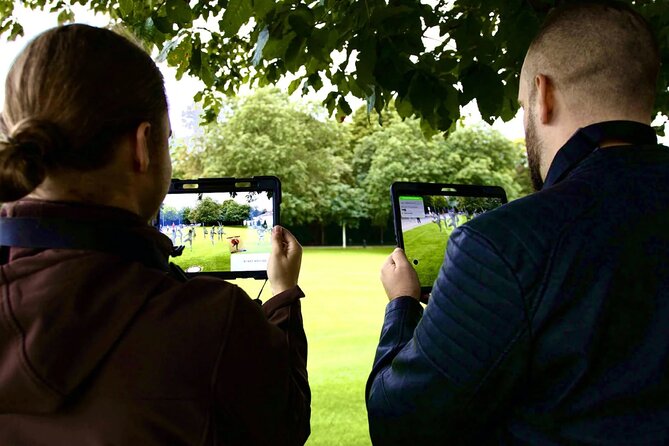
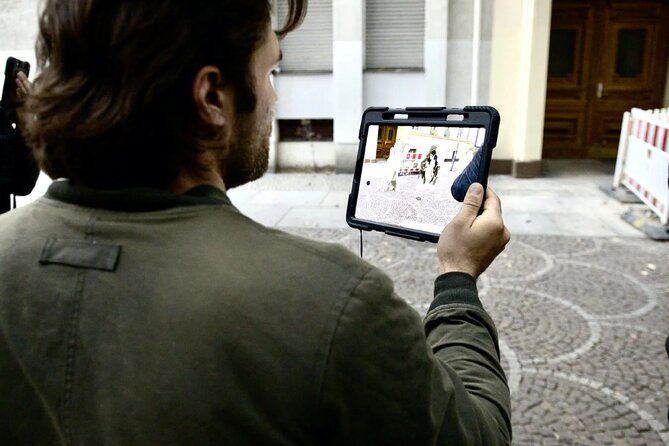
In practice, the guide also uses an iPad-style setup with historical footage and small quiz questions, which keeps the pace moving. It’s a good fit for a morning tour, because you’re not stuck in passive listening mode.
Price and Logistics: Paying for a Shortcut, Not Just a Walk
Let’s be honest: $81.98 is not the price of a casual stroll. But the tour isn’t trying to be “cheap and cheerful.” It’s charging for a lot of extras bundled into one guided route.
Here’s the value math that made sense to me:
- You get short stops at major venues, instead of trying to figure out the right order alone.
- Admission is handled for SchwuZ, and the other stops are listed as free within the experience.
- You get AR, Mixies, and a large media set that you can reference later.
- The group is capped at 10 people, which usually means less waiting and more interaction.
If you’re the type who enjoys clubbing but also likes context, this pricing is easier to justify. If you only want to party and skip history, you might feel like this is a pre-game class. The tour aims to be fun, but it still prioritizes meaning.
Who This Tour Fits Best (And Who Might Not Love It)
This is a strong fit if you want a shortcut into Berlin club culture across queer history, punk and counterculture, techno’s roots, and today’s community fight against gentrification. It also fits well if you like interactive learning with AR and a guide who connects dots between music and social movements.
You might not love it if you’re short on time for a half-day activity that’s focused on stories rather than pure nightlife. You may also prefer a different approach if you want guaranteed entry into specific clubs, because the only clearly described included admission is tied to SchwuZ, and other experiences depend on availability.
Should You Book This Berlin Club Tour?
If your goal is to understand Berlin nightlife instead of just consuming it, I think this is a smart booking. The small group, the AR extras, and the way it links clubs to queer history, activism, and techno’s global sound make it feel like more than a walk. Plus, the ending near Warschauer Straße is practical for continuing your evening plans.
My advice: book it if you’re excited by stories, music history, and people-focused nightlife. Skip it if you want zero structure and you’re allergic to walking and guided time blocks.
FAQ
How long is the tour, and what time does it start?
It lasts about 3 hours 30 minutes. The start time is 11:30 am.
How much does the tour cost?
The price is $81.98 per person.
Where do we meet, and where does the tour end?
You meet at SchwuZ, Rollbergstraße 26, 12053 Berlin. The tour ends at RAW Gelände, Revaler Str. 99, 10245 Berlin, near Warschauer Straße.
Do I need to bring a public transport ticket?
Yes. The tour notes that you should bring a public transport ticket to join the tour.
Is admission included at the club stops?
Admission at SchwuZ is included. The stops at SO36, Tresor, KitKatClub, Clubcommission e.V., Kater Blau/Holzmarkt, YAAM, Berghain, and RAW Gelände are listed as free within the tour.
What is included with augmented reality and Mixies photos?
You get an augmented reality experience. The tour also includes Mixies, which are personalized photos with augmented reality elements. You also receive 200+ photos, videos, quotes, and audio clips related to Berlin club culture.
What is the maximum group size?
The tour has a maximum of 10 travelers.
Can I cancel, and what if it is canceled due to weather?
Cancellation is free. You can cancel up to 24 hours in advance for a full refund. The experience requires good weather, and if it’s canceled because of weather (or if a minimum number of travelers is not met), you’ll be offered a different date or a full refund.
Everything else we filed on Berlin
- East Berlin: City of Shadows Walking Tour
★ 5.0 · 11 reviews - Berlin: Die Stachelschweine – Frank Lüdecke – Träumt Weiter
★ 4.7 · 11 reviews - Potsdam Day Trip from Berlin with a Local: Private & Personalized
★ 4.0 · 11 reviews - An Introduction to Berlin Walking Tour
★ 5.0 · 11 reviews - DJ for a Day: Learn to Mix Like a Pro in Berlin
★ 5.0 · 11 reviews - 2-H Segway Sightseeing Tour Berlin
★ 4.5 · 11 reviews
Tours, side by side.
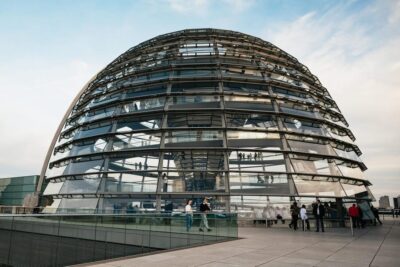 ★ 4.7Berlin: Reichstag, Dome and Government District Guided TourFrom $1818,288 reviews
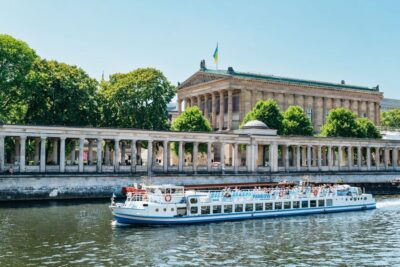 ★ 4.3Berlin: 1-Hour City Tour by Boat with Guaranteed SeatingFrom $2516,993 reviews
 ★ 4.7Hamburg: Sex and Crime in St. Pauli Tour for Ages 18+From $29515,447 reviews
 ★ 4.7Dresden: Semperoper Tickets and Guided TourFrom $1812,102 reviews
 ★ 4.4Berlin: Boat Tour Along the River SpreeFrom $3411,252 reviews
 ★ 5.0Discover Berlin Half-Day Walking TourFrom $249,624 reviews
 ★ 4.3Berlin: Hop-on Hop-off Bus Tour with Live CommentaryFrom $228,579 reviews
 ★ 4.7Berlin: Government District around the Reichstag Guided TourFrom $2848,447 reviews