
REVIEW · REEPERBAHN
Hamburg: Crimes of St. Pauli Guided Walking Tour
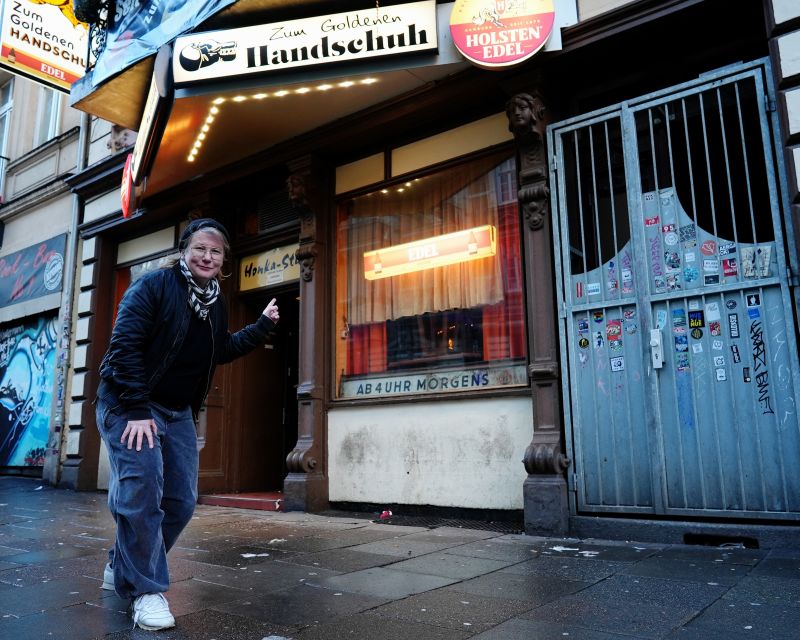
Dark stories, real streets, clear explanations. Hamburg’s St. Pauli crime history hits differently. This 2-hour guided walking tour connects you to a century of cases through place-based stops, including the Reeperbahn and notorious incidents tied to real people.
I especially like the focus on how crime shaped the neighborhood over time, not just shock value. I also like that you follow named cases such as Mucki Pinzner and Fritz Honka, so the walk has recognizable threads as you move through St. Pauli.
One consideration: this is adult and unsettling true-crime storytelling, and if you prefer lighter history, you may find the subject matter too heavy, especially since the tour is not suitable for children under 18.
In This Review
- Key points worth knowing
- A 2-hour St. Pauli walk built around true crime
- Meeting at Wohlwillstraße 1, and planning for German storytelling
- What you will actually learn on the streets
- Retracing the steps of Mucki Pinzner
- Fritz Honka’s St. Pauli murders, and why context matters
- The 1980s pimp wars: how power shows up on streets
- Seeing the Reeperbahn after the troubled past
- How the guide can make or break the tour
- Price and value: is $29 worth 2 hours of crime history?
- Who this tour is best for (and who should skip it)
- How to get the most out of it on the day
- Should you book this Hamburg crime tour?
- FAQ
- How long is the Hamburg: Crimes of St. Pauli Guided Walking Tour?
- What language is the tour in?
- Where do I register before the tour starts?
- How much does the tour cost?
- What is included in the price?
- What is not included?
- Is the tour suitable for children?
- Can I get a refund if I cancel?
- Can I pay later?
Key points worth knowing
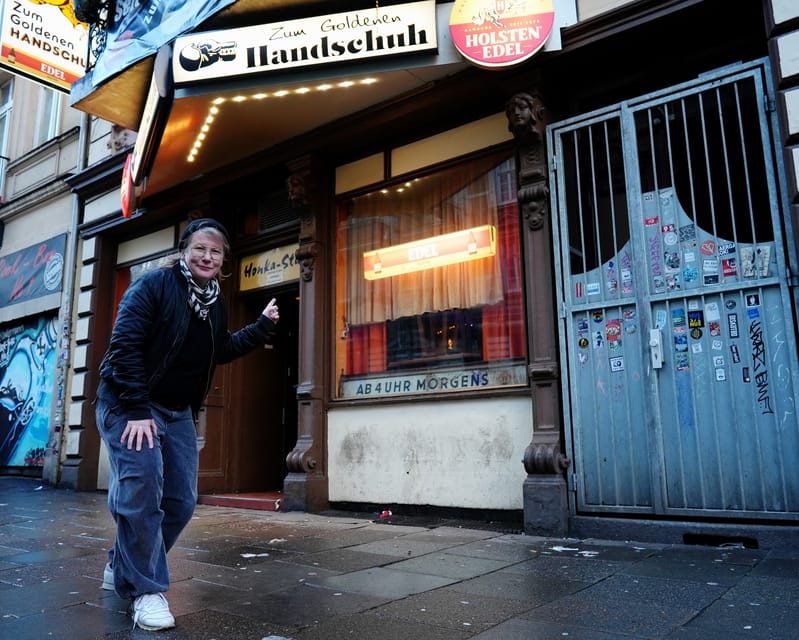
- St. Pauli, but explained like a story, with crime scenes tied to names and events
- Case focus you can track, including Mucki Pinzner and Fritz Honka
- 1980s pimp wars locations, built into the route instead of treated as background
- A local guide with anecdotes, which is a big part of why the tour feels alive
- The Reeperbahn after the worst years, showing how the area kept going
- 2 hours on foot, so you get the payoff without a full day commitment
Still on the Kiez? More nights reviewed here
- Hamburg: Sex and Crime in St. Pauli Tour for Ages 18+★ 4.7 · 15,447 reviews
- Hamburg: Reeperbahn Lust & Laster Tour for Adults Only★ 4.7 · 5,440 reviews
- Hamburg: Insider Tour of the Reeperbahn & St. Pauli★ 4.7 · 5,057 reviews
- Hamburg: Night Watchman’s Tour of St. Pauli in German★ 4.7 · 4,818 reviews
A 2-hour St. Pauli walk built around true crime

If you think you already know St. Pauli from photos and postcards, this tour nudges you to look again. The core idea is simple: Hamburg’s dark history did not just happen in the past. It left marks on streets, reputations, and the way people talk about the area.
You walk through St. Pauli with a local guide who tells stories from a roughly century-long span of criminal events. The tour is set up to feel like you are moving through a sequence of cases, not reading a single long lecture. You are shown crime-scene locations, and you hear the context behind them in a way designed to make the history feel concrete.
And yes, some of the topics are grim. The tour explicitly focuses on murders and organized violence. You should book it for the storytelling and location-based context, not for entertainment.
Meeting at Wohlwillstraße 1, and planning for German storytelling
The tour language is German, and that matters more than it sounds. If you are comfortable with everyday German but not fluent, you will still likely catch the major beats, but you might miss nuance. If you want the full effect, plan on listening closely and ask your guide to clarify anything you do not understand.
You also register 15 minutes before start at the counter in the St. Pauli Office, Wohlwillstraße 1, 20359 Hamburg. Arriving on time helps you get settled before the walk begins, and it avoids the awkward rush that can make a short, two-hour tour feel less smooth.
Duration is 2 hours, so it is paced for attention. This is not the kind of experience where you can drift. You will do best if you keep your phone away, bring comfortable walking shoes, and commit to following the guide’s thread.
What you will actually learn on the streets
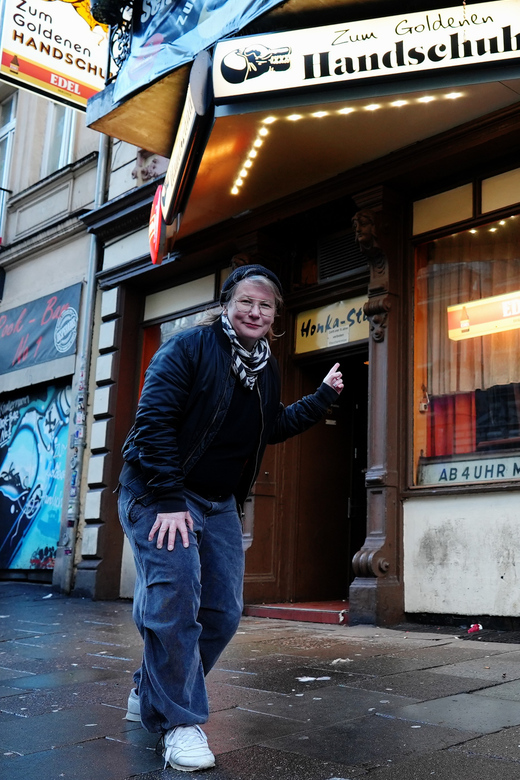
This tour is built around a practical promise: you learn how crime history shaped Hamburg, then you connect that idea to specific locations in St. Pauli. Instead of treating the neighborhood as a single vibe, the guide frames it as a place that was constantly being tested, exploited, cleaned up, and rebranded.
The experience description points to a few big themes that you will feel as the walk progresses:
1) A century of “highly criminal events.”
You are not just hearing one sensational story. You get a long-running view of how violence, exploitation, and organized crime changed the area.
2) Walk-through storytelling at real crime-scene spots.
You stop at locations tied to investigated cases. That is what makes it different from a museum audio guide. The street setting forces you to imagine what it would have felt like.
3) The Reeperbahn’s survival after troubled years.
You see how the district kept existing even after major scandals, and how it became what it is today. That gives the walk a kind of historical realism, not just horror.
4) Named figures who anchor the narrative.
The tour highlights crimes linked to Mucki Pinzner and Fritz Honka, so you can connect details to individuals and specific periods rather than staying vague.
This structure is also why the tour tends to land well for people who like history but do not want a textbook. You get a guided timeline you can walk through.
Retracing the steps of Mucki Pinzner
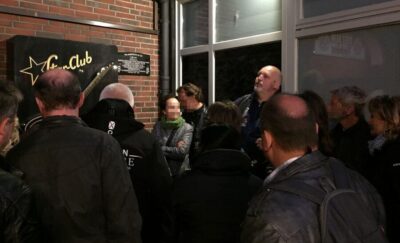
One of the tour’s strengths is that it does not keep everything abstract. You specifically hear about Mucki Pinzner, which gives the story a recognizable anchor. Even without getting lost in paperwork-level details, named cases help your brain organize what you learn.
On a street-walk like this, the real value is the way the guide ties biography to place. You are not only told that crime happened. You are asked to connect a person’s actions to the geography of St. Pauli and the patterns around them. That makes the neighborhood feel like it has memory.
If you enjoy true crime at all, this section is likely where you feel the most momentum. A good guide can translate those stories into something you remember later, the kind of learning that sticks because you linked it to something physical.
Other walking routes through Hamburg

Fritz Honka’s St. Pauli murders, and why context matters
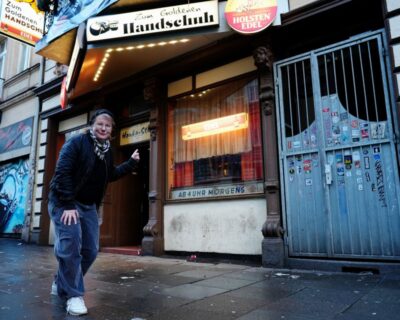
The tour also focuses on the murdering psychopath Fritz Honka. That alone is a reason to pick this experience if you are drawn to case-based storytelling. But it is also where you should be mindful.
True-crime narratives can vary a lot in how they handle depth. In the feedback you provided, one tour experience with a guide named Olivia was described as more superficial when it came to the Honka-related murders, with less background provided about victims. That does not mean the tour is always shallow, but it does suggest you should pay attention to your own preferences.
If you want more than plot points, look for a guide approach that emphasizes investigation context, not just the sequence of events. Since guides share anecdotes and can adjust tone, you can likely ask for emphasis on background and why the cases unfolded as they did. If the guide is open, that kind of request can turn the experience from “interesting” into truly memorable for you.
The 1980s pimp wars: how power shows up on streets
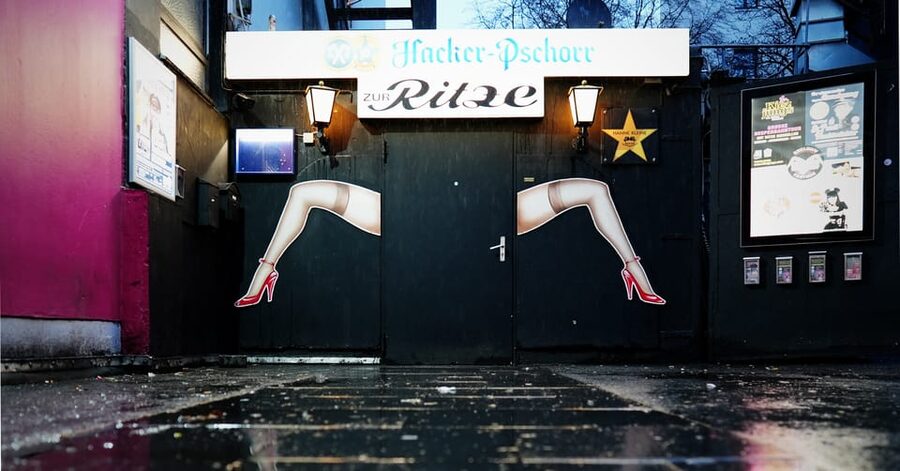
The tour includes locations associated with the 80s pimp wars. This is important because it shifts the story away from one-off crimes toward organized conflict. When exploitation and power struggles escalate, you start to see how a neighborhood can become a battlefield, even when it looks ordinary day to day.
This section also helps explain why St. Pauli’s later reputation stuck. Areas like this do not just generate legends. They generate patterns: who controlled what, where tensions concentrated, and how violence shaped daily life. When your guide points to specific spots tied to these wars, the street setting makes the power dynamics feel real instead of theoretical.
Even if you are not a hardcore true-crime fan, understanding the pimp wars angle gives you context for the district’s identity. It helps you see why the Reeperbahn became a symbol, and why it had to endure.
Seeing the Reeperbahn after the troubled past
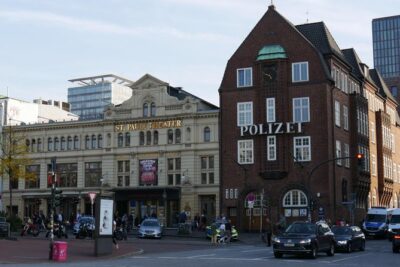
The tour specifically promises a look at how The Reeperbahn has survived its troubled past. That matters because it avoids a trap: treating St. Pauli as a dead zone of crime history. Instead, the story connects past and present.
This is one of the most practical parts of the experience. When you finish the walk, you can revisit the Reeperbahn with better eyes. You start to recognize that today’s atmosphere was built on top of earlier realities, including scandals and investigations that people might prefer to forget.
It also changes how you read the neighborhood. You stop thinking only in terms of entertainment and start noticing layers: why the area attracted certain kinds of activity, why law enforcement attention came and went, and how the district’s reputation became part of the city’s branding.
How the guide can make or break the tour
The experience depends heavily on the local guide. Your information includes feedback praising guide delivery and insider knowledge. One verified booking described a great experience with a guide named Malte, calling the tour very interesting and a must when visiting Hamburg. Another praised a guide’s insider knowledge for making the tour feel lively.
That matches what you should expect from a good walking guide in a sensitive topic. The stories are serious. The only way they stay engaging is if the guide can explain them clearly and connect dots. The anecdotal style also matters. Crime history can turn into a list of events if the guide does not know how to pace the narrative.
There is also a practical angle. One comment about Olivia noted that she was willing to ask whether guests wanted certain topics left out if they were not interested. That tells you something useful for your planning: if you want a specific balance, the guide may be able to adapt.
Price and value: is $29 worth 2 hours of crime history?
At $29 per person for 2 hours, the main question is value for your interests. This is not a long tour, and it does not include food or drinks. What you pay for is a focused, human-led story that uses real locations tied to cases.
You get:
- A live local guide
- Anecdotes
- Guided access to a St. Pauli crime narrative connected to named figures and specific crime-scene themes
That is good value if you like true crime, neighborhood history, and the “follow the story through the streets” style. If you mainly want sweeping cultural history, this might feel too dark or too case-heavy for your taste. But if you want a memorable walking experience that gives you something to talk about afterward, $29 is a reasonable cost for the time and the specificity.
One extra value point: you get the benefit of staying on foot for a short stretch. Two hours is enough to get a solid arc without draining your day. You can still do other Hamburg highlights afterward.
Who this tour is best for (and who should skip it)
This tour fits best if you:
- Enjoy true crime and case-based storytelling
- Like walking tours that connect history to actual places
- Want a local guide with anecdotes, not just facts
- Are curious about St. Pauli beyond surface impressions
You should skip or think twice if you:
- Want a family-friendly outing, because it is not suitable for children under 18
- Prefer light history or entertainment-only sightseeing
- Are sensitive to murder and exploitation topics
Also consider language. Since the tour is in German, you will enjoy it more if you can follow conversation.
How to get the most out of it on the day
A couple of practical moves can help the whole experience land better:
- Bring comfort. Two hours of walking in St. Pauli means you want shoes that can handle city streets.
- Listen for the connections. The tour is about how events link together over time. If you miss one detail, the next stop might feel less clear, so stay attentive.
- If you have preferences, communicate them early. Since at least one guide (named Olivia in your info) asked about leaving out topics not of interest, you may be able to shape the tone.
- Keep expectations aligned. This is not a general sightseeing loop. It is a guided story of crimes and how the neighborhood carried the aftermath.
If you do those things, you will likely walk away with that specific kind of memory: the feeling of having seen the neighborhood with a new brain.
Should you book this Hamburg crime tour?
I think you should book if St. Pauli and the Reeperbahn are on your Hamburg list and you like true-crime history that is tied to real streets. At $29 for 2 hours, you are paying for a focused narrative, with named cases like Mucki Pinzner and Fritz Honka, plus themes such as the 80s pimp wars and how the area endured.
Skip it if you are looking for upbeat, family-friendly city flavor, or if German-language touring would make it hard to follow. Also, if you want heavy victim-focused context for the Honka part specifically, keep an eye on the guide style once you are there, and be ready to ask for what you want emphasized.
FAQ
How long is the Hamburg: Crimes of St. Pauli Guided Walking Tour?
The tour lasts 2 hours.
What language is the tour in?
The live tour guide speaks German.
Where do I register before the tour starts?
You need to register 15 minutes before the tour start at the counter in the St. Pauli Office, Wohlwillstraße 1, 20359 Hamburg.
How much does the tour cost?
The price is $29 per person.
What is included in the price?
What you get includes a local guide and anecdotes during the walk.
What is not included?
Hotel pickup and drop-off, plus food and drinks, are not included.
Is the tour suitable for children?
No. It is not suitable for children under 18.
Can I get a refund if I cancel?
Yes. You can cancel up to 24 hours in advance for a full refund.
Can I pay later?
Yes. The booking offers a reserve now & pay later option, so you can book and pay nothing today.
Pavements of Hamburg
More of the Kiez After Dark
Everything else we filed on Hamburg
- Hamburg: Safari tour in St. Pauli
★ 4.9 · 11 reviews - Hamburg: Party Bingo with the Bingo Gringos
★ 4.8 · 11 reviews - Hamburg Harbor: 3.5-Hour Guided Tour by Bike
★ 4.7 · 11 reviews - Hamburg: 2-Hour St. Georg Walking Tour
★ 4.8 · 11 reviews - Hamburg: Guided Walking Tour in Danish
★ 5.0 · 11 reviews - Discover Hamburg in a retro Bulli
★ 3.0 · 12 reviews
St Pauli and Reeperbahn Tours, side by side.
 ★ 4.7Hamburg: Sex and Crime in St. Pauli Tour for Ages 18+From $29515,447 reviews
 ★ 4.7Hamburg: Reeperbahn Lust & Laster Tour for Adults OnlyFrom $5005,440 reviews
 ★ 4.7Hamburg: Insider Tour of the Reeperbahn & St. PauliFrom $295,057 reviews
 ★ 4.7Hamburg: Night Watchman’s Tour of St. Pauli in GermanFrom $234,818 reviews
 ★ 4.7Hamburg: In the Footsteps of “Olivia” Reeperbahn TourFrom $5003,947 reviews
 ★ 4.7Hamburg: Lust, Luden & Die Große Freiheit TourFrom $172,444 reviews
 ★ 4.7Hamburg: St. Pauli Highlights Guided Tour with Beer for 18+From $292,353 reviews
 ★ 4.6Hamburg: Schanzenviertel Culinary TourFrom $572,051 reviews
Other lists this tour is on