
REVIEW · HISTORICAL TOURS
Hamburg: Discover Hamburg from landmark to landmark
Hamburg history clicks when you walk it. This 2-hour landmark hop starts at the Michel and ends at the Elbphilharmonie, so you get a quick, clear sense of how Hamburg changed from port power to global city. I like the guide’s friendly storytelling and practical photo stops, and I like that UNESCO Speicherstadt is built into the route, not treated like a side quest. The only drawback is the time is tight, so you get memorable highlights rather than deep, minute-by-minute background.
I also appreciate the plain, efficient format. You walk in the west of Hamburg toward the modern waterfront, and the guide keeps pointing out what to notice, plus offers gastronomic tips along the way. This is a German-language tour, so if you want everything word-for-word, plan on following along in German.
Good shoes matter here, and so does weather-appropriate clothing. The route is described as wheelchair accessible, and children and dogs are welcome, which makes it feel less like a strict museum march and more like a smart way to see key places without overthinking it.
In This Review
- Key Things I’d Prioritize on This Tour
- Starting at the Michel, Hamburg’s Landmark Anchor
- The Walk Toward the Elbphilharmonie and Why the Route Matters
- Speicherstadt, UNESCO Warehouses, and a Clear Port-City Contrast
- Krameramtsstuben for Human-Scale History
- The Elbphilharmonie Endpoint, Views, and the Optional Self-Visit
- The Michel Tower Clock Detail You Should Actually Notice
- Pace, Timing, and Getting the Most From Two Hours
- Language and Who This Tour Fits Best
- Price and Value for Landmark-to-Landmark Sightseeing
- What to Wear and How to Prepare
- Should You Book This Hamburg From Landmark to Landmark Tour?
- FAQ
- Where does the tour start?
- Where do I meet the guide?
- How long is the tour?
- What is the price?
- What sights do we see during the tour?
- Can I visit the Elbphilharmonie myself at the end?
- What language is the live guide?
- Is the tour wheelchair accessible?
- Are children and dogs allowed?
- Is there free cancellation?
Key Things I’d Prioritize on This Tour
- Meet at the Michel to the right of the main entrance, with guides recognizable by white shoulder bags
- UNESCO Speicherstadt on the route plus the contrast with the connected modern HafenCity
- Elbphilharmonie as the endpoint with a port view and the option to visit on your own, depending on plaza closures
- Krameramtsstuben for lived-in history where the guide helps you understand the city beyond big monuments
- The largest church tower clock in Germany and why it matters as a local landmark
More history walks in Hamburg
- The Local Tour of Hamburg Historic Centre★ 5.0 · 1,058 reviews
- Hamburg: Historical Tour of the St. Pauli Sex Work District★ 4.4 · 215 reviews
- Hamburg: UNESCO-World Heritage Sites Tour★ 4.7 · 137 reviews
- German Hamburg Historic City Center Pay-What-You-Want Tour★ 4.8 · 80 reviews
Starting at the Michel, Hamburg’s Landmark Anchor
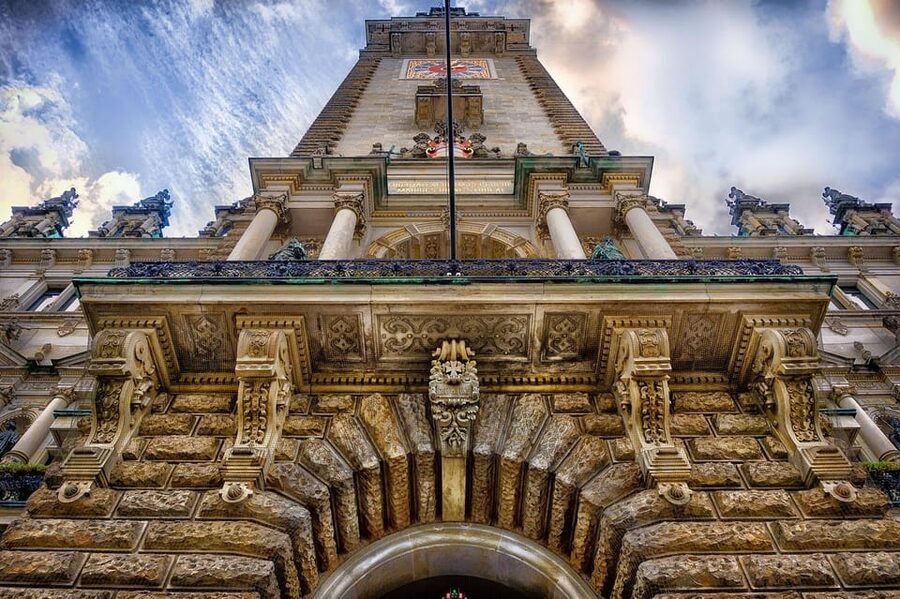
The tour begins at St. Michaeliskirche, the Michel. For years, this church was Hamburg’s go-to reference point, and that comes through fast once you stand there. If you like getting your bearings early, starting at the city’s most obvious landmark is a smart move.
The Michel is more than a pretty start photo. The guide explains why it became such a visible marker in the city’s life, including the fact that it features the largest church tower clock in Germany. That detail may sound like trivia, but on a walking tour it becomes useful context. It helps you understand why certain buildings stick in people’s minds, especially in a port city where landmarks help you navigate daily life.
A practical note for your time and energy: you start the tour at the church itself, then you walk from there toward the modern waterfront. This is ideal if you want structure without committing to a full day of hopping between neighborhoods on your own.
The Walk Toward the Elbphilharmonie and Why the Route Matters
From the Michel area, you move westward through the city with stops for photos and guidance. The point is not to rush past famous spots, but to let the story of Hamburg change as you walk. You go from an older port-and-warehouse identity to today’s global culture, and the buildings you pass help make that shift feel real.
Along the route, the guide shares anecdotes about Hamburg personalities. You also get gastronomic tips, which I think is underrated on tours like this. It turns the walk from sightseeing only into something that helps you plan what to eat later, because you learn what neighborhoods and institutions people actually connect with.
One thing I’d be ready for: you are walking toward a very modern, very photogenic endpoint. That means the contrast is intentional. If you enjoy seeing how a city layers old and new in the same view, you will like how the Elbphilharmonie frames the ending.
Speicherstadt, UNESCO Warehouses, and a Clear Port-City Contrast
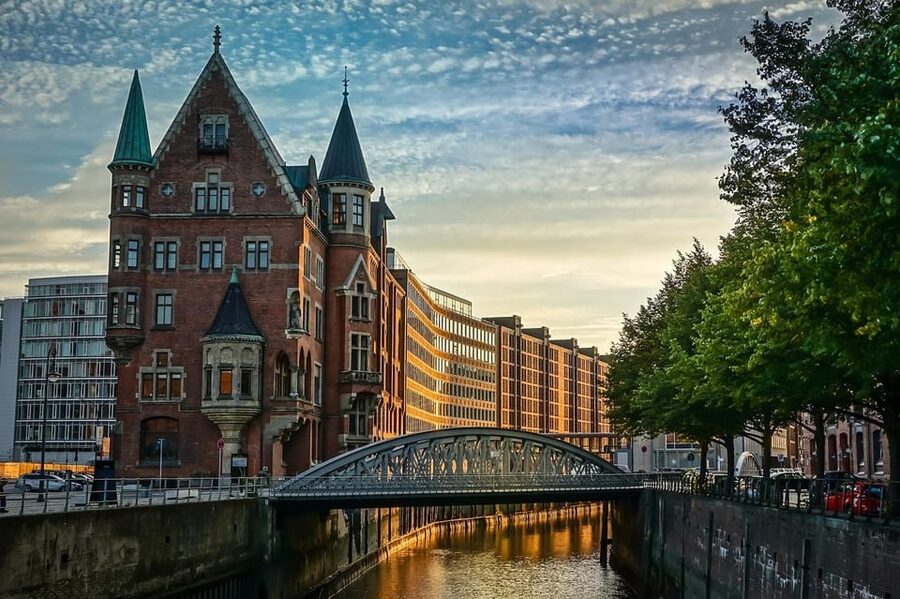
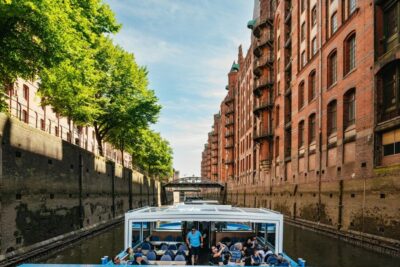
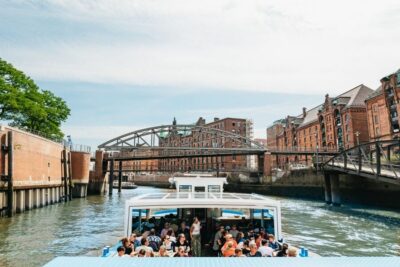
A highlight you should look forward to is the Speicherstadt, a UNESCO World Heritage Site. This is where Hamburg’s port past becomes visible in a very literal way: you are looking at the storage complex idea, not just hearing about it. It’s the kind of place where the architecture tells you how trade worked before everything went digital and invisible.
Even better, the tour does not stop at Speicherstadt. You also see how the modern harbor story continues in HafenCity, which is connected but completely different. That contrast is the real value here. You can stand in an old warehouse environment and then, with the help of your guide, understand why Hamburg chose to grow and reshape the waterfront instead of treating the old section like a frozen exhibit.
This is especially good for first-time visitors. If you only see one side of Hamburg, the city’s direction can feel confusing. This route gives you a usable mental map: older trade infrastructure on one end, a modern cultural and urban center on the other.
Krameramtsstuben for Human-Scale History
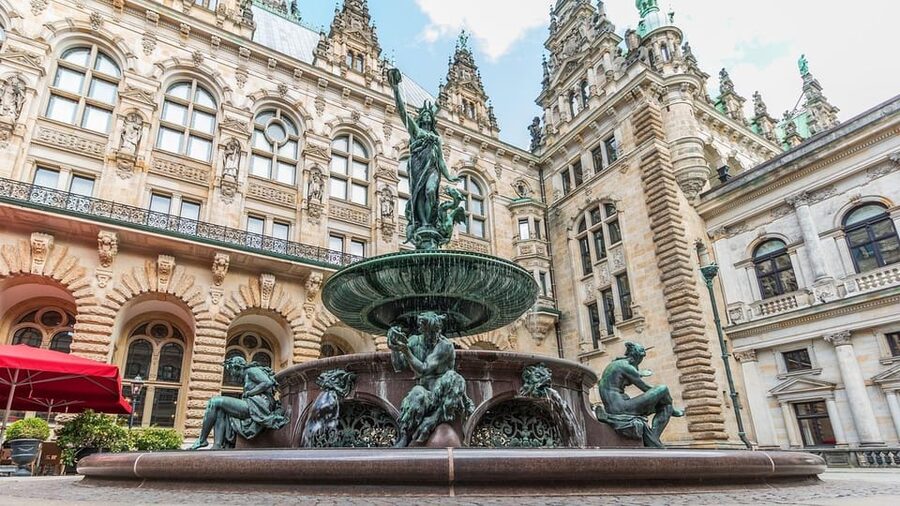
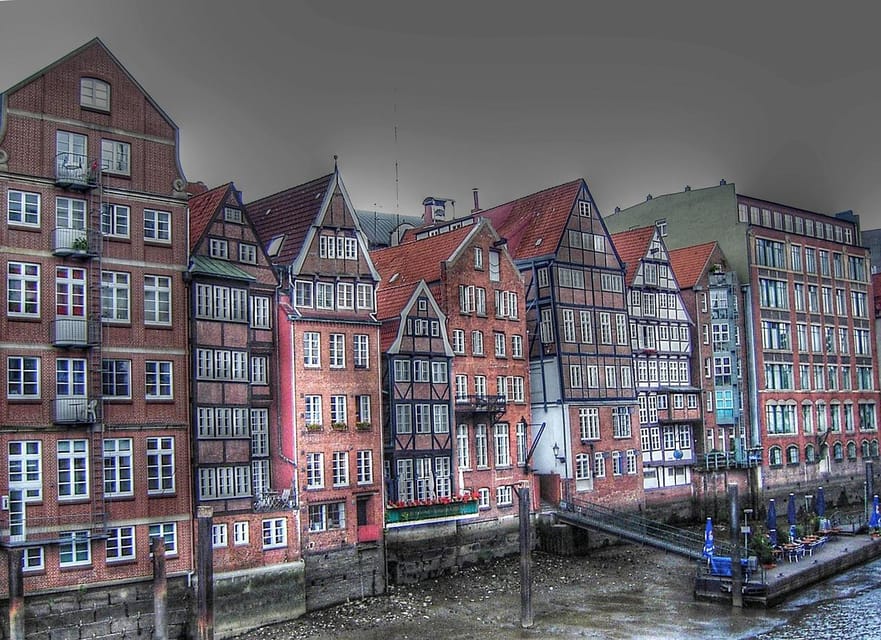
The tour also includes Krameramtsstuben, another named stop that brings you closer to everyday history. Big cities can feel like they are made only of grand monuments, but this stop is a reminder that systems run on people. The guide uses this area to help you experience Hamburg’s history as something lived in, organized, and connected to local life.
I like Krameramtsstuben on this kind of tour because it breaks up the “headline landmarks” rhythm. You still get the big names, but you also get a pause where the city’s function shows up. That helps you understand the transition you are watching, from a port-centered economy to a city with a modern cultural reputation.
If you are the type who reads captions quickly, plan to slow down here. The guide’s explanations are part of what makes the stop useful, not just what you see from the street.

The Elbphilharmonie Endpoint, Views, and the Optional Self-Visit
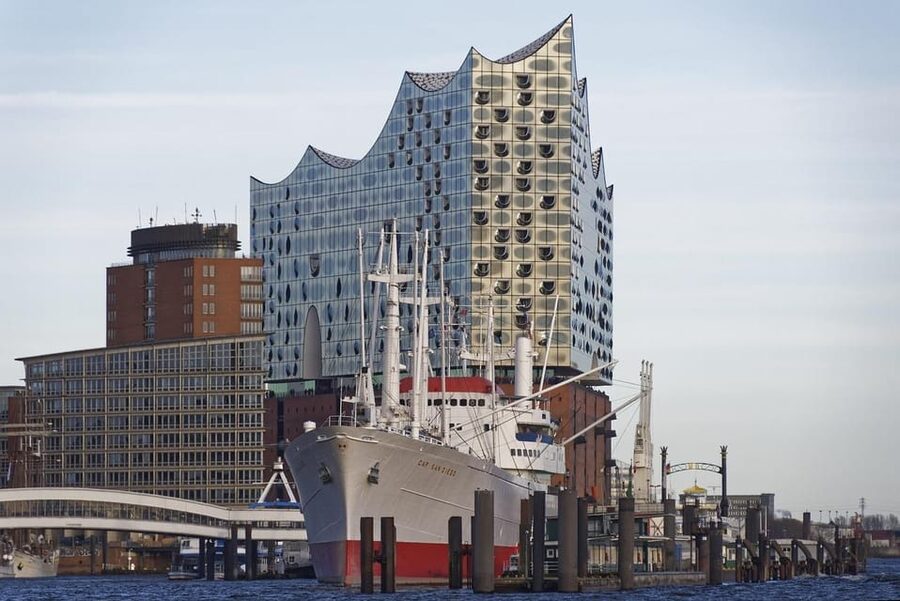
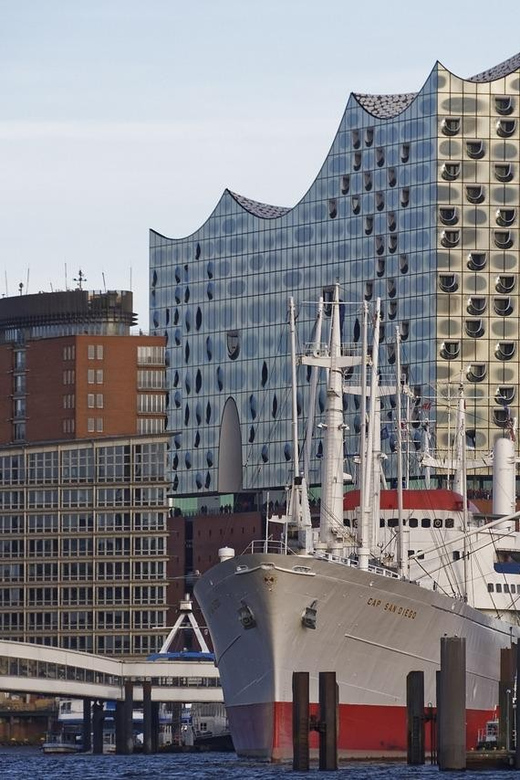
Your walk finishes at the Elbe Philharmonic Hall, better known as the Elbphilharmonie. This is the modern architecture everyone talks about, and the tour treats it as the symbol of Hamburg’s fusion of tradition and modernity in the port area.
When you reach the Elbphilharmonie, you also get a fantastic view of the port of Hamburg. For me, that is the payoff moment. It’s where the earlier story clicks, because you see the waterfront that once depended on warehouses and now serves as an urban and cultural stage.
You then have the option to visit the Elbphilharmonie on your own. Access depends on plaza closures, so treat this as a nice bonus, not a guaranteed inside-the-building plan. If the plaza is open, it’s a great place to linger after the guide finishes, because the building is meant to be watched from multiple angles.
One more thing to remember: even though it ends at the Elbphilharmonie area, the activity concludes back at the meeting point. So you get an endpoint moment, but you are still finishing as a guided experience rather than being cut loose at the edge of the city.
The Michel Tower Clock Detail You Should Actually Notice
That largest church tower clock in Germany is not just a cool line in a brochure. It ties directly into why the Michel served as a landmark for years. In a city built around shipping and schedules, clocks matter. When you know this, you start looking at the Michel differently, like it belongs to the rhythm of the city, not just the skyline.
Your guide will point out relevant details around the church, and that’s the best way to make sure you notice them. If you try to figure it out on your own, you might see a church. With the tour, you get the reason it became important.
This is a good example of what I consider the best style of walking tour. It doesn’t rely on you to discover everything. It helps you look properly in the first place.
Pace, Timing, and Getting the Most From Two Hours
This tour is listed as a 2-hour city walk, with photo stops and a guided walk format. That timing matters because it tells you what kind of experience it is. You are not getting a slow neighborhood stroll. You are getting an organized route that hits several major areas and keeps moving with purpose.
For planning, think of it like this: you spend time at the Michel area, then you head toward HafenCity and the Elbphilharmonie while the guide explains the historical thread that connects everything. You get the UNESCO stop experience, plus the Krameramtsstuben context, without losing the energy to keep walking.
Starting times depend on availability, so check what is offered on the day you plan to go. If you want this to slot smoothly into your trip, I’d schedule it early or at least before you commit to a second heavy, timed activity. It’s the kind of tour that helps you understand where to go next.
Language and Who This Tour Fits Best
The tour guide works in German. That does not mean you are out of luck if you speak little, but it does mean this is best for visitors comfortable enough to follow. If you are a strong visual learner, you can still enjoy the route, especially at the major photo points and at the Michel, Speicherstadt, and Elbphilharmonie.
The tour is wheelchair accessible. That’s a real plus if your group includes mobility needs. It is also explicitly friendly to kids and dogs, which usually translates into a less fussy atmosphere and more patience in the pacing.
Who should book it? It’s ideal if you want a clean overview of Hamburg with landmark variety. It’s also a strong fit if you like architecture and urban contrast, old warehouses next to modern cultural buildings. If you want a “tell me everything” lecture, you may find the length limiting. This is a smart highlights walk, not a long-form seminar.
Price and Value for Landmark-to-Landmark Sightseeing
The tour price is $25 per person for about 2 hours. On paper, that is not a lot of time, but in practice it’s a good value because you are paying for two things that are hard to replicate alone: a guided narrative and a structured route that links the city’s turning points.
You get the Michel landmark start, a UNESCO World Heritage Site visit area, a modern architectural endpoint, and a port view payoff. If you were to try to cobble that together on your own, you would spend extra time figuring out what to pay attention to, and you might miss the historical connections that make the walk satisfying.
Also, the guide provides more than just pointing. You get anecdotes about Hamburg personalities and gastronomic tips. Those small pieces can save you time later, when you are deciding where to eat and what areas feel most “Hamburg” to you.
So yes, for $25, I think the value is strong if you want an organized overview. If you prefer independent exploring with minimal cost, you might weigh that. But if you like having someone connect the dots, this is a reasonable spend.
What to Wear and How to Prepare
This tour is outdoors and involves walking. Wear comfortable footwear and clothing that matches the weather. Hamburg weather can shift, so bring layers if you tend to run cold or warm quickly.
Bring a camera or phone, because there are photo stops and the Elbphilharmonie area is the kind of place where you will want to capture angles. Also, plan to have a moment to stand and look when you reach the port view, because it’s part of the experience, not just a stop along the way.
Should You Book This Hamburg From Landmark to Landmark Tour?
I’d book it if you want a focused first look at Hamburg that connects the city’s past and present without turning your day into a logistical puzzle. The Michel start, UNESCO Speicherstadt, and Elbphilharmonie endpoint form a clear story arc, and you also get Krameramtsstuben context and a port view payoff.
Skip it or at least temper expectations if you want very deep historical detail. Two hours is a highlights format, and you should plan for that. If your top priority is hearing short, memorable explanations and seeing the main landmarks in one route, this is a good fit. If your priority is slow, exhaustive research, you will likely want something longer.
FAQ
Where does the tour start?
The tour starts at St. Michaeliskirche, the Michel, to the right of the main entrance.
Where do I meet the guide?
Meet at the Michel church entrance area. Guides are recognizable by their white shoulder bags.
How long is the tour?
The tour lasts about 2 hours.
What is the price?
The price is $25 per person.
What sights do we see during the tour?
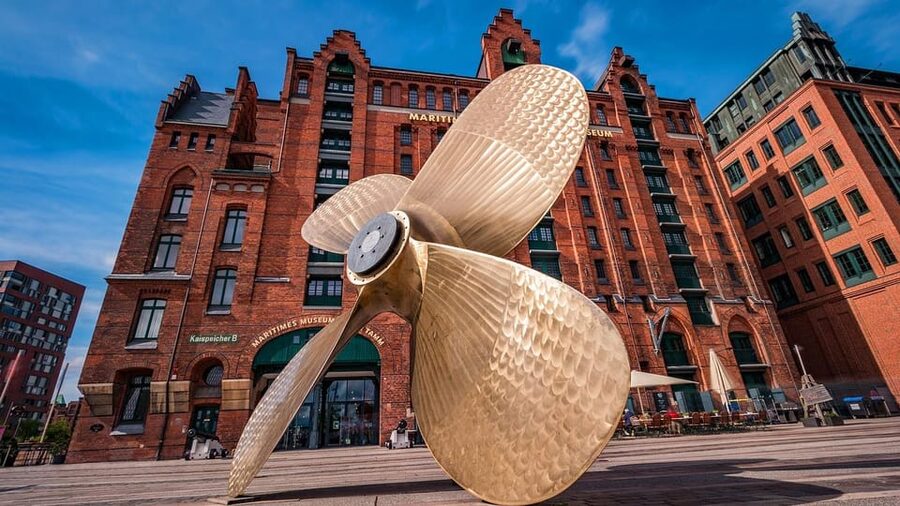
You visit key landmarks including the Michel, the UNESCO World Heritage Site Speicherstadt, Krameramtsstuben, and you finish at the Elbphilharmonie.
Can I visit the Elbphilharmonie myself at the end?
Yes, you can visit on your own after the tour, subject to plaza closures.
What language is the live guide?
The live tour guide is German.
Is the tour wheelchair accessible?
Yes, it is listed as wheelchair accessible.
Are children and dogs allowed?
Yes, children and dogs are welcome on this tour.
Is there free cancellation?
Free cancellation is available up to 24 hours in advance for a full refund.
The Longer History of Hamburg
Everything else we filed on Hamburg
- Hamburg Private Food Tours with a Local: 100% Personalized
★ 5.0 · 3 reviews - The Beatles on St. Pauli
★ 5.0 · 3 reviews - Short walk St. Pauli – the St. Pauli quickie
★ 5.0 · 3 reviews - Hamburg: Safari Tour in St. Pauli
★ 5.0 · 3 reviews - Hamburg Like a Local: Private and Personalized Experience (3hrs)
★ 5.0 · 3 reviews - Private Hamburg rickshaw tour for 2 people
★ 5.0 · 3 reviews
Historical Tours, side by side.
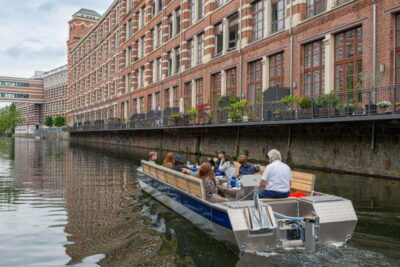 ★ 4.7Leipzig: City History Canal Sightseeing Tour on a MotorboatFrom $186,232 reviews
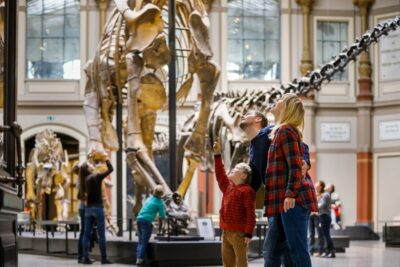 ★ 4.6Berlin: Natural History Museum Entrance TicketFrom $123,382 reviews
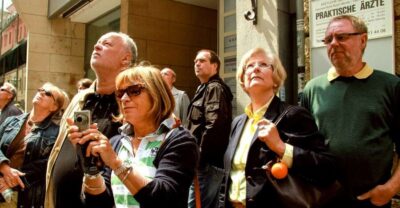 ★ 4.7Leipzig: 1.5-Hour Historical Walking Tour in GermanFrom $172,217 reviews
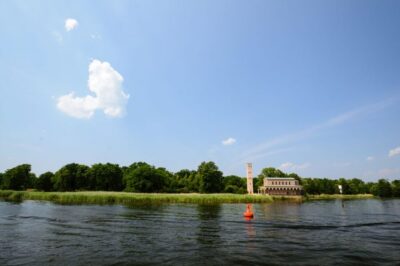 ★ 4.5Berlin: World Heritage Cruise to PotsdamFrom $251,435 reviews
 ★ 4.7Heidelberg: Night Watchman Historic Adventure TourFrom $3051,186 reviews
 ★ 5.0The Local Tour of Hamburg Historic CentreFrom $31,058 reviews
 ★ 4.8Elbfloren: Historical city tourFrom $15819 reviews
 ★ 4.6Bamberg: Guided Beer History Tour with Optional TastingFrom $21772 reviews
Other lists this tour is on