
REVIEW · MUSEUMS
Berlin: Natural History Museum Entrance Ticket
One-ticket wonder for dinosaur nerds and science lovers. Berlin’s Museum für Naturkunde turns deep time into something you can actually walk through, starting with the center-hall fame of Giraffatitan brancai and the back-of-dinosaur-hall showcase for Archaeopteryx lithographica.
I also love the East Wing’s wet collection, with about a million animals preserved in around 80 tonnes of alcohol, because it shows natural history as living research, not just display cases. Pair that with the Biodiversity Wall showing 3,000 plus species at a glance, and you get a visit that feels both impressive and purposeful.
The main catch is practical: your visit window is listed at 30 minutes to 1 hour, and the audio guide is downloadable via a website, so bring your own headphones and a charged phone to avoid dead time.
In This Review
- Key things that make this ticket worthwhile
- Museum für Naturkunde ticket value in plain terms
- Timing, skip-the-line access, and how to manage a 30 to 60 minute visit
- Your walk-through route: where to go first
- 1) Dinosaur Hall: start with the center-hall showstoppers
- 2) The back-of-hall Archaeopteryx showcase
- 3) East Wing: wet collection for true natural-history realism
- 4) Biodiversity Wall: 3,000 species and a tough conversation
- Dinosaur Hall details that make the experience feel complete
- The Upper Jurassic framing
- Tristan Otto the T. rex: a real original skeleton moment
- Notes on scale and what you might feel
- Archaeopteryx and the “Mona Lisa of natural history” effect
- Why the safety showcase matters
- What you gain from stopping here
- The East Wing wet collection: what you should know before you go
- One million specimens, alcohol preservation, and research value
- A reminder that “real” science looks different
- Biodiversity Wall: a fast visual that sticks
- Why 3,000 plus species is a powerful format
- Where it fits in your visit
- Audio guide and languages: getting the experience you paid for
- QR codes and translation expectations
- Cloakroom, logistics, and the small comfort wins
- Families and kids: what tends to work best
- Kids like the dinosaurs, adults like the science
- Noise and school crowds can be real
- Interactive expectations
- Pairing this with a Berlin day without rushing
- Should you book Museum für Naturkunde tickets?
- FAQ
- How long is the Museum für Naturkunde visit with this ticket?
- Does this ticket include a guided tour or a physical audio guide?
- Which languages are available for the audio guide?
- What do I need to bring for entry?
- Is wheelchair access available?
- Can I cancel for a refund?
Key things that make this ticket worthwhile
- Giraffatitan brancai in the Dinosaur Hall, the world’s tallest mounted dinosaur skeleton waiting right in the center
- Archaeopteryx lithographica displayed in a safety showcase, with the feeling of seeing a natural-history icon up close
- The wet collection in the East Wing, about a million preserved animals in roughly 80 tonnes of alcohol
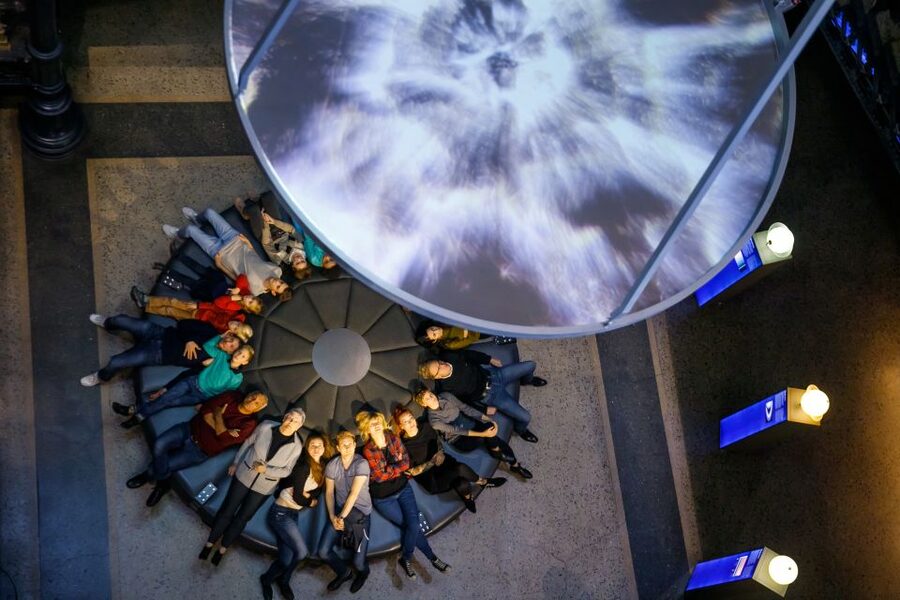
- Biodiversity Wall, a fast, powerful snapshot of more than 3,000 species and the reality of biodiversity loss
- Tristan Otto the T. rex, one of the few original T. rex skeletons you can see in Europe
- Audio guide included, available in English and many other languages, with downloadable content via a website
More history walks in Berlin
- Berlin: Natural History Museum Entrance Ticket★ 4.6 · 3,382 reviews
- Berlin: World Heritage Cruise to Potsdam★ 4.5 · 1,435 reviews
- Berlin Historical Highlights Walking Tour★ 4.9 · 657 reviews
- Berlin Private Complete History All Day Walking Tour★ 5.0 · 474 reviews
Museum für Naturkunde ticket value in plain terms
At about $12 per person for a 30 minutes to 1 hour entry window, this ticket is good value for Berlin. You are not just buying access to a single themed room. You are paying for a museum that is built around actual scientific collections and ongoing work, plus an audio guide you can use in multiple languages.
What you get included is part of the value story: entrance, access to downloadable audio content (you log into a website), and a cloakroom. That cloakroom detail sounds small until you show up with a jacket, a bag, or shopping you picked up earlier in the day.
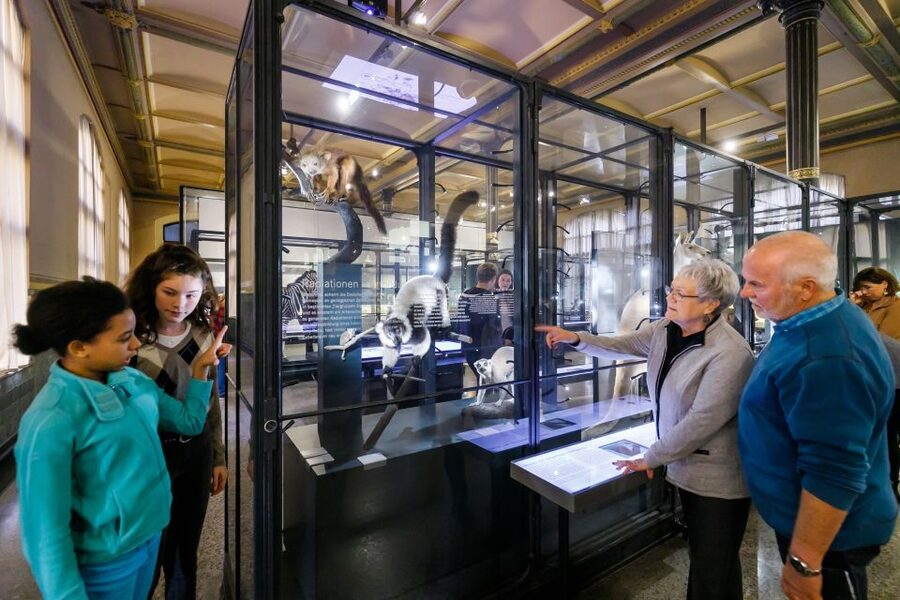
If you are comparing this to other big-name attractions, the price feels especially reasonable because the museum spans far more than dinosaurs. You will see mineral-focused displays, major fossil galleries, and collections tied to research.
Timing, skip-the-line access, and how to manage a 30 to 60 minute visit
The ticket duration is listed as 30 minutes to 1 hour. That does not mean you will enjoy it less if you go slower, but it does mean you should plan to move with purpose.
A practical approach:
- Start in the Dinosaur Hall so you catch the biggest wow moments while your energy is high.
- Then work your way through the featured “wow science” areas, like the wet collection and Biodiversity Wall.
- Save any slower browsing for the end, when you can decide what matters most to you.
You can also run into capacity pressure. The museum can reach full capacity, and that can mean waiting to get in even with a pre-booked ticket. If you are visiting on a weekend or school holiday, it is smart to build a little buffer into your day.
Your walk-through route: where to go first
Even though the museum has lots to look at, the most satisfying visits follow a simple logic: big headline exhibits first, then the deeper context.
Here’s the route I’d suggest for your time window.
1) Dinosaur Hall: start with the center-hall showstoppers
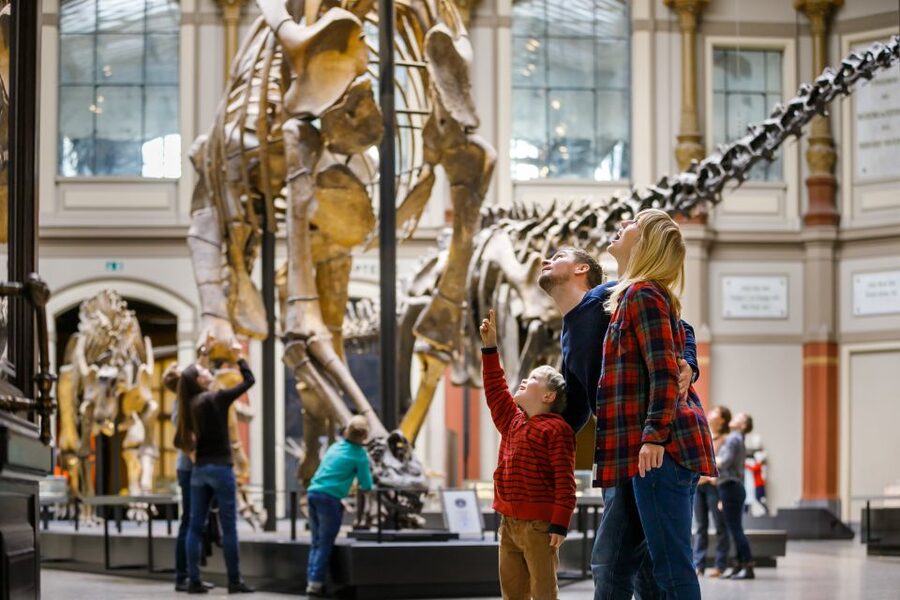
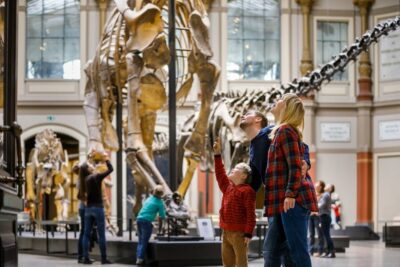
The Dinosaur Hall is where the museum flexes. You enter and immediately meet Giraffatitan brancai, the tallest mounted dinosaur skeleton in the world, positioned in the center of the hall. This kind of placement matters because it gives you a landmark. You quickly get your bearings.
You’ll also notice the hall is built around showing what the environment might have looked like in the Upper Jurassic, about 150 million years ago. That framing is useful. Instead of treating fossils like isolated trophies, the display nudges you to think about how ecosystems worked.
If your group is mixed, this is a win. Dino fans get their hero moments, and adults get fossil context without needing to read a textbook.
More collections to walk through in Berlin

2) The back-of-hall Archaeopteryx showcase
Once you’ve had your “how is this real?” moment, head toward Archaeopteryx lithographica, displayed in a safety showcase at the back of the dinosaur hall. The museum presents it as the Mona Lisa of natural history, and you can feel why: it is both famous and delicate, and the showcase emphasizes that this is a scientific object, not a casual prop.
This is a great stop if you like evolutionary history and the in-between creatures that make the story more interesting. It is also a solid reset for your brain after the loud visual impact of the big dinosaurs.
3) East Wing: wet collection for true natural-history realism
After the dinosaur-focused highlights, the museum shifts gears in a way I really appreciate. The East Wing lets you see a genuine scientific research collection that’s been recognized for its importance.
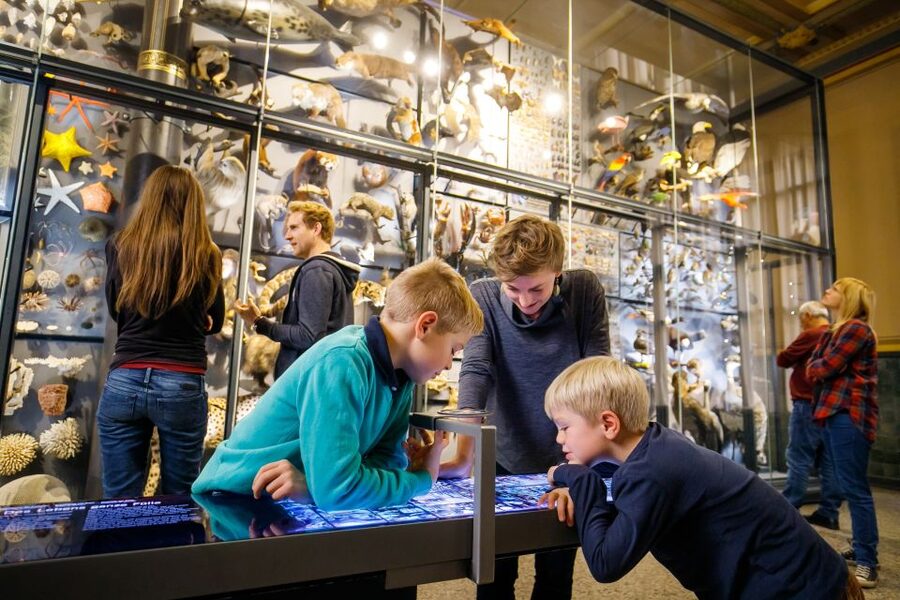
Here’s the standout detail: it includes about one million animals preserved in roughly 80 tonnes of alcohol. That is not a “cute” museum display. It is a working archive of specimens, which changes the tone of your visit. You start thinking, not just looking.
If you ever wondered how museums contribute to modern science, this is where the answer becomes visible. Specimens like these can support research that keeps evolving long after the display is installed.
4) Biodiversity Wall: 3,000 species and a tough conversation
Next, make time for the Biodiversity Wall, which shows more than 3,000 species in one glance. It is simple in concept and heavy in effect.
This wall is not here just to look impressive. The museum uses it to spark discussion about biodiversity and biodiversity loss, a theme tied to its ongoing research. In a fast visit, it helps you leave with more than dinosaur photos. It gives your brain a modern hook.
Dinosaur Hall details that make the experience feel complete
The Dinosaur Hall is often the reason people come, and it earns its reputation. Still, what makes it feel complete is how it balances spectacle with meaning.
The Upper Jurassic framing
The hall shows life as it might have been in the Upper Jurassic, about 150 million years ago. This kind of time-period framing helps you connect individual skeletons to a bigger story. You spend less time thinking, “What am I looking at?” and more time thinking, “What was this world like?”
Tristan Otto the T. rex: a real original skeleton moment
The highlights call out Tristan Otto, one of the few original T. rex skeletons in Europe. Even if you are not a hardcore paleontology fan, a T. rex skeleton hits a primal level of curiosity. The museum uses that power responsibly, pairing it with the idea that fossils still yield new secrets to scientists.
That last part matters. Fossils are not dead knowledge. The museum’s approach makes it feel like discovery continues.
Notes on scale and what you might feel
Some visitors find the museum compact compared with larger natural history giants in other cities. That does not make it bad. It can actually be easier with kids and easier if you only have an hour.
Still, if you expect huge hands-on areas or lots of interactive play, you might be surprised. The museum is more about seeing real specimens and reading interpretive info than turning into a playground. It is a good stop for families with kids who can handle quiet attention, not necessarily for kids who need constant physical interaction.
Archaeopteryx and the “Mona Lisa of natural history” effect
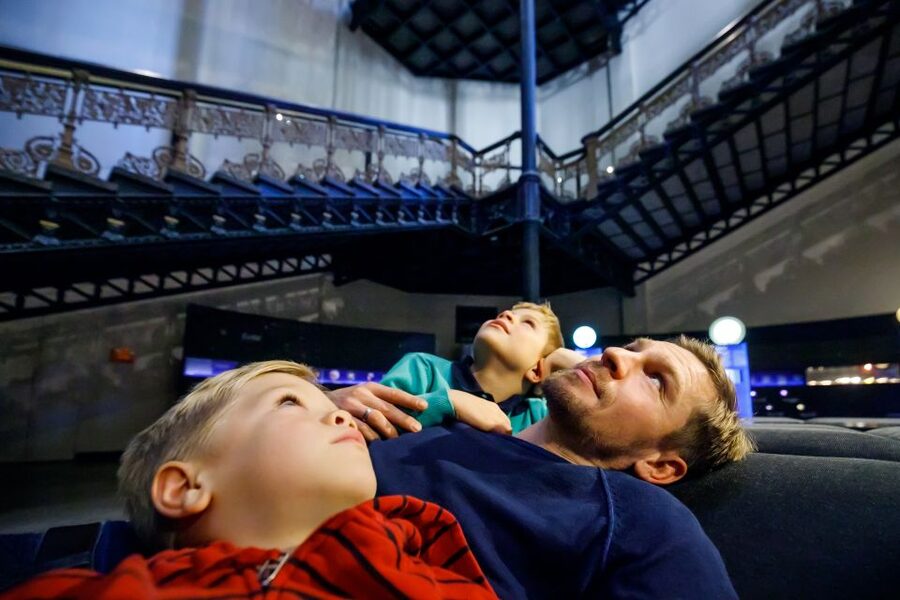
You’ll likely remember the Archaeopteryx showcase because it flips the vibe from massive bone to delicate artifact.
Why the safety showcase matters
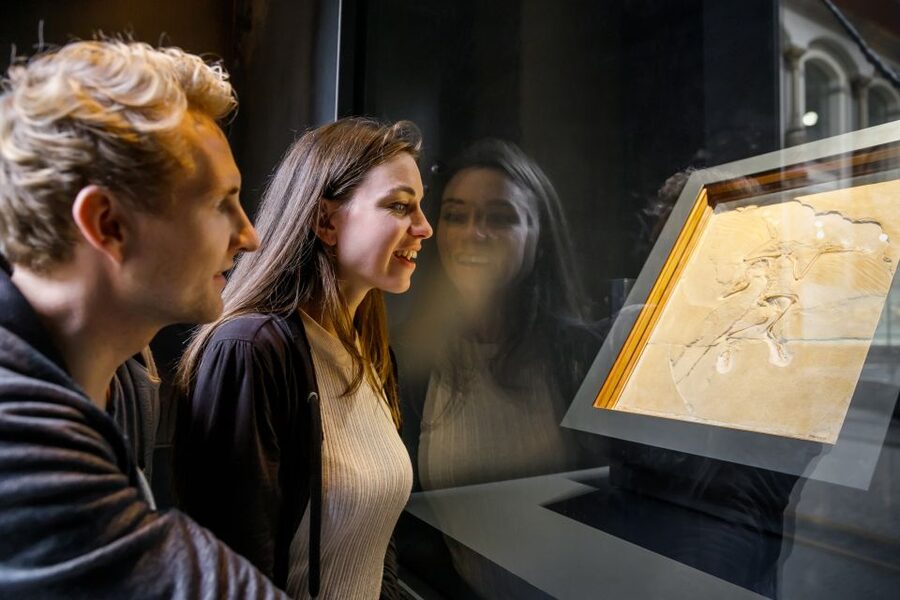
Placing Archaeopteryx lithographica in a safety showcase tells you something important: you are not just viewing a copy. You are seeing a fragile scientific object that needs protection. That feeling changes how you look at the fossils.
What you gain from stopping here
This is a great break between big dinosaur moments and the more scientific East Wing. It slows you down, and it makes the museum feel less like a single theme park and more like a collection-driven institution.
The East Wing wet collection: what you should know before you go
This is the part of the museum that turns “natural history museum” into “science archive.”
One million specimens, alcohol preservation, and research value
You are walking into an area filled with preserved animals stored in alcohol, about a million specimens in around 80 tonnes of alcohol. That scale can sound abstract until you see the system behind it. You get the sense of how much material researchers can access when they work.
A reminder that “real” science looks different
This is not lab theater. It is careful storage. That might not be your idea of fun if you only want visuals, but it is exactly why the museum matters.
If you like biology and research processes, you will likely feel a stronger connection here than you would in a museum that only shows finished stories.
Biodiversity Wall: a fast visual that sticks
The Biodiversity Wall is one of those exhibits that can change your mood in a good way.
Why 3,000 plus species is a powerful format
A wall like this works because it is not asking you to read a novel. You take in the big visual message quickly: life is diverse, and diversity is vulnerable. For many visitors, this becomes a favorite because it is both easy to grasp and hard to ignore.
Where it fits in your visit
I suggest seeing it after the wet collection. After you’ve looked at preserved specimens, the Biodiversity Wall feels like a “now” counterpart. It connects what is stored with what is living.
Audio guide and languages: getting the experience you paid for
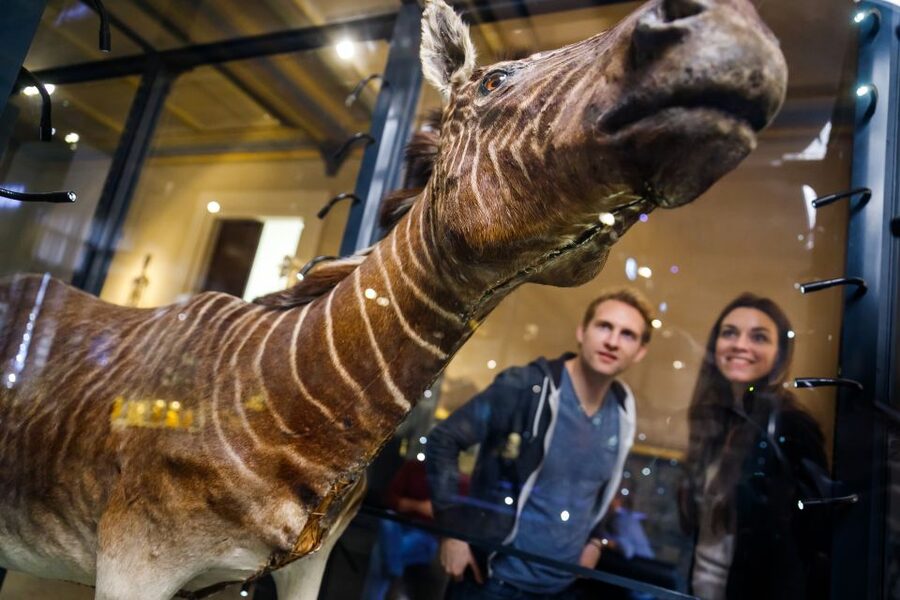
The ticket includes downloadable audio content in a long list of languages: English, French, German, Italian, Japanese, Polish, Portuguese, Russian, Spanish, and Turkish.
Two important practical notes:
- You need to log into a website to access the audio content.
- You should plan for your own headphones, since a physical audio guide is not included.
A charged phone plus earbuds saves time. Without it, you can end up stuck scanning tiny details while trying to follow audio you cannot access. If you forget headphones, you will still be able to look at displays, but you will lose a chunk of the museum’s storytelling.
QR codes and translation expectations
Some exhibits may offer translation via QR codes. If a QR code does not work, you can still rely on the main audio guide languages. It’s worth coming in with patience and a backup plan, especially when visiting with kids.
Cloakroom, logistics, and the small comfort wins
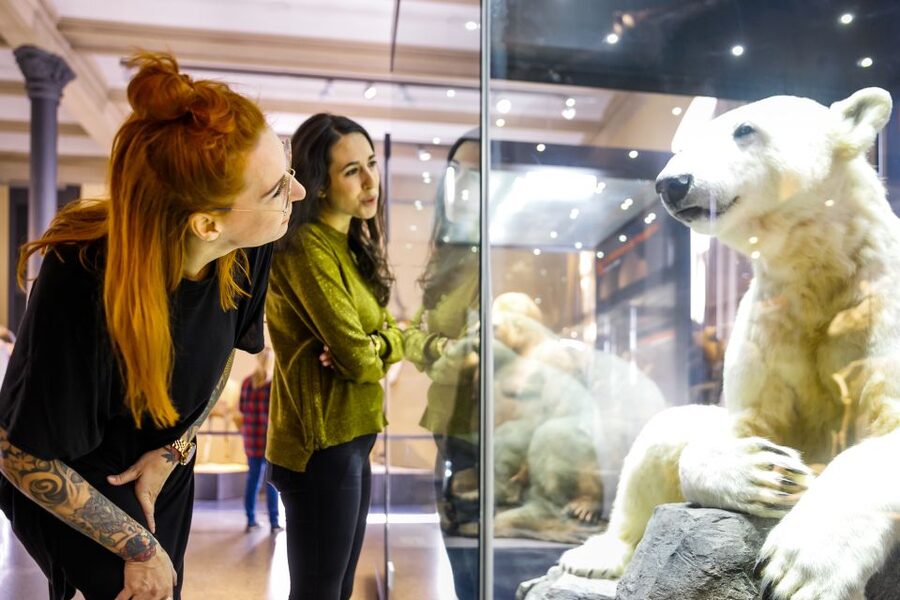
The cloakroom is included. That means you can store bags and coats and move around without carrying everything.
That is not glamorous advice, but it improves the whole visit. Museums can be crowded, and smooth movement helps. If you plan to shop after, leaving your larger items behind is a smart move.
Also bring your passport or ID card. You might be asked for reduced ticket proof of age or status if you qualify for reduced pricing.
Families and kids: what tends to work best
This museum works well for families, but it has a personality.
Kids like the dinosaurs, adults like the science
The Dinosaur Hall gives kids a fast win with large skeletons and clear fossil presentation. Parents often end up enjoying it too, because the museum ties exhibits to scientific interpretation rather than just decoration.
Noise and school crowds can be real
You might notice lots of school groups, especially around peak times. That can mean louder rooms. It is not a reason to skip the museum, but it is a reason to pick your timing if you want a quieter experience.
Interactive expectations
If you expect lots of interactive stations, you may find the experience is more “look and learn” than “touch and play.” For short attention spans, pairing the biggest dinosaur moments with the quickest “wow” scientific stops helps a lot.
Pairing this with a Berlin day without rushing
Museum für Naturkunde sits at Invalidenstraße 43, 10115 Berlin, at the main entrance. For planning, think of this as a mid-day anchor: go when you are ready to focus, then spend the rest of your day exploring Berlin at your own pace.
If you want to keep it enjoyable:
- Plan food after you finish the main exhibits.
- Build a little slack into your timing if the museum is near full capacity.
Because the ticket is relatively short on paper, you can also combine it with a couple of nearby sights. Just avoid scheduling tight connections right after, in case you hit a line at the entrance.
Should you book Museum für Naturkunde tickets?
Yes, I’d book it if you want a strong museum hit for a fair price, with dinosaur giants plus real scientific collections. The combination of Giraffatitan brancai, Tristan Otto, Archaeopteryx lithographica, the wet collection, and the Biodiversity Wall gives you variety without feeling scattered.
Skip it or adjust expectations if you only want hands-on interactivity, or if you do not want to deal with a downloadable audio guide on your phone. With the right setup and timing, though, this ticket is an easy win for adults, kids, and anyone who likes science stories that feel grounded.
FAQ
How long is the Museum für Naturkunde visit with this ticket?
The valid duration is listed as 30 minutes to 1 hour. Starting times depend on availability.
Does this ticket include a guided tour or a physical audio guide?
No guided tour is included. An audio guide is included as downloadable audio content, but a physical audio guide is not included.
Which languages are available for the audio guide?
The audio guide is available in English, French, German, Italian, Japanese, Polish, Portuguese, Russian, Spanish, and Turkish.
What do I need to bring for entry?
Bring a passport or ID card.
Is wheelchair access available?
Yes, the activity is wheelchair accessible.
Can I cancel for a refund?
Yes. Free cancellation is available if you cancel up to 24 hours in advance for a full refund.
Museums Worth the Queue in Berlin
The Longer History of Berlin
Everything else we filed on Berlin
- East Berlin: City of Shadows Walking Tour
★ 5.0 · 11 reviews - Berlin: Die Stachelschweine – Frank Lüdecke – Träumt Weiter
★ 4.7 · 11 reviews - Potsdam Day Trip from Berlin with a Local: Private & Personalized
★ 4.0 · 11 reviews - An Introduction to Berlin Walking Tour
★ 5.0 · 11 reviews - DJ for a Day: Learn to Mix Like a Pro in Berlin
★ 5.0 · 11 reviews - 2-H Segway Sightseeing Tour Berlin
★ 4.5 · 11 reviews
Museums, side by side.
 ★ 4.5Berlin: Jewish Museum Berlin Entrance TicketFrom $08,393 reviews
 ★ 4.3Berlin: DDR Museum TicketsFrom $153,443 reviews
 ★ 4.6Berlin: Neues Museum Entry TicketFrom $163,261 reviews
 ★ 4.4Cologne: Chocolate Museum Entrance TicketFrom $192,790 reviews
 ★ 4.7Dresden: Church of Our Lady Guided Tour of GalleryFrom $152,421 reviews
 ★ 4.1Skip-the-Line: Berlin Wall Museum at Checkpoint CharlieFrom $212,041 reviews
 ★ 4.4Berlin: Museum Island Multiple Museum Entry TicketFrom $272,007 reviews
 ★ 4.8Stuttgart: Mercedes-Benz Museum Entry TicketFrom $181,400 reviews
Other lists this tour is on