
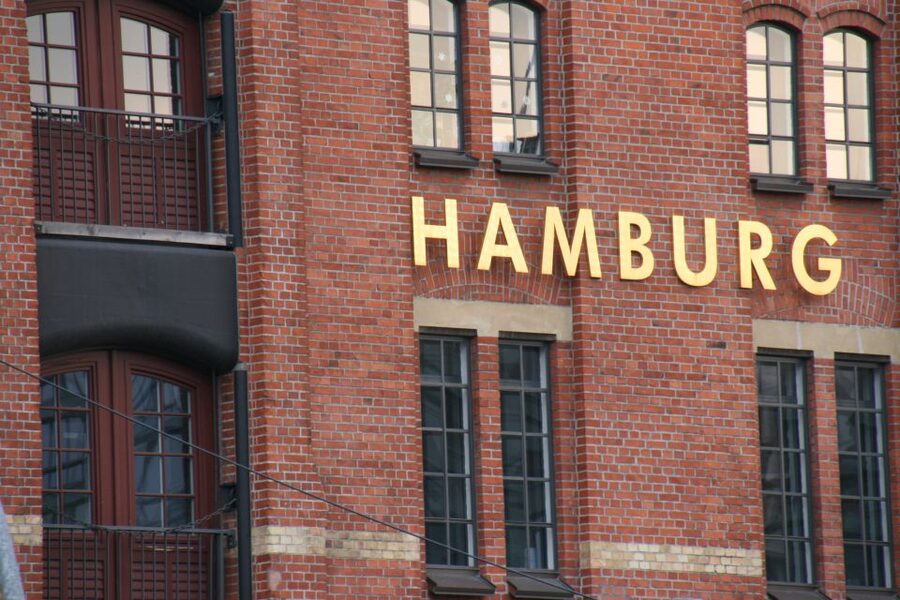
REVIEW · HISTORICAL TOURS
Hamburg: UNESCO-World Heritage Sites Tour
Hamburg makes sense fastest when someone gives you the map in your head. This short tour links the Kontorhäuser office powerhouses to the Speicherstadt warehouse world, so the city feels connected instead of like a pile of sights. I especially like the way the guide turns architecture into a story about merchants, clerks, and money counting, plus the port explanations with pictures and actual spice samples. One possible drawback: it is only a 2-hour walk, so if you want museum time or long photo stops, you will likely feel a bit rushed.
You will cover the highlights in a logical flow, starting at Jakobikirchhof and ending at Magdeburg Harbour. The pacing works well for a first trip, and the contrast between old red brick and modern waterfront structures is genuinely fun to notice. Just plan for weather, because the tour runs in all conditions, and it is German-speaking only.
In This Review
- Key Points to Know Before You Go
- Two UNESCO Districts in Two Hours: Kontorhäuser to Speicherstadt
- Jakobikirchhof to Sprinkenhof: Getting Your Bearings Fast
- Chilehaus and Meßberg: Office Ambition in Brick and Angles
- Speicherstadt: Red Brick Warehouses, Canals, Rope Winches, and Elbe Views
- Dar es Salaam Square and the Port Economy Story
- Magdeburg Harbour Finish: Maritime Museum Area and Überseequartier Outlook
- The Saturday Ferry Add-On: A Quick Change of Perspective
- Price and Value: Why $18 Can Be a Smart First Hamburg Bet
- Weather, Timing, and Who This Tour Fits Best
- Should You Book This Hamburg UNESCO Tour?
- FAQ
- How long is the Hamburg UNESCO-World Heritage Sites Tour?
- Where does the tour meet?
- What language is the tour guide?
- Does the tour run in bad weather?
- Is there a ferry ride?
- How much does the tour cost?
- What are the cancellation terms?
Key Points to Know Before You Go
- UNESCO focus in two eras: Office buildings from Hamburg’s trading boom, plus the warehouse district that handled goods at scale
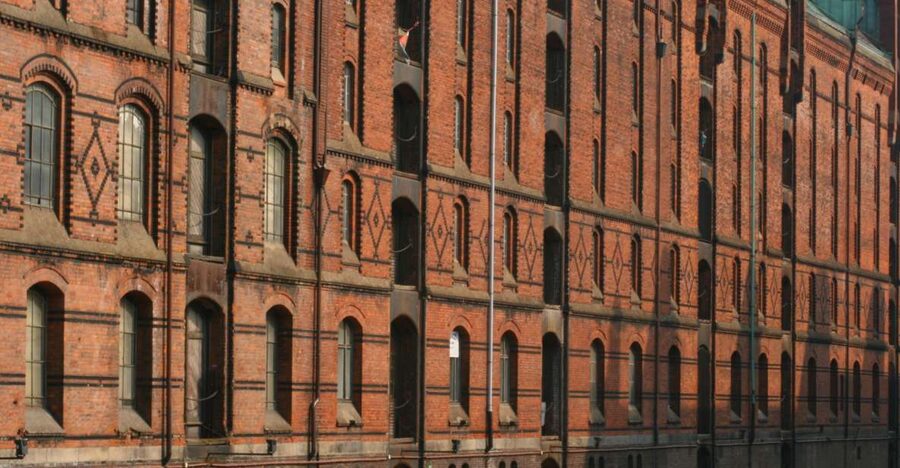
- Speicherstadt details you might miss alone: rope winches and carpet storage, not just postcard brick walls
- Port storytelling with senses: pictures and spice samples that make the trading economy easier to grasp
- Short ferry option on Saturdays: a quick water-level change of perspective when schedules allow
- Walkable route with a clear finish: you start at Jakobikirchhof and end in the Magdeburg Harbour area with maritime landmarks in view
More history walks in Hamburg
- Hamburg: Historical Tour of the St. Pauli Sex Work District★ 4.4 · 215 reviews
- Hamburg: UNESCO-World Heritage Sites Tour★ 4.7 · 137 reviews
- Sightseeing Tour – Free Tour – Historic Center-Hamburg On Foot★ 5.0 · 112 reviews
- German Hamburg Historic City Center Pay-What-You-Want Tour★ 4.8 · 80 reviews
Two UNESCO Districts in Two Hours: Kontorhäuser to Speicherstadt
This is the kind of tour I like for a short Hamburg stay. You get a guided sweep through two major UNESCO-style districts that explain how the city grew from trading and shipping into a global business hub. The big value is context. Instead of memorizing names, you learn why these buildings exist and what they were designed to do.
The Kontorhäuser part is especially helpful because it reframes the skyline. Those office buildings were not just impressive facades. They were economic machines for handling business across the world, and the tour highlights the people behind that machine, clerks and the everyday reality of money counting.
Then you switch worlds. The Speicherstadt district is all about storage, logistics, and how goods moved through the city. That contrast matters because it shows you Hamburg’s brain and its warehouse hands, all within a couple of hours of walking.
Jakobikirchhof to Sprinkenhof: Getting Your Bearings Fast
The tour begins at Jakobikirchhof, meeting at the Jacobikirche area, at the corner of Bugenhagenstraße and Barkhof. I like this start because you get oriented right away in an area that feels central to Hamburg’s old core. You are not walking in circles trying to guess where the important buildings are.
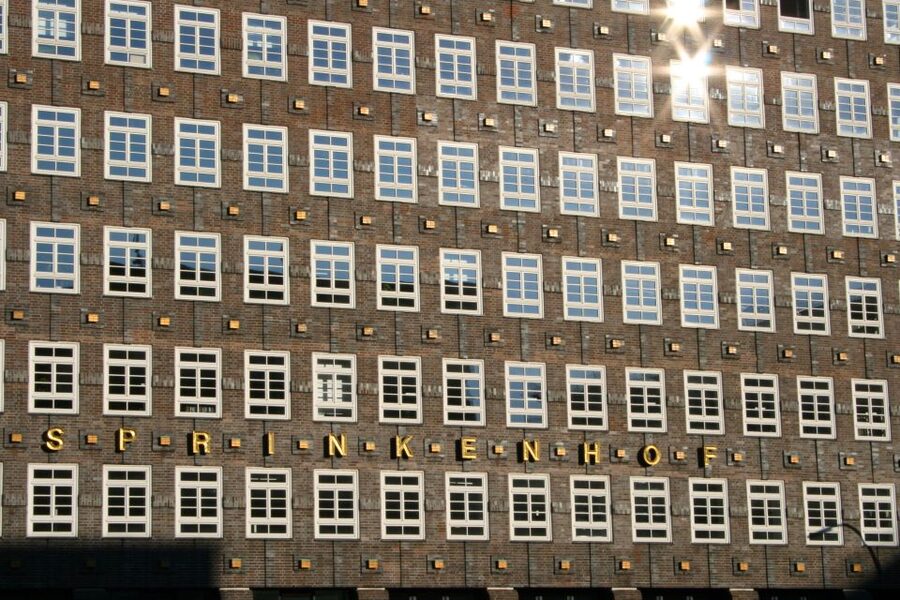
Sprinkenhof is your first guided stop. You should expect the guide to use this moment to set the theme: Hamburg as a city shaped by trade and the practical needs of business. Sprinkenhof is a good early anchor point because it helps you understand what the tour means by office architecture and modern use, before you jump fully into the warehouse labyrinth.
If you are the type who gets distracted by side streets, this beginning is a relief. A guide keeps you moving to the next key idea without leaving you stuck on trivia.
Chilehaus and Meßberg: Office Ambition in Brick and Angles
Chile House is a headline stop, and for good reason. This is the place where Hamburg’s business identity becomes visible in form, not just in documents. On a short tour like this, Chilehaus works because it gives you something concrete to stare at while you learn what it represented during a key period of growth.
What you will likely appreciate is the tour framing. The guide does not treat architecture as a museum object. Instead, you hear how office buildings supported global influence and daily work, including the logic of business spaces built for efficiency. That makes it easier to connect the look of the building to the purpose behind it.
Meßberg comes next, and it helps you transition from the drama of a famous landmark into the surrounding business area. Even if you cannot memorize every detail, you will come away with better intuition for how Hamburg organized commercial life, and why some streets and building styles were favored for trade-linked work.
One note for photo lovers: if you want perfect skyline angles, check your timing. This tour is short, so the best photos happen when you step a little to the side and accept that you cannot photograph everything perfectly.
Speicherstadt: Red Brick Warehouses, Canals, Rope Winches, and Elbe Views
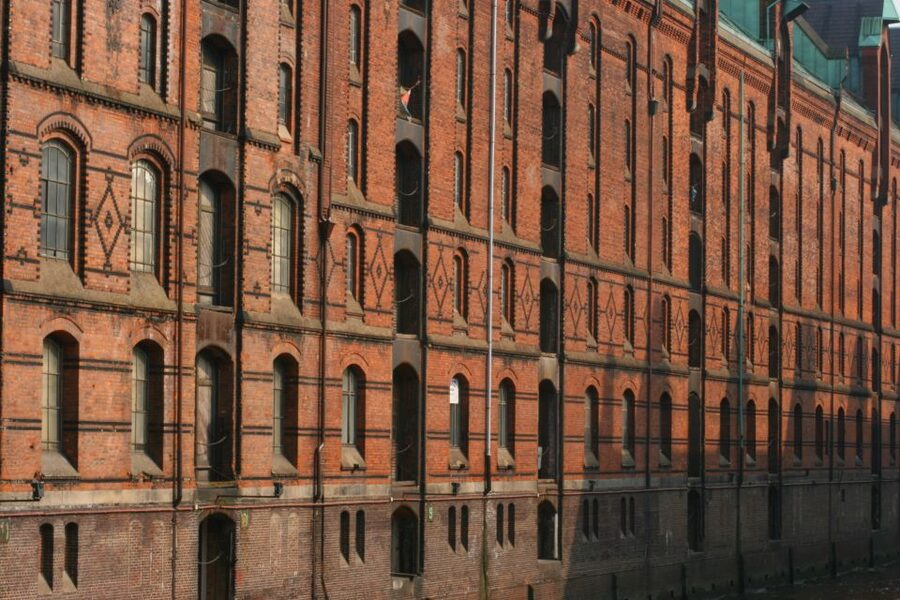
Now you shift into the storage side of the Hamburg story. Speicherstadt is famous, but what makes this experience worth your time is the focus on specific features, not just the overall look. You get to see the historic red-brick warehouse district and learn what made it function for a port city.
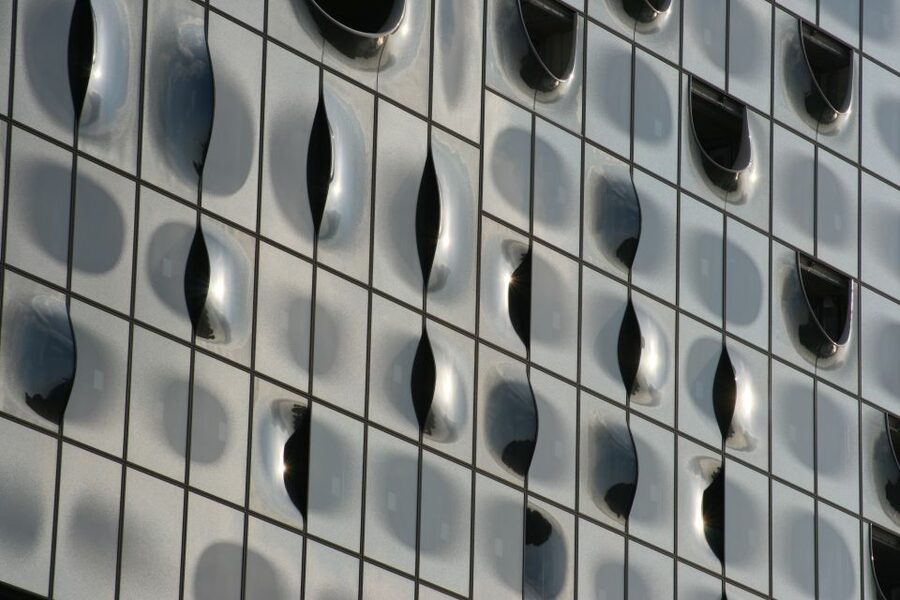
Expect plenty of time to notice contrasts. The tour highlights old brick facades next to newer dock promenades and modern architecture, so you can watch the city evolve right in front of you. This kind of observation is harder to do alone, especially when you are trying to follow canals and bridges without a plan.
Also, you get details that sound small but actually change how you understand the place. The tour includes old rope winches and carpet storage, so you start thinking like a logistics worker instead of a casual visitor. You will likely find yourself asking practical questions, like how goods were handled, stored, and moved efficiently.
And yes, there are river moments. The tour includes views overlooking the Elbe, which is a nice payoff because Speicherstadt feels so enclosed that you forget the scale of the shipping world unless someone brings your eyes back to the river.
Dar es Salaam Square and the Port Economy Story
After the warehouse district, the tour turns to the meaning behind the locations. Dar es Salaam Square is a key stop because it is part of the route that ties the buildings back to port activity and trade networks.
This is where the guide’s material becomes especially useful. The tour explains how the port works, supported by pictures and spice samples. That spice detail is more than a quirky add-on. It gives you a sensory clue for what stored and shipped goods actually looked like in everyday trade, not just as abstract commodities.
The way the guide shares information matters here. One German-speaking guide named Albert is specifically praised for clear, strong delivery and for packing lots of well-founded facts into a pace that stays comfortable. Even if you do not speak advanced German, clear vocal projection helps you catch the main points quickly.
If you are a first-time port nerd, this section is for you. If you only care about architecture, you might feel you want more time looking at buildings up close. Still, the port context makes the warehouse sights more meaningful.
Magdeburg Harbour Finish: Maritime Museum Area and Überseequartier Outlook
The tour ends at Magdeburg Harbour. This is a smart finish because it pulls you toward the wider maritime landscape instead of stopping in the middle of the past. You do not just get a walk through warehouses and offices. You finish in an area linked to Hamburg’s ongoing sea-facing identity.
The tour highlights important buildings in the Magdeburg Port area, including the International Maritime Museum and the Überseequartier. You may not tour inside on this type of walk, but you will see enough to understand the theme: Hamburg as a port city still in motion.
I like ending with a perspective change. Harbour finishes tend to reset your sense of scale. After brick walls and canals, you stand closer to the idea of shipping routes and global reach.
The Saturday Ferry Add-On: A Quick Change of Perspective
One extra piece to plan around: there is a short ferry trip, but only on Saturdays. If your schedule allows it, this is the moment to take advantage of your two hours. A ferry segment gives you a different angle on the city, and it also helps break up a walking-heavy tour.
If you are not traveling on Saturday, do not worry. The tour still follows the same main storyline and core stops. The ferry simply adds a water-level view when it is available.
Practical tip: if you want photos, bring your phone ready and be mindful that ferry time is short. You will get a look, not an all-day photo shoot.
Price and Value: Why $18 Can Be a Smart First Hamburg Bet
At $18 per person for a 2-hour guided walk, this is strong value for two reasons.
First, you are paying for a guide who connects multiple layers of the city. You get guided stops at key points along the route, with explanations built around how Hamburg developed. A self-guided stroll can get you the sights, but it rarely turns Kontorhäuser and Speicherstadt into one coherent story.
Second, the tour includes small but memorable extras that make the information stick. Port explanations with pictures and spice samples help you remember what you learned, because you are not only absorbing words. That is a big part of why tours can feel worth more than their price.
The trade-off is time. It is short. So you should treat it as an orientation walk and a context builder, not as a replacement for museum visits. If you only have a couple hours in Hamburg, this is a good way to spend them. If you are in town for days and love deep research, you will probably want to follow up with a longer museum session later.
Weather, Timing, and Who This Tour Fits Best
The tour takes place in all weather conditions. Dress for the day you actually get, not the Hamburg postcard you hoped for. A comfortable jacket and shoes with grip matter here, especially with canals and uneven walking surfaces.
The duration is 2 hours. That makes it ideal for:
- First-time visitors who want a guided orientation
- Travelers who like architecture but also want the trade context
- People who enjoy short, structured walks with clear stops
- Anyone traveling with time constraints who still wants meaningful content
It is German-speaking, so if you rely on English, you might find the language limit tough. Still, clear delivery and visual focus on buildings and port visuals can help you follow even when your German is basic.
The provider is Stattreisen Hamburg e.V., and the overall rating sits at 4.7 out of 5 based on 137 reviews. That kind of consistency usually signals that the guide experience and pacing work.
Should You Book This Hamburg UNESCO Tour?
I think this is a solid booking if you want an efficient, guided introduction to Hamburg’s trading and storage identity. The combination of Kontorhäuser office architecture, Speicherstadt warehouse specifics, and port explanations with pictures and spice samples gives you more than a list of landmarks.
Skip it only if you need long museum time, language flexibility beyond German, or lots of unscheduled wandering. For a short stay, you will finish with better context, clearer mental map lines, and a sharper eye for why Hamburg’s buildings look the way they do.
If you can go on a Saturday, even better, the ferry add-on is a nice bonus for perspective.
FAQ
How long is the Hamburg UNESCO-World Heritage Sites Tour?
The tour lasts 2 hours.
Where does the tour meet?
You meet at the Jacobikirche area, at the corner of Bugenhagenstraße and Barkhof.
What language is the tour guide?
The live tour guide speaks German.
Does the tour run in bad weather?
Yes. The tour takes place in all weather conditions, so dress appropriately.
Is there a ferry ride?
A short ferry trip is included only on Saturdays.
How much does the tour cost?
It costs $18 per person.
What are the cancellation terms?
You can cancel up to 24 hours in advance for a full refund.
The Longer History of Hamburg
Everything else we filed on Hamburg
- Hamburg: Safari tour in St. Pauli
★ 4.9 · 11 reviews - Hamburg: Party Bingo with the Bingo Gringos
★ 4.8 · 11 reviews - Hamburg Harbor: 3.5-Hour Guided Tour by Bike
★ 4.7 · 11 reviews - Hamburg: 2-Hour St. Georg Walking Tour
★ 4.8 · 11 reviews - Hamburg: Guided Walking Tour in Danish
★ 5.0 · 11 reviews - Discover Hamburg in a retro Bulli
★ 3.0 · 12 reviews
Historical Tours, side by side.
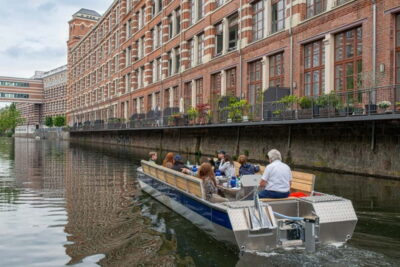 ★ 4.7Leipzig: City History Canal Sightseeing Tour on a MotorboatFrom $186,232 reviews
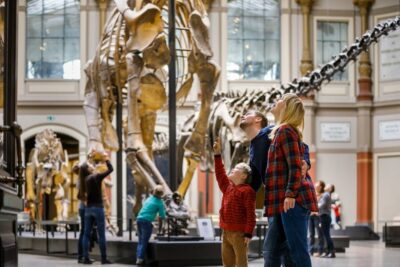 ★ 4.6Berlin: Natural History Museum Entrance TicketFrom $123,382 reviews
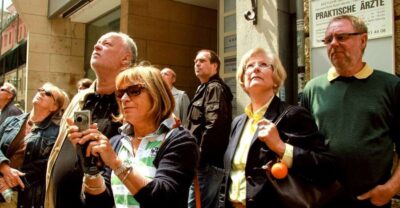 ★ 4.7Leipzig: 1.5-Hour Historical Walking Tour in GermanFrom $172,217 reviews
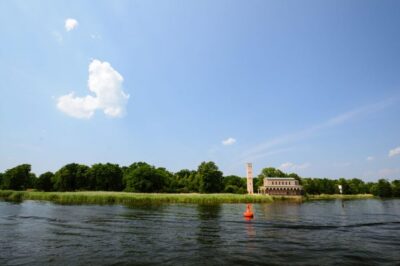 ★ 4.5Berlin: World Heritage Cruise to PotsdamFrom $251,435 reviews
 ★ 4.7Heidelberg: Night Watchman Historic Adventure TourFrom $3051,186 reviews
 ★ 5.0The Local Tour of Hamburg Historic CentreFrom $31,058 reviews
 ★ 4.8Elbfloren: Historical city tourFrom $15819 reviews
 ★ 4.6Bamberg: Guided Beer History Tour with Optional TastingFrom $21772 reviews
Other lists this tour is on