
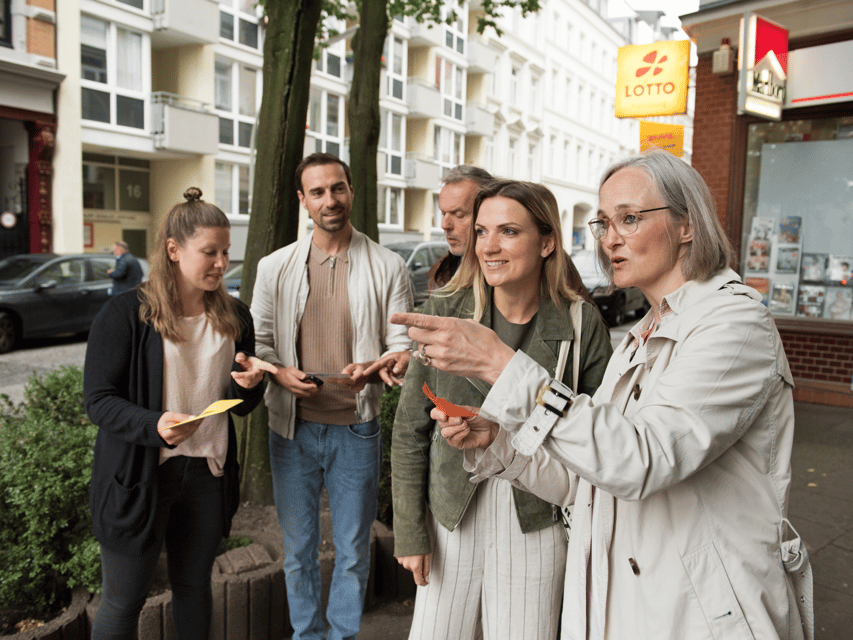
REVIEW · LOWER SAXONY
Hanover: Old Town Historical Walking Tour by Geo Epoche
Hanover has a way of slipping the past into your walk. On this Hanover Old Town Historical Walking Tour, I like how the guide turns half-timbered Old Town streets into real, lived-in scenes, and how the Market Church pentagram gives you something specific to look for. The main catch is that the tour runs in German only, so you will want at least some comfort with the language (or you will mainly enjoy the buildings from the outside).
You start in the center, then move through the shift from a medieval market town to the electoral residence city where power mattered. You’ll hear how the Guelphs shaped Hanover and even how they connected the city to an English king, which makes the grand architecture feel less random and more like a system that grew over time.
At $29 for a 2-hour, guided, rain-or-shine walk with a brochure full of historical illustrations, it’s a solid value if you like story-led sightseeing. Wear comfortable shoes, because you’re walking the Old Town beats on purpose, and this one is not designed for mobility impairments.
In This Review
- Key things you will notice on this Hanover walking tour
- From Beginenturm to Old Town: what kicks off the walk
- Am hoch Ufer and the market-town to residence-city story
- Half-timbered Old Town streets: the “feel” you can’t get from photos
- Old Town Hall (1410): red-brick Gothic you can actually read
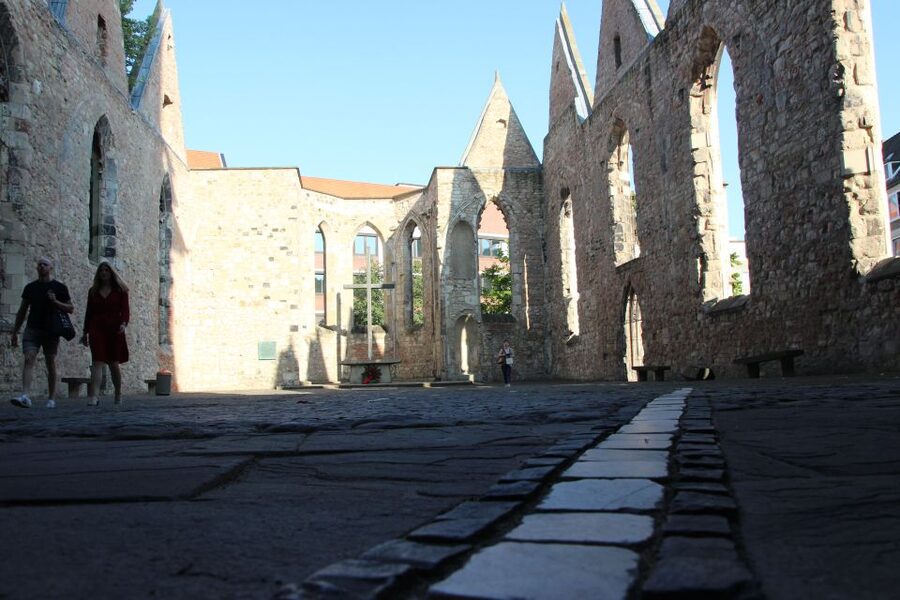
- Market Church and the pentagram on the western tower
- Calenberger Neustadt and Neustädter Markt: food, shops, and a different Hanover
- Guelphs, an English king, and why Hanover mattered
- Leibniz and the human side of the city’s big names
- Price and value: is $29 worth 2 hours?
- Who should book, and who should skip
- Practical matters that affect your comfort
- Should you book the Hanover Old Town Historical Walking Tour?
- FAQ
- Is the Hanover Old Town Historical Walking Tour guided?
- How long is the tour?
- Where do I meet the guide?
- What is the price?
- Does the tour run in bad weather?
- Is the tour suitable for people with mobility impairments or pets?
Key things you will notice on this Hanover walking tour
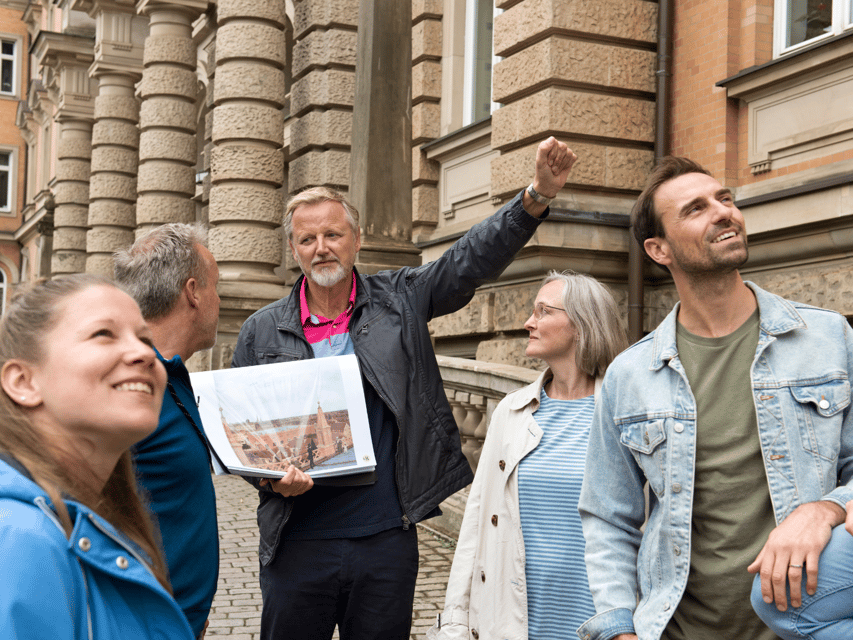
- Meet at the Beginenturm and get started with a guide who uses a brochure with historical illustrations
- Old Town Hall (1410), with its red-brick Gothic façade, is one of the architectural anchors of the route
- Market Church (14th century), including the pentagram on the western tower, plus the meaning behind it from your guide
- Guelphs and English-king connections, explained in a way that connects people to buildings
- Calenberger Neustadt and Neustädter Markt, where you also hear about the 17th century’s freedom and how the city functioned day to day
- Gottfried Wilhelm Leibniz gets a Hanover tie-in, with your guide telling you what brought him to the city
More of Lower Saxony on foot
- Hannover: Guided Old Town Walking Tour★ 4.5 · 338 reviews
- Hannover: 24-Hour Hop-On Hop-Off Sightseeing Bus Ticket★ 4.2 · 298 reviews
- Hanover: Crime Walking Tour★ 4.5 · 243 reviews
- Hanover: Royal Gardens of Herrenhausen Guided Tour★ 4.6 · 78 reviews
From Beginenturm to Old Town: what kicks off the walk
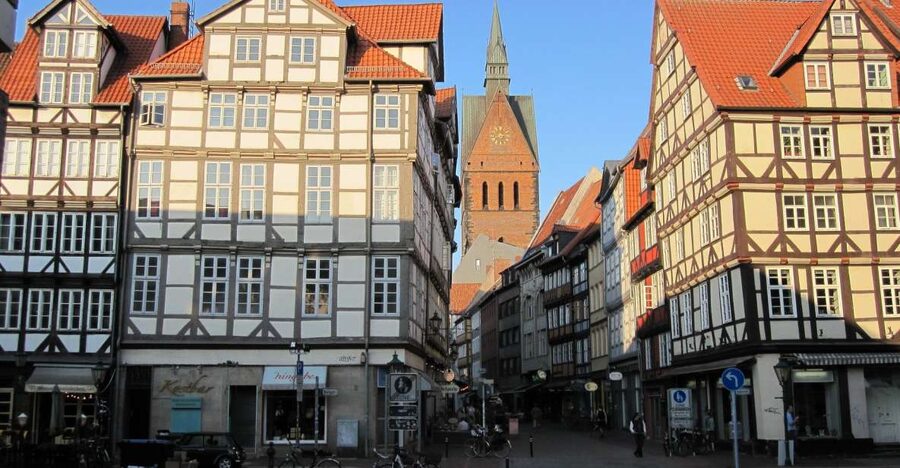
The tour meets at the Beginenturm, and your guide carries the Meet the World logo pouch. From step one, you’re set up for a guided route, not just a “see the sights” stroll. The fact that you also get a brochure with historical illustrations matters here, because it helps you connect what you see now to what the area looked like earlier.
Expect an easy pace across the center of Hanover’s Old Town. It’s not a long-distance march, but it is a real walking tour, so bring shoes you actually want to wear on cobblestones and sidewalks. The tour runs rain or shine, so you can plan your clothing around weather and not around hoping for perfect skies.
If you are curious about how a place changes, this format works. You are not only looking at landmarks, you are learning how the city developed from a medieval market town in the “Am hoch Ufer” area into a seat of authority with kings and chancellors.
Am hoch Ufer and the market-town to residence-city story
One of the best parts of this tour is that it gives you a timeline you can walk through. Hanover’s Old Town center is where merchants and craftspeople once lived, and the guide helps you read the city like a map of social classes. That sounds fancy, but the practical outcome is simple: you understand why certain buildings look the way they do and why certain neighborhoods gained importance.
You’ll hear about Hanover’s development over the centuries, especially how it rose from everyday market life into something more political and formal. I like how this framing keeps the walk grounded. You are not stuck in “big-name events” only, you’re also learning how ordinary city life supported major power.
And then you start seeing the Old Town as a set of clues. A street layout becomes a clue about where people gathered. A landmark becomes a clue about what kind of city Hanover was trying to be at that time.
Half-timbered Old Town streets: the “feel” you can’t get from photos
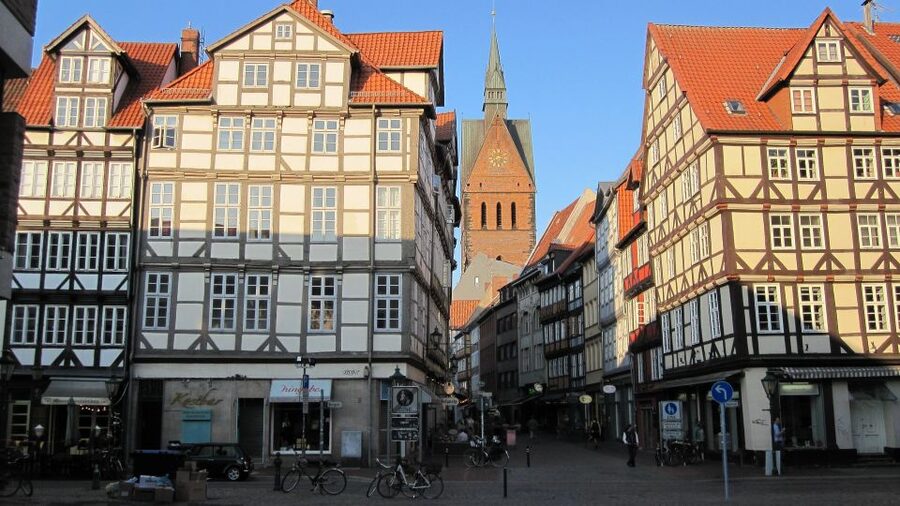
The tour makes a point of taking you along the half-timbered buildings of the Old Town. This is one of those sightseeing moments where photos help, but walking helps more. Up close, you notice details like proportions and the way buildings face the street, which changes how you imagine life when the market was the heartbeat.
This is also where the tour feels most authentic. Instead of only pointing at monuments from far away, the guide helps you slow down and look. It becomes less about ticking boxes and more about learning what you are actually seeing.
There is a bonus here if you like good city-watching. Calenberger Neustadt later adds a more modern flavor with shops, restaurants, and snack bars nearby, so you get the contrast between old market life and the everyday Hanover that still draws people out.
Old Town Hall (1410): red-brick Gothic you can actually read

One scheduled stop is the Old Town Hall dating back to 1410. You’ll admire the red-brick Gothic façade, and you’ll learn what to look for in the design so it’s not just a pretty building.
Here’s why this part matters: town halls in German cities often feel like political theater. They are built to show authority, and they do it through materials, form, and position in the center. When your guide ties the building to Hanover’s development, you start to see it as a public statement, not just architecture.
If you are the kind of traveler who likes to understand the “why” behind styles, this stop is worth it. It’s not about getting lost in art terms. It’s about using the building as evidence for how the city organized itself as it grew.
Other walking routes through Hanover



Market Church and the pentagram on the western tower
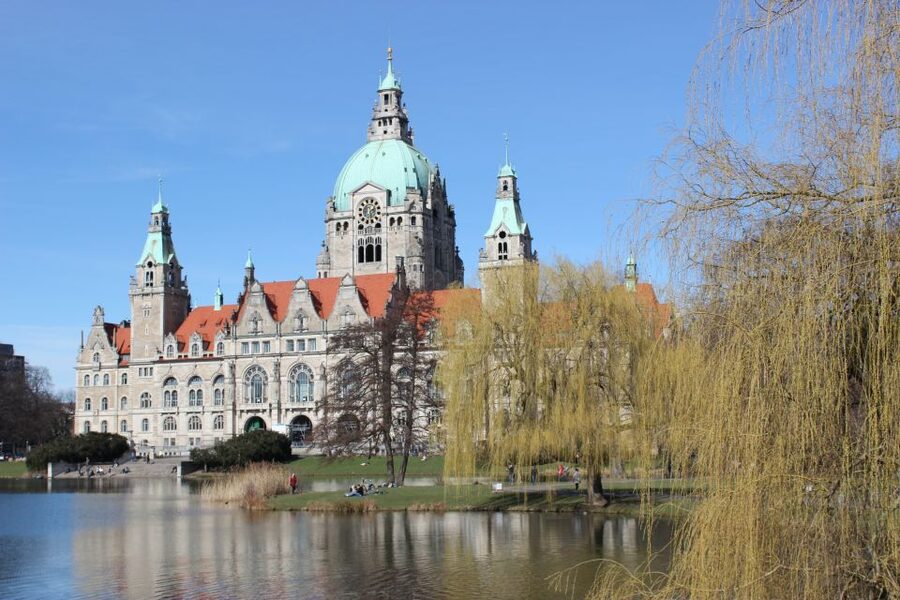
The standout visual moment for many people will be the Market Church, a 14th-century landmark with religious symbols on its tower. The tour highlights a specific feature you can spot: the pentagram on the western tower.
What I appreciate is that this is not treated like a random decoration. Your guide explains what the pentagram symbolizes, so you leave with context, not just a cool photo spot.
This is the kind of stop that pays off even if you are not a church-history fanatic. Churches like this sit at the intersection of faith, community gathering, and civic identity. When you understand the symbolism tied to the tower, the building starts to feel like it had a job beyond worship.
Practical note: the tower area can be visually busy depending on where you stand. I’d keep your eyes on the details your guide points out, and don’t worry if you miss a shape the first time. The point is to notice the symbol, learn its meaning, and keep moving.
Calenberger Neustadt and Neustädter Markt: food, shops, and a different Hanover
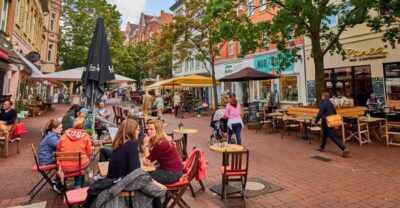
After the historical core, the tour shifts to Calenberger Neustadt, described as being just a stone’s throw from the historical city center. This part of Hanover feels more like daily life. The area has shops, restaurants, and snack bars, so it’s an easy mental transition from medieval imagery to modern city energy.
At Neustädter Markt, your guide adds more anecdotes about the people of Hanover. One theme you hear here is the great freedom of the 17th century. I like that this theme is explained through human stories instead of becoming a vague “nice times happened” statement. It gives you something to connect to daily life: who had power, what kind of freedom people actually experienced, and why a city’s reputation could grow.
If you plan to eat afterward, this is a good place to stop thinking like a visitor and start thinking like a local. Even if you do not buy snacks during the tour, you’ll know where the energy is clustered.
Guelphs, an English king, and why Hanover mattered

The guide also spends time on the Guelphs, the noble family tied to Hanover’s development. You’ll learn how this family shaped the city and provided an English king. That last detail is a strong reminder that Hanover was not only a local market town.
Why this matters for you: when you travel, it’s easy to treat a city like a sealed box, but power networks often connect faraway places. Learning about that English connection makes Hanover’s political architecture and civic buildings feel less accidental. It becomes part of a bigger European story.
You do not need to be a specialist to follow along. The walking format helps: the guide ties people to places as you pass by key landmarks, so the Guelph story sticks.
Leibniz and the human side of the city’s big names
A final intellectual thread on the walk is Gottfried Wilhelm Leibniz. The tour includes an anecdote that answers a very practical question: what drove Leibniz, one of history’s major scholars, to come to Hanover.
The point is not the name alone. The point is that Hanover becomes more than buildings and dates. It turns into a place where thinkers had reasons to show up, which suggests a city with networks, institutions, and influence.
If you are traveling with teens or curious adults, this kind of story usually lands well. It gives the walk a “brain” element, and it pairs nicely with the concrete visuals of half-timbered streets, town hall, and the church tower symbol.
Price and value: is $29 worth 2 hours?
At $29 per person for a 2-hour German-language walking tour, this is priced like a straightforward, focused city experience. It is not trying to be a long museum day. For that time frame, you get:
- a live guide, not a self-guided route
- historical illustrations in the brochure
- multiple major Old Town stops, including the town hall and the Market Church pentagram detail
- a neighborhood change into Calenberger Neustadt, where you also get context for the city’s 17th-century “freedom” theme
This is good value if you want structure. A solo walking route can be cheaper, but it is also hit-or-miss without someone explaining what to notice. Here, the guide gives you specific things to look for, like the pentagram, which turns the time into something you can remember later.
If you do not speak German, value drops, because a “German only” tour means the explanations are doing the heavy lifting. In that case, you might still enjoy the buildings, but your experience will be less complete.
Who should book, and who should skip
This tour fits best if you:
- enjoy walking and want context, not just photos
- like Old Town architecture and symbolic details (like the pentagram)
- can comfortably handle a German-language guide
- want a compact, high-signal way to learn how Hanover grew
It may not fit you if:
- you need an accessibility-friendly route, because it is not suitable for people with mobility impairments
- you want English-only narration, since the tour is in German
- you travel with pets, because pets are not allowed
One more practical clue from real-world experience: families with teens, including ages 13 and 17, have enjoyed the story approach, and a guide named Simon has been praised for answering questions well and keeping the tour lively.
Practical matters that affect your comfort
Bring comfortable shoes. You are walking through the Old Town and switching areas, so you want footwear that handles uneven pavement and steady walking.
Dress for the weather. The tour runs rain or shine, so plan like you will be outside the whole time, not like you can wait for a break in clouds. If it’s cold, layers help. If it’s wet, a small umbrella or rain jacket works.
Because the tour is live and guided, questions are part of the experience. If you like to ask why something looks the way it does, you will likely enjoy it. And if you are traveling with kids or teens, the focus on symbols, recognizable buildings, and clear stories can make it easier to keep attention.
Should you book the Hanover Old Town Historical Walking Tour?
Book it if you want a smart, 2-hour way to understand Hanover’s transformation from a market town at Am hoch Ufer into a residence city with major political connections. The combination of half-timbered streets, the 1410 Old Town Hall, and the Market Church pentagram gives you both atmosphere and concrete details you can’t get from a random stroll.
Skip it if German explanations are not for you, or if mobility needs make a walking tour unrealistic. And if your plan is to rush through Hanover with minimal stops, this may feel like a lot of walking for only a couple of landmarks.
If your goal is “I want the city to make sense,” this tour is a strong bet.
FAQ
Is the Hanover Old Town Historical Walking Tour guided?
Yes. It includes a live walking tour guide, and the tour is in German only.
How long is the tour?
The tour lasts 2 hours.
Where do I meet the guide?
Meet your guide at the Beginenturm. The guide carries a pouch with the Meet the World logo.
What is the price?
The price is $29 per person.
Does the tour run in bad weather?
Yes. The tour takes place rain or shine.
Is the tour suitable for people with mobility impairments or pets?
No. It is not suitable for people with mobility impairments, and pets are not allowed.
Pavements of Hanover
Lower Saxony, Town by Town
Everything else we filed on Hanover
- Hannover: Private pub crawl with insider-guide & free shots
★ 4.0 · 11 reviews - Hanover: Old Town Historical Walking Tour by Geo Epoche
★ 4.4 · 11 reviews - Hanover Center: Outdoor Escape Game
★ 4.7 · 13 reviews - Hanover: Linden-Limmer Krimi-Rätsel-Tour
★ 4.5 · 15 reviews - Hanover: Crime Tour by Bike
★ 4.8 · 25 reviews - Hannover: Culinary Walking Tour Old Town
★ 4.6 · 25 reviews
Hanover Bremen and Lower Saxony Tours, side by side.
 ★ 4.7Bremen: Walking Tour in German with Night GuardFrom $182,922 reviews
 ★ 4.5Bremen: City Center Guided Walking TourFrom $142,709 reviews
 ★ 4.1Bremen: Underground Guided TourFrom $181,408 reviews
 ★ 4.6Soltau: Heide Park Resort Day TicketFrom $421,160 reviews
 ★ 4.6Bremen: 3-Hour Beck’s Brewery TourFrom $281,091 reviews
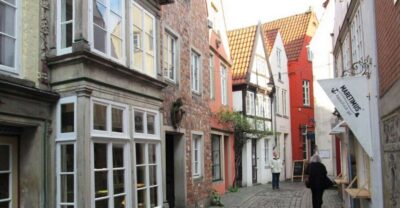 ★ 4.8Bremen: Walking Tour of Historic Schnoor DistrictFrom $14429 reviews
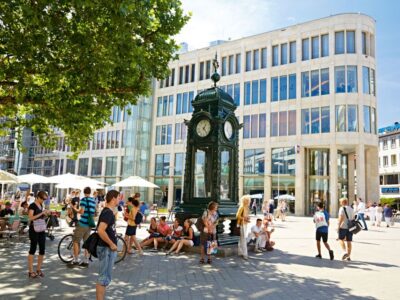 ★ 4.5Hannover: Guided Old Town Walking TourFrom $13338 reviews
 ★ 4.6Bremen: Universum Science Center Entrance TicketFrom $21324 reviews
Other lists this tour is on