
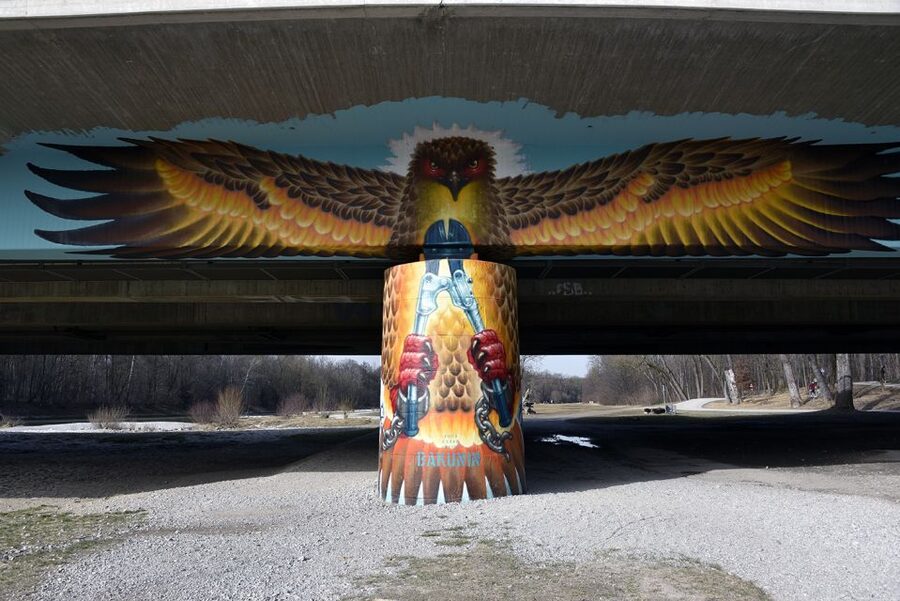
REVIEW · BERLIN
Munich: Street Art Bike Tour
Graffiti on a bike feels like insider Munich. This guided Street Art Bike Tour uses rental bikes to show you Munich’s street art energy, including the city’s role in starting Germany’s graffiti movement in the 1980s, plus stops along the Isar river. I love the mix of eye-catching wall art and the straight-faced history lessons behind it, and you’ll also appreciate the detour to Giesing where the scenes feel less like a postcard and more like real neighborhoods.
One consideration: the live guide is German, and the ride is 210 minutes, so it can feel like a longer outing than you’d expect for smaller kids (it’s not suitable for children under 10).
In This Review
- Quick hits before you book
- Munich Street Art on Two Wheels: The point of the ride
- Marienplatz to the Isar: where the tour finds its momentum
- Why Giesing matters: the neighborhood shift you’ll feel
- The slaughterhouse district and the boat break: a fun break in the middle
- Munich as graffiti mecca: the 1980s context you actually need
- Art details you might spot: from murals to unusual materials
- Biking comfort and timing: what 210 minutes feels like
- Price and value: is $40 a fair deal?
- Practical tips to get the most from the tour
- Should you book the Munich Street Art Bike Tour?
- FAQ
- Where is the meeting point for the Munich Street Art Bike Tour?
- How long is the tour?
- How much does the tour cost?
- What’s included in the price?
- What language is the tour guide speaking?
- Is there a private group option?
- Is the tour suitable for children or wheelchair users?
- Are alcohol and drugs allowed during the tour?
Quick hits before you book
- Marienplatz starting point at the Tourist Information Office, with a guide holding a yellow street art tour sign with red letters
- 210-minute format (a solid 3.5 hours) with rental bikes included
- Isar river section where you stroll and spot artist marks close up
- Giesing detour to ride away from the main tourist flow into a former working-class neighborhood
- Slaughterhouse district + boat break with a pause by a railway bridge
- Graffiti roots in the 1980s including Munich’s reputation alongside New York
Undecided? The closest Munich write-ups we have are these.
- From Munich: Neuschwanstein & Linderhof Castle Full-Day Trip★ 4.5 · 12,494 reviews
- Neuschwanstein & Linderhof Castle-Fairytale Day Tour from Munich★ 4.5 · 7,275 reviews
- Munich: Third Reich & WWII Walking Tour★ 4.6 · 6,181 reviews
- Dachau Concentration Camp Memorial Site Tour from Munich by Train★ 4.5 · 5,637 reviews
Munich Street Art on Two Wheels: The point of the ride
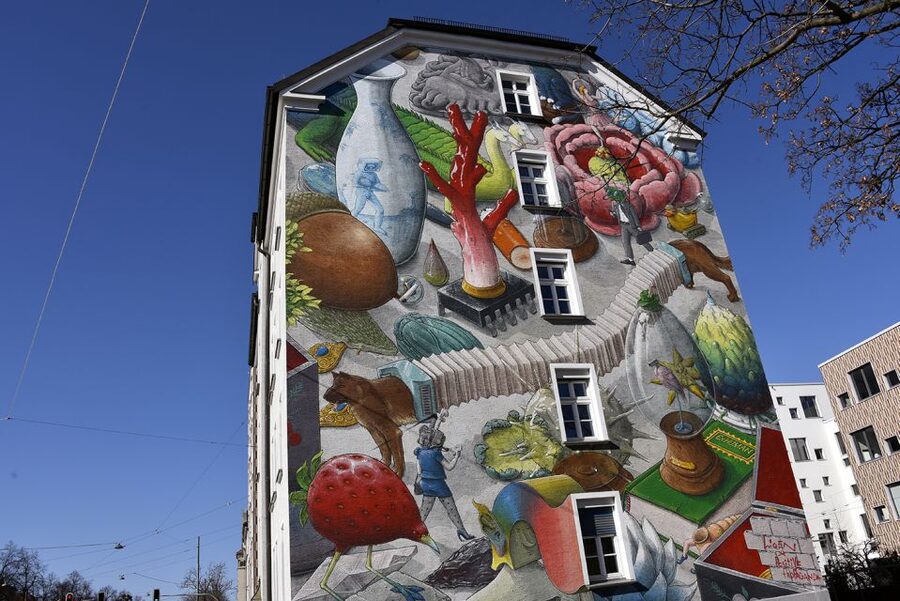
Munich today can feel extra tidy and polished, so seeing graffiti and street art here changes your mental picture fast. That’s the core value of this tour: it turns “you’ve heard of street art” into a moving, sensory tour of how graffiti took hold in Germany back in the 1980s, when Munich was considered a mecca for artists.
Instead of throwing you into a random scatter of murals, you get a guided route with context. You’ll learn how the scene evolved, why certain styles showed up where they did, and how new work connects to older graffiti masters. And because you’re on bikes, you’re not stuck doing endless backtracking or waiting for transport. You get a “ride, stop, look, ride again” rhythm that keeps the tour from feeling like a museum lecture.
There’s also a practical upside for your planning: for $40 and 210 minutes, you’re paying for a guide plus rental bikes, not just for someone pointing at photos on a screen. If you want street art that feels geographically grounded in Munich, this format is built for it.
Marienplatz to the Isar: where the tour finds its momentum
You start right in the center, at Marienplatz, in front of the Tourist Information Office. Look for the guide holding the yellow street art tour sign with red letters. That matters more than you might think. In a city where landmarks can blur together, a clear sign and a fixed starting spot make it easy to join without stress.
From there, the tour shifts into street-art mode. You’ll pass by artwork that connects to graffiti’s early culture, then you’ll start picking up the details that make each piece more than just color. Expect to notice things like letter styles, layering, and how artists use placement to “talk” to the street.
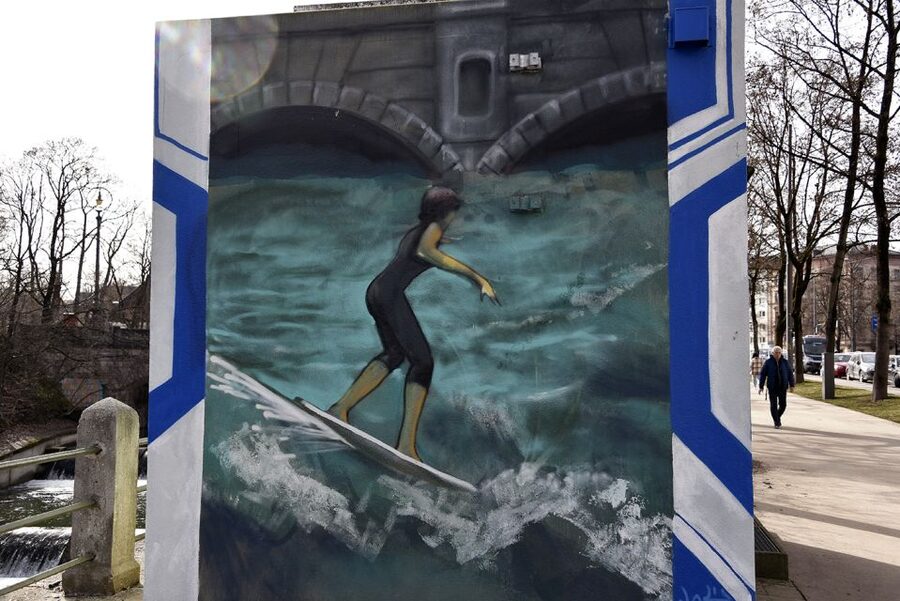
Then comes the Isar river section. This is one of the tour’s smartest choices because the river creates a natural line through the city. When artists leave their mark along a moving public corridor, the art feels less like a planned attraction and more like something that grew up with the area. You’ll be able to stroll and look at pieces in a way you can’t do at speed, then hop back on the bike when it’s time to cover the next stretch.
If your goal is to see street art as part of how Munich works day to day, this Isar segment is a great bridge between central sights and the more neighborhood feel that follows.
Why Giesing matters: the neighborhood shift you’ll feel
After you leave the most obvious tourist lanes, the route heads toward Giesing. This former working-class neighborhood changes the vibe immediately. Instead of seeing street art as something staged for visitors, you start reading it like local communication: visual statements tied to streets, everyday routines, and the kind of walls that get attention over time.
This is where the bike tour pays off again. Street art is often best appreciated on foot, but you also need mobility to connect distant walls without wasting the day. Riding into Giesing helps you get that “off the beaten track” feeling without turning the outing into an exhausting walkathon.
You might see works that reflect both older graffiti styles and more current street art. The tour’s framing matters here. Munich’s graffiti reputation from the 1980s is part of the background, but you’re not stuck in nostalgia. The point is that new artists are working in the same city, building on what came before.
One small caution: this segment can include longer stretches between stops. If you’re someone who hates sitting still, you’ll like the pacing. If you’re sensitive to time on a bike, pace yourself mentally and bring energy snacks if you need them during a 210-minute ride.
The slaughterhouse district and the boat break: a fun break in the middle
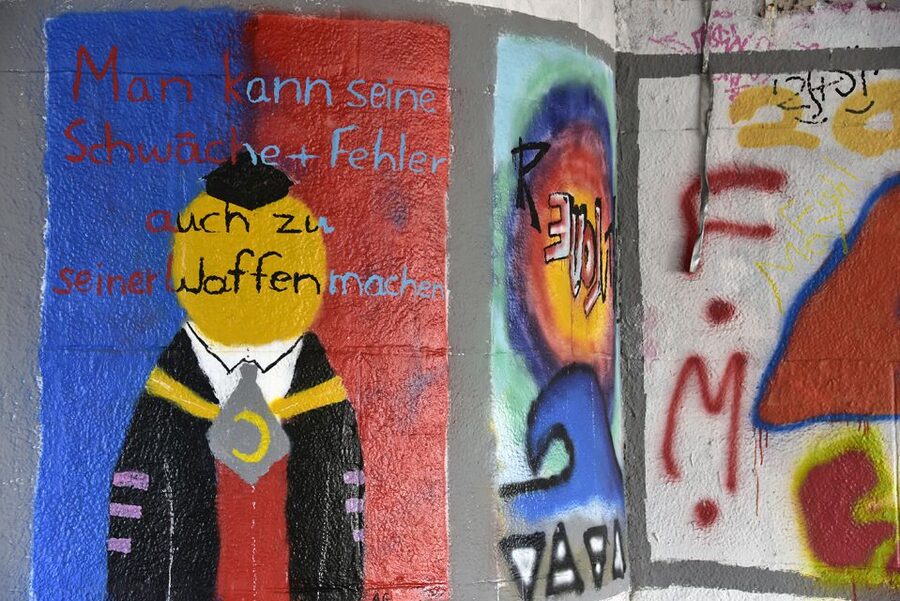
From Giesing, the ride continues toward the slaughterhouse district. Even if you’re not there for food history, districts like this tend to have the kind of industrial walls where street art can take hold. That makes the area a logical stop for a graffiti-focused route.
You’ll then enjoy a break on a boat at a railway bridge. This is the kind of moment that makes the tour more than a color walk. Getting on the water gives your eyes a reset. It also helps you see how the city grid fits together, especially when the route has been weaving through neighborhoods and back streets.
I like this kind of built-in pause because it helps you absorb what you just saw. Street art can blur together if you’re viewing too fast. A boat intermission changes the pace, and it gives you time to look around at the city with less pressure.
Practical tip: wear layers you can adjust. If the first half is sunny, the river area and boat time can feel cooler. This is especially helpful if you’re doing the tour around early evening light.
More handlebar time in Munich
Munich as graffiti mecca: the 1980s context you actually need
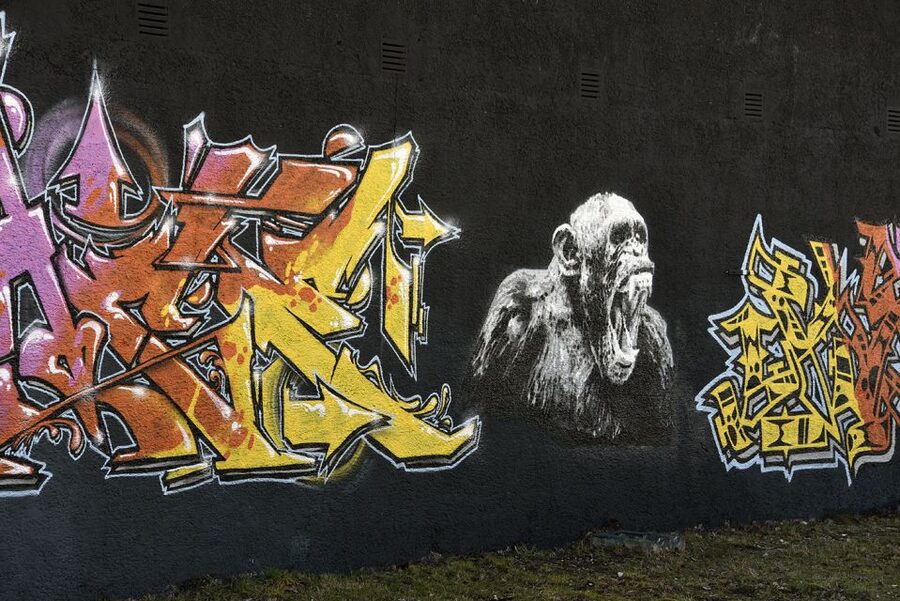
The most useful thing you’ll learn is the context behind Munich’s street art credibility. The city played a major role in Germany’s graffiti movement in the 1980s, and Munich was often mentioned alongside New York as a mecca for artists. That sets the stage for why the tour doesn’t treat graffiti as a modern novelty.
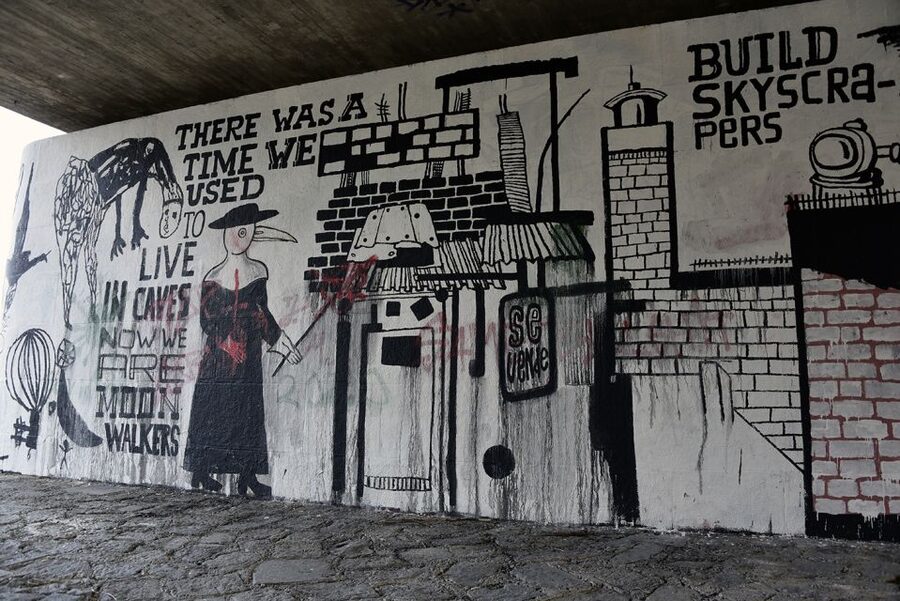
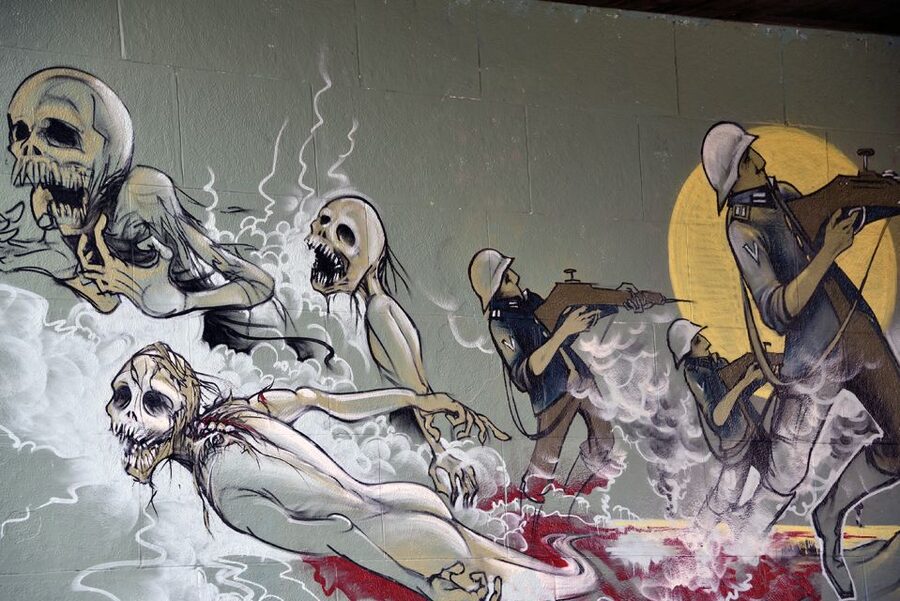
The guide also points out how early masters shaped the culture, then shows you how up-and-coming street artists keep the conversation going. You’ll see the difference in how artists approach composition, color, and lettering, and you’ll start understanding what makes a piece “belong” to graffiti culture versus what makes it belong to street art more broadly.
This is where you’ll get more value than just Instagram photos. Once you know the basic timeline and the reasons graffiti spreads through cities, the walls start making sense. Even the simplest tags can feel purposeful when you understand what they were trying to do and how communities used public surfaces.
If you’re curious about how styles travel, how scenes grow, and how cities develop reputations for art, this historical framing is one of the tour’s best strengths.
Art details you might spot: from murals to unusual materials
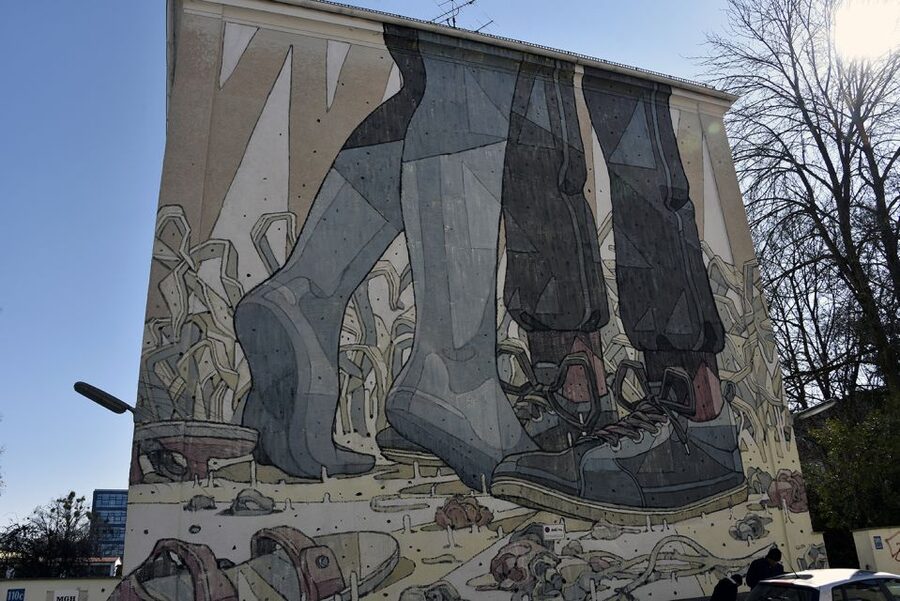
Street art tours can go vague if they don’t include concrete examples. This one is better because the route includes a mix of artwork types and the guide connects them to history and technique.
As you ride and stop, you might notice:
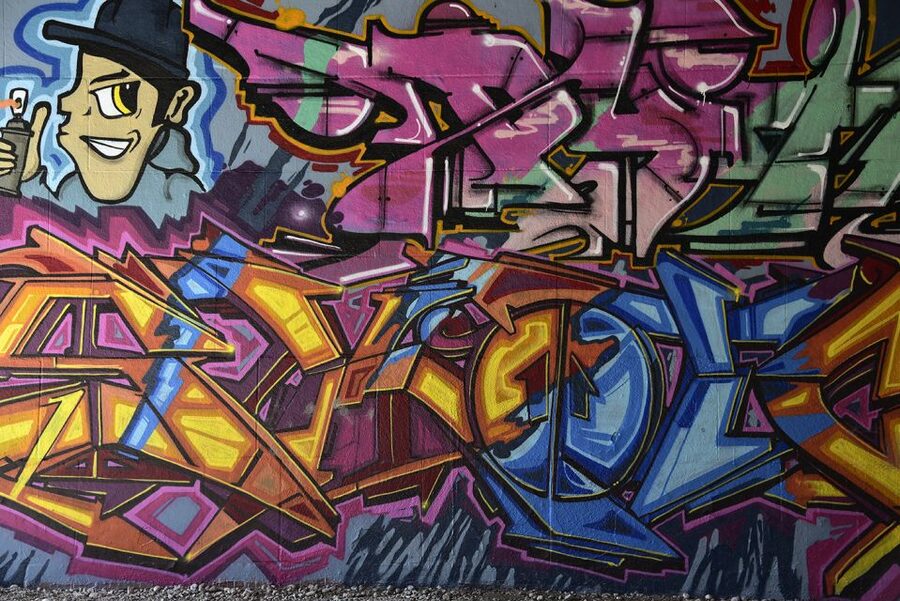
- A vegetable or fruit mural type of scene, with bold colors that tend to pop from a distance
- Advertising-style street works, including an Aldi-related piece you may encounter on the route
- Art made using photocatalytic color, which can be a fascinating technical detail for people who like how materials behave in real city conditions
You don’t need to be an art expert to enjoy these moments. What helps is that the guide uses those examples to explain why graffiti and street art grew, why it spreads, and how artists make choices in style and placement.
If your main goal is photos, you’ll still have plenty of visual wins. If your main goal is understanding, you’ll come away with a mental map for reading street art like a language instead of like decoration.
Biking comfort and timing: what 210 minutes feels like
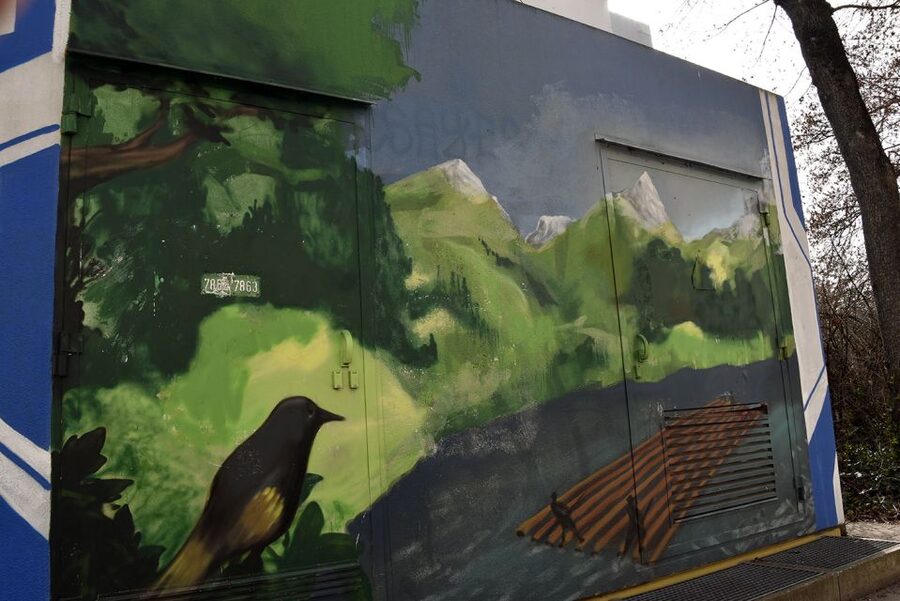
210 minutes is about 3.5 hours. That’s long enough to cover meaningful ground, but it’s not an all-day commitment. You’ll feel the time most during transitions between stops, so having a comfortable bike matters.
Rental bikes are included, which removes a big headache. You also get a live guide, so you’re not navigating street art clues on your own. The tour guide is German, and while the core language is German, guides in this setup often use clear explanations and attentive pacing. In one case, Ulrike was specifically noted for making extra effort to explain details to English speakers, and for being friendly and patient.
That’s a good sign for anyone who worries about language. You may still benefit even if you don’t speak German fluently, because street art is visual and guides tend to match explanation to what you’re looking at in front of you.
Who it suits best:
- Teens and adults who want a mix of art, history, and active sightseeing
- People who enjoy biking at a moderate pace
- Families with kids 10 and up, if your child can handle a longer outing and can sit through explanations
It’s not suitable for wheelchair users, and children under 10 aren’t recommended.
Price and value: is $40 a fair deal?
$40 per person for 210 minutes is a pretty reasonable rate when you break it down. You’re paying for:
- A live tour guide
- Rental bikes
- A route that includes walking segments, riding segments, and a boat break
That combination is where the value comes from. You’re not just getting “someone with a list,” you’re getting guided context plus logistics handled for you, plus the added experience of the boat moment.
Also, the tour’s focus is specific. Munich street art exists in lots of places, but not every route teaches the graffiti history angle or takes you into neighborhoods like Giesing and onward to the slaughterhouse district. The price makes more sense when you treat it like a structured half-day experience, not a casual stroll.
If you love street art enough to want the story behind the walls, this price sits in the sweet spot.
Practical tips to get the most from the tour
To enjoy this tour, I’d plan for an active half-day. Even when the stops are interesting, you’ll still spend time riding between them.
Here’s what helps:
- Wear comfortable shoes for the walking parts near the river
- Bring a light layer for river air, especially if you’re doing it later in the day
- Have a plan for photos, since street art looks best when you’re close enough to study details
- If you’re traveling with kids, think about attention span. At 210 minutes, this is not a short distraction
Rules are straightforward: alcohol and drugs aren’t allowed. That’s a plus for anyone who wants the tour to stay focused and safe.
If you care about flexibility, the activity offers free cancellation up to 24 hours in advance and also a reserve now, pay later option. That makes it easier to match your plans to weather or your energy levels.
Should you book the Munich Street Art Bike Tour?
Book it if you want street art with context, not just a pile of murals. The combination of bikes, guided history of graffiti in Germany, and the change of scenery from Marienplatz to the Isar, then into Giesing and toward the slaughterhouse district, makes it a strong way to see a lesser-known side of Munich.
Pass if you strongly prefer quiet sightseeing with minimal movement. The ride is 3.5 hours, and it’s not suitable for wheelchair users, plus it’s designed for children 10 and older. Also, since the guide is German, if you need a fully English-led experience, you’ll want to check how the guide handles explanation for non-German speakers before committing.
If your sweet spot is hands-on street art learning, active half-day exploring, and a fun mid-tour break by water, this one is an easy “yes.”
FAQ
Where is the meeting point for the Munich Street Art Bike Tour?
Meet your local guide in front of the Tourist Information Office at Marienplatz. The guide will be holding a yellow street art tour sign with red letters.
How long is the tour?
The duration is 210 minutes.
How much does the tour cost?
The price is $40 per person.
What’s included in the price?
The tour includes a tour guide and rental bikes.
What language is the tour guide speaking?
The live tour guide language is German.
Is there a private group option?
Yes, a private group is available.
Is the tour suitable for children or wheelchair users?
It is not suitable for children under 10, and it is not suitable for wheelchair users.
Are alcohol and drugs allowed during the tour?
No. Alcohol and drugs are not allowed.
The Munich Bike Lanes
Everything else we filed on Munich
- Munich Beer and Bavarian Bites Private Tour
★ 5.0 · 11 reviews - Private Day Trip from Munich to Neuschwanstein and Linderhof
★ 4.0 · 11 reviews - Private Munich Old Town Walking Tour – with optional Breakfast
★ 5.0 · 11 reviews - Festive Concert in the All-Saints Court Church
★ 4.6 · 11 reviews - Private Castle Tour from Munich: Neuschwanstein, Hohenschwangau, and Linderhof
★ 4.5 · 12 reviews - Munich: Oktoberfest Big Beer Tent Evening including table reservation
★ 4.8 · 12 reviews
Street Art and Alternative City Tours, side by side.
 ★ 4.6Berlin: Alternative Berlin Walking TourFrom $291,204 reviews
 ★ 4.8Berlin: City Street Art Guided Walking TourFrom $23886 reviews
 ★ 4.7Berlin: 3-Hour Street Art TourFrom $23778 reviews
 ★ 4.5Kreuzberg: Culinary Food TourFrom $589770 reviews
 ★ 4.7Berlin: Kreuzberg Guided Walking Evening TourFrom $27555 reviews
 ★ 4.7Berlin: Alternative Bike Tour of Kreuzberg & FriedrichshainFrom $41548 reviews
 ★ 4.9Berlin: 2.5-Hour Walking Tour through Kreuzberg 61From $23525 reviews
 ★ 5.0Berlin Off-the-Beaten-Path Walking Tour: Kreuzberg, Mitte and FriedrichshainFrom $30412 reviews
Other lists this tour is on