
REVIEW · RHINE-MAIN
Speyer: Technik Museum Speyer Ticket with an IMAX Dome Film
One ticket turns tech into theater. I love how you can step inside a Boeing 747 and really look around inside the real space where people worked. Then the museum shifts gears to a Bundeswehr submarine, letting you walk through the kind of cramped, serious layout that makes naval tech feel real.
For me, the best pairing is the space side of the museum, especially the Space Shuttle Buran display, plus a space shuttle prototype. Add your included IMAX Dome documentary and you get a big-screen tech story after a hands-on day.
The one thing to watch is that the layout can feel a little chaotic, and upper floors plus some roof-level aircraft are not accessible for everyone, so plan with mobility needs in mind.
In This Review
- Key highlights at a glance
- Technik Museum Speyer: why this one-day ticket feels big
- Boeing 747 and Bundeswehr submarine: where scale becomes real
- The space exhibition: Space Shuttle Buran and prototype hardware
- Beyond space: classic cars, motorcycles, fire engines, and steam locomotives
- The IMAX Dome documentary: choose your film, then plan around showtimes
- Layout, accessibility, and why your route matters
- Food, breaks, and keeping a one-day plan realistic
- Price and value: is 35 dollars a fair trade?
- Who should book this ticket?
- Should you book the Technik Museum Speyer plus IMAX Dome?
- FAQ
- How long is the visit?
- What does the ticket include?
- Can I choose which IMAX Dome documentary I watch?
- Where do I exchange my voucher?
- Is the museum wheelchair accessible?
- Are pets allowed?
- Is the IMAX 3D recommended for children?
- What is the cancellation policy and price?
Key highlights at a glance
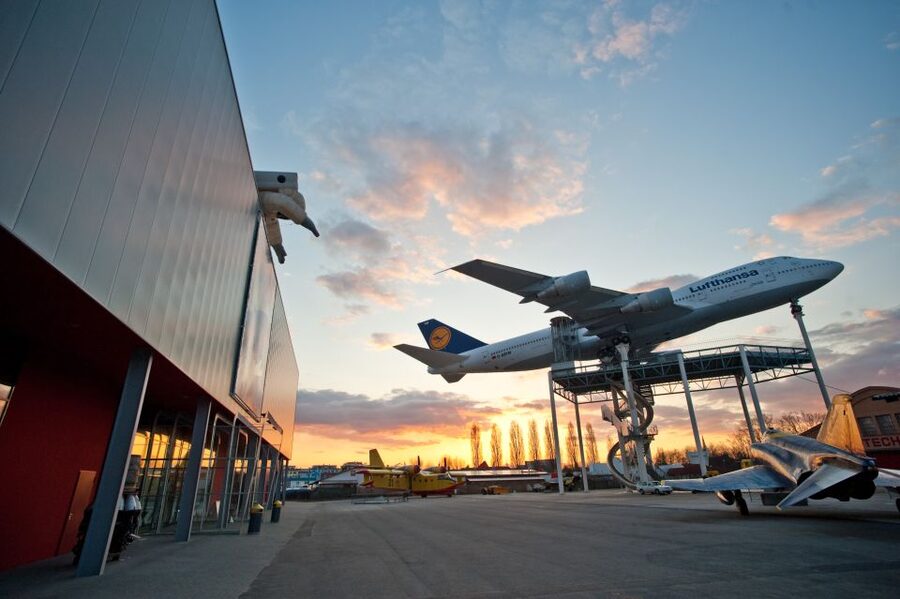
- Step into an accessible Boeing 747 and gauge the size in a way photos never do
- Walk through a Bundeswehr submarine, with the focus on what life and operations require
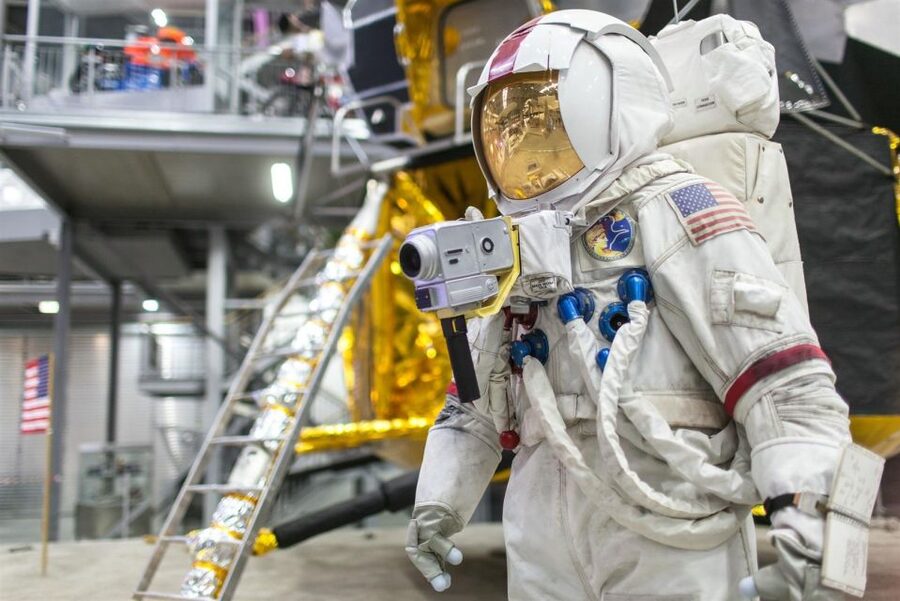
- See major space tech, including the Space Shuttle Buran and a space shuttle prototype
- Big sound and a huge dome screen (1000 sq m projection area, 22,000 watt 6-channel sound)
- A vehicle mix beyond aerospace, from classic cars and motorcycles to historic fire engines and steam locomotives
- Brazzeltag in May brings live action with horsepower giants and vehicle curiosities
Technik Museum Speyer: why this one-day ticket feels big
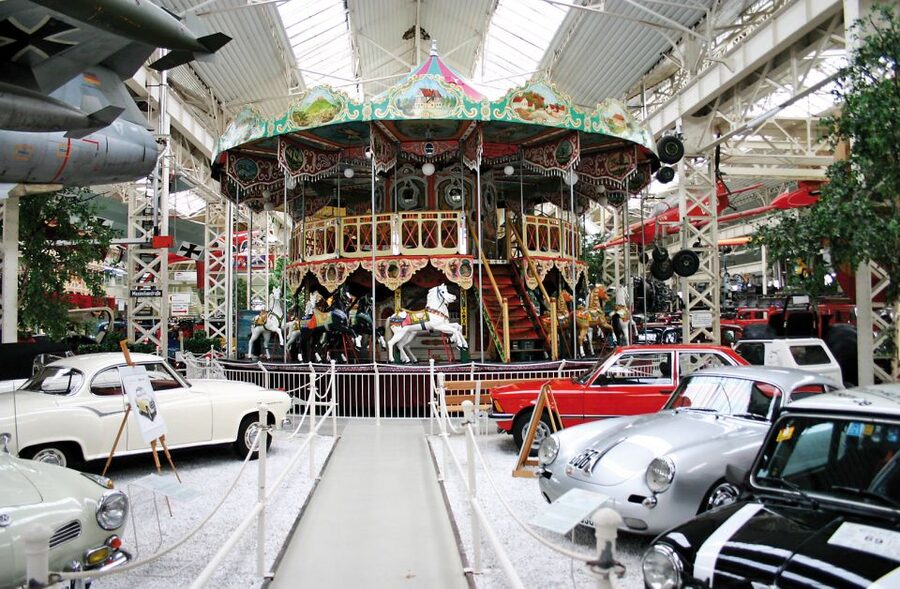
Speyer turns technology into something you can touch, walk through, and compare side by side. One of the smartest parts of this ticket is that you do not just browse halls of objects behind glass. You move through real machines, in real scale, then cap it with a dome film that makes the whole day feel like a single story.
At a practical level, you are getting a full day of museum time plus an IMAX Dome documentary. That matters, because the museum is not a quick hit. Even if you think you are a casual museum person, the mix of aviation, naval engineering, space hardware, and classic vehicles tends to hook you by surprise.
The “tech” theme also avoids getting too abstract. You learn through the physical stuff: interior layouts, mechanical details, and the way different eras solved problems. It is equal parts engineering museum and storytelling museum.
Boeing 747 and Bundeswehr submarine: where scale becomes real
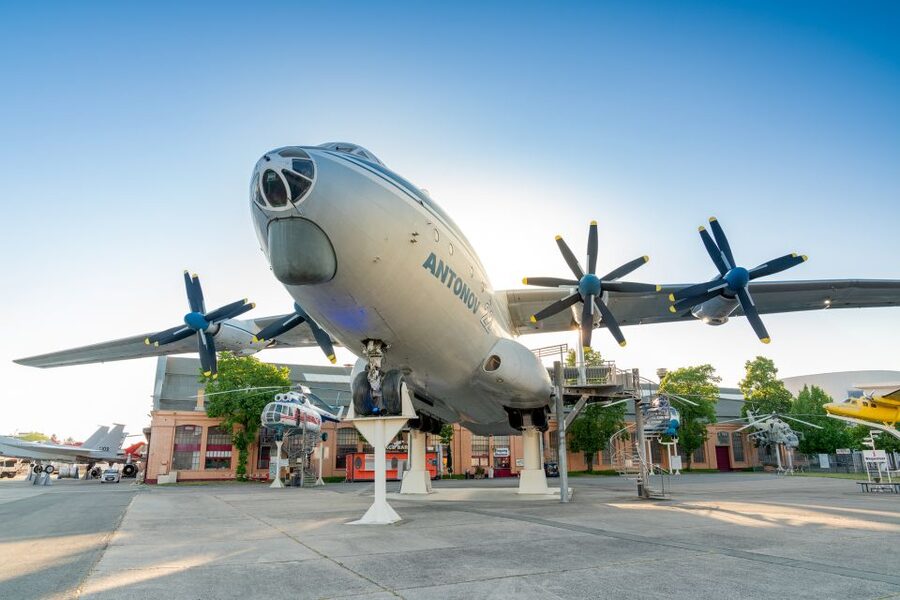
Starting with aircraft is a clever move, because it sets your mental scale for everything else. The museum lets you enter a fully accessible Boeing 747, so you can see the size right where passengers and crew would have worked. It is one of those experiences that instantly makes the rest of the museum easier to understand. When something is physically huge, you stop thinking in trivia and start thinking in engineering constraints.
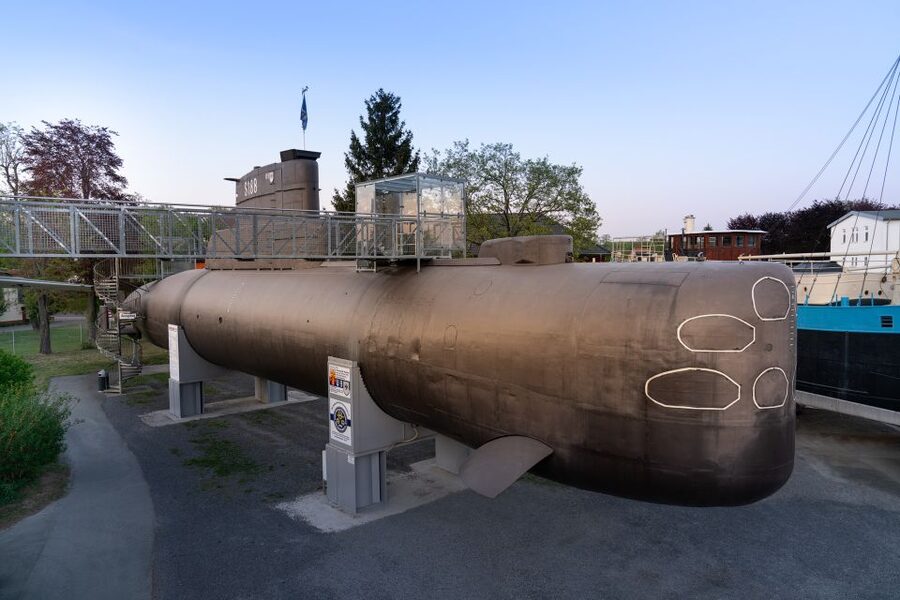
Then you shift from air to water with a Bundeswehr submarine you can enter. Submarines are the opposite of airy. They feel compact, serious, and built around survival. The museum also frames the experience around what a sea cruiser needs to operate, which helps you connect the metal you are looking at to the job it had to do.
Two practical notes for this part of the day:
- Wear shoes you can stand in. These kinds of exhibits often have you moving at your own pace through tight spaces.
- If you are traveling with kids, this is usually where their questions start. They tend to latch onto the “how do they even fit” part, and that gets them talking even when other exhibits might feel too academic.
The space exhibition: Space Shuttle Buran and prototype hardware
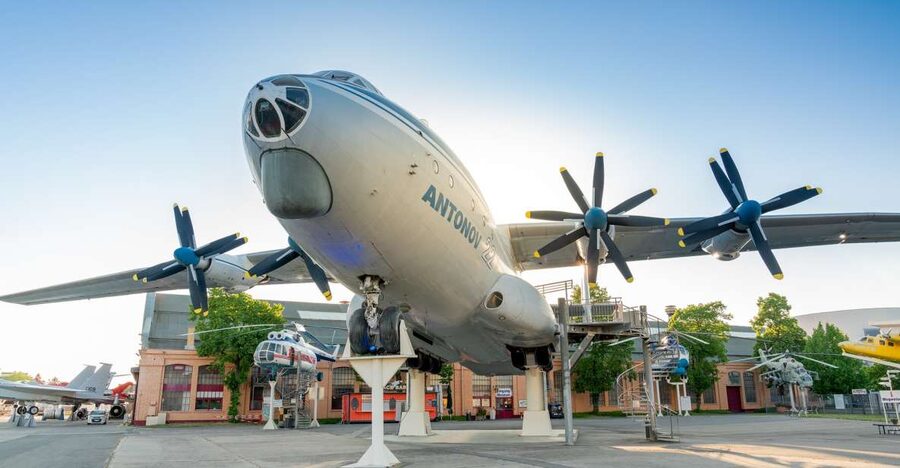
Space is where the museum becomes a timeline you can walk through. The space exhibition is one of the main reasons people devote real time here, because it is built to show how technologies evolve rather than just show off one famous object.
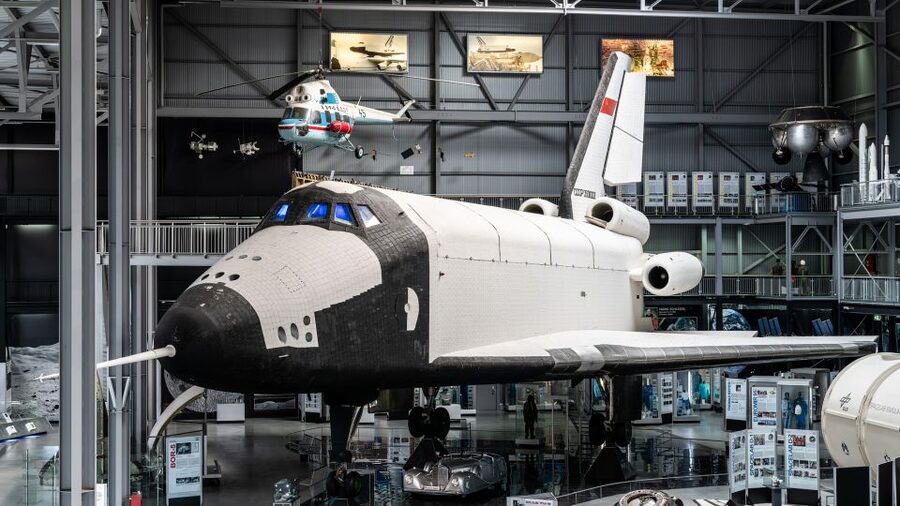
The headline for many visitors is the Space Shuttle Buran. Seeing it in person gives you a better feel for what “space program” meant on the ground, in design, and in engineering effort. It is not just about the shuttle as a celebrity vehicle. It is about the broader system: where the ideas came from and how they were translated into hardware.
You will also find a space shuttle prototype. Having both helps your brain compare what is experimental versus what becomes operational. That comparison is useful, especially if you want your museum day to feel more than just sightseeing.
The museum’s approach also helps you connect space tech to other fields. You move from aircraft interiors to naval systems, then into aerospace, and suddenly you see overlaps in materials, engineering thinking, and mission planning. If you like when a museum makes you connect dots without pushing too hard, this is the section where it happens naturally.
Beyond space: classic cars, motorcycles, fire engines, and steam locomotives

One reason this ticket works for mixed groups is that it does not leave the car-and-motor crowd behind. Alongside the aerospace and naval exhibits, you see classic cars and motorcycles, and you also get historic fire engines and steam locomotives.
This variety matters because your day does not depend on one interest. If your travel partner is more into engines than rockets, you can both stay engaged. And if you have kids who need momentum, this vehicle mix tends to keep them from “museum fatigue.”
A small but memorable detail: the museum includes fascinating stories, like how a Chinese locomotive ended up in Speyer. That kind of story turns an object into a chapter. It answers the unspoken question, why is this here? You get the sense that technology traveled, changed hands, and found new homes based on history, trade, and preservation.
The museum also includes mechanical instruments, rare items, and vintage fashions. That may sound like a grab bag, but it actually works. It nudges you to think about technology as part of everyday life, not only as weapons or spacecraft.
If you want a tip that saves time, build this section around what grabs you first. If cars and motorcycles start pulling you, let them. Then circle back for the steam locomotives and fire engines when you are ready for the next shift in scale.
The IMAX Dome documentary: choose your film, then plan around showtimes
The included IMAX Dome film is a big part of the value, because it is not just a short screen break. The museum pairs it with technical impact: a dome-projection area of 1000 square meters and a 22,000-watt, 6-channel sound system. That kind of setup changes how your brain experiences sound and motion. Even if you usually skip big theaters, this one tends to land.
You also get to choose a documentary at the IMAX Dome theater. That is ideal if you want your film to match the themes you spent the morning on, like space or technology in general. It also lets you avoid the “wrong topic” problem, as long as you check what is actually running.
Here is the practical snag to watch. IMAX Dome showtimes can be limited during the day, and some topics might not be scheduled when you want them. I recommend you check what is playing as soon as you arrive, then shape your museum route around that slot. If you wait and the film you want is not available, you can end up settling for whatever is next.
The IMAX Dome experience is recommended for children age 4 and over, because of intense audiovisual impressions. That is useful for families, so you can decide if it fits your kid’s comfort level.
Layout, accessibility, and why your route matters
This museum is mostly barrier-free in many common areas, including the parking, restaurant, lobby, ticket office, open-air ground, and the museum ground floor. That is a strong start, and it means you can plan a smooth visit through a lot of the complex.
But the fine print matters: the upper floors and some exhibits, including aircraft on the museum roof, are not accessible for people with mobility impairments or people using buggies. Also, while many parts are wheelchair accessible, not every object is equally reachable.
So how do you handle that without stress?
- Decide early what you most want from the roof or upstairs sections. If that is essential for your group, you may want to ask on-site what is best reachable on your visit day.
- Build your day around what is accessible from the ground-level paths first. You can always adjust your plan for upstairs items if you have time and energy.
The museum layout can feel a bit chaotic, too. Some exhibits end up grouped by the building’s logic more than by your expectation of where they should go. You may notice motorcycles in an unexpected zone, for example. This is not a deal breaker, but it is a reason to give yourself time instead of trying to do everything in a strict order.
Food, breaks, and keeping a one-day plan realistic
A one-day museum ticket is best when you respect your energy. I like to treat this like an all-day circuit with scheduled pauses. The museum has clean sanitary facilities, and the gastronomy is worth treating as a real break rather than a rushed stop.
Because the exhibits span multiple themes, you will likely lose track of time unless you set small “reset moments.” Take a breather after the aircraft and submarine sections, then go back into the space and vehicle halls with a fresh brain.
If you bring kids, break your day into shorter mission chunks. For many families, the first “wow” moment is inside the aircraft and submarine. After that, mixing space with cars and motorcycles keeps attention longer than doing only one category.
Price and value: is 35 dollars a fair trade?
At about $35 per person for a one-day visit, this ticket sits in a mid-range band for major museums, but the value comes from the combination. You are paying for two experiences that normally cost more when separate: full museum admission plus an IMAX Dome documentary.
The value is strongest if you care about at least two of these:
- Getting inside real vehicles like the Boeing 747 and submarine
- Spending real time on space tech, especially the Space Shuttle Buran
- Watching a dome film with serious sound and projection
If you are only interested in one small portion, you might feel the price more. Also, the museum rewards time. If you try to race through it in a couple of hours, you will not see the reason people spend closer to half a day or more.
So think of this as a ticket for an all-in day. If you want to do that kind of day, $35 looks fair. If you want a quick stop on the way to somewhere else, you may want a shorter or more selective plan.
Who should book this ticket?
This is a great fit for:
- Families with kids who can handle big sensory moments, especially for the IMAX Dome
- Engine fans who like aviation, naval tech, cars, and motorcycles
- Space people who want more than posters and want to see actual hardware themes
- Groups with mixed interests who still want one ticket that keeps everyone engaged
You might rethink if:
- Your mobility needs prevent you from accessing upper floors and roof-level aircraft, and those sections are non-negotiable for your trip
- You want a super structured, predictable route and hate when exhibits feel spread across zones
- You are only interested in the IMAX Dome film and not the museum itself
Should you book the Technik Museum Speyer plus IMAX Dome?
Yes, if you want a full one-day mix of real machines and big-screen tech storytelling. The best reason to book is the combination of entering a Boeing 747, walking through a Bundeswehr submarine, then choosing an IMAX Dome documentary to tie the day together.
Book with two planning habits: check the IMAX showtime schedule early, and give yourself time for the vehicle and space exhibits rather than trying to do everything fast. If you can do that, you will get a day that feels bigger than the price tag.
FAQ
How long is the visit?
The ticket is valid for 1 day.
What does the ticket include?
It includes admission to the Technik Museum Speyer and entrance to 1 documentary at the IMAX Dome cinema.
Can I choose which IMAX Dome documentary I watch?
Yes. You have your choice of the documentary film shown at the IMAX Dome theater.
Where do I exchange my voucher?
You exchange your voucher at the Technik Museum Speyer ticket counter.
Is the museum wheelchair accessible?
Yes, wheelchair access is available. However, the upper floors and some exhibits, such as aircraft on the museum roof, are not accessible for people with mobility impairments or buggies.
Are pets allowed?
No, pets are not allowed.
Is the IMAX 3D recommended for children?
The IMAX 3D experience is recommended only for children aged 4 and over due to intense audiovisual impressions.
What is the cancellation policy and price?
The price is $35 per person. Free cancellation is available up to 24 hours in advance for a full refund.
Mainz Wiesbaden and the Rhine-Main Tours, side by side.
 ★ 4.4Karlsruhe: 24-Hour Hop-On Hop-Off Sightseeing Bus TicketFrom $28362 reviews
 ★ 4.8Wiesbaden: Sparkling Winemaking Tour with 3-Glass TastingFrom $34155 reviews
 ★ 3.5SEA LIFE Speyer Admission TicketFrom $26131 reviews
 ★ 4.7Darmstadt: Mathildenhöhe UNESCO Site Guided VisitFrom $17124 reviews
 ★ 4.9Guided tour in Mainz on the Rhine in german and englishFrom $23106 reviews
 ★ 4.2Sea Life Speyer TicketFrom $2299 reviews
 ★ 5.0Rhine Valley Wine Tasting Tour from Frankfurt and MainzFrom $47687 reviews
 ★ 4.5Karlsruhe: Guided City History & Culture Walking TourFrom $1279 reviews
Other lists this tour is on