
REVIEW · RHINE-MAIN
Wiesbaden: Sparkling Winemaking Tour with 3-Glass Tasting
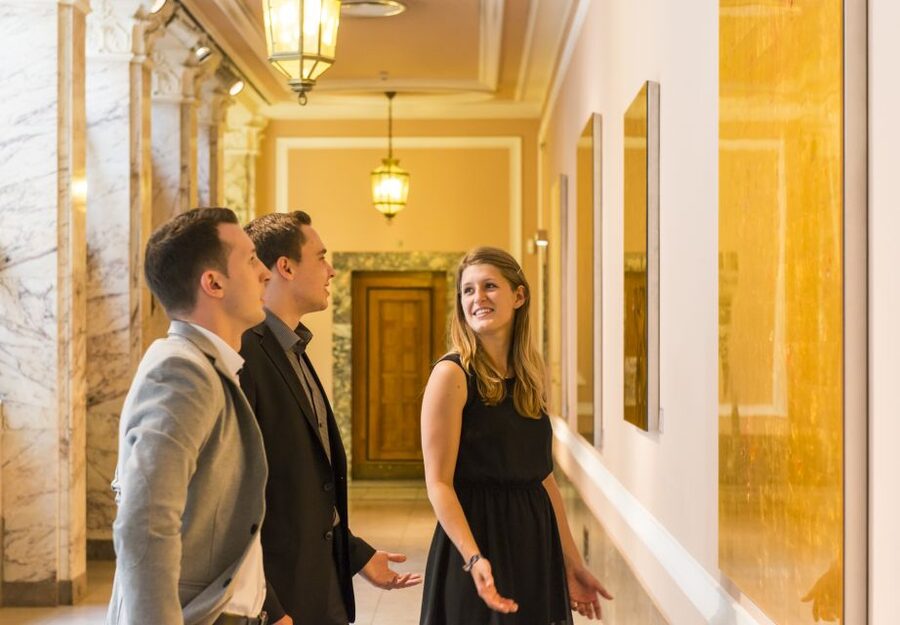
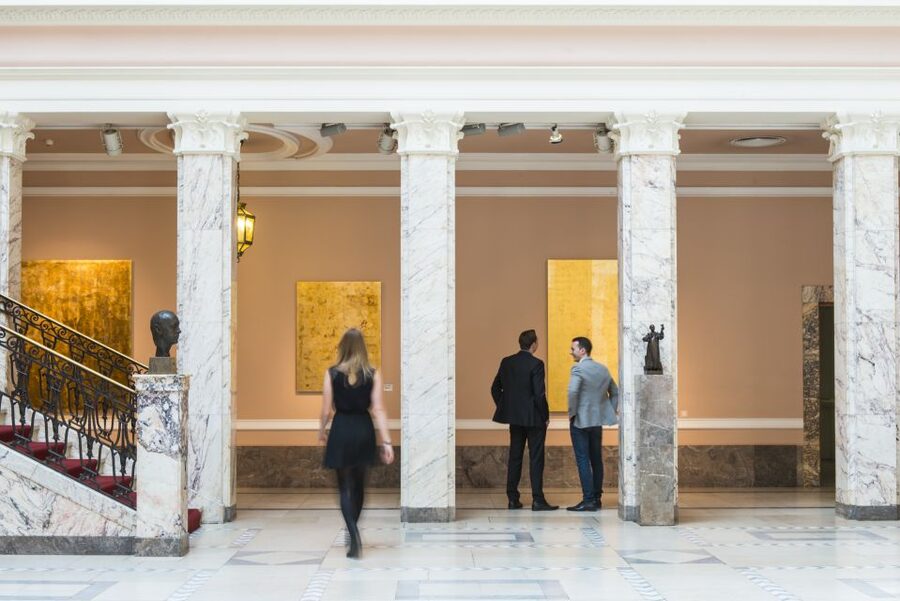
Marble, bubbles, and a live disgorging demo. I love the Henkell Freixenet setting in Wiesbaden, especially the impressive marble hall, and I also like how the tour makes traditional bottle fermentation feel concrete, not abstract. You’ll walk through the steps behind sekt and other sparkling styles, then finish with a 3-glass tasting with a German guide.
I also like that the experience ties multiple sparkling categories together, including cava and Crémant, so you leave knowing why they’re related yet not identical. One thing to plan for: the route includes walking down and up 90 steps, and there’s no elevator, so wear grippy shoes and think about your stamina.
In This Review
- Key Things You’ll Notice on This Wiesbaden Sparkling Wine Tour
- Entering Henkell Freixenet’s Marble Hall in Wiesbaden
- The 90 Steps Detail That Can Affect Your Comfort
- From Grapes to Sekt and Other Sparkling Styles
- The Most Fascinating Moment: Disgorging Live
- The Tour Route: What Each Stage Adds to the Story
- The Marble Hall Plus the Group Scale You Might Spot
- Your Finish: 3 Glasses of Sparkling Wine
- How to Taste Smarter During a 3-Glass Set
- Price and Value: Is $34 Worth Two Hours?
- Language, Pace, and How to Prep for a German-Led Tour
- Who This Wiesbaden Sparkling Wine Tour Suits Best
- Should You Book This Sparkling Wine Tour in Wiesbaden?
- FAQ
- How long is the Henkell Freixenet sparkling wine tour in Wiesbaden?
- How much does the tour cost?
- What is included in the ticket?
- Will I see the disgorging process?
- What language is the tour in?
- Is this tour suitable for people with mobility impairments or wheelchair users?
- Is there an age limit, and can I cancel?
Key Things You’ll Notice on This Wiesbaden Sparkling Wine Tour
- Marble hall first, explanations second, so you get wow-factor before the science starts
- Live disgorging demonstration, including yeast freezing into the bottle neck
- Bottle fermentation shown step-by-step, with the stages of turning still wine into sparkling wine
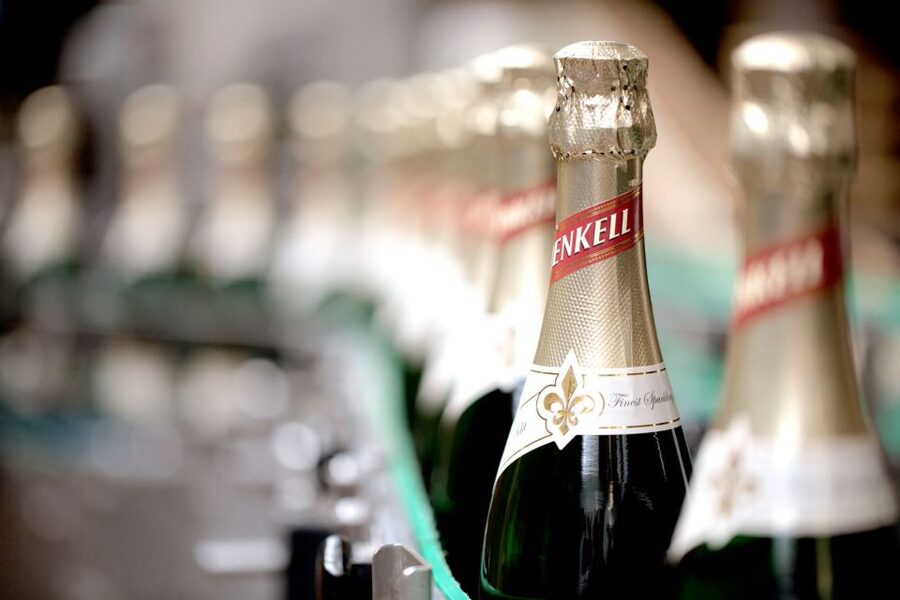
- Multiple sparkling styles in one tour, covering sekt, cava, champagne, and Crémant
- A 3-glass tasting finish, designed to help you connect what you saw to what you drink
More Rhine-Main city walks
- Wiesbaden: Sparkling Winemaking Tour with 3-Glass Tasting★ 4.8 · 155 reviews
- Wiesbaden Biebrich: Outdoor Escape Game★ 4.7 · 13 reviews
Entering Henkell Freixenet’s Marble Hall in Wiesbaden
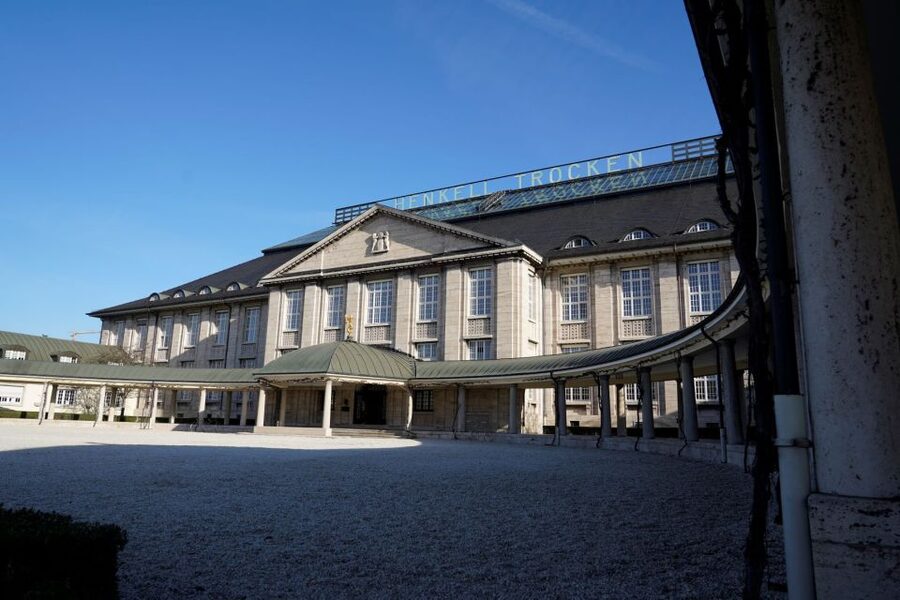
This is one of those tours where the building sets the tone. When you meet at the activity provider’s premises, you’ll head into a striking marble hall at the Henkell Freixenet headquarters, and it’s the kind of place that makes you slow down for a moment.
From there, the tour focuses on how sparkling wine actually happens. You’re not just hearing marketing lines. You’re learning the production logic behind German sekt, plus how the same bottle-fermentation idea shows up in other named traditions.
If you care about what makes sparkling wine taste the way it does, this place is a good match. It’s very practical, and it keeps pointing back to process and technique rather than vibes.
The 90 Steps Detail That Can Affect Your Comfort
You’ll walk down and up 90 steps during the tour, with no elevator available. That’s not a dealbreaker for many people, but it is the key consideration, because the tour is short and the stairs happen within it.
Plan around that. Bring shoes with good traction, and go in with a calm pace rather than rushing at the start. If stairs make you feel winded or uncomfortable, this might not be the right fit for you.
This also matters if you’re traveling with someone who has mobility limitations. The tour is not suitable for wheelchair users, and it’s not set up for people with mobility impairments.
From Grapes to Sekt and Other Sparkling Styles
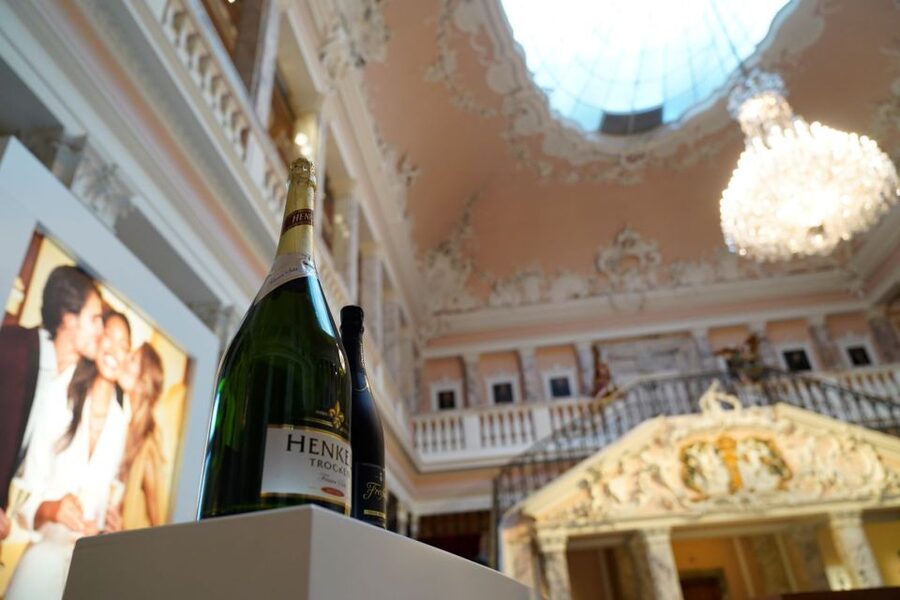
The tour’s big promise is that you’ll uncover what it takes to make sparkling wine using the traditional bottle-fermentation method. In plain terms, you’re shown how selected grapes become base wine first, then how that base wine is transformed into something with bubbles and that distinctive sparkling character.
What I like about this part is that you don’t only hear about one product. You learn how the general method works, then how sparkling categories connect through shared techniques. The tour specifically covers sekt, cava, champagne, and Crémant.
That lineup helps you think more clearly when you’re shopping later. You start to realize that the terms often point to region and tradition, not just one magic ingredient. Once you grasp the bottle-fermentation workflow, labels start making more sense.
The Most Fascinating Moment: Disgorging Live
The highlight for most people is the disgorging section. This is where the tour turns from “read and listen” into “watch a transformation.”
You’ll see a demonstration where yeast and liquid are separated during disgorging. The process described on the tour includes yeast freezing into the neck of the bottle. Then, in the real-world bottle setup, that frozen yeast is removed so the wine you pour is clearer and ready for drinking.
Why this matters, beyond the cool factor: disgorging is a quality checkpoint. It’s tied to what happens after the wine ages on its lees and develops complexity. When the tour shows you the separation moment, you understand why sparkling wine can taste refined and clean, not just fizzy.
If you’re a fan of German sparkling wine, pay attention here. The technique is part of why sekt can range from crisp and precise to richer, more layered styles, depending on how the wine is handled before and after aging.
The Tour Route: What Each Stage Adds to the Story
The experience is structured so you see stages of the process, not just a single “big reveal.” You move through the manufacturing flow and encounter the disgorging practice within the broader explanation.
Here’s how to think about it. Early steps explain how the transformation starts. The middle stages help you understand what’s happening during aging and what builds flavor over time. Then disgorging becomes the payoff moment, where the method’s practical result turns visible.
This approach is useful if you want to remember details later. Instead of one long lecture, you get a sequence that makes cause and effect easier to track.
Also, the tour keeps your attention on what changes inside the bottle. That’s what makes this feel like real craft, rather than a generic winery walkthrough.
The Marble Hall Plus the Group Scale You Might Spot
The tour doesn’t only focus on one site. One of the most praised elements is the way you get a sense of how many companies sit within the Henkell Freixenet group. That matters because it turns the experience into more than a single-room lesson.
For example, you may hear about well-known brands connected to the group, including Mionetto. Even if you’re not a die-hard fan of every brand, it helps you understand the scale behind what you’re tasting.
In a lot of tours, the focus stays narrow. Here, the headquarters setting plus the broader brand context gives you a fuller picture of how this industry operates.
Your Finish: 3 Glasses of Sparkling Wine
After the production tour, you complete the experience by sampling three different sparkling wines. This is the part that turns knowledge into taste, and it’s why this tour is such a strong option for a “two-hour” schedule.
Don’t rush through the tasting. Since you’ve just seen the bottle method, treat the first glass like a baseline and the others like comparisons. Notice sweetness impressions, acidity, bubble size feel, and how the wine finishes.
If you enjoy German sekt, you’ll likely appreciate how the tasting connects to the steps you saw. If you’re more curious about international styles, this is still valuable because the tour covered how sparkling categories relate through method.
Also, the tasting is included. That makes it easier to judge value, because you’re not paying extra for the part most people actually want.
How to Taste Smarter During a 3-Glass Set
You don’t need a sommelier palate. But you do want to taste with intention.
Try this quick approach:
- With the first glass, focus on brightness, acidity, and overall structure.
- With the second, look for richer or more developed notes, especially anything that reads as aged or yeasty complexity.
- With the third, focus on balance, dryness, and how the flavors linger.
This tour is short, so you won’t have time for long food pairings. That’s actually a benefit. You’ll get a sharper read on the wine itself.
If the tasting includes different styles, your goal is to map what you remember from the process to what you notice in the glass. Even basic observations like fresher versus more layered can feel surprisingly clear after the disgorging demonstration.
Price and Value: Is $34 Worth Two Hours?
At $34 per person for a two-hour tour, you’re paying for three things: entry, a guided tour, and a tasting of 3 glasses. The value story here is that you’re not just buying bubbles, you’re buying context.
A tasting-only stop can be cheaper, sure. But the reason this price feels fair is that the tour includes the production steps and the disgorging moment, which is the real differentiator.
Also, the venue is a major production headquarters. You’re seeing an industrial-scale version of a traditional method, including how different sparkling categories fit into the broader workflow. That “how it’s made” component is what justifies the cost for people who enjoy learning.
If you’re primarily in Wiesbaden for a quick taste and you don’t care about process, you might find it slightly rigid. But if you like the craft and want a guided explanation tied directly to what you drink, the price makes sense.
Language, Pace, and How to Prep for a German-Led Tour
The guide provides a live tour in German. If you don’t speak German, don’t panic, but go in with realistic expectations. You’ll still follow the flow through demonstrations and visual steps, especially during the disgorging moment.
If you want to make the most of it, you can prep with a couple of keywords like the names of styles covered on the tour: sekt, cava, champagne, Crémant. Even knowing a few terms helps your brain attach the explanation to what you’re seeing.
The overall duration is 2 hours, which is a manageable length. You’re not committing to a half day, but you are committing to staying focused for the sequence, especially with the stair count built in.
There’s also a live guide, so questions can matter. If you speak up, you’ll likely get clarification on what you’re seeing in the production stages.
Who This Wiesbaden Sparkling Wine Tour Suits Best
This is best for people who want a focused sparkling wine education, not a generic sightseeing stop.
You’ll likely enjoy it if you:
- Love German sparkling wine and want to understand sekt at production level
- Like hands-on demonstrations, especially the disgorging separation moment
- Prefer a compact, efficient 2-hour experience
It may not be the right fit if:
- Stairs are a major problem for you, since there’s no elevator
- You need an English-language tour, since the guide speaks German
- You’re traveling with kids, because it’s not suitable for children under 16
If you’re choosing a sparkling wine outing while in Hessen, this tour is a strong contender because it pairs craft visuals with a satisfying tasting finish.
Should You Book This Sparkling Wine Tour in Wiesbaden?
I’d book it if you want one afternoon option that actually teaches something. The live disgorging demonstration plus the 3-glass tasting creates a tight link between method and flavor, and the marble hall makes the first minutes feel like you’re entering something special.
I’d think twice if stairs will slow you down. The 90-step walk is the one practical catch, and it’s baked into the experience.
Finally, if you’re the kind of person who notices the differences between sparkling styles, the fact that the tour covers sekt, cava, champagne, and Crémant is a real advantage. You don’t just leave with a few sips, you leave with a way to interpret labels later.
FAQ
How long is the Henkell Freixenet sparkling wine tour in Wiesbaden?
The tour runs for 2 hours.
How much does the tour cost?
The price is $34 per person.
What is included in the ticket?
Your ticket includes entry, a guided tour, and a tasting of 3 glasses of sparkling wine.
Will I see the disgorging process?
Yes. The tour includes a demonstration where yeast freezes into the neck of a bottle, and you’ll see disgorging as part of the process.
What language is the tour in?
The live tour guide speaks German.
Is this tour suitable for people with mobility impairments or wheelchair users?
No. The tour is not suitable for people with mobility impairments and it is not available for wheelchair users. It also involves walking down and up 90 steps with no elevator.
Is there an age limit, and can I cancel?
It is not suitable for children under 16. You can cancel up to 24 hours in advance for a full refund.
Around the Rhine-Main Cities
Everything else we filed on Wiesbaden
- Wiesbaden Biebrich: Outdoor Escape Game
★ 4.7 · 13 reviews - Wiesbaden: Sparkling Winemaking Tour with 3-Glass Tasting
★ 4.8 · 155 reviews
Mainz Wiesbaden and the Rhine-Main Tours, side by side.
 ★ 4.4Karlsruhe: 24-Hour Hop-On Hop-Off Sightseeing Bus TicketFrom $28362 reviews
 ★ 4.7Speyer: Technik Museum Speyer Ticket with an IMAX Dome FilmFrom $35360 reviews
 ★ 3.5SEA LIFE Speyer Admission TicketFrom $26131 reviews
 ★ 4.7Darmstadt: Mathildenhöhe UNESCO Site Guided VisitFrom $17124 reviews
 ★ 4.9Guided tour in Mainz on the Rhine in german and englishFrom $23106 reviews
 ★ 4.2Sea Life Speyer TicketFrom $2299 reviews
 ★ 5.0Rhine Valley Wine Tasting Tour from Frankfurt and MainzFrom $47687 reviews
 ★ 4.5Karlsruhe: Guided City History & Culture Walking TourFrom $1279 reviews
Other lists this tour is on