
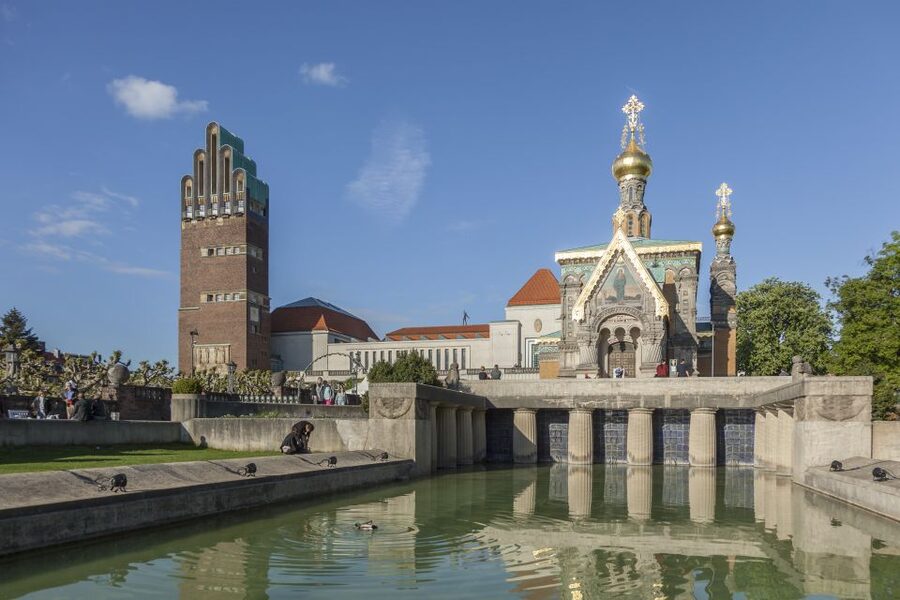
REVIEW · RHINE-MAIN
Darmstadt: Mathildenhöhe UNESCO Site Guided Visit
Modern art starts in surprising places. The guided visit to Mathildenhöhe in Darmstadt is a smart, story-driven way to understand why this small artists colony became such a big deal at the turn of the 20th century, and why it earned UNESCO World Heritage status.
I like how the guide ties the buildings together as one planned idea, not a random collection of fancy facades. I also like the human angle, with the focus on the artists behind the work, including personal context explained by guides such as Frau Gerhardt on a German-language Saturday tour. One thing to consider, though, is that this tour is generally in German, so if you want English, aim for the Saturday 2pm English-speaking option.
In This Review
- Key Things You Should Notice on This Mathildenhöhe Tour
- Mathildenhöhe in Darmstadt: What You’re Really Seeing
- Finding the North Entrance Meeting Point (Olbrichweg 13A)
- The 90-Minute Flow: How the Story Moves From Building to Building
- Studio Building: Where the Creative Work Takes Shape
- Exhibition Building: Seeing How the Movement Wanted to Be Viewed
- Artists’ Houses: The Personal Side of Jugendstil Design
- The Park Setting: How the Layout Changes What You Notice
- Price and Value: Is $17 for 90 Minutes Worth It?
- Language, Timing, and Who This Tour Best Fits
- Booking and Practical Notes That Affect Your Day
- Should You Book the Darmstadt Mathildenhöhe UNESCO Guided Visit?
- FAQ
- What is the duration of the Darmstadt Mathildenhöhe UNESCO guided visit?
- Where is the meeting point for the tour?
- How much does the tour cost?
- What does the tour include?
- What language is the tour in?
- Are there any English-speaking tours?
- Is the tour wheelchair accessible?
- What is the cancellation policy?
- Can I reserve without paying right away?
- What is the overall rating for this experience?
Key Things You Should Notice on This Mathildenhöhe Tour
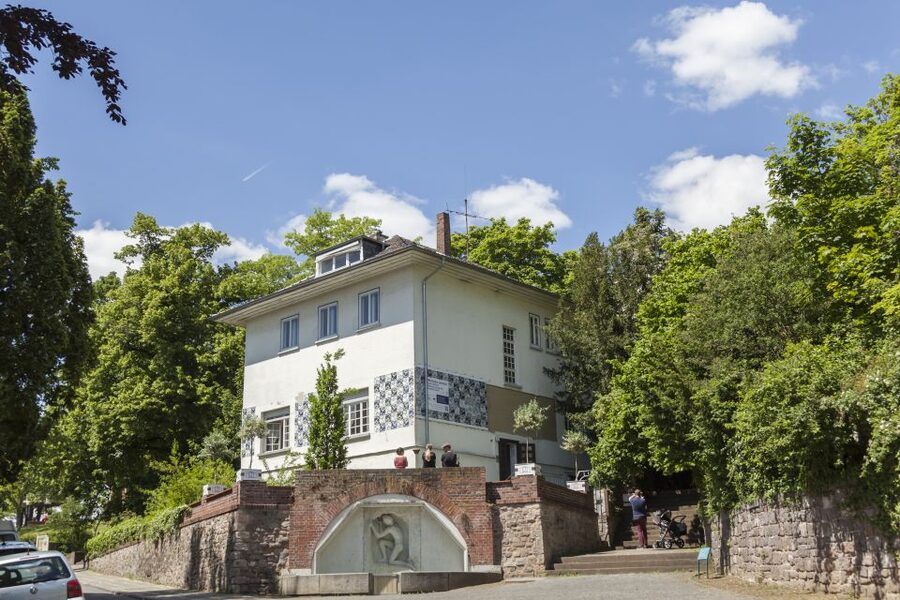
Mathildenhöhe as a whole ensemble: you learn how studio, exhibition, artists houses, and park form one message.
Aufbruch in die Moderne: the tour frames the site as a turning point as architecture and art shifted toward the 1900s.
UNESCO context built in: you get the why behind preservation, not just what to look at.
Olbrich’s city-building idea: the tour highlights Joseph Maria Olbrich’s concept of a city you must build.
Artist background comes through: guides often share personal and creative context, not only dates.
A tight 90-minute format: you see the core without getting stuck too long in one spot.
More Rhine-Main city walks
- EUMETSAT – weather data for the world “made in Darmstadt”★ 4.7 · 25 reviews
- Darmstadt: City Highlights and History Guided Walking Tour★ 4.0 · 23 reviews
- Darmstadt entdecken mit Aurora DeMeehl: Innenstadt-Tour★ 5.0 · 15 reviews
Mathildenhöhe in Darmstadt: What You’re Really Seeing
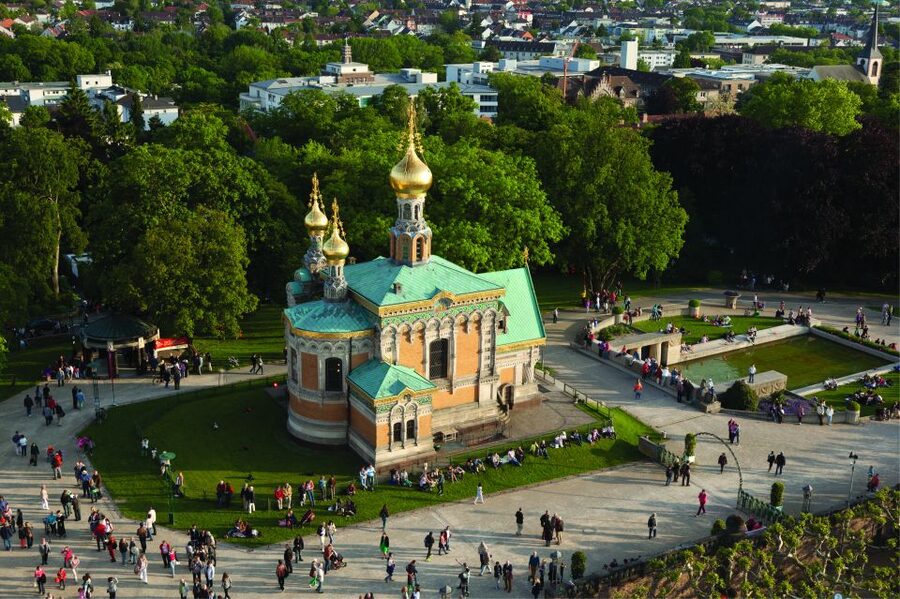
Mathildenhöhe is one of those places where the setting matters as much as the architecture. On a guided visit, you are not just looking at a few pretty buildings. You’re learning how an artists colony was designed to make a point, and how that point reflects a cultural shift happening right around the threshold of the 20th century.
The tour centers on the UNESCO-recognized ensemble, and it is framed by a famous idea from architect Joseph Maria Olbrich: A city we must build, a whole city. That sentence is more than a slogan. It helps you read the site the way the planners intended, as a complete project, with each structure playing its part.
You’ll also hear the tour’s bigger theme, Aufbruch in die Moderne, meaning a departure toward modern ways of thinking. The guide’s job is to connect the aesthetic choices to the broader moment in art and architecture when people were pushing beyond what came before. If you enjoy understanding design as culture, not just style, you’ll get a lot out of this format.
Finding the North Entrance Meeting Point (Olbrichweg 13A)
You meet at the north entrance of the Museum Künstlerkolonie Darmstadt, address Olbrichweg 13A. That matters more than it sounds. If you arrive late or wander into the wrong entrance, you’ll spend your short 90 minutes trying to catch up, and this tour moves on purpose.
Plan to arrive a few minutes early, especially if you’re navigating unfamiliar streets. This is a guided visit of set duration, so the guide will likely stay on their timing. Having the meeting point pinned down in your mind also helps you enjoy the tour instead of feeling rushed before it even starts.
Also note a practical reality: because it is typically a German-language tour, you’ll want to feel comfortable following directions and key explanations on the go. If you’re not strong in German, pick the Saturday 2pm English-speaking tour when it’s available.
The 90-Minute Flow: How the Story Moves From Building to Building
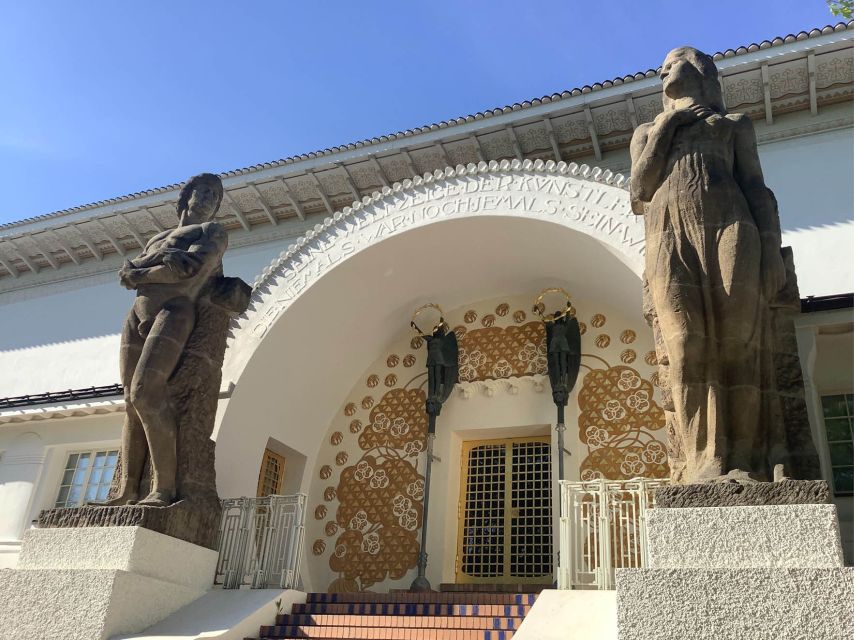
This guided visit runs about 1.5 hours. That’s long enough to connect the dots, but short enough that you don’t get bogged down. The best way to think about the time is this: the guide is walking you through a sequence that mirrors the colony itself, studio and exhibition for the creative work, then artists houses for daily life, and finally the park setting.
Because the tour is built around the full ensemble, it’s a great option if you have only a day in Darmstadt or if Mathildenhöhe is a must-do but you don’t want to spend hours wandering without context. You get structure, and structure helps you see more.
Studio Building: Where the Creative Work Takes Shape
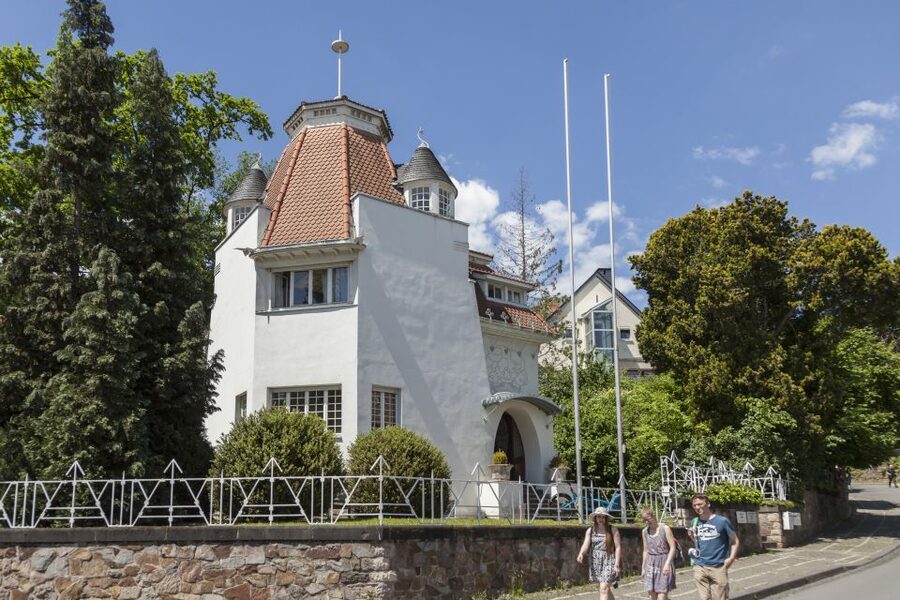
The tour includes the studio building, which is one of the most important stops if you want to understand what “artists colony” actually means. A studio isn’t just a room where art happens. It is a space that reflects how an artist works, what they value, and how they see their role.
During the guided portion, the studio stop is meant to ground you in process. Instead of only appreciating finished design, you start to connect the architecture to creative life. This is the moment where you’ll likely pay closer attention to details because the guide is framing them as practical and artistic choices, not decoration for its own sake.
If you like architecture tours where you can imagine daily routines and working rhythms, the studio is where that imagination clicks. The downside is also simple: with only 90 minutes total, you might not get as long a look as you would if you planned to sketch or study details at length. Use your time for listening first, then do a quick self-paced look if time allows.
Exhibition Building: Seeing How the Movement Wanted to Be Viewed
Next comes the exhibition building. This is the part of the ensemble that translates ideas into public form. A studio shows what creators do. An exhibition shows how they want others to see it.
This stop is especially valuable for people who enjoy the “why” behind architecture. The tour tells the story of the ensemble and places it at the moment when modern thinking was gaining momentum. So the exhibition space is not just a venue. It’s part of a cultural announcement.
Even if your focus is art history rather than architecture, this is often the easiest stop to connect to. You can think of it as the site’s stage, the place where the work leaves private space and enters shared space. That helps you understand why UNESCO recognized the ensemble as a whole, not as separate objects.
Artists’ Houses: The Personal Side of Jugendstil Design
The tour also visits artists’ houses, and this is where the experience often becomes more than sightseeing. The information you get here matters, because houses show what the designers believed life should feel like, not only what art should look like.
In one German-language tour, the guide named Frau Gerhardt explained the individual buildings and added interpersonal details about the artists, including backgrounds that shaped their work. That approach is exactly what makes this part of the tour click. It turns architecture from an aesthetic topic into a human story.
Practical tip: when you’re in or near the houses, keep asking yourself a simple question, what kind of everyday living does this space seem to support? You don’t need to be an expert. Your job is to notice how form relates to daily habits, then connect it back to the overall modern shift the site represents.
One consideration: if you are expecting every detail of interior design, you might find that the tour format keeps the pace moving. The guided visit is designed to interpret the ensemble, not replace a deep, independent study session.
The Park Setting: How the Layout Changes What You Notice
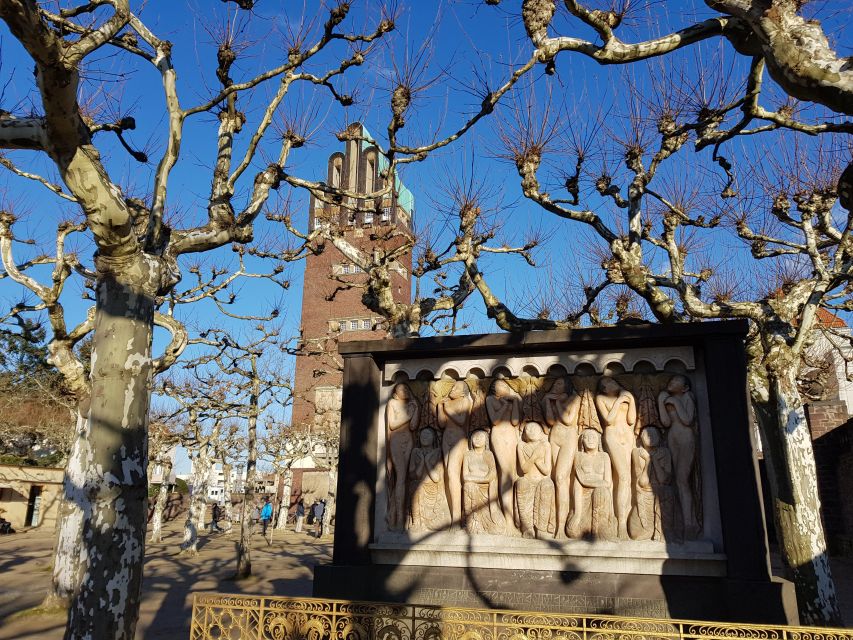
Finally, you move into the park setting. Parks might sound like downtime on an architecture tour, but here it helps you read the entire project as a designed environment.
The ensemble is meant to work as a complete plan. A park setting gives you scale, movement, and perspective. You start to see how buildings relate to open space and how the creators intended the colony to feel as you walk through it.
For value, this stop is important because it closes the loop. After studio and exhibition, and after the human scale of artists houses, the park gives you breathing room to process what you’ve learned. It also helps confirm something big: this site was conceived as a city idea in miniature, which ties directly to Olbrich’s concept.
If you hate walking, plan to keep your expectations realistic. This is a guided walk of an ensemble, so you will move between stops. The good news is the duration is 1.5 hours, so you are not committing to a long trek.
Price and Value: Is $17 for 90 Minutes Worth It?
At $17 per person for about 1.5 hours, this tour is priced like a practical “core sites” experience. The value comes from what’s bundled: studio building, exhibition building, artists’ houses, and the park. Many self-guided visits can cover some of this, but the guided interpretation is what makes the ensemble understandable as a single idea.
Think of it this way. If you spend the same time wandering, you might notice beautiful details, but you could miss the thread connecting the work to Aufbruch in die Moderne and the turning point for architecture and art. Here, that thread is the whole point.
You also get a live guide and a guided structure that helps you see more in less time. That matters if you have limited daylight or a packed schedule. If you have lots of time and want to go deep, you could always do a self-paced visit too. But for learning the story efficiently, this price feels fair.
Language, Timing, and Who This Tour Best Fits
This tour is generally in German. The key exception is that Saturday at 2pm has English-speaking guided tours. If you speak German, great, you’ll likely follow every explanation. If you don’t, plan around the English time.
Duration is 90 minutes, so it suits people who want an engaging activity without a long day commitment. It also works well for architecture lovers, art history fans, and design travelers who like context.
You’ll probably enjoy this most if you like tours where the guide tells you how to think about what you see. The reports of guides like Frau Gerhardt sharing both building explanations and artist background suggests that the human story is part of the experience, not an afterthought.
If you want only photos and quick stops, this may feel too interpretive. If you want interpretation, it’s a strong fit.
Booking and Practical Notes That Affect Your Day
Two small things can make your life easier. First, check starting times before you commit, since the tour has set durations. Second, remember that the meeting point is the north entrance at Olbrichweg 13A. Getting that right prevents wasted minutes.
Cancellation is flexible, since you can cancel up to 24 hours in advance for a full refund. There’s also a reserve now, pay later option, which can help if your schedule depends on weather or train connections. If you’re trying to coordinate multiple stops in Darmstadt, that flexibility is genuinely useful.
Wheelchair accessible is listed, so if you need that, you can book with confidence that mobility needs were considered.
Should You Book the Darmstadt Mathildenhöhe UNESCO Guided Visit?
I think you should book this tour if Mathildenhöhe is on your “must see” list and you want a fast, guided way to understand the bigger picture. For $17 and 90 minutes, you get the ensemble story, not just a checklist of buildings. If you care about the shift to modern architecture and art at the turn of the century, the guided narrative is the main reason to go.
Skip it only if you strongly prefer English tours at times other than Saturday 2pm, or if you want a slow, self-guided deep study without stopping for explanations. Otherwise, the structure, UNESCO focus, and the way guides connect the artists to the architecture make it a smart use of time in Darmstadt.
FAQ
What is the duration of the Darmstadt Mathildenhöhe UNESCO guided visit?
The tour lasts about 1.5 hours, which is 90 minutes.
Where is the meeting point for the tour?
You meet at the north entrance to the Museum Künstlerkolonie Darmstadt at Olbrichweg 13A.
How much does the tour cost?
The price is $17 per person.
What does the tour include?
It includes a guided visit of the UNESCO World Heritage ensemble, covering the studio building, exhibition building, artists’ houses, and the park.
What language is the tour in?
The tour is generally in German.
Are there any English-speaking tours?
Yes. English-speaking tours are offered on Saturdays at 2pm.
Is the tour wheelchair accessible?
Yes, wheelchair accessibility is listed for the tour.
What is the cancellation policy?
You can cancel up to 24 hours in advance for a full refund.
Can I reserve without paying right away?
Yes. There is a reserve now, pay later option.
What is the overall rating for this experience?
The rating shown is 4.7 out of 5, based on 124 reviews.
Around the Rhine-Main Cities
Everything else we filed on Darmstadt
- Darmstadt entdecken mit Aurora DeMeehl: Innenstadt-Tour
★ 5.0 · 15 reviews - Darmstadt: City Highlights and History Guided Walking Tour
★ 4.0 · 23 reviews - EUMETSAT – weather data for the world “made in Darmstadt”
★ 4.7 · 25 reviews
Mainz Wiesbaden and the Rhine-Main Tours, side by side.
 ★ 4.4Karlsruhe: 24-Hour Hop-On Hop-Off Sightseeing Bus TicketFrom $28362 reviews
 ★ 4.7Speyer: Technik Museum Speyer Ticket with an IMAX Dome FilmFrom $35360 reviews
 ★ 4.8Wiesbaden: Sparkling Winemaking Tour with 3-Glass TastingFrom $34155 reviews
 ★ 3.5SEA LIFE Speyer Admission TicketFrom $26131 reviews
 ★ 4.9Guided tour in Mainz on the Rhine in german and englishFrom $23106 reviews
 ★ 4.2Sea Life Speyer TicketFrom $2299 reviews
 ★ 5.0Rhine Valley Wine Tasting Tour from Frankfurt and MainzFrom $47687 reviews
 ★ 4.5Karlsruhe: Guided City History & Culture Walking TourFrom $1279 reviews
Other lists this tour is on