
REVIEW · GUIDED
The Best of Berlin Private Guided Tour
Berlin history is easiest when it has a route. This private walk strings together the big turning points of the German capital, from Prussian power to the Nazi era, the Berlin Wall, and today’s Parliament and memorials. You get an experienced guide, a clear storyline, and stops that force you to look at Berlin from multiple angles, not just postcard views.
What I like most is the balance of major landmarks and the human context behind them. You’ll see Museum Island, Unter den Linden, and key Cold War locations, but you’ll also get the why behind what you’re looking at. I also like that it is truly private for your group, with pickup and flexible pacing on the day.
The one drawback to consider is time. In a 3.5-hour window, you will cover a lot of ground, so you should treat it as a focused orientation and story walk, not a slow museum day. If you want long interior time inside buildings, you will likely need extra hours on your own.
In This Review
- Key Highlights Worth Planning For
- The Route That Turns Berlin Into a Timeline
- Meeting Up at Your Accommodation (and Why It Matters)
- Museum Island: Where German Power Shows Up in Stone
- Unter den Linden: The Royal Boulevard as a Story Line
- Bebelplatz and the Nazi Book Burnings: History on Purpose
- Gendarmenmarkt: Beauty Next to Power
- Checkpoint Charlie: Cold War Reality in a Tight Space
- Berlin Wall Remnant: The Site Matters More Than the Wall Itself
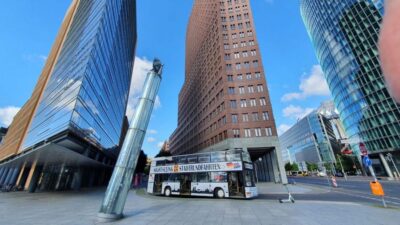
- Potsdamer Platz: From Traffic Chaos to Rebuilding
- Hitler’s Bunker Site: The Last Days of a Regime
- Reichstag: Parliament, Fire, and the Glass Cupola
- Memorial to the Murdered Jews of Europe: A Place That Demands Attention
- Brandenburg Gate: Division Into Unity
- Price and Value for $295 per Group Up to 15
- The Guide Factor, Including Natalie’s Style
- Who This Private Berlin Tour Is Best For
- Should You Book This Tour?
Key Highlights Worth Planning For
- Hotel pickup and private group time, so you start where you are and don’t get lost in crowds
- A guided storyline from Frederick the Great to reunified Berlin, tied to real locations
- Bebelplatz book burning context, placed right on the ground where it happened
- Cold War realism at Checkpoint Charlie and the Berlin Wall remnants, not just a quick photo stop
- Reichstag and Brandenburg Gate framing, with political meaning and design details explained
Undecided? The closest Berlin write-ups we have are these.
- Berlin: Reichstag, Dome and Government District Guided Tour★ 4.7 · 18,288 reviews
- Berlin: 1-Hour City Tour by Boat with Guaranteed Seating★ 4.3 · 16,993 reviews
- Berlin: Boat Tour Along the River Spree★ 4.4 · 11,252 reviews
- Discover Berlin Half-Day Walking Tour★ 5.0 · 9,624 reviews
The Route That Turns Berlin Into a Timeline
This tour is built around a simple idea that works: Berlin makes more sense when you walk it in order. You start at Museum Island, where Prussian-era ambition and later German institutions set the tone. Then you move along Unter den Linden, Berlin’s royal boulevard, and into squares and checkpoints that show how power, propaganda, and public space have collided for centuries.
After that, you move into the Cold War era and its scars. The Berlin Wall stop is not treated like a generic landmark. It is tied to the former SS and Gestapo headquarters site and to the area across the way linked to the Nazi Luftwaffe headquarters. That kind of placement changes what the wall means.
The final stretch keeps the story going through the Reichstag, the memorial to the murdered Jews of Europe, and ends with the Brandenburg Gate, a monument that survived invasion and war, then lived for decades inside division.
Meeting Up at Your Accommodation (and Why It Matters)
The tour meets you at your chosen meeting point, including pickup from your accommodation. That sounds like a small perk, but it is one of the biggest quality-of-life wins in Berlin, where walking routes can be long and subway transfers take time.
Because it is a private group, you are not forced into a fixed crowd pace. The guides remain flexible on tour days, which matters if:
- weather is slow-changing (common in Berlin),
- you want extra explanation at a stop,
- or your group moves at a different speed.
If your schedule is tight, pickup helps you avoid burning time just getting to the first major sight.
Museum Island: Where German Power Shows Up in Stone
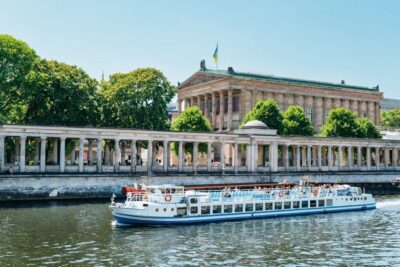
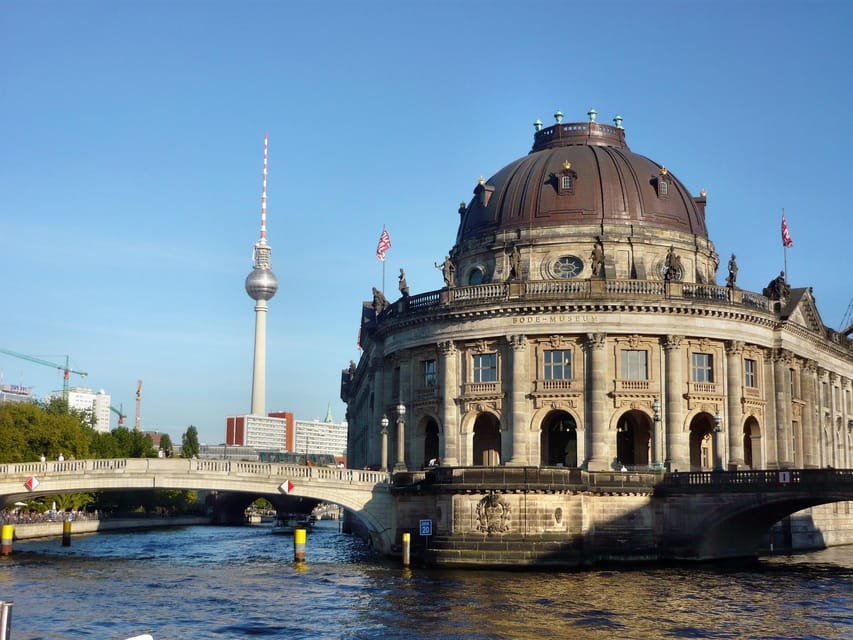
Your tour begins at Museum Island, the historical center with six world-class museums, plus Berlin Cathedral and the newly rebuilt Hohenzollern city palace. Even if you never step inside a museum, the area is worth it because you can see how the city’s identity was shaped around culture, religion, and monarchy.
The key value here is orientation. Museum Island is a way to learn Berlin’s “center of gravity” early in the tour, so later stops feel connected instead of random. You’ll also get the Prussian thread, which becomes important when you reach the topics around Frederick the Great and the Hohenzollern dynasty.
If you are the type of traveler who wants the shortest possible route to understanding, this starting point helps you get there fast.
Unter den Linden: The Royal Boulevard as a Story Line
Next up is Unter den Linden, the royal boulevard that connects Brandenburg Gate to Museums Island and the City Palace. This is one of those places where the architecture and the straight lines do part of the explaining for you.
Your guide’s job is to connect what you see to what happened. This avenue becomes a corridor for your timeline, linking the monarchy era with later political shifts. You are not just walking a pretty street. You’re moving along a line of power.
Practical tip: keep your eyes up and forward. When the buildings and street layout are part of the explanation, looking down at your phone breaks the flow.
Bebelplatz and the Nazi Book Burnings: History on Purpose
Bebelplatz is the first stop that can feel emotionally heavy. It was once Frederick’s Forum, associated with Prussia and Frederick the Great. Today the area includes institutions like Humboldt University, the Opera House, the Royal Library, and Hedwig’s Cathedral. That mix of education and culture is exactly why the Nazi book burnings hit so hard.
You’ll learn that Bebelplatz was infamously the site of the Nazi book burnings on May 10, 1933. That date matters, but what sticks is the contrast: a place tied to learning and public life turned into a stage for censorship.
If you want a tour that names the uncomfortable parts and ties them to real, physical locations, this is where you feel that approach most clearly.
Gendarmenmarkt: Beauty Next to Power
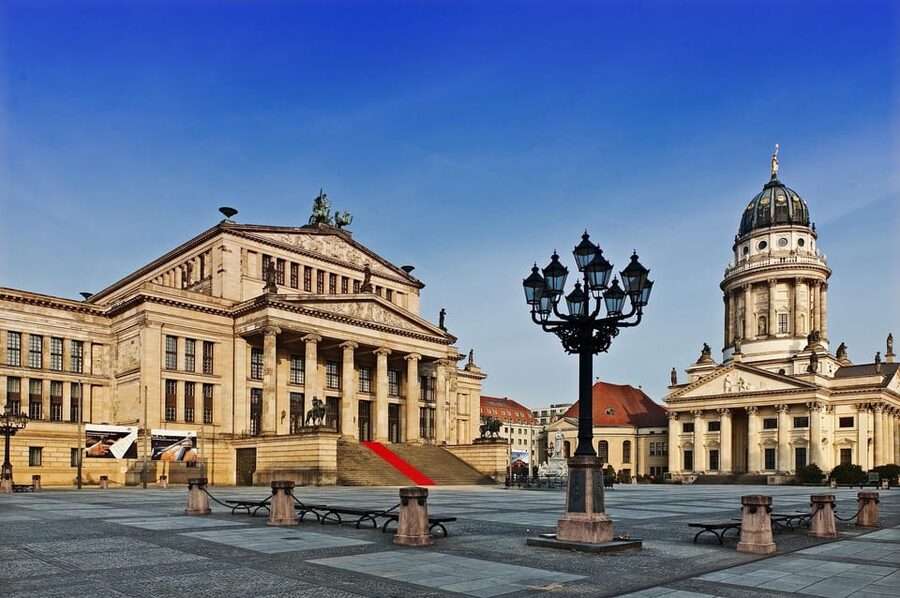
After Bebelplatz, you reach Gendarmenmarkt, often considered the most beautiful square in Berlin. Here you’ll see the French and German Cathedrals and the Konzerthaus.
This stop is useful because it prevents the tour from turning into a parade of suffering. Berlin contains grand civic ambition, and your guide helps you understand that beauty is not an accident. It reflects who held power and what the city tried to project.
It also sets up the later contrasts you’ll see around the Cold War sites. When you can compare a formal, monumental square to a frontline area later, the story becomes sharper.
Checkpoint Charlie: Cold War Reality in a Tight Space
Next you’ll visit Checkpoint Charlie, linked to the Allied frontline during the Cold War, with American and Soviet presence. Checkpoint Charlie is famous, which can sometimes make it feel like a museum of itself. The guide makes it work by anchoring it in the reality of how tense the city was and how borders controlled movement and daily life.
The practical value of this stop is that it gives you a mental map of Berlin’s division. Once you understand the checkpoint logic, the Berlin Wall section lands with more meaning.
If you want photos, do them, but keep one eye on the explanation. The point is the function, not the postcard.
Berlin Wall Remnant: The Site Matters More Than the Wall Itself
The Berlin Wall stop focuses on one of the remaining stretches. It is situated on the site of the former SS and Gestapo headquarters of Nazi Germany, and it lies directly across from the former Nazi Luftwaffe headquarters.
That is the emotional punchline of the route. You’re not only looking at a barrier between East and West, you’re looking at a physical landscape connected to surveillance, oppression, and war machinery. Your guide ties the geography to the political story, which is why this stop is so much more than a wall photo.
Consider timing here too. This is a moment where you may want a few extra minutes. It is okay to pause and just absorb what the area means.
Potsdamer Platz: From Traffic Chaos to Rebuilding
Then the tour moves to Potsdamer Platz, a place with a huge swing in meaning. In the 1920s it was one of the busiest traffic intersections in Europe, with more than 20,000 cars crossing each day. It was destroyed almost completely during WWII.
After the war, Berlin did not just heal. It rebuilt, and in the 1990s and early 2000s, Potsdamer Platz became one of the city’s most modern districts. That means you get a lesson in continuity and change at the same location.
I like this stop because it keeps the tour from feeling stuck in the past. It shows how Berlin re-used space and turned scars into a new kind of city rhythm.
Hitler’s Bunker Site: The Last Days of a Regime
Next is the site of Hitler’s bunker, described as an air raid shelter that became the center of the Nazi regime until the last week of World War II in Europe. The guide also discusses how Hitler took his own life there.
This is not a stop you do for scenery. It is a stop you do for context. Your guide connects Berlin’s final days, the collapsing regime, and the sense that the city was both a stage for power and a place where that power ended.
A practical note: if you are traveling with someone who prefers lighter content, let them know ahead of time that this portion is intense. It deserves respect, and so does your group’s energy.
Reichstag: Parliament, Fire, and the Glass Cupola
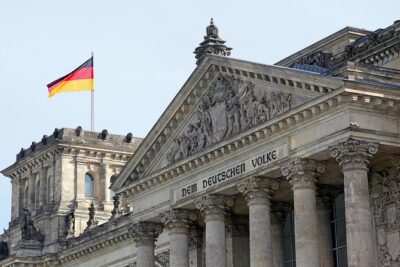
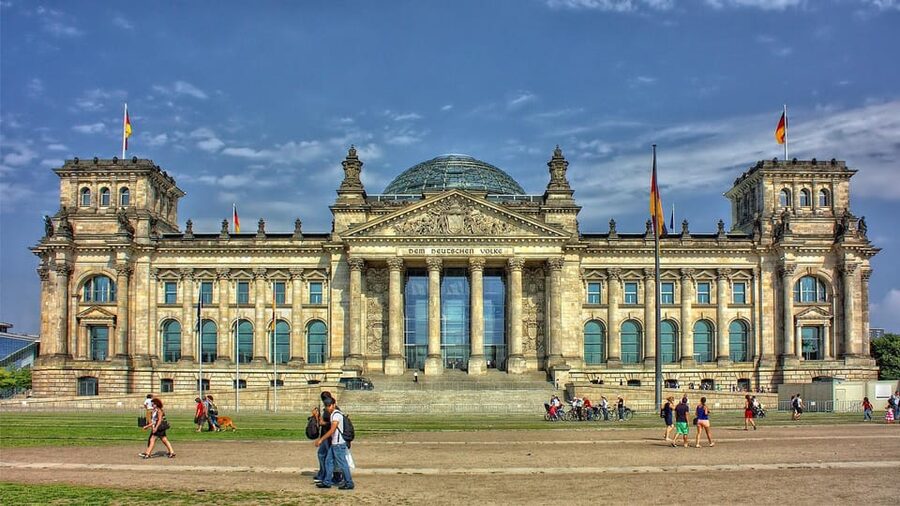
Your tour then heads to the Reichstag, the German House of Parliament. It is famous for more than one reason. It became infamous due to the fire that helped Adolf Hitler take total control. Later, it was fought over during the Battle of Berlin between Germans and Soviets.
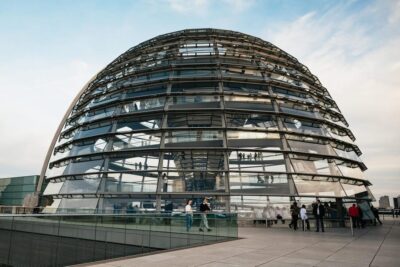
What helps the stop feel complete is the present-day design detail. The Reichstag is now topped with a glass cupola designed by British architect Sir Norman Foster. That combination, past fire and present transparency, is exactly the kind of symbolic contrast Berlin does well.
Even if you only see the exterior from the route, you’ll understand why the building’s modern look matters.
Memorial to the Murdered Jews of Europe: A Place That Demands Attention
One of the most important stops comes next: the Memorial to the Murdered Jews of Europe. This complex is Germany’s central memorial to the six million Jews murdered by Nazis in concentration and death camps around Europe.
This part of the tour is likely to slow the group down. It should. The value here is not just learning the historical number, but understanding why Berlin includes the memorial in a visible, central way as part of national memory.
If you want a tour that does more than check boxes, this stop gives it substance. It is hard to fake respect here, and the guide’s role is to keep the focus on meaning, not spectacle.
Brandenburg Gate: Division Into Unity
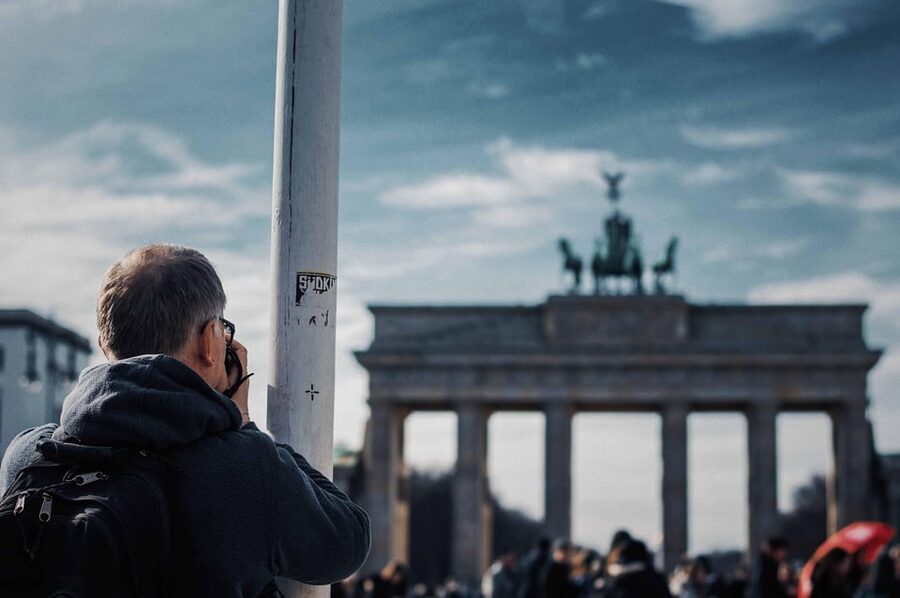
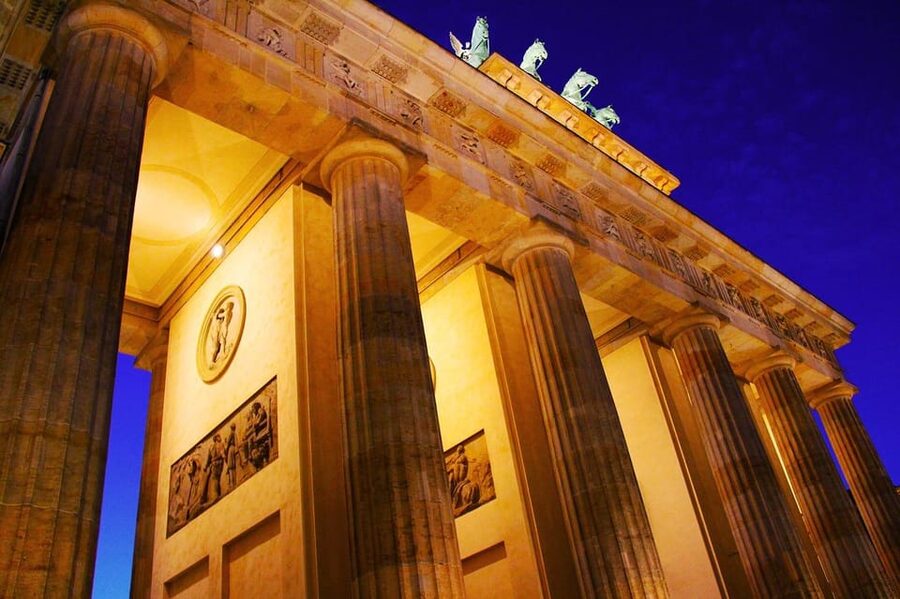
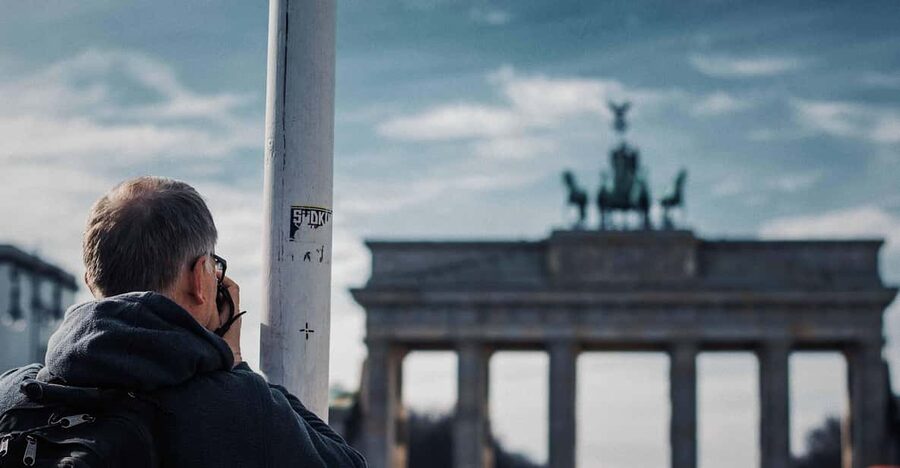
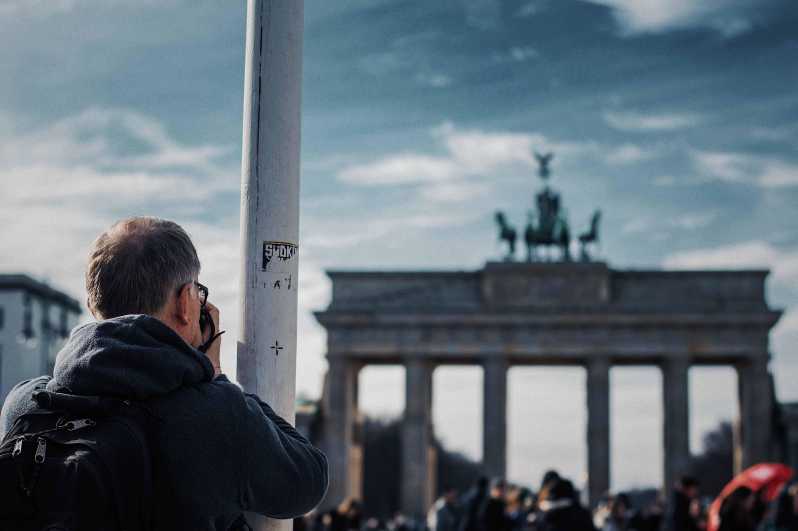
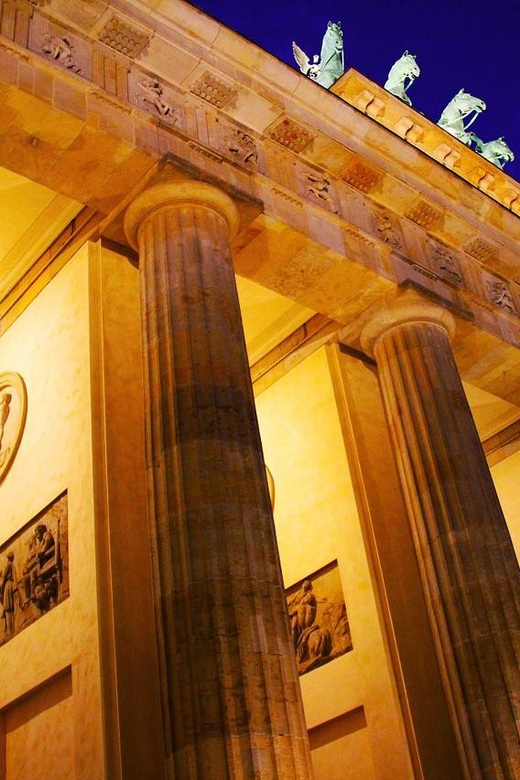
The tour ends at the Brandenburg Gate, one of Berlin’s most iconic sights. It was the former royal entrance to Berlin of the Prussian royal family, and it survived Napoleon and WWII. Then came the long era of division, when it was trapped in the middle of the Berlin Wall for almost 30 years.
That makes it more than a landmark. The Brandenburg Gate becomes a symbol that carries multiple eras at once: power, war, division, and reunification.
If you want a final image that ties the whole storyline together, this is a strong choice. The location itself helps you understand how the city redefined its identity after the Cold War.
Price and Value for $295 per Group Up to 15
Let’s talk value, because $295 can mean different things depending on your group size. This tour is priced per group up to 15 people. At the top end, that can work out to roughly $20 per person if you fill the group. If you have fewer people, your per-person cost rises, but you still get hotel pickup, a live guide, and a private walking route that covers major sites in 3.5 hours.
Here’s the real value angle: you are paying to save your time and thinking. Berlin is not the easiest city to self-navigate for deep historical context. A guide helps you connect Museum Island to Unter den Linden, connect Bebelplatz to Nazi ideology, and connect the Wall to real power structures. If you like structure, this tour gives it.
It also helps if you want to hear the story out loud. Some travelers can research all day. Most people cannot do that while also managing transit and walking.
The Guide Factor, Including Natalie’s Style
Private tours rise or fall on the guide. The name Natalie shows up in the feedback with a clear theme: she was easy to talk with and helped people learn a lot. If you’re assigned a guide with that same communication style, you’ll likely find the tour feels conversational, not like a lecture.
English and German are available, so you can choose the language that matches your comfort level. For history tours, being able to ask small questions on the spot makes a big difference.
Who This Private Berlin Tour Is Best For
This tour is a great fit if you:
- want a fast, guided orientation to Berlin’s major historical eras,
- prefer a private setting over joining a crowded group,
- value learning connected stories at each stop rather than memorizing facts,
- and want hotel pickup to make the day simpler.
It may be less ideal if you’re trying to do a slow, museum-heavy itinerary in the same half-day. In 3.5 hours, the focus is on seeing and understanding key locations, not on long ticket lines or deep inside museum time.
Should You Book This Tour?
Yes, if you want a guided storyline through Berlin’s turning points, with hotel pickup, a private group, and a route that connects Prussia, the Nazi period, the Cold War, and reunified Germany. It’s especially compelling if you appreciate honest, place-based history, including the darker moments tied to real sites like Bebelplatz and the memorial.
I would skip it only if you strongly prefer to pick one neighborhood and spend most of your time inside museums or if your group needs a lighter pace right now. For many first-time visitors, though, this is one of the best ways to get oriented with meaning, not just photos.
Everything else we filed on Berlin
- Private Photo Tour in Kreuzberg
★ 5.0 · 3 reviews - Kreuzberg Private Walking Tour: Immigrants, Artists & Hipsters
★ 5.0 · 3 reviews - Berlin’s Jewish Heritage: Private Tour of the Vibrant Jewish District
★ 5.0 · 3 reviews - Individual city tour Berlin for max. 8 persons
★ 5.0 · 3 reviews - Berlin & The Third Reich Private Guided Tour
★ 5.0 · 3 reviews - Private Analogue Photography Experience in Berlin
★ 5.0 · 3 reviews
Guided, side by side.
 ★ 4.7Berlin: Reichstag, Dome and Government District Guided TourFrom $1818,288 reviews
 ★ 4.7Dresden: Semperoper Tickets and Guided TourFrom $1812,102 reviews
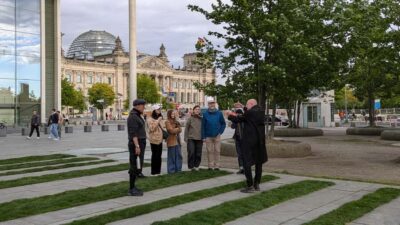 ★ 4.7Berlin: Government District around the Reichstag Guided TourFrom $2848,447 reviews
 ★ 4.7Hamburg: Elbphilharmonie Plaza Guided TourFrom $275,882 reviews
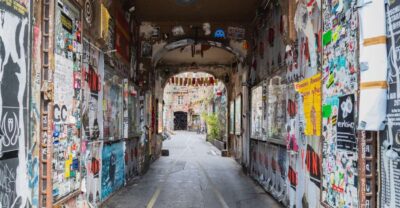 ★ 4.8Berlin: Hidden Backyards Guided Walking TourFrom $235,360 reviews
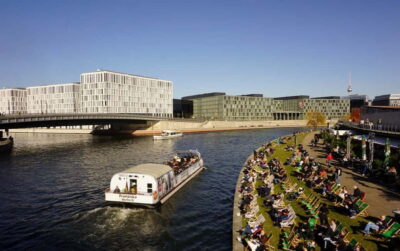 ★ 4.7Berlin: 1-Hour Boat Tour with Bilingual Live GuideFrom $223,629 reviews
 ★ 4.6Bamberg: Guided Walking TourFrom $143,202 reviews
 ★ 4.5Bremen: City Center Guided Walking TourFrom $142,709 reviews