
REVIEW · STUTTGART
Ulm: True Crime Walking Tour
Ulm has old walls, sure. This walking tour uses a very different lens, real crime cases from the 70s and 90s to explain how Ulm and Neu-Ulm felt in those years. I like that it stays specific to two twin cities instead of turning into a generic history lecture.
Two things I really appreciate: the TRUE focus on actual cases, and the way the guide shifts perspective so you get more than one angle on what happened. The story framing is built around social context, not just headlines, so you understand the era as you walk.
One consideration before you go, the subject matter is serious. If you prefer light sightseeing or you get uncomfortable with real criminal cases, this is not the tour for you.
In This Review
- Key points worth knowing before you go
- A True Crime Walking Tour Built Around the 70s and 90s
- Your Hosts: Daniela Brandt and Manfred Chaloun, Guided in German
- Münsterplatz When Cars Still Owned the Square
- American Nightlife, Milli Vanilli, and Local Social Pressure
- Drugs and the Skinhead Scene in Twin-City Reality
- How the Tour Changes Perspectives So You Track the Whole Story
- Value and Price for a 1.5-Hour Real-Case Walk
- Who Should Book This Tour, and Who Should Skip It
- Practical Tips to Make Your Walk Better
- Should You Book the Ulm True Crime Walking Tour?
- FAQ
- What is the duration of the Ulm True Crime Walking Tour?
- How much does the tour cost?
- What language is the tour conducted in?
- What time does the tour start?
- Does the tour focus on older history or more recent cases?
- Who guides the tour?
- Is the tour wheelchair accessible?
- What is the cancellation policy?
- Does the tour offer a pay-later option?
Key points worth knowing before you go
- Real cases, not fiction: you’re following true criminal stories traced through Ulm and Neu-Ulm
- Modern-era focus: it avoids Middle Ages themes and centers on the 70s and 90s
- First “young cases” format: it leans into more recent cases rather than only historical legends
- Perspective shifts during the walk: the storytelling repeatedly changes viewpoint to match the time and events
- Live guide in German: you’ll hear the narration in German throughout
- Wheelchair accessible: the tour is designed to be usable for wheelchair guests
Other Swabian days we have reviewed
- Ulm: City Center Walking Tour with Minster Visit★ 4.7 · 831 reviews
- Ulm: Scavenger Hunt Self-Guided Walking Tour★ 4.6 · 71 reviews
- Ulm: Evening stroll through the old town★ 4.7 · 41 reviews
- Ulm: Scary Walking Tour★ 4.7 · 12 reviews
A True Crime Walking Tour Built Around the 70s and 90s
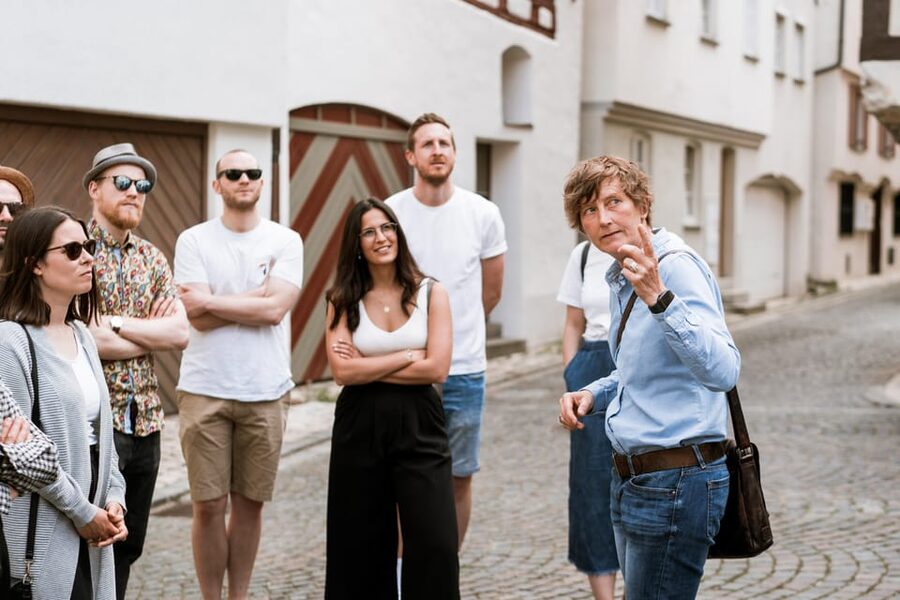
This Ulm True Crime Walking Tour is built for people who like unresolved questions, odd turns, and the way small details can matter. But it is not crime trivia for its own sake. The cases are used to show how Ulm and Neu-Ulm worked socially in the decades after the war, when culture, drugs, and subcultures were changing fast.
Instead of stretching back centuries, the tour stays in the 1970s and 1990s. That matters because it changes the vibe. You’re not decoding old coats of arms and medieval legends. You’re walking through the city as it likely looked when these stories unfolded, with references to nightlife, music, and youth scenes that feel closer to modern experience.
Also, you’re not stuck on a single “murder case and done” structure. The tour connects the individual criminal stories to the wider time period, so the city history you get feels like a lived-in portrait rather than a timeline.
Your Hosts: Daniela Brandt and Manfred Chaloun, Guided in German
The experience runs with a live guide team. The storytelling is led by Daniela Brandt, with Manfred Chaloun involved in the discovery tour format. If you’re booking this in Germany, that bilingual precision matters in a good way, because you’re getting guided narrative rather than a set of printed facts.
The language is German, so plan to follow the tour fully with listening. If you’re only comfortable with basics, you might still enjoy the structure, but you will likely miss nuances in the case explanations and perspective changes.
One more practical note I like: it is a walking format that lasts about 1.5 hours, which is a good length for a focused story. You get a full arc without feeling trapped for the entire afternoon.
Münsterplatz When Cars Still Owned the Square
One of the strongest anchor points is Münsterplatz, because it is a recognizable name and it makes the past feel concrete. In the tour’s story world, the Münsterplatz was still a car park. That simple detail does a lot of work. It helps you visualize the era, including how the city center functioned day to day and what people would have seen while going about their routines.
Why it’s a good stop: it gives you a physical reference point. When a guide mentions a real-world scene from the 70s or 90s, having a real square in front of you makes it easier to connect the dots.
Possible drawback: if you prefer your crime tours to move quickly from one location to another with lots of different named stops, this one may feel more story-led than location-led. The “past square” detail works best when you’re paying attention to context rather than expecting a checklist of sights.
American Nightlife, Milli Vanilli, and Local Social Pressure
The tour also paints a picture of nightlife dynamics when the Americans were organizing social life. That includes pop culture references, like dancing to Milli Vanilli era music. Even if you’re not a longtime pop-culture fan, these details do something important. They ground the case stories in the texture of the time: what people were listening to, where energy gathered, and how entertainment fit into public life.
I like this approach because it avoids the trap of treating crime like it happens in a vacuum. In this telling, social life is part of the backdrop. When you understand the culture around a city, it’s easier to see how relationships, attention, and risk could shift.
One caution: this is still a true crime walking tour, so don’t expect a music-themed night out. The references serve the story, not the other way around.
Other walking routes through Ulm

Drugs and the Skinhead Scene in Twin-City Reality
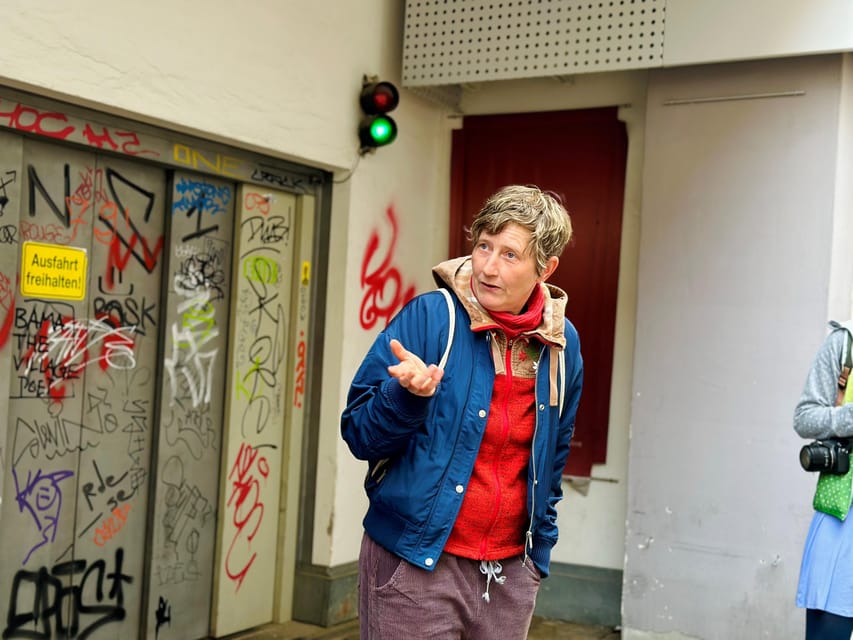
Ulm and Neu-Ulm operate as twin cities, and the tour uses that pairing as part of the story logic. You get a look at the local drug scene and the skinhead scene, not as vague labels but as part of the social landscape the cases grew from.
Why this context is valuable: crime stories are often reduced to individual actions. Here, the tour tries to explain the environment that shaped opportunities, tensions, and patterns. You can leave with a clearer sense of how youth subcultures and underground activity can change a city’s “normal,” even if you did not personally experience it.
The balanced part is important too. The aim is not just sensationalism. The stories are framed with time-and-society context, so you’re more likely to come away with understanding instead of shock.
Still, a consideration: if you’re visiting for light entertainment, real discussions of drugs and extremist-leaning youth culture may not be what you want. If you do go, it helps to mentally set your expectations for serious subject matter.
How the Tour Changes Perspectives So You Track the Whole Story
A standout feature is how the narration changes perspective repeatedly. That is not just a gimmick. It matches the reality of how cases are understood. People involved might remember events differently, institutions might view actions with different priorities, and the meaning of the same moment can shift depending on who is telling it.
For you, that perspective switching can make the stories more coherent. Instead of hearing one linear version and moving on, you’re asked to keep track of motive, timing, and social pressure from multiple angles. That also means the tour is less about a simple “then this happened” chain and more about how events fit together.
One small practical consequence: you’ll want to pay attention. The narrative is built to reward listening, not speed-walking through it. If you like taking notes or keeping your phone battery charged, this is a good tour to do it.
Value and Price for a 1.5-Hour Real-Case Walk
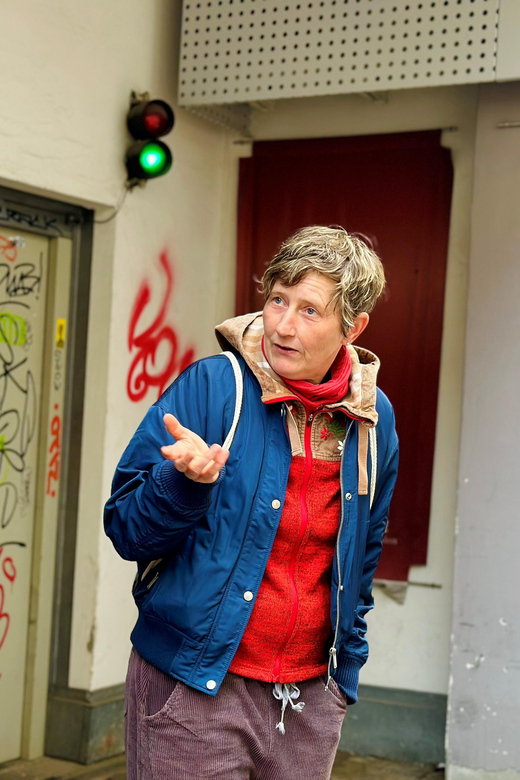
The price is listed at $17 per person and the duration is 1.5 hours. At that length, it sits in the sweet spot for a walking experience where you want story density without fatigue.
Here’s how I think about the value. Many true crime activities either:
1) focus on one single case in extreme detail, or
2) go broad and become “interesting but general.”
This one is priced like a small, local experience, but it seems designed to give you both story depth and social context. Real cases plus perspective shifts for a short walk can feel like good output per hour.
A practical note: it runs in German, so if you don’t read or understand German well, the value might feel lower because you could miss key details. If you do speak German comfortably, the price feels more like an easy win.
Who Should Book This Tour, and Who Should Skip It
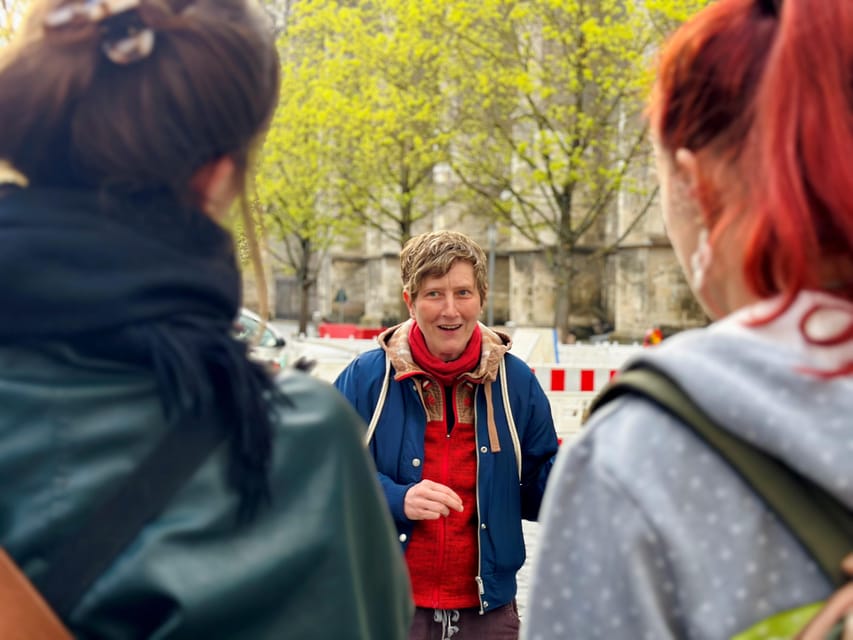
This Ulm True Crime Walking Tour fits best if you like city history told through real events and you enjoy understanding the social background. It also works for people who want a true crime format that focuses on “young” cases, meaning the tour’s era references center on the more recent decades rather than far back in time.
You’ll probably enjoy it if:
- you like true crime storytelling
- you want to learn Ulm and Neu-Ulm history from a new angle
- you’re comfortable with serious topics
You might want to skip it if:
- you want cheerful sightseeing only
- you dislike true criminal case material
- you need English or easy multilingual interpretation, since the tour guide language is German
Practical Tips to Make Your Walk Better
A few things I’d do to get the most from this format:
- Go with attention, not just curiosity. The perspective changes mean details matter.
- Dress for a 1.5-hour walk. Even if you’re not trudging far, you’ll be outside long enough to feel weather changes.
- If you use a wheelchair, this is listed as accessible. Still, you’ll want to consider your comfort level with walking routes in general, since the tour is structured as a walking experience.
- Plan your language comfort. The tour is in German, so decide if you can follow it comfortably.
One more tip: if you’re visiting both Ulm and Neu-Ulm, this tour helps you connect the dots between the twin cities. It’s a good choice when you want your sightseeing to feel grounded in real, place-based stories.
Should You Book the Ulm True Crime Walking Tour?
If you like true crime and you want your city history delivered through real cases from the 70s and 90s, I think you should book this. The live guided storytelling by Daniela Brandt and Manfred Chaloun, the shifting viewpoints, and the focus on social context give it a sharper edge than most history walks.
The main reason not to book is simple: the material is about real crime and it includes serious topics like drugs and skinhead scenes. Go only if that fits your taste.
If your goal is a thoughtful, place-based walk that turns Ulm and Neu-Ulm into story pages you can stand inside, this one is a strong match.
FAQ
What is the duration of the Ulm True Crime Walking Tour?
The tour lasts 1.5 hours.
How much does the tour cost?
The price is listed as $17 per person.
What language is the tour conducted in?
The live tour guide speaks German.
What time does the tour start?
Starting times vary, so you need to check availability to see the schedule.
Does the tour focus on older history or more recent cases?
The tour focuses on real criminal cases in Ulm and Neu-Ulm from the 70s and 90s, rather than going back to the Middle Ages.
Who guides the tour?
The discovery tour includes Daniela Brandt and Manfred Chaloun.
Is the tour wheelchair accessible?
Yes, the tour is wheelchair accessible.
What is the cancellation policy?
Free cancellation is available up to 24 hours in advance for a full refund.
Does the tour offer a pay-later option?
Yes, you can reserve now and pay later to keep your travel plans flexible.
Pavements of Ulm
Across Swabia
Everything else we filed on Ulm
- Ulm: Express Walk with a Local in 60 minutes
★ 4.5 · 5 reviews - Ulm’s History, Records, and Relativity Private Walking Tour
★ 5.0 · 8 reviews - Ulm: True Crime Walking Tour
★ 4.9 · 10 reviews - Ulm: Scary Walking Tour
★ 4.7 · 12 reviews - Ulm: Evening stroll through the old town
★ 4.7 · 41 reviews - Ulm: Scavenger Hunt Self-Guided Walking Tour
★ 4.6 · 71 reviews
Stuttgart and Swabia Tours, side by side.
 ★ 4.4Stuttgart 24-Hour Hop-On Hop-Off Sightseeing Bus TourFrom $281,647 reviews
 ★ 4.8Stuttgart: Mercedes-Benz Museum Entry TicketFrom $181,400 reviews
 ★ 4.7Ulm: City Center Walking Tour with Minster VisitFrom $11831 reviews
 ★ 4.5Tickets SWR Fernsehturm StuttgartFrom $14674 reviews
 ★ 4.5Stuttgart: Guided Ghost Walking TourFrom $17662 reviews
 ★ 4.8Sinsheim: Technik Museum Day Pass and IMAX 3D TicketFrom $35616 reviews
 ★ 4.2Stuttgart: Museum of Illusions Entry TicketFrom $16507 reviews
 ★ 4.1Stuttgart: Vineyard Tour by Covered WagonFrom $46217 reviews
Other lists this tour is on