
REVIEW · HAMBURG
UNESCO World Heritage – Speicherstadt and Kontorhaus district
Hamburg’s office towers have secret stair magic. This 2-hour UNESCO World Heritage walk through Speicherstadt and the Kontorhaus district puts you face to face with Sprinkenhof, Chilehaus, and Messberghof, and on weekdays you can experience the breathtaking 1920s office staircases. I especially love weekday staircases for the up-close architecture, and I keep thinking about Chilehaus brickwork by Fritz Höger. One thing to consider: the tour audio can be tough if the street noise is high, since some people report there is no mic.
You meet at Jakobikirchhof 8 at 3:00 pm and end at the International Maritime Museum Hamburg on Koreastraße. The group is capped at 25, and you use a mobile ticket. I also like that the stops are free to enter for the main buildings, which makes the value feel unusually solid for a guided UNESCO-focused route. In at least one case, a guide named Ms. Bruni was praised for clear explanations and friendly pacing.
In This Review
- Key highlights you will actually care about
- UNESCO World Heritage, translated into a walk you can follow
- Price and time: the real value in 2 hours
- Start and finish: a practical route through central Hamburg
- Sprinkenhof: the courtyards and staircases that make office architecture click
- Chilehaus: Fritz Höger’s brick top and the Klinkersticker details
- Messberghof: the round staircase and the harder parts of history
- Internationales Maritimes Museum Hamburg: seeing the building from the outside
- Weekday-only staircases: how to plan so you get the best part
- What the group size and pacing mean for your enjoyment
- Who this tour suits best
- Pairing ideas: what to do before or after
- Should you book UNESCO World Heritage, Speicherstadt and Kontorhaus district?
- FAQ
- How long is the tour?
- Where does the tour start and what time does it begin?
- Where does the tour end?
- Are admission tickets included?
- Is there a mobile ticket?
- Is the staircase access available on all days?
- What is the cancellation window?
Key highlights you will actually care about
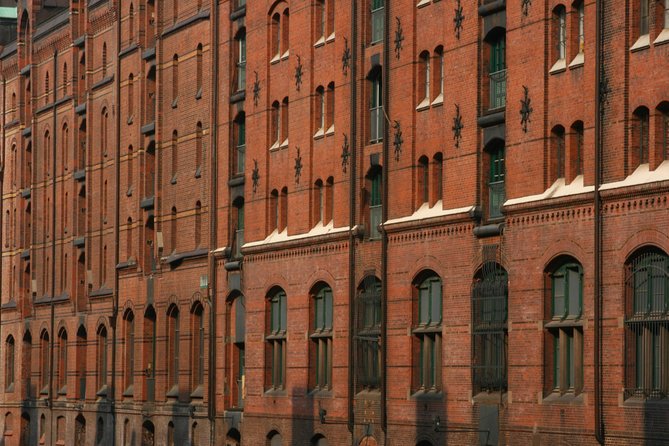
- Weekday-only access to 1920s staircases, where the architecture is the point, not just the view from the street
- Sprinkenhof’s courtyards and facades, plus stair elements that help you read the building like a design map
- Chilehaus, Fritz Höger’s brick landmark, including the striking top and his Klinkersticker nickname tied to detailed craftsmanship
- Messberghof’s round staircase, paired with a serious look at a turbulent period in German history
- Quick stops (about 10 minutes each) that keep the walk moving without turning it into a lecture marathon
- Museum only from the outside, so you get context without extra ticket costs
More red brick and canal bridges
- Hamburg: 1.5-Hour Harbor and Speicherstadt Day Cruise★ 4.6 · 14,200 reviews
- Hamburg: 1-Hour Harbor Sightseeing Cruise with HafenCity★ 4.4 · 3,067 reviews
- Hamburg: Elbphilharmonie Plaza and HafenCity Food Tour★ 4.7 · 1,711 reviews
- Hamburg: Eerie Speicherstadt Tour★ 4.5 · 1,394 reviews
UNESCO World Heritage, translated into a walk you can follow
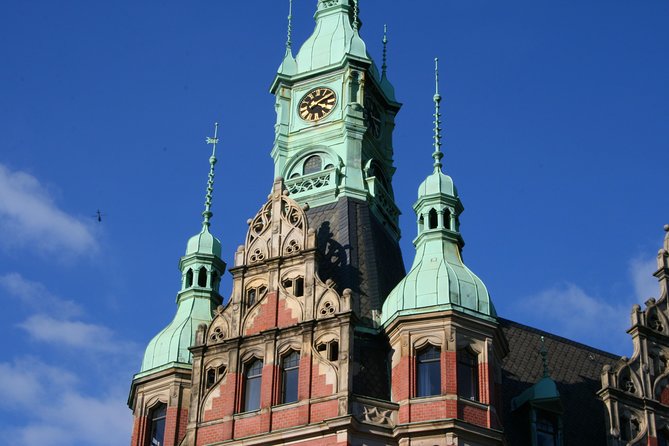
Speicherstadt and the Kontorhaus district are UNESCO World Heritage because they show how Hamburg did business at full speed, using design to project confidence. Speicherstadt reflects the commercial city’s world of trade and storage, while the Kontorhaus district shows the early 20th-century push into office life, where buildings became tools for power and efficiency.
On this tour, the UNESCO idea does not stay abstract. You walk past specific office-building examples and learn how details in brick, courtyards, and staircases connect back to the way the city functioned. Even if you are not an architecture person, you can still read the buildings. The guide frames them as living city structures, not museum pieces.
Price and time: the real value in 2 hours
The price is $21.34 per person, and the tour lasts about 2 hours. That is a good deal for a guided route that includes multiple major buildings and free admission tickets for the first three stops.
Here is why the value feels fair. You are not paying extra just to see the key architecture, and the total time is short enough that this can fit into a normal Hamburg day without stealing your whole afternoon. Also, the group size is limited to 25, which usually means you can hear and track what is happening better than on large, open-ended city walks.
Start and finish: a practical route through central Hamburg
You start at Jakobikirchhof 8 (meeting point) at 3:00 pm. You end at International Maritime Museum Hamburg, Koreastraße 1.
This matters because it lines up well with the idea of ending near a major waterfront area. After the tour, you are already positioned to keep exploring without backtracking. You also do not need to plan multiple transport hops during the experience, since it is a walk with focused stops.
One more logistics note: it uses a mobile ticket. If you are trying to keep your phone battery alive, bring a charger or at least make sure your ticket is saved offline before you go.
Sprinkenhof: the courtyards and staircases that make office architecture click
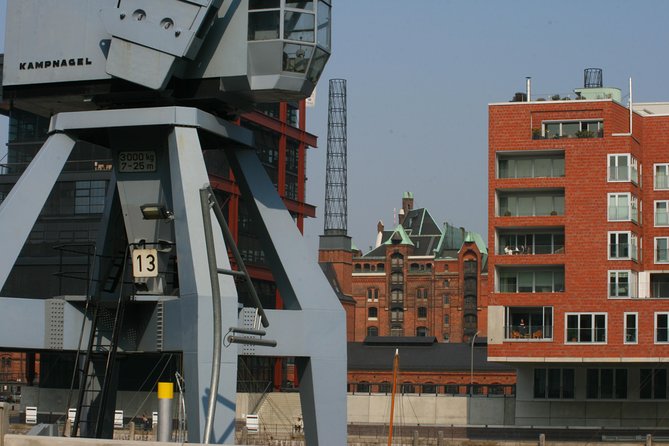
Sprinkenhof is the first stop, and it is a strong choice to start with. This building is described as the largest office building in the area, and it has impressive courtyards, staircases, and facades. When a tour begins with a place like this, you get a reference point fast. Suddenly you understand what to look for in the next buildings.
You spend about 10 minutes here, which is enough time to notice the key features and then move on before you get numb from too many details. A courtyard setting also helps you see how these buildings worked internally, not just how they looked from the street.
Possible consideration: if you are hoping for maximum inside time, keep expectations aligned with the short stop length. The tour format is designed as an architectural circuit, so you get the highlights rather than an all-day deep inspection.
More history walks in Hamburg
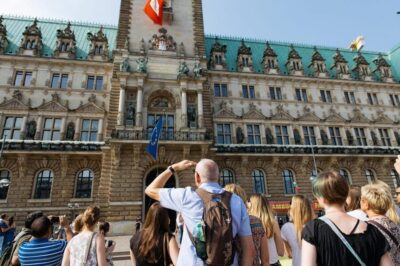
Chilehaus: Fritz Höger’s brick top and the Klinkersticker details
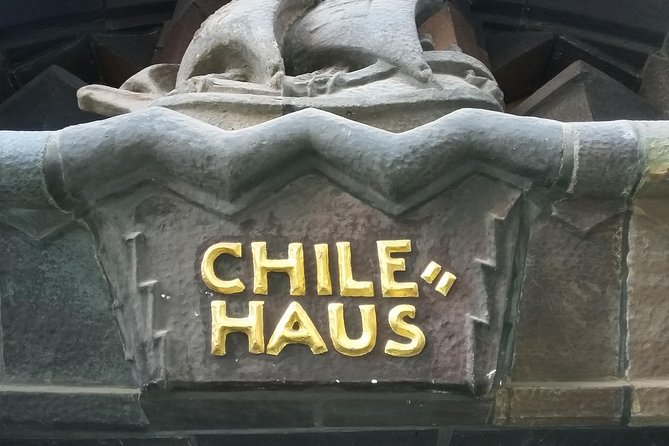
Chilehaus is the stop people remember. It is world-famous as a Kontorhaus, and it is built with a striking top. The architect is Fritz Höger, and he earned the nickname Klinkersticker because of the filigree architecture. In plain terms, he designed with fine, careful brickwork rather than a blunt, industrial look.
This is one of those buildings where the exterior teaches you how to “read” the whole district. The brick patterning and the dramatic silhouette create a sense of momentum, like the building is moving even while it stands still. The guide’s interpretation helps you connect the appearance to the era’s ambition: offices were not meant to be invisible. They were meant to signal Hamburg’s commercial muscle.
What I like about starting to focus on Chilehaus mid-tour is timing. After Sprinkenhof, you are primed to notice courtyards and facade choices. Then Chilehaus hits you with its signature form, and the details make more sense.
Stop time is about 10 minutes. If you want extra context, this is also where the UNESCO World Heritage Centre is often highlighted as a useful starting point. Since your tour includes a view and introduction, you can decide afterward if you want to add more official background on your own.
Messberghof: the round staircase and the harder parts of history
Messberghof is where the tour gets weight. It is still a Kontorhaus, but the big architectural talking point is the round staircase. A round staircase is not just a design flourish. It changes how space feels, how people moved, and how a building can guide human flow.
The guide also connects the building to a turbulent chapter during National Socialism in Germany. That combination, architecture plus uncomfortable history, is exactly why UNESCO designations matter. You are not only admiring form. You are learning how real places were used and what that says about the city and its times.
You get around 10 minutes at this stop. If you prefer museums and longer explanations, you may want to do additional reading after the tour, because a short walk can only cover the essential points.
Internationales Maritimes Museum Hamburg: seeing the building from the outside
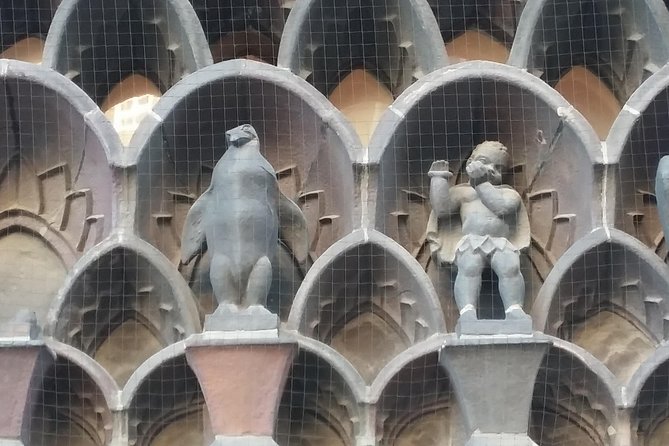
The tour finishes with a view of the Internationales Maritimes Museum Hamburg from the outside. The time here is short, about 5 minutes, and the admission ticket is not included.
This works for a couple reasons. First, it keeps the tour on schedule. Second, it acts like a visual landmark at the end, helping you orient yourself. If you decide you want to go in, you can do that on your own terms after the walk.
The outside-only approach is a reminder that this experience is about the UNESCO districts and their architecture, not about museum collection time. Think of it as a neat stop for wayfinding, not a full museum visit.
Weekday-only staircases: how to plan so you get the best part
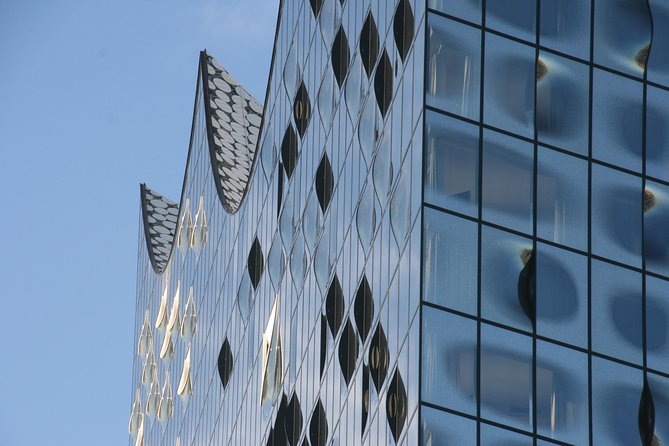
One of the most important details here is that experiencing the 1920s office staircases is only possible on weekdays. That means the experience can feel different depending on when you book.
So my practical advice is simple: if staircases are what you want, aim for a weekday. If your schedule allows it, do not treat this as a strict “any day works” situation. The tour description clearly signals that the interactive architecture piece depends on the day of the week.
Also, since the focus includes staircases, plan on moving at walking pace and being ready for some steps. Comfortable footwear helps, especially if it has rained or if the route is slick.
What the group size and pacing mean for your enjoyment
The group limit is 25, which is a reasonable size for a walk that includes multiple buildings. Still, some people have flagged that the streets can be noisy and that there may not be a mic, which makes it harder to hear the guide at certain corners.
Here is how you can protect your experience:
- Pick a spot where you can face the guide, not only the building.
- If you are sensitive to sound, bring earplugs. It helps more than you expect in city-center streets.
- If you notice you are missing words, do not hesitate to ask for clarification when the guide pauses at a stop.
Pacing also matters. The stop times are brief, and that keeps you moving through key areas. If you want long, question-heavy time, you might do better with a longer bespoke tour. But if you want a smart architecture circuit that stays within about 2 hours, this format tends to fit.
Who this tour suits best
You will likely love this tour if you:
- Want a UNESCO-focused Hamburg walk without spending half the day on transit
- Enjoy architecture details like facades, courtyards, and staircases
- Like a mix of design and real-world history, including the darker chapters
- Prefer a guide to connect the dots quickly, so buildings make sense as you go
It may be less ideal if you:
- Are extremely focused on museum-style, slow pacing
- Are hard of hearing and rely on audio amplification. Since some people report there is no mic, plan accordingly.
Pairing ideas: what to do before or after
Because the tour ends near the International Maritime Museum Hamburg, you can turn the day into a longer waterfront loop. If you still want more UNESCO context related to Chilehaus, consider visiting the World Heritage Centre there on your own time. That site is specifically noted as a helpful starting point by people who value practical background while planning a Hamburg trip.
If your interest is mainly in architecture, you can also use the tour as a “map moment.” You will come away knowing which buildings to target for photos, which angles matter, and what details the district is known for, like Fritz Höger’s distinctive brickwork and the round staircase at Messberghof.
Should you book UNESCO World Heritage, Speicherstadt and Kontorhaus district?
I think it is a strong booking if you want an efficient UNESCO architecture introduction to Hamburg. The biggest reason is access to the weekday staircases. That is not a guaranteed “see it from outside” kind of perk, and it is usually the part that makes the tour feel special.
It is also a good value at $21.34, because the key building entrances for Sprinkenhof, Chilehaus, and Messberghof are free, and the time commitment is short. That lowers the risk if your schedule is tight.
My main caution is audio. If you know you struggle in noisy environments or need a microphone to follow a guide, consider bringing earplugs and positioning yourself well at stops. Also, if you are hoping for deep interior time, remember the format is built on short visits, about 10 minutes per main stop.
If you go in expecting a guided architectural circuit, with the day-of-week influencing staircase access, you are likely to leave with a much clearer picture of how Hamburg’s commercial districts work, visually and historically.
FAQ
How long is the tour?
The tour is approximately 2 hours.
Where does the tour start and what time does it begin?
It starts at Jakobikirchhof 8, 20095 Hamburg, Germany, and the start time is 3:00 pm.
Where does the tour end?
The tour ends at International Maritime Museum Hamburg, Koreastraße 1, 20457 Hamburg, Germany.
Are admission tickets included?
Admission tickets are free for Sprinkenhof, Chilehaus, and Messberghof. The Internationales Maritimes Museum Hamburg is viewed from the outside, and its admission ticket is not included.
Is there a mobile ticket?
Yes, the tour uses a mobile ticket.
Is the staircase access available on all days?
The staircases of the office buildings from the 1920s are only possible on weekdays.
What is the cancellation window?
You can cancel for a full refund up to 24 hours before the experience’s start time. Free cancellation is available up to 24 hours in advance.
The Longer History of Hamburg
Warehouse Country, Reviewed
Everything else we filed on Hamburg
- Hamburg: Safari tour in St. Pauli
★ 4.9 · 11 reviews - Hamburg: Party Bingo with the Bingo Gringos
★ 4.8 · 11 reviews - Hamburg Harbor: 3.5-Hour Guided Tour by Bike
★ 4.7 · 11 reviews - Hamburg: 2-Hour St. Georg Walking Tour
★ 4.8 · 11 reviews - Hamburg: Guided Walking Tour in Danish
★ 5.0 · 11 reviews - Discover Hamburg in a retro Bulli
★ 3.0 · 12 reviews
Speicherstadt and HafenCity Tours, side by side.
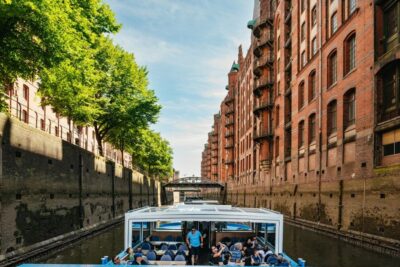 ★ 4.6Hamburg: 1.5-Hour Harbor and Speicherstadt Day CruiseFrom $4014,200 reviews
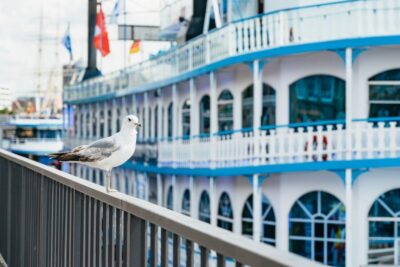 ★ 4.4Hamburg: 1-Hour Harbor Sightseeing Cruise with HafenCityFrom $303,067 reviews
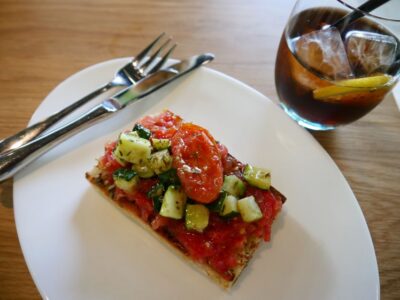 ★ 4.7Hamburg: Elbphilharmonie Plaza and HafenCity Food TourFrom $691,711 reviews
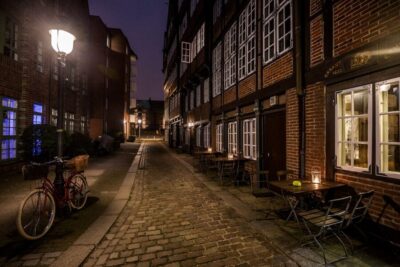 ★ 4.5Hamburg: Eerie Speicherstadt TourFrom $291,394 reviews
 ★ 4.7Hamburg: Speicherstadt and Hafencity Guided TourFrom $161,344 reviews
 ★ 4.8Hamburg: Speicherstadt and HafenCity 2-Hour TourFrom $2821,063 reviews
 ★ 4.7Hamburg: Treasure Hunt Game through HafenCityFrom $29364 reviews
 ★ 4.6Hamburg: Speicherstadt Walking Tour with Coffee TastingFrom $50360 reviews
Other lists this tour is on