
REVIEW · MUSEUMS
August Horch Museum Entrance Ticket
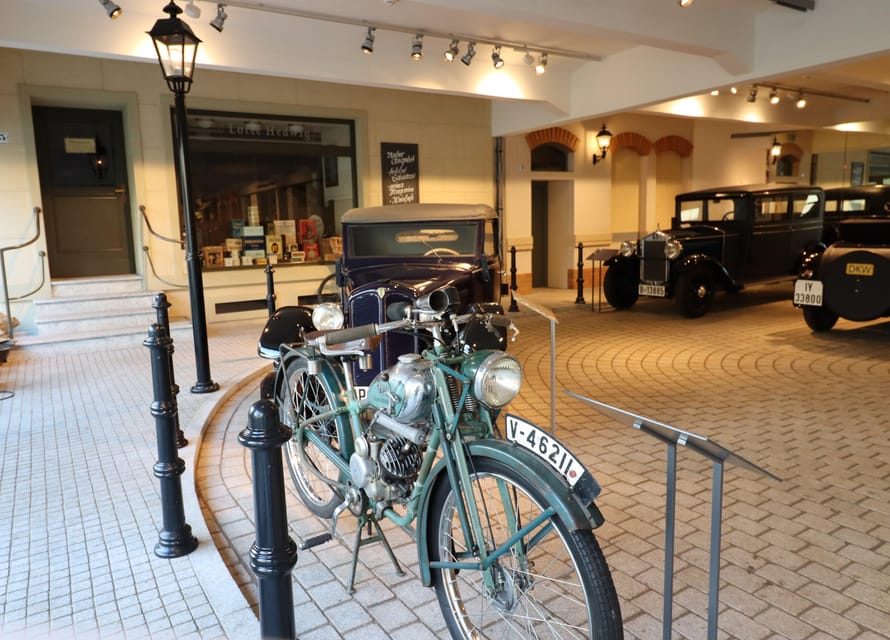
Cars tell the story of Zwickau. The August Horch Museum sits on the ground of the first Audi factory, and you can trace 120+ years of automotive history in one visit, from early Horch and Audi cars around 1904 through the Trabant era. I especially like the focus on Trabant production details and the way the exhibits use film to bring racing history into the room.
The ticket is great value for people who want to wander at their own pace, but there is one catch: this is admission only. You are not getting a guided tour, so if you want someone to explain every technical twist, you will need to read the labels carefully.
In This Review
- Key things that make the August Horch Museum ticket worth it
- Where the August Horch Museum begins in Zwickau
- A quick reality check: admission only
- What you will see across 6,500 square metres
- Early 1904 Audi and Horch setup
- The Trabant angle, Duroplast, and that one showpiece
- The Audi to DKW to Trabant story inside the same halls
- Racing history, cars in motion, and why the films help
- How long to plan, and the best way to pace a self-guided visit
- Wheelchair access note, with one exception
- Tickets and value: is $17 a fair deal for this museum?
- Who this August Horch Museum ticket is best for
- Practical tips before you go
- Should you book the August Horch Museum entrance ticket?
- FAQ
- What does the August Horch Museum entrance ticket include?
- How much is the ticket?
- How long is the ticket valid?
- Do I need a printed voucher?
- Is there a guided tour included?
- Is food or drinks included?
- Is transfer to and from the museum included?
- Is the museum wheelchair accessible?
- Are pets allowed?
- What is the cancellation policy?
Key things that make the August Horch Museum ticket worth it
- Original Audi factory site in Zwickau, right where the story began
- 160+ exhibits covering car production history from 1911 to today
- Exclusive Trabant Duroplast display, including a production line for the patented Duroplast body
- Audi, Horch, DKW, and Trabant shown in the same historical halls
- Racing history content with films, not just static cars
- Wheelchair access in most areas, except the August Horch Mansion
Where the August Horch Museum begins in Zwickau
Zwickau is one of those German cities where cars are not just a hobby. They are part of the local identity, and the August Horch Museum puts you right on the historic footprint of the first Audi factory.
You start with the early era and move forward in time, not in theory, but inside the same museum spaces that connect Audi’s origins with later production that included DKW and Trabant. If you like the feeling of standing where things actually happened, this location does the heavy lifting for you.
I also like the way the museum frames the big picture without losing the human side. You get the story of pioneers and their inventive genius, presented through machines, design choices, and the real materials that shaped what people could build.
A quick reality check: admission only
This ticket gives you entrance to the museum. There is no guided tour included, so plan to spend time reading and connecting the dots yourself.
That is not a deal-breaker. In fact, it can be a plus if you hate being rushed. But it is the main factor that changes your experience from, say, a docent-led deep explanation.
What you will see across 6,500 square metres
The museum’s exhibition space is about 6,500 square metres, and it is packed with roughly 160 large exhibits plus numerous smaller items. The range is wide, covering cars from the early 1900s all the way to modern production.
The exhibit layout follows a time line, so you can build a mental map as you go. You will typically encounter early pieces first, then luxury and style from the 1920s, then the mid-century chapters that lead to the Trabant story, and finally what is happening now with Volkswagen still present in Zwickau.
A practical tip for your visit: since you are on a self-guided ticket, you do not need to try to read every label. Instead, pick your “anchors.” For most people, that means one or two early vehicles, the Trabant section, and the most modern displays near the end of the route.
Early 1904 Audi and Horch setup
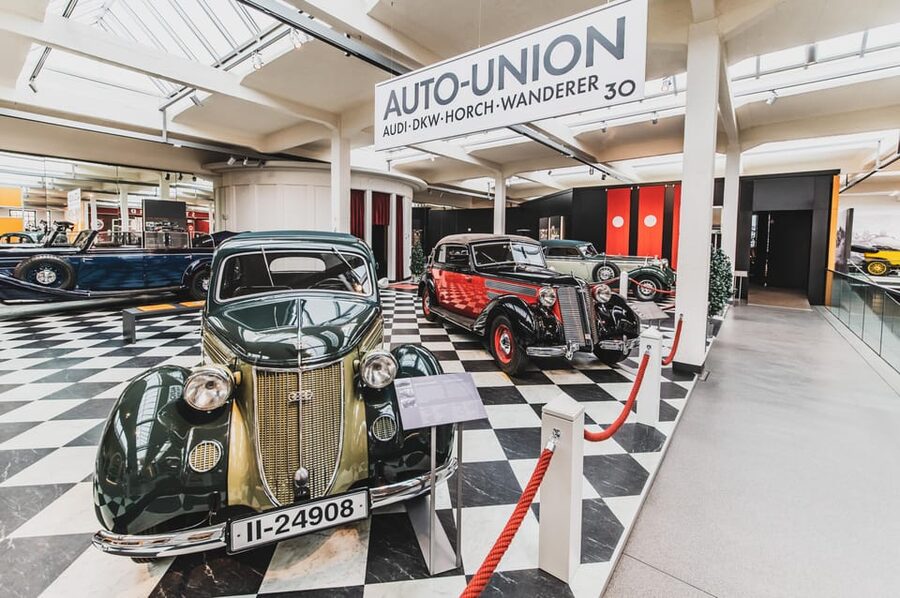
One of the neatest parts of the museum’s early section is that it includes an Audi and a Horch from 1904. That specific reference point matters because it helps you understand that the story is not vague. It is grounded in a particular moment.
If you enjoy design evolution, this is where you can compare how body shape, materials, and engineering priorities changed over time. You will likely notice how quickly ideas scaled from early personal transport toward something closer to mass production.
The Trabant angle, Duroplast, and that one showpiece
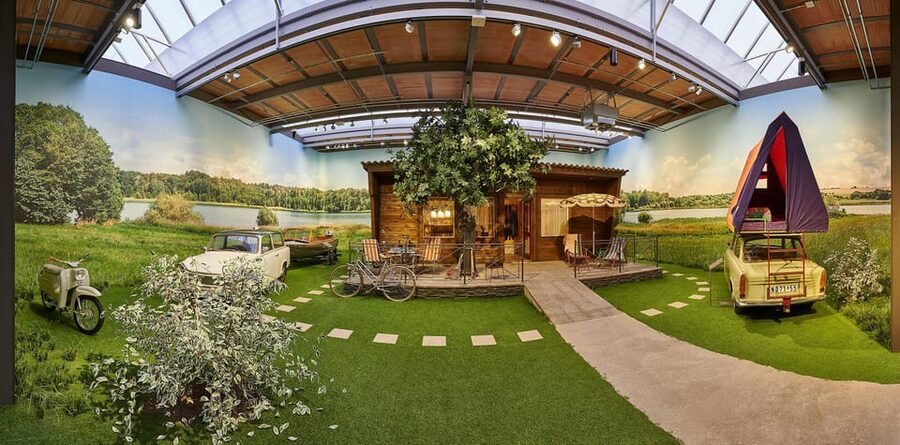
The Trabant section is the heart of the museum for a lot of visitors, and it makes sense. The museum does not stop at the car as an object, it talks about how it was made.
Here’s the standout detail: you can see a production line for the Duroplast. Duroplast is the patented material used for the Trabant’s manifold car body, and the museum gives you an exclusive, hands-on-feeling look at the idea of building with that specific composite.
This is also where the museum becomes more than a car display. You start thinking like a builder. What can you manufacture reliably? What materials work with existing industrial limits? How do production methods shape what the public ends up driving?
If you have any interest in technology, this is the area to prioritize. It is also a good time to slow down, because the Duroplast angle connects well with everything else in the museum, including the shift from early experimentation toward a more standardized production approach.
The Audi to DKW to Trabant story inside the same halls
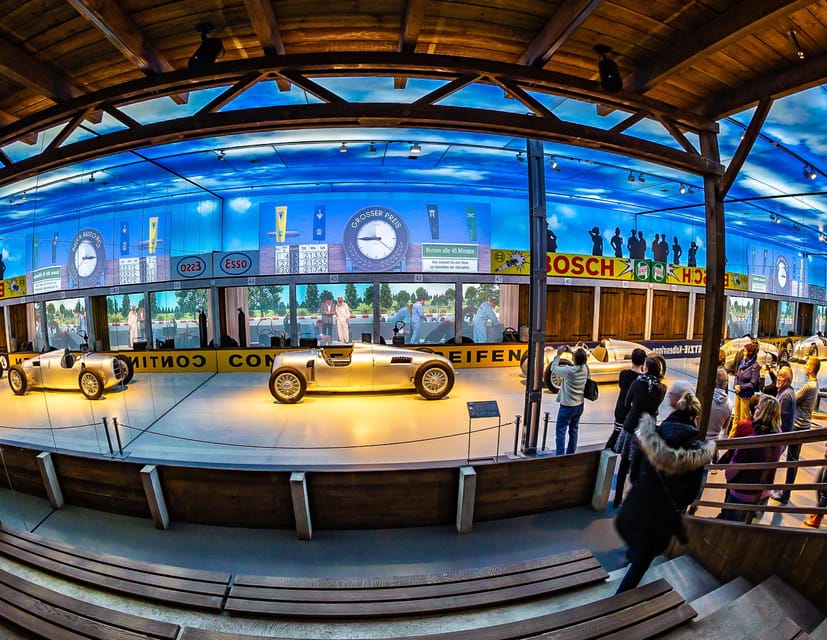
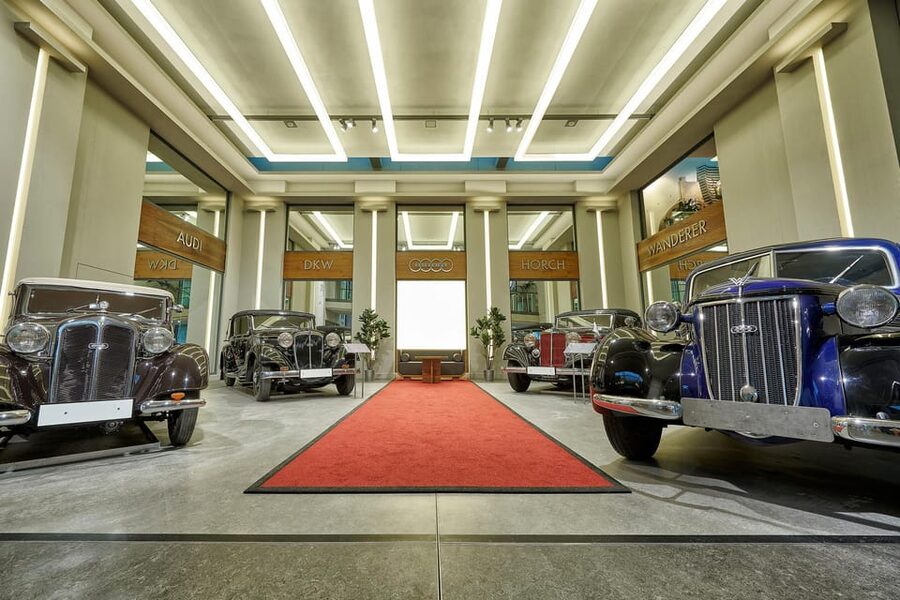
The museum is built around the continuity of production in these spaces. Later on, DKW and Trabant were produced here, so the exhibitions feel tied to place, not just a timeline on a wall.
That continuity is what makes the experience satisfying. You are not switching between unrelated collections. You are watching one industrial ecosystem evolve.
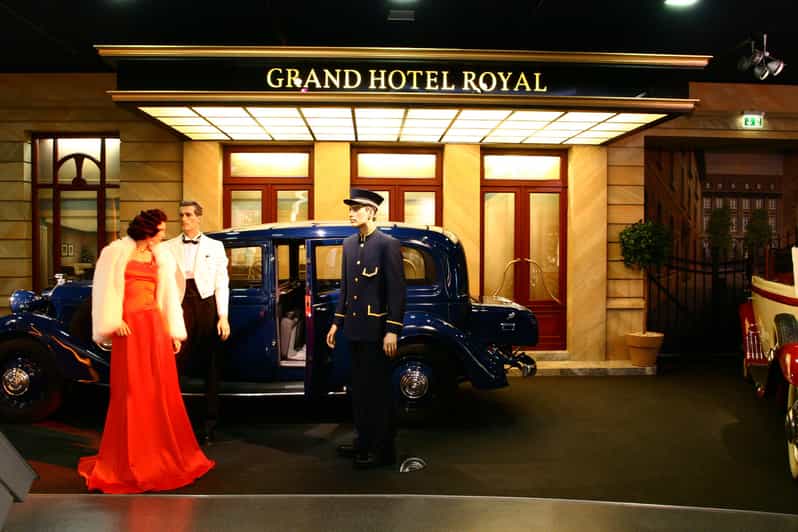
As you move through the exhibits, you will see cars that reflect different priorities across eras. Early pieces highlight invention and fundamentals. Then the 1920s segment leans into more luxurious, style-forward cars. After that, the museum transitions toward the realities of later decades, including the famous Trabant.
The museum also wraps up with the present day and points out that Volkswagen is still present in Zwickau. That matters more than it might sound. It turns what could be a purely nostalgic look back into a living story, where the region’s automotive focus continues.
Racing history, cars in motion, and why the films help
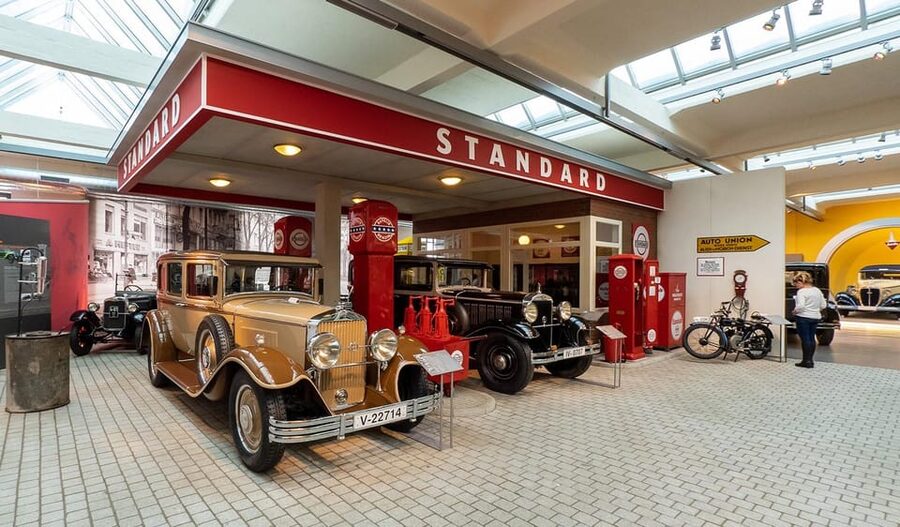
One of the most praised elements of the museum experience is how it handles racing history. You should expect not only cars and engines, but film material that connects the racing world to the broader automotive story.
This matters for two reasons. First, racing is a fast way to explain why engineering matters. Second, film reduces the “glass case” feeling. It gives you context that simple visuals can miss.
So if you love motorsport, this is where you will probably feel the most energy in the visit. Even if you are not a hardcore fan, racing footage can help you understand why certain design choices existed in the first place.
How long to plan, and the best way to pace a self-guided visit
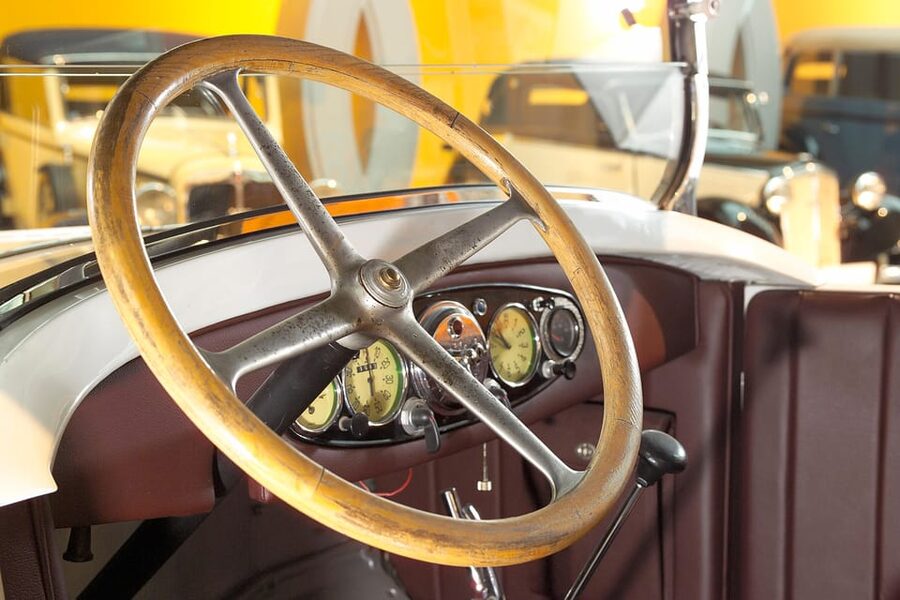
Your ticket is valid for 1 day, but starting times depend on availability. That usually means you get a window for entry and then you can wander once you are inside.
In terms of time, you should plan for at least two hours if you want to see the highlights without sprinting. If you read everything and stop often, you may naturally go longer, because the museum gives you enough variety that you will not feel stuck in one room.
A pacing strategy I recommend:
- Spend your first hour finding the time line, so you know where you are in the story.
- Second hour: lock onto the Trabant section and the Duroplast production line.
- Final stretch: circle back to anything that caught your eye, especially if films or specific car eras pulled you in.
Wheelchair access note, with one exception
Most of the exhibition is wheelchair accessible, but the August Horch Mansion is the exception. If you rely on wheelchair access, it’s worth keeping that in mind as you plan how much of your visit you want to spend in the main exhibition areas.
Tickets and value: is $17 a fair deal for this museum?
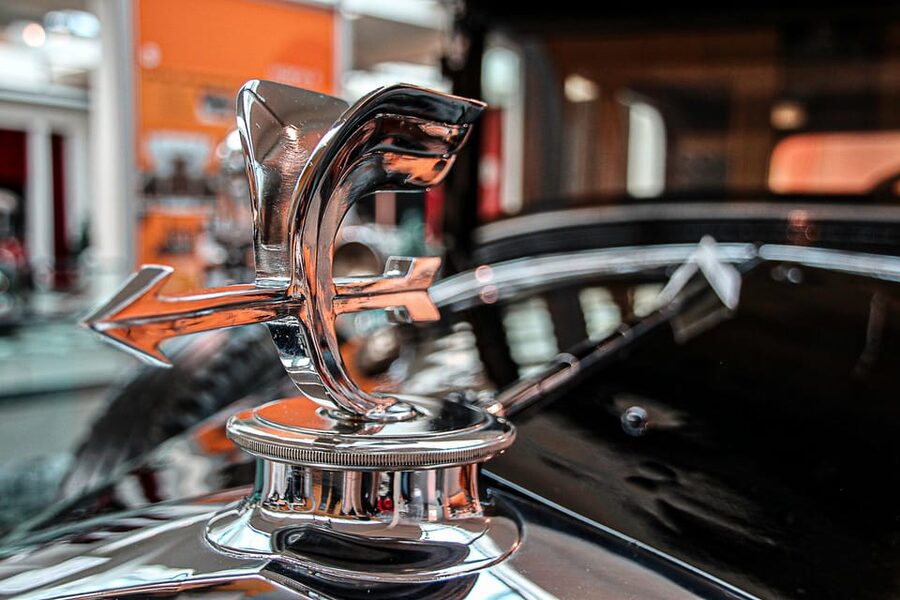
At $17 per person for entrance, this is one of those straightforward ticket values where the math works in your favor. You are paying for access to an extensive exhibition space, with more than 160 exhibits spanning from 1911 to the present plus that exclusive Trabant Duroplast production line.
The value is even better because the museum is designed for independent exploration. You do not need special skills or a technical background to get something from it. If you take the labels seriously, you’ll get a lot. If you skim selectively, you can still focus on your interests and leave feeling satisfied.
One detail that affects your expectations: there is no food or drinks included, and there is no transfer to or from the museum. So your total day cost depends on what you do around the entrance area.
Who this August Horch Museum ticket is best for
This is an easy “yes” if you like any of these:
- German automotive history, especially Audi origins and the later DKW and Trabant connections
- Cars plus the materials and manufacturing side of how they are made
- People who enjoy film or visual context, especially around racing history
- Budget-minded travelers who want a high-value museum experience in a single day
It is also good for families in the sense that the exhibits are large and varied. But teens and adults with an interest in engineering, design, or production methods will likely feel the strongest pull.
If you are the kind of visitor who wants a guide to explain every era and every engineering detail, you can still enjoy it. Just go in knowing you will be doing the interpretation yourself.
Practical tips before you go
A few small points will make your visit smoother:
- You will need a printed voucher
- Entry is for 1 day, and you should check availability for starting times
- This activity is limited to a small group of up to 10 participants
- Pets are not allowed, and assistance dogs are allowed
These aren’t thrilling facts, but they matter. They reduce the stress and help you show up ready to focus on the exhibits.
Should you book the August Horch Museum entrance ticket?
Book it if you want one ticket that covers a wide automotive timeline, feels grounded in real industrial space, and includes a rare look at Trabant Duroplast production. At $17 for admission, with 160+ exhibits and an exclusive production-line element, it is strong value.
Skip it or think twice if you expect a guided tour. This ticket gives you access, not narration. The museum is designed so you can enjoy it independently, but you will get the most from it when you lean into the reading and the visual storytelling.
If your plan is a focused stop in Zwickau with a satisfying mix of cars, manufacturing details, and racing context, the August Horch Museum entrance ticket is an easy booking.
FAQ
What does the August Horch Museum entrance ticket include?
It includes entrance to the August Horch Museum only. A guided tour is not included.
How much is the ticket?
The price listed is $17 per person.
How long is the ticket valid?
The ticket is valid for 1 day. You should check availability to see starting times.
Do I need a printed voucher?
Yes, a printed voucher is required.
Is there a guided tour included?
No. The ticket does not include a guided tour of the museum.
Is food or drinks included?
No. Food and drinks are not included.
Is transfer to and from the museum included?
No. Transfer is not included.
Is the museum wheelchair accessible?
The exhibition is wheelchair accessible except for the August Horch Mansion.
Are pets allowed?
Pets are not allowed. Assistance dogs are allowed.
What is the cancellation policy?
Free cancellation is available up to 24 hours in advance for a full refund.
Museums, side by side.
 ★ 4.5Berlin: Jewish Museum Berlin Entrance TicketFrom $08,393 reviews
 ★ 4.3Berlin: DDR Museum TicketsFrom $153,443 reviews
 ★ 4.6Berlin: Natural History Museum Entrance TicketFrom $123,382 reviews
 ★ 4.6Berlin: Neues Museum Entry TicketFrom $163,261 reviews
 ★ 4.4Cologne: Chocolate Museum Entrance TicketFrom $192,790 reviews
 ★ 4.7Dresden: Church of Our Lady Guided Tour of GalleryFrom $152,421 reviews
 ★ 4.1Skip-the-Line: Berlin Wall Museum at Checkpoint CharlieFrom $212,041 reviews
 ★ 4.4Berlin: Museum Island Multiple Museum Entry TicketFrom $272,007 reviews
Other lists this tour is on