
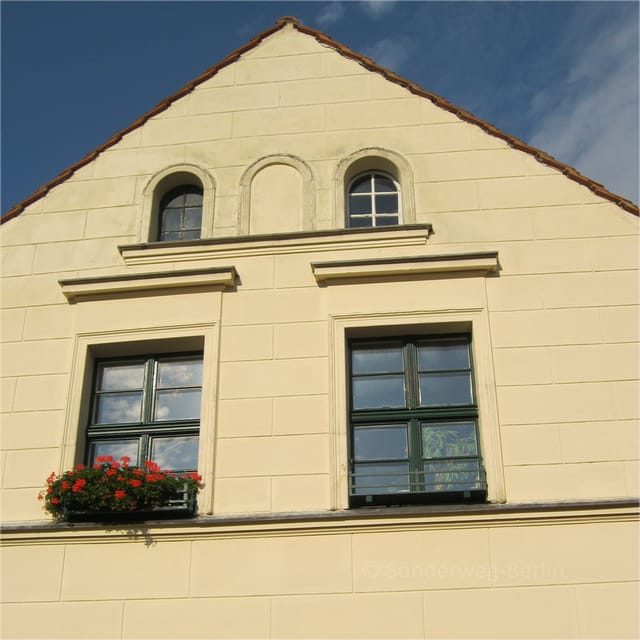
REVIEW · BERLIN
Berlin: 2.5-Hour Neighborhood Tour of Neukölln
Neukölln turns city walls into stories.
I love how the walk connects buildings to everyday life, from the former prison and district court to the housing world of Rollberg. I also like the architectural eye, especially the Town Hall and the Innstrasse housing complex details you would otherwise glide past.
One thing to plan for: this is a real walking tour of a neighborhood, so you’ll want comfortable shoes and a willingness to look at façades and streetscapes for long stretches, not just grab a few landmark photos and be done.
In This Review
- Key highlights you will actually notice
- Entering Neukölln through Rixdorf’s rename and refugee roots
- The route starts around Richardplatz, then moves through time
- Old district court and the former prison: a neighborhood shaped by control
- Neukölln Town Hall: civic pride in stone and detail
- Rollberg and Innstrasse: proletarian housing with a human design idea
- The Stadtbad façade and Saalbau Neukölln: public culture, not just monuments
- Karl-Marx-Strasse arcade: the feel of commerce and passageways
- Bohemian Rixdorf, exile houses, and Bethlehem Church on Richardplatz
- What makes the guide matter: clarity, facts, and a personal tone
- Price and value: is $23 fair for 2.5 hours in Berlin?
- Practical tips so you enjoy the walk more
- Should you book the Neukölln neighborhood tour?
- FAQ
- How long is the Berlin Neukölln neighborhood tour?
- How much does the tour cost?
- What is included in the price?
- What languages are available for the live guide?
- Is the tour wheelchair accessible?
- Can I request a specific meeting point, date, or time?
- What cancellation options are available?
Key highlights you will actually notice
- Old district court and former prison sites, with context that makes them more than a stop on a map
- Town Hall architecture that helps you understand how power and civic life were imagined here
- Rollberg and proletarian residence history, including what shaped everyday life in the district
- Innstrasse housing complex and atrium-style courtyard living, the kind of design that changes how a street feels
- Saalbau Neukölln and Karl-Marx-Strasse arcades, where public culture meets urban planning
- Bohemian Rixdorf exile houses and Bethlehem Church, focused on the neighborhood’s Middle Age to modern arc around Richardplatz
Deeper into the painted backstreets
- Berlin: Alternative Berlin Walking Tour★ 4.6 · 1,204 reviews
- Berlin: City Street Art Guided Walking Tour★ 4.8 · 886 reviews
- Berlin: 3-Hour Street Art Tour★ 4.7 · 778 reviews
- Kreuzberg: Culinary Food Tour★ 4.5 · 770 reviews
Entering Neukölln through Rixdorf’s rename and refugee roots
Neukölln is one of those Berlin neighborhoods that can feel like multiple eras overlap. This tour frames that feeling with a simple but powerful idea: the streets you walk today grew out of very real choices people made for survival, work, and community.
You start with the big turning point people often miss. With Wilhelm II’s approval, Rixdorf was renamed Neukölln in 1912. The reasoning was not subtle, the city south of Berlin was seen as the example of frivolous entertainment. That renaming matters because it shows you how labels, reputations, and politics shaped how the neighborhood was viewed, even when its roots run much deeper.
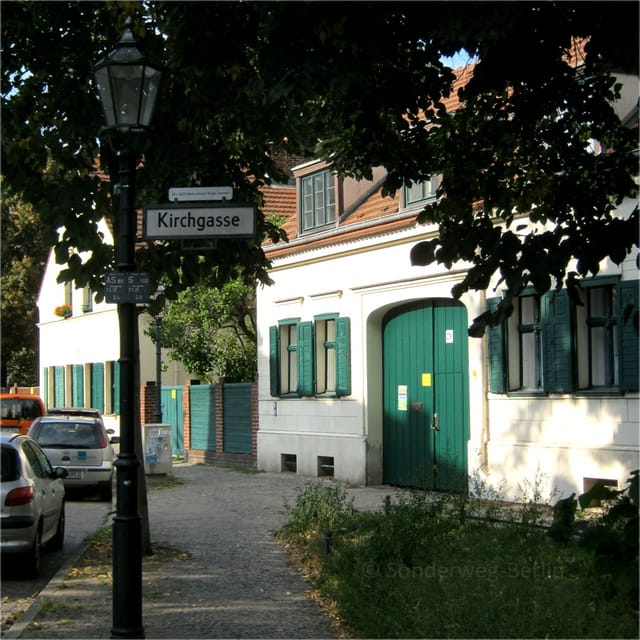
Then the story shifts to Bohemian Exulanten, Protestant refugees who settled here as early as the 18th century. Religious faith and puritan habits influenced daily life, at least in how the community imagined order and morality. You’ll feel this when the tour brings you back to Richardplatz, because the area still gives off a village-like atmosphere even while Berlin keeps changing around it.
The route starts around Richardplatz, then moves through time
The walk is built to travel from the Middle Ages to the present, without making it feel like a lecture. Instead, you connect moments in history to the physical space where they happened.
The heart of the tour is Richardplatz. From there, you trace the neighborhood’s transformation, moving between civic buildings, housing design, and the church-centered life that shaped the early community. If you like tours where the guide explains why a place has the form it does, this route will make sense fast.
A practical note: because this is 2.5 hours, the pace is steady. You’ll want to listen closely in the early parts, because the later stops build directly on what you just learned.
Old district court and the former prison: a neighborhood shaped by control
One of the strongest parts of the tour is the stop that treats justice and punishment as urban history. Seeing the old district court and the former prison in Neukölln with explanation changes the way you read the streets around them.
You’re not just looking at old buildings, you’re learning how institutions created routines and boundaries. When a guide connects these sites to what was happening in the neighborhood socially and politically, the area stops feeling anonymous. It feels structured, even if that structure came with harsh consequences.
Possible drawback: if you prefer light sightseeing with minimal heavy topics, this segment may feel weightier than you expect. But the point is to help you understand the neighborhood as a place where ordinary life and institutional power were always interacting.
Neukölln Town Hall: civic pride in stone and detail
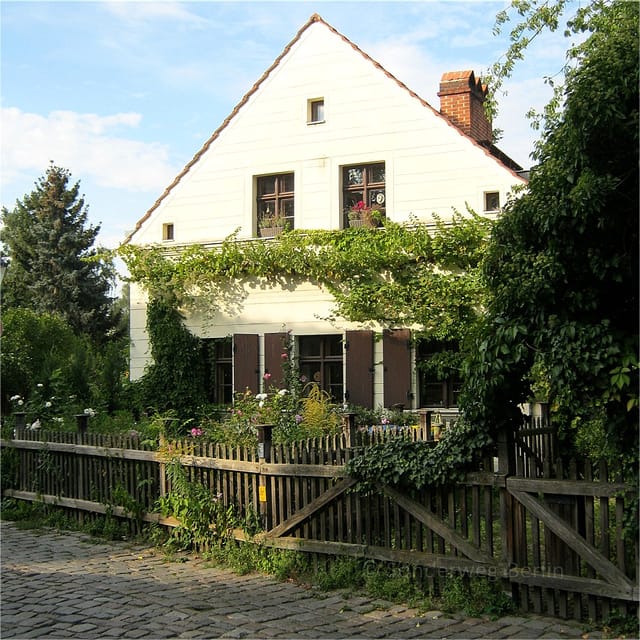
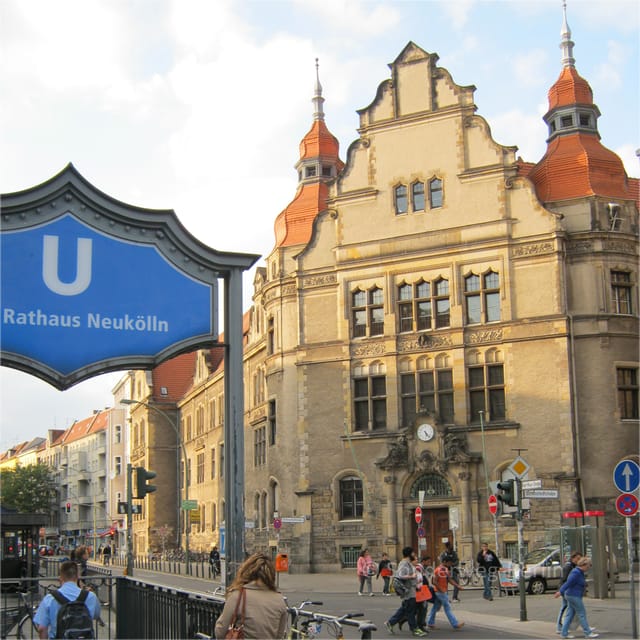
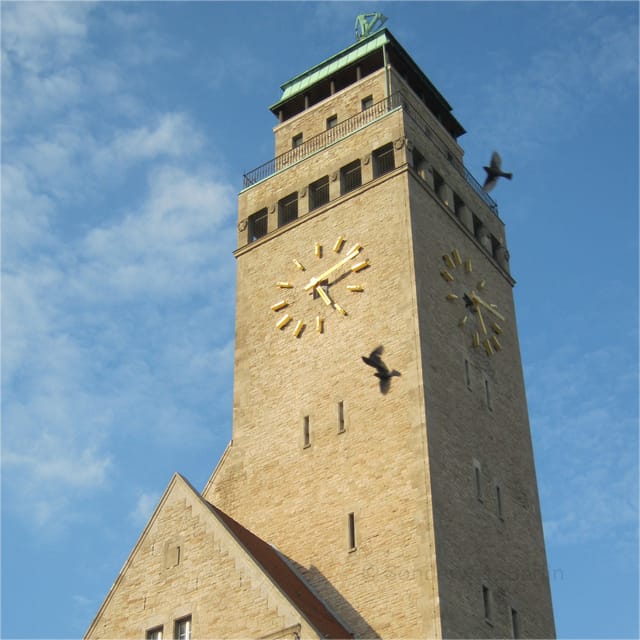
Next, you get a clearer view of how civic life tried to look and sound. The Town Hall’s architecture is a highlight for a reason: it’s the kind of building that signals, We are here, we matter, and we organize public life.
As you admire the façade, the guide adds facts that make it land. In the best moments, you learn how the district developed and how symbols, even things like the city coat of arms, fit into the story of municipal identity. It’s the difference between seeing a big building and understanding what the building was meant to communicate.
This stop also works as a mental reset. The earlier institutional mood gives way to civic pride, and the tour becomes easier to follow because you can feel the change in tone.
Rollberg and Innstrasse: proletarian housing with a human design idea
Rollberg is where the tour turns into the kind of urban history you can almost feel. You learn about the proletarian residence district and why housing here was not just about shelter. It was about organizing crowds, reducing chaos, and creating a livable daily environment for working people.
Then Innstrasse comes into focus, with outstanding architecture you’re meant to notice up close. The guide points you toward design choices that shape movement and light, and you start to understand why certain housing styles became part of Berlin’s identity.
A unique bonus that can appear on the route is a look at atrium houses on Rollberg. These are the kinds of courtyards and layout ideas that change how residents experience the block, making space feel shared but not chaotic. There’s also mention of former brewery rooms tied to the Brauerei Kindle. When you hear that industrial spaces and residential life existed side by side here, it explains why Neukölln’s community identity formed the way it did.
If you like architecture, this is one of the best ways to spend 2.5 hours in Berlin. You’ll leave with a mental map of how people lived, worked, and moved.
The Stadtbad façade and Saalbau Neukölln: public culture, not just monuments
At a glance, a public pool façade might look like another historic wall. With the tour context, it becomes a clue. The old Neukölln public pool stands for the belief that public services were part of a healthier, more regulated neighborhood.
After that, Saalbau Neukölln steps in, giving you a view of how the district supported culture and community gathering. You’re not only learning dates and names. You’re learning how a neighborhood planned for leisure, public life, and shared experiences.
I find these stops especially useful because they fill the gap between major landmarks. Berlin is famous for its grand sights, but the everyday institutions tell you more about what people actually did.
Karl-Marx-Strasse arcade: the feel of commerce and passageways
Karl-Marx-Strasse can read like a long urban corridor when you walk it on your own. In this tour, the focus narrows to the arcade, which turns the street into a human-scale experience.
Arcades matter because they show how cities create weather protection, foot traffic flow, and small commercial zones that feel easier to navigate than open streets. The guide connects that form to the neighborhood’s practical needs and its evolving identity.
If you’re the type of traveler who likes to look closely at the built environment, you’ll appreciate how this stop turns your eyes toward the in-between spaces, where local life actually happens.
Bohemian Rixdorf, exile houses, and Bethlehem Church on Richardplatz
This is where the tour feels most grounded. You shift into Bohemian Rixdorf, where exile houses reflect the refugee roots of the community. The architecture becomes evidence, not decoration.
The tour keeps returning to Richardplatz because that area still has a village-like quality. You can sense why the neighborhood formed the way it did, especially when religious community life came to matter in everyday routines. You then visit Bethlehem Church on Richardplatz, and the focus becomes how faith and puritan values helped structure daily life among Protestant refugees alongside the German population.
If you want a Berlin neighborhood tour that doesn’t skip the spiritual and social foundation, this is the part that usually sticks in memory. It turns geography into story.
What makes the guide matter: clarity, facts, and a personal tone
The strongest reviews highlight a guide style that feels both informative and human. One guide named Tobias, who has led this walk for multiple groups, stands out for connecting facts to place. You get the kind of explanation that helps you understand why the neighborhood developed, not just when and where.
In my experience of the tour style, the best moments are the ones where the guide uses a light touch. There’s often an eye for details like how symbols and city development fit together, and how specific stops link back to larger themes like housing, community identity, and institutional control.
Also, the tour can feel small on certain days. One reviewer described a private-feeling Christmas tour with very personal attention. If you like quieter guiding, this is a good sign.
Price and value: is $23 fair for 2.5 hours in Berlin?
At $23 per person for a 2.5-hour neighborhood walking tour, the value is strong if you want context, not just sights. You’re paying for an expert guide, and you’re getting concentrated time in one of Berlin’s most layered districts.
What makes it worth it is the mix. You’re not bouncing randomly between unrelated landmarks. You’re moving through a storyline: renaming and reputation, refugee community formation, proletarian housing design, public institutions like pools and theaters, and church-centered neighborhood roots.
For 2.5 hours, you also get enough density that you can make the day feel full without exhausting yourself. You can pair it with another self-guided walk afterward, or use it as a first-day orientation so you understand what you’re seeing.
Practical tips so you enjoy the walk more
Here’s what I’d do to get the most out of this kind of tour.
- Wear shoes built for city sidewalks. Even if it is not described as a long-distance hike, you will be on your feet for the full 2.5 hours.
- Bring your curiosity for architecture. If you enjoy reading building details, Rollberg, Innstrasse, and the Town Hall will be extra rewarding.
- Bring your questions. When the guide is strong at linking civic identity, housing, and community history, your questions help steer the conversation.
- If you want a calmer experience, consider booking a time that feels less crowded in your own travel schedule. Small-group moments can happen.
Language-wise, the tour runs with live guides in German and English, so you can pick your comfort level easily.
Should you book the Neukölln neighborhood tour?
Book it if you want a focused, walkable tour that turns Neukölln from a name into a place with clear themes. This is especially good for you if you care about architecture tied to daily life, and you like history that connects to housing, institutions, and community formation.
Skip it if your idea of a great Berlin day is mostly big-ticket monuments and minimal walking. Some parts of this tour include heavier institutional themes, and you’ll spend a lot of time looking at the neighborhood’s built form rather than shopping or museum-style interiors.
If you’re torn, I’d choose the tour as an early Berlin outing. It gives you a map of meaning that makes the rest of Neukölln easier to read.
FAQ
How long is the Berlin Neukölln neighborhood tour?
The tour lasts 2.5 hours.
How much does the tour cost?
It costs $23 per person.
What is included in the price?
An expert tour guide is included.
What languages are available for the live guide?
The live tour guide is available in German and English.
Is the tour wheelchair accessible?
Yes, the tour is wheelchair accessible.
Can I request a specific meeting point, date, or time?
Yes. A meeting point, date, and time of your choice can be arranged for your group upon request when booking.
What cancellation options are available?
You can cancel up to 24 hours in advance for a full refund.
More Painted Walls and Backyards
Everything else we filed on Berlin
- East Berlin: City of Shadows Walking Tour
★ 5.0 · 11 reviews - Berlin: Die Stachelschweine – Frank Lüdecke – Träumt Weiter
★ 4.7 · 11 reviews - Potsdam Day Trip from Berlin with a Local: Private & Personalized
★ 4.0 · 11 reviews - An Introduction to Berlin Walking Tour
★ 5.0 · 11 reviews - DJ for a Day: Learn to Mix Like a Pro in Berlin
★ 5.0 · 11 reviews - 2-H Segway Sightseeing Tour Berlin
★ 4.5 · 11 reviews
Street Art and Alternative City Tours, side by side.
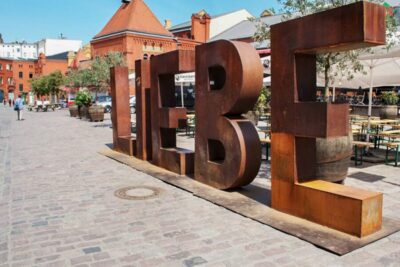 ★ 4.6Berlin: Alternative Berlin Walking TourFrom $291,204 reviews
 ★ 4.8Berlin: City Street Art Guided Walking TourFrom $23886 reviews
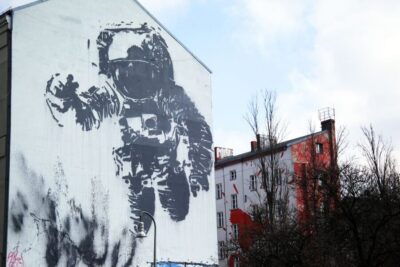 ★ 4.7Berlin: 3-Hour Street Art TourFrom $23778 reviews
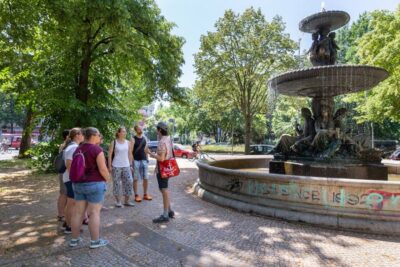 ★ 4.5Kreuzberg: Culinary Food TourFrom $589770 reviews
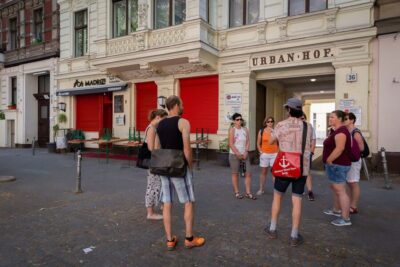 ★ 4.7Berlin: Kreuzberg Guided Walking Evening TourFrom $27555 reviews
 ★ 4.7Berlin: Alternative Bike Tour of Kreuzberg & FriedrichshainFrom $41548 reviews
 ★ 4.9Berlin: 2.5-Hour Walking Tour through Kreuzberg 61From $23525 reviews
 ★ 5.0Berlin Off-the-Beaten-Path Walking Tour: Kreuzberg, Mitte and FriedrichshainFrom $30412 reviews
Other lists this tour is on