
REVIEW · RHINE-MAIN
EUMETSAT – weather data for the world “made in Darmstadt”
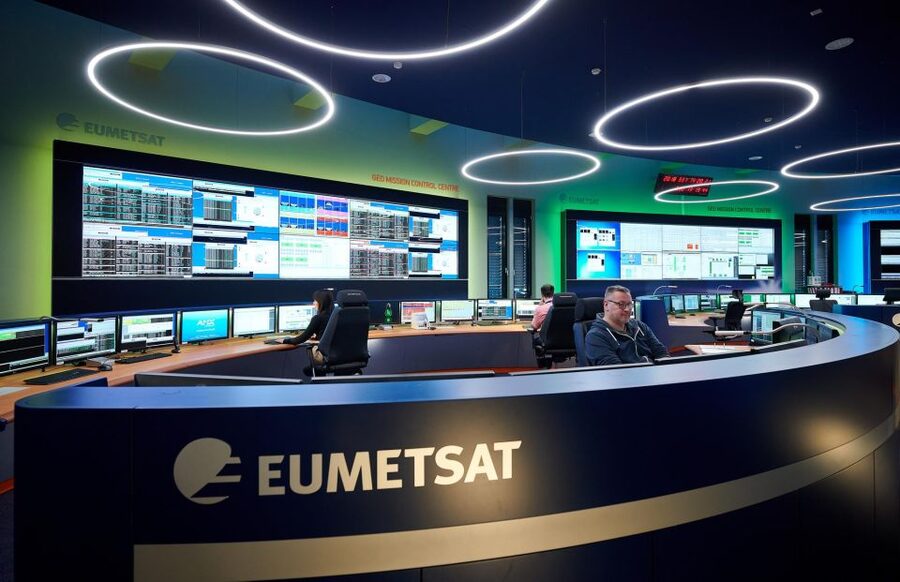
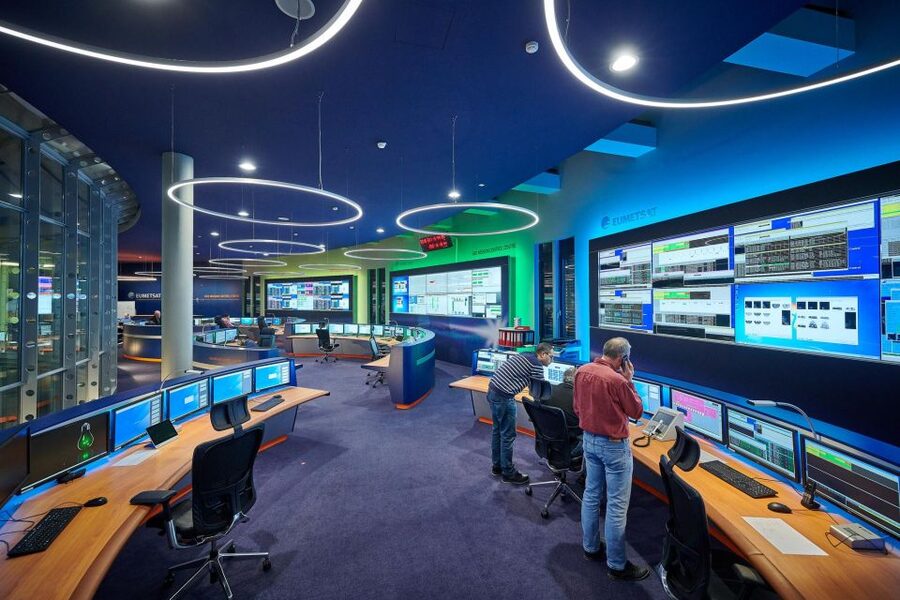
Weather satellites get real in Darmstadt. EUMETSAT, the European organization behind meteorological satellites, is headquartered here, and the guided tour makes that science feel immediate and human-sized. I love the full-size satellite models on site, because you stop thinking in screen icons and start thinking in real hardware.
The second thing I like is the clear, guided explanation of what this system does 24/7, 365 days a year, from daily forecasts to long-term climate and global warming measurements. One drawback to plan for: the tour is partly outdoors, and entry is security-tight with strict ID checks and no large bags.
In This Review
- Key highlights you should care about
- EUMETSAT in Darmstadt: why meteorology is truly global
- What happens during the 1.5-hour guided tour
- Full-size satellite models: the moment it clicks
- How satellite data supports forecasts and climate research
- Price and value: $17 for science you can picture
- Meeting point, language, and the ID rules you must follow
- Logistics that affect your comfort: bags, weather, and group rules
- Who should book this tour (and who might want to skip it)
- Should you book EUMETSAT weather-data tour in Darmstadt?
- FAQ
- What is the duration of the EUMETSAT guided tour?
- Where do I meet the group?
- What language is the tour guide?
- What documents do I need to bring?
- What is the age requirement for the tour?
- Are there any restrictions on luggage or bags?
- Can I bring a baby carriage?
- Is the tour wheelchair accessible?
- What are the key entry rules at the site?
Key highlights you should care about
- Real-size satellite models you can physically see on the grounds
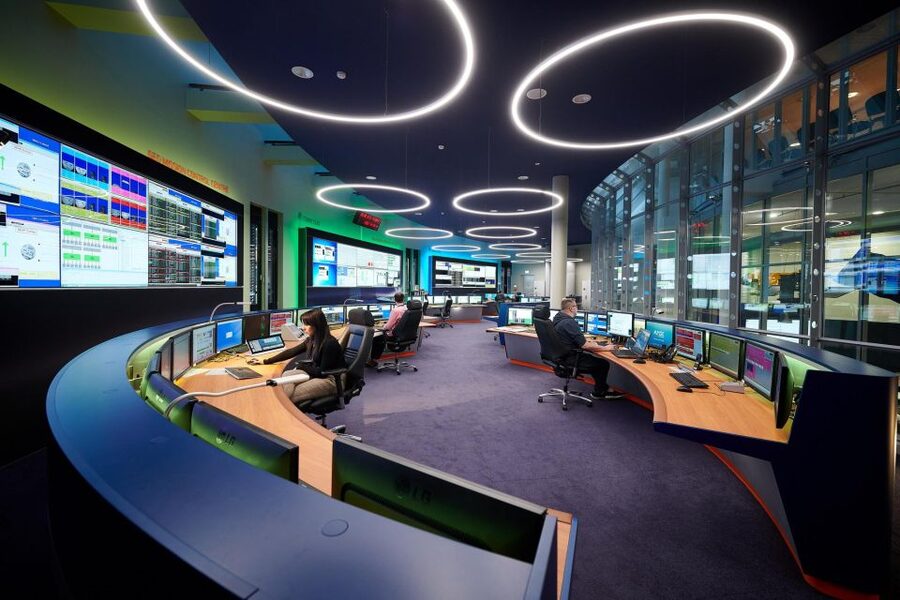
- Behind-the-scenes operations of an organization running meteorology satellites nonstop
- Weather plus climate science, not just short-term forecasting
- A 1.5-hour German guided tour that stays focused and practical
- Security rules that mean you travel light and have your documents ready
More Rhine-Main city walks
- EUMETSAT – weather data for the world “made in Darmstadt”★ 4.7 · 25 reviews
- Darmstadt: City Highlights and History Guided Walking Tour★ 4.0 · 23 reviews
- Darmstadt entdecken mit Aurora DeMeehl: Innenstadt-Tour★ 5.0 · 15 reviews
EUMETSAT in Darmstadt: why meteorology is truly global
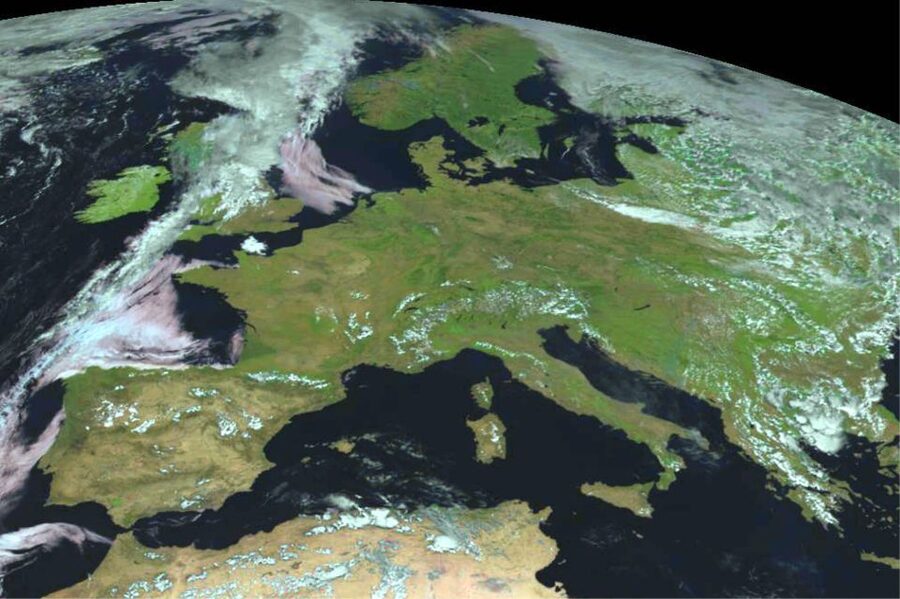
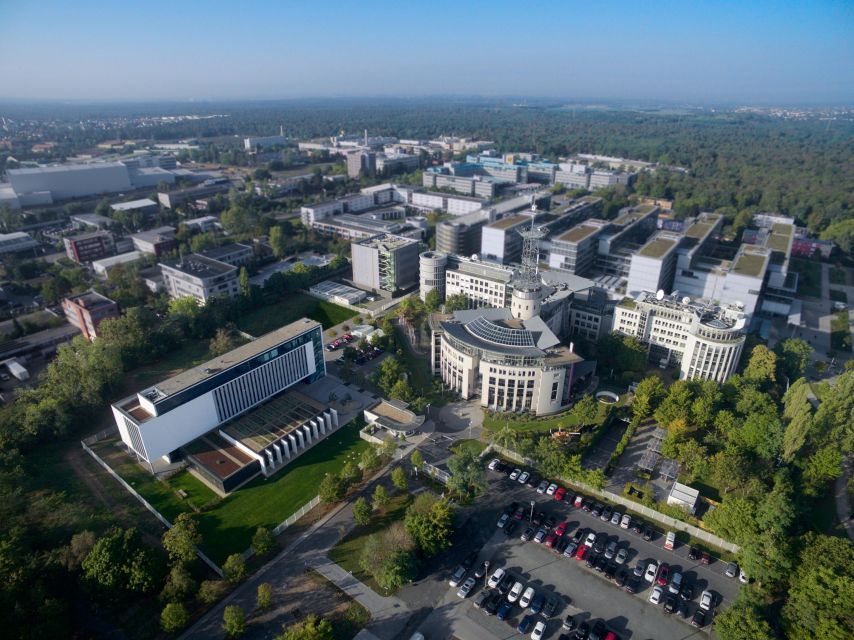
If you have ever watched weather radar and thought, Where does all that information actually come from?, this is your answer. EUMETSAT runs the European system for meteorological satellites from Darmstadt, and your ticket gets you into the explanation engine behind it all. This is space-adjacent, but it is also down-to-earth. The core idea is simple: weather forecasting depends on constant observations, and satellites are one of the only ways to watch the whole planet at once.
What makes the experience especially interesting is how the tour connects two timescales you rarely hear together. First, it explains the data needed for daily weather forecasts. Then it links that same satellite perspective to climate change and global warming measurements. You are not just getting science trivia. You are seeing how one infrastructure supports both “what will happen tomorrow?” and “what is changing over decades?”
And yes, this is still a facilities tour. You are walking through an active science environment, where procedures and safety matter. That can actually add value because it signals that this is serious work, not a museum-only story.
What happens during the 1.5-hour guided tour
You are looking at a 1.5-hour guided visit, led by a live guide in German. The format is a guided tour with a hands-on feel thanks to the full-size satellite models you view on site. You should expect explanations that move from big system to visible parts. In practice, that means you get the “why satellites” story first, then you get to see something physical that matches those concepts.
The tour is not described as a fast slideshow, and the structure feels built for understanding. You get time to ask questions, and the guide is able to respond clearly. One of the most praised parts of the experience is how well the guide answers questions and explains things in an understandable way. That matters because satellite meteorology can sound abstract until someone points at a model and connects it to real forecasting and research.
A practical note: the tour takes place partly outdoors. So you will want clothing that works for the weather that day. Think layers you can adjust quickly, and shoes that are comfortable for walking on site grounds. The science is indoor friendly, but the route is not purely indoor.
Full-size satellite models: the moment it clicks
Satellite models can go one of two ways. They can be distant and too small, or they can be oversized enough to make you rethink the whole topic. At EUMETSAT, the models are described as full-size, and that is exactly why this tour lands so well. When you see something that is built at real scale, you immediately understand that satellites are engineered systems, not just “space cameras.”
This is where you get the best learning payoff for your time. The models help you connect:
- observation platforms to the data they produce
- the hardware you can see to the mission goals you might only know from weather apps
- the idea of continuous monitoring to what “24/7” actually means operationally
The value here is that you walk away with mental pictures that stay. Weather forecasts stop feeling like magic or luck, and start feeling like a pipeline. Even if you are not a science person, the models make the subject concrete fast.
Also, these models are likely to appeal if you are curious about space technology in general. The tour highlights space and satellites, but the “space” part is about Earth monitoring, not sci-fi visuals. It is practical space: the planet, the atmosphere, and data that drives decisions.
How satellite data supports forecasts and climate research
Here is what you should take away from the science side of the tour: the system is built to provide ongoing meteorological observations. EUMETSAT operates the satellite system 24 hours a day, 365 days a year from Darmstadt. That constant rhythm matters because weather and climate signals are not neat, one-time events. They require regular coverage.
For your daily life, the key connection is forecasting. Satellite data feeds the information needed for daily weather forecasts, giving meteorologists a wide view and timely updates. Without that broad perspective, forecasts become more limited. Satellites help you observe conditions across oceans and remote areas that are difficult to cover otherwise.
Then the tour also points to climate change and global warming measurements. This is where the perspective shifts. Forecasting is about short-term prediction; climate measurement is about detecting trends over time. Satellites support both because they can observe consistently from space, allowing researchers to track changes and compare signals across long periods.
So if you are the kind of traveler who likes experiences that connect to real-world outcomes, this tour gives you that. You are not only touring a facility. You are learning how satellite observations become tools for both “tomorrow’s rain” and “decades of change.”
Price and value: $17 for science you can picture
At about $17 per person for a 1.5-hour guided tour, this is one of those practical science experiences where the value is not just the duration. It is what you get per minute: guided explanation plus full-size hardware visibility.
You are paying for access to the inside story behind an operating satellite system. That is different from a standard museum visit where you mostly look. Here, you get a guided route with explanations tied to what you see. And because the guide can answer questions, you are not stuck with only what the signage says.
The value angle for you comes down to this: if you are curious about how weather forecasts work and why climate science relies on measurements, you will likely get more from this than from a generic “space exhibit” that is mostly decorative.
Just remember the tradeoffs. You need your ID, you need to travel light, and you are doing it in German. If you can handle those logistics, the price looks fair for the hands-on, model-based learning you are getting.
Meeting point, language, and the ID rules you must follow
First things first: plan around entry rules. The meeting point is the Visitors’ gate, EUMETSAT-Allee 1. Access is only permitted upon presentation of a valid passport or identity card, and they check the authenticity of your documents. Those identity documents are then retained for the duration of your stay.
This is not the place to show up with a driver’s license or partial identification. The rules are strict about what counts as proof of identity. Driving licenses, residence permits, health insurance cards, and similar documents are not accepted.
Also, if you are 16 and over, you must carry a valid identity card. The minimum age for guided tours is 12 years, and the tour is not suitable for children under 12.
On top of that, you need to understand the security expectations:
- No leaving the group during the tour
- Follow instructions from security staff
- The security service can deny access or expel people who are uncooperative
- Visitor IDs must be worn visibly at all times
Now the practical travel tip: bring your passport or ID card, and keep it easy to reach. You will feel calmer and quicker at check-in, and that gives you more time to enjoy the tour instead of waiting.
Logistics that affect your comfort: bags, weather, and group rules
There are also clear restrictions that affect how you plan your day. Luggage or large bags are not allowed, and baby carriages are not allowed. So pack in a way that keeps you light. A small daypack you can manage easily is the safest approach, but oversized bags and backpacks are out.
Because the tour is partly outdoors, dress for the weather. Even if you love science, you will not enjoy it if you are cold, wet, or uncomfortable during outdoor segments. Layers are your friend, and closed-toe shoes help if the ground is uneven.
One more “plan your mindset” item: this is a guided group experience with rules about staying together. That means no wandering off to take photos wherever you want. If you like structured visits, you will do fine. If you prefer total freedom, you might find this format a little restrictive.
Who should book this tour (and who might want to skip it)
This tour is a strong match if you:
- like hands-on science experiences and tangible models
- want to understand weather forecasting beyond apps
- are interested in how satellite data supports climate measurement
- enjoy question-and-answer style learning with a guide who can respond well
It is also a good option for travelers who are visiting Darmstadt and want something that feels distinctly local and European, rather than a generic sightseeing checklist.
On the other hand, you might skip it if:
- you cannot meet the ID requirements
- you travel with bulky luggage
- you need a fully English experience (the tour language is German)
- you are bringing a child under 12
The tour is wheelchair accessible, which is a big plus for mobility planning. Still, because it is partly outdoors, you should consider your comfort on outdoor walking routes.
Should you book EUMETSAT weather-data tour in Darmstadt?
If you like science when it is explained clearly and tied to something you can actually see, I think this tour is worth booking. The biggest reasons are simple. You get full-size satellite models, and you get a guided explanation of how EUMETSAT’s satellite system supports both daily weather forecasts and climate change measurement.
The deal-breaker potential is also clear. The rules are strict: bring the right ID, travel light, and expect outdoor time. If German is not a challenge for you, you will likely leave with a much better mental model for how satellite meteorology works.
If you are the kind of traveler who wants value, this is one of those rare tickets where the price lines up with meaningful learning. Book it if your interests are weather, climate, and space technology you can understand without a degree.
FAQ
What is the duration of the EUMETSAT guided tour?
The tour lasts 1.5 hours.
Where do I meet the group?
The meeting point is the Visitors’ gate at EUMETSAT-Allee 1.
What language is the tour guide?
The live tour guide speaks German.
What documents do I need to bring?
You should bring your passport or identity card.
What is the age requirement for the tour?
The minimum age is 12 years old, and it is not suitable for children under 12.
Are there any restrictions on luggage or bags?
Yes. Luggage or large bags are not allowed, and backpacks are also not permitted.
Can I bring a baby carriage?
No, baby carriages are not allowed.
Is the tour wheelchair accessible?
Yes, the tour is wheelchair accessible.
What are the key entry rules at the site?
Access requires presenting a valid passport or identity card. Your identity documents are checked and retained for the duration of your stay, and visitor IDs must be worn visibly. You are not allowed to leave the group during the tour.
Around the Rhine-Main Cities
Everything else we filed on Darmstadt
- Darmstadt entdecken mit Aurora DeMeehl: Innenstadt-Tour
★ 5.0 · 15 reviews - Darmstadt: City Highlights and History Guided Walking Tour
★ 4.0 · 23 reviews - EUMETSAT – weather data for the world “made in Darmstadt”
★ 4.7 · 25 reviews
Mainz Wiesbaden and the Rhine-Main Tours, side by side.
 ★ 4.4Karlsruhe: 24-Hour Hop-On Hop-Off Sightseeing Bus TicketFrom $28362 reviews
 ★ 4.7Speyer: Technik Museum Speyer Ticket with an IMAX Dome FilmFrom $35360 reviews
 ★ 4.8Wiesbaden: Sparkling Winemaking Tour with 3-Glass TastingFrom $34155 reviews
 ★ 3.5SEA LIFE Speyer Admission TicketFrom $26131 reviews
 ★ 4.7Darmstadt: Mathildenhöhe UNESCO Site Guided VisitFrom $17124 reviews
 ★ 4.9Guided tour in Mainz on the Rhine in german and englishFrom $23106 reviews
 ★ 4.2Sea Life Speyer TicketFrom $2299 reviews
 ★ 5.0Rhine Valley Wine Tasting Tour from Frankfurt and MainzFrom $47687 reviews
Other lists this tour is on