
REVIEW · DACHAU
From Munich: Dachau Memorial Site Tour in Spanish
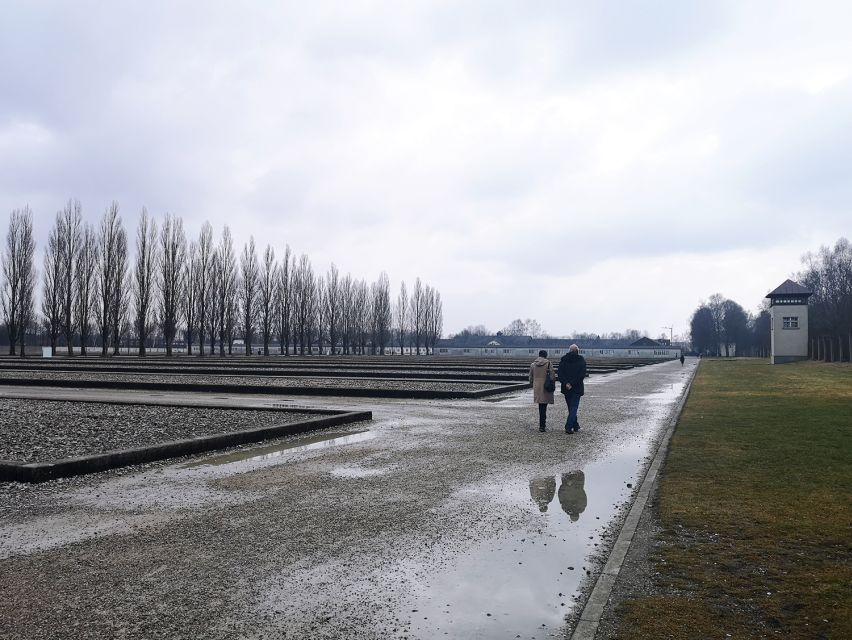
A somber place with real answers. This Spanish guided trip from Munich to the Dachau Memorial Site brings the story to life with an official Dachau Memorial Guide and a clear walkthrough of the permanent exhibition. You will also see the roll-call area, bunkers, barracks, and the crematorium, plus the international and religious memorials. One key drawback is simple but important: this tour is only for people who speak Spanish, and it is not suitable for children under 13.
I like that the visit is structured. It is not just wandering around, it is a guided, respectful route that helps you connect buildings and spaces to what happened there. You will walk away with a stronger understanding of the camp and its victims, not just a general impression.
One practical consideration: you need comfortable shoes, and site rules are strict. There is no food, no pets, and no large bags, so plan to travel light and be ready for a long, emotionally serious 5-hour outing.
In This Review
- Quick hits before you go
- From Munich by train: the day plan in plain terms
- Why an official Spanish guide changes everything
- Entering the memorial grounds and making sense of what remains
- The permanent exhibition: where the story gets clear
- Roll-call, bunkers, barracks, and the crematorium
- Original buildings and reconstructions: reading the evidence
- International Memorial and religious memorials: the wider human impact
- Price and value: is $40 worth it?
- Meeting point at Karlstor Gate: how to actually find the guide
- What to bring, and what the site does not allow
- Who should book this Dachau tour, and who should skip it
- Should you book this Dachau Memorial Site tour from Munich?
- FAQ
- What language is the tour in?
- How long is the Dachau Memorial Site tour from Munich?
- What does the tour include?
- How do I get to Dachau from Munich?
- Where do I meet the guide?
- Are there any age restrictions or item restrictions?
Quick hits before you go
- Official Dachau Memorial Guide in Spanish for the full 5-hour memorial experience
- Permanent exhibition covering the history of the camp and its victims
- Original buildings plus reconstructions that show what remains from the former concentration camp
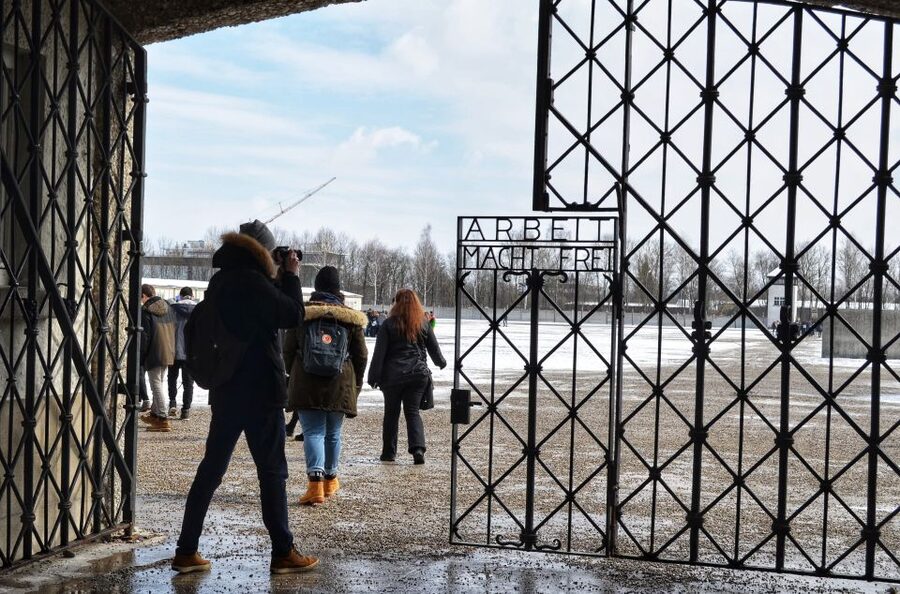
- Roll-call, bunkers, barracks, and crematorium are all part of the route
- International Memorial and religious memorials add context beyond one group or one country
- Minimum 4 participants to operate, so plan for the possibility of an alternative if it does not run
From Munich by train: the day plan in plain terms
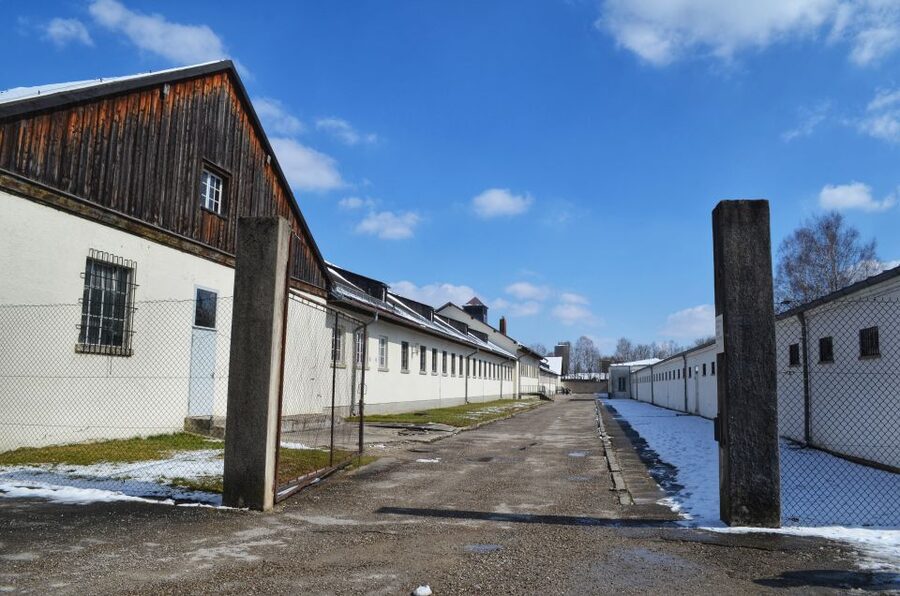
This is a straight, no-drama format: you go from Munich to the Dachau Concentration Camp Memorial Site by train with an official guide. Once you arrive, the tour focuses on the memorial itself, where you will spend most of your time.
The day is designed for one goal, understanding. You are not meant to treat it like a checklist. The guide’s job is to give you the history, then help you read the space in front of you, from where people were processed to where prisoners were held and killed.
You will also appreciate the pacing. A 5-hour visit is long enough to be meaningful, but short enough that you are not stuck for a whole day. That matters here, because the content is heavy.
Why an official Spanish guide changes everything
Dachau is one of those places where details matter. You can read plaques on your own, but a guided explanation helps you connect the dots. That is the real value here.
This tour is exclusively in Spanish, and you must speak it to book. I think this is a smart choice for a memorial site like this, because it keeps the experience focused and avoids the common problem of mixed-language groups where questions get stalled.
You will get historical background and stories of the victims, delivered by an official Dachau Memorial Guide. The guides running this experience tend to explain clearly and patiently, and they keep an eye on the group, which is exactly what you want when people are absorbing difficult information.
If you are comfortable with Spanish, this format feels efficient and human: facts are explained in context, not just thrown at you as names and dates.
Entering the memorial grounds and making sense of what remains
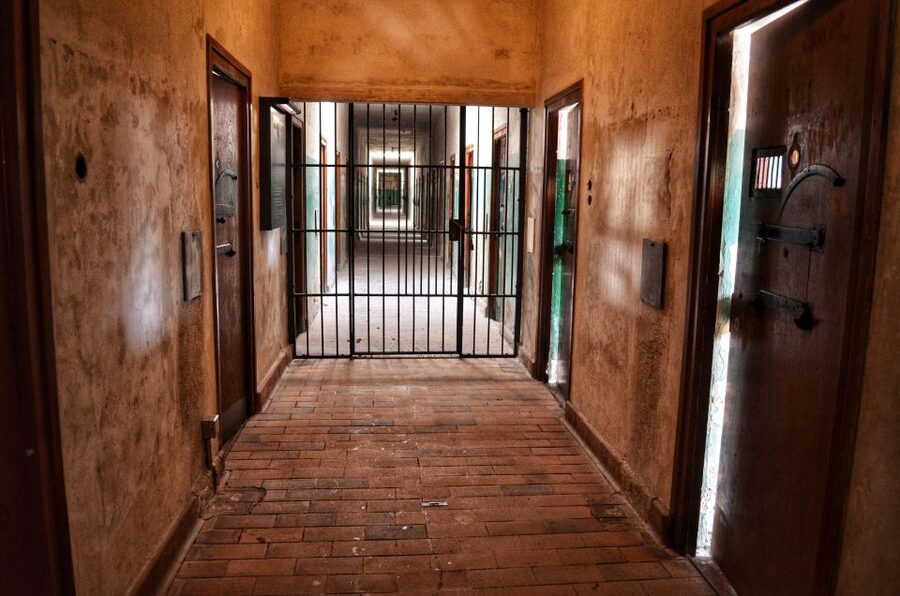
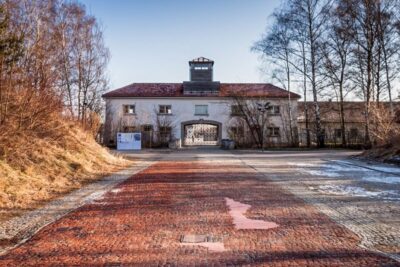
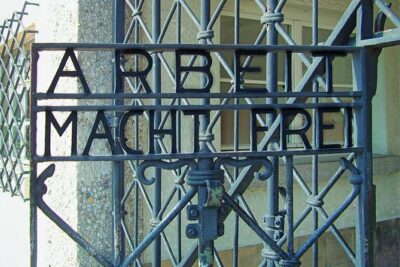
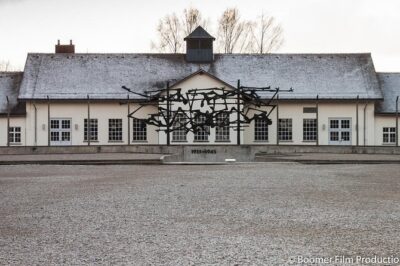
The Dachau Memorial Site tour takes you through the areas where you can still see traces of the camp. Some buildings and features are original remnants. Others are reconstructions. Either way, the guide helps you understand what you are looking at and why it matters.
This is not the kind of place where you should rush. The most meaningful moments tend to happen when you stop, look closely, and let the history settle into the real geometry of the site. A good guide keeps you oriented so you can focus on the significance rather than just the route.
You will start with a walkthrough that connects the camp’s history to the physical layout. Then you move into the exhibition and the key built areas. That sequence is helpful: you learn the background first, so the buildings later feel less random.
The permanent exhibition: where the story gets clear
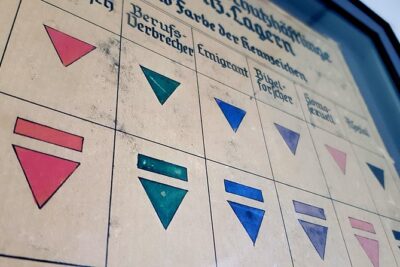
One of the biggest highlights is the permanent exhibition, which provides an overview of the history of the Dachau Concentration Camp. This is where the tour gives you the backbone: what Dachau was, how it worked, and how prisoners were affected.
This part of the visit matters because it turns scattered impressions into a timeline you can hold in your head. Without that, the buildings can feel like ruins rather than evidence.
You will also learn about the camp’s victims. That focus on people, not only structures, is what makes the exhibition more than a museum stop. It gives names of groups, describes persecution, and helps you understand who suffered there.
In my view, this is the best use of guided time. You are inside a space where explanations can be detailed, and you are not distracted by weather or moving from one stop to another.
Roll-call, bunkers, barracks, and the crematorium
After the exhibition and the initial orientation, the tour moves into the camp remains. This is where you see the key spaces connected to prison life and mass death.
Expect to visit the roll-call area, the bunkers, and the barracks. These are the kinds of places where the layout does part of the explaining for you. The guide connects what happened there to why it was designed that way, so you understand the system rather than just staring at walls.
You will also visit the crematorium. This is the most difficult section for many people, and the tour is designed with sensitivity and respect for the victims. You do not need to force emotions. Just let the information and the setting work on you.
A small practical note: when you are dealing with serious content, your brain uses up energy faster than normal sightseeing. Comfortable shoes are not a luxury here. You will want your legs steady, because you will be standing and walking through multiple parts of the memorial.
Original buildings and reconstructions: reading the evidence
A careful memorial tour does not only show what is left. It also helps you understand what is missing and what has been rebuilt for interpretation.
This experience includes remaining original buildings as well as reconstructions. The guide explains what the reconstructions mean, which prevents a common mistake: assuming that recreated structures are either exact replicas or meaningless stand-ins.
The practical payoff is that you leave with a more accurate sense of scale and function. You can look at a rebuilt section and still understand the historical reality behind it.
This matters for two reasons. First, it helps you avoid turning the site into a generic tragedy photo-op. Second, it makes the whole visit feel more intellectually honest. You are not just looking, you are learning how historians interpret the surviving traces.
International Memorial and religious memorials: the wider human impact
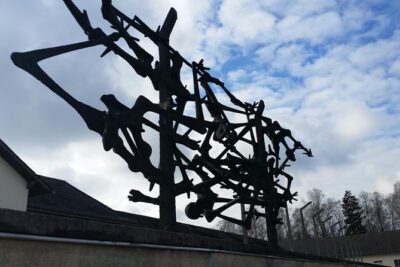
Later in the tour, you have the chance to see the International Memorial and other religious memorials within the camp grounds. This part broadens the story beyond a single group.
Memorials like these are powerful because they acknowledge that Dachau’s victims included people from different countries and faiths. The guide’s explanations help you understand why the memorial design includes these elements and what they are meant to honor.
If you tend to focus only on the camp itself, this section is the nudge back to humanity. It reminds you that the victims were not anonymous. The memorial language becomes a bridge from the historical record to remembrance.
It is also emotionally different from the exhibition. Museums explain. Memorials acknowledge. Together, they give you a fuller sense of what “memory and reflection” means in practice.
Price and value: is $40 worth it?
The price is $40 per person for a 5-hour guided memorial tour in Spanish, led by an official Dachau Memorial Guide. Transport ticket, food, and drinks are not included, and you handle those separately.
Here is how I see the value. What you are paying for is not only time with a guide, but time in a place where the context truly matters. An official guide helps you interpret structures, connect them to victims and history, and keep the visit respectful and coherent. If you tried to do it self-guided, you would still spend time reading plaques and figuring out what is essential, and you would likely miss some of the human stories the guide shares.
On the other hand, $40 is only a good deal if it fits your needs. This tour is Spanish-only and not open to children under 13. If either factor affects you, the “value” quickly drops because you cannot participate.
So the right way to think about the cost is this: for Spanish speakers who want a structured, respectful tour, it is a practical price for a serious educational experience. If you need English, another option will likely be a better fit.
Meeting point at Karlstor Gate: how to actually find the guide
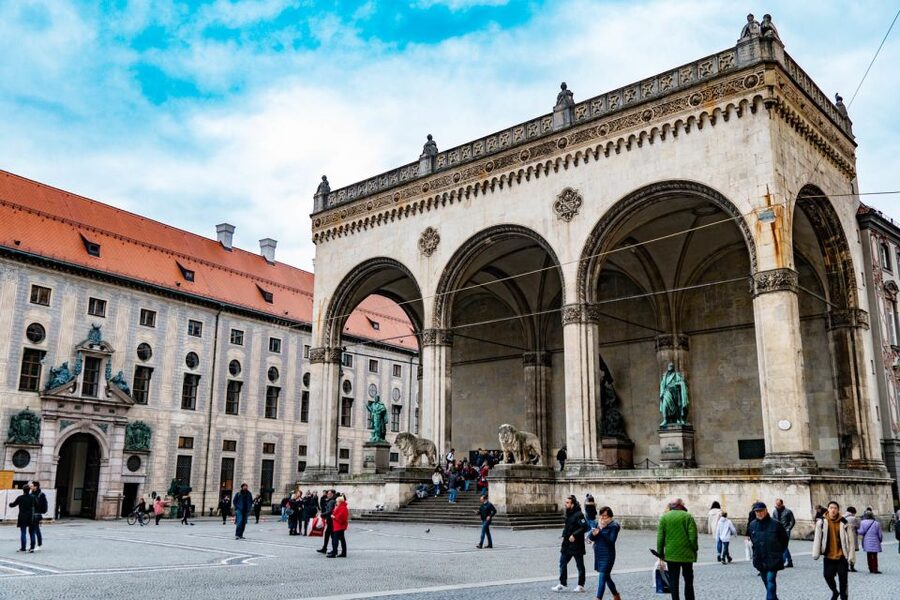
The meeting point is very specific. Meet under Karlstor Gate (at Karlsplatz) about 10 minutes before the activity starts.
Do not look for or board any buses. Instead, you need to find the guide waiting under the Karlstor arch at Karlsplatz.
This detail matters because on busy Munich streets, it is easy to waste time trying to figure out which vehicle is yours. Plan to be early. Even five minutes late can turn a calm start into stress, and you do not want that before a memorial visit.
If you are traveling from central areas near Karlsplatz, it is an easy landmark to orient yourself around, which is why this meeting point works well.
What to bring, and what the site does not allow
This tour is straightforward about essentials. Bring comfortable shoes. You will be walking through multiple parts of the memorial site, and your feet will do the talking.
The site rules include:
- No pets
- No luggage or large bags
- No food
If you usually carry a backpack for day trips, rethink it for this outing. Traveling light keeps you within the rules and helps the group stay orderly during the visit.
Food is not included, so eat before you go and plan to refuel afterward. I like having a plan for meals because it keeps you from getting hungry and distracted during emotionally demanding parts of the tour.
Who should book this Dachau tour, and who should skip it
This experience is a strong choice if you meet the basic requirements:
- You speak Spanish
- You are 13 or older
- You want an official guided understanding of Dachau’s camp history and victims
- You are comfortable with a serious, emotionally reflective visit
It is not suitable for children under 13, and you cannot book if you do not speak Spanish. That sounds obvious, but it is a dealbreaker for many people who visit Munich and want to join a flexible tour lineup.
If you are traveling with teens, check their language comfort first. If you are an English speaker who wants a similar structured experience, you will need a different tour option that matches your language.
If you want something lighthearted or purely scenic, this is not that. This is about memory, education, and respect.
Should you book this Dachau Memorial Site tour from Munich?
I recommend booking if you want a structured, official Spanish guided visit that covers both the education part and the key camp spaces. The combination of the permanent exhibition, remaining original areas, reconstructions, and the memorial sections gives you a complete picture in 5 hours.
Book it if you appreciate clear explanations and patient guidance, especially for a place that is heavy and serious. The guides associated with this experience are known for explaining well and staying attentive to the group, which helps when people are processing difficult information.
Skip it if Spanish is not your working language, or if you are traveling with a child under 13. Also skip it if you cannot handle the emotional weight of concentration camp history. Your pace and comfort matter here.
If you do book, show up on time at Karlstor Gate, wear solid shoes, travel light, and be ready to learn. Dachau deserves that kind of attention.
FAQ
What language is the tour in?
The guided tour is exclusively in Spanish. Non-Spanish speakers are not allowed to book this tour.
How long is the Dachau Memorial Site tour from Munich?
The tour lasts about 5 hours.
What does the tour include?
It includes a Spanish-speaking official Dachau Concentration Camp Memorial guide. The visit covers the memorial site, including the exhibition and camp areas, as well as the international and religious memorials.
How do I get to Dachau from Munich?
You travel from Munich to the Dachau Memorial Site by train with the guide. The transport ticket is not included.
Where do I meet the guide?
Meet under Karlstor Gate (at Karlsplatz) about 10 minutes before the tour starts. The guide will wait under the Karlstor arch. Do not get on any buses.
Are there any age restrictions or item restrictions?
Yes. Children under 13 are not allowed to participate in the guided tour. Pets, luggage, large bags, and food are not allowed.
Dachau Memorial Site Tours, side by side.
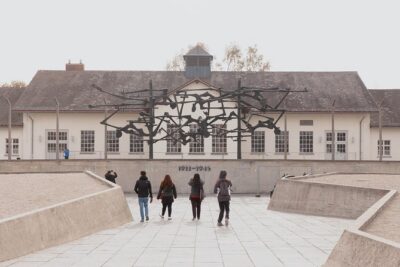 ★ 4.5Dachau Concentration Camp Memorial Site Tour from Munich by TrainFrom $645,637 reviews
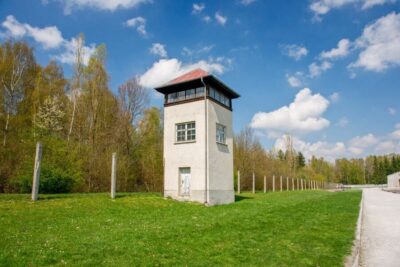 ★ 4.8From Munich: Dachau Memorial Site Day TourFrom $492,723 reviews
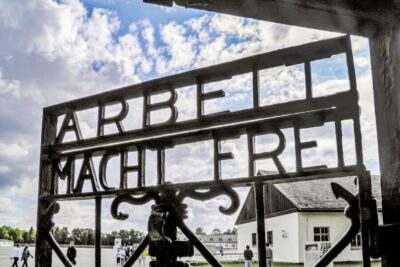 ★ 4.7From Munich: Dachau Memorial Site Half-Day TripFrom $622,526 reviews
 ★ 4.9From Munich: Dachau Memorial Site Full-Day TourFrom $511,406 reviews
 ★ 4.5Dachau Concentration Camp Memorial Tour with Train from MunichFrom $56955 reviews
 ★ 5.0Early-Start Dachau Memorial Half-Day Tour from MunichFrom $62942 reviews
 ★ 5.0Guided Dachau Concentration Camp Memorial Site Tour with Train from MunichFrom $90920 reviews
 ★ 5.0Full-Day Dachau Concentration Camp Memorial Site Tour from MunichFrom $48897 reviews
Other lists this tour is on