
REVIEW · DACHAU
From Munich: Dachau Memorial Site Full-Day Tour
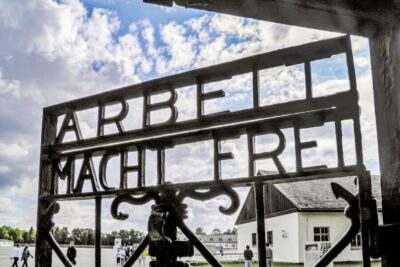
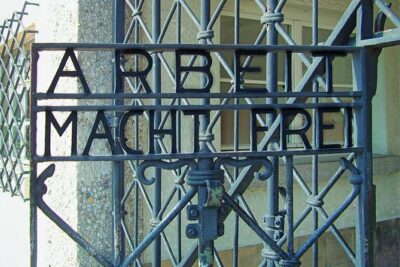
A sobering day with real context. A Memorial-qualified guide walks you through Dachau’s camp history, and you’ll see the Arbeit Macht Frei gate area up close before the tour moves into the hardest places. I love that the pacing is structured for a group, and I love how the guide keeps camp operations and prisoner life tied to what you’re actually standing in.
One thing to consider first: this tour is not suitable for kids under 14, and the content is described as graphic under Memorial Site guidelines.
In This Review
- Key things you will notice on this Dachau day trip
- Why this Dachau tour from Munich feels more meaningful than a self-guided visit
- Getting to Dachau without stress: Marienplatz meeting point and public transport flow
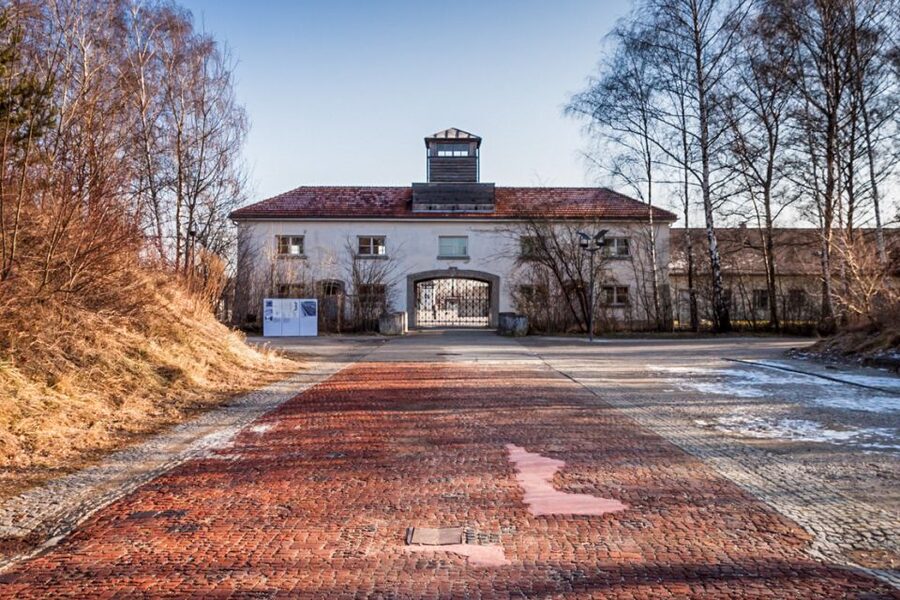
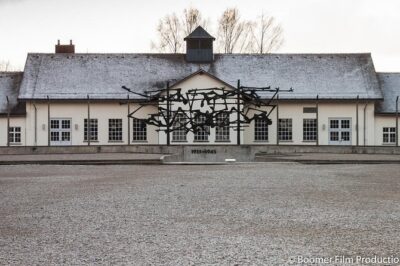
- The camp introduction: Jourhaus, the entrance gateway, and what the gate really signals
- Appellplatz and the logic of daily control
- Bunker and Barrack X: seeing punishment as a system, not a rumor
- The S.S. training facility and the school of terror idea
- How the camp evolved: three phases and the longer arc from 1933 to 1945
- Time on the ground: 4 hours inside plus breaks, with no eating during the tour
- Group experience and guide style: why guides like Marcin and Adam make a difference
- Who should book this Dachau Memorial Site day trip (and who should think twice)
- Value check: is $51 a fair deal for this 6-hour, guided Dachau visit?
- Should you book this Dachau Memorial Site Full-Day Tour?
- FAQ
- Where is the meeting point in Munich?
- How long is the tour, and how much time is spent inside the camp?
- What language is the tour guide?
- What is the minimum age for this tour?
- What should I bring, and what am I not allowed to do?
- Is food or lunch included?
- Is this tour wheelchair accessible or suitable for mobility impairments?
Key things you will notice on this Dachau day trip
- Jourhaus and the gate area, including the infamous Arbeit Macht Frei sign, set the tone before you step deeper into the camp
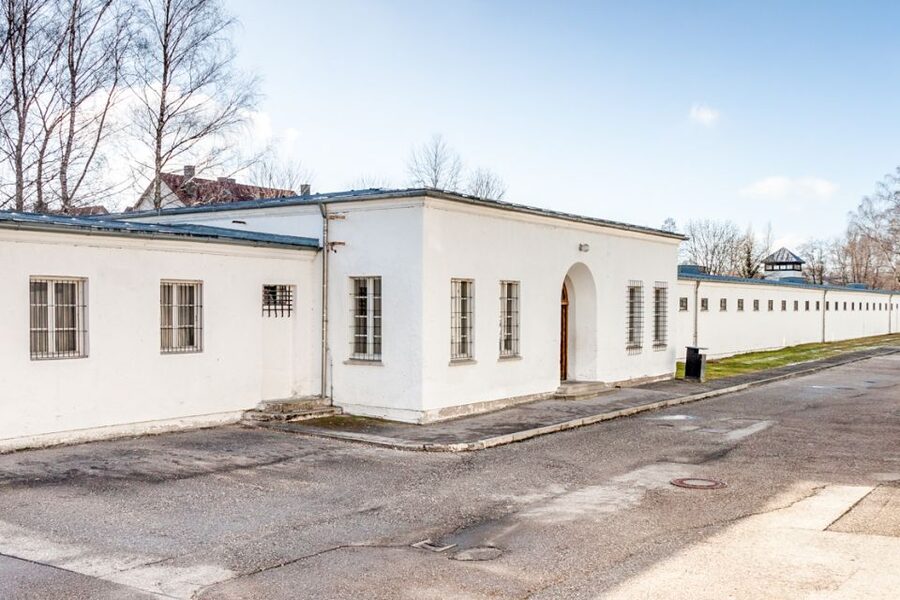
- Bunker and Barracks are covered with a Memorial-qualified guide, so you’re not guessing what you’re looking at
- A clear camp timeline, including how Dachau developed across its years of operation
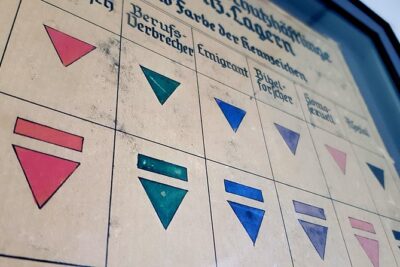
- Camp life from registration onward, including daily processes tied to terror and punishment
- Time management built for a full day, with about 4 hours inside the memorial and breaks that keep the visit humane
- English-guided experience with strong communication, highlighted in guides like Marcin, Sam, Adam, Hein, and Keith
The other Dachau Memorial visits we reviewed
- Dachau Concentration Camp Memorial Site Tour from Munich by Train★ 4.5 · 5,637 reviews
- From Munich: Dachau Memorial Site Day Tour★ 4.8 · 2,723 reviews
- From Munich: Dachau Memorial Site Half-Day Trip★ 4.7 · 2,526 reviews
- From Munich: Dachau Memorial Site Full-Day Tour★ 4.9 · 1,406 reviews
Why this Dachau tour from Munich feels more meaningful than a self-guided visit
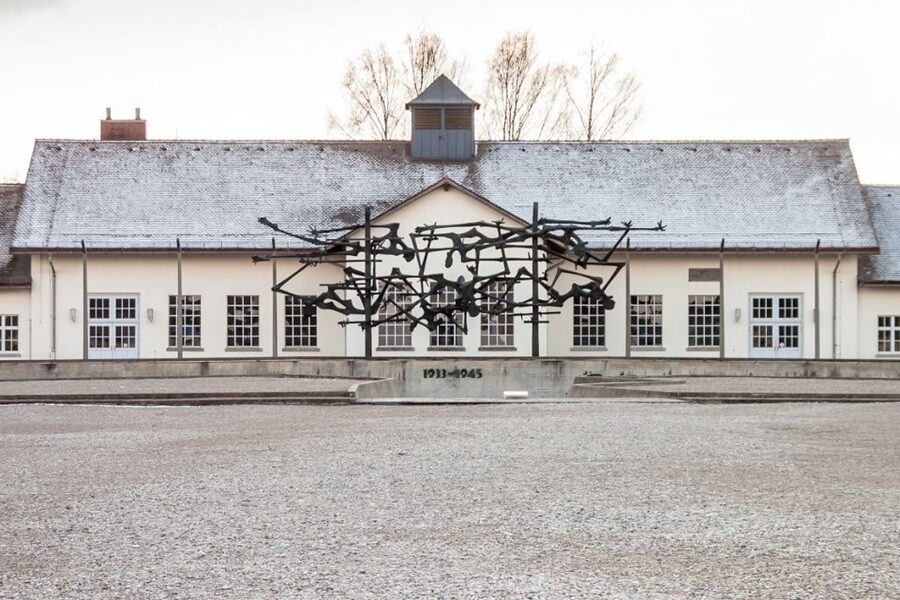
Dachau is one of those places where you cannot really do it by vibes. Left on your own, it is easy to miss the order of events, or to stare at buildings without understanding how they fit into daily prisoner life and the Nazi system.
This tour’s value is the guide. You get commentary on camp life and death for people who passed through the gates from 1933 to 1945, plus an explanation of why the camp opened and how it changed through its three main phases. When a guide keeps turning the perspective back to what you’re looking at, the site stops being a blur of walls and turns into a grounded account you can actually follow.
You also get a day trip flow that helps you focus. You meet in central Munich, move by public transport with scheduled segments, and then return late afternoon to the same meeting area. That matters because Dachau is not a quick grab-and-go stop. You want your energy for the emotional weight of the visit, not for figuring out transit on the fly.
Getting to Dachau without stress: Marienplatz meeting point and public transport flow
You start at Marienplatz in front of the department store Ludwig Beck, address Marienplatz 11. It’s easy to spot: look for a white and blue umbrella and signs advertising the Dachau tour.
From there, the day runs on public transport. Expect about 40 minutes on the subway or metro, then a short bus or coach ride, before you reach the memorial site. After the visit, the return is similarly structured, with a coach ride and then a train segment back toward Munich.
Why I like this approach: it removes decision fatigue. You are not juggling tickets, routes, and schedules while already thinking about what you’re going to see. In a day like this, clarity early on helps you stay present.
The camp introduction: Jourhaus, the entrance gateway, and what the gate really signals
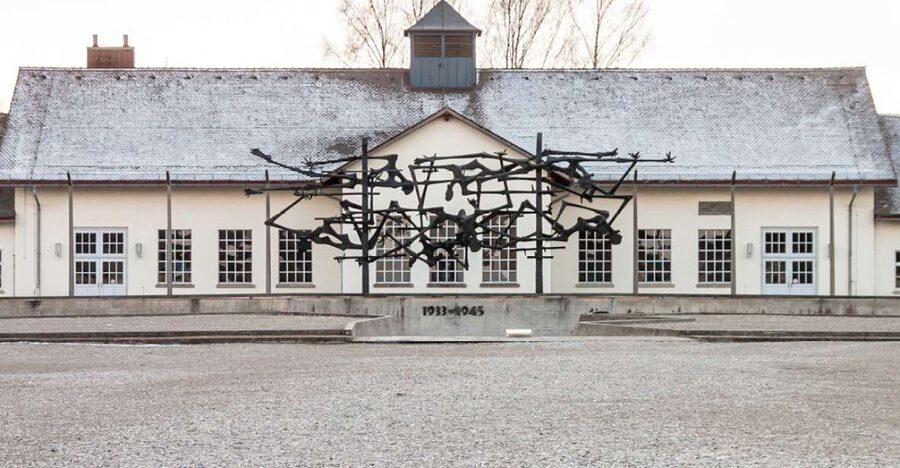
Once you arrive, the first part is about orientation and context. You’ll pass through the Jourhaus area and see the entrance gateway and key structures around it, including the Arbeit Macht Frei sign.
This is not just a photo stop. The gate area functions like a psychological entry point. A good guide explains what it represented and how the camp system worked from the start, so you’re not treating the sign as a random artifact. It becomes part of the story you’re about to live through in your mind, step by step.
There’s a reason this tour front-loads the interpretation. You come away understanding that Dachau was designed for intimidation, control, and processing people into a machine. That gives the later sections, like the bunker and barracks, much more meaning.
Appellplatz and the logic of daily control
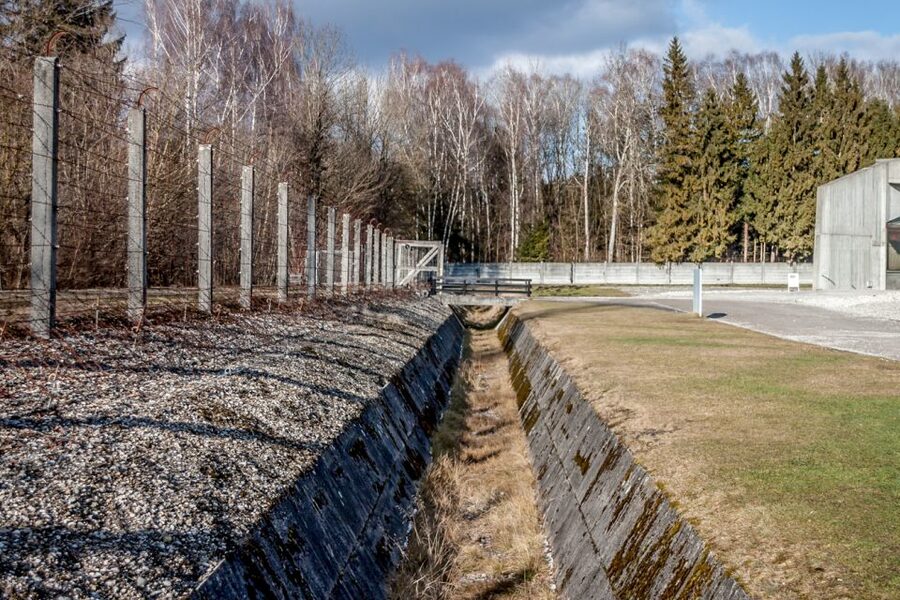
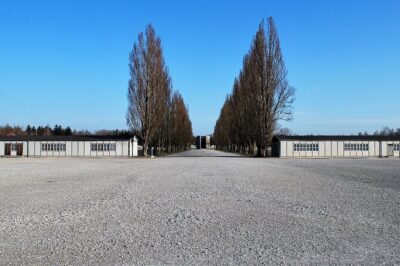
After the entrance area, the tour moves toward the camp’s operational spaces, including the Appellplatz. This is where the camp’s daily rhythm mattered. Even if you only walk through it for a short time, it helps to understand that camp life was not random suffering. It was organized, repeated, and enforced.
A strong guide keeps connecting what you see to how that repetition worked on prisoners. You’ll hear about how registration fit into the wider system, how new prisoners were processed, and how trials in torture and punishment were tied to the daily operations of the camp.
This is one of the reasons a guided visit is so important here. You might see an open space and buildings and wonder how they related. With a guide, you get the connective tissue. You learn what daily routines looked like, not just what the buildings were used for.



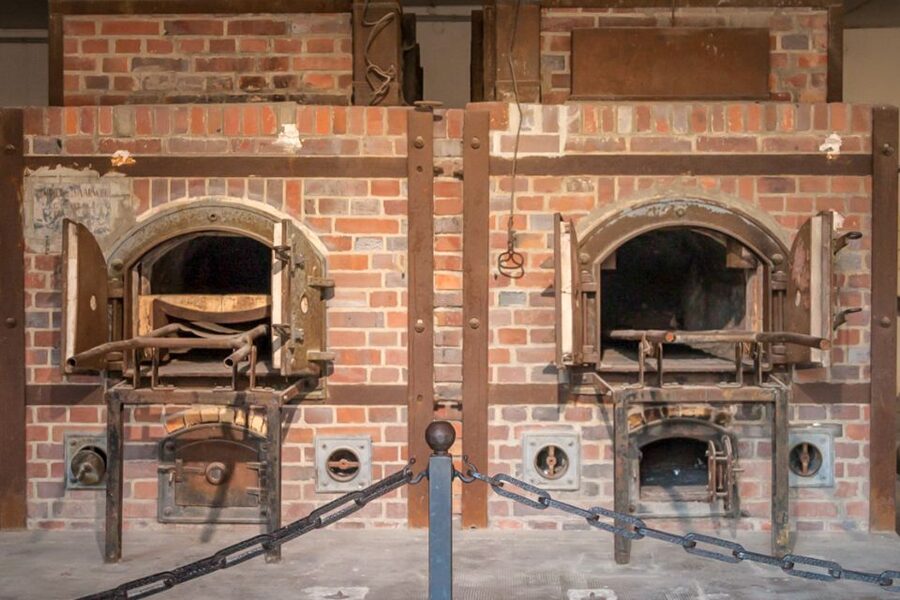
Bunker and Barrack X: seeing punishment as a system, not a rumor
The hardest parts come next: the bunker and barracks, including Barrack X. This is where you’ll feel the visit settle into something heavy and specific.
On this tour, a Memorial-qualified guide leads you through these sections and explains what they represent. You’ll learn about prisoners’ experiences tied to detention, punishment, and the broader structure of terror. The tour descriptions emphasize commentary on all aspects of camp life and death, and that includes the logic behind why these spaces were built and how they were used.
One of the most praised elements in this experience is how guides handle this material with respect and clarity. For example, Sam, Marcin, Adam, Hein, and Keith were repeatedly noted for pacing the group well and delivering facts sensitively. That matters because you do not want a rushed lecture here, and you do not want vague storytelling either. You want a calm path through the real details.
The S.S. training facility and the school of terror idea
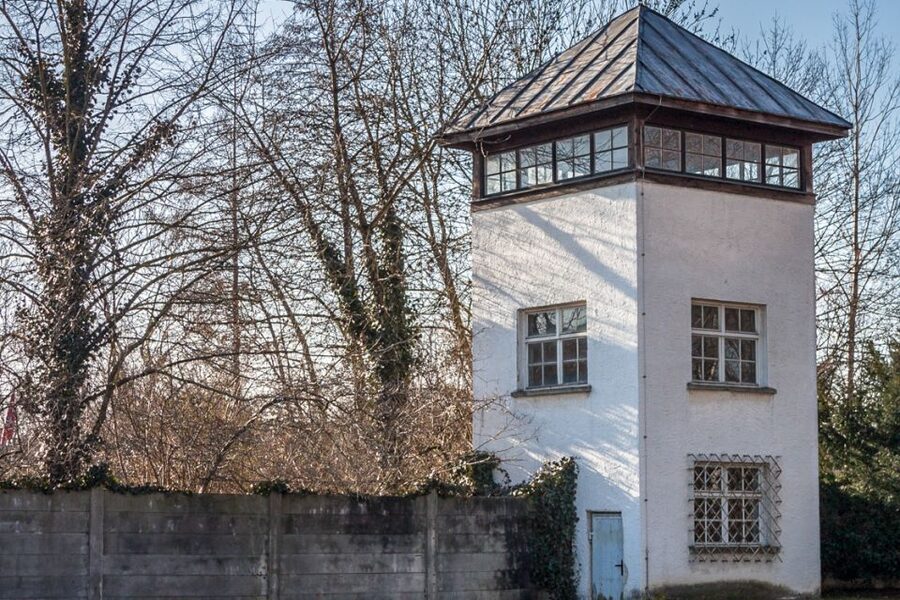
The tour also includes the S.S. training facility, sometimes referred to as the School of Terror. Even if you’ve read some history beforehand, seeing how sites relate to training and control adds another layer.
This section helps you understand that Dachau was not only a place where prisoners were held. It was also used as a tool in the Nazi system, including the education and development of those running it. When you learn that role, you start to see how terror was institutional, not merely accidental.
How the camp evolved: three phases and the longer arc from 1933 to 1945
One of the most useful things you’ll hear is the camp’s development across its years of operation, including its three phases. Without that framework, Dachau can feel like a single unbroken period of horror, even though the camp changed over time.
The guide will cover why Dachau was opened, who the first prisoners were, and how the camp’s evolution affected daily operations. That helps you interpret the layout and the different buildings, because you understand they did not all have the exact same meaning at every moment.
This is also where the best guides go beyond a simple walk-through. In the tour experience, guide explanations and pacing often include real survivor-centered context, which can make the historical timeline feel human rather than abstract. The repeated praise for guides who brought in survivor stories is a big clue that the human side of the history is handled carefully.
Time on the ground: 4 hours inside plus breaks, with no eating during the tour
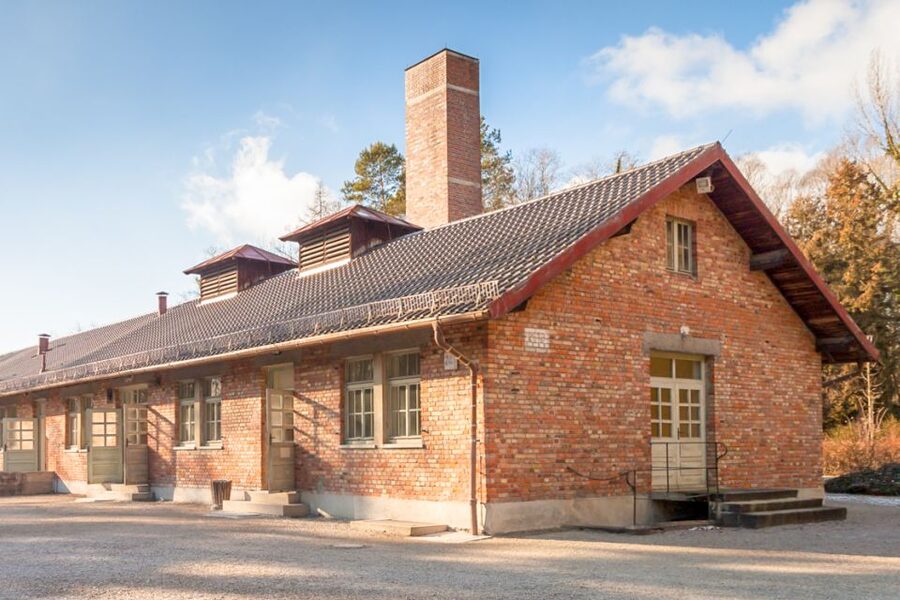
The full tour is about 6 hours total, including roughly 4 hours inside the camp area and about 2 hours of travel. You also get a short break time around 15 minutes during the day.
Here’s the practical reality you should plan for: there is no eating allowed during the tour at Dachau. That means you need to think about fuel. Do a big breakfast, or plan to bring something to eat for the train segments, then keep snacks and water for breaks.
This is also why comfortable shoes are not optional. Even if the walking feels controlled, you are moving between key points and standing still in places where attention matters. Bring water and dress for weather, because you can be outside longer than you think.
Also note what you are not allowed to do. Smoking is not permitted, alcohol and drugs are not permitted, and video recording is not allowed.
Group experience and guide style: why guides like Marcin and Adam make a difference
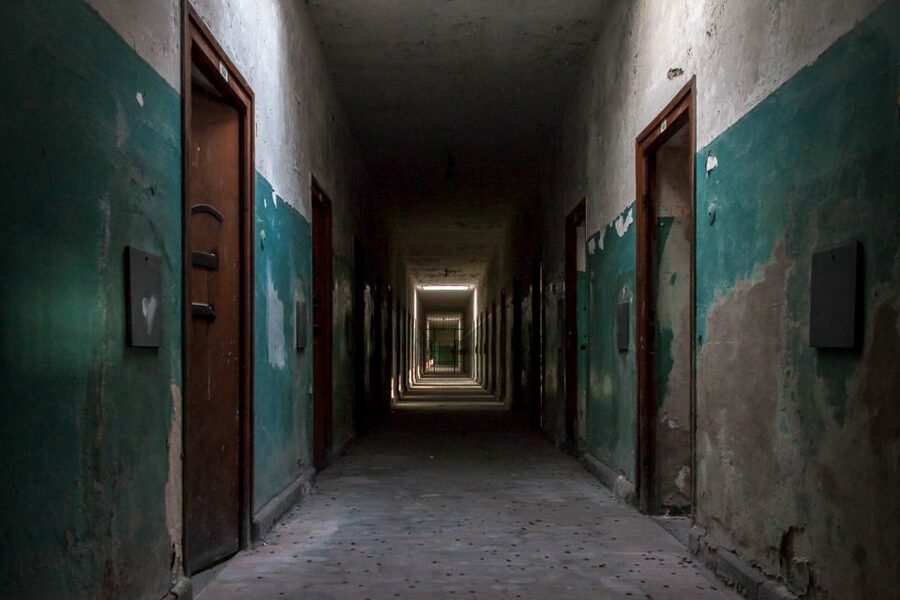
In reviews, the guides come up again and again as the reason the tour works. Names like Marcin and Sam show up with praise for being respectful, friendly, and clear, with strong knowledge tied directly to what you’re seeing. Adam and Hein are repeatedly singled out for making the pace work for the group and for answering questions without making you feel rushed.
There’s also a pattern around organization. Guides kept groups together, managed cold or weather issues, and made sure people could use facilities when appropriate. One account emphasized that the schedule allowed a small group format, and that the guide balanced guided route with time to look and read.
What you should take from that: this tour is not just about reaching Dachau. It’s about how you process it while you’re there. A good guide helps you read the site, not just walk through it.
Who should book this Dachau Memorial Site day trip (and who should think twice)
This is a strong choice if you want a guided visit with structured interpretation, and if you know you’ll benefit from a Memorial-qualified explanation. If you care about understanding the camp’s operation, its phases, and how daily processes worked from registration onward, this format is built for that.
It’s less suitable if you have mobility constraints. The tour is noted as not suitable for people with mobility impairments and wheelchair users. It’s also not suitable for people with respiratory issues, which is worth considering for your comfort in outdoor walking segments.
Age matters too. Children aged 13 or under are not permitted. Children aged 14 and over may join if accompanied by parents who understand the graphic nature of the tour content, and proof of age may be required. Even then, the memorial site guidelines indicate some exhibits and themes are not suitable under 14.
Value check: is $51 a fair deal for this 6-hour, guided Dachau visit?
At around $51 per person, this tour can feel like a bargain or a splurge depending on what you compare it to. Here’s how I think about value.
You are paying for three things: a live guide, and the transport arrangement that gets you from central Munich to the memorial and back, plus a well-timed structure that supports a serious visit. You’re not just buying access to the site. You’re buying interpretation, pacing, and a guided route through the hardest spaces.
Most importantly, you’re buying time with a guide who can explain the camp system clearly. Dachau is not the place to save money by going fully self-guided and hoping you’ll piece it together. If you want meaning, this kind of guided day trip is one of the better value ways to do it from Munich.
Should you book this Dachau Memorial Site Full-Day Tour?
Book it if you want a guided, structured visit that helps you understand what you’re looking at, especially the gate area, Appellplatz, the bunker, barracks including Barrack X, and the camp’s evolution across its years of operation. The repeated praise for guides like Marcin, Sam, Adam, Hein, and Keith is a good sign that the experience is handled with respect and clarity.
Skip it, or choose another option, if mobility limits you, if you are traveling with a child under 14, or if you know you cannot manage this level of graphic, emotionally heavy content. Also, plan your day like you mean it: wear comfortable shoes, bring water, and handle food outside the tour because eating is not permitted during the visit.
If you go in prepared, with the right expectations, this tour can leave you with more than images. It gives you a coherent understanding of how Dachau worked and why it mattered.
FAQ
Where is the meeting point in Munich?
Meet your guide on Marienplatz, in front of the department store Ludwig Beck at Marienplatz 11. Look for a white and blue umbrella and signs advertising the Dachau tour.
How long is the tour, and how much time is spent inside the camp?
The tour lasts about 6 hours total, including around 4 hours of visit time inside the camp and about 2 hours of travel time.
What language is the tour guide?
The live tour guide speaks English.
What is the minimum age for this tour?
Children aged 13 or under are not permitted. Children aged 14 and over are welcome if accompanied by parents who understand the graphic nature of the tour content, and proof of age may be required.
What should I bring, and what am I not allowed to do?
Bring comfortable shoes, snacks, water, and weather-appropriate clothing. Smoking, alcohol, and drugs are not allowed, video recording is not allowed, and you should avoid eating food while on the tours at Dachau.
Is food or lunch included?
Food is not provided as part of the tour, and it is not permitted to eat while on the tours inside Dachau. Plan to eat a big breakfast or bring something to eat on the train.
Is this tour wheelchair accessible or suitable for mobility impairments?
No. The tour is not suitable for people with mobility impairments and is not suitable for wheelchair users. It is also noted as not suitable for people with respiratory issues.
Visiting Dachau Memorial Site
Everything else we filed on Munich
- Munich Beer and Bavarian Bites Private Tour
★ 5.0 · 11 reviews - Private Day Trip from Munich to Neuschwanstein and Linderhof
★ 4.0 · 11 reviews - Private Munich Old Town Walking Tour – with optional Breakfast
★ 5.0 · 11 reviews - Festive Concert in the All-Saints Court Church
★ 4.6 · 11 reviews - Private Castle Tour from Munich: Neuschwanstein, Hohenschwangau, and Linderhof
★ 4.5 · 12 reviews - Munich: Oktoberfest Big Beer Tent Evening including table reservation
★ 4.8 · 12 reviews
Dachau Memorial Site Tours, side by side.
 ★ 4.5Dachau Concentration Camp Memorial Site Tour from Munich by TrainFrom $645,637 reviews
 ★ 4.8From Munich: Dachau Memorial Site Day TourFrom $492,723 reviews
 ★ 4.7From Munich: Dachau Memorial Site Half-Day TripFrom $622,526 reviews
 ★ 4.5Dachau Concentration Camp Memorial Tour with Train from MunichFrom $56955 reviews
 ★ 5.0Early-Start Dachau Memorial Half-Day Tour from MunichFrom $62942 reviews
 ★ 5.0Guided Dachau Concentration Camp Memorial Site Tour with Train from MunichFrom $90920 reviews
 ★ 5.0Full-Day Dachau Concentration Camp Memorial Site Tour from MunichFrom $48897 reviews
 ★ 5.0Dachau Small-Group Half-Day Tour from Munich By TrainFrom $60811 reviews
Other lists this tour is on