
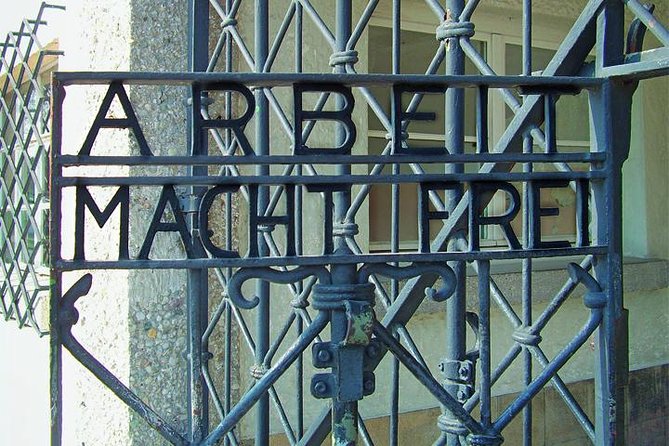
REVIEW · DACHAU
Dachau Concentration Camp Memorial Tour with Train from Munich
Dachau is not a casual stop. This Munich day trip uses a guided walk and museum time to explain how the Nazi camp system worked, ending with liberation context. I especially like that it includes round-trip public transport and entrance access in one straightforward price.
I also like the way the visit is structured around what you’re actually seeing, from the prison blocks to the museum exhibits, not just a name-and-date lecture. Plus, the tour runs in English and is designed to keep the group moving without leaving you totally lost.
One consideration: the pace is tight for a site this heavy, so if you want lots of free time to read every display, you may feel rushed during the museum portion.
In This Review
- Key highlights that matter on this Dachau day trip
- Dachau from Munich, with transport and entry handled
- Getting started: Marienplatz to the memorial
- The 5-hour pacing: what you’ll actually do with your time
- The one drawback to watch for
- Inside the camp: cells, barracks, and the gas chamber
- Museum time and the 22-minute English documentary
- Guides make the difference: names you may meet and what they do well
- Value for money: why $56.84 can be a smart deal
- Best timing: the 1:15 pm departure can feel calmer
- Logistics that affect comfort: what to bring and how to prepare
- Who this tour suits best
- Should you book this Dachau Concentration Camp Memorial Tour from Munich?
- FAQ
- How long is the Dachau tour from Munich?
- Where does the tour start and where does it end?
- Is the tour offered in English?
- Are children allowed on this tour?
- What’s included in the price?
- How big is the group?
- Can I cancel for a refund?
Key highlights that matter on this Dachau day trip
- Small booking size (up to 8) helps you keep track of where your group is going
- English guided format with a built-in 22-minute documentary for added context
- Transport included from Munich to the memorial area and back
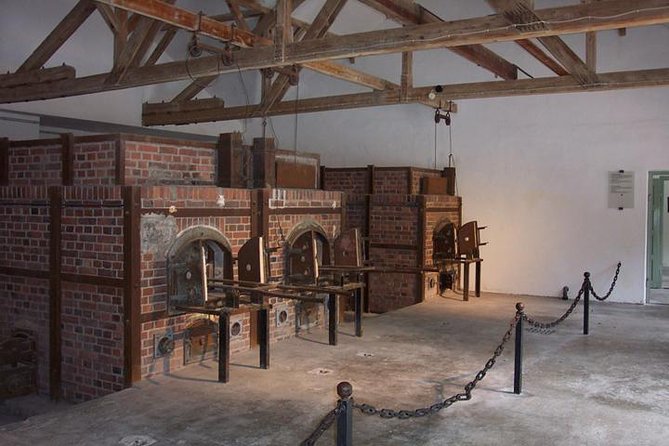
- You cover the major areas tied to the camp’s operation, including cells, barracks, and the gas chamber
- Time for questions and reflection is repeatedly praised when you get a strong guide
The other Dachau Memorial visits we reviewed
- Dachau Concentration Camp Memorial Site Tour from Munich by Train★ 4.5 · 5,637 reviews
- From Munich: Dachau Memorial Site Day Tour★ 4.8 · 2,723 reviews
- From Munich: Dachau Memorial Site Half-Day Trip★ 4.7 · 2,526 reviews
- From Munich: Dachau Memorial Site Full-Day Tour★ 4.9 · 1,406 reviews
Dachau from Munich, with transport and entry handled
If you’re visiting Munich and you want to understand Dachau in a serious, guided way, this is the kind of half-day trip that makes sense. It’s priced at $56.84 per person, lasts about 5 hours, and includes the things that usually add friction when you DIY it: entrance access and the round-trip trip from Munich using public transport.
This matters because Dachau is not just a museum building you pop into. It’s a memorial site where the layout and the exhibits can feel overwhelming fast. A guided route helps you make sense of what you’re looking at without having to build a lesson plan first.
Another practical plus is the group setup. Even though the overall outing can have up to 30 people, each booking caps at 8, so you’re not stuck in a giant blob. And it’s offered in English, which makes it easier to follow the details and ask questions if you have them.
Getting started: Marienplatz to the memorial
You begin at Marienplatz in Munich, which is one of the easiest places to reach for most visitors. The tour ends back at Hauptbahnhof, so you’re not stranded across town at the end when your brain is already emotionally loaded.
The tour description makes it clear that you’ll be escorted to the site by public transport. In practice, that usually means a train ride, and then a further public-transport segment depending on the day and routing. Either way, the structure is helpful: you are already in “guided mode” before you reach the memorial grounds, not figuring out directions while your mood catches up.
A small but real note: the tour requires strong physical fitness. That doesn’t mean it’s an obstacle-course tour, but you should expect real walking and standing. The memorial includes areas outside for part of the experience, and many parts of the site involve moving between key points.
The 5-hour pacing: what you’ll actually do with your time
This is not a “see a few things and leave” outing. The camp portion is built as a long visit. One schedule detail shows a camp stop lasting about 3 hours 30 minutes, and that’s where most of the emotional weight and learning happens.
Here’s the rhythm you should expect:
- a guided walk through the main areas that explain how the camp functioned
- museum time for exhibits and photos, including interpretation of what you see
- an English documentary film that runs about 22 minutes
- reflection space, plus answers to questions if your guide makes time for it
The big value here is that the guide connects the physical places to the bigger story: how the camp system formed during the Nazi period and what liberation looked like in 1945. That kind of framing is hard to replicate if you just arrive with an audio guide and a rough internet history search.
The one drawback to watch for
Because the tour is scheduled tightly, you may feel pressure to keep moving in the museum. A couple of comments point out that some guides spend a lot of time talking and may not leave enough slack to read everything at your own speed. If you’re the type who likes to linger over photos and labels, plan for the fact that you might not absorb every detail in the time allotted.
More trips by rail from Munich
Inside the camp: cells, barracks, and the gas chamber
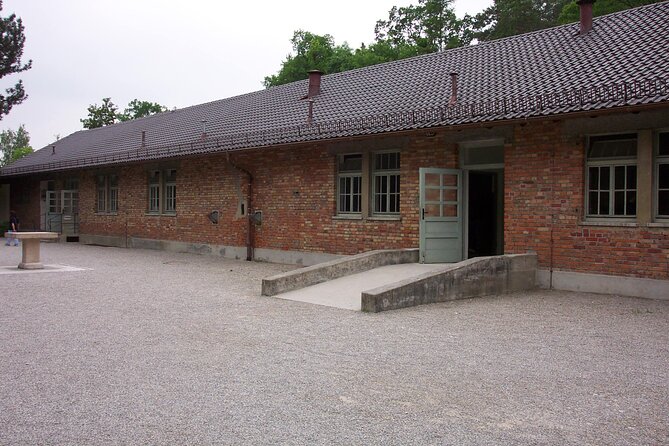
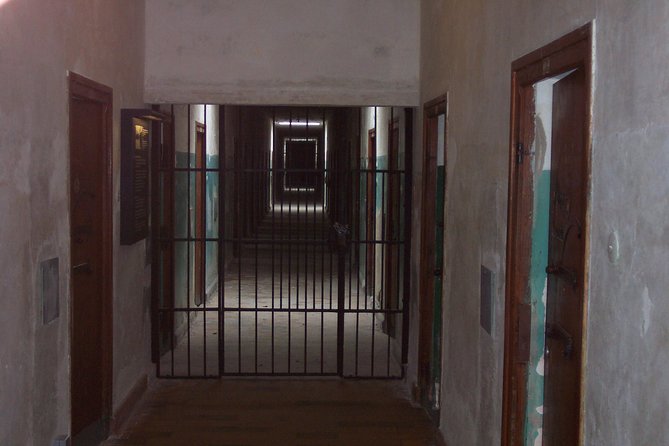
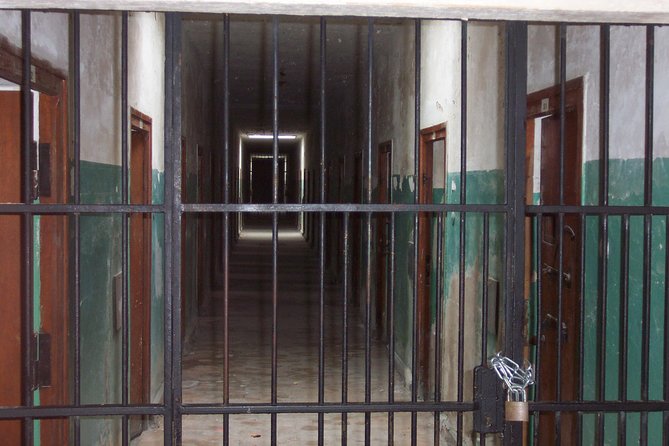
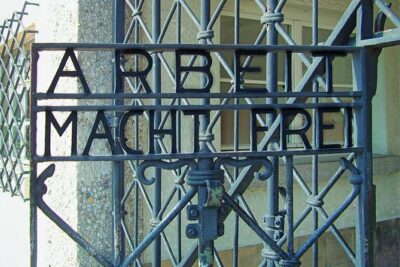
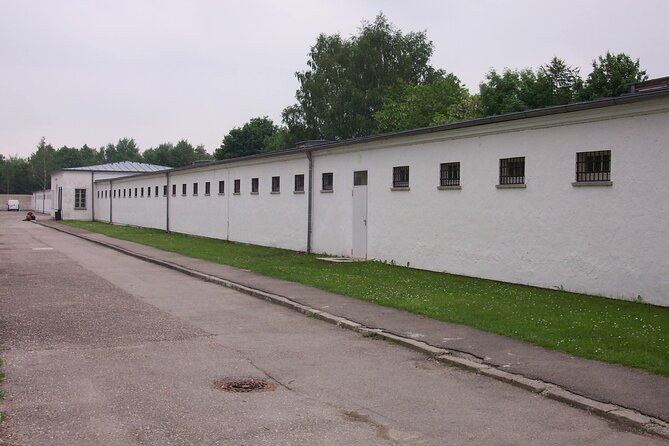
The heart of the tour is the guided walkthrough at the Dachau Concentration Camp Memorial Site. You’re taken through key areas including cells, barracks, and the gas chamber. For many people, this is the part that feels surreal, because you’re not looking at abstract history, you’re looking at a space designed for human confinement.
A strong guide is what turns those spaces into understanding. The tour description emphasizes that the guide explains the meaning behind pictures and exhibits, then connects the site to broader historical developments during the National Socialist regime. That’s exactly what you want, because otherwise the place can feel like a list of horrors instead of a coherent story you can follow.
Another detail I appreciate is the focus on prisoners’ experiences. The guide is described as relating the story of the concentration camp system and using thought-provoking accounts tied to what prisoners endured, from the camp’s setup to liberation by US forces in 1945. That context helps keep your understanding from becoming purely visual. You start to see how the system worked, not just what it looked like.
Museum time and the 22-minute English documentary
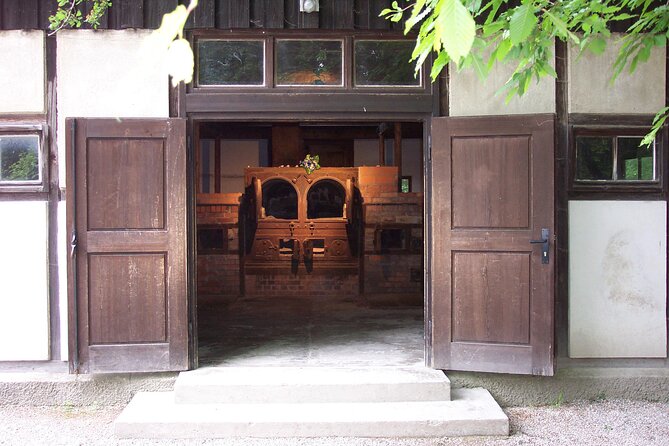
After the walk, you move into museum exhibitions. This is where the tour’s “explain the meaning” approach becomes most important. The museum portion includes multi-media style exhibits and interpretation of images and displays, not just a room full of text.
There is also a 22-minute documentary film in English. One important rule: the film is considered unsuitable for children under 13. And separately, children under 14 are not allowed on this tour. So this day trip is very much aimed at adult travelers and older teens who are ready for serious content.
If you’re visiting in winter, dress like you’re going to stand still outside for longer than you expect. Several guides are praised for handling the emotional subject with care, but cold weather still wins over comfort. Warm layers and gloves can make it easier to stay present for the parts where you’ll likely be standing and reading.
Guides make the difference: names you may meet and what they do well
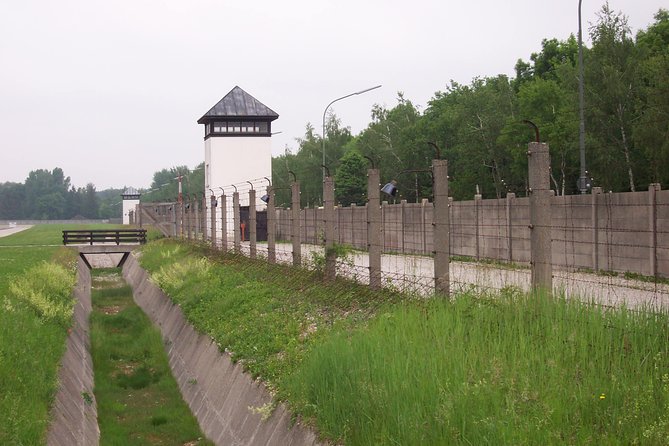
What really shows up in the positive feedback is not just “good information,” it’s the combination of clarity, sensitivity, and pacing. People consistently praise guides who:
- give enough background to make sense of what’s on the walls
- stay respectful in tone
- explain things in plain language that you can follow
- leave time to actually absorb exhibits and answer questions
Specific names that come up include Jessie, Aileen, Conni, Mat, Alex, and Michael. Across these accounts, the common thread is that the guides are described as careful with the subject matter and strong at communicating the camp’s history and meaning.
That said, the less-positive comments suggest a real variable: if your guide talks a lot and doesn’t leave museum time, you might not get the reading time you hoped for. My practical advice is simple. If you care deeply about reading the museum text, arrive in a calm mindset and be ready to skim some labels quickly during the guided portion. Then, if you want more, consider planning a separate return visit on a different day when you can go at your own pace.
Value for money: why $56.84 can be a smart deal
Let’s talk value in plain terms. $56.84 sounds like a lot until you compare it to the costs and hassle you’d take on your own. This tour includes:
- a local guide
- the entrance component for the memorial visit
- round-trip transport from Munich via public transport
- all taxes, fees, and handling charges
When you add up the time cost of arranging entry and figuring out the route, the guided structure becomes worth it. Dachau is also not the place where you want to be sprinting through your understanding. Spending a guided fee helps protect the quality of your experience, not just your wallet.
And because the tour is booked fairly far in advance on average, it’s smart to plan early. If you wait until the last minute, you’ll compete with other visitors who also want the guided learning format.
Best timing: the 1:15 pm departure can feel calmer
There’s a useful scheduling note: the 1:15 pm tour is quieter, with only about one third of the number of participants compared to the morning option. That can matter a lot at Dachau. When the group is smaller, you’re more likely to get a moment to look longer, ask a question, or let an explanation land before moving on.
If you’re sensitive to crowds or you want a more reflective tone, the later time slot is a reasonable pick. If you prefer to get it done and have the rest of the day to regroup, the morning slot can still work well, just expect more people moving through the same spaces.
Logistics that affect comfort: what to bring and how to prepare
This kind of tour is emotional, but you can still make it physically easier on yourself. The tour expects real walking and time outdoors. Bring:
- comfortable shoes you don’t mind getting scuffed
- layers for cold weather if you’re going outside of spring and summer
- a small bag you can keep close while you move between points
Also, keep your expectations realistic about reading time. This memorial is full of material, and even a well-run guided tour can’t slow down to match the reading pace of every person in the group. If you’re the type who reads every panel, think of the tour as guided orientation. You’ll likely still want extra time later to absorb the parts that hit you hardest.
Who this tour suits best
This tour is a strong fit if you:
- want a structured explanation of the Nazi camp system and what happened there
- prefer seeing the key areas with a guide who explains what you’re looking at
- are okay with a serious subject matter, clear historical context, and a tight schedule
It may not be the best fit if you:
- want a mostly self-guided museum experience with long unstructured browsing time
- need content that is suitable for younger teens. Remember, children under 14 are not allowed, and the documentary is considered unsuitable for children under 13.
If you’re traveling as a couple or as a solo visitor, the small booking size can feel manageable. If you’re traveling with a group of friends, remember that the overall group can still reach up to 30, so use the time to orient yourself and be ready for some crowd movement.
Should you book this Dachau Concentration Camp Memorial Tour from Munich?
If your goal is to understand Dachau with historical context, this is an easy yes for most visitors. The tour’s value comes from the combo of guide-led walkthrough, museum explanation, and transport plus entrance access already handled. At this price point, it’s hard to beat for structure.
I’d book it now if you want a clear path through the camp’s most important areas, and if you’re comfortable with the fact that this is emotionally heavy and physically active. If you already know you want to read everything slowly, consider treating this as your guided first visit, then plan extra independent time later.
If you can handle the intensity, this tour is one of the most direct ways to turn “I visited Dachau” into real understanding you can carry home.
FAQ
How long is the Dachau tour from Munich?
The tour lasts about 5 hours.
Where does the tour start and where does it end?
It starts at Marienplatz (80331 Munich) and ends at Hauptbahnhof (S, U, Bus, Tram) in Munich (80335).
Is the tour offered in English?
Yes, it is offered in English.
Are children allowed on this tour?
No, children under 14 are not allowed. The documentary film is in English and is considered unsuitable for children under 13.
What’s included in the price?
You get a local guide, and all taxes, fees, and handling charges are included. The tour is also described as including entrance fees and round-trip train transport from Munich.
How big is the group?
The tour has a maximum of 30 travelers, and each booking is limited to a maximum of 8 people.
Can I cancel for a refund?
Yes. You can cancel up to 24 hours in advance for a full refund. Canceling less than 24 hours before the start time is not refunded. The experience requires good weather, and if it is canceled due to poor weather, you will be offered a different date or a full refund.
By Rail From Munich
Visiting Dachau Memorial Site
Everything else we filed on Munich
- Munich Beer and Bavarian Bites Private Tour
★ 5.0 · 11 reviews - Private Day Trip from Munich to Neuschwanstein and Linderhof
★ 4.0 · 11 reviews - Private Munich Old Town Walking Tour – with optional Breakfast
★ 5.0 · 11 reviews - Festive Concert in the All-Saints Court Church
★ 4.6 · 11 reviews - Private Castle Tour from Munich: Neuschwanstein, Hohenschwangau, and Linderhof
★ 4.5 · 12 reviews - Munich: Oktoberfest Big Beer Tent Evening including table reservation
★ 4.8 · 12 reviews
Dachau Memorial Site Tours, side by side.
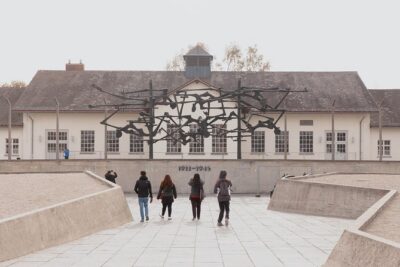 ★ 4.5Dachau Concentration Camp Memorial Site Tour from Munich by TrainFrom $645,637 reviews
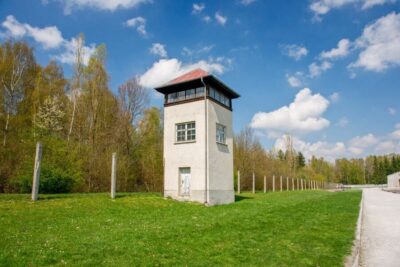 ★ 4.8From Munich: Dachau Memorial Site Day TourFrom $492,723 reviews
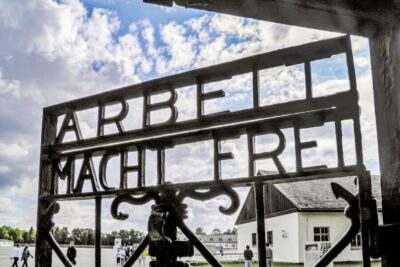 ★ 4.7From Munich: Dachau Memorial Site Half-Day TripFrom $622,526 reviews
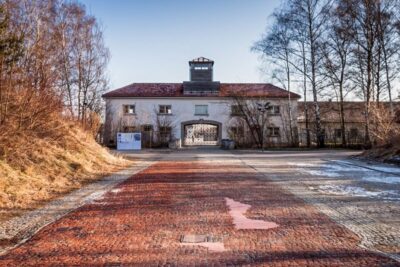 ★ 4.9From Munich: Dachau Memorial Site Full-Day TourFrom $511,406 reviews
 ★ 5.0Early-Start Dachau Memorial Half-Day Tour from MunichFrom $62942 reviews
 ★ 5.0Guided Dachau Concentration Camp Memorial Site Tour with Train from MunichFrom $90920 reviews
 ★ 5.0Full-Day Dachau Concentration Camp Memorial Site Tour from MunichFrom $48897 reviews
 ★ 5.0Dachau Small-Group Half-Day Tour from Munich By TrainFrom $60811 reviews
Other lists this tour is on