
REVIEW · DACHAU
From Munich: Dachau Memorial Site Day Tour
A somber day trip with sharp context. This 5-hour Dachau Memorial tour from Munich gets you there on public train, then leads you through the camp’s surviving barracks, cells, and gas chamber with an English-speaking guide. I especially liked how the guide approach keeps things respectful, clear, and question-friendly, like when guides such as Thomas and Aileen bring the story to life with steady pacing.
You’ll also get a structured visit that takes the pressure off logistics. The possible drawback is that Dachau is emotionally heavy, and even with a great guide, you should expect a serious atmosphere the whole time.
In This Review
- Key moments that make this tour worth it
- Munich to Dachau, the calm way: getting there without a headache
- The Marienplatz meeting point, and what to do first
- The train ride: countryside views with the guide setting context
- Inside the Dachau Memorial Site: barracks, cells, and the gas chamber
- Barracks: the machinery of confinement
- Cells: the meaning of restriction
- The gas chamber: one of the hardest parts, handled with care
- Museum exhibition time: pictures and prisoner reports
- Timing and crowds: choosing the 1:10 PM departure if you can
- Price and value: what $49 buys you in 5 hours
- Who should book this tour, and who should rethink it
- Final verdict: should you book the Dachau Memorial Day Tour from Munich?
- FAQ
- How long is the Dachau Memorial Site day tour from Munich?
- Where do I meet the guide in Munich?
- What language is the tour guide?
- What will we see at the memorial site?
- What should I bring?
- Is the tour wheelchair accessible?
- Can I cancel for a full refund?
Key moments that make this tour worth it
- Marienplatz start in Munich, at the Gothic Town Hall Tourist Information, with a guide holding a yellow sign marked Dachau Memorial Tour
- Train-led transit that spares you from figuring out routes on the day
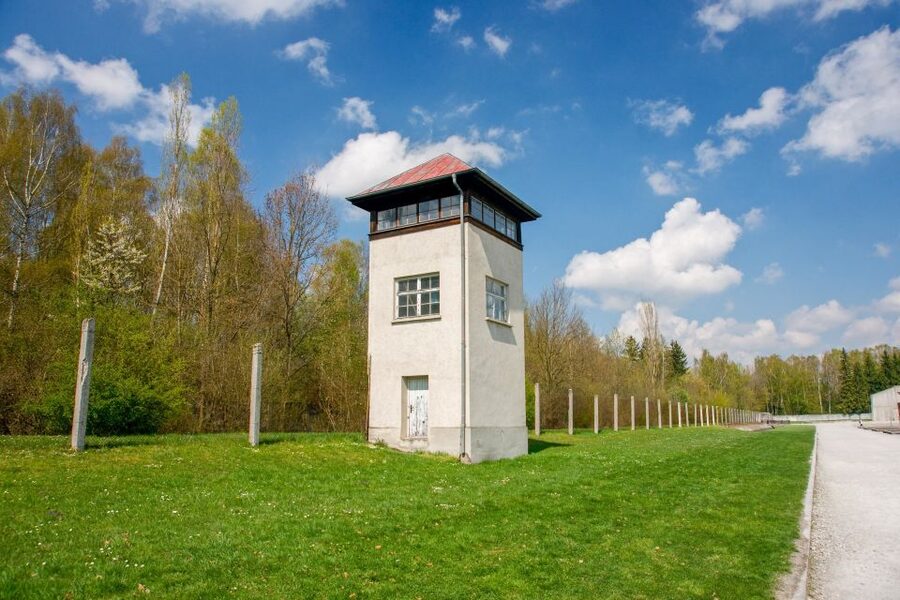
- Bunkers, cells, and the gas chamber shown on a guided walk through the memorial site
- Museum exhibition time focused on photos and prisoners’ reports about daily life in the camp
- Guides like Thomas, Jesse, Matt, Alex, Michael, Aileen, and Conni are repeatedly praised for handling sensitive material with care
- If you’re trying to avoid big school groups, the 1:10 PM tour is recommended for lighter crowding
The other Dachau Memorial visits we reviewed
- Dachau Concentration Camp Memorial Site Tour from Munich by Train★ 4.5 · 5,637 reviews
- From Munich: Dachau Memorial Site Day Tour★ 4.8 · 2,723 reviews
- From Munich: Dachau Memorial Site Half-Day Trip★ 4.7 · 2,526 reviews
- From Munich: Dachau Memorial Site Full-Day Tour★ 4.9 · 1,406 reviews
Munich to Dachau, the calm way: getting there without a headache
The best part of this kind of memorial day trip is that it removes friction. You meet in central Munich, then you follow the group to the train and onward transfers by public transport. That means less time reading screens, less time worrying about which connection you missed, and more time staying mentally present for the site itself.
You also get a smoother flow once you reach the memorial. A place like Dachau has a lot to understand, and it helps when someone knows how to keep the group moving while still slowing down for the key points. Several guides are praised for exactly that balance, including how they keep everyone together even when public transit gets crowded.
Practical tip: build in a little patience. On busier days, the ride back can be packed, and you’ll want to stay flexible rather than stressed.
The Marienplatz meeting point, and what to do first
You start at the busiest, easiest-to-find spot: the Tourist Information for the City of Munich at the Gothic Town Hall in Marienplatz. The guide will hold a yellow sign with Dachau Memorial Tour written in red letters, so you shouldn’t have to play guess-the-guide.
Why this matters: it’s not a “find the office somewhere” setup. You’re in the center, you can orient quickly, and you can spend less mental energy on logistics. That’s a real value on a tour where the content is already intense.
If you have mobility needs, note the accessibility detail. The tour is wheelchair accessible, but it uses a different entrance for the platform and train. You’ll need a carer, and you should arrive 10 minutes before departure so you can switch entrances smoothly.
The train ride: countryside views with the guide setting context
On the way out of Munich, you ride on a public train. You’ll see countryside views along the route, but the bigger point is what happens before you even reach the memorial. The guide begins shaping the historical context so the site isn’t just a collection of buildings.
This is where the tour often feels more meaningful than an audio-only walk. With a guide, you’re not trying to interpret everything in real time. Instead, you get a clear narrative, and the locations start to connect into one story.
It also helps when you have questions later. Many guides are praised for inviting interaction and answering with sensitivity. That matters at Dachau, because you’ll likely have “how could this happen” thoughts in your head, and it’s better to ask than to spiral.
Inside the Dachau Memorial Site: barracks, cells, and the gas chamber
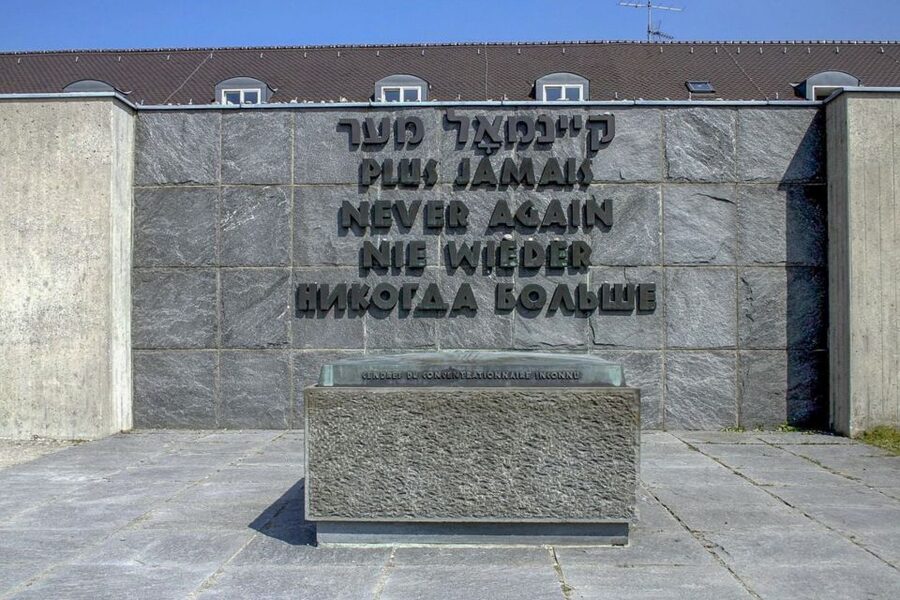
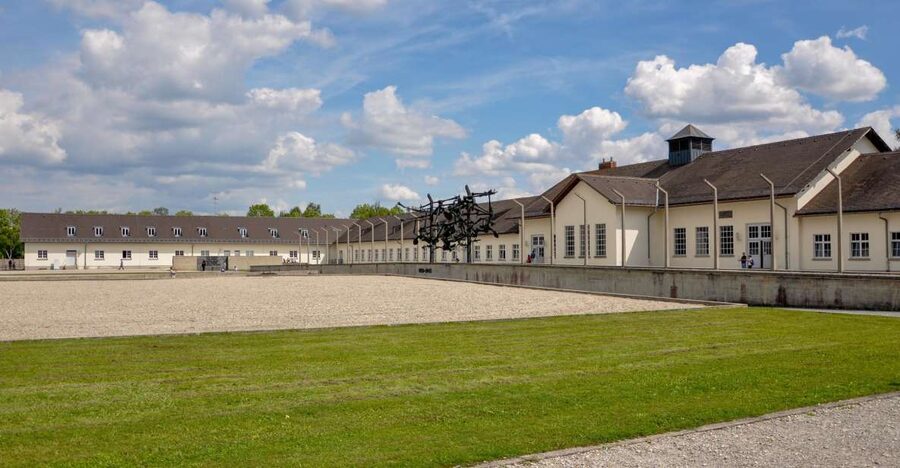
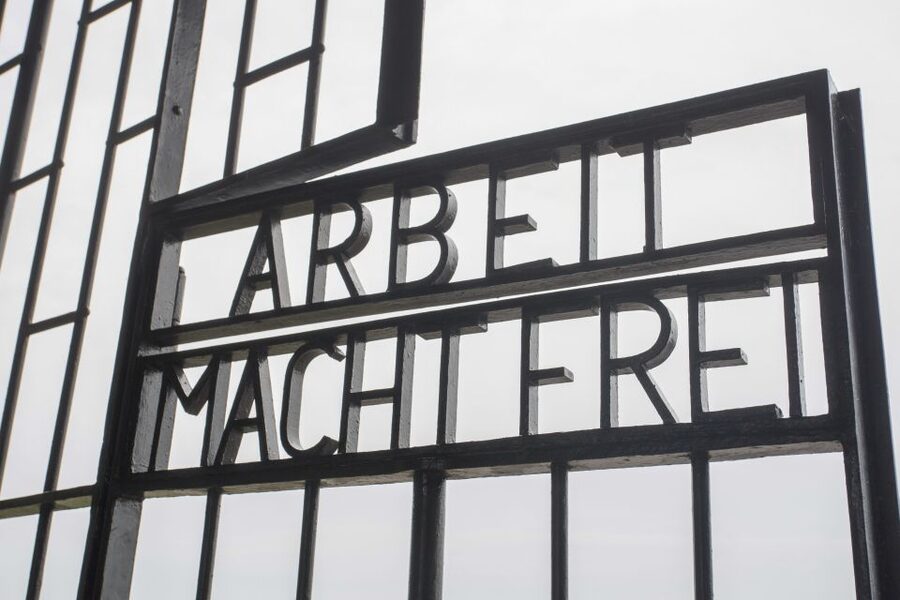
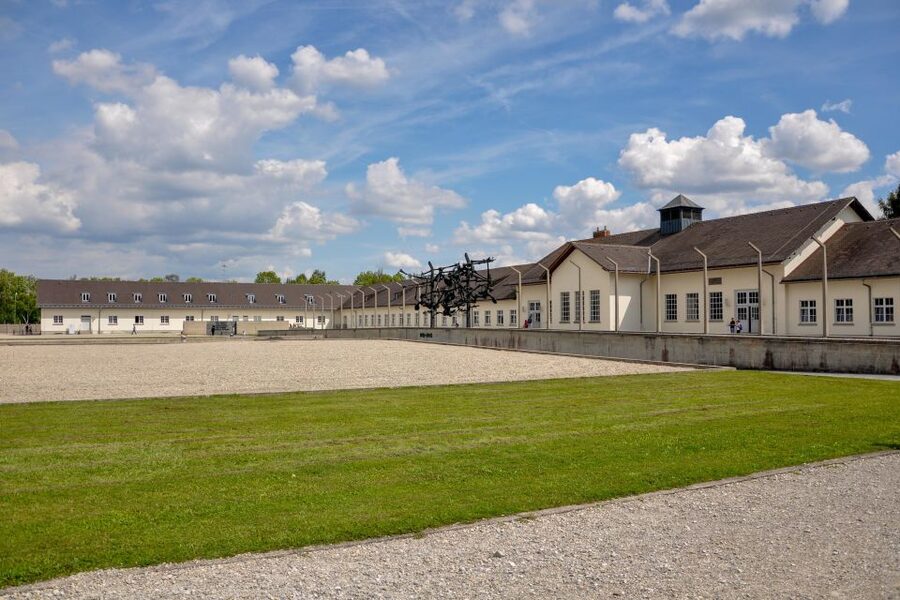
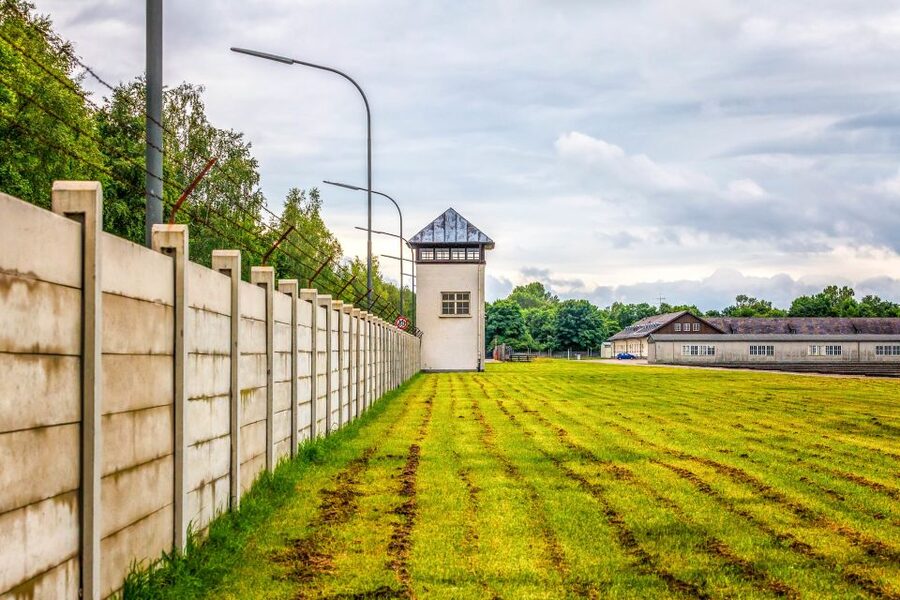
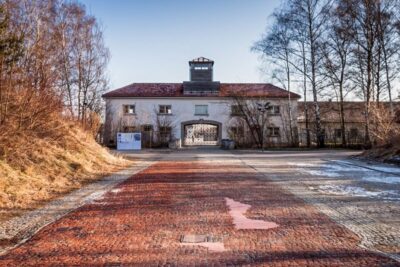
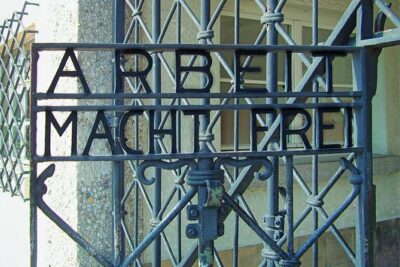
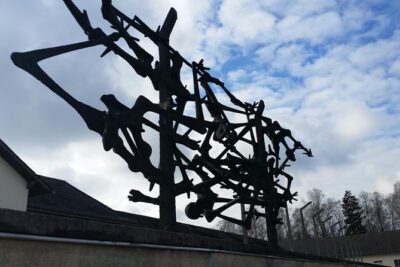
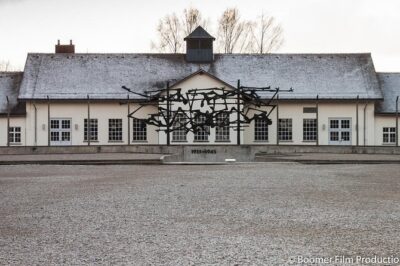
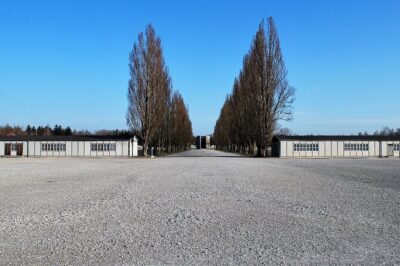
Once you arrive, the tour becomes a guided walk through key surviving areas of the camp. The main stops you should expect include the former barracks, cells, and the gas chamber. Even if you’ve read about Dachau before, seeing these places in a structured way can hit differently. The memorial is built around the physical reality of what prisoners endured.
Here’s how to think about each area so you don’t just “tour” it.



Barracks: the machinery of confinement
The barracks are where you understand that this was not random cruelty. It was a system with routine, space used for control, and living conditions designed to strip dignity. A strong guide helps you connect the architecture to daily life, not just to dates.
A real plus here is pacing. Some guides are noted for moving efficiently without rushing past the emotional weight. That’s important because the barracks set the tone for everything else you’ll see.
Cells: the meaning of restriction
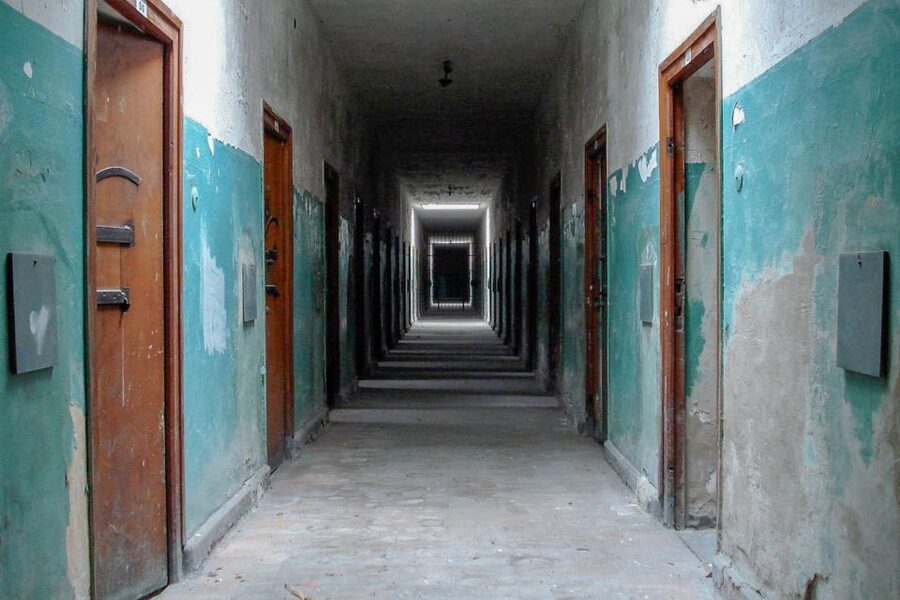
The cells are smaller, harsher by nature, and they make the loss of freedom feel immediate. When the tour is done well, you leave this section thinking less about historical facts and more about what it meant to be trapped.
Pay attention to how the guide frames this space. The best tours treat it with respect and avoid turning it into a checklist. The goal is understanding, not sightseeing.
The gas chamber: one of the hardest parts, handled with care
The gas chamber is often singled out as a particularly striking stop. If you’re sensitive to graphic historical content, you should still know this area is part of the experience, and it is covered in a serious, factual way.
The tour’s advantage is the guide’s tone. Multiple guides are praised for being professional and sensitive with the subject matter, including how they explain what you’re looking at without minimizing what happened. That approach keeps the visit from feeling cold, or worse, like entertainment.
Museum exhibition time: pictures and prisoner reports
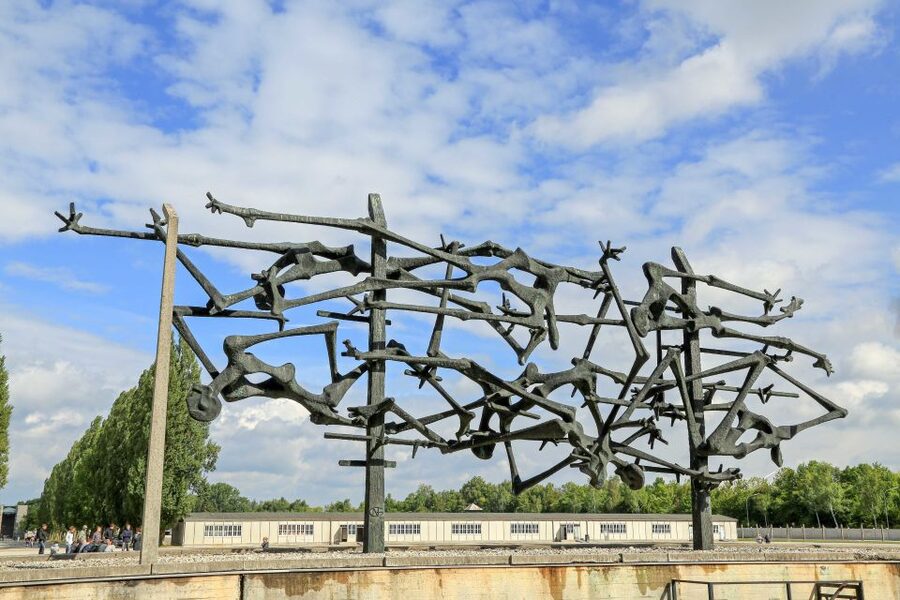
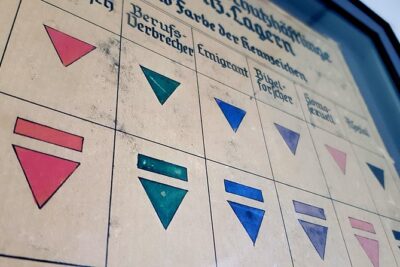
After the outdoor site sections, you’ll visit the exhibition at the Dachau Memorial Museum. This is where the visit gains depth beyond the buildings. You’ll see pictures and hear about reports from prisoners describing everyday life in the camp, from the early period through liberation in 1945.
Why the museum matters: it gives you the “why” behind the “what.” The site tells you about structures and layout. The exhibition helps connect those structures to human experience: routine, deprivation, fear, and survival.
If you tend to skim museum boards when you’re on your own, this part is where the guided framing helps most. A good guide points you toward the most important themes, and they’re also careful about emotional impact. People specifically mention how guides present the information in a way that supports reflection, not just information transfer.
One practical note: there is time pressure. Even when the tour is well paced, you might wish for longer viewing time, especially in the museum. This is normal for a 5-hour format. Go with the mindset that the guide will prioritize the most essential material.
Timing and crowds: choosing the 1:10 PM departure if you can
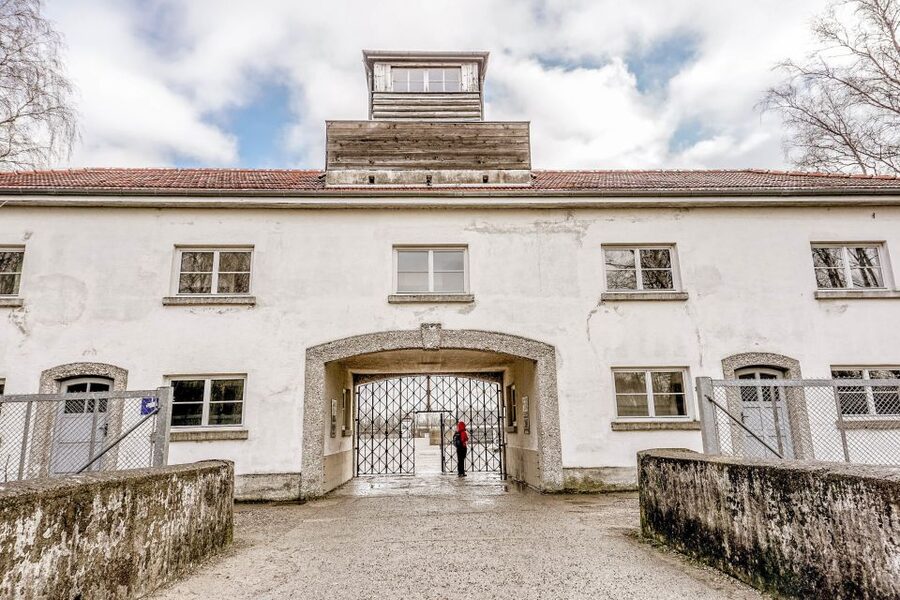
Crowds can be an issue at major memorials because groups arrive in waves. If you want a calmer experience, the tour recommends the afternoon option at 1:10 PM, since there are typically fewer school classes and groups on site then.
This is not about comfort alone. Crowds make it harder to think, and Dachau asks you to slow down mentally. A less crowded visit gives you a better chance to absorb what you’re seeing and to hear the guide clearly.
If you go in the morning, don’t panic. Great guides can still keep the group moving and manage timing, but you’ll want to accept a busier environment as part of the reality of a site that many schools and visitors want to learn from.
Price and value: what $49 buys you in 5 hours
At $49 per person for a 5-hour day trip, the price isn’t just for the walking part. You’re getting three key things bundled together:
- a guided tour
- a public transport ticket
- transfers by public transport
That matters because public transit can be easy in Munich, but it’s not fun when you’re on a schedule with an emotionally intense destination. The tour’s value is that it handles the “how do I get there and back” portion so your time goes toward understanding the site.
Is it expensive for Germany? In raw terms, it’s not the cheapest thing you’ll do. But compared to the cost of transport plus the structure of a guided visit, it’s a reasonable deal for a destination where interpretation truly helps.
If you care about learning context and not just standing where history happened, you’ll get more out of this format than you would on your own.
Who should book this tour, and who should rethink it
This is a strong choice if you:
- want a guided explanation in English
- prefer not to coordinate train timing on your own
- want to see the gas chamber, cells, and barracks as part of a guided narrative
- like having someone manage pacing so you don’t get lost in the details
- need the visit framed with care and professionalism, not just information boards
It’s also a good fit if you care about broader context, since the guide covers significance in Germany during National Socialism and connects the story through liberation in 1945.
You might reconsider if you:
- want a purely self-paced visit where you can linger for hours without moving as a group
- feel overwhelmed by highly somber, emotionally charged content and worry that structured stops could feel like “too much too fast”
Also, go in with good shoes. You’ll be walking a fair amount, and comfort matters when your brain is already doing heavy work.
Final verdict: should you book the Dachau Memorial Day Tour from Munich?
Yes, I’d book it if your goal is a clear, respectful visit with practical logistics handled for you. The biggest win is the combination of transit support from central Munich plus a guided explanation of the camp’s most important locations, including the gas chamber, cells, and barracks, followed by museum context with photos and prisoner reports.
If you’re expecting a cheerful day, this is not that. But if you want understanding, structure, and sensitive interpretation, this format is a smart value. Choose the 1:10 PM timing if you want a quieter visit, and come prepared for a serious experience that stays with you long after you head back toward Munich.
FAQ
How long is the Dachau Memorial Site day tour from Munich?
The tour lasts 5 hours.
Where do I meet the guide in Munich?
You meet in front of the Tourist Information for the City of Munich at the Gothic Town Hall in Marienplatz. The guide holds a yellow sign with Dachau Memorial Tour written in red letters.
What language is the tour guide?
The tour is guided in English.
What will we see at the memorial site?
You’ll see the former gas chambers, barracks, and cells. You’ll also visit the Dachau Memorial Museum exhibition with pictures and prisoner reports about everyday life in the camp.
What should I bring?
Bring comfortable shoes and water.
Is the tour wheelchair accessible?
Yes, the tour is wheelchair accessible. You will use a different entrance for the platform and train, and you need a carer. You should arrive 10 minutes before departure.
Can I cancel for a full refund?
Yes. Free cancellation is available up to 24 hours in advance for a full refund.
Visiting Dachau Memorial Site
Everything else we filed on Munich
- Munich Beer and Bavarian Bites Private Tour
★ 5.0 · 11 reviews - Private Day Trip from Munich to Neuschwanstein and Linderhof
★ 4.0 · 11 reviews - Private Munich Old Town Walking Tour – with optional Breakfast
★ 5.0 · 11 reviews - Festive Concert in the All-Saints Court Church
★ 4.6 · 11 reviews - Private Castle Tour from Munich: Neuschwanstein, Hohenschwangau, and Linderhof
★ 4.5 · 12 reviews - Munich: Oktoberfest Big Beer Tent Evening including table reservation
★ 4.8 · 12 reviews
Dachau Memorial Site Tours, side by side.
 ★ 4.5Dachau Concentration Camp Memorial Site Tour from Munich by TrainFrom $645,637 reviews
 ★ 4.7From Munich: Dachau Memorial Site Half-Day TripFrom $622,526 reviews
 ★ 4.9From Munich: Dachau Memorial Site Full-Day TourFrom $511,406 reviews
 ★ 4.5Dachau Concentration Camp Memorial Tour with Train from MunichFrom $56955 reviews
 ★ 5.0Early-Start Dachau Memorial Half-Day Tour from MunichFrom $62942 reviews
 ★ 5.0Guided Dachau Concentration Camp Memorial Site Tour with Train from MunichFrom $90920 reviews
 ★ 5.0Full-Day Dachau Concentration Camp Memorial Site Tour from MunichFrom $48897 reviews
 ★ 5.0Dachau Small-Group Half-Day Tour from Munich By TrainFrom $60811 reviews
Other lists this tour is on