
REVIEW · LOWER SAXONY
Hanover: Crime Tour by Bike
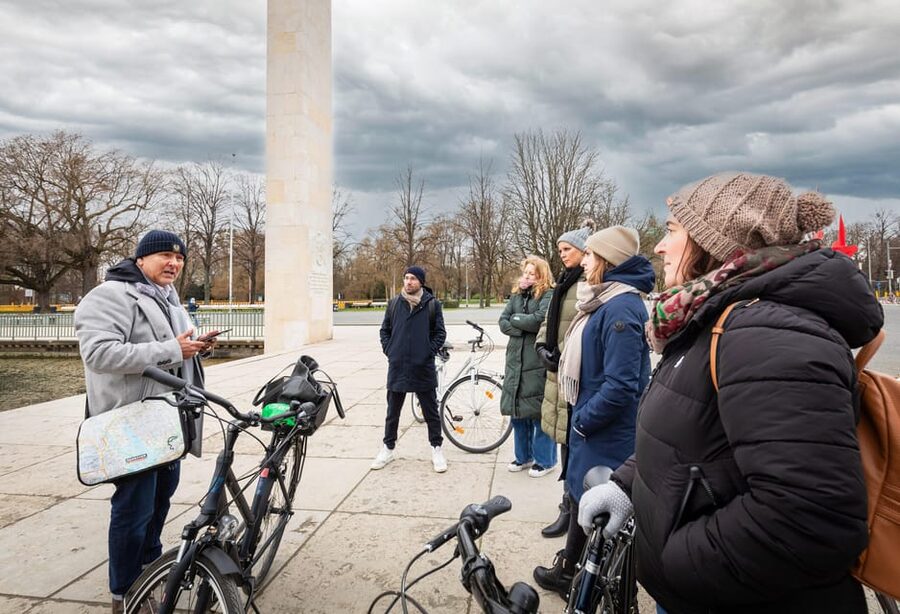
Hanover can look calm and pretty, then a bike tour turns the mood fast. This is a Hanover crime tour by bike that threads real criminal cases through everyday streets, with one big anchor at Maschsee and plenty of context about how police work and justice connect. I especially liked how the guide, Thomas, brought the stories to life with humor and an on-the-ground feel from years of police experience.
Second, I liked the pacing. The stops are spaced well, and the route length is just right for a 3.5-hour ride without feeling rushed or exhausted. My only main consideration is simple: it is not for people who cannot comfortably ride a bike, and you are also expected to bring basics for comfort and safety like a helmet and your own food and drinks.
In This Review
- Key things I’d mark on your mental map
- Hanover Crime Tour by Bike: the point is context, not shock value
- Choosing your route: north to south vs east to west cases
- Maschsee: where the scenery is idyllic, and the cases are anything but
- City center to neighboring districts: crime does not respect boundaries
- The criminology history: how it connects to what you see
- What Thomas does with the stories (and why it makes the ride better)
- 3.5 hours on a bike: timing and effort that make sense
- What to bring: small items that make the tour smoother
- Price and value: why $28 can be a bargain if you enjoy real stories
- Who should book this tour, and who should skip it
- A quick note on what is included, and what you need to handle
- Should you book the Hanover Crime Tour by Bike?
- FAQ
- How long is the Hanover crime tour by bike?
- Is the tour offered in English?
- Do I need to be able to ride a bike?
- What should I bring for the tour?
- Are meals or drinks included?
- Are there different routes?
- What if my plans change?
Key things I’d mark on your mental map

- Two route choices (north to south, or east to west), each with new cases
- Maschsee crime stories where calm scenery meets unsolved or partly unsolved mysteries
- Real-world police work and justice explained as a clear triangle you can follow
- History of criminology in Europe, tied directly to the cases you hear
- Guide Thomas’s approach, lively, informed, and engaging with participants
More of Lower Saxony on foot
- Hannover: Guided Old Town Walking Tour★ 4.5 · 338 reviews
- Hannover: 24-Hour Hop-On Hop-Off Sightseeing Bus Ticket★ 4.2 · 298 reviews
- Hanover: Crime Walking Tour★ 4.5 · 243 reviews
- Hanover: Royal Gardens of Herrenhausen Guided Tour★ 4.6 · 78 reviews
Hanover Crime Tour by Bike: the point is context, not shock value
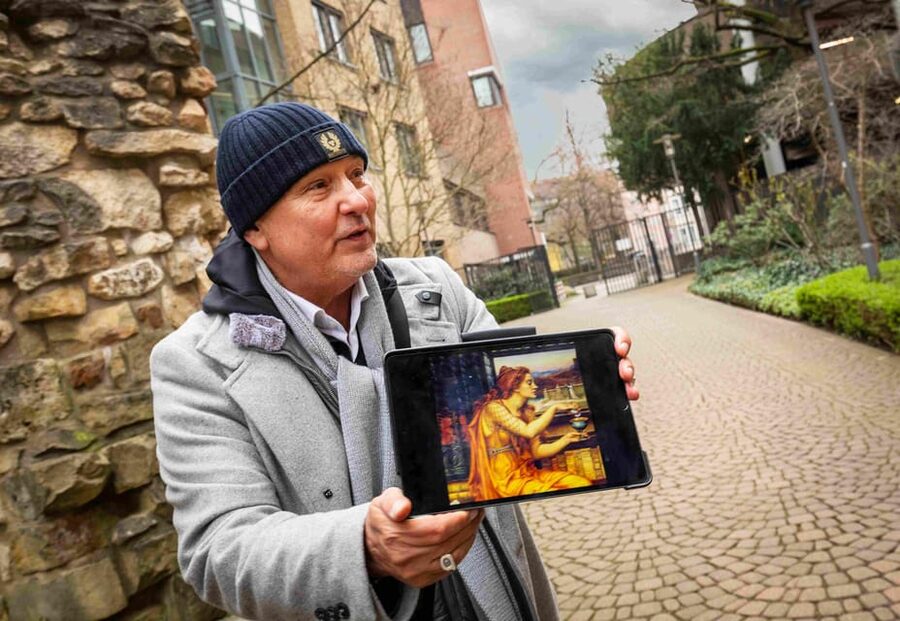
This tour works because it treats crime like a story you can understand, not a horror reel. You ride through Hanover in a way that feels natural for seeing a city, then you slow down at specific scenes where the guide explains what happened, how it was investigated, and what justice did or did not manage to settle.
You start with the idea that crime has patterns, timelines, and institutions around it. The guide also frames the beginnings of criminology in Europe, so the stories are not just names, dates, and facts. Instead, you get a sense of why certain cases puzzled investigators, and how thinking about evidence and profiling evolved over time.
And yes, there is a darker mood to it. But what makes it worthwhile is that it is anchored to place. You are not stuck in a classroom. You are moving through the parts of the city where these events left traces.
Choosing your route: north to south vs east to west cases
One of the most useful details for planning is that you get two routes. Each option includes different cases, so you can pick based on your curiosity or your schedule.
Route 1 runs from north to south. Route 2 runs from east to west. You can expect both to include a mix of city center scenes and parts outside the core area, but the “feel” changes depending on the direction and the neighborhoods you pass through.
Here is how to choose without overthinking it:
- If you like a straightforward sweep through the city, pick the route that matches how you like to navigate.
- If you are aiming for a “fresh” set of stories on a return visit, either route still delivers, because each has new cases.
Maschsee: where the scenery is idyllic, and the cases are anything but
The ride includes a key stop along Maschsee. On a normal day, this area reads as peaceful and scenic. On this tour, it becomes a place where you learn about crimes that have taken place there over the last few decades.
What I like about this part is the contrast. You see the same water and open space the city enjoys, then the guide ties it to investigations and community concerns from different years. That contrast is not just for drama. It helps you understand how crime can intersect with everyday routines, parks, and leisure spaces.
You also hear about cases that are still partly unsolved today. That matters, because it changes the tone from “case closed” to “the mystery remains.” It also helps you grasp why some investigations stretch out over time, and why a lack of answers can stay in the public memory.
City center to neighboring districts: crime does not respect boundaries
After the Maschsee segment, the route continues out of the city center and into neighboring districts. This is not a detour for scenery. It is part of the tour’s logic: the guide shows that real crimes and criminal cases also happened beyond the most obvious, central areas.
You will get a sense of how Hanover’s geography changes as you ride, even if you never leave the city. Streets feel different when you move away from the core, and that difference helps the stories land. Instead of thinking of crime as a single “spot,” you start thinking in terms of movement, opportunity, and investigation across locations.
The best way to get value here is to listen for the guide’s recurring themes. The tour explicitly presents the triangle of police work, justice, and crime. That means you are not just hearing what someone did. You are also hearing what investigators tried to do, and what the legal system could or could not deliver.
More handlebar time in Hanover
The criminology history: how it connects to what you see
A lot of tours promise history and then sprinkle it on top. This one builds it into the ride. The guide includes an introduction to the history of criminology in Europe, and you hear it in connection with the cases you are visiting.
That framing is useful for you because it gives the stories a bigger picture. When the guide talks about the beginnings of criminology, you can connect it to why investigators focused on particular methods, what they might have prioritized, and how thinking about evidence has changed over time.
Even if you are not a “history person,” you will likely appreciate this. The tour does not ask you to memorize dates for a test. It uses the criminology context to help explain why certain cases were so hard to solve, and why residents may have felt puzzled or unsettled for years.
What Thomas does with the stories (and why it makes the ride better)
This tour rises or falls on the guide, and you get a strong guide experience. In the German language tour, Thomas stands out for a reason. People consistently note that he makes the tour feel alive and that you can tell he has years of experience in police work.
What that translates to for you:
- The stories sound grounded, not theatrical.
- You get a sense of how investigations actually unfold.
- He stays engaging, including humor and ways to involve participants rather than talking at you the whole time.
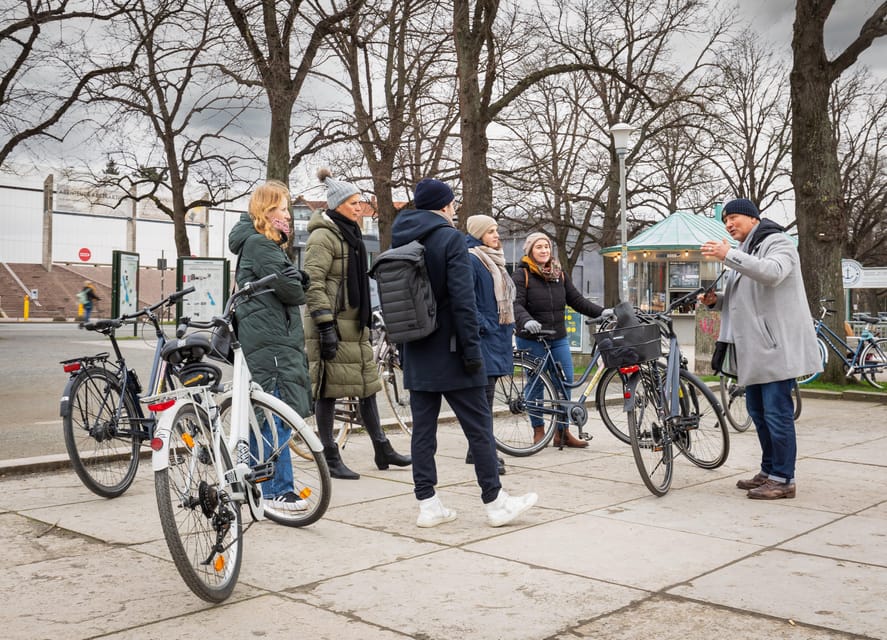
One more detail that matters: the ride feels paced. Reports describe the route as doable, with stations in good distance from each other, so you are not repeatedly braking, climbing off, and then jumping back on in a constant stop-and-start rhythm.
And if you are the type who always wants more stories, you will probably relate to the request people make for one or two extra spots. That is a compliment, not a complaint. It means the tour leaves you wanting to keep listening.
3.5 hours on a bike: timing and effort that make sense
The duration is 3.5 hours, which is a good length for a bike tour with story stops. Too short, and you feel rushed. Too long, and your legs and attention both start to fade.
In this case, you are on the bike long enough to get that “moving through the city” feeling, but you still get enough time to hear the cases and the criminology context at each scene. The pacing seems intentionally set so the route does not drag, and the ride length feels like it fits the theme: you cover meaningful ground without turning it into a workout camp.
If you like clear structure, you will probably enjoy the north-to-south or east-to-west design. It gives you a sense of progress. You are not just zigzagging randomly. You are following a line through Hanover’s darker chapters.
What to bring: small items that make the tour smoother
This is a bike tour, and the basics matter. You should bring:
- A bicycle helmet (recommended for your own safety)
- Comfortable clothes
- Something to drink
- Something to eat
Here is the practical reason this matters. You are learning and listening, not just pedaling. If you get overheated or thirsty, your enjoyment drops fast. A small snack and water keep you focused when the guide slows down for the next case.
Also, dress for riding, not for standing still. Even if you are not going fast, you will feel movement, and comfort is what helps you stay present.
Price and value: why $28 can be a bargain if you enjoy real stories
At $28 per person for a 3.5-hour guided bike tour, the value is in the mix: movement through the city plus real-case storytelling plus criminology history.
When it is priced this way, you should ask yourself what you are really paying for. You are paying for:
- Guide time and expert storytelling in German
- A guided route that takes you to crime-related scenes across Hanover
- Educational context about early criminology, not just local gossip
That combination is the part I would call the “value engine.” A city bus tour with generic facts might cost similar money, but you would not get the same connection between place and explanation. If crime history is your thing, this can feel like a focused evening that turns Hanover into a living case file.
Who should book this tour, and who should skip it
This experience is best for you if you:
- Enjoy true crime stories with explanation, not just shock
- Like seeing cities by bike and learning as you ride
- Want context, including how criminology history fits with investigation and justice
You should think twice or skip it if you:
- Cannot ride a bike comfortably
- Prefer tours that do not connect stories to unresolved elements
Because it is in German, language comfort matters too. If you do not read or understand German well, you might find the experience harder to follow. The good news is that the structure is clear, but the tour guide is speaking German throughout.
A quick note on what is included, and what you need to handle
The tour includes the guided bike tour, insights into real criminal cases in Hanover, exploration of crime scenes around the city, and an introduction to the history of criminology in Europe.
It does not include meals and drinks, so plan for that. If you know you will be hungry after 3.5 hours of riding, grab a snack plan ahead of time rather than hoping you will find something on the route.
Should you book the Hanover Crime Tour by Bike?
I think you should book it if you want Hanover in a new light. It is not just another “pretty city” tour. You will ride past places tied to real cases, learn why investigators approached problems the way they did, and get the criminology history context that many true crime tours skip.
If your top priority is scenery only, this might feel too story-heavy. But if you are curious about how police work, justice, and crime interact, and you enjoy a guide like Thomas who tells these stories with experience and humor, then this is a smart use of your time in northern Germany.
FAQ
How long is the Hanover crime tour by bike?
It lasts 3.5 hours.
Is the tour offered in English?
The live tour guide speaks German.
Do I need to be able to ride a bike?
Yes. The tour is not suitable for people who cannot ride a bike.
What should I bring for the tour?
Bring comfortable clothes, a bicycle helmet for your own safety, and something to drink and something to eat.
Are meals or drinks included?
No. Meals and drinks are not included.
Are there different routes?
Yes. You can choose between 2 routes, north to south or east to west, and each route features new cases.
What if my plans change?
You can cancel up to 24 hours in advance for a full refund, and you also have a reserve now & pay later option.
The Hanover Bike Lanes
Lower Saxony, Town by Town
Everything else we filed on Hanover
- Hannover: Private pub crawl with insider-guide & free shots
★ 4.0 · 11 reviews - Hanover: Old Town Historical Walking Tour by Geo Epoche
★ 4.4 · 11 reviews - Hanover Center: Outdoor Escape Game
★ 4.7 · 13 reviews - Hanover: Linden-Limmer Krimi-Rätsel-Tour
★ 4.5 · 15 reviews - Hanover: Crime Tour by Bike
★ 4.8 · 25 reviews - Hannover: Culinary Walking Tour Old Town
★ 4.6 · 25 reviews
Hanover Bremen and Lower Saxony Tours, side by side.
 ★ 4.7Bremen: Walking Tour in German with Night GuardFrom $182,922 reviews
 ★ 4.5Bremen: City Center Guided Walking TourFrom $142,709 reviews
 ★ 4.1Bremen: Underground Guided TourFrom $181,408 reviews
 ★ 4.6Soltau: Heide Park Resort Day TicketFrom $421,160 reviews
 ★ 4.6Bremen: 3-Hour Beck’s Brewery TourFrom $281,091 reviews
 ★ 4.8Bremen: Walking Tour of Historic Schnoor DistrictFrom $14429 reviews
 ★ 4.5Hannover: Guided Old Town Walking TourFrom $13338 reviews
 ★ 4.6Bremen: Universum Science Center Entrance TicketFrom $21324 reviews
Other lists this tour is on