
REVIEW · RHINE-MAIN
Heusenstamm:tour of the Depot of the museum of communication
Telephones tell stories in Heusenstamm. This tour makes communication history feel visual and human, from rare historic vehicles to 1930s TV and early radio design. I love how the guide helps you read the objects fast, and you’ll like that the stop covers the world’s largest collection of telephones in a way that feels like a timeline, not a storage room.
The art side adds another layer, with more than 300 paintings ranging from the 17th century to contemporary works. One possible drawback: the depot tour is only 1.5 hours, so if you want to linger over every label and every big object (like buses, sleighs, and telephone boxes), you may wish you had more time.
In This Review
- Key things you will notice on this Heusenstamm Depot tour
- How the 1.5-hour Depot tour in Heusenstamm really feels
- Early messaging comes to life through objects, not speeches
- Telephones from tube-era receivers to modern connections
- Rare TVs, radio design icons, and those strange big machines
- Photo stops with historic vehicles, bring your camera mindset
- The art collection is not an afterthought, it’s part of the route
- Using both tickets, Museum Depot plus Museum of Communication Frankfurt
- Price and value: what $16 gets you for 1.5 hours
- What to wear and bring for a smooth visit
- Who this tour suits best, and who might want to adjust expectations
- Logistics tip: plan extra time if you’re arriving on a busy day
- Should you book the Heusenstamm Depot tour?
- FAQ
- How long is the guided tour in the Museum Depot in Heusenstamm?
- What is the price for the tour?
- What language is the live guided tour?
- Does the price include museum entry tickets?
- What will I see during the depot tour?
- Is photography allowed, and are there photo opportunities?
- Are food and drinks included?
- Can I cancel for a full refund?
- Is there a way to keep plans flexible before committing fully?
Key things you will notice on this Heusenstamm Depot tour
- A focused 1.5-hour guided walk that turns a huge collection into a clear story
- Rare early tech on display, including television sets from the 1930s
- Telephones across the ages, from tube-era receivers to internet-era radio concepts
- Large communication objects such as buses, sleighs, and telephone boxes
- Photo moments with historic vehicles, so you can leave with more than screenshots
- A serious art collection, with 300+ paintings from the 1600s to today
How the 1.5-hour Depot tour in Heusenstamm really feels
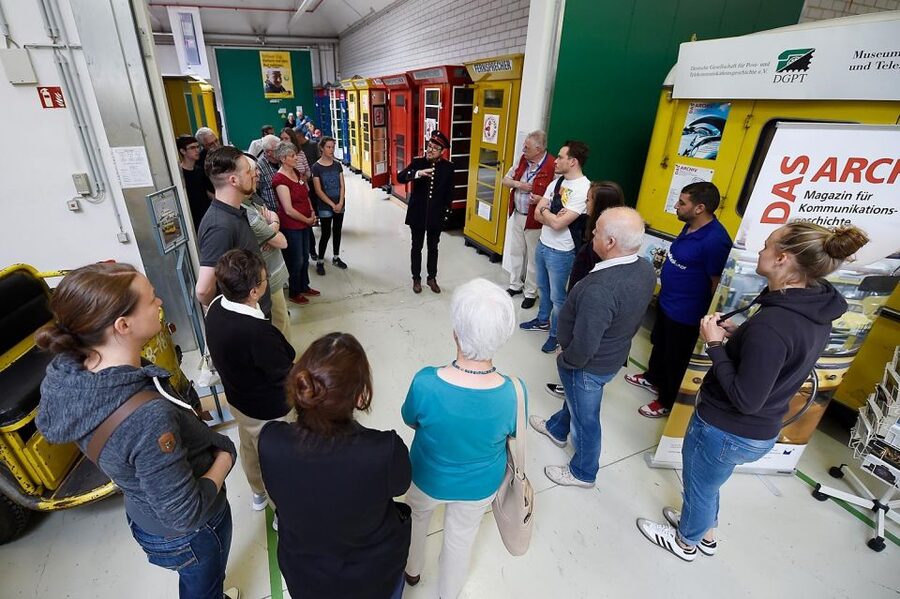
This experience is built around a simple idea: show you the best of a collection so large it’s almost hard to picture, then guide you through it at human speed. You’re at the Museum Depot in Heusenstamm, and you’ll get a guided walking tour lasting about 1.5 hours.
The pace matters here. You’ll see enough to understand how communication changed, but the time limit means you’re learning by highlights. If you love to read every tiny detail, plan to spend extra time on your own after the tour using your museum ticket.
Early messaging comes to life through objects, not speeches
The highlight promise is putting yourself in the time of early messaging. On this tour, that doesn’t mean dry lectures. It means you’re surrounded by the actual physical tools and machines people used, and you can connect the dots between them.
You’ll start noticing design choices that were practical back then and became cultural later. For example, older radio and TV gear isn’t just technology, it’s also styling, materials, and handwriting of an era. That’s why the tour works even if you are not a telecom nerd.
Telephones from tube-era receivers to modern connections
One of the biggest draws is the way the tour frames the evolution of communication. You’ll move through the history of telephones, including the shift from older tube receivers toward ideas tied to internet radio and global networking.
What you should take away is the pattern: communications didn’t change in one leap. It evolved through many improvements in sound, transmission, and networks, and you can see those changes in the forms of the objects themselves. That makes the history easier to remember after you leave.
Rare TVs, radio design icons, and those strange big machines
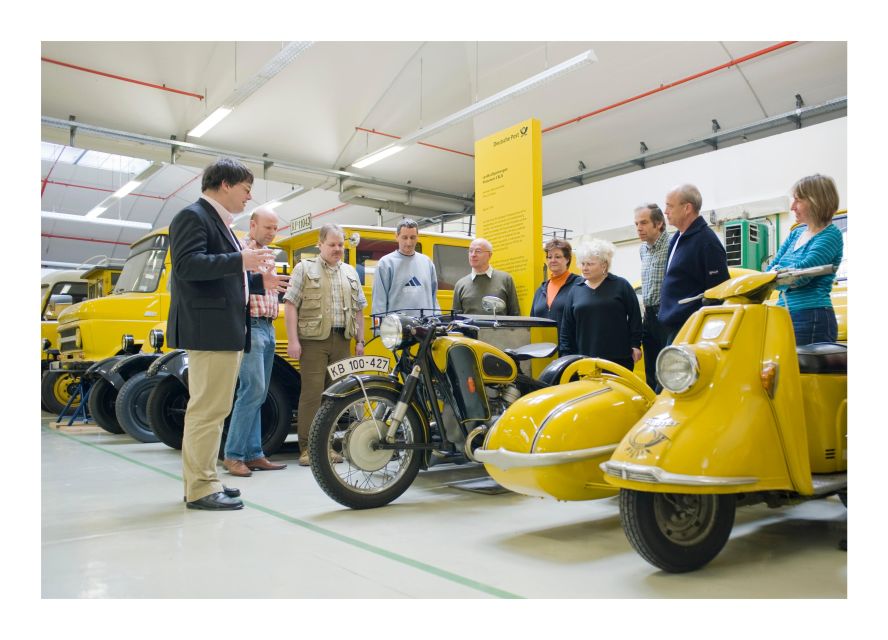
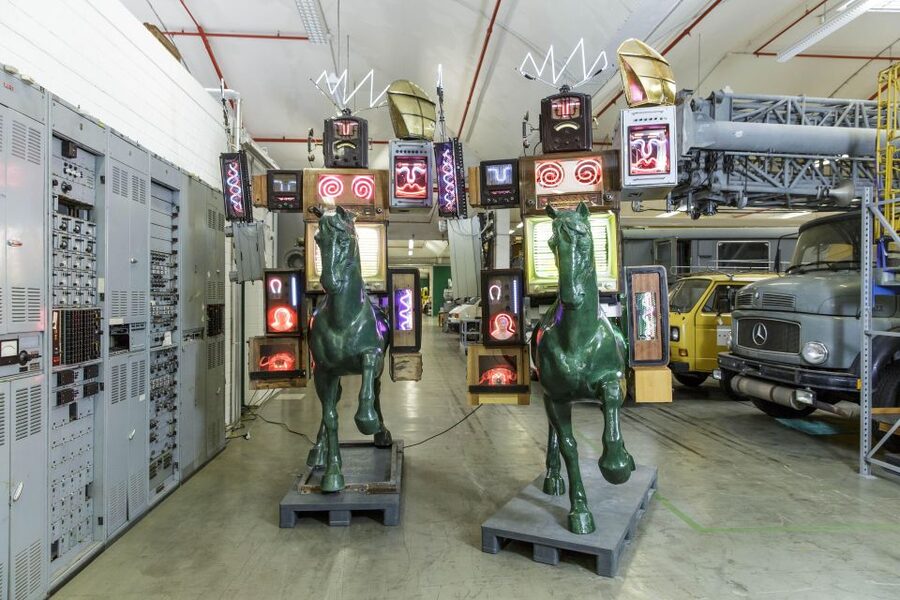
Expect more than phones. The tour includes rare television sets from the 1930s and design icons from radio history, so you get both sides of how people listened and watched.
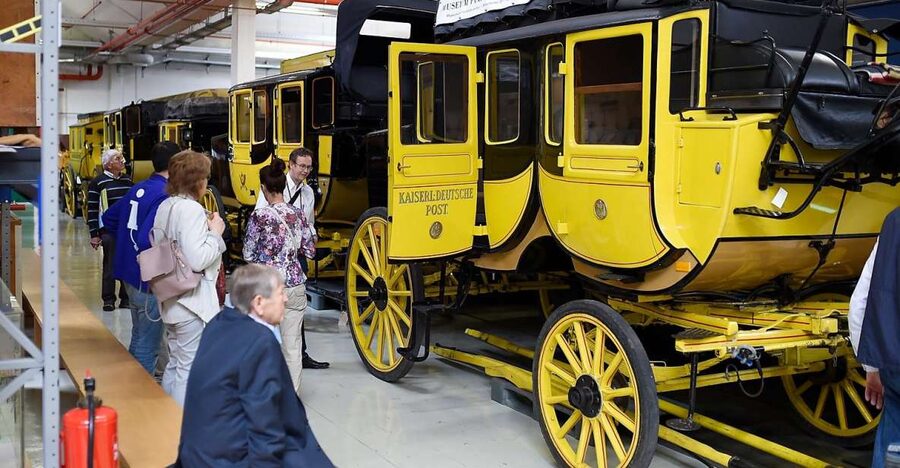
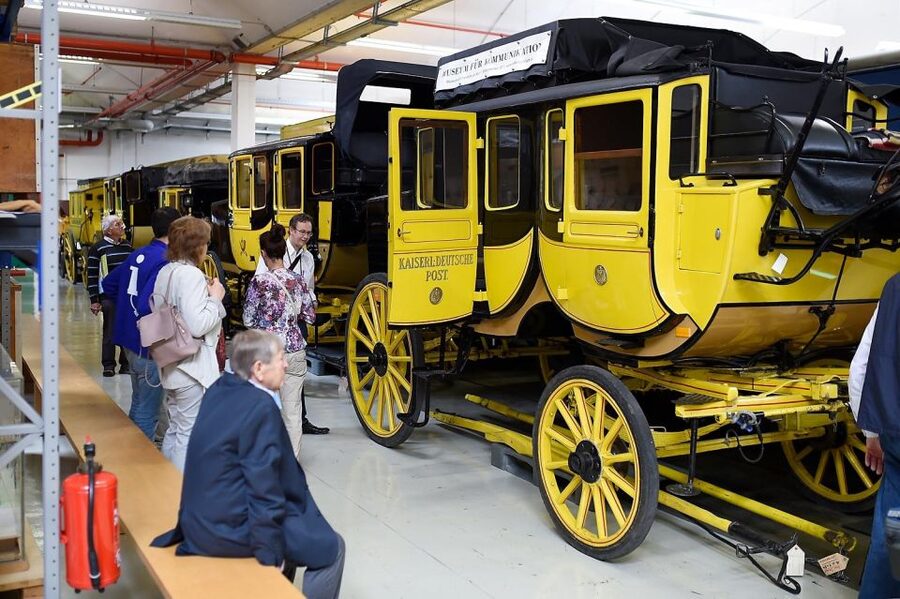
Then come the big objects. You might spot large communication-related pieces like sleighs, buses, and telephone boxes. Seeing something huge in the collection helps you understand how communication equipment wasn’t always small and personal, it could be part of public life and travel.
Photo stops with historic vehicles, bring your camera mindset
One of the fun, most specific promises is photographing yourself with rare historic vehicles. This is not a vague statement, and it changes the feel of the tour.
Even if you don’t care about tech, you’ll likely care about having a few great, unusual pictures. The vehicles also give you scale, like seeing what these systems looked like in the real world, not just on a display shelf.
The art collection is not an afterthought, it’s part of the route
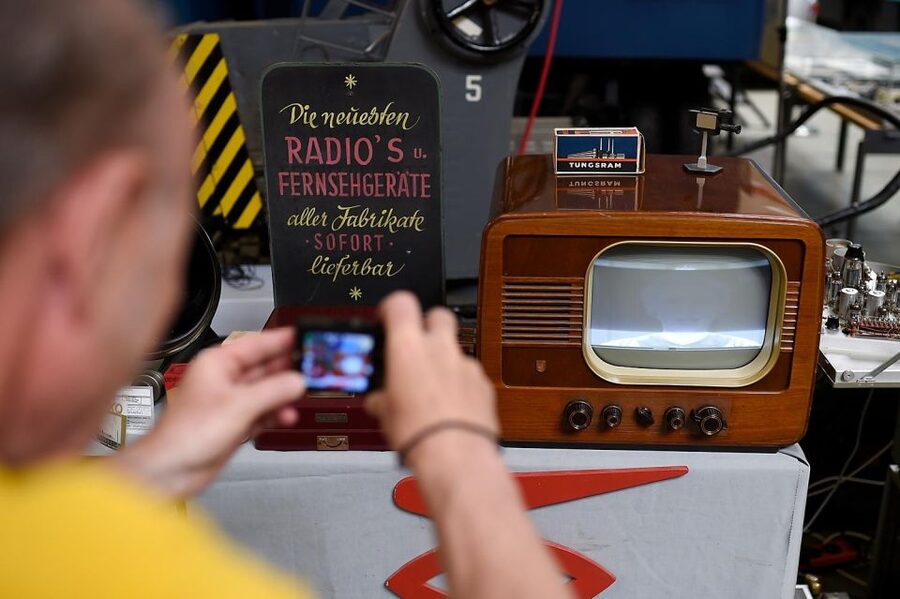
You also get access to an art collection featuring more than 300 paintings. The range runs from the 17th century to contemporary works, which is a wide jump in style and subject.
This matters because it prevents the day from becoming purely “technology museum mode.” You can pivot from the mechanics of communication to the way art reflects culture, persuasion, and everyday life. If you like museums that give you more than one brain track, you’ll appreciate this mix.
Using both tickets, Museum Depot plus Museum of Communication Frankfurt
Your ticket package includes admission to the Museum Depot in Heusenstamm and an additional entry ticket to the Museum of Communication Frankfurt. The depot walk is guided, and the Frankfurt museum visit is on your own time.
That pairing is smart value. The depot sets the background with the scale of the collection, while Frankfurt lets you explore whatever theme catches your eye most. If you’re the kind of person who likes to compare different museum spaces, you can also notice how a “storage-house scale” collection contrasts with what is shown publicly.
One practical note: you may feel that the Frankfurt museum is only showing a portion compared to what the depot highlights. That’s not a flaw, it’s how museum space works. But it can push you to enjoy this as a “two-part story” rather than expecting everything in one building.
Price and value: what $16 gets you for 1.5 hours
At $16 per person, this tour is priced in the “seriously good deal” category for a guided experience plus two admissions. You’re paying not just for entry, but for a guided walking tour that helps you interpret a collection best described as massive.
The value is not only in the quantity of objects. It’s in the selection and the pacing. Without guidance, you’d likely spend your 1.5 hours wandering and missing the bigger connections between phone design, broadcasting changes, and global networking ideas.
What to wear and bring for a smooth visit
This is a guided walking tour through a lot of display space, including large objects. Wear comfortable shoes, even if you only plan to do the guided segment.
Bring a phone with camera space if you want photos with the historic vehicles. If you’re the type who takes notes while learning, bring a small notebook too, because the tour is short and your memory will thank you later.
Who this tour suits best, and who might want to adjust expectations
This works best for people who like hands-on storytelling and clear museum guidance. If you enjoy design, vintage tech, visual history, or communication history, you’ll get a lot of satisfaction quickly.
It can be less ideal if your main goal is reading every label in depth. The collection is huge, and the guided window is only 1.5 hours. You’ll need to accept that you’re seeing a curated view, then using the remaining ticket time to slow down.
Logistics tip: plan extra time if you’re arriving on a busy day
A practical consideration: on Friday afternoons, local traffic and the approach can be slower, and the entrance can be affected by a landwirtschaftlichen Verkaufsstand, an agricultural sales stand. If your schedule is tight, give yourself buffer time so you don’t rush right at start time.
Should you book the Heusenstamm Depot tour?
Yes, if you want a smart, time-efficient way to understand communication history through real objects. The combination of a guided 1.5-hour walk, photo moments with historic vehicles, rare 1930s-era TVs, and the telephone story from tube-era beginnings to modern connection themes is a strong mix for the price.
I’d especially book it if you like museums that explain why objects matter. And if you want more time, plan to use your Frankfurt ticket afterward, since the depot experience gives you the context to enjoy what you see next.
FAQ
How long is the guided tour in the Museum Depot in Heusenstamm?
The guided walking tour lasts about 1.5 hours.
What is the price for the tour?
The price is listed as $16 per person.
What language is the live guided tour?
The live tour guide is German.
Does the price include museum entry tickets?
Yes. It includes entry to the Museum Depot in Heusenstamm and entry to the Museum of Communication Frankfurt.
What will I see during the depot tour?
You can expect rare television sets from the 1930s, radio design icons, large objects such as sleighs, buses, and telephone boxes, and a guided look at the world’s largest collection of telephones, plus the art collection with more than 300 paintings.
Is photography allowed, and are there photo opportunities?
The tour highlights photographing yourself with rare historic vehicles, so plan to bring your camera or phone.
Are food and drinks included?
No. Food and drinks are not included.
Can I cancel for a full refund?
Yes, free cancellation is available up to 24 hours in advance for a full refund.
Is there a way to keep plans flexible before committing fully?
Yes. You can reserve now and pay later, with pay nothing today.
Mainz Wiesbaden and the Rhine-Main Tours, side by side.
 ★ 4.4Karlsruhe: 24-Hour Hop-On Hop-Off Sightseeing Bus TicketFrom $28362 reviews
 ★ 4.7Speyer: Technik Museum Speyer Ticket with an IMAX Dome FilmFrom $35360 reviews
 ★ 4.8Wiesbaden: Sparkling Winemaking Tour with 3-Glass TastingFrom $34155 reviews
 ★ 3.5SEA LIFE Speyer Admission TicketFrom $26131 reviews
 ★ 4.7Darmstadt: Mathildenhöhe UNESCO Site Guided VisitFrom $17124 reviews
 ★ 4.9Guided tour in Mainz on the Rhine in german and englishFrom $23106 reviews
 ★ 4.2Sea Life Speyer TicketFrom $2299 reviews
 ★ 5.0Rhine Valley Wine Tasting Tour from Frankfurt and MainzFrom $47687 reviews
Other lists this tour is on