
REVIEW · BERLIN
Private Alternative Berlin Tour -Murals, Graffiti and Squats
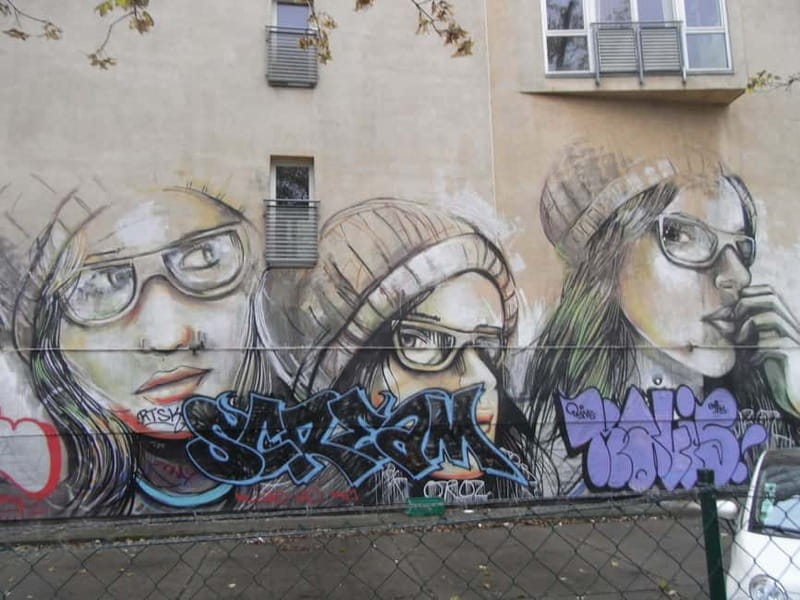
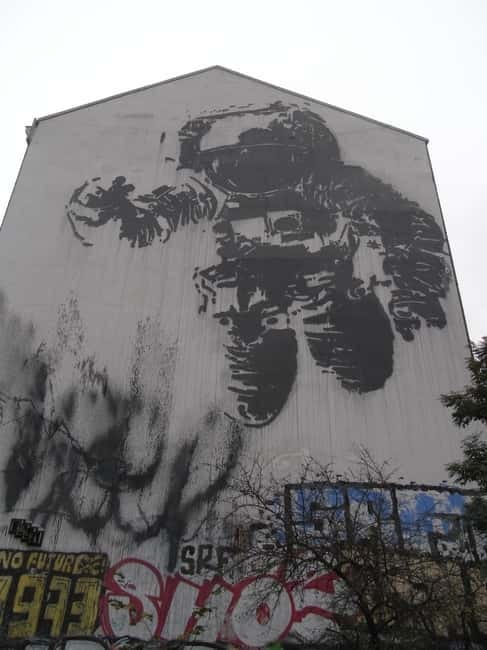
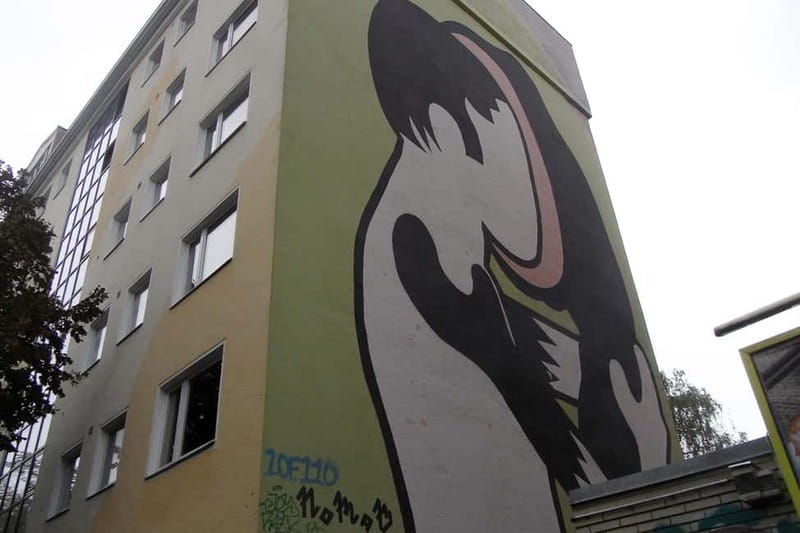
Berlin’s alternative art story starts here. This private route through murals, graffiti, and squats shows how Berlin’s freewheeling outsider culture grew, then kept changing, including the Wall graffiti you can’t miss. I especially like that you get a guide who can tie each neighborhood stop to the bigger story of creative survival.
What makes it work for me is the human touch. Guides like Nadav or Jacob can steer the tour in real time, and they use street art and landmarks to explain why people squatted, built house projects, and turned damaged places into living art. One drawback to plan for: you’ll use public transport during the tour, and tickets cost extra (listed as 4-10 euro), so check that before you go.
In This Review
- Key highlights at a glance
- Why this 2.5-hour alternative Berlin route feels efficient
- Hotel pickup and public transport: the practical side you should know
- Potsdamer Platz start: getting grounded before the street art
- A quick viewpoint stop to see the city’s shape
- Dead Chicken Alley and Alexanderplatz: where alternative energy shows up fast
- Haus Schwarzenberg: the alternative scene’s real-life building energy
- East Side Gallery: Wall graffiti you can see, not just read about
- Friedrichshain-Kreuzberg and Oberbaumbrücke: finishing with an activist vibe
- The guide experience: what makes it feel personal with Nadav or Jacob
- Price and value: is $302 per group up to 6 a good deal?
- What you’ll get in your hands, not just in your head
- Who this tour suits best, and when it might not
- Should you book this private alternative Berlin tour?
- FAQ
- How long is the Private Alternative Berlin Tour – Murals, Graffiti and Squats?
- Is this tour private?
- How much does it cost?
- Does the tour include hotel pickup?
- Is the tour in English?
- Do I need a public transport ticket?
- What major stops are included?
- Is there walking involved?
- What support do I have before and after the tour?
- Is free cancellation available?
Key highlights at a glance
- Hotel pickup plus a private, experienced guide, so you start looking at the city right away
- Wall graffiti and murals at major stops, including the East Side Gallery
- Alternative neighborhood flavor, with stops tied to punk, hippie, and squat culture
- Public transport segments that keep the walk manageable while still moving across Berlin
- Interactive picture folder with explanations of Berlin’s alternative style
- WhatsApp support before and after, for suggestions on what to see next
Deeper into the painted backstreets
- Berlin: Alternative Berlin Walking Tour★ 4.6 · 1,204 reviews
- Berlin: City Street Art Guided Walking Tour★ 4.8 · 886 reviews
- Berlin: 3-Hour Street Art Tour★ 4.7 · 778 reviews
- Kreuzberg: Culinary Food Tour★ 4.5 · 770 reviews
Why this 2.5-hour alternative Berlin route feels efficient
Berlin’s alternative scene isn’t just one neighborhood. It’s a chain reaction: cheap postwar living pulled in artists, then squats, house projects, galleries, and DIY communities took over damaged buildings. After the Wall fell, the momentum didn’t stop, it just shifted shape as the city gentrified and old spaces got pressured.
In 2.5 hours, you want two things: movement without exhaustion, and context without a lecture. This tour is built around short guided stops plus public transport hops, so you keep your energy for the key sights. And because it’s private, your guide can spend more time on the parts you care about, instead of racing everyone through a checklist.
For me, the best value piece here is how the tour connects art to daily life. You’re not only looking at murals and graffiti, you’re learning why Berlin made space for them in the first place.
Hotel pickup and public transport: the practical side you should know
This is a hotel pickup style tour, using the hotel reception or any pickup location you specify. That matters in Berlin because the “alternative” parts of town can be spread out, and you don’t want to waste your morning or afternoon figuring out the first connection.
Once you’re out, there are multiple transit segments built in (about 15 minutes, then 10 minutes, then another 10 minutes). Expect a ride, a short guided walk, and quick looks from points along the way. Public transport ticket cost is not included, listed as 4-10 euro, so I’d treat that as a normal add-on budget item.
What I like about the pacing is that it’s described as fun and easy walking and public transport. You’re not required to do anything technical. The main “bring” item is simple: comfortable shoes, because you’ll still be on your feet between rides.
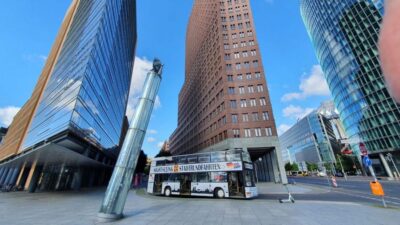
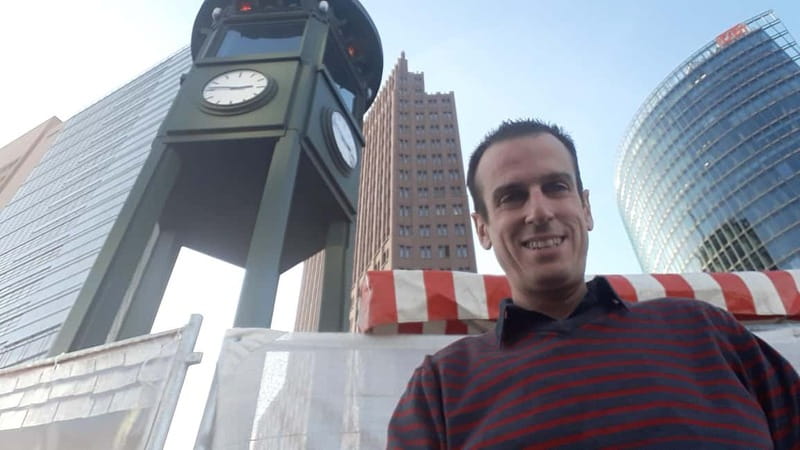
Potsdamer Platz start: getting grounded before the street art
The tour begins with pickup in Berlin, then it moves into an initial public transport segment before arriving at Potsdamer Platz. Potsdamer Platz is a good first stop because it helps you frame the city. You can look at the contrast between Berlin’s layered past and the present-day city space, then use your guide to connect that to why alternative communities formed across town.
The guided time here is about 30 minutes. That gives you enough time to orient yourself, not just “see a place.” If you’re the kind of person who likes to understand the setting before you chase the art, this start works well.
Potential consideration: if your entire focus is graffiti and squats and you’re not interested in orientation, you may wish Potsdamer Platz had a bit more time later. Still, it’s a solid springboard for the rest of the route.
A quick viewpoint stop to see the city’s shape
There’s a viewpoint segment after Potsdamer Platz, about 10 minutes. This part is short on purpose. Your goal is to get a visual sense of how Berlin is arranged so the later stops in East and alternative districts make more sense.
Even if the viewpoint itself isn’t the main attraction, it’s useful. When street art and community history are tied to geography, a quick overview helps your brain connect the dots faster.
Tip for you: wear shoes with good grip. You won’t need special gear, but a quick external look often means uneven sidewalks or small stairs.
Dead Chicken Alley and Alexanderplatz: where alternative energy shows up fast
Next comes another transport segment, then Dead Chicken Alley (about 10 minutes guided). A small alley is exactly the kind of place where graffiti culture feels immediate. It’s the “street-level” version of Berlin’s creative story, where art is part of the everyday environment, not a separate museum event.
From there, you reach Alexanderplatz for about 20 minutes guided. This is a strong move for a tour like this because Alexanderplatz is a major public space. It’s the kind of area that helps you understand how alternative movements intersected with the mainstream city. Your guide can connect that to the larger theme: Berlin drew artists because it was, for a time, cheap to live, and people turned leftover spaces into creative hubs.
What you’ll likely appreciate here is the way the guide balances scenes. The tour description points to hippies, punks, murals, and squats. That means you’re not only learning about one style. You’re seeing how different outsider subcultures shared space and energy.
Possible drawback: both of these stops are short. If you want long lingering time in one area to study details, you may feel slightly time-boxed. The workaround is simple: ask your guide during the tour where they think you should spend an extra minute or two before moving on.
Haus Schwarzenberg: the alternative scene’s real-life building energy
Haus Schwarzenberg is on the itinerary for about 20 minutes guided. This is where the tour leans into the “living art” idea. When squats, house projects, galleries, and improvisational communities pop up, they’re not just a location. They become a method of building culture in a city that had plenty of damaged postwar structures to repurpose.
The value here is that your guide can connect it to the broader timeline: the story before and after the fall of the Wall, when Berlin attracted alternative people from elsewhere and helped spark creative communities. Even with gentrification pressures, Berlin stayed a hub for musicians and wanderers.
What you’ll want to do at this stop is watch how the guide talks about the space: how it functions, how art lives there, and why the city allowed these ideas to grow in the first place. This is the kind of stop where a private guide pays off, because you can ask a “why” question and get an answer that ties back to the overall theme.
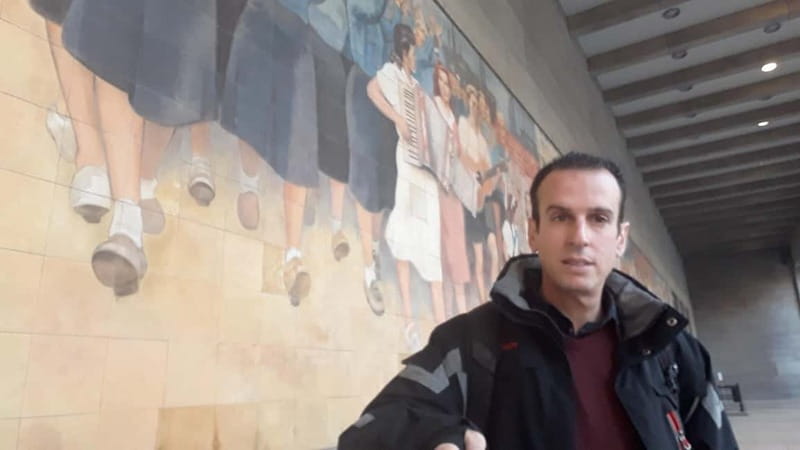
East Side Gallery: Wall graffiti you can see, not just read about
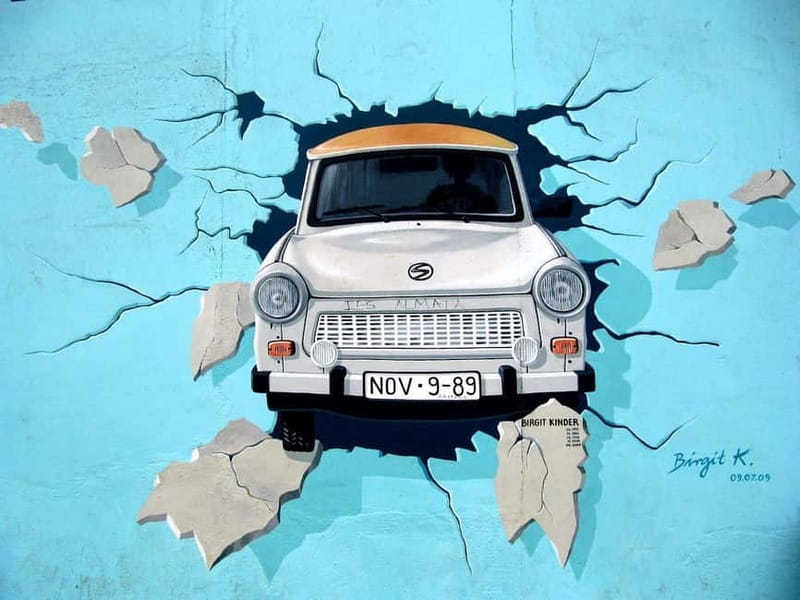
The East Side Gallery is the longest guided stop on the route, about 45 minutes. This is where the tour becomes unforgettable for most people because it’s explicitly tied to Wall graffiti. It’s also where you can see how public art becomes historical evidence.
The way I’d approach this segment: don’t rush it. Spend time on the messages and the visual style your guide points out. When you understand the tour’s theme of people turning destroyed and later abandoned buildings into creative spaces, the Wall graffiti stop hits differently. It’s not only decoration. It’s the city expressing itself in public.
45 minutes is generous enough to watch and listen, and to ask questions without feeling like you’re being herded. If you’re a serious street art fan, this is the stop you’ll probably want to remember most.
Small consideration: since graffiti and murals can change over time, it helps to treat your experience as a snapshot of what’s present now. The historical context remains, but visuals can vary.
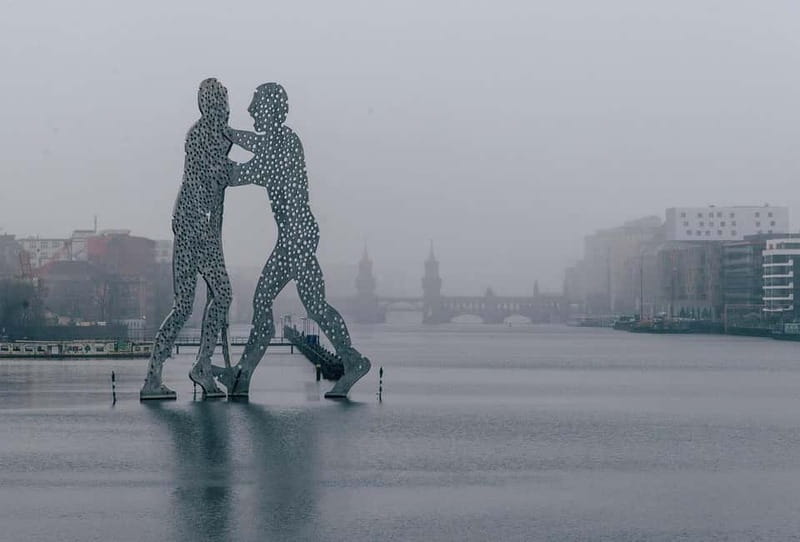
Friedrichshain-Kreuzberg and Oberbaumbrücke: finishing with an activist vibe
After East Side Gallery, you’ll continue with a brief transit segment (about 10 minutes), then Friedrichshain-Kreuzberg for about 15 minutes guided. This is your final “alternative area” taste, and it’s where the tour reinforces the idea that the city’s creative energy didn’t just disappear after the Wall fell. It shifted, argued, adapted, and kept attracting people who wanted to build something outside the mainstream.
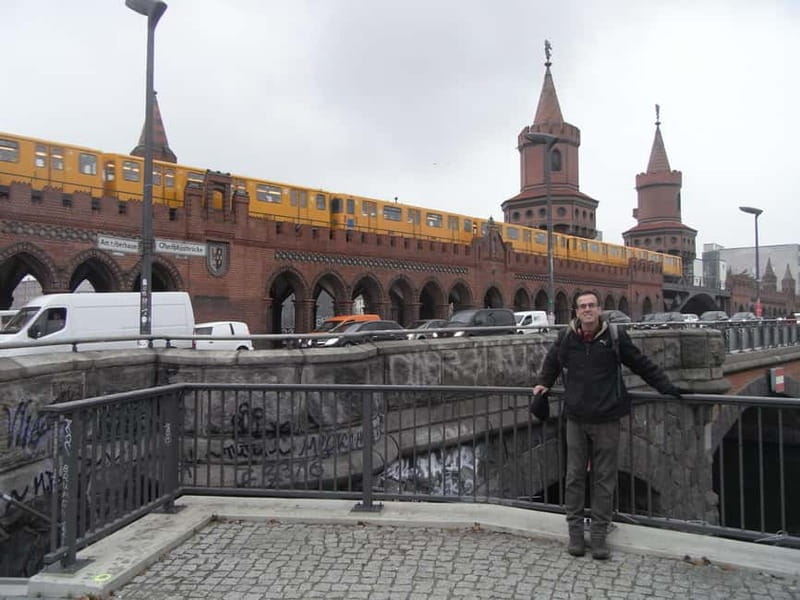
Then the tour wraps with Oberbaumbrücke for about 10 minutes guided. Finishing at a bridge makes sense for a cultural route because bridges are literal connections. They also symbolize movement, which is a big part of Berlin’s alternative identity: people coming in, finding community, making art, then changing the scene for the next wave.
If you’re taking photos, Oberbaumbrücke is often a good place to do it quickly before the tour ends. Keep your attention on what your guide points out, even if you’re tempted to shoot first. You’ll get more out of the final minutes that way.
The guide experience: what makes it feel personal with Nadav or Jacob
This tour is private, and the reviews and guide notes point to a guide who can adjust. Guides like Nadav and Jacob are described as easy-going, flexible with start time or pickup location, and able to personalize the tour based on your interests.
That matters because “alternative Berlin” can mean different things to different people. For some, it’s murals and graffiti. For others, it’s squats and the DIY community story. A good private guide can spend extra time where your curiosity is strongest and keep the rest moving.
Another strength is the storytelling tone. Instead of throwing facts at you, the guide uses the city’s places as chapters in a narrative. That keeps the stops connected, so you walk away understanding not only where the art is, but why the art culture grew there.
Also included is an interactive picture folder with explanations about Berlin’s alternative style. That gives you something to reference on the walk, and it’s useful as a memory tool once you’re back in your hotel.
Price and value: is $302 per group up to 6 a good deal?
The price is listed as $302 per group up to 6, for a 2.5-hour private tour. That can look high if you compare it to a standard group walking tour. But you’re paying for a different package: hotel pickup, a private English-speaking guide, multiple guided segments, and the included picture folder.
For value, think in terms of how Berlin tours cost you in logistics. Hotel pickup saves time and reduces stress. Private pacing saves energy. And context saves guesswork, especially for a theme like alternative culture where the story is tied to political changes, gentrification, and real places.
If you’re traveling as two or three people, this can start to feel like a bargain compared to booking multiple separate tours. If you’re traveling solo, it might still be worth it if the alternative art story is a top priority for your trip. Just know you are buying an experience for the whole group size ceiling, not per person pricing.
Bottom line: the cost fits best when you value private time and a guide who can tailor your route, not just recite a script.
What you’ll get in your hands, not just in your head
Beyond the walk and the guide conversation, you also get a picture folder with interactive explanations. That’s a small detail, but I like it. When you’re seeing lots of visual street art in a short span, it helps to have something that turns your observations into a clearer mental map.
There’s also WhatsApp availability before and after the tour for recommendations and information on where to go and what to see. That’s genuinely helpful in Berlin because once you’ve got the alternative context, you can make smarter choices about what to visit next.
Who this tour suits best, and when it might not
This tour is a strong match if you want alternative Berlin through murals, graffiti, and the squat/DIY culture background. It also suits you if you enjoy guides who can adapt and talk in a friendly, story-driven way.
You might not love it as much if you want a heavy academic-style tour or if you plan to spend most of your time in Berlin’s alternative scene doing one deep dive neighborhood by neighborhood. This route is designed to be varied within 2.5 hours, so it’s more about the arc of the story than one single district.
One more practical note: the tour uses public transport and includes several guided stops that together add up to a lively schedule. If you hate being on and off transit, bring patience and keep your shoes ready. The walk is described as fun and easy, but it still moves.
Should you book this private alternative Berlin tour?
Yes, if alternative art and Berlin’s post-Wall creative culture are high on your list. You’re getting a private guide, hotel pickup, Wall graffiti time at East Side Gallery, and a story that connects squats, house projects, and murals to why Berlin became a magnet for artists.
I’d book it when you want convenience plus context, not just photos. And if you can manage the extra public transport ticket cost, the overall package feels like good value for up to six people.
If your priority is only the biggest mainstream highlights, this may feel too niche. But if you’re curious about how Berlin’s alternative scene shaped itself, this is one of the most practical ways to see it in a single afternoon.
FAQ
How long is the Private Alternative Berlin Tour – Murals, Graffiti and Squats?
The tour duration is 2.5 hours.
Is this tour private?
Yes. It is listed as a private group tour.
How much does it cost?
It is $302 per group up to 6.
Does the tour include hotel pickup?
Yes. Hotel pickup is included, either from your hotel reception or another pickup location you specify.
Is the tour in English?
Yes. The live tour guide is English.
Do I need a public transport ticket?
Public transport tickets are not included. You should plan for 4-10 euro for the ticket.
What major stops are included?
The route includes Potsdamer Platz, Alexanderplatz, Dead Chicken Alley, Haus Schwarzenberg, the East Side Gallery, Friedrichshain-Kreuzberg, and Oberbaumbrücke, plus other guided moments and transport segments.
Is there walking involved?
Yes, but it is described as fun and easy walking and public transport. Comfortable shoes are recommended.
What support do I have before and after the tour?
You have WhatsApp availability before and after the tour for recommendations and information about where to go and what to see.
Is free cancellation available?
Yes. Free cancellation is available up to 24 hours in advance for a full refund.
More Painted Walls and Backyards
Everything else we filed on Berlin
- Private Photo Tour in Kreuzberg
★ 5.0 · 3 reviews - Kreuzberg Private Walking Tour: Immigrants, Artists & Hipsters
★ 5.0 · 3 reviews - Berlin’s Jewish Heritage: Private Tour of the Vibrant Jewish District
★ 5.0 · 3 reviews - Individual city tour Berlin for max. 8 persons
★ 5.0 · 3 reviews - Berlin & The Third Reich Private Guided Tour
★ 5.0 · 3 reviews - Private Analogue Photography Experience in Berlin
★ 5.0 · 3 reviews
Street Art and Alternative City Tours, side by side.
 ★ 4.6Berlin: Alternative Berlin Walking TourFrom $291,204 reviews
 ★ 4.8Berlin: City Street Art Guided Walking TourFrom $23886 reviews
 ★ 4.7Berlin: 3-Hour Street Art TourFrom $23778 reviews
 ★ 4.5Kreuzberg: Culinary Food TourFrom $589770 reviews
 ★ 4.7Berlin: Kreuzberg Guided Walking Evening TourFrom $27555 reviews
 ★ 4.7Berlin: Alternative Bike Tour of Kreuzberg & FriedrichshainFrom $41548 reviews
 ★ 4.9Berlin: 2.5-Hour Walking Tour through Kreuzberg 61From $23525 reviews
 ★ 5.0Berlin Off-the-Beaten-Path Walking Tour: Kreuzberg, Mitte and FriedrichshainFrom $30412 reviews
Other lists this tour is on