
REVIEW · BERLIN
Produce Techno and House Music in Berlin
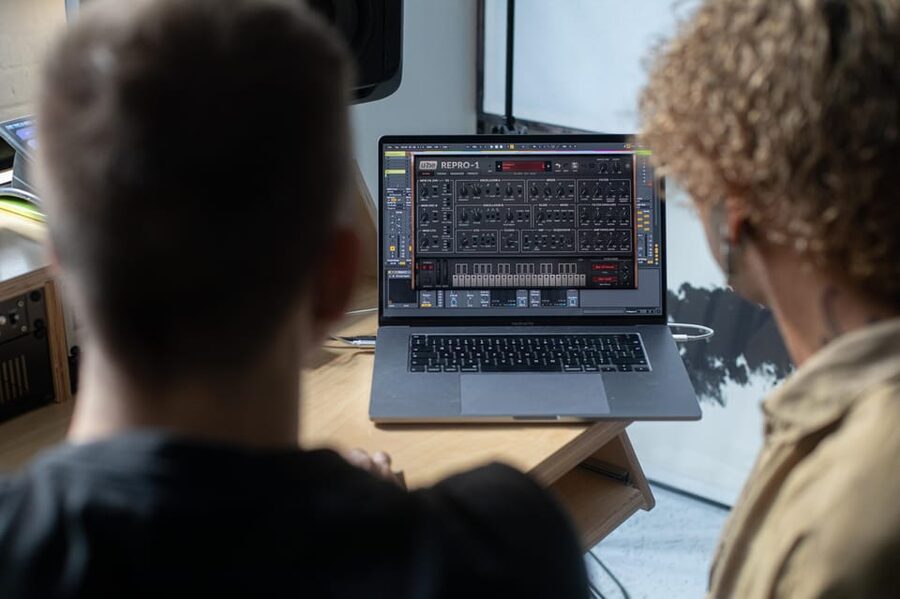
Two hours later, you can make a techno track. This is a hands-on house and techno production masterclass with Andy Sexton in Berlin’s clubbing district, where you learn the nuts and bolts behind the city’s underground sound.
What I really like is the focus on real workflow, not theory. You get to program synths and drum machines, then record, arrange, and mix down so you end with a track you can actually feel in your hands. The one drawback to consider is time, it is only 2 hours, so you will leave with a solid start, not total mastery of everything.
In This Review
- Key highlights you will feel fast
- Stepping into Berlin’s clubbing district, studio lights and all
- Your 2-hour goal: a house or techno track with structure
- Synths and drum machines: learning the engine behind the groove
- Recording and arranging: turning ideas into a real song shape
- Mixing down for club play: what changes when the goal is the floor
- Gear, instruments, and the feel of making music in a real studio
- Price and value: what $147 really buys you
- Who should book this, and who might not
- Should you book this Berlin techno production masterclass?
- FAQ
- How long is the house and techno music production masterclass?
- What language is the instruction in?
- Do I need prior music production experience?
- What age is allowed?
- How large is the group?
- Is food or drinks included?
- Where do I meet the instructor?
- Are there any rules about smoking or alcohol?
Key highlights you will feel fast
- Small group of up to 4, so you do not get lost in the back row
- House or techno track building, from programming to arrangement
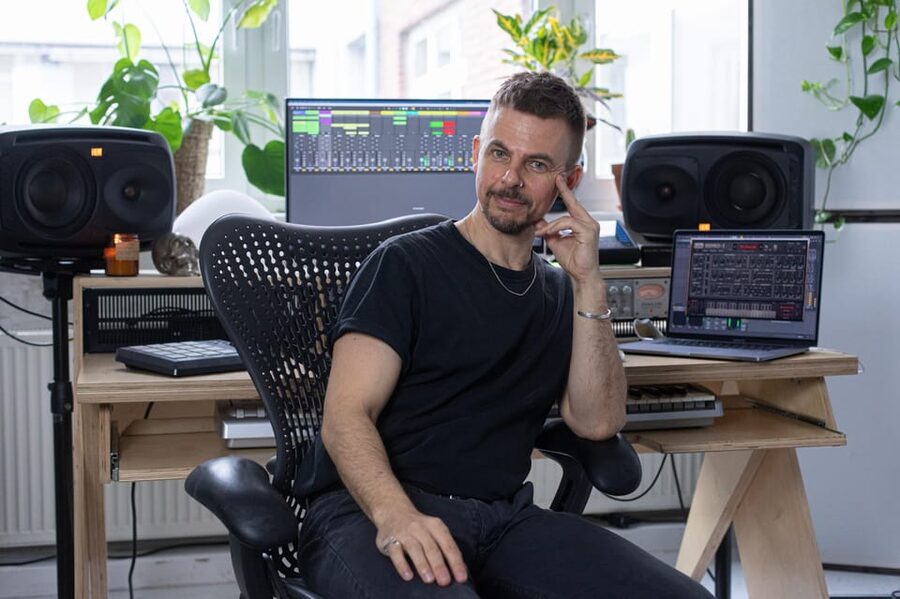
- Modern and vintage studio gear, plus microphones and acoustic instruments
- Mixing down for club play, with guidance on how to structure sounds
- English instruction with supportive teaching style, helpful even if you are brand new
Deeper into the painted backstreets
- Berlin: Alternative Berlin Walking Tour★ 4.6 · 1,204 reviews
- Berlin: City Street Art Guided Walking Tour★ 4.8 · 886 reviews
- Berlin: 3-Hour Street Art Tour★ 4.7 · 778 reviews
- Kreuzberg: Culinary Food Tour★ 4.5 · 770 reviews
Stepping into Berlin’s clubbing district, studio lights and all
Berlin techno does not come from textbooks. It comes from people, habits, and late-night decisions that turn into grooves. In this class, you meet in a large industrial building with reddish brown brick, right in the clubbing area, and you get access to the kind of space where electronic music turns from idea into sound.
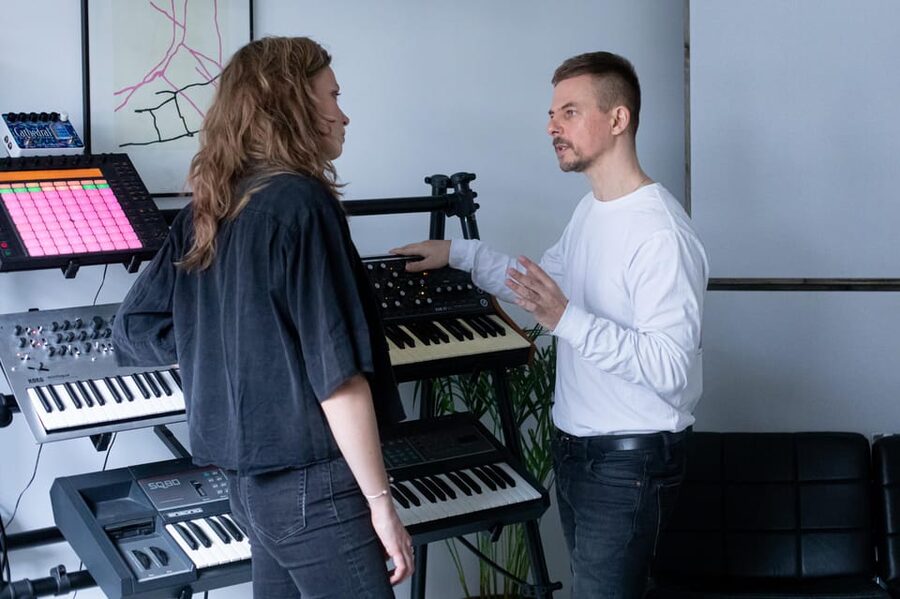
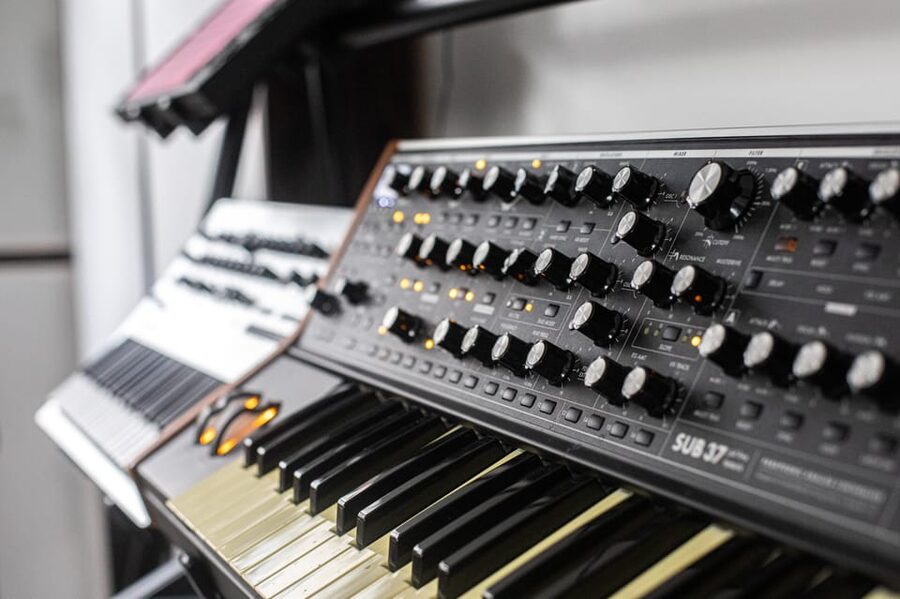
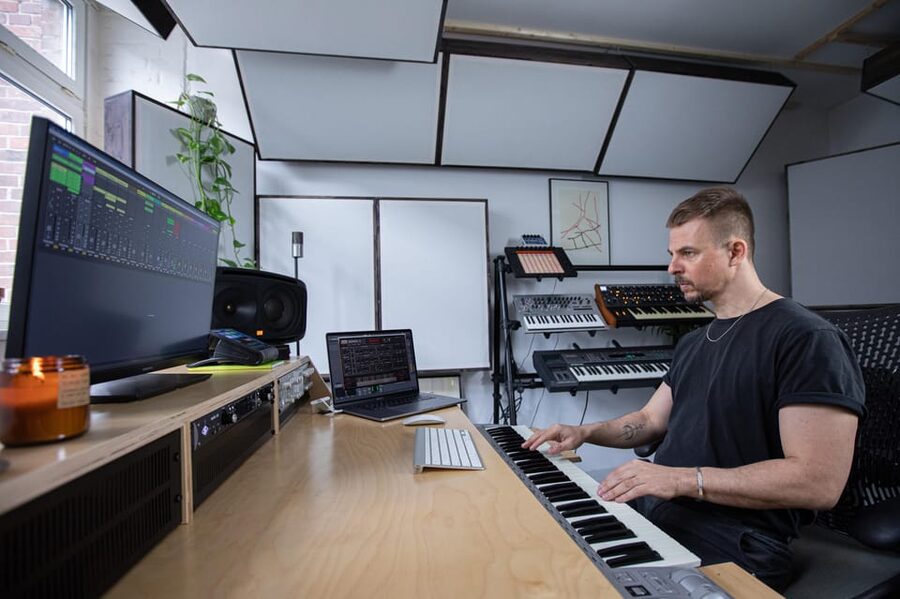
The studio setup matters. This is not a demo room with one keyboard and a projector. You have access to professional music production software, plus modern and vintage gear, microphones, and acoustic instruments like piano, guitar, and percussion. That mix is one reason the session feels practical, you can hear how electronic rhythms and textures can sit next to organic sounds.
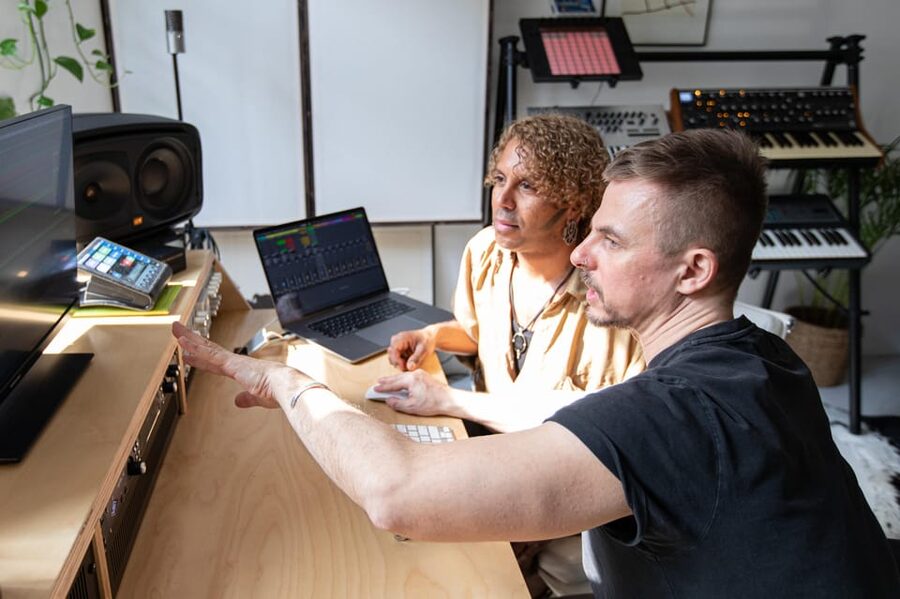
Also, because the group is limited to just 4 participants, the teacher can slow down when you need it. That is a big deal for beginners. It is how you go from pressing buttons to understanding why certain steps come first.
One more note I appreciate: Andy teaches in English, and the experience is designed for people with no prior music production experience. You do not need years of theory to participate, you need curiosity and a willingness to try.
Your 2-hour goal: a house or techno track with structure
The main promise here is not just learning software. It is producing a track that has structure, rhythm, and a sense of direction. You spend the session creating a house or techno song using professional production tools, then you finish with a mix-down phase that prepares it for playing in a club.
That might sound ambitious, but the way it is taught makes it achievable. In a short time, you are not expected to invent a new genre. You learn how Berlin producers organize sound: a workflow that turns programming into arrangement, then arrangement into a final mix.
If you are new, this can be the fastest way to build momentum. I like that the process is framed as something you can repeat. One participant highlighted that Andy shared his philosophy, methodology, and frameworks for making music. That kind of thinking is what helps you keep going after the session ends, because you are not only leaving with a file, you are leaving with a way to approach the next one.
If you already make music, you will still likely like the pace. A strong beginner track can still teach you how to clean up grooves, manage layers, and tighten your arrangement. And if you are tempted to skip straight to the cool synth patch, the session structure helps you focus on the foundation first.
Synths and drum machines: learning the engine behind the groove
House and techno share one big truth: the groove is everything. In this masterclass, you learn how to program synthesizers and drum machines to create a track. That is the core skill you will reuse again and again.
In practical terms, programming here is not treated like random knob turning. You learn how to think in parts, like rhythm first, then the sounds that sit on top of it. The session approach also emphasizes how to structure your workflow, not just what buttons to press.
This is where the studio environment helps. You are working with professional gear and a setup that includes both modern and vintage instruments. Even when you stay inside the software, that studio context makes it easier to understand what producers are chasing: tone, timing, and movement.
One review also pointed out that the session covers how to organize work flows and produce grooves. That lines up with what you want to get out of a course like this. You are learning a system, so you can build your own patterns and avoid getting stuck in endless trial and error.
And if you are worried you will not sound like techno producers by the end, you probably will not, and that is fine. Your goal is to understand why the groove works and how to create it. Then, you can keep improving with your own ears.
Recording and arranging: turning ideas into a real song shape
After the programming stage, you move into recording and arranging. You use professional software to record and arrange a house or techno track, then you build it into something you can listen to as a whole.
Arrangement is where many beginners fall off, because it feels less exciting than making the first sound. But it is also where the track becomes real. You learn how to organize sections, how to place elements so they do not fight, and how to create momentum over time.
I like that you are not only learning editing tricks. You are learning how a track moves. That is what separates a loop from a song that holds attention.
One participant described the experience as ideal for beginners who want to mess around a bit, but also a step toward a more professional approach. That is the sweet spot. You start making something quickly, but you also get enough structure to feel like you are leveling up.
And if you bring a friend or a companion who needs extra support, this is worth noting: one reviewer shared that Andy was very empathic and helped someone reach the activity quickly, even with language barriers. That does not mean every situation will be identical, but it signals that instruction is not robotic. It is adjusted to real humans in the room.




Mixing down for club play: what changes when the goal is the floor
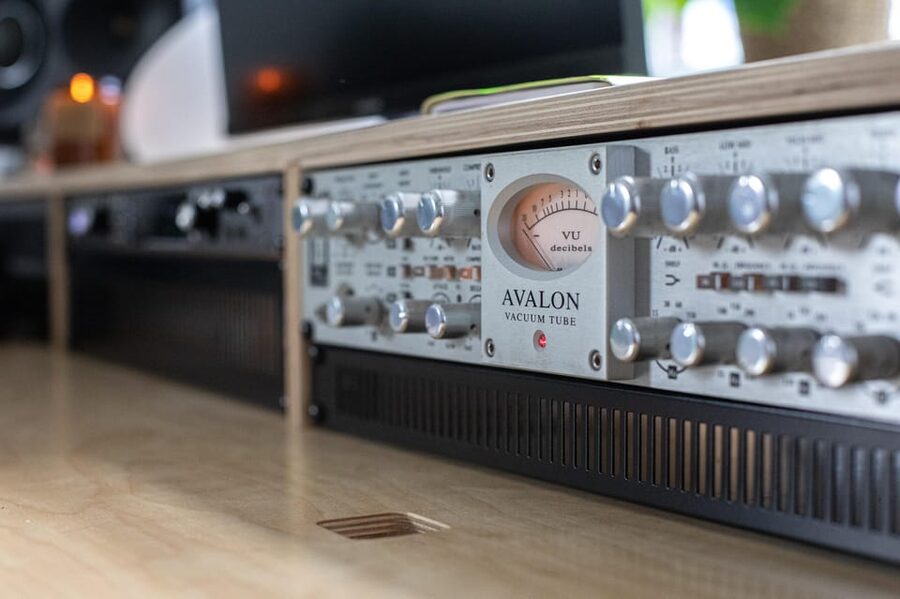
You finish with mixing down, and the course frames this as preparation for club play. That goal changes how you think about balance. You are not just making your track sound good on laptop speakers. You are preparing it to survive real sound systems.
Even if you are new, you can grasp the basics: levels, clarity, and how elements relate. The session includes mixing down as a step in the process, so you do not treat mixing like a mystery box reserved for experts.
Also, having access to the studio setup helps you hear differences. The studio includes both modern and vintage gear, and there is a wide range of microphones and acoustic instruments. That gives you more options for texture, and it makes mixing feel less abstract.
One review said the equipment was very good and the teacher was professional, and that the group created a song at the end. That is the point. You want to leave with a finished or nearly finished track, not just a rough experiment that never gets polished.
In one case, a participant mentioned they even extended their session to get their own little track to take home. That sounds like it happened with scheduling and momentum, not as a guaranteed add-on. Still, it suggests the instructor may be flexible if the session rhythm works for everyone.
Gear, instruments, and the feel of making music in a real studio
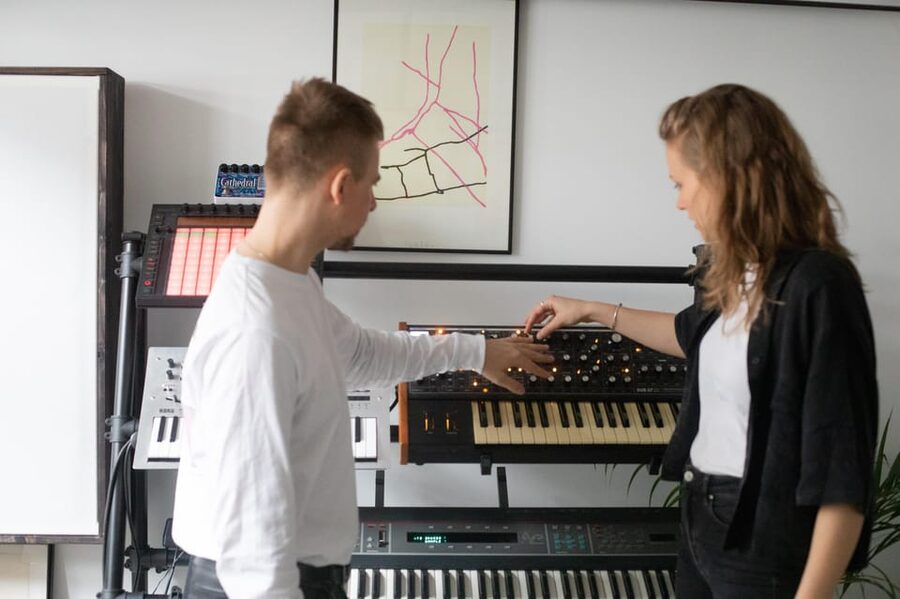
This is the kind of class where the environment does actual learning work. The studio is equipped with modern and vintage gear, microphones, and acoustic instruments like piano, guitar, and percussion. So even if you are building a track in electronic software, you can understand how live instruments can be shaped and placed inside a techno or house context.
I also like that the session is grounded in the Berlin culture of underground electronic music. Berlin is known as an international hub for electronic scenes, and you get an inside view of the process behind the music that has shaped the city’s culture. That context matters, because it gives you a reason for the workflow. It is not only about sound design, it is about how a scene thinks.
And because the instruction is in English and the group is small, the studio vibe stays focused. You are not watching someone else work. You are learning by doing, with room to ask questions.
If you have ever tried to learn production through videos, you know the frustration of pausing, rewinding, then still not understanding the logic. Here, you can follow the full chain: programming, recording, arranging, then mixing down.
Price and value: what $147 really buys you
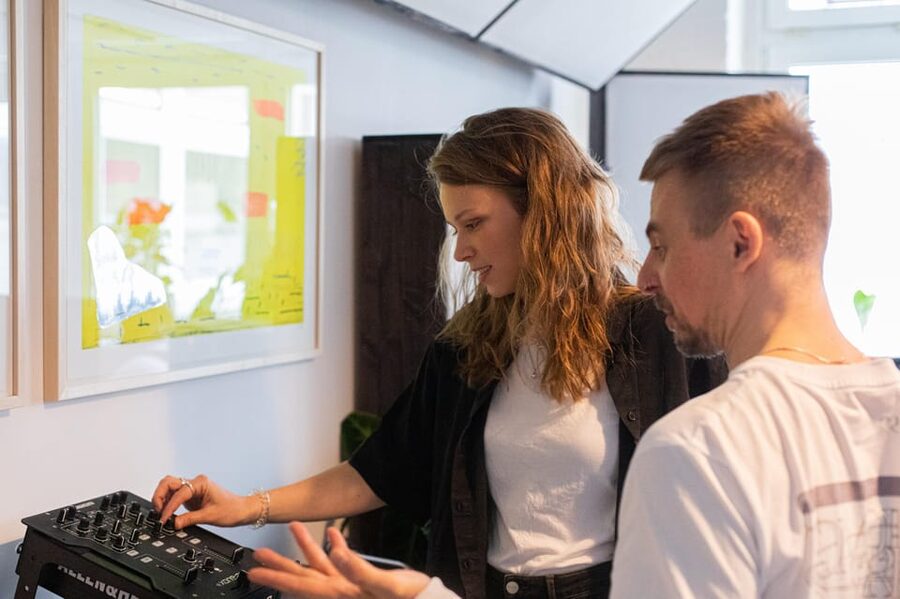
At $147 per person for 2 hours, this is not the cheapest thing in Berlin. But it is also not vague. You are paying for a professional studio, professional software access, and guided production time with an instructor.
Think of what you get for the money:
- time with a real producer working through house or techno creation
- studio access with both modern and vintage gear
- a complete workflow, including mixing down
- a small group setting that keeps you in the process
If you tried to do this on your own, you would likely spend time figuring out what to learn first, then more time troubleshooting software. Here, the course organizes that chaos into a tight session that aims to end with a track.
For beginners, the value is especially strong because you are not just learning a concept. You are producing something in the timeframe. For intermediate makers, the value is in the structured workflow and the chance to compare your process with a Berlin-based approach.
Just keep your expectations realistic. You are not going to leave with lifelong production skill in one session. But you can leave with confidence, momentum, and a track that proves the process works.
Who should book this, and who might not
This masterclass fits you if:
- you have never produced music but you want to start with hands-on guidance
- you want an organized path through programming, arranging, and mixing down
- you are curious about Berlin’s underground electronic culture and want the process behind it
- you like learning in a small group with direct support
It might feel less ideal if you are the kind of person who only learns by deep homework. This session is a guided sprint. It is well structured, but it is still two hours, so you will move at a fast pace.
The age rules are clear: participants must be at least 10 years old, and it is not suitable for children under 10. So it can work for older teens or adults who are ready to focus.
Also, the studio is wheelchair accessible, which is a meaningful practical detail. If mobility access is part of your planning, this is a good match.
Should you book this Berlin techno production masterclass?
Yes, if you want a real studio session that leads to a track, not just a talk. I especially recommend it for beginners who want a clear workflow and for music makers who want to tighten how they build grooves and structure a finished mix.
Book it if you are excited by the idea of making house or techno using synths, drum machines, professional software, and actual studio gear. You will likely leave with more than a file, you will leave with frameworks you can reuse.
Skip it only if you are searching for a long form course or a slow, step-by-step “learn everything” program. This is short by design, and it works best when you treat it like a focused starting point.
FAQ
How long is the house and techno music production masterclass?
The session lasts 2 hours.
What language is the instruction in?
The instructor teaches in English.
Do I need prior music production experience?
No prior music production experience is required.
What age is allowed?
Participants must be at least 10 years old, and it is not suitable for children under 10.
How large is the group?
This is a small group limited to 4 participants.
Is food or drinks included?
Meals and drinks are not included.
Where do I meet the instructor?
Meet at the front door of a large industrial building with reddish brown brick, a few minutes before the scheduled start time.
Are there any rules about smoking or alcohol?
Smoking is not allowed, and alcohol and drugs are not allowed.
More Painted Walls and Backyards
Everything else we filed on Berlin
- Private Photo Tour in Kreuzberg
★ 5.0 · 3 reviews - Kreuzberg Private Walking Tour: Immigrants, Artists & Hipsters
★ 5.0 · 3 reviews - Berlin’s Jewish Heritage: Private Tour of the Vibrant Jewish District
★ 5.0 · 3 reviews - Individual city tour Berlin for max. 8 persons
★ 5.0 · 3 reviews - Berlin & The Third Reich Private Guided Tour
★ 5.0 · 3 reviews - Private Analogue Photography Experience in Berlin
★ 5.0 · 3 reviews
Street Art and Alternative City Tours, side by side.
 ★ 4.6Berlin: Alternative Berlin Walking TourFrom $291,204 reviews
 ★ 4.8Berlin: City Street Art Guided Walking TourFrom $23886 reviews
 ★ 4.7Berlin: 3-Hour Street Art TourFrom $23778 reviews
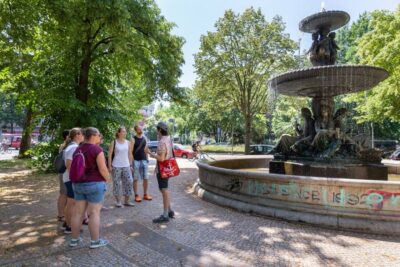 ★ 4.5Kreuzberg: Culinary Food TourFrom $589770 reviews
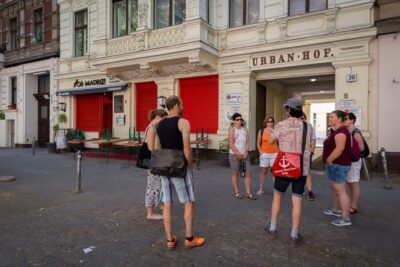 ★ 4.7Berlin: Kreuzberg Guided Walking Evening TourFrom $27555 reviews
 ★ 4.7Berlin: Alternative Bike Tour of Kreuzberg & FriedrichshainFrom $41548 reviews
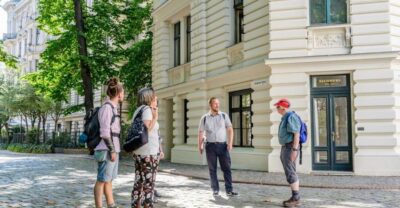 ★ 4.9Berlin: 2.5-Hour Walking Tour through Kreuzberg 61From $23525 reviews
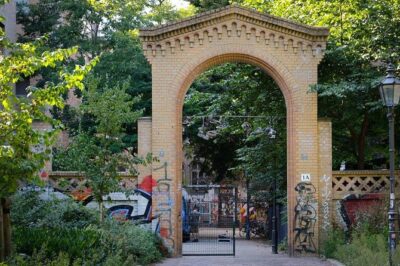 ★ 5.0Berlin Off-the-Beaten-Path Walking Tour: Kreuzberg, Mitte and FriedrichshainFrom $30412 reviews
Other lists this tour is on