
REVIEW · BERLIN
Small Group Tour: “Wild Kreuzberg”
Berlin’s wild side lives in Kreuzberg’s streets. This 3-hour, small-group walk connects everyday markets with the area’s squatter-era leftovers.
I especially like how the route is built around real places you can still feel today, not just photo stops, and I also like the guide style that makes the neighborhoods sound specific and personal.
One thing to consider: the tour runs in German, and like many small tours, it can be canceled if enough people do not sign up.
In This Review
- Key Highlights To Know Before You Go
- Entering Kreuzberg at Kottbusser Tor, Where Day Turns Into Night
- Adalbertstraße Skyscrapers, Kreuzberg Museum, and the Old Meets New Walk
- Oranienstraße and Oranienhöfen: The SO36 Heartbeat
- Museum of Objects and Mariannenplatz: A Better Way to Understand Mass Production
- Bethanien and Rauchhaus: Squat-Era Life in Former Walls
- Fontane-Apotheke and Görlitzer Park: Small Landmarks That Make the Route Feel Real
- Oberbaumbrücke: The East-West Link at the End of the Story
- Price and Pace: Is Wild Kreuzberg Worth $24?
- Who This Tour Fits Best, and Who Should Think Twice
- Should You Book Wild Kreuzberg?
- FAQ
- How long is the Wild Kreuzberg tour?
- Where do I meet the guide?
- What is the nearest U-Bahn station?
- What language is the tour guide?
- Is food or drink included?
- What happens if it rains?
Key Highlights To Know Before You Go
- Kottbusser Tor to Oranienstraße: Everyday life meets night culture, with the U1 rails cutting the square in two
- Oranienhöfen coffee break: A calm pause in a neighborhood that moves fast
- Museum of Objects at Mariannenplatz: Mass production history through a Berlin lens
- Bethanien and Rauchhaus: Former hospital and nearby squat traces, tied to the SO36 punk district
- Fontane-Apotheke and Görlitzer Park: Famous pharmacy stop plus a park that used to be a train station
- Small group, up to 12: Easier questions and faster pace control than big bus tours
Deeper into the painted backstreets
- Berlin: Alternative Berlin Walking Tour★ 4.6 · 1,204 reviews
- Berlin: City Street Art Guided Walking Tour★ 4.8 · 886 reviews
- Berlin: 3-Hour Street Art Tour★ 4.7 · 778 reviews
- Kreuzberg: Culinary Food Tour★ 4.5 · 770 reviews
Entering Kreuzberg at Kottbusser Tor, Where Day Turns Into Night
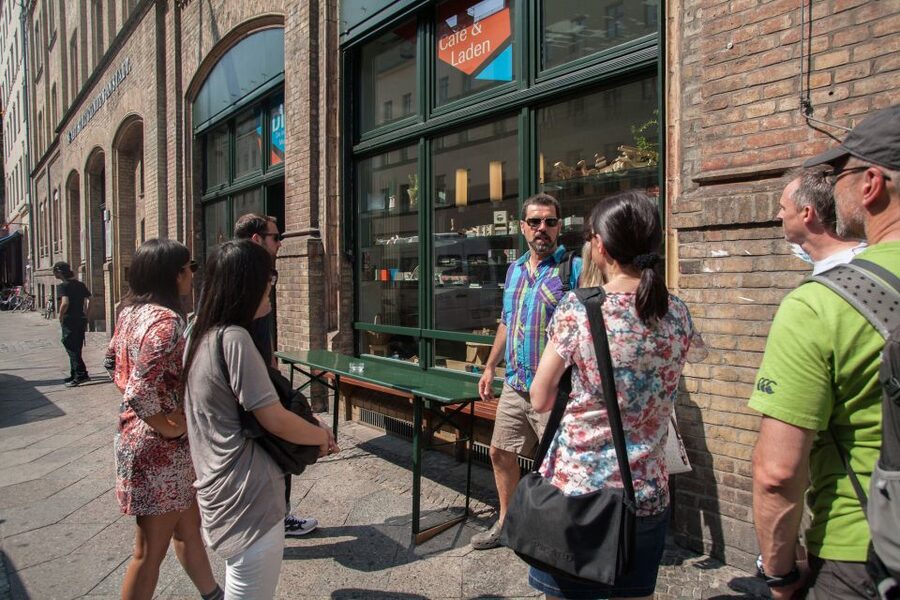
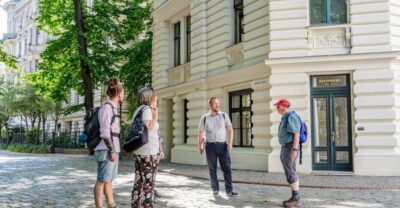
Kreuzberg starts in the middle, at Kottbusser Tor, where the square mixes markets, late-night energy, and regular street life. You’ll meet at 137 Skalitzer Straße, in front of Gold Exchange and next to REWE, then head into the area from the Skalitzer Straße exit of the Kottbusser Tor station (U1 and U8).
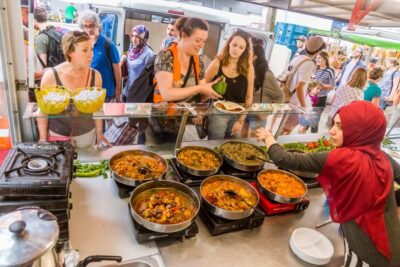
This is not a tidy, museum-only neighborhood. Expect a place where Turkish market stalls and Arabic restaurants sit near chic cafes, and where alternative clubs and bars are close enough to matter to the street vibe. Even the layout tells a story, with the overground rails of the U1 line running right through the scene like a divider you can’t ignore.
Adalbertstraße Skyscrapers, Kreuzberg Museum, and the Old Meets New Walk
As you move away from the rail-and-square intensity, you’ll pass impressive houses from the early last century and landmarks that show how Kreuzberg has kept changing without losing its edges. Along the way, you’ll get a look at the Adalbertstraße skyscrapers and the Kreuzberg Museum, both useful for getting your bearings before the tour heads into the more alternative parts of the district.
Why this matters: if you only see Kreuzberg as nightlife, you miss the layers that made that nightlife possible in the first place. These stops help you understand the neighborhood as an evolving mix of architecture, institutions, and community space, not just a vibe you stumble into for a night out.
If you’re expecting the whole tour to feel like a constant party, temper that. This section is more about context, and it’s paced for people who want to look around and listen.
Oranienstraße and Oranienhöfen: The SO36 Heartbeat
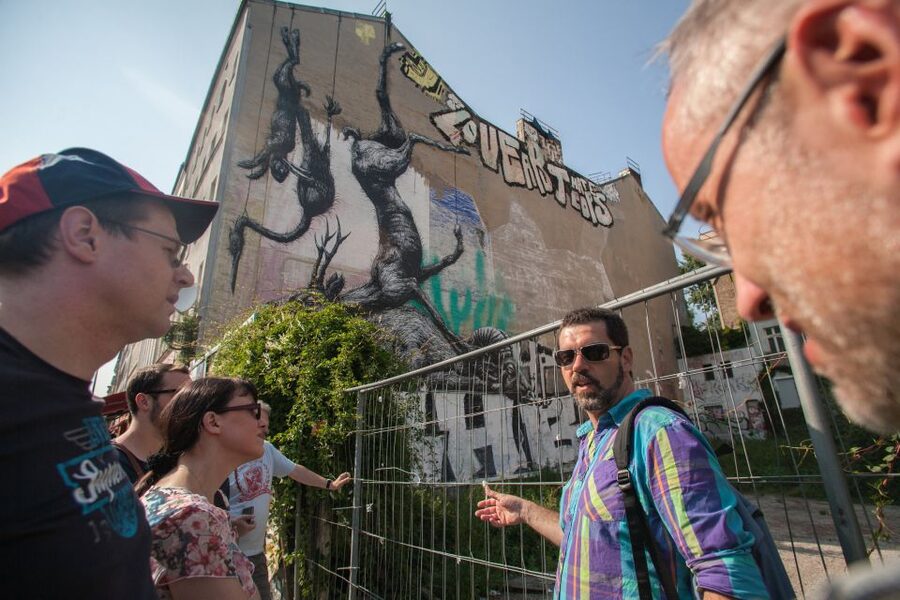
Next you’ll reach Oranienstraße, often described as the heart of the former SO36 postal district, the area that Berlin still links to punk identity. The street is known for shops, restaurants, and bars, but what I like is the way the tour frames it as a long-running neighborhood character, not a trend that showed up last year.
You’ll also get a stop connected to community care: the Berlin Home for the Blind. It’s a reminder that Kreuzberg’s story isn’t only about counterculture and protest, it’s also about daily services and the institutions that keep people connected. Then comes a break at Oranienhöfen, where you can relax over a coffee.
Quick heads-up: the tour includes duties and a city guide, but food and drink are not listed as included. That coffee moment is still a great reset, just plan to pay for it yourself if you order something.
Museum of Objects and Mariannenplatz: A Better Way to Understand Mass Production
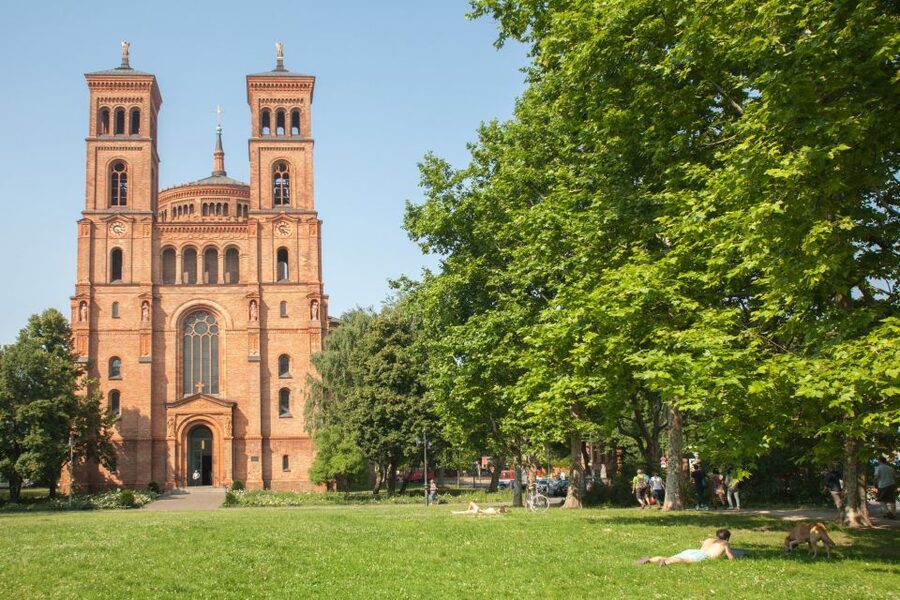
After that, you’ll move toward Mariannenplatz and the Museum of Objects. This stop is a smart pivot for the tour because it takes something ordinary, the things people buy and use every day, and explains how mass production shaped the modern world.
It’s one of those experiences that works well even if you’re not a museum person. The topic is broad, but the walking-tour format keeps it from turning into a long indoor detour. You come out with a clearer mental filter for what you’re seeing around you, because later stops connect back to community life and public spaces.
At Mariannenplatz, the tour also sets you up for the squat-era thread. You’re in the right zone, at the right square, to understand why alternative Berlin culture took root here and kept evolving.
Bethanien and Rauchhaus: Squat-Era Life in Former Walls
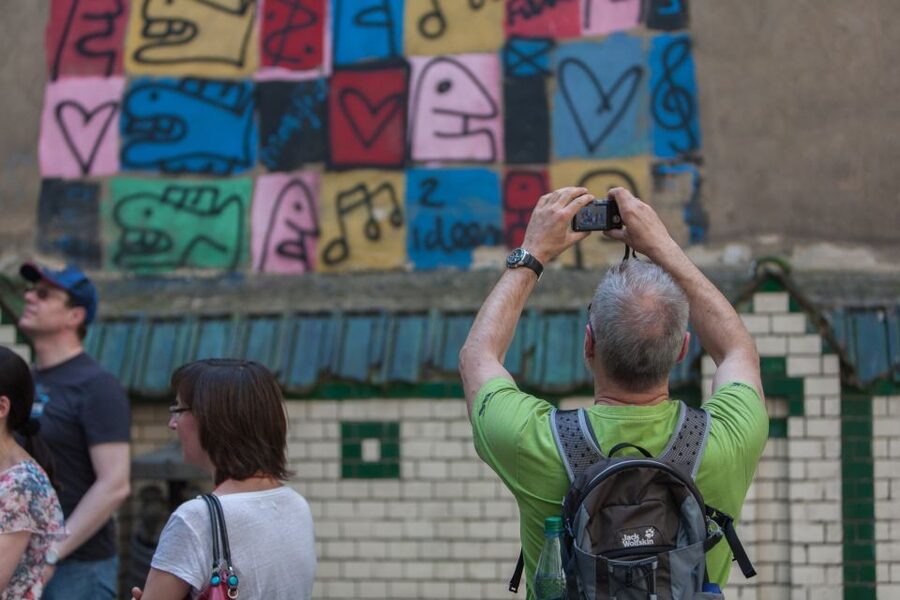
From Mariannenplatz you’ll reach Bethanien, an art squat located in a former hospital. That detail alone gives the place extra weight. Buildings like this matter because they show how Berlin reused space when communities needed it, long before the word redevelopment became the default explanation.
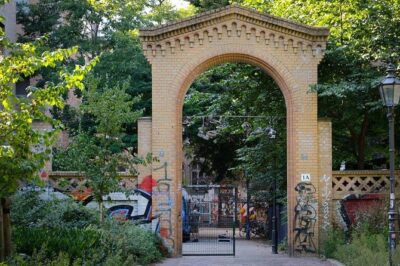
Next door is the Rauchhaus, where you’ll find more traces of squatters’ life. This is the part of the walk where Kreuzberg’s “wild side” stops being a marketing phrase and becomes something you can point to. You’re not guessing at what the scene might have been like, you’re standing near the physical leftovers of it.
A practical consideration: outdoor walking plus a couple of stop-and-look moments means you should keep your phone charged and your shoes ready. You’ll likely want to pause and read whatever signage is available at each site, and that takes time.
Fontane-Apotheke and Görlitzer Park: Small Landmarks That Make the Route Feel Real
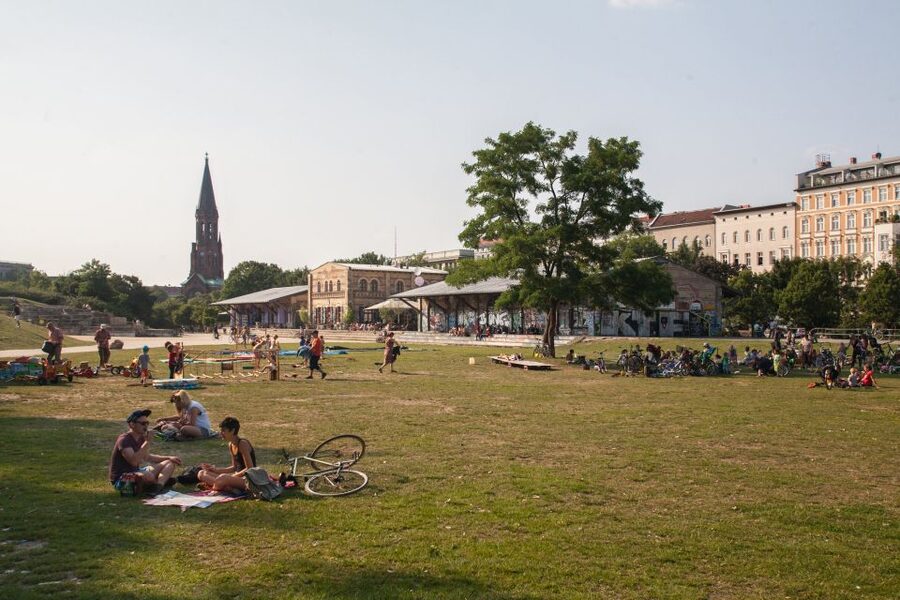
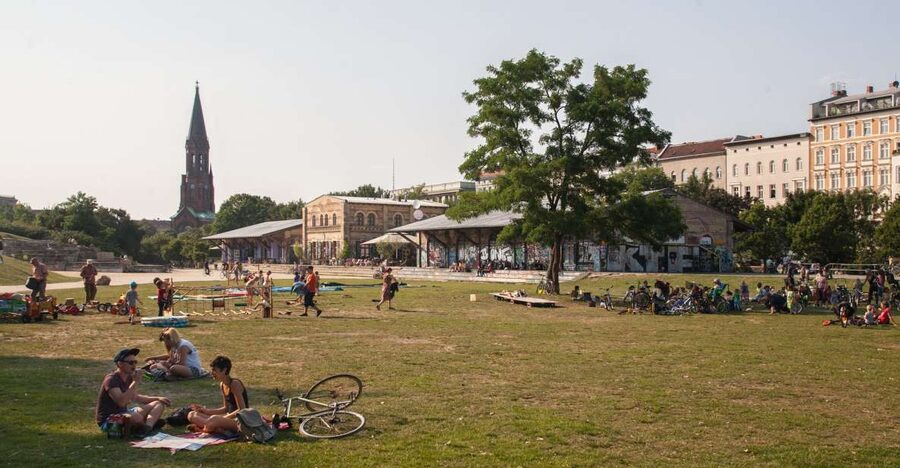
The tour doesn’t only chase the big symbolism. It also includes Fontane-Apotheke, a well-known pharmacy, and then a stroll through Görlitzer Park, which was previously a train station.
This kind of stop is what makes a walking tour feel trustworthy. A pharmacy might sound random until you realize it represents everyday infrastructure, the places locals rely on. And Görlitzer Park used to be a station, which helps you see how Berlin repurposes space instead of just erasing the past.
I like these moments because they slow you down. You’re not constantly sprinting between highlights. Instead, you get a little time to watch the neighborhood rhythms and absorb how the area lives now.
Oberbaumbrücke: The East-West Link at the End of the Story
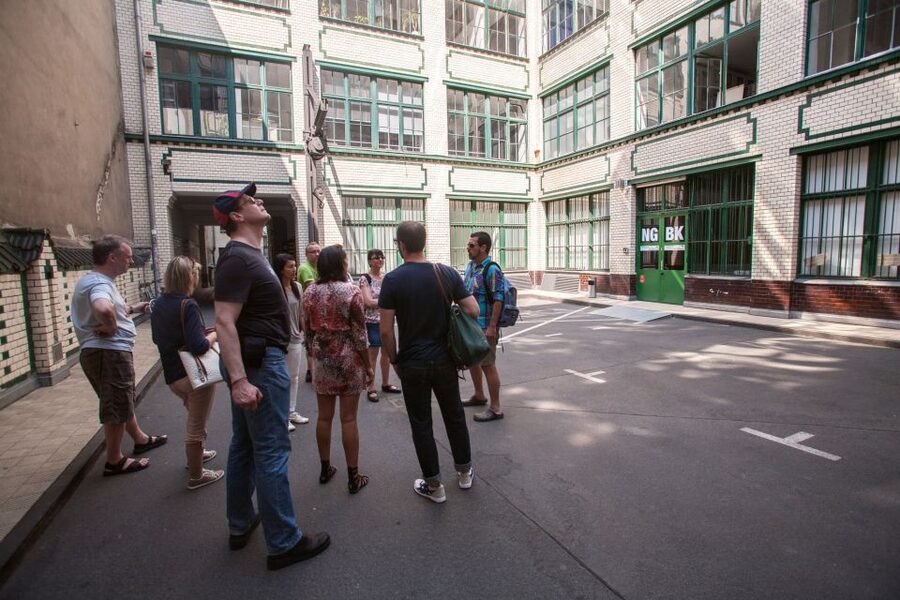
You’ll finish by walking to Oberbaumbrücke, which symbolically links East and West Berlin. It’s a strong end point because it pulls the tour’s themes into one image: the neighborhood’s alternative identity still sits inside the bigger Berlin story, shaped by separation, reunification, and all the compromises that come with those changes.
The tour ends back at the meeting point, so you can keep your plans simple. In a city where transit can eat time, having a clear return makes the 3-hour duration feel like real value.
Price and Pace: Is Wild Kreuzberg Worth $24?
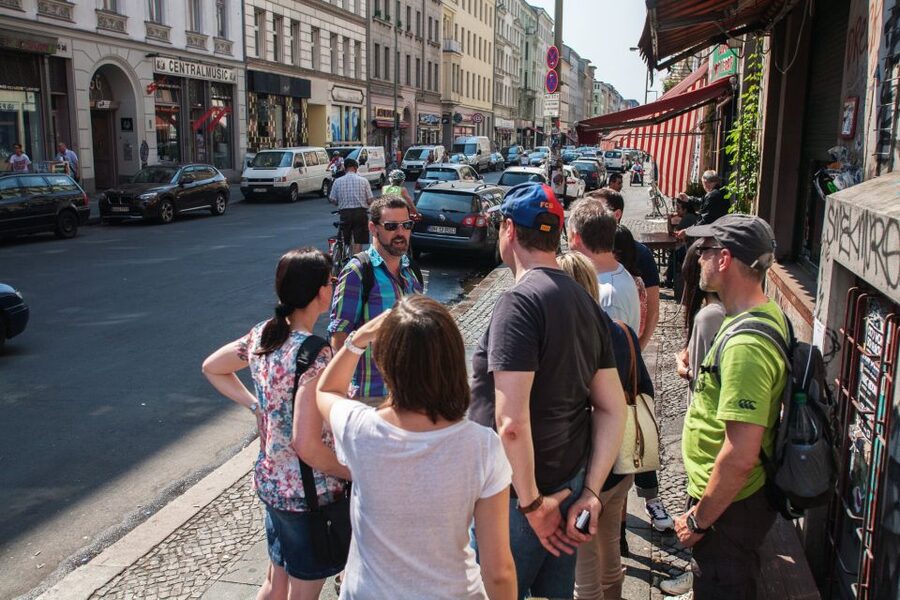
At about $24 per person for roughly 3 hours in a small group (up to 12), this tour is priced like a practical neighborhood orientation. You’re not paying premium rates for a long coach ride. You’re paying for a guide, a guided sequence of places, and the fact that the walk is structured so you understand what you’re seeing as you go.
The small-group size also matters. With a max of 12, you’re more likely to get direct answers and a pace that fits the group. And since it runs in all weathers, the route is built around being outside, not switching plans at random.
The only cost you should plan for is personal spending, since food and drink are not included. If you want the coffee stop, bring a little extra money.
One more value note: starting times vary based on availability, so check what day and time you can fit in. For a neighborhood tour, timing can affect what you notice at street level.
Who This Tour Fits Best, and Who Should Think Twice
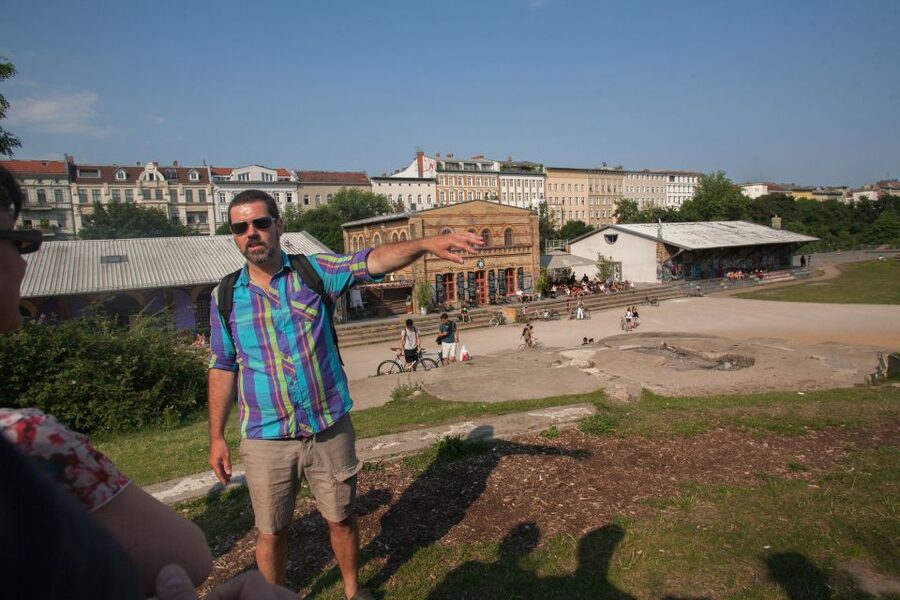
This experience is a great fit if you want Kreuzberg as a lived-in neighborhood. If you like walking tours that connect architecture, institutions, and street culture, you’ll probably enjoy it more than a purely sightseeing checklist. It’s also ideal if you’re curious about the squat scene, not as a vague legend, but as traces you can see in places like Bethanien and near Rauchhaus.
You should think twice if you do not speak German. The tour is explicitly live guided in German, and the group experience may not feel as comfortable if you can’t follow the commentary.
Also, be aware that if a tour doesn’t meet the operator’s minimum participation requirement, it can be canceled. That’s normal for small-group walking tours, so choose a date where you have some flexibility.
Should You Book Wild Kreuzberg?
Book it if you want a focused Kreuzberg walk that balances street culture with real, specific landmarks like Kottbusser Tor, Oranienstraße, Mariannenplatz, Bethanien, Fontane-Apotheke, and Görlitzer Park. The payoff is a clearer sense of why Kreuzberg feels the way it does now, because the tour keeps tying places to the neighborhood’s changing identity.
Don’t book it if German is a blocker for you, or if you’re only interested in minimal walking and totally self-guided stops. This one is built for listening and walking in place.
If you’re flexible and comfortable in good shoes, this is one of the more practical ways to understand Kreuzberg in just three hours.
FAQ
How long is the Wild Kreuzberg tour?
The tour lasts about 3 hours.
Where do I meet the guide?
Meet at 137 Skalitzer Straße, in front of Gold Exchange and next to REWE.
What is the nearest U-Bahn station?
The nearest station is Kottbusser Tor (lines U1 and U8). Use the Skalitzer Straße exit.
What language is the tour guide?
The live tour guide speaks German.
Is food or drink included?
No, food and drink are not included. The tour includes a coffee moment at Oranienhöfen, but you should expect to pay for what you order.
What happens if it rains?
This tour runs in all weathers. On rainy days, the operator distributes a rain poncho.
More Painted Walls and Backyards
Everything else we filed on Berlin
- East Berlin: City of Shadows Walking Tour
★ 5.0 · 11 reviews - Berlin: Die Stachelschweine – Frank Lüdecke – Träumt Weiter
★ 4.7 · 11 reviews - Potsdam Day Trip from Berlin with a Local: Private & Personalized
★ 4.0 · 11 reviews - An Introduction to Berlin Walking Tour
★ 5.0 · 11 reviews - DJ for a Day: Learn to Mix Like a Pro in Berlin
★ 5.0 · 11 reviews - 2-H Segway Sightseeing Tour Berlin
★ 4.5 · 11 reviews
Street Art and Alternative City Tours, side by side.
 ★ 4.6Berlin: Alternative Berlin Walking TourFrom $291,204 reviews
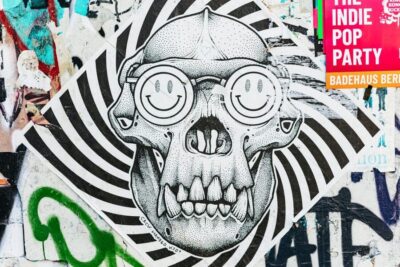 ★ 4.8Berlin: City Street Art Guided Walking TourFrom $23886 reviews
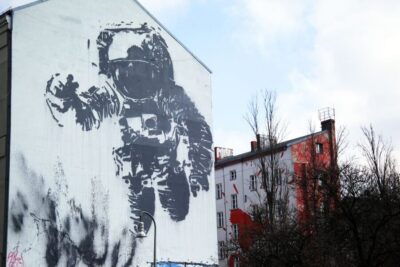 ★ 4.7Berlin: 3-Hour Street Art TourFrom $23778 reviews
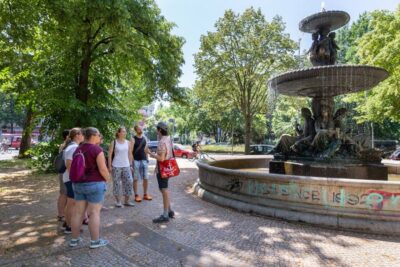 ★ 4.5Kreuzberg: Culinary Food TourFrom $589770 reviews
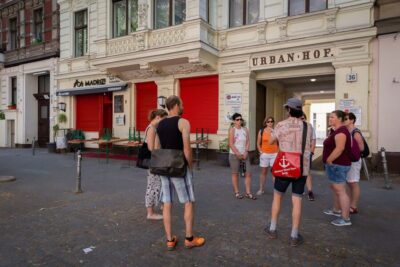 ★ 4.7Berlin: Kreuzberg Guided Walking Evening TourFrom $27555 reviews
 ★ 4.7Berlin: Alternative Bike Tour of Kreuzberg & FriedrichshainFrom $41548 reviews
 ★ 4.9Berlin: 2.5-Hour Walking Tour through Kreuzberg 61From $23525 reviews
 ★ 5.0Berlin Off-the-Beaten-Path Walking Tour: Kreuzberg, Mitte and FriedrichshainFrom $30412 reviews
Other lists this tour is on