
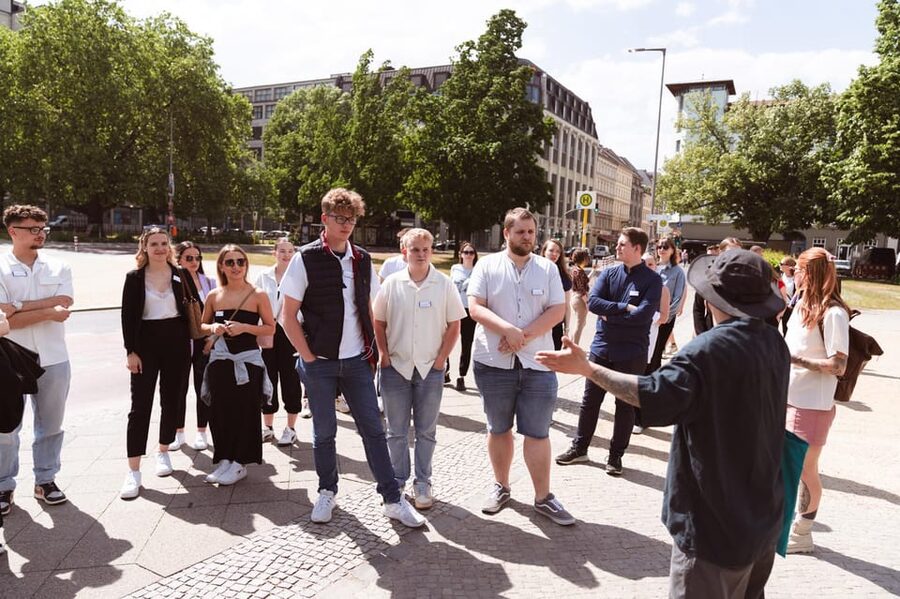
REVIEW · BERLIN
Understanding Kreuzberg: The roots of local (sub)culture
Kreuzberg has layers you can feel in your feet. This tour connects Berlin history to what you see today, from the squatter scene’s legacy to the subcultures that still shape daily life. I love the way it gives you context for the district’s street art and backyards, and I especially like the warm, practical stop for hot chocolate that feels local, not touristy. One thing to consider is that you’ll walk, and the story moves along a few neighborhood corners where the point is less about landmarks and more about how people live.
The vibe is down-to-earth, and the guide keeps it human. Expect explanations of why creativity and activism took root here, plus plenty of real-life details like what the Wall period meant for Kreuzberg and what came after. You also get a break to reset your eyes before the second half, when hidden courtyards and local projects show up more clearly.
Price-wise, it’s $35 per person, which is fair for a focused 2 to 3.5 hour guided walk that includes a hot beverage. Still, if you’re hoping for big-name sights only, this will feel more like culture and community than classic tourist hits.
In This Review
- Key things you’ll notice on this tour
- Kreuzberg isn’t a theme, it’s a story of pressure and reinvention
- Before you go: where you meet and how the timing works
- From Schillingbrücke to the first big viewpoint: the history starts on the ground
- The photo stop moment: a pause that helps you actually see Kreuzberg
- Rio-Reiser-Platz break and the hot chocolate that belongs in the story
- Hidden backyards, street art, and how activism turns into daily life
- Price and value: what $35 really buys in Berlin terms
- Who should book this tour, and who might skip it
- Should you book Understanding Kreuzberg?
- FAQ
- How long is the tour?
- How much does it cost?
- Where do I meet the guide?
- Where does the tour finish?
- What’s included in the price?
- What languages are available?
- Is there free cancellation?
- Is the tour wheelchair accessible?
Key things you’ll notice on this tour

- Squatter-scene heritage, explained through everyday places you can actually see
- Subcultures as city-shapers, not just cool costumes and music
- Hidden backyards and street art, with context for what you’re looking at
- Rio-Reiser-Platz stop, plus a short free moment to take photos or recharge
- Hot chocolate from Berlin Chocolatiérs, treated as part of the neighborhood story
- A small, personal format, often with guides who share stories and practical local tips
Deeper into the painted backstreets
- Berlin: Alternative Berlin Walking Tour★ 4.6 · 1,204 reviews
- Berlin: City Street Art Guided Walking Tour★ 4.8 · 886 reviews
- Berlin: 3-Hour Street Art Tour★ 4.7 · 778 reviews
- Kreuzberg: Culinary Food Tour★ 4.5 · 770 reviews
Kreuzberg isn’t a theme, it’s a story of pressure and reinvention
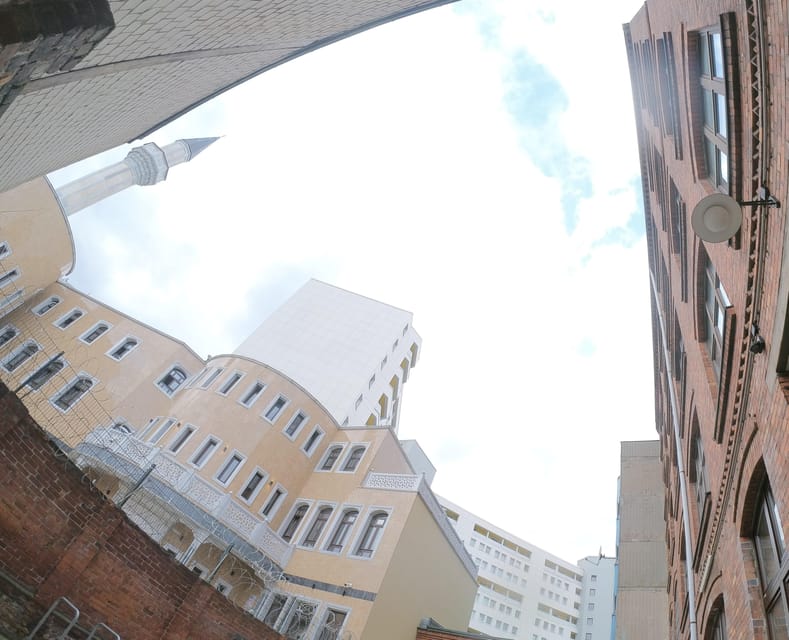
Kreuzberg gets called creative and underground a lot. This tour asks a smarter question: why did it become that way? You start to see Kreuzberg less as a vibe you stumble into, and more as a neighborhood shaped by conflict, experimentation, and constant renegotiation.
The guide ties together several threads that many visitors experience separately. You’ll learn how activism and squatting fed experimental arts, how people pushed for social and environmental projects, and how the values from the 1970s still show up in contemporary lifestyles. That matters, because it changes how you read the street. Instead of guessing what you’re seeing, you get the why behind it.
Before you go: where you meet and how the timing works
You meet in front of the YAAM entrance, very close to Ostbahnhof. From there, you’ll head into Kreuzberg with a guided walking format, including a stretch of sightseeing and scenic views on the way.
The tour runs about 2 hours up to 210 minutes, depending on the group and pacing. You should think of it as a half-day walking experience, not a quick highlight loop. There’s also a short 15-minute break, which is helpful because the material is dense and you’ll do better if your brain gets a breather.
The walk ends near U Kottbusser Tor. That’s useful because it keeps you close to transit if you want to continue exploring afterward, grab dinner, or meet up with your group.
From Schillingbrücke to the first big viewpoint: the history starts on the ground
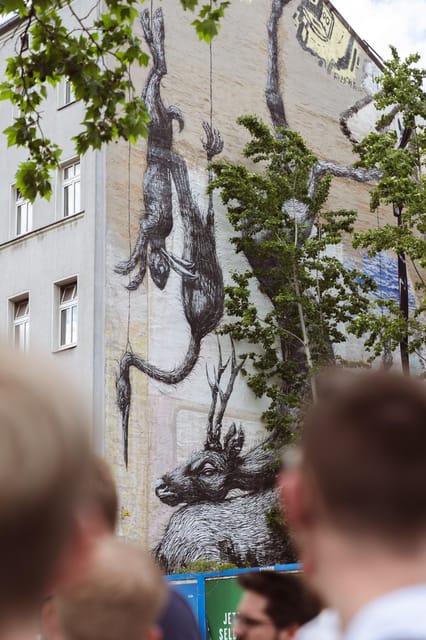
You begin around An d. Schillingbrücke 4, then move into the neighborhood for the first guided segment (about 1.5 hours). This is where the tour earns its name: you’re not just told that Kreuzberg has subcultures, you’re shown how the district’s history sits right inside the streets.
Early on, the guide sets up the major characters in the story. You’ll hear about:
- Squatting and why people occupied spaces rather than only asking politely
- Activism, and how it became part of neighborhood life
- Experimental arts, and how they found room to grow
- The Wall period and after, including “crazy stories” that explain the emotional and practical impact on daily living
This first section is also a practical orientation. You’ll start to recognize the kinds of places where people can gather, create, argue, and organize. That’s the key shift for me: you begin to see infrastructure and architecture as social tools, not just buildings.
One possible drawback: because the point is cultural context, the route may feel less about iconic spots and more about neighborhood textures. If you need marble monuments every ten minutes, you might get impatient. If you like walking and learning, you’ll probably love it.
The photo stop moment: a pause that helps you actually see Kreuzberg
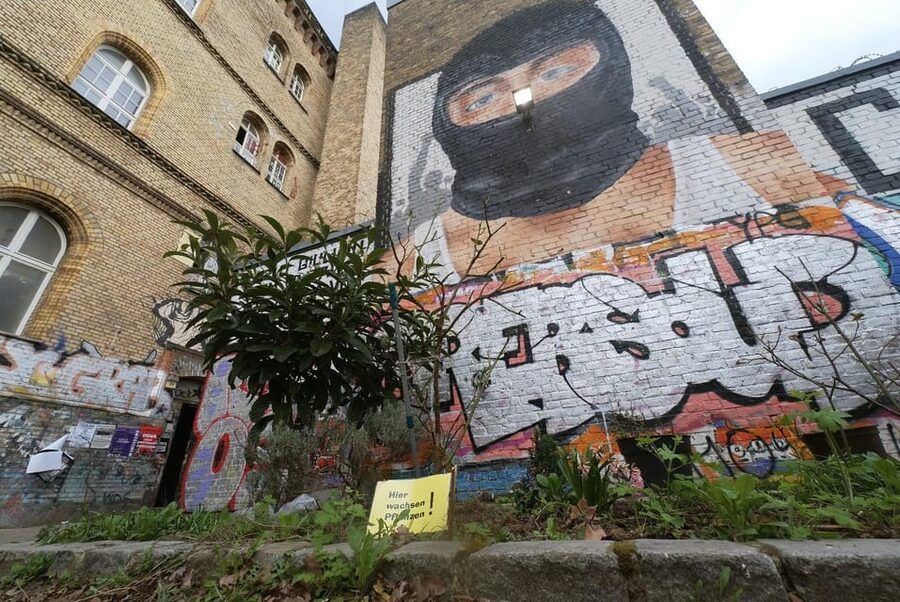
Midway through the tour, you get a photo stop with scenic views on the way. This is a good rhythm choice. After the guide’s history talk, the pause gives your eyes somewhere to land, and your brain to connect the stories to the visuals.
Use this moment actively. Don’t just take pictures. Look for surfaces, courtyards, and edges where people might have gathered or where creativity would naturally spill out. When you come back later on your own, you’ll recognize details you’d otherwise miss.
This is also where group energy matters. The best tours feel like a conversation that moves through space, and the photo stop is often the moment when people start asking questions or noticing things on their own.

Rio-Reiser-Platz break and the hot chocolate that belongs in the story
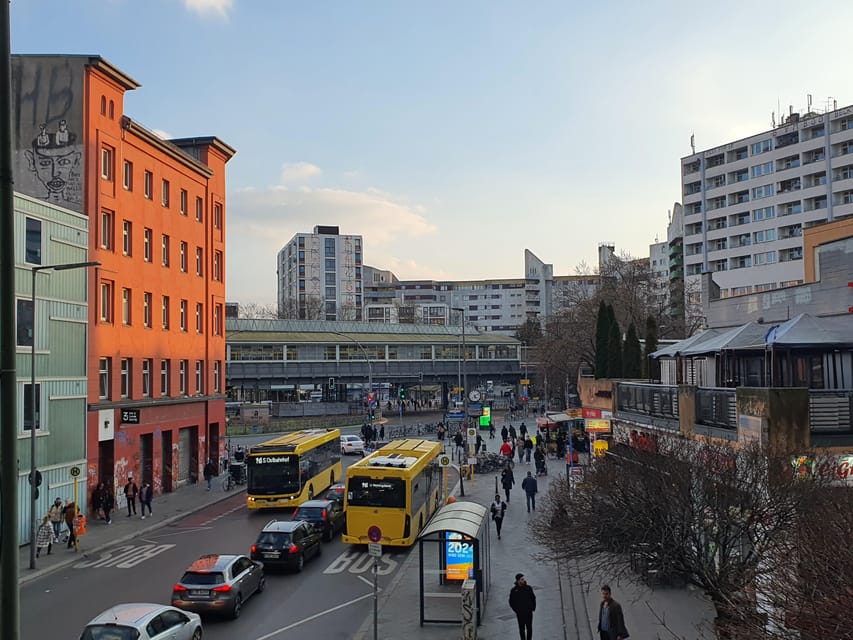
At Rio-Reiser-Platz, you take a break of about 15 minutes with a chance for free time. The tour then treats hot chocolate as more than a snack. You’ll be guided to chocolate from Berlin Chocolatiérs, and it’s one of those stops that actually fits the theme.
Why? Because it’s a break in the middle of a neighborhood conversation. You’re not rushing past a café like it’s an accessory. Instead, you stop and mingle with the atmosphere of Kreuzberg for a moment, letting everything you learned settle into something you can taste and remember.
If you’re picky about your hot chocolate, this is the kind of included treat that can genuinely improve your day. Also, if you’re traveling with someone who gets restless on long walks, a small, well-timed food break is a real quality-of-life upgrade.
Hidden backyards, street art, and how activism turns into daily life
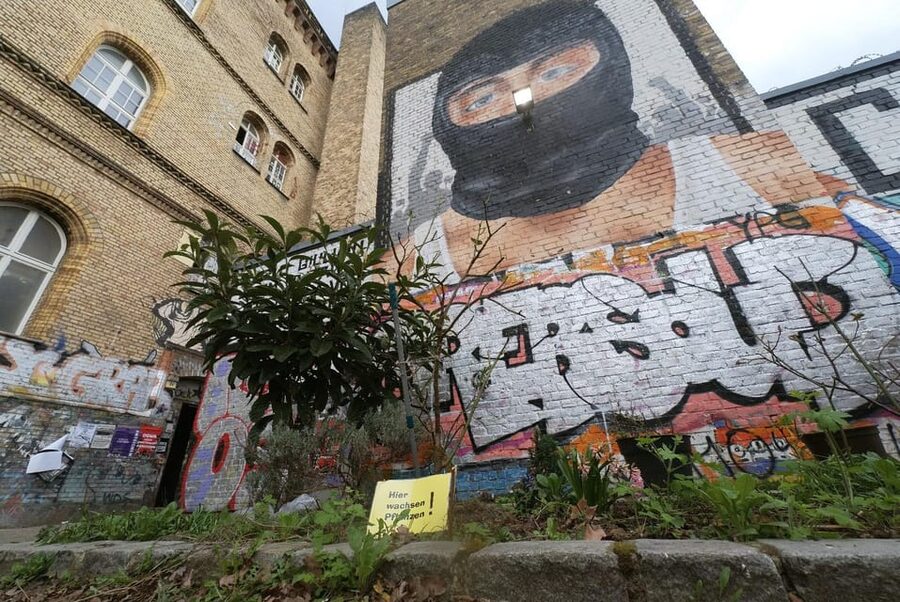
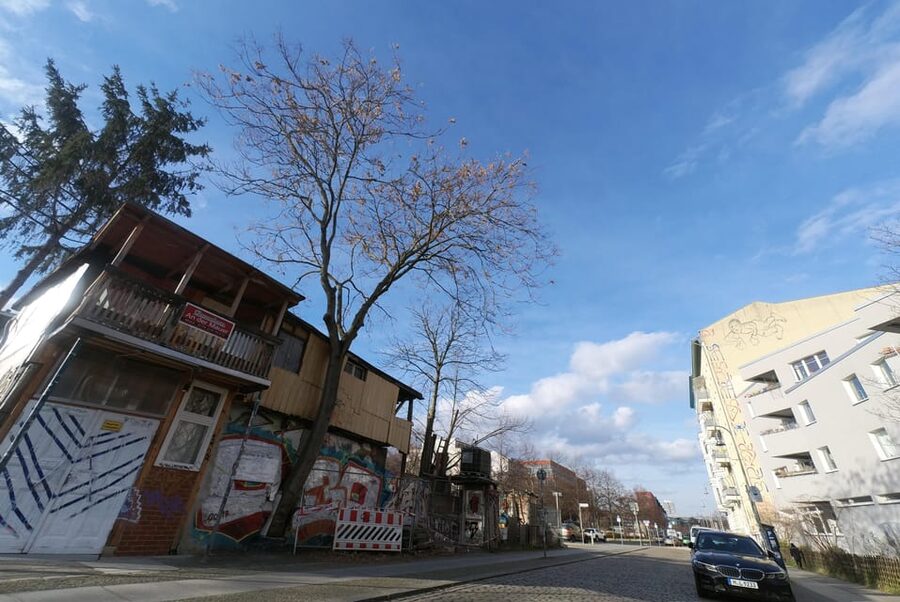
The second guided segment again runs about 1.5 hours, and this is where the tour starts feeling more hands-on. You’ll discuss impressive examples of street art and locate the legacy of the squatter movement in the everyday fabric of the district.
This part is especially valuable if you usually read cities like a museum. Kreuzberg doesn’t work that way. Instead of asking what’s famous, you’ll learn what’s been fought for and what people built together. The guide points out how locals shape urban visions through social and environmental projects, and how the values lived back then continue to influence lifestyles now.
Hidden backyards are a big part of that. You’re not just walking past facades. You’re being directed toward the kinds of spaces that explain the district’s reputation for experimentation. Courtyards and side areas often tell you more about a neighborhood than the main road does.
From the review highlights, guides like Lee tend to bring this alive with charming storytelling and personal insights. That kind of delivery matters because the topic is political and historical, but the tour aims to keep it readable and human. You’ll come away understanding the district’s choices, not just memorizing dates.
Price and value: what $35 really buys in Berlin terms
$35 per person sounds simple, but it’s worth thinking about what’s included. You’re paying for:
- A live local guide who connects history, subculture, and visible street details
- A structured walking experience across Kreuzberg, not a random stroll
- One hot beverage, with chocolate tied to a local small business
For Berlin, this price lands in the “small-group culture education” category. You’re not getting a long bus tour with 30 stops and five minutes each. You’re getting a guided walk that’s built to change how you see the district on the street, which is the kind of value that lasts longer than the souvenir photos.
If you enjoy practical understanding, this is good value. If you only care about famous buildings, you might feel the price is for interpretation rather than sightseeing fireworks.
Who should book this tour, and who might skip it
You’ll be a strong match if you:
- Want to understand why Kreuzberg feels the way it does, not just where it is
- Enjoy street art context and the stories behind “ordinary” neighborhoods
- Like walking tours that end near transit so you can keep exploring
This tour might not be your best fit if you:
- Prefer landmark-only routes and minimal history talk
- Want a very fast one-hour experience
It also helps if you like a guide who tells stories clearly. The reviews highlight guides such as Lee for being passionate, sympathetic, and able to explain the district in a way that sticks. That’s a big deal, because Kreuzberg history can get complicated fast if the guide is sloppy.
Should you book Understanding Kreuzberg?
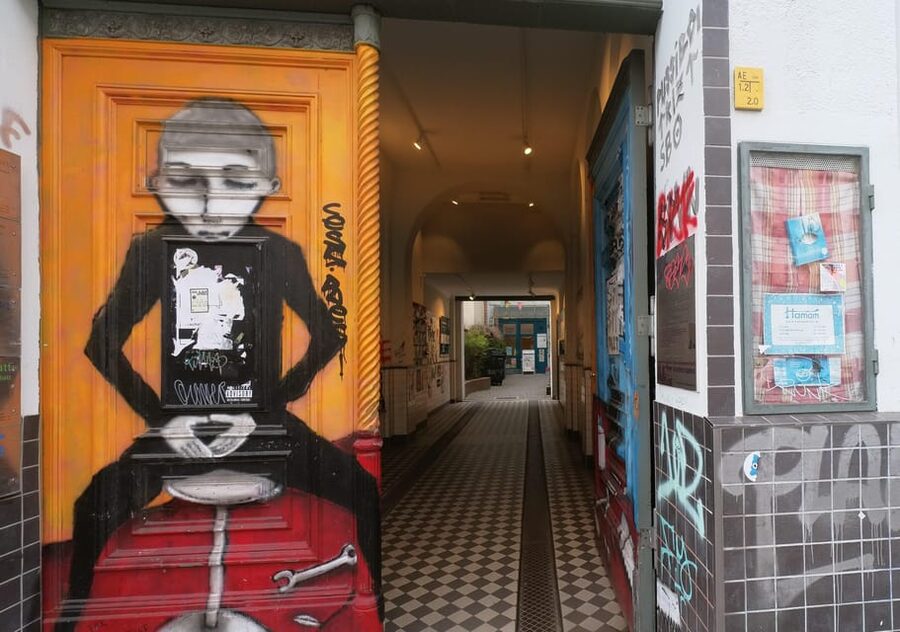
I’d book it if you want your Berlin day to make sense. Kreuzberg can feel chaotic or “cool” on the surface, but this kind of guided walk turns that into understanding: how squatting, activism, and experimental arts changed the physical and social layout of the neighborhood.
I’d also book it if you care about value beyond photos. The included hot chocolate stop is small, but it’s part of the rhythm, and the overall format is designed to help you notice the details people miss when they rush through.
Skip it if you’re chasing classic sights only. This is for people who like culture you can walk through, not just buildings you can point at.
FAQ
How long is the tour?
The duration is listed as 2 hours to 210 minutes, depending on the starting time and pacing.
How much does it cost?
The price is $35 per person.
Where do I meet the guide?
You meet in front of the YAAM entrance, very close to Ostbahnhof.
Where does the tour finish?
The tour finishes at U Kottbusser Tor.
What’s included in the price?
You get a guided tour with a local guide and one hot beverage (chocolate, coffee, or tea) in collaboration with a local small business.
What languages are available?
The live guide is available in English, German, and Russian.
Is there free cancellation?
Yes. You can cancel up to 24 hours in advance for a full refund.
Is the tour wheelchair accessible?
Yes, the tour is listed as wheelchair accessible.
More Painted Walls and Backyards
Everything else we filed on Berlin
- Private Photo Tour in Kreuzberg
★ 5.0 · 3 reviews - Kreuzberg Private Walking Tour: Immigrants, Artists & Hipsters
★ 5.0 · 3 reviews - Berlin’s Jewish Heritage: Private Tour of the Vibrant Jewish District
★ 5.0 · 3 reviews - Individual city tour Berlin for max. 8 persons
★ 5.0 · 3 reviews - Berlin & The Third Reich Private Guided Tour
★ 5.0 · 3 reviews - Private Analogue Photography Experience in Berlin
★ 5.0 · 3 reviews
Street Art and Alternative City Tours, side by side.
 ★ 4.6Berlin: Alternative Berlin Walking TourFrom $291,204 reviews
 ★ 4.8Berlin: City Street Art Guided Walking TourFrom $23886 reviews
 ★ 4.7Berlin: 3-Hour Street Art TourFrom $23778 reviews
 ★ 4.5Kreuzberg: Culinary Food TourFrom $589770 reviews
 ★ 4.7Berlin: Kreuzberg Guided Walking Evening TourFrom $27555 reviews
 ★ 4.7Berlin: Alternative Bike Tour of Kreuzberg & FriedrichshainFrom $41548 reviews
 ★ 4.9Berlin: 2.5-Hour Walking Tour through Kreuzberg 61From $23525 reviews
 ★ 5.0Berlin Off-the-Beaten-Path Walking Tour: Kreuzberg, Mitte and FriedrichshainFrom $30412 reviews
Other lists this tour is on