

REVIEW · THURINGIA
Weimar: “Illuminati”, unique Escape Room, Goethe’s secret
Weimar hides its mysteries in an unusual place, a pub that looks like a sailing ship. This escape game wraps Illuminati-style secrecy around a Goethe secret storyline, so you are not just pushing buttons, you are following clues inside a proper setting.
I especially like the mix of riddles plus searching and the way the story keeps pulling you forward. One thing to consider: the game is in German, so if you do not read or speak much German, you may spend more time decoding than solving.
In This Review
- Key Points to Know Before You Go
- A Secret Society Escape Room Housed in a Sailing Ship Pub
- Getting Your Bearings: The First Moments Before the Puzzles Begin
- The Story Hook: Illuminati, Goethe, and the Missing Piece Mission
- Searching the Room and Working the Riddles Together
- The Semi-Difficult Balance, and Why It Works for Most Teams
- Why the Pub Setting Makes This Escape Room Feel Different
- Price and Value: What $116 Gets Your Group
- Language Matters: Playing in German Without Losing the Fun
- The Best Team Strategy for a 60-Minute Win
- Who Should Book This Weimar Escape Game
- Should You Book the Weimar Illuminati Escape Room?
- FAQ
- Where does the escape room take place?
- How long is the escape room experience?
- How much does it cost?
- What team size is recommended?
- Is the escape room easy or difficult?
- Is there an instructor during the game?
- What language is the experience in?
- When should we arrive?
- Is free cancellation available?
Key Points to Know Before You Go

- Sailing ship pub setting in Weimar’s old town, not a generic windowless room
- Illuminati and Goethe secret theme, built around a hunt for a missing piece
- 60 minutes of guided, hands-on puzzle time with a live instructor
- Semi-difficult challenges that most teams can handle with teamwork and a little push
- Great for couples or teams who want a shared, active memory in town
Other Thuringian towns we have written up
- Weimar: Old Town Guided Walking Tour★ 4.7 · 1,080 reviews
- Weimar: Scavenger Hunt Self-Guided Walking Tour★ 4.3 · 108 reviews
- Weimar: Old Town Tour Classical Weimar★ 4.4 · 26 reviews
- Weimar: “Illuminati”, unique Escape Room, Goethe’s secret★ 4.6 · 17 reviews
A Secret Society Escape Room Housed in a Sailing Ship Pub
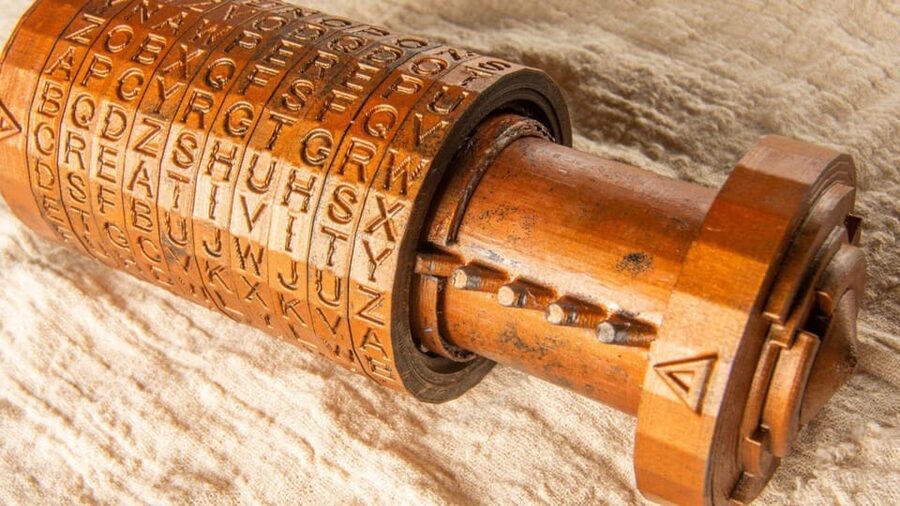
If you like your entertainment a little off the beaten path, this is a smart pick. The whole experience happens inside a real pub, and the decor leans into the idea of an old sailing ship hideout. That matters because you are not just solving clues on a flat wall, you are moving through a world.
The theme is built around a secret order, framed as something so well hidden that you are being asked to prove you can protect it. The game also leans hard on the idea of Goethe’s secret, using the storyline to point you toward a missing piece from a legendary collection. It is theatrical, but still practical: you solve tasks, search the space, and keep the mission moving.
This is a good choice for Weimar because it turns your time in town into something you do together. Instead of only touring buildings, you get an active challenge that feels tied to the city’s literary aura, without forcing you into museum time.
Getting Your Bearings: The First Moments Before the Puzzles Begin
Your mission starts with a quick orientation in the pub setting. You are asked to arrive about 10 minutes early at the BezahlBar meeting point, so you can get settled before the 60-minute clock starts. Plan for that buffer, because it helps you walk in ready to think instead of trying to find the room while your time is ticking.
Once you are inside, you get the live instructor’s guidance and the basics of how to play. The early moments can feel like you are catching up on the theme, and you might need a minute to settle into the logic of what the game wants from you. That is normal for story-driven escape games.
After you get going, the flow is simple: follow the story, work through the tasks, and search the location for clues. The best teams do not try to solve everything in one brain. They split up, test ideas, and share what they notice.
The Story Hook: Illuminati, Goethe, and the Missing Piece Mission

The game’s plot frames you as potential successors in a secret order. Your job is to complete a set of mysterious tasks designed to test whether you can guard secrets and prevent chaos. That sounds dramatic, and it is meant to feel like an adventure.
What makes it more fun is the specific pull toward Goethe’s secret. The mission includes searching for the missing piece from Goethe’s legendary collection, and that gives your puzzle-solving a clear direction. Even if you are not a hardcore fan of Goethe, you still get the reward structure: solve steps, uncover the next lead, and push toward the final missing component.
This is where the experience earns its keep. Escape rooms can either be pure puzzle boxes or pure storytelling. Here, the story is not just decoration, it shapes what you are looking for and why you keep moving.
Searching the Room and Working the Riddles Together

During the 60 minutes, you are dealing with riddles and creative tasks, plus plenty of time to search the room for what the game hides in plain sight. The “search” part is key. Even when puzzles are clever, the best moments often come from someone noticing a detail that others missed.
Think of it like team problem-solving, not solitary trivia. I like that the challenges are described as semi-difficult, which usually means they are tough enough to feel satisfying, but not so impossible that you stop thinking halfway through. In practice, teams often need a nudge from the instructor to keep momentum, and that is better than letting the group freeze.
The instructor is there live, and the point is not to rescue you every five minutes. Instead, they help you get back on track when your group is stuck. One useful way to use that help is to ask for clarification about what kind of clue you should be looking for, not the whole solution.
The Semi-Difficult Balance, and Why It Works for Most Teams

This escape game is rated as semi-difficult, with a recommended team size of 2 to 6 people. That range is realistic. A two-person team will have to move quickly and communicate constantly, while a bigger group can split tasks and cover more ground.
The most common risk with any semi-difficult escape room is overconfidence early on. If you rush and lock into one wrong assumption, you can waste time. The counter is simple: test ideas fast, and if it does not click, shift.
I also like that the experience is built to be solved within one hour. That timebox keeps the energy up. It is long enough to create real teamwork moments and short enough that you do not drag through a slow middle.
Why the Pub Setting Makes This Escape Room Feel Different

A lot of escape rooms feel like generic themed sets. This one is different because it is inside a functioning pub with a distinctive look like a sailing ship. That changes the vibe right away, especially if you are already walking around Weimar and want something fun that does not require special transportation.
There is also the practical plus: you can enjoy a drink while you solve. That can make the room feel more social and less stressful, particularly for couples. You are still doing intense thinking, but the atmosphere is friendlier.
You get a story-driven adventure without needing to leave town or stitch together multiple plans. You can pair this with a casual evening in old Weimar afterward, because you will still be close to restaurants and bars.
Price and Value: What $116 Gets Your Group
The price is $116 per group, for a group size up to 7 people. It is not per person, so the math depends on how you travel.
Here is the quick value angle: if you come as a couple, you are paying for two people to get a full hour of guided puzzle fun in a unique location. If you come as a small group, the cost per person drops fast, and the experience becomes a high-value shared activity. Up to 7 people also means you can include friends without buying separate sessions.
For me, the best value factor is not the price alone, it is what you are actually buying: a live instructor, a themed experience that uses a real pub setting, and a clear 60-minute challenge. When those three align, you are not just paying for puzzles, you are paying for a whole hour of well-structured entertainment.
Language Matters: Playing in German Without Losing the Fun

The instructor speaks German, and the experience details are in German as well. That is the main consideration for non-German speakers. You might still enjoy the room, especially if your group communicates well and you use teamwork to keep moving. But you should expect that you may spend some time translating the intent of clues or instructions.
The good news is that escape rooms are not purely verbal. You are searching and solving physical and logic elements, not only discussing. Still, if you want to avoid stress, you will probably have the easiest time with a German-speaking friend, or a group that is comfortable catching meaning quickly.
The Best Team Strategy for a 60-Minute Win
This is the part you can control, and it can make the difference between a smooth finish and a near-miss.
First, split roles early. One or two people focus on the current puzzle, while others search the room for hidden details. Second, keep a running list of what you already tried. Nothing wastes time like repeating the same guess because someone forgot what happened two minutes ago.
Third, communicate in plain language. Even if you do not share the same native language, you can still describe what you see. Pointing and summarizing beats long debates.
Finally, do not sit in silence when you are stuck. The instructor is there, and some help may be part of finishing the mission. If you feel the group is lost, asking for guidance about what kind of clue to look for is usually more useful than waiting for inspiration.
Who Should Book This Weimar Escape Game
This escape room fits best if you want a hands-on activity that feels tied to the city, not a cookie-cutter attraction. It is a strong choice for:
- Couples looking for a shared challenge and a fun night out vibe
- Small groups who like puzzles but also want a story
- People who enjoy secret-society style themes and Goethe-inspired intrigue
- Teams that want a memory you can laugh about later, because the mission is designed around collaboration
It may not be the ideal match if your group hates searching, or if you expect an experience that is completely language-free. The German instructor is part of the format.
Should You Book the Weimar Illuminati Escape Room?
I think you should book it if you want something active and different while you are in Weimar. The combination of unique pub location, a 60-minute guided puzzle mission, and a storyline tied to Illuminati and Goethe’s secret makes this feel like a real experience, not just a timed challenge.
Skip it if you strongly prefer fully independent, self-run escape rooms, or if German language is a dealbreaker for your group. In that case, you might lose too much time on instructions.
If you do decide to go, bring a team mindset. Look at it like an hour-long adventure built for teamwork, and you will likely have a smoother time getting into the theme and solving the tasks.
FAQ
Where does the escape room take place?
Your game takes place in a real pub in Weimar.
How long is the escape room experience?
The experience lasts 60 minutes.
How much does it cost?
It costs $116 per group, up to 7 people.
What team size is recommended?
The recommended team size is 2 to 6 people.
Is the escape room easy or difficult?
It is described as semi-difficult.
Is there an instructor during the game?
Yes, there is a live instructor during the 60-minute escape game.
What language is the experience in?
The instructor speaks German.
When should we arrive?
Please arrive at BezahlBar about 10 minutes ahead of your booked activity.
Is free cancellation available?
Yes, you can cancel up to 24 hours in advance for a full refund.
Play the City, Reviewed
Through Thuringia and the Harz
Everything else we filed on Weimar
- Weimar: “Illuminati”, unique Escape Room, Goethe’s secret
★ 4.6 · 17 reviews - Weimar: Old Town Tour Classical Weimar
★ 4.4 · 26 reviews - Weimar: Scavenger Hunt Self-Guided Walking Tour
★ 4.3 · 108 reviews - Weimar: Old Town Guided Walking Tour
★ 4.7 · 1,080 reviews
Weimar Erfurt and Thuringia Tours, side by side.
 ★ 4.7Erfurt: Old Town Guided Walking TourFrom $151,617 reviews
 ★ 4.7Weimar: Old Town Guided Walking TourFrom $111,080 reviews
 ★ 4.5Night Watchman Tour through QuedlinburgFrom $131,040 reviews
 ★ 4.8Erfurt: Guided Tour of The Petersberg CitadelFrom $12674 reviews
 ★ 4.7Goslar: Tausend Schritte durch die AltstadtFrom $16417 reviews
 ★ 4.5Quedlinburg: Guided City Highlights Walking TourFrom $11353 reviews
 ★ 4.7Erfurt: With Night Watchman Schwalbe through the Old Town, including tastingFrom $18297 reviews
 ★ 4.5Fulda: Night Watchman TourFrom $23167 reviews
Other lists this tour is on