
REVIEW · THE NORTH SEA
About Vikings, kings and cheeky monks (Medieval Schleswig)
Schleswig reads like a medieval storybook. In 90 minutes, you connect Vikings, Danish kings, and cheeky monks to real streets you can actually walk. I love the outdoor-first pace, it feels calm, almost Nordic-kinda-hygge, even when the story gets serious.
What I liked most is the mix of big sights and everyday maritime life. You get the Schleswig Cathedral exterior, then a trip into the Holm fishing settlement where old privileges explain why this place mattered.
One catch: the cathedral is outside only on this walk, with an optional interior add-on depending on timing.
In This Review
- Key highlights to look for
- Why Medieval Schleswig Feels So Cozy at Walking Speed
- Start at Rathausmarkt: The Easy Way to Get Oriented
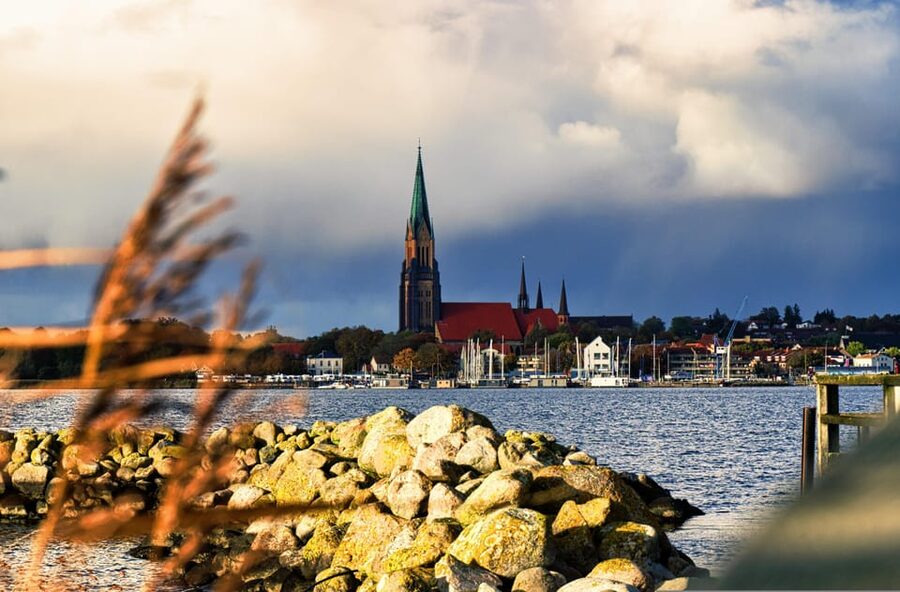
- Schleswig Cathedral Exterior: Danish Kings and Visible Power
- Old Town Streets and the Harbor: Where Trade Makes a City
- Holm Fishing Settlement: Old Rights, Schlei Boats, and the 1480 Schleibrief
- St. John’s Monastery: Best Preserved, Best Questions
- Price and Value: What 17 Dollars Buys You
- Practical Tips So Your Walk Goes Smoothly
- Should You Book This Medieval Schleswig Walk?
- FAQ
- How long is the Medieval Schleswig tour?
- How much does the tour cost?
- What is included in the price?
- Is the Schleswig Cathedral included inside or only outside?
- What places do you visit during the tour?
- Where do I meet the guide?
- What language is the live guide?
- Is the tour accessible for wheelchair users?
- Is the tour suitable for families?
- What are the cancellation and payment options?
Key highlights to look for
- A guided loop that keeps moving, but never hurries
- Exterior views of Schleswig Cathedral, with context for Danish royal power
- Old town wandering focused on how the medieval trade network shaped today’s Schleswig
- Holm fishing settlement, including the 1480 Schleibrief and what it confirmed
- St. John’s Monastery, often described as the best preserved medieval monastery in the region
- A guide who answers questions in real time, so the tour becomes your tour
Undecided? The closest Germany write-ups we have are these.
- Dresden: Paddle Steamer Winter Cruise to Pillnitz★ 4.5 · 178 reviews
- Reil, Mosel: Guided organic wine tasting and cellar tour★ 4.8 · 84 reviews
- Alpaca hike in the Barnimer Feldmark★ 5.0 · 34 reviews
- Mustard-Guided Manufaktur Sightseeing, tasting and factory sales★ 4.5 · 24 reviews
Why Medieval Schleswig Feels So Cozy at Walking Speed
This is the kind of tour that makes you slow down without trying. You’re in northern Germany, but the mood is distinctly Scandinavian, calm and comfortable, with plenty of time to look at details instead of just snapping photos.
The whole experience is built around one big idea: how a port city’s fortunes rise and fall, and how that shows up in buildings. You’ll hear why Schleswig mattered in the early Middle Ages, and why it lost that special place in the trading web. That story lands best when you can see the layout of the old town and the harbor area as you walk.
And the guide tone matters. From what I’ve gathered about how the walk is run, you’re not treated like you just bought a ticket. You get clear explanations, and if you ask something, it’s folded in instead of ignored. Even better, the tour stays human-sized, so you can keep track of the thread from stop to stop.
Start at Rathausmarkt: The Easy Way to Get Oriented
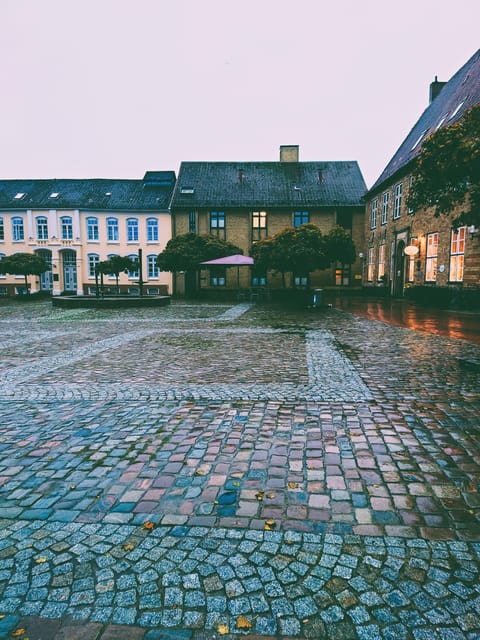
Your meeting point is on Rathausmarkt in the center of Schleswig, in front of the local spot called Alte Apotheke. If you’re arriving on foot, this is a nice start because it puts you right where the old town story naturally begins.
This early phase is where a good guide earns trust. You need orientation fast, because later you’ll be connecting the cathedral and royal influence to harbor life and medieval trading routes. The tour doesn’t throw random facts at you. It sets up a path, then fills in why each place belongs in the bigger picture.
Also, plan for the fact that the tour is German-language only. If your German is basic, you’ll still follow a lot of the visual story, but the deeper the explanation, the more you benefit from understanding the guide clearly.
Schleswig Cathedral Exterior: Danish Kings and Visible Power
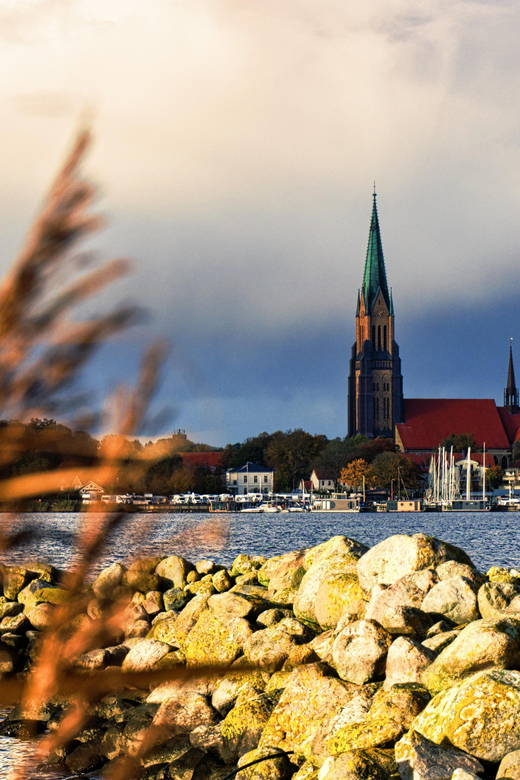
The walk includes an exterior visit to Schleswig Cathedral. Even from the outside, the cathedral works like a power signal. It’s not just a church. It’s connected to the significance Schleswig held, especially in relation to Danish kings.
You’ll be guided through the cathedral area with an eye for meaning, not just architecture. The key theme is why the Danish royal connection mattered, and how the cathedral fit into that influence. This is where the medieval story stops being vague. You start to see it as something tied to specific institutions, cities, and routes.
There’s also a practical planning detail. This tour stays exterior-focused. An interior visit can be booked as an additional add-on depending on time of day. So if you’re hoping for inside views, you’ll want to ask about timing when you’re there, because it’s not guaranteed as part of the base experience.
Old Town Streets and the Harbor: Where Trade Makes a City
After the cathedral area, you shift into Schleswig’s picturesque old town and toward the cozy city harbor area. This is the part that helps you understand the medieval logic of the place.
You’ll hear that in the early Middle Ages, Schleswig was a well-known trading city with heavy activity in the harbor quarter. The Schlei, the waterway, functioned as a busy shipping route. Once you know that, the old town stops feeling like scenery and starts feeling like evidence.
The harbor segment is especially useful if you like to travel by noticing systems. You learn how a city organizes itself around trade and transport, and how losing that role can change everything. The tour raises the question of why Schleswig dropped from that prominent position in the trading network, and you walk through the areas where you can still sense what the city once was.
This is also where the tour’s “cheerful seriousness” comes through. You get story, but it’s anchored to places you can stand in front of. That’s why the pace works. You’re not stuck reading plaques for an hour. You’re walking while someone explains the why.

Holm Fishing Settlement: Old Rights, Schlei Boats, and the 1480 Schleibrief
The Holm fishing settlement is one of the most interesting parts of the walk because it turns general medieval talk into something specific. This isn’t just about commerce in theory. It’s about how fishermen lived, organized themselves, and held onto privileges.
Here’s the standout detail you’ll carry with you: the Holm fishermen had special rights, and these were reaffirmed in 1480 through the Schleibrief, issued by King Christian I of Denmark. That one document is the kind of historical anchor that helps you remember the whole lesson. It’s the difference between hearing a vague statement about the past and understanding how authority was written down and enforced.
As you move through Holm, you’ll get context about the Schlei and how it shaped everyday work. Fishery rights are a smart lens for understanding medieval power because they involve livelihoods, not just courts and kings. In a port region, whoever controls navigation and access can influence who eats, who earns, and who survives.
Also, this stop is where the guide’s responsiveness really pays off. If you have questions about medieval trade, maritime life, or how documents like the Schleibrief fit into the bigger political picture, this is the moment when your curiosity makes sense.
If you’re the kind of traveler who likes local texture, this is where you’ll feel the value of choosing a guided walk instead of wandering alone.
St. John’s Monastery: Best Preserved, Best Questions
The tour ends up at St. John’s Monastery. This monastery is known for being among the best preserved medieval monasteries in Schleswig-Holstein, and the exterior and surrounding context help you read the building as more than a postcard.
The story angle here takes a playful turn. You’ll hear why not all Schleswig monks had a good reputation, which gives the medieval religious world a more human edge. It also helps balance the cathedral and royal power themes. Not every medieval power structure looked shiny. Some were complicated, even awkward.
For you as a visitor, this stop does two helpful things. First, it gives a sense of how religious institutions operated in daily life around town. Second, it shows how the medieval period still shapes the places you walk through now. Monasteries take up real space, and that physical footprint affects the way streets and neighborhoods develop.
This is also a good point to reflect on the theme of “size and status.” The tour starts with Schleswig’s major role in trade, then points out why that changed. Monasteries and cathedrals are exactly where you can feel those shifts, because they represent long-term investment in a city.
When you finish, you’ll have a mental map with a storyline attached: port work, royal authority, and religious influence, all stitched together through a short walking route.
Price and Value: What 17 Dollars Buys You
At $17 per person for about 1.5 hours, the value is in the structure. You’re paying for a guide who links several key stops into one coherent narrative, instead of paying for one building view only.
This is not a slow museum slog. It’s a walking experience with outdoor visits, which means you get variety in a short time window. You also get options. If interior access to the cathedral is possible that day, you can add it for a separate charge depending on timing.
So the real question is: do you want the story, or do you just want pictures? If you’re the picture-only type, you might feel like you could do this on your own. But if you want to understand why Schleswig rose and why it faded in the trading network, the guided explanation is where your money turns into something you can remember.
Two more value notes. The guide is live and speaks German, which matters because the tour is built on verbal context. And the tour is wheelchair accessible, which expands who can realistically enjoy the walk without it becoming a strenuous ordeal.
Practical Tips So Your Walk Goes Smoothly
Plan for weather. Since most of the tour is outdoors, you’ll enjoy it more if you dress like you’re going for a short city walk in northern Germany, not like you’re going to a sunny beach day.
Wear shoes that handle old-town surfaces. You’re moving between cathedral, old streets, a harbor area, and Holm. Nothing sounds extreme, but cobbles and uneven pavement are part of the deal in older European city centers.
If you want the optional cathedral interior, keep it flexible. The add-on depends on the time of day, so be ready to adjust your expectations rather than treating it like a guaranteed inclusion.
Finally, go in with one curiosity. Ask yourself why a city that was once so important would lose status. Then watch how the tour answers that question by connecting trade routes, harbor life, royal ties, and written privileges.
Should You Book This Medieval Schleswig Walk?
I think you should book it if you want a short, guided way to understand Medieval Schleswig beyond postcard landmarks. The standout payoff is how the tour links cathedral power, harbor trade, Holm fishing rights, and St. John’s Monastery into a story you can walk through.
Book it with extra confidence if you care about being able to ask questions and get answers in the moment. The guides here are clearly run in a way that supports interaction, and that turns a simple city walk into a more personal experience.
Skip it or adjust expectations if you specifically need cathedral interiors as a must-have. The base tour is exterior, and the interior add-on depends on timing. Also, if your German is limited, you can still enjoy the sights, but the depth will likely be reduced.
FAQ
How long is the Medieval Schleswig tour?
The tour lasts about 1.5 hours.
How much does the tour cost?
It costs $17 per person.
What is included in the price?
The price includes a guided tour of Schleswig with an outdoor visit to the city highlights.
Is the Schleswig Cathedral included inside or only outside?
The cathedral visit is outside only on this tour. An interior visit can be booked as an additional charge depending on the time of day.
What places do you visit during the tour?
You’ll cover Schleswig Cathedral exterior, the picturesque old town, the Holm fishing settlement, the cozy city harbor area, and St. John’s Monastery.
Where do I meet the guide?
Meet at Rathausmarkt in the heart of Schleswig, in front of the local place called Alte Apotheke.
What language is the live guide?
The live tour guide speaks German.
Is the tour accessible for wheelchair users?
Yes, the tour is listed as wheelchair accessible.
Is the tour suitable for families?
It is described as suitable for families and groups.
What are the cancellation and payment options?
You can cancel up to 24 hours in advance for a full refund, and you can reserve now and pay later.
Everything else we filed on Germany
- Segway tour around the Werra horseshoe
★ 5.0 · 3 reviews - Private Sightseeing Flight Over Hamburg
★ 5.0 · 3 reviews - Kassel’s Private City Walk through 1100 years
★ 5.0 · 4 reviews - Self-Guided Walk Around Quedlinburg’s Timber-Framed Houses
★ 4.0 · 4 reviews - Stadtspiel scavenger hunt Weimar – independent city tour I discovery tour
★ 5.0 · 5 reviews - Weimar Private Walking Tour With A Professional Guide
★ 5.0 · 5 reviews
North Sea and Sylt Coastal Trips, side by side.
 ★ 4.7Sylt: Guided Island Tour by Bus with Sylt HighlightsFrom $26608 reviews
 ★ 4.8Bremerhaven: German Emigration Center Entrance TicketFrom $23447 reviews
 ★ 4.8Bremerhaven: Harbor Bus TourFrom $24418 reviews
 ★ 4.7List/Sylt: Guided Seal-Watching Cruise on a Rustic Boat350 reviews
 ★ 4.6From Hamburg, Brunsbüttel or Cuxhaven: Day Trip to HelgolandFrom $85290 reviews
 ★ 4.8Borkum: Guided Tour with a Local GuideFrom $11254 reviews
 ★ 4.9Sylt: Guided Mudflat Hike on the IslandFrom $19215 reviews
 ★ 4.6Keitum: Guided Village Walking TourFrom $22134 reviews
Other lists this tour is on