
REVIEW · TICKETS
Berlin: Entry Ticket To The Kunstgewerbemuseum
Gold, glass, and fashion for $11. This self-paced ticket gets you into the Kunstgewerbemuseum, one of Germany’s oldest decorative arts collections, where you can stare at gold-and-gem reliquaries and then jump across centuries of craft. I love the sheer material variety, and I also like how the museum turns “details” into the main event. The one caution: lighting can feel a bit dim in spots, and the fashion angle may feel smaller than you expect if that is your top priority.
You are not limited to one building. The museum’s shows run in two Berlin locations, at the Kulturforum near Potsdamer Platz and in the Köpenick Castle setting on a peninsula in the Dahme, focused on art from the 16th to the 18th centuries. If you only have one day, you will need to choose where you want to spend your best hours.
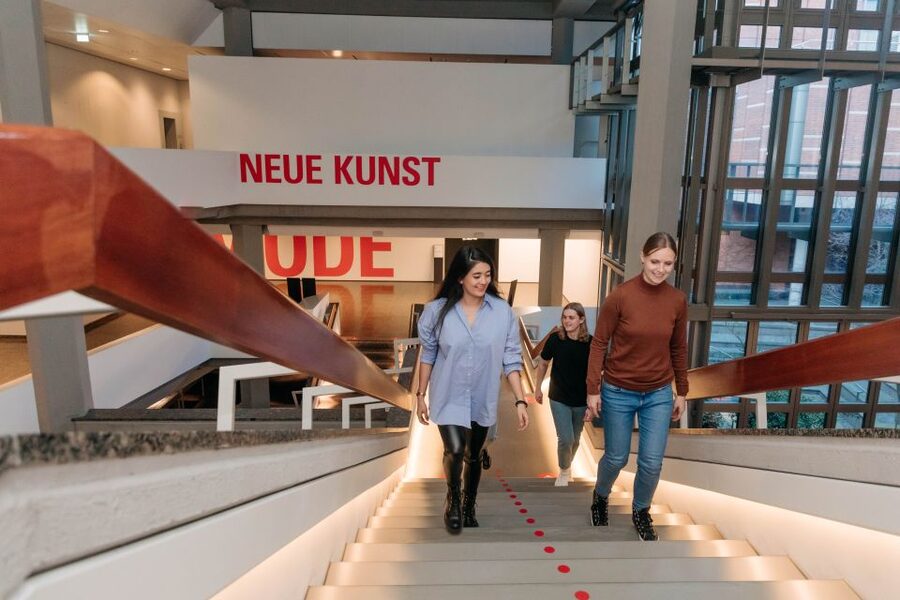
Inside, the galleries are spacious, and there is an open staircase that helps you keep your orientation as you move through the collection. I also like the museum’s planting and greenery, which nods to nearby Tiergarten park so the whole visit feels less like warehouse viewing and more like a designed route. One practical note: audio guides are not included, so you should be ready to rely on wall text if you want context.
In This Review
- Key highlights worth planning around
- Why the Kunstgewerbemuseum ticket is a smart Berlin stop
- Kulturforum vs Köpenick Castle: pick your best hours
- What you’ll actually see: reliquaries, ceramics, woodwork, and more
- The building experience: open staircase, spacious rooms, and Tiergarten greenery
- Fashion and design: where it shines, and where you may want more
- Your one-day game plan: how to see the most with less stress
- Price and value: does $11 really work?
- Who should book this Kunstgewerbemuseum ticket
- Should you book this $11 ticket?
- FAQ
- How much is the Berlin Kunstgewerbemuseum entry ticket?
- How long is the ticket valid?
- What is included with the ticket?
- Is an audio guide included?
- Is there a tour guide included?
- Where is the meeting point?
- Is the ticket refundable?
Key highlights worth planning around
- One of Germany’s oldest decorative arts museums with object-first storytelling
- Reliquaries of gold and precious stones, plus glass, porcelain, silverwork, and wood
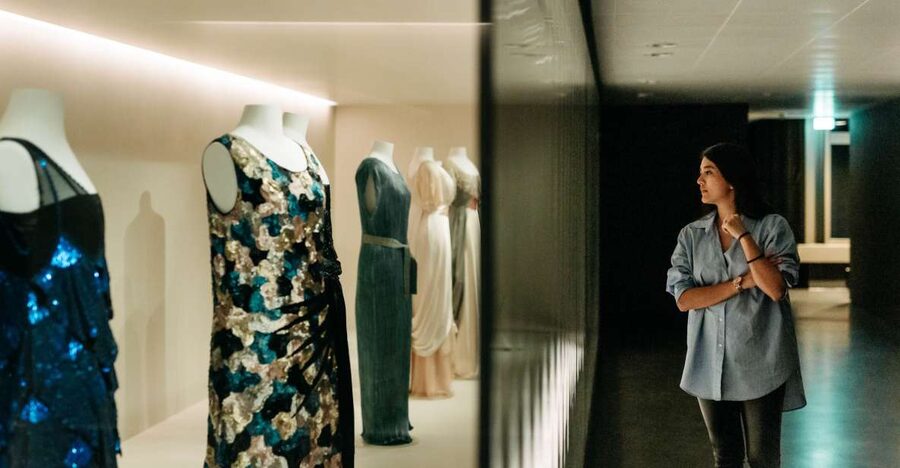
- Fashion history you can see in real garments, not just drawings
- Two locations in Berlin (Kulturforum and Köpenick Castle) for different time periods
- Spacious rooms and an open staircase that help you pace yourself
- Great value for a full day entry ticket, even without an audio guide
Undecided? The closest Berlin write-ups we have are these.
- Berlin: Reichstag, Dome and Government District Guided Tour★ 4.7 · 18,288 reviews
- Berlin: 1-Hour City Tour by Boat with Guaranteed Seating★ 4.3 · 16,993 reviews
- Berlin: Boat Tour Along the River Spree★ 4.4 · 11,252 reviews
- Discover Berlin Half-Day Walking Tour★ 5.0 · 9,624 reviews
Why the Kunstgewerbemuseum ticket is a smart Berlin stop
The Kunstgewerbemuseum is basically a craft museum that learned how to think like a design museum. That matters because the collection is not just about big-name artists. You see how people made things, what materials they used, how they decorated surfaces, and how luxury objects were built to be both useful and symbolic.
For me, the biggest draw is the way the museum connects medieval-level craft to later design thinking. You start with ornate objects, like reliquaries made for religious devotion, and you can keep going into furnishings, glass, porcelain, and even modern industrial design classics. If you like that “how did they do that?” feeling, this is right up your alley.
The ticket price also works in your favor. At about $11 for one day, you are paying for entry into a museum that can keep you busy as long as you are willing to slow down and read. It is a very reasonable way to sample decorative arts without needing a full-day, high-ticket commitment.
Kulturforum vs Köpenick Castle: pick your best hours
This museum is spread across two places in Berlin, so your visit plan determines your experience. The first site is at the Kulturforum near Potsdamer Platz. The second is in Köpenick Castle on a peninsula in the Dahme, where the focus shifts to art objects from the 16th to the 18th century.
If you love broad variety across materials and time periods, start with Kulturforum. You are likely to see more of the museum’s overall decorative arts range, including fine craft objects and design pieces.
If you want a setting that feels more specific and time-bound, Köpenick Castle is the move. The “art of space” theme, covering the 1500s through the 1700s, is a strong reason to go there at least once. The castle setting also changes your mood, so even if you only spend a couple hours, it can feel like a distinct chapter rather than just another gallery loop.
Since your ticket is valid for one day, I suggest you choose one site as your main event. Then, if you still have energy, add the other site only if the timing works for you. Trying to cram both can turn the day into a transport schedule instead of a viewing day.
What you’ll actually see: reliquaries, ceramics, woodwork, and more
The Kunstgewerbemuseum is famous for European craftsmanship, and the collection shows it in plain sight. Expect to spend time with objects that are small enough to miss if you rush, but impressive enough to catch your attention once you get close.
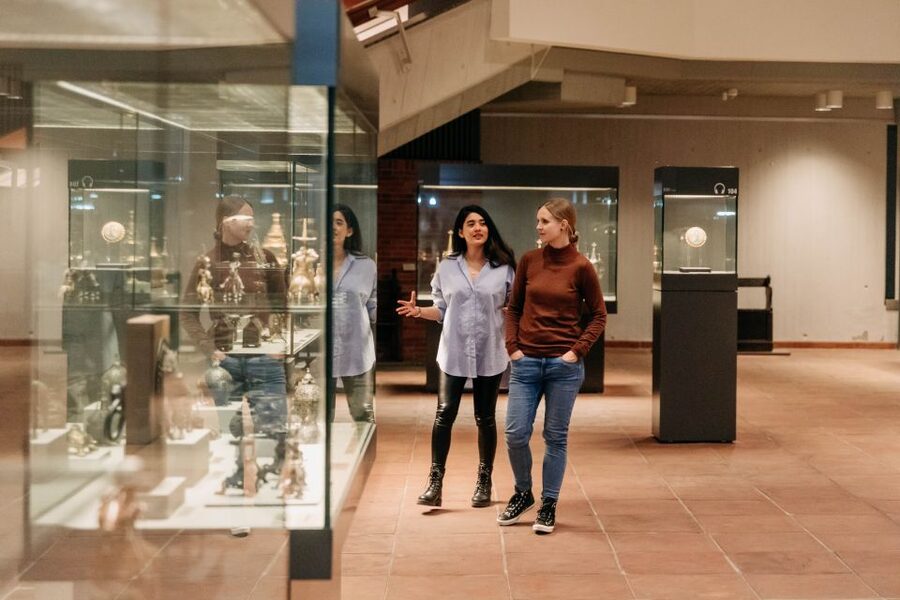
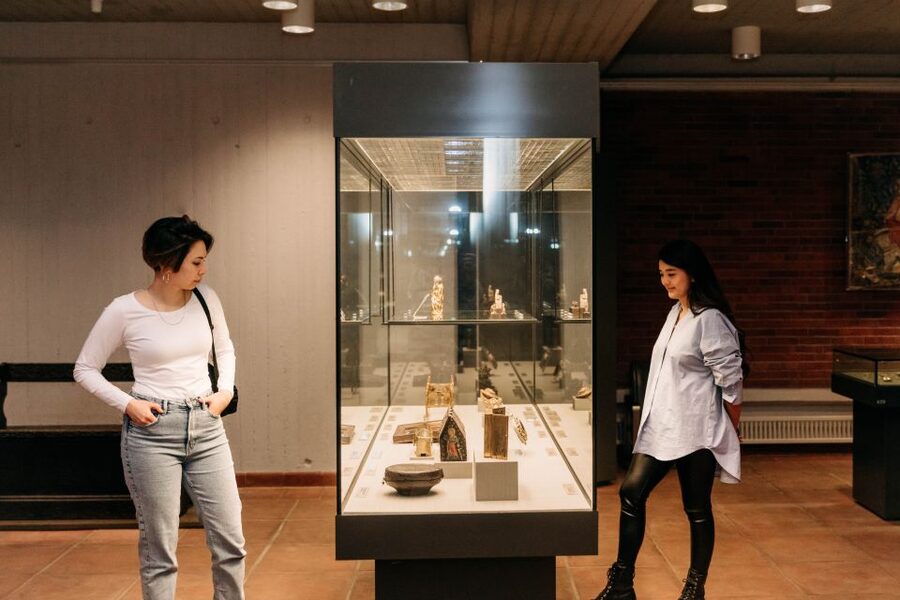
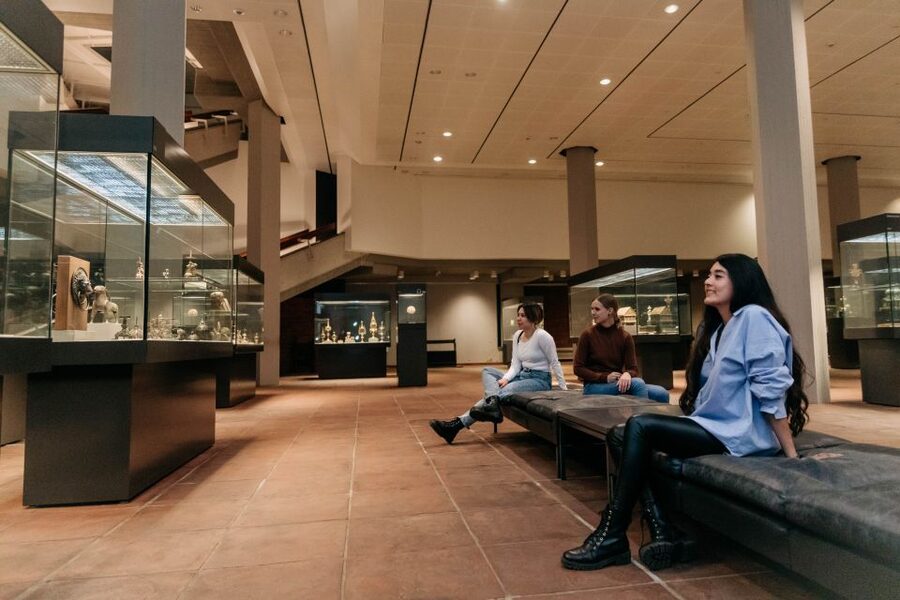
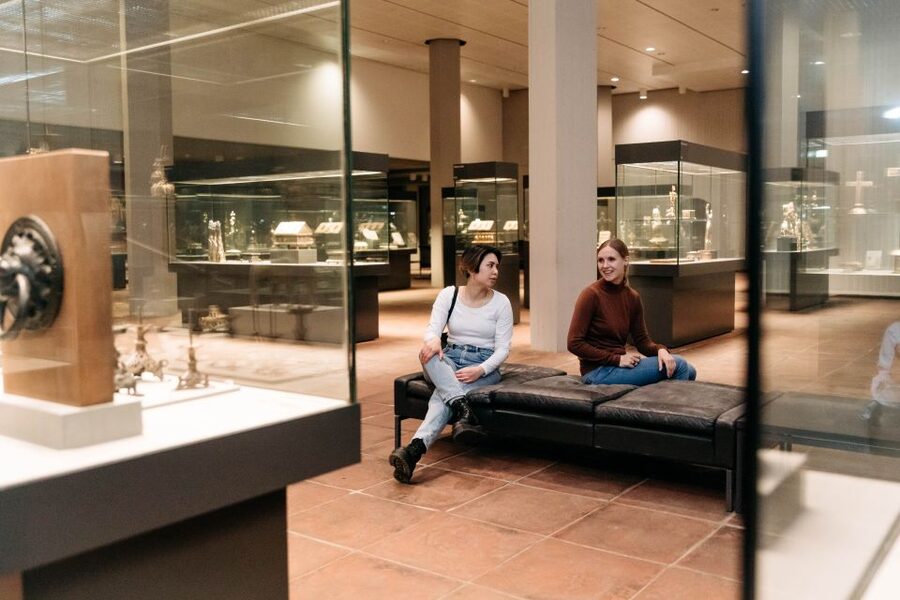
Reliquaries are one of the standout themes. These are not simple containers. Many are built like jewel-like artworks, with goldwork and precious stones arranged to draw your gaze. Even if you are not into religious artifacts, the workmanship is the story here. You can often learn more by looking at technique than by memorizing names.
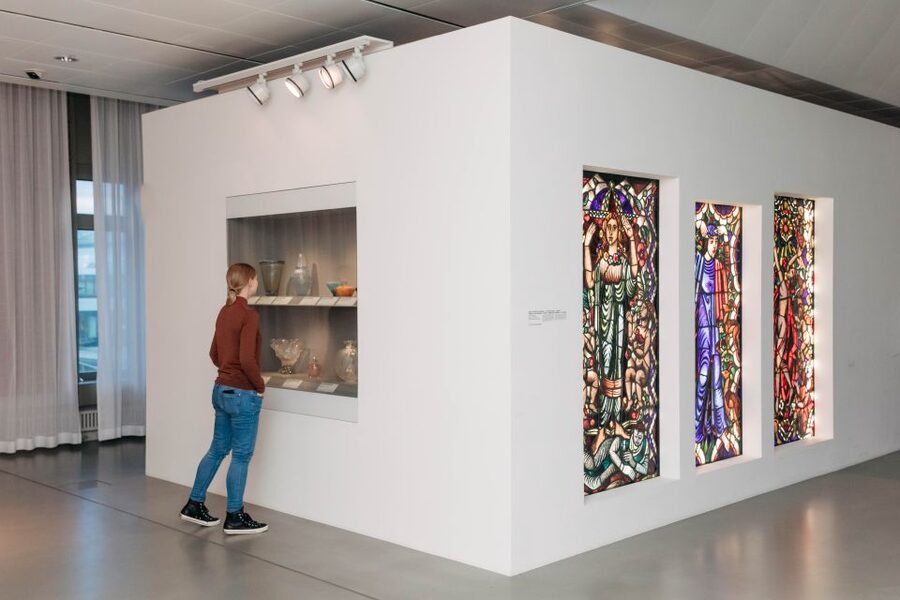
You will also see a wide mix of decorative arts you can’t really “fake” in a photo. Think glass or porcelain vases, detailed furniture, and embroidered dresses. Then layer in woodwork, ceramics, silver, and goldsmithing, which show how artisans treated different materials as different worlds of craft. One review praised how hard it was to look away from the collection, including wooden works that captured attention for their detail.
A practical tip: give yourself permission to linger at the things that feel hardest to make. The museum becomes more rewarding when you stop trying to cover everything and start focusing on how objects were built.
The building experience: open staircase, spacious rooms, and Tiergarten greenery
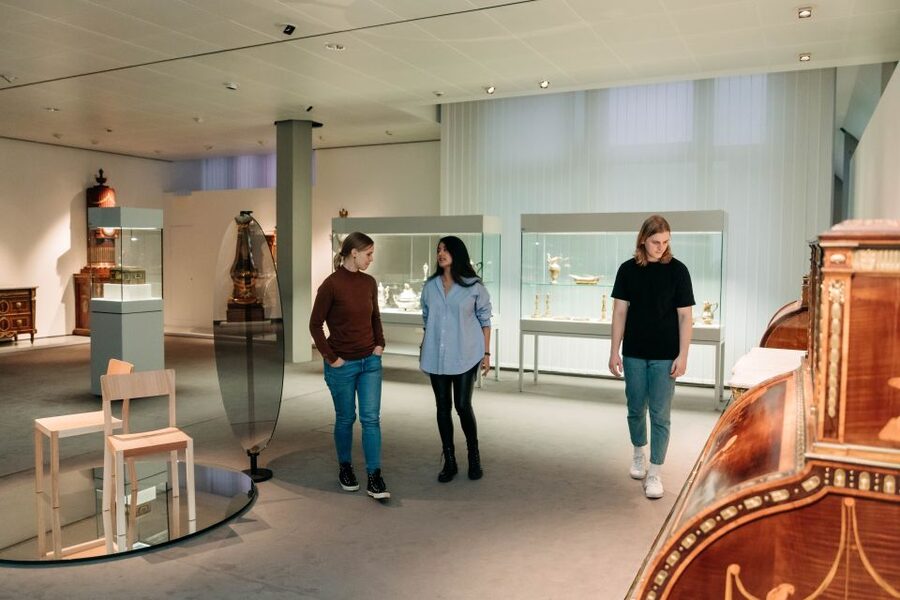
This is not a cramped museum. The exhibition rooms are spacious, and there is an open staircase that gives you a visual reset as you move between levels. That layout choice matters for pacing. You can step away from a cluster of small objects, look up, reorient, and then return with fresh attention.
The museum also uses greenery and a “designed” feel in the way it connects the interior experience to its nearby park. The reference point is Tiergarten, and you can sense that the museum wants you to feel calm while you look. It is a small design choice, but it changes the tempo of your visit.
If you are the type who likes to map your route in your head, this layout helps. You can bounce between sections without feeling like you are lost in a single long hallway.
One caution based on experience from other visitors: the lighting can be quite dark in some areas. If you are a person who needs brighter conditions to enjoy fine details, slow down and use your eyes patiently. Also, plan to spend more time in the brighter galleries first, then move into the dimmer ones when your eyes have adjusted.


Fashion and design: where it shines, and where you may want more
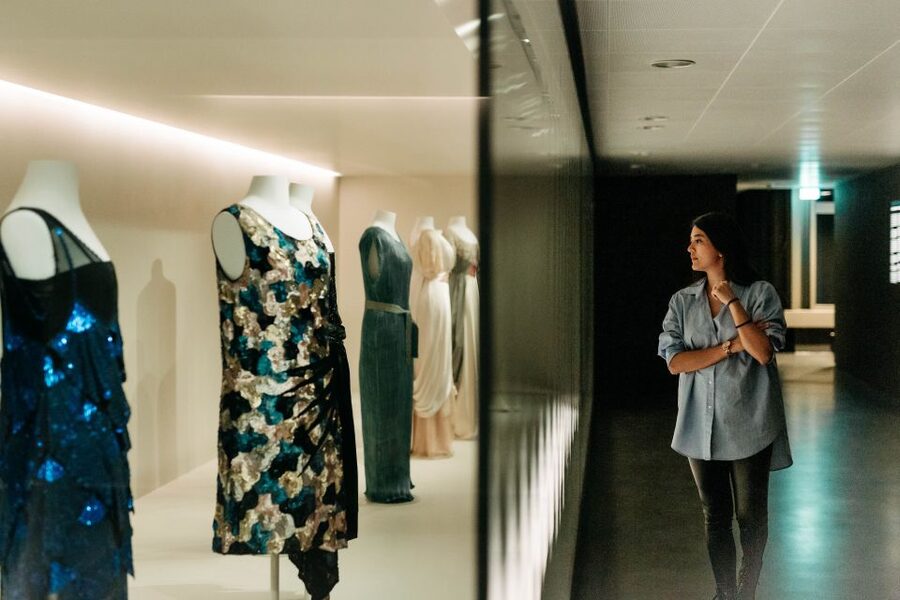
Fashion is definitely part of the appeal. One of the strongest ideas here is that you get garment history through physical objects, including finely made embroidered dresses. Seeing clothing as artifacts changes how you understand style. Fabric, stitching, and decoration become evidence of time, trade, and technique.
At the same time, I would treat fashion as one major thread, not the only focus. Some people love the fashion elements and want more, while others feel the fashion section can be limited compared with their expectations. So if your goal is fashion above all else, I’d make sure you prioritize the site and the sections you care about most before you settle in.
The broader design story is easier to feel across the whole visit. Furniture, industrial design classics, and decorative arts objects connect to modern thinking in a way that keeps the museum from feeling like a sealed-off past. Even if you only care about one corner, you will usually find supporting objects nearby that help you understand the bigger picture.
Your one-day game plan: how to see the most with less stress
Because this is an entrance ticket, you control your pace. That is good news, but it also means you need a plan so the day does not run away from you.
Here is how I would structure it:
- Pick your main location first, then treat the other site as optional
- Start with your “must see” category so you don’t end up chasing time
- Build in time to circle back, because the best objects tend to reward repeat looking
If you are starting at the meeting point listed for the museum, that is at Matthäikirchplatz, 10785 Berlin. Plan to arrive with a little cushion so you can find the entrance calmly and get your bearings before you commit to a route.
Also remember the practical comfort details. The museum is wheelchair accessible, and wearing a medical or FFP2 mask is recommended but not mandatory. If you are sensitive to crowds, going earlier in the day or choosing fewer transfers between sites can help keep your visit enjoyable.
The bottom line: slow looking beats speed coverage here.
Price and value: does $11 really work?
For Berlin, $11 is a bargain level price, especially for a museum that mixes decorative arts, design objects, and fashion-related pieces. The value is not just the cost. It is what you get for that cost: a full day of self-paced entry into galleries built around craft and material detail.
If you are the kind of visitor who enjoys objects more than explanations, you will still have a satisfying visit. The museum provides a lot visually, and reviews highlight how large the collection can feel, with many items hard to stop staring at, including wood-based works.
If you are the type who needs deeper context, note that an audio guide and a tour guide are not included. That doesn’t ruin the experience, but it changes how you should approach it. Go with a mindset of reading labels closely and letting objects do the talking.
Overall, the ticket looks like a strong value for anyone who wants a genuine craft-and-design museum day without paying premium prices.
Who should book this Kunstgewerbemuseum ticket
This one is ideal if you like:
- Decorative arts and craftsmanship across materials like goldwork, glass, porcelain, ceramics, wood, and furniture
- Fashion history shown through actual garments and embroidery
- Design connections from older object-making to later industrial design
It is also a good choice if you are traveling with mixed interests in your group. One person can linger with jewelry-like objects and woodwork, while you can focus on furniture, ceramics, and fashion pieces. The museum’s range makes it easier to find your own favorite lanes.
You might want to adjust expectations if you expect a heavy, fashion-only museum day. You will find fashion objects, but the collection is broader than fashion.
Should you book this $11 ticket?
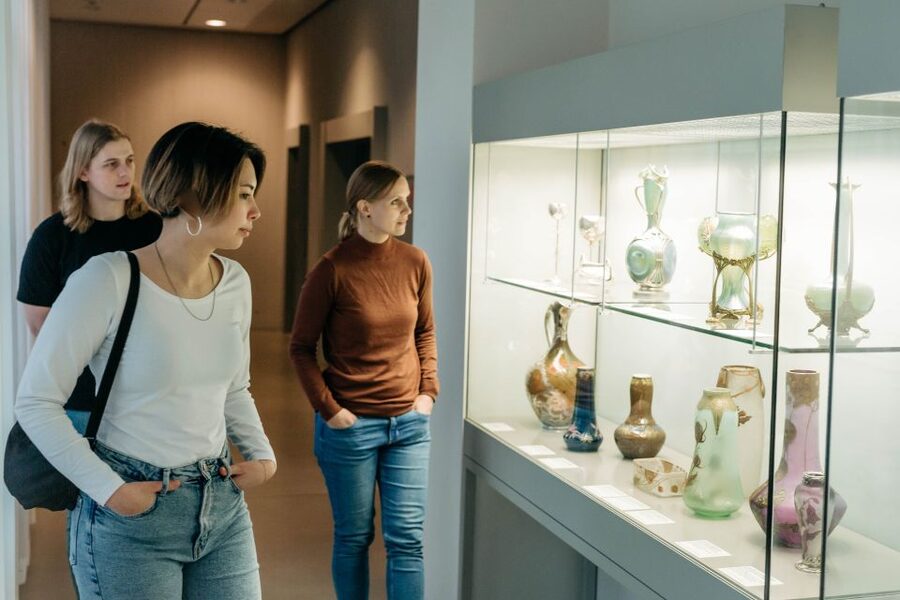
I’d book it if you want a craft-and-design day that is affordable and object-focused. The museum has enough variety that it can hold your attention for a full day, and the highlights you are most likely to remember are the ones built from masterful materials, like gold-and-gem reliquaries and detailed works in wood, ceramics, and metal.
I would only hesitate if you know you need bright, high-contrast lighting everywhere, or if fashion is your single-number-one topic and you expect it to take over the whole visit. In those cases, consider visiting with a clear plan for which sections to prioritize.
If you like thoughtful museum pacing, choose one location as your main stop, give yourself time to look closely, and you will get a lot of value from this ticket.
FAQ
How much is the Berlin Kunstgewerbemuseum entry ticket?
The price is listed as about $11 per person.
How long is the ticket valid?
It is valid for 1 day. You should check availability to see starting times.
What is included with the ticket?
Your ticket includes entrance to the Kunstgewerbemuseum.
Is an audio guide included?
No. An audio guide is not included in the price.
Is there a tour guide included?
No. A tour guide is not included.
Where is the meeting point?
The meeting point is Kunstgewerbemuseum, Matthäikirchplatz, 10785 Berlin.
Is the ticket refundable?
No. The activity is non-refundable.
Everything else we filed on Berlin
- East Berlin: City of Shadows Walking Tour
★ 5.0 · 11 reviews - Berlin: Die Stachelschweine – Frank Lüdecke – Träumt Weiter
★ 4.7 · 11 reviews - Potsdam Day Trip from Berlin with a Local: Private & Personalized
★ 4.0 · 11 reviews - An Introduction to Berlin Walking Tour
★ 5.0 · 11 reviews - DJ for a Day: Learn to Mix Like a Pro in Berlin
★ 5.0 · 11 reviews - 2-H Segway Sightseeing Tour Berlin
★ 4.5 · 11 reviews
Tickets, side by side.
 ★ 4.7Dresden: Semperoper Tickets and Guided TourFrom $1812,102 reviews
 ★ 4.5Berlin: Jewish Museum Berlin Entrance TicketFrom $08,393 reviews
 ★ 4.6Berlin: Berlin Story Bunker Entry TicketFrom $216,759 reviews
 ★ 4.7Hamburg: Hamburg Dungeon Admission TicketFrom $335,745 reviews
 ★ 4.3Munich Hop-On Hop-Off Tour: 1-Day or 2-Day TicketFrom $274,161 reviews
 ★ 4.1Berlin: Illuseum Berlin Entrance TicketFrom $183,970 reviews
 ★ 4.6Berlin: Madame Tussauds Admission TicketFrom $253,941 reviews
 ★ 4.3Berlin: DDR Museum TicketsFrom $153,443 reviews