
REVIEW · POTSDAM
Berlin: Sachsenhausen Concentration Camp and Potsdam day tour
Sachsenhausen and Potsdam in one long day. It is a serious Berlin pairing that starts at a Nazi concentration camp memorial and ends in the calmer, royal world of Potsdam. You get a guided structure, bus travel included, and built-in time to process what you are seeing.
I particularly liked the sensitive pacing and the way the guide kept space for reflection. I also loved that everything essential is handled for you, including admission to Sachsenhausen and private transfers, so the day stays smooth even if you do not know the history yet.
The main drawback is simple: it is a long day with a lot of walking, including stairs at the memorial. If you want slow, detailed time in every corner, you may wish for more hours at Sachsenhausen and Potsdam.
In This Review
- Key things to know before you go
- A long day tour that tells a clear story, start to finish
- Meeting point at Alexanderplatz and how the bus day usually runs
- Sachsenhausen Memorial: where the day turns serious
- What you will likely see inside the memorial grounds
- Walking, stairs, and practical comfort tips for Sachsenhausen
- Potsdam after Sachsenhausen: royal streets, calmer pacing, and what to expect
- Guide quality is the real value here
- Pace and lunch timing: how to plan your day so you are not rushed
- Price and logistics: does $83.48 make sense?
- Who this tour is perfect for, and who should think twice
- Quick booking checklist before you commit
- Should you book this Berlin Sachsenhausen and Potsdam tour?
- FAQ
- How long is the Berlin Sachsenhausen and Potsdam day tour?
- What is the meeting point for the tour?
- Is the tour in English?
- Is admission included?
- Are tickets digital?
- Does the price include food?
- How big is the group?
- What should I bring?
- Is the Potsdam part a palace visit?
- Will I have to speak German?
- Is the bus ride comfortable?
Key things to know before you go
- Sachsenhausen first, then Potsdam: the emotional rhythm matters, and the day is designed that way.
- Included tickets and transfers: you do not have to figure out entry or logistics in advance.
- Max group size 45: smaller than the big-coach chaos you might fear in Berlin day trips.
- Bus is shared with Spanish narration: expect bilingual commentary on the ride, then single-language guiding at sights.
- Bring patience and water: there are no services during the memorial visit, and the pace can feel brisk.
- Guides like Peter and Walid are repeatedly praised: the strongest part here is how the history is explained.
Other guided visits to Sachsenhausen Memorial
- Berlin: Sachsenhausen Concentration Camp Tour in English★ 5.0 · 5,711 reviews
- Berlin: Sachsenhausen Concentration Camp Memorial Tour★ 4.7 · 3,716 reviews
- Sachsenhausen Concentration Camp Bus Tour in English from Berlin★ 5.0 · 1,962 reviews
- Berlin: Sachsenhausen Concentration Camp Tour in English★ 4.8 · 1,889 reviews
A long day tour that tells a clear story, start to finish
This is the kind of day trip you book for a purpose, not a checklist. Sachsenhausen is heavy, and Potsdam feels like a reset afterward. That shift is not random. It gives your brain time to move from one kind of history to another, and it helps you avoid turning the whole day into one nonstop, numb blur.
You are also buying structure. You get a professional guide, a Berlin city bus tour component, and a private bus transfer from Berlin. For many people, that is the difference between trying to stitch together two places yourself and actually understanding what you are looking at once you arrive.
Meeting point at Alexanderplatz and how the bus day usually runs
The day starts at the World Time Clock on Alexanderplatz (Alexanderpl. 1). The tour is set for a 9:30 am departure. From there, you are in the bus world for a chunk of the day, with commentary during transit.
One detail that matters for comfort: this tour can be paired with a Spanish-speaking group. On the bus, the microphone time is shared, so you may hear the English and Spanish narration in turn. People who care deeply about clarity sometimes feel that one language dominates at certain moments. Once you step out at the sites, guiding becomes single-language at that stop, which makes the on-the-ground time easier to follow.
If you hate packed buses, aim to arrive early and be ready to adapt. Several reviews mention the ride can get crowded when groups are combined, so it is worth mentally preparing for close seating.
Sachsenhausen Memorial: where the day turns serious
Sachsenhausen Memorial and Museum is the main event, and it deserves that role. The visit focuses on daily life inside the camp, the machinery of control, and the physical locations that have survived. You are not just looking at a few plaques and moving on. You are guided through a set of stops that help you understand how people were processed, punished, worked, and kept under constant threat.
Plan for seriousness from the first minutes. Even if you know the basics, the site itself changes how the facts land. I find this is one of those places where the details matter, not just the headline story.
The tour includes admission, and the guided portion is built around specific areas you will see, including places connected to security and incarceration, as well as exhibits tied to mass death events and forced labor.
What you will likely see inside the memorial grounds
The memorial portion is scheduled for about 3 hours, and the stops are designed to show the system from multiple angles:
- Death Marches Exhibition: a difficult section, but important for understanding what happened when the camp system was collapsing.
- Tower A: security measures and punishments, showing how control was enforced.
- Small Camp, Barracks 38 and 39: where routine life and confinement could be seen in stark, practical terms.
- Camp prison: another layer of punishment and isolation.
- Kitchen and laundry facilities: a reminder that even horror had logistics and schedules.
- Soviet Monument from 1961: a marker of how later ideologies and remembrance shaped the landscape.
- Station Z: an area tied to the handling and movement of people.
- Infirmary and morgue: the medical reality of the camp system.
If you are worried about being overwhelmed, that is normal. This is a lot to take in. The best way to get through it is not to rush. Let the guide set the pace, and then take a moment between stops to breathe. People consistently praise guides who were respectful about giving time to absorb what you are seeing.
Other Potsdam days worth the S-Bahn
Walking, stairs, and practical comfort tips for Sachsenhausen
This tour is not a sit-and-watch day. You should expect lots of walking and stairs, including areas where there are no railings. That is not just a minor inconvenience. It changes how you experience the memorial, because it encourages you to move carefully, stop often, and look longer than you might otherwise.
So pack for the ground reality:
- Bring an umbrella, since Berlin weather can flip fast.
- Carry a bottle of water.
- Bring some food, because there are no services available during the memorial visit.
Also think about shoes. You do not want to start the day in footwear that hurts after 30 minutes. You will have a longer day overall, and your comfort affects your ability to focus on the history.
Finally, do not plan other commitments immediately after. Reviews describe the overall day as closer to 7 to 8 hours, so give yourself an easy evening back in Berlin.
Potsdam after Sachsenhausen: royal streets, calmer pacing, and what to expect
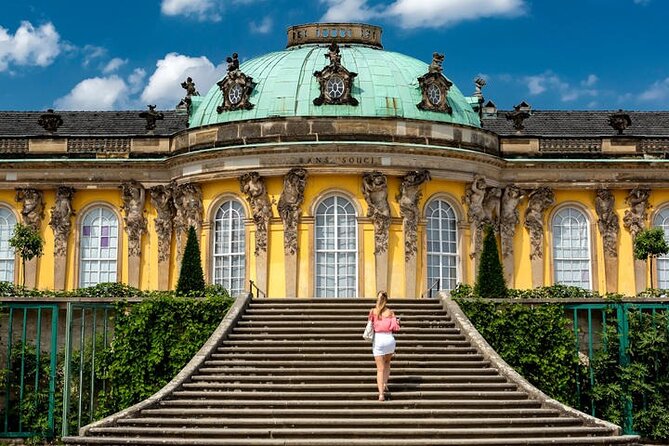
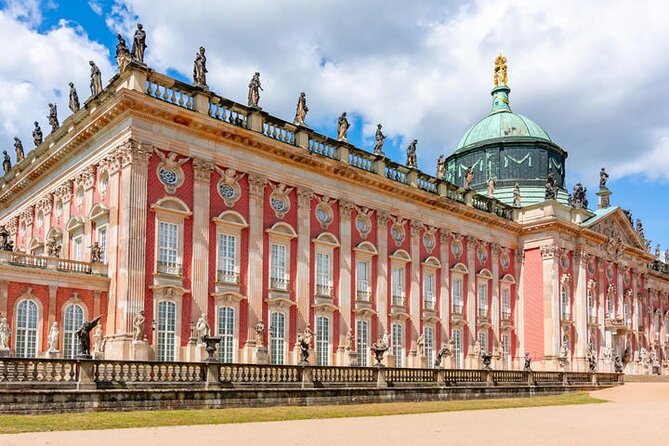
After the memorial, you head to Potsdam. The shift is intentional. Potsdam became a royal residence, and the city still carries that elegance in its palaces, gardens, and streets. For many people, it feels like relief, but not a cheap one. It is a different kind of history.
The Potsdam portion is around 2 hours. You explore with your guide and also get free time to walk on your own at a sensible pace.
One heads-up based on how some guests described the experience: the tour appears to focus more on the grounds and the surrounding area rather than full palace interior access. If palace entry is a must for you, you should double-check what is actually included in your tour details before booking. Otherwise, you may feel like you traveled for a building you cannot go inside.
Still, Potsdam can be a great follow-up because it lets you see how different eras shape cities. You finish the day with a sense of place, not just a list of tragic facts.
Guide quality is the real value here
The tour’s biggest strength is the way guides handle the material. You will see the same names come up again and again. People specifically praised Peter for clear storytelling and deep historical context. Others highlighted Walid (sometimes spelled Whalid) for being sensitive to the gravity of the sites and for adjusting to the group’s pace. You also see praise for guides like Mattias, Roshana, Johan, Jonus, and Mateo, with the common thread being respectful presentation and helpful explanations.
Why does this matter? Because Sachsenhausen is not the kind of place where you can fully “self-guide” your way to understanding. You can read signs, but a strong guide connects those signs into a coherent story: how the camp worked day to day, how punishment was structured, and how Nazi and Soviet layers show up in the memorial today.
It also matters emotionally. This is a site where people often want time to think. The best guiding here keeps the pace steady without turning it into a sprint.
Pace and lunch timing: how to plan your day so you are not rushed
Even with good guiding, you are covering two major locations in one day. That means you may feel a little rushed at both spots, especially at Sachsenhausen if your ideal pace is slow and detailed. Reviews mention that the pacing can feel fast at times, and that the memorial experience is intense enough that rushing can take away from your chance to absorb.
Lunch is the other big practical point. The tour data does not include food, and the memorial portion has no services. In some descriptions from guests, the lunch opportunity came late, near the end of the day, and the actual break time sounded short, about 25 minutes.
So here is the approach that works best:
- Eat something before the tour if you can.
- Carry snacks for later, so you are not stuck hungry if the timing feels tight.
- Treat any lunch stop as a quick reset, not a sit-down meal.
If you want a slower day, you might prefer doing Sachsenhausen on its own and adding Potsdam separately later. But if you are short on time in Berlin, this combined day is a practical trade-off.
Price and logistics: does $83.48 make sense?
For $83.48 per person, you get more than narration. You are paying for:
- A professional guide
- A Berlin bus component
- Admission to Sachsenhausen
- Guided touring at Sachsenhausen and Potsdam
- Private bus transfer from Berlin
- A mobile ticket
Compared to the DIY approach, the value is that you remove major friction points: you do not need to figure out how to get there, how to handle entry timing, or how to connect the dots between places. Admission alone is one reason the price adds up. Add a guide who can explain what you are seeing, and the cost feels more reasonable.
That said, if you are very sensitive to pacing, multilingual bus commentary, or limited time at each location, you may feel the price is too high for what you personally get from the day. In other words, value depends on what kind of traveler you are. If you like structure and can handle walking, it is a solid deal for a full day.
Who this tour is perfect for, and who should think twice
This tour is ideal if you:
- Want a guided, respectful introduction to Sachsenhausen
- Are comfortable with a long day and lots of walking
- Like having one guide connect the historical dots for you
- Have limited time in Berlin and want Potsdam afterward
It is less ideal if you:
- Need lots of time to linger at memorial sites
- Have mobility limits, because stairs and uneven paths are part of the experience
- Hate any hint of crowded seating, since the bus may be shared with another group and can get tight
- Are sensitive to audio clarity during the bus ride, since bilingual commentary can make it harder to catch every word
If you fall into the “pace matters” group, consider whether you would rather do Sachsenhausen first, then come back for Potsdam on a different day with your own schedule.
Quick booking checklist before you commit
Before you book, I would check three things:
- Your comfort with a 7 to 8 hour day and stairs.
- Your expectations for Potsdam palace access, since some guests did not feel they were entering the palace.
- Your tolerance for bilingual bus narration on transit.
Then pack smart: umbrella, water, and some food. That alone can change how good the day feels.
Should you book this Berlin Sachsenhausen and Potsdam tour?
Yes, if you want a guided day that pairs Sachsenhausen Memorial with Potsdam in a way that makes practical sense and emotionally respects the subject. The repeatedly praised guides, including Peter and Walid, are a big reason this works. Also, the included admission and transfers help you spend your energy on the place, not on logistics.
No, if you crave slow museum time, have difficulty with stairs and walking, or you feel uncomfortable with a mixed-language bus ride that can affect how much you hear on the way. In those cases, doing the sites separately might better match your style.
If your priority is strong guidance, included entry, and making good use of one Berlin day, this is one of the more straightforward ways to do it.
FAQ
How long is the Berlin Sachsenhausen and Potsdam day tour?
It runs about 7 hours, though many people report it feels closer to 7 to 8 hours once travel time is included.
What is the meeting point for the tour?
The tour starts at the World Time Clock at Alexanderplatz, Alexanderpl. 1, 10178 Berlin.
Is the tour in English?
Yes, the tour is offered in English.
Is admission included?
Admission to the Sachsenhausen Concentration Camp Memorial is included.
Are tickets digital?
Yes, you get a mobile ticket.
Does the price include food?
No. Food and drinks are not included, and there are no services available during the memorial visit.
How big is the group?
The tour has a maximum of 45 travelers.
What should I bring?
Bring an umbrella, a bottle of water, and some food. This is especially important because there are no services available during the visit.
Is the Potsdam part a palace visit?
The tour focuses on exploring Potsdam with your guide and includes free time. Some guests note that palace interior entry may not be part of what you do, so check details if that matters to you.
Will I have to speak German?
Not necessarily. The tour is offered in English, and once you reach stops, guiding at sights is done in a single language at a time.
Is the bus ride comfortable?
The bus ride can be crowded because the English and Spanish tours may share the same bus. If you are picky about seating, arrive early and be prepared for close quarters.
A Day in Potsdam, Compared
Visiting Sachsenhausen Memorial
Everything else we filed on Berlin
- East Berlin: City of Shadows Walking Tour
★ 5.0 · 11 reviews - Berlin: Die Stachelschweine – Frank Lüdecke – Träumt Weiter
★ 4.7 · 11 reviews - Potsdam Day Trip from Berlin with a Local: Private & Personalized
★ 4.0 · 11 reviews - An Introduction to Berlin Walking Tour
★ 5.0 · 11 reviews - DJ for a Day: Learn to Mix Like a Pro in Berlin
★ 5.0 · 11 reviews - 2-H Segway Sightseeing Tour Berlin
★ 4.5 · 11 reviews
Potsdam and Sanssouci Day Trips, side by side.
 ★ 4.7Potsdam: City and Castles TourFrom $293,721 reviews
 ★ 4.5Potsdam: Palace Tour by BoatFrom $272,369 reviews
 ★ 4.5Potsdam: Sanssouci Palace and Prussian Palaces Entry TicketFrom $252,101 reviews
 ★ 4.5Berlin: World Heritage Cruise to PotsdamFrom $251,435 reviews
 ★ 4.6Berlin: Sachsenhausen Concentration Camp and Potsdam TourFrom $651,334 reviews
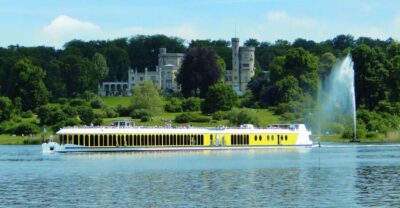 ★ 4.6Potsdam by Boat: Island CruiseFrom $421,308 reviews
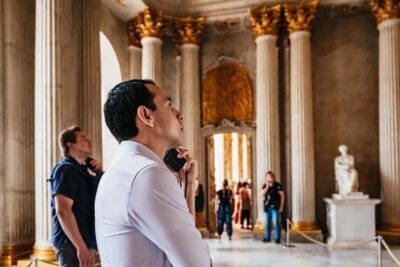 ★ 4.5From Berlin: Potsdam and Sanssouci Palace Tour with EntryFrom $731,094 reviews
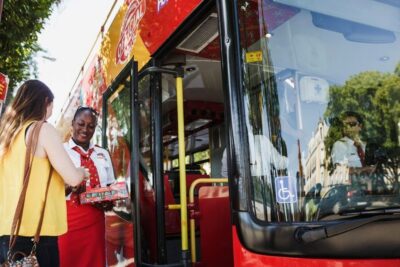 ★ 4.2Potsdam: City Sightseeing Hop-On Hop-Off Bus TourFrom $23864 reviews
Other lists this tour is on