
REVIEW · SACHSENHAUSEN
Berlin: Sachsenhausen Concentration Camp Guided Tour
Tower A changes how you see history.
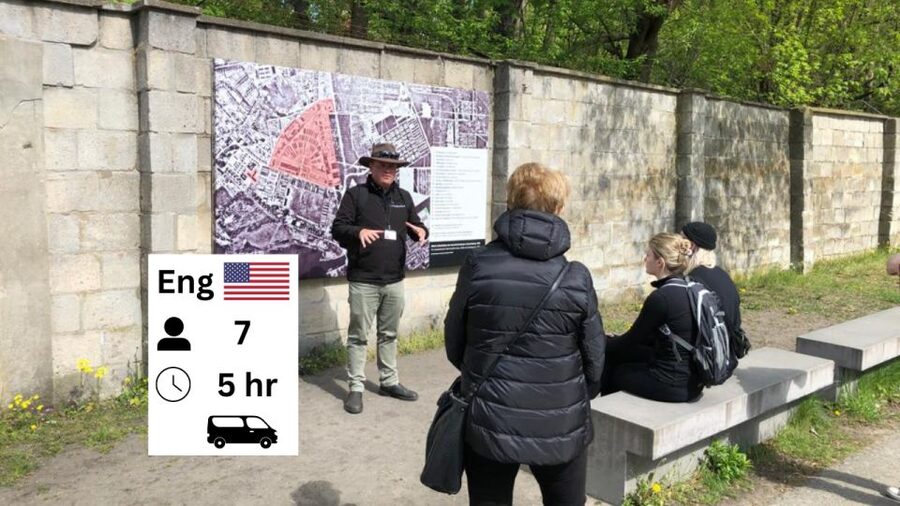
This small-group Sachsenhausen guided tour is built for focus and respect, starting with a short ride from Alexanderplatz and a clear explanation of how the Nazi camp system worked. I especially like the small group size (limited to 7), which makes it easier to ask questions without feeling rushed.
I also like how the route doesn’t stop at the Nazi era. You walk through key areas tied to daily control, prisoner life, post-war Soviet use (Special Camp no. 7), and the execution sites at Station Z, all explained in a careful, human way by guides such as Matt, Tom, or Jorg. One possible drawback: the total time on site is tight, so if you love museums and want extra exhibit time, you may wish it ran closer to 6 or 7 hours.
In This Review
- Key things I’d note before you go
- Why Sachsenhausen feels different than other Berlin-history days
- Getting there the easy way, from Park Inn Alexanderplatz
- The camp’s entrance and the logic of control
- Morning routine, roll call, and the cruelty built into daily life
- The Jewish sector and the meaning of space
- Cell blocks, secrets, and who was imprisoned there
- A short break at the camp kitchen and the items that survive
- The Soviet chapter: Special Camp no. 7 after WWII
- Station Z: execution sites, gas chamber, and crematorium
- The infirmary and the question of medical experiments
- Time, pacing, and what to pack for a rain-or-shine day
- Small group focus, and how guides like Matt, Tom, and Jorg change the day
- Skip the ticket line, get water, and pay for real value
- Should you book the Sachsenhausen Concentration Camp guided tour?
Key things I’d note before you go
- Small group (max 7) means more breathing room for questions and clarification
- The tour follows a logical path from the camp’s origins and administration to Station Z
- You get the big picture, including Sachsenhausen’s post-war Soviet chapter (Special Camp no. 7)
- Expect to walk past key infrastructure like Tower A and places tied to daily routine and punishment
- A stop for restrooms and a small break is built in via the camp kitchen area and exhibitions
- The day is scheduled as rain or shine, so plan for weather
Other guided visits to Sachsenhausen Memorial
- Berlin: Sachsenhausen Concentration Camp Tour in English★ 5.0 · 5,711 reviews
- Berlin: Sachsenhausen Concentration Camp Memorial Tour★ 4.7 · 3,716 reviews
- Sachsenhausen Concentration Camp Bus Tour in English from Berlin★ 5.0 · 1,962 reviews
- Berlin: Sachsenhausen Concentration Camp Tour in English★ 4.8 · 1,889 reviews
Why Sachsenhausen feels different than other Berlin-history days
Berlin has plenty of WWII material, but Sachsenhausen lands differently. It is one of the clearest places to understand how the Nazi concentration camp system wasn’t random cruelty. It was designed, managed, and scaled, with Sachsenhausen treated as a model for later camps. That “system thinking” shows up in what you learn on the way there and in the way your guide frames what you see once you arrive.
I like that this tour is not just about dates and names. You also get the structure of everyday life inside the camp, the routine that ground prisoners down, and the mindset behind both guard behavior and prisoner endurance. The result is sobering, but also clarifying. You leave with a stronger sense of how oppression functioned day after day, not only how it ended.
This is also a site where the story continues after WWII. By including the Soviet-era “Special Camp no. 7” chapter, the tour helps you understand how violence and imprisonment did not simply disappear with the fall of the Third Reich. That added context can be uncomfortable, but it is important.
Getting there the easy way, from Park Inn Alexanderplatz
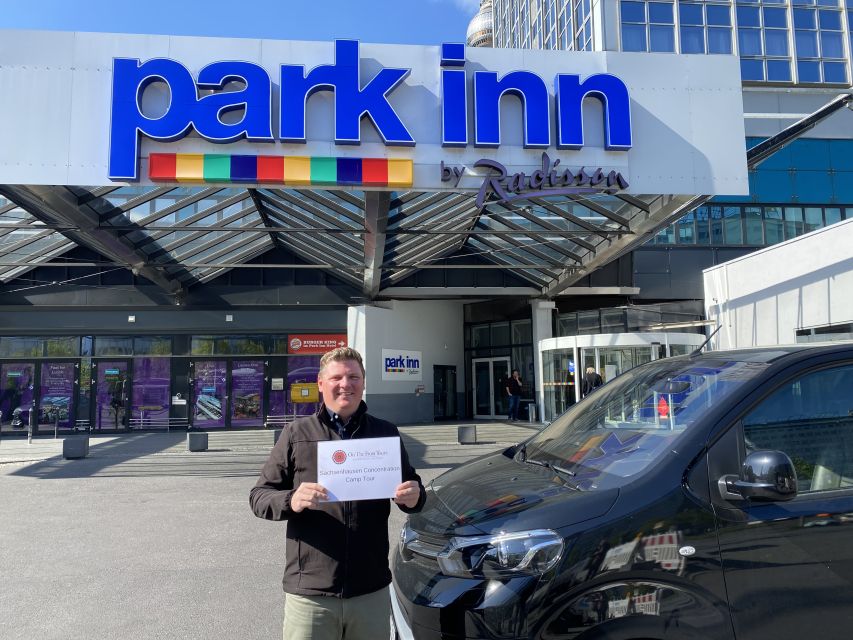
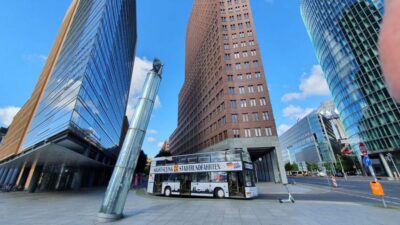
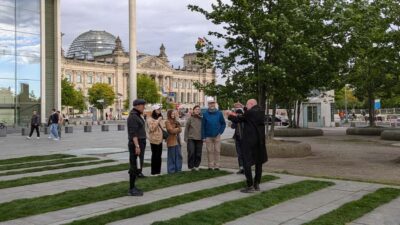
The logistics are refreshingly straightforward. You meet at the main entrance of Park Inn by Radisson Berlin Alexanderplatz, at the taxi pickup and drop-off point. Then the tour uses a van to make the trip out to the memorial area, with about a 30-minute ride each way.
I like this setup because it lets you focus on the content, not navigating Berlin traffic or stitching together trains and buses. And since the group is small, you aren’t squeezed into a huge coach with strangers.
The guide usually uses the ride time to set the stage, including how the Nazi concentration camp system was organized and why Sachsenhausen became a reference point for later camps. That matters. If you arrive already oriented, the camp layout makes more sense as you walk from one area to the next.
The camp’s entrance and the logic of control
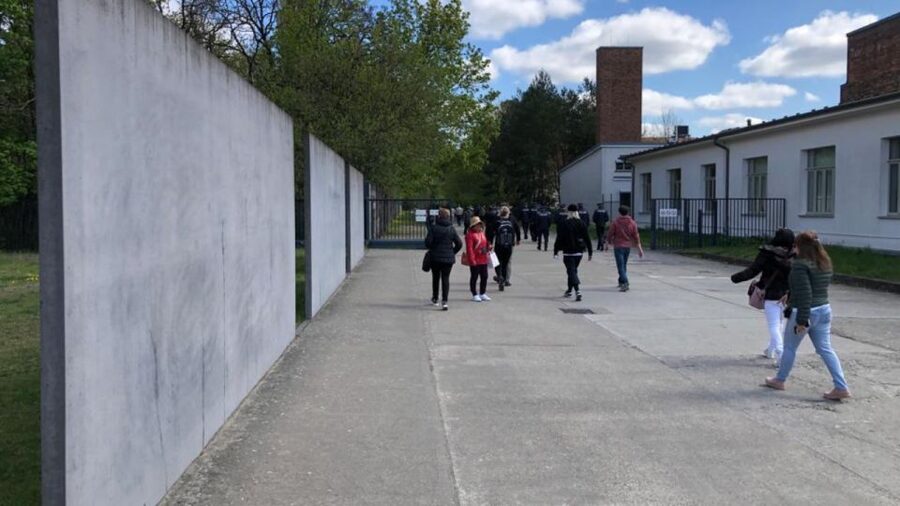
Once you’re at Sachsenhausen, the tour begins at the administrative and oversight world that supported the entire camp system. You’ll pass through key areas tied to the SS Concentration Camps Inspectorate, which functioned as the managerial authority for the Third Reich’s concentration camp system. This part is valuable because it shows the chain of command, not only the visible cruelty.
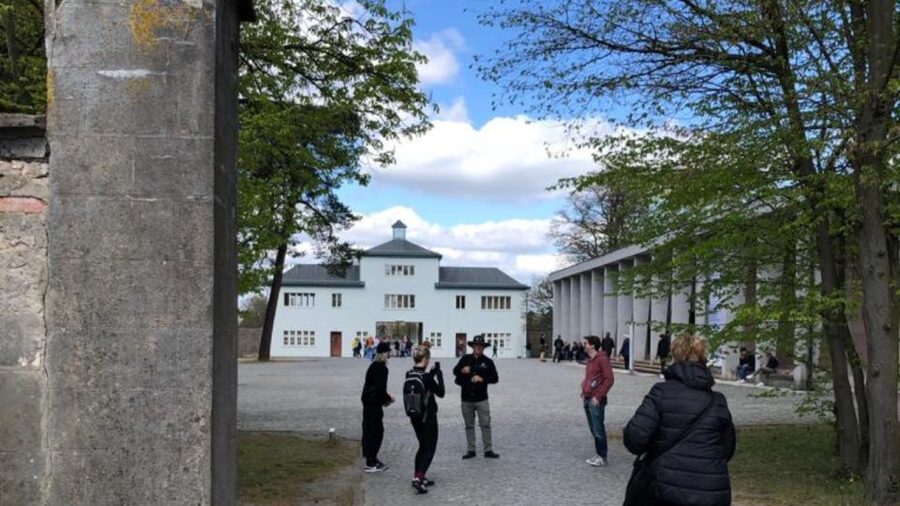
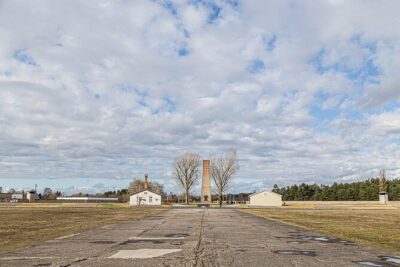
Then comes the main entrance area. You pass through Tower A beneath the inscription Arbeit macht frei. Even if you’ve heard the phrase before, seeing it in context hits harder. Your guide uses this moment to explain how ideology was enforced through the built environment and through routine.
I like that you aren’t left with symbolism alone. The tour connects entrance points to what prisoners faced every day: controlled movement, discipline, and the steady pressure to break people down. It’s one of the best ways to understand how a system can be both bureaucratic and lethal.
Morning routine, roll call, and the cruelty built into daily life
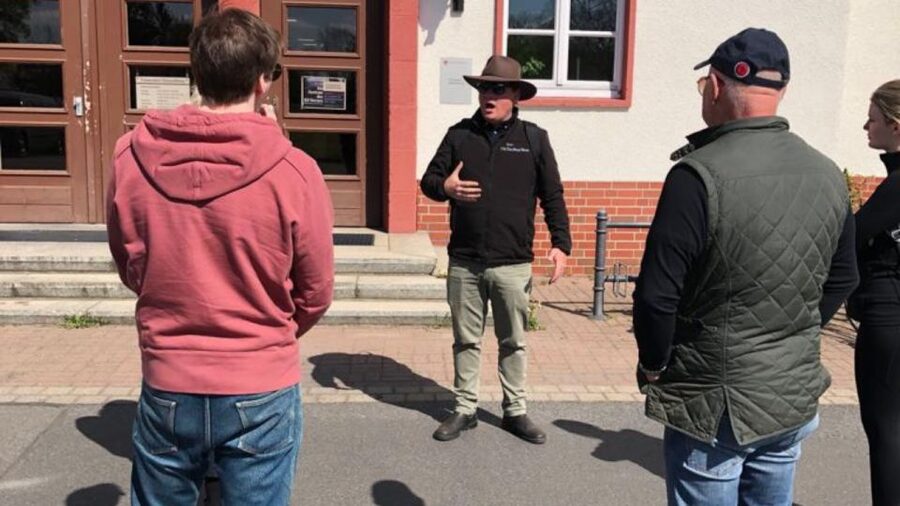
After the entrance and oversight sections, the tour turns to the rhythm of prison life. You learn about morning roll call, one of the most feared parts of the day for prisoners because of the physical strain and the humiliation.
Another stop covers the shoe testing track. That detail may sound small compared to gas chambers, but it reflects how the system worked through constant inspection and punishment over basic necessities. The point is not just what happened, but how often it happened, and how thoroughly prisoners were controlled.
As you move through the camp’s zones, you also get to see what compartmentalization meant. The tour shifts into the Jewish sector, where you can walk through overcrowded barracks and understand the living conditions prisoners faced. Here, the focus is on daily struggle, not abstract history. It helps you picture the scale of suffering in concrete, human terms.
The Jewish sector and the meaning of space
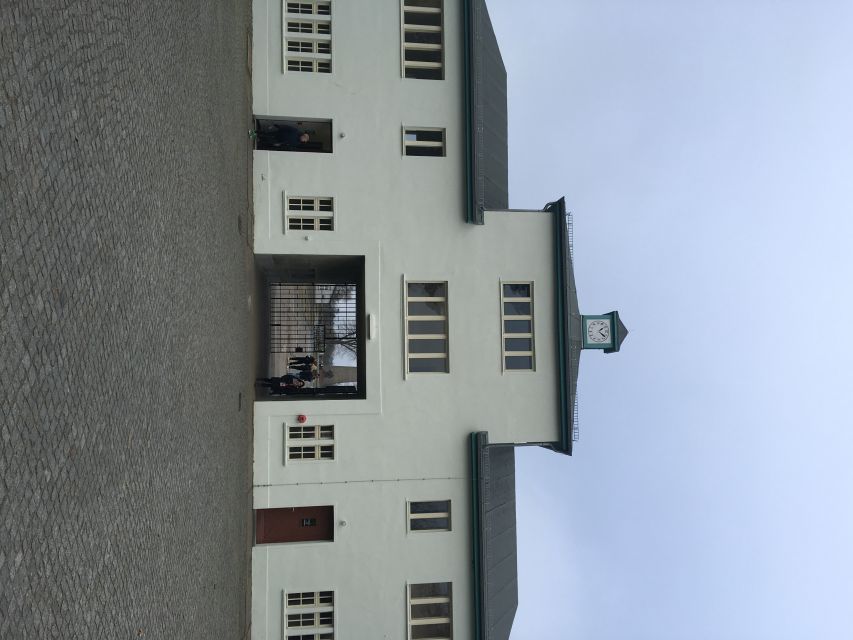
I appreciate that the tour treats space as evidence. The barracks and the layout aren’t shown like a film set. They’re explained as part of a deliberate plan to confine, separate, and degrade.
In the Jewish sector, the emphasis is on overcrowding and the harsh realities of survival. This is where your guide’s framing matters: you’re asked to connect the physical conditions to what those conditions did to people’s bodies and minds.
This is also a good reminder for you as a visitor. Don’t rush past the details. Even when you feel overwhelmed, slow down and let the explanation land. The tour moves in a set order, but you still have moments to look closely at what is in front of you.
Cell blocks, secrets, and who was imprisoned there
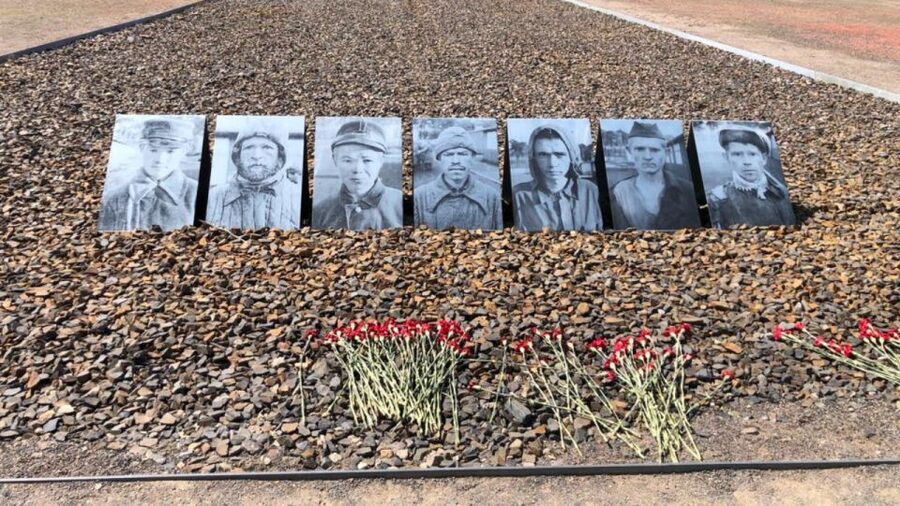
Next, the route reaches the camp cell block, described as a place shrouded in secrecy and tied to cruel mistreatment. This section matters because it broadens the story beyond the main categories many people expect.
Your guide explains that British POWs and special inmates were held here, including Stalin’s son. That inclusion gives you a clearer view of how the Nazi camp system functioned across political enemies, prisoners of war, and people targeted for reasons tied to power and control.
This part can be mentally heavy. What helps is that your guide’s tone stays careful and organized, keeping the focus on facts and context. In that way, the tour feels more like an educational walk through evidence than a dramatic performance.
A short break at the camp kitchen and the items that survive
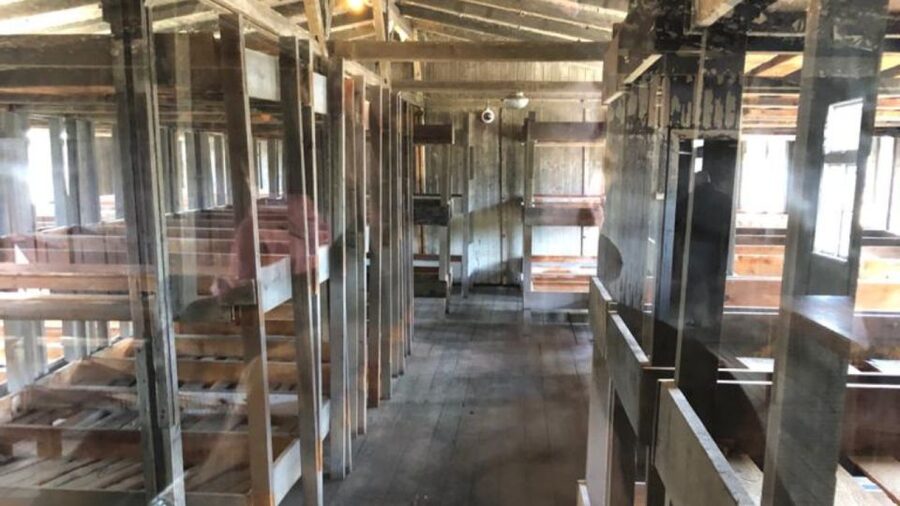
At one point, you reach the camp kitchen area. This is practical, and it’s also meaningful. You can take a short break, use the restrooms, and view an exhibition of camp items, including prisoner drawings still visible on the walls.
I like that the exhibition offers a different kind of access. It doesn’t replace the harder lessons. Instead, it adds a human layer, showing how creativity and memory could survive even under conditions designed to destroy dignity.
Also, this is the moment to reset your body. You’ll likely have a lot of standing and walking ahead, and the day is rain or shine. If you came without much food, this is a good time to grab your snacks before continuing.
The Soviet chapter: Special Camp no. 7 after WWII
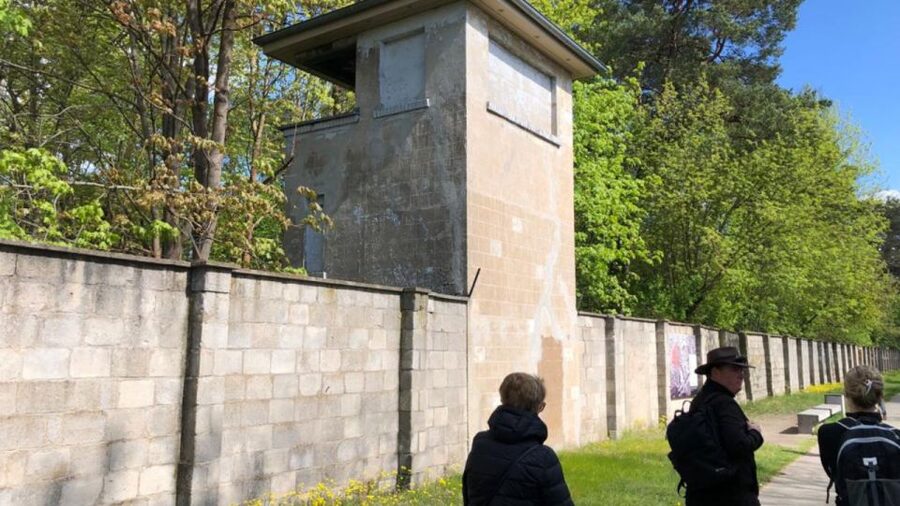
One of the most important parts of this tour happens after you think the story has ended. The memorial includes the camp’s post-war use by the Soviet Union, known as Special Camp no. 7.
Your guide explains that it remained in use, holding about 60,000 prisoners, including German POWs, convicted war criminals, and political prisoners. The tour also covers continued prisoner mistreatment, post-war conservation efforts, and the impacts on modern Germany.
I appreciate this section because it resists a simple, comforting story of good versus evil that stops when WWII ends. It forces a harder question: what happens to people and institutions when mass detention becomes normal again, under a new power?
If you’re the type who likes history that explains how modern societies learned, this is where you’ll feel it most. The tour doesn’t let the topic stay frozen in 1945.
Station Z: execution sites, gas chamber, and crematorium
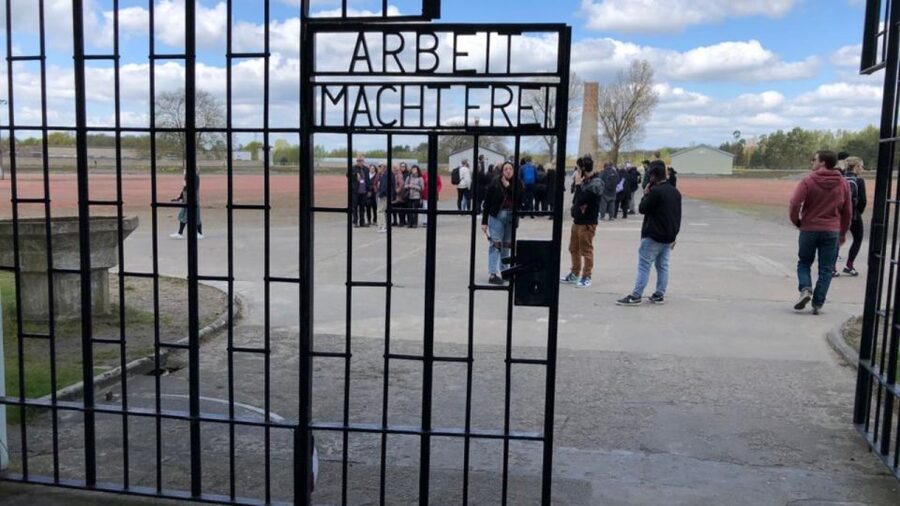
Station Z is the part most people remember long after the visit. It is described as the camp’s execution site, including the gas chamber and the crematorium. Here, your guide explains the Final Solution and the systematic murder of prison inmates.
You should expect this to be emotionally intense. The best way to handle it is to let your guide set the pace and to follow the route carefully. This isn’t a place for rushing to “get it over with.” It is a place for attention.
I also like that the tour keeps returning to the idea of system and procedure. Hearing how mass murder was carried out through planning and implementation makes it harder to treat the Holocaust as something that simply happened to history. Instead, it becomes something carried out by people in roles, inside a chain of command.
The infirmary and the question of medical experiments
Before leaving, the tour passes through the infirmary area, where prisoners were subjected to medical experiments. This part is crucial for understanding how the Nazi system abused science and medicine.
What makes this section useful is that it connects cruelty to institutions that were supposed to protect human life. Your guide’s job here is not to shock, but to clarify the reality and the moral failure involved.
If you feel unsteady at this point, that’s normal. Take a moment and breathe. If you need to step aside briefly to compose yourself, that’s something you can do, but stick close to the group so you don’t miss the guide’s explanations.
Time, pacing, and what to pack for a rain-or-shine day
The tour lasts about 5 hours total. The camp visit is about 4 hours, with roughly 30 minutes by van at the start and 30 minutes at the end. That pacing is effective, but it does leave limited time for lingering.
I think this matters for your expectations. One person noted that they wished they had extra time to view exhibits in buildings. If you tend to read every sign and spend time in museum rooms, you might find the schedule a bit brisk.
Still, this is a guided tour, so the value is in how the guide connects sites into a coherent story. You’re not just touring buildings. You’re learning why each stop matters.
What to bring is simple:
- Comfortable shoes, because you’ll be walking
- Snacks, since food options aren’t part of the described package
And check what not to do. Drones are not allowed. Alcohol and drugs are not allowed, and alcohol is not permitted in the vehicle. Bare feet are also not allowed. The day runs rain or shine, so wear layers and be ready to move in wet conditions.
Small group focus, and how guides like Matt, Tom, and Jorg change the day
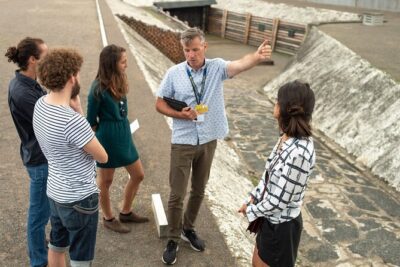
Your guide is part of the experience here. The tour is led by an English live guide, and the small group format makes it easier to ask questions and get thoughtful answers as you walk.
From what’s been reported, guides such as Matt, Tom, and Jorg tend to combine WW2 historical context with a tone that stays respectful and sensitive. That blend matters. At a place like Sachsenhausen, you want accuracy. You also want care.
I like that the tour uses the guide to examine motivations and mindsets, not just outcomes. Learning how guards and prisoners thought about what they were doing and what they faced helps you understand human behavior under pressure. It makes the history stick in a more lasting way.
Skip the ticket line, get water, and pay for real value
The price is $115 per person for a 5-hour experience. For that, you get pickup and drop-off from central Berlin, a bottle of water, a live English guide, and the ticket also includes a meaningful contribution to the camp memorial to support preservation for future generations.
That last part is the kind of value people often forget. It’s not just that you learn. Your payment also helps keep the site maintained so future visitors can learn, too.
Also, the tour is designed for convenience: you skip the ticket line, you have transport handled, and you are not trying to coordinate timing on your own. For many visitors, that alone makes the price feel reasonable.
Should you book the Sachsenhausen Concentration Camp guided tour?
Book it if you want a structured, respectful way to understand Sachsenhausen as a prototype of the Nazi concentration camp system, and you also want the post-war Soviet chapter included. The combination of daily routine details, key sites like Tower A and Station Z, and the emphasis on system and mindset makes this more than a quick history stop.
Consider skipping this format if you’re the kind of visitor who needs extra time inside exhibitions and wants a slower museum-style pace. The camp portion is about 4 hours, so you may not have the time to linger in every building.
If you want one clear takeaway, it’s this: a good guide turns a list of sites into an understanding of how a system of oppression worked. And that is exactly what this tour is set up to do.
Visiting Sachsenhausen Memorial
Everything else we filed on Berlin
- East Berlin: City of Shadows Walking Tour
★ 5.0 · 11 reviews - Berlin: Die Stachelschweine – Frank Lüdecke – Träumt Weiter
★ 4.7 · 11 reviews - Potsdam Day Trip from Berlin with a Local: Private & Personalized
★ 4.0 · 11 reviews - An Introduction to Berlin Walking Tour
★ 5.0 · 11 reviews - DJ for a Day: Learn to Mix Like a Pro in Berlin
★ 5.0 · 11 reviews - 2-H Segway Sightseeing Tour Berlin
★ 4.5 · 11 reviews
Sachsenhausen Memorial Site Tours, side by side.
 ★ 5.0Berlin: Sachsenhausen Concentration Camp Tour in EnglishFrom $365,711 reviews
 ★ 4.7Berlin: Sachsenhausen Concentration Camp Memorial TourFrom $213,716 reviews
 ★ 5.0Sachsenhausen Concentration Camp Bus Tour in English from BerlinFrom $681,962 reviews
★ 4.8Berlin: Sachsenhausen Concentration Camp Tour in EnglishFrom $221,889 reviews
★ 5.0Sachsenhausen Concentration Camp Bus Tour in English from BerlinFrom $681,962 reviews
★ 4.8Berlin: Sachsenhausen Concentration Camp Tour in EnglishFrom $221,889 reviews
 ★ 5.0Sachsenhausen Concentration Camp Memorial Tour (Max. 15 Guests)From $351,516 reviews
 ★ 4.6Berlin: Sachsenhausen Concentration Camp and Potsdam TourFrom $651,334 reviews
 ★ 5.0Sachsenhausen concentration camp.From $341,189 reviews
 ★ 5.0Visita en español al campo de concentración SachsenhausenFrom $341,170 reviews
Other lists this tour is on