
REVIEW · TICKETS
Berlin: The Feuerle Collection Guided Tour and Entry Ticket
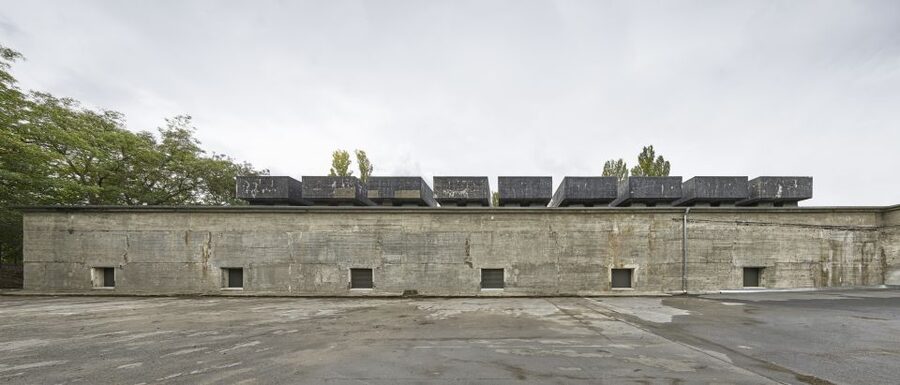
A museum inside a WWII bunker can feel like a secret. This 1-hour, English-guided visit to The Feuerle Collection turns stone rooms into a focused art conversation, with the building itself doing half the work. What I like most is how the setting keeps things calm, so the art lands without noise.
I also love the way the tour explains why the collection connects distant worlds, from Désiré Feuerle’s Asian art selections to contemporary artists like Nobuyoshi Araki and Adam Fuss. One possible drawback is simple: it’s short. If you want to linger for 20 minutes in one room, you may feel the tour moves on too quickly.
In This Review
- Key things to know before you go
- Stepping into a WWII bunker that feels like part of the art
- What the 1-hour guided tour actually covers
- Imperial Chinese furniture: the surfaces you will keep looking at
- Khmer sculptures and ancient Southeast Asian art: a different kind of focus
- Contemporary art next: why Araki and Fuss work here
- John Pawson’s light design and the underground lake
- Practicalities that affect your comfort: rules, phones, and timing
- Price and value: is $25 for one hour a fair deal?
- Who this tour is perfect for, and who should skip it
- Should you book the Feuerle Collection guided tour?
- FAQ
- How long is the Feuerle Collection guided tour?
- Where do I meet for the tour?
- What is included in the ticket price?
- Is the tour available in English?
- Are cameras or phones allowed?
- Is the tour suitable for children?
- Is it wheelchair accessible, and can I cancel for a refund?
Key things to know before you go
- A one-hour guided route that actually tells you what you’re looking at
- Imperial Chinese furniture plus Khmer sculpture, shown with modern art in mind
- John Pawson’s bunker redesign, with quiet, light-driven gallery design
- An underground lake integrated into the architecture and display
- Rules that keep the space distraction-free, including no cameras and no phones
Undecided? The closest Berlin write-ups we have are these.
- Berlin: Reichstag, Dome and Government District Guided Tour★ 4.7 · 18,288 reviews
- Berlin: 1-Hour City Tour by Boat with Guaranteed Seating★ 4.3 · 16,993 reviews
- Berlin: Boat Tour Along the River Spree★ 4.4 · 11,252 reviews
- Discover Berlin Half-Day Walking Tour★ 5.0 · 9,624 reviews
Stepping into a WWII bunker that feels like part of the art
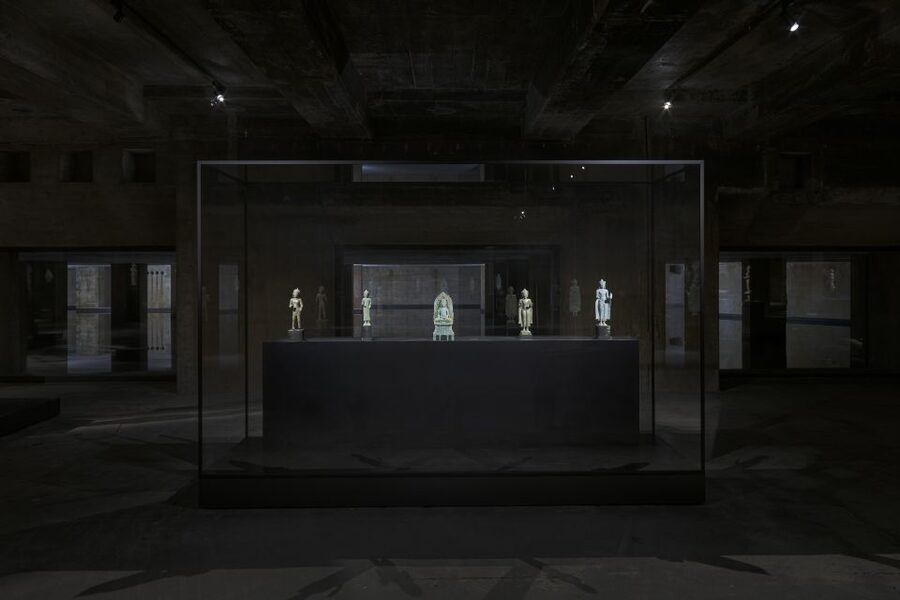
This is not a typical “white box” museum stop. You enter a former World War II telecommunications bunker, then walk into a space designed to slow your eyes down and guide your attention. The effect is practical and real: when the room is quiet and intentional, you stop scanning and start noticing.
The building was renovated by John Pawson, and you can feel that design thinking in how the galleries are lit and paced. Even if you are not an architecture person, it changes your visit. You get a sense that the art was planned with the space, not just placed inside it.
And yes, it’s a guided tour, not a loose self-guided wander. That matters in Berlin, where lots of museums are either too fast or too overwhelming. Here, you get enough structure to make sense of what you’re seeing, while still having time to look closely at details like materials, surfaces, and textures.
If you like museums that feel curated by ideas rather than by categories, this one fits. If you hate rules, take note up front: phones and cameras are not allowed, and you will want to plan your day around that.
What the 1-hour guided tour actually covers
The tour is built around a walking route that takes you through the major highlights without turning it into a sprint. You meet at the entrance of The Feuerle Collection, then follow your guide through the galleries.
You start with the collection itself: a combination of antique objects and contemporary artworks that are meant to talk to each other. The guide’s job is not just to list names. They help you connect what you’re seeing to why Désiré Feuerle brought these objects together in the first place.
From there, you move through areas featuring Imperial Chinese lacquer and stone furniture, followed by ancient Southeast Asian works including Khmer sculptures from the 7th to the 13th century. Expect to spend real time with form and material. You’ll be encouraged to compare textures, proportions, and craftsmanship across centuries.
Then the tour shifts into the modern layer: contemporary artists such as Nobuyoshi Araki and Adam Fuss appear next to the antiques. The point is contrast, but not randomness. You’re meant to notice how similar ideas about presence, surface, and meaning show up in very different time periods.
By the end, you’ve seen the highlights plus the “why.” That’s the value of a guided hour here. You leave understanding the structure of the collection, not just the objects you saw.
Imperial Chinese furniture: the surfaces you will keep looking at
One of the strongest reasons to book this tour is the Imperial Chinese furniture. It’s not presented as a background detail or a decoration corner. You actually get to slow down and look at how the objects are built and finished.
In the Imperial Chinese section, you’ll see intricate lacquer work and also stone furniture examples. These surfaces reward a careful pace. Lacquer can look almost alive when the lighting is right, and the level of finish matters. The guide’s commentary helps you notice what you might miss on a quick glance, like how the craftsmanship supports the overall visual effect.
What I like about pairing furniture with the rest of the collection is that furniture is practical to understand. You don’t need a PhD to appreciate it. You can see how forms are balanced, how decoration is placed, and how the object would have shaped a room.
In a lot of museums, “furniture” can feel like an awkward label. Here, it feels central to the conversation, especially because the building design and lighting are meant to highlight objects, not overpower them.
If you’re the kind of visitor who likes texture, close-looking, and material detail, you’ll probably get extra enjoyment. And if you normally skip “decorative arts,” consider this a good test case. The Imperial Chinese pieces are presented with enough attention that they stop being filler and start being the main event.
Khmer sculptures and ancient Southeast Asian art: a different kind of focus
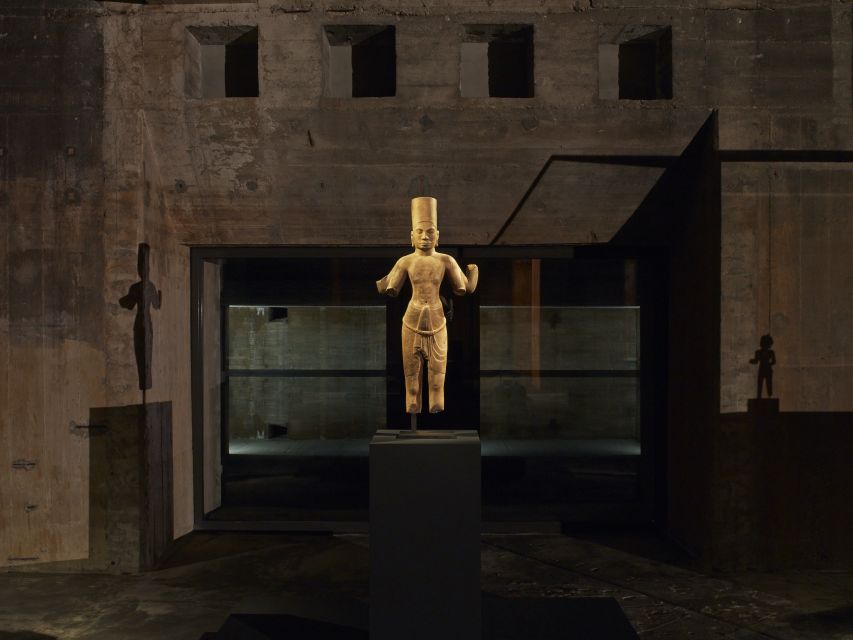
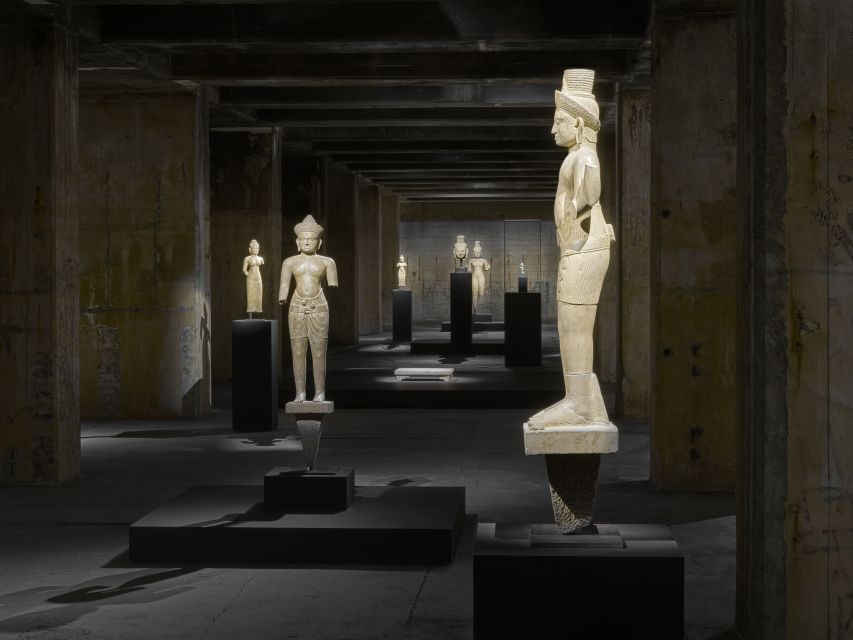
After the Chinese furniture, the tour leans into Southeast Asian art, including Khmer sculptures from the 7th to the 13th century. This is where the collection shows its confidence: it brings together stone, bronze, and wood works and asks you to look at what changes across medium.
Khmer sculpture can be dramatic even when you’re not chasing religious meanings. Look for the way the figures are shaped, the carving details, and how the overall form holds up from different angles. The time period range tells a bigger story of skill and continuity, but the tour keeps it grounded in what’s in front of you.
This part of the visit is especially valuable if you like museums that avoid a “single timeline” approach. Instead of treating art history like a straight line, you see objects as living craftsmanship. Different materials make you look differently too. Bronze catches light differently than stone. Wood and its wear tells a different story than a surface carved from rock.
The tour’s guided approach helps you compare these pieces rather than treating them as separate rooms of unrelated treasures. You’ll likely find yourself moving from one object to the next with an eye for similarities in proportions and craftsmanship.
Just remember the pace is fixed. You might want 20 minutes in one Khmer sculpture corner. The tour gives you a solid, thoughtful look, but it is still only one hour total.



Contemporary art next: why Araki and Fuss work here
Here’s where the collection gets interesting in a way that’s not just marketing. The tour places contemporary artists like Nobuyoshi Araki and Adam Fuss in conversation with older works. That could sound like a gimmick, but in practice it functions like a lens.
The guide explains how Désiré Feuerle pioneered juxtaposing antiquities with contemporary art. The key word is juxtaposing, meaning the museum wants you to compare, not just admire. When you stand between time periods, you notice recurring questions. How does an artist handle surface? How does scale affect emotion? How does an object become present in a room?
Araki and Fuss are recognizable enough that many visitors already feel a small familiarity, even if you don’t know their whole bodies of work. In this museum setting, that familiarity is useful. It helps you bridge from what you already know to what you’re seeing with fresh eyes.
The best moment is often the comparison stage. When you shift from an antique object into a contemporary piece, you start reading the modern work through the earlier craftsmanship and vice versa. That’s the whole point of the tour.
If you’re a contemporary art fan, you’ll like that the museum doesn’t shove it aside for “the real art.” If you’re more of an old-master or artifact person, you still get value because the contemporary works are treated as part of the same visual argument.
John Pawson’s light design and the underground lake
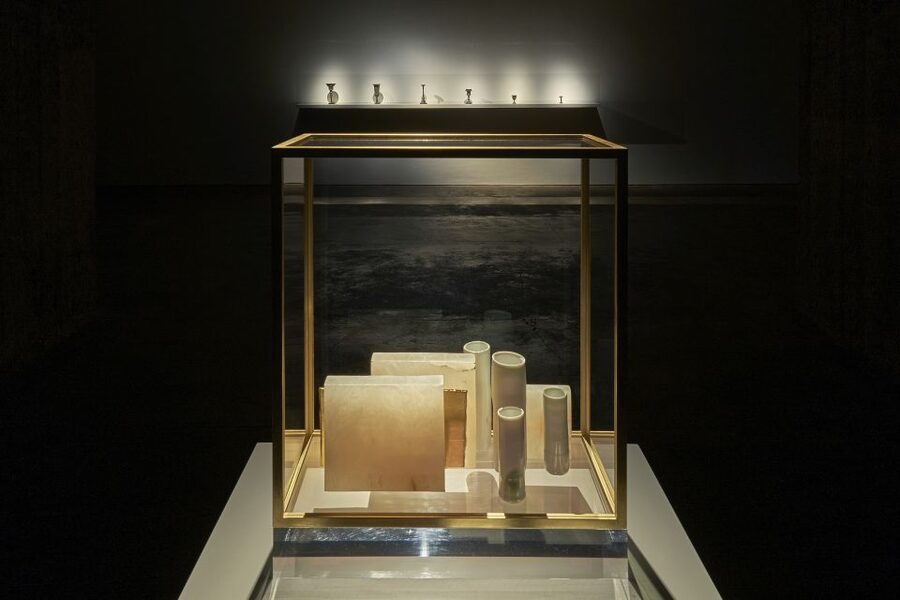
The building is not just a container here. The renovated bunker and its light design shape your experience at every step.
One of the signature features is the underground lake. It’s integrated into the museum environment so it feels like part of the architecture and display, rather than a random installation. You’re not just walking by a hallway water feature. You are encountering it as a designed element that interacts with sight lines and lighting.
Even without a background in architecture, you’ll probably notice the mood shift. That kind of design can change how you perceive the art. Light can make lacquer gleam, it can change the shadows inside carved stone, and it can also make you feel calmer as you move.
This is also where the tour length helps. In one hour, you get enough of the space’s emotional pacing to understand what the designers were aiming for, without turning the visit into a half-day project. It’s a compact, strong sequence.
One practical thing: since cameras and phones are not allowed, rely on your eyes. If you came to Berlin expecting to document everything, adjust your plan. The lake and lighting are exactly the kind of scene where taking pictures might be tempting, and the rules prevent that.
And one note based on real-world experience: sometimes a named room feature may not be available during certain visits. If you have a strong expectation about a specific component, keep your expectations flexible and treat the tour as the dependable core, not as a checklist.
Practicalities that affect your comfort: rules, phones, and timing
This tour is built for quiet looking. That explains the strict rules: no pets, no food and drinks, no video recording, no cameras, no cellphones, and no touching exhibits. In other words, the museum is protecting both the art and the atmosphere.
Before you go, set your phone to stay out of sight. Even having it in your hand can feel awkward. Bring only what you truly need for the walk, like a small bag with essentials you’re allowed to carry.
Also note the pace. The duration is 1 hour, and that’s the whole guided experience. One detail to consider: on shorter-than-expected runs, the visit can feel compressed. If your goal is “slow museum time,” this might not satisfy you. If your goal is “see the highlights with context,” it’s a strong match.
The tour is also not suitable for children under 16. That’s not a complaint, it’s a fit check. The museum experience depends on quiet attention, and the rules reinforce that.
The good news: it’s wheelchair accessible. If mobility access is part of your planning, you can feel more confident that you won’t be shut out.
Price and value: is $25 for one hour a fair deal?
At $25 per person for a one-hour guided tour, the value depends on what you want from a museum visit.
If you just wanted to wander, you’d still be paying to enter and see the space. The real value here is the guide plus the way the collection is structured into a conversation across cultures and eras. When you understand why Désiré Feuerle put these objects together, the visit clicks. Without that context, it can become “lots of interesting things,” not “a clear idea you can carry with you.”
The guided approach also saves you mental effort. Berlin offers many museums, and some require you to piece together context on your own. In this tour, the explanations are part of the product. It’s practical for visitors who want an art experience but don’t want to spend the whole day reading labels.
One more value point: the building itself. You’re paying not only for art, but for a designed architectural experience, including the light planning and the underground lake. The bunker setting makes the visit feel more special than an ordinary gallery.
The main tradeoff is time. A one-hour route means you might not go as slow as you’d like. If you are the type who needs 45 minutes with one object, you might want extra time in Berlin’s museums elsewhere after this.
Who this tour is perfect for, and who should skip it
This guided visit is ideal if you:
- Like museums where the guide meaningfully helps you interpret what you see
- Enjoy connections across time periods, not just chronological “greatest hits”
- Want a compact Berlin activity that feels thoughtful, not rushed by crowds
You might think twice if you:
- Prefer long museum stays where you can drift without a fixed route
- Need to take photos or record video for your own review, because cameras and phones are not allowed
- Are traveling with kids under 16, since the tour is not suitable for that age group
If you’re a solo traveler, it can be a great reset. The rule set keeps the experience quiet, and the guided hour gives you a sense of direction. If you’re visiting as a couple or small group, it’s a nice shared experience because the explanation helps you both notice the same things.
And if you love architecture, you’ll likely enjoy how John Pawson’s renovation becomes part of the story, not just the backdrop.
Should you book the Feuerle Collection guided tour?
If you want a high-signal museum experience in Berlin, I’d book it. For $25 and one guided hour, you get more than objects. You get the logic behind the collection: how Imperial Chinese furniture, Khmer sculpture, and contemporary art by artists like Nobuyoshi Araki and Adam Fuss can be read as part of one conversation.
It’s also one of those rare museum visits where the environment matters. The WWII bunker setting, the light design, and the underground lake make the visit feel intentional from the moment you walk in.
Just be honest about your pace needs. If slow looking is your main style, plan for extra time elsewhere. If you want a focused, guided art hour that feels calm and well explained, this is a strong choice.
FAQ
How long is the Feuerle Collection guided tour?
The tour lasts 1 hour.
Where do I meet for the tour?
You meet at the entrance of The Feuerle Collection.
What is included in the ticket price?
The ticket includes a guide, the museum tour, and the entrance ticket to The Feuerle Collection.
Is the tour available in English?
Yes. The live tour guide is English.
Are cameras or phones allowed?
No. Video recording is not allowed, and cameras and cellphones are not allowed.
Is the tour suitable for children?
It is not suitable for children under 16 years.
Is it wheelchair accessible, and can I cancel for a refund?
It is wheelchair accessible. There is free cancellation up to 24 hours in advance for a full refund.
Everything else we filed on Berlin
- East Berlin: City of Shadows Walking Tour
★ 5.0 · 11 reviews - Berlin: Die Stachelschweine – Frank Lüdecke – Träumt Weiter
★ 4.7 · 11 reviews - Potsdam Day Trip from Berlin with a Local: Private & Personalized
★ 4.0 · 11 reviews - An Introduction to Berlin Walking Tour
★ 5.0 · 11 reviews - DJ for a Day: Learn to Mix Like a Pro in Berlin
★ 5.0 · 11 reviews - 2-H Segway Sightseeing Tour Berlin
★ 4.5 · 11 reviews
Tickets, side by side.
 ★ 4.7Dresden: Semperoper Tickets and Guided TourFrom $1812,102 reviews
 ★ 4.5Berlin: Jewish Museum Berlin Entrance TicketFrom $08,393 reviews
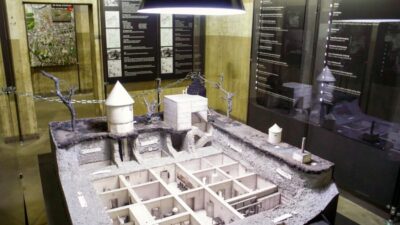 ★ 4.6Berlin: Berlin Story Bunker Entry TicketFrom $216,759 reviews
 ★ 4.7Hamburg: Hamburg Dungeon Admission TicketFrom $335,745 reviews
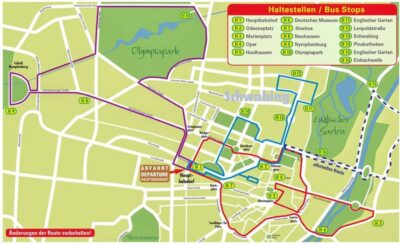 ★ 4.3Munich Hop-On Hop-Off Tour: 1-Day or 2-Day TicketFrom $274,161 reviews
 ★ 4.1Berlin: Illuseum Berlin Entrance TicketFrom $183,970 reviews
 ★ 4.6Berlin: Madame Tussauds Admission TicketFrom $253,941 reviews
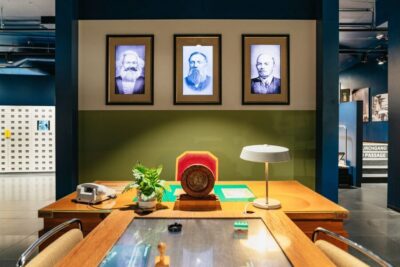 ★ 4.3Berlin: DDR Museum TicketsFrom $153,443 reviews