
REVIEW · DACHAU
Dachau Small-Group Half-Day Tour from Munich By Train
Nazis in power. Dachau after the gates.
This small-group half-day tour gives you a guided, educational look at the Dachau Concentration Camp Memorial Site, plus round-trip train time from Munich. I like that it is structured enough to make sense, yet paced so you are not just sprinting through dark rooms and outdoor paths.
Two things I’d put at the top of your checklist are the licensed guide and the included train ride from Marienplatz. Guides like James and Samuel are singled out for keeping the group together, explaining clearly, and handling the material with real care. One possible drawback: for a place this heavy, you may want more quiet time inside museums and exhibits than the tour’s timing allows.
In This Review
- Why This Tour Works for Your Time in Munich
- What I Like Most
- One Thing to Plan For
- Key Highlights to Expect
- Leaving Marienplatz at 9:00, and Getting There Smoothly
- The Dachau Story You’ll Actually Be Taught on the Grounds
- The Early Nazi Rise, From Politics to Persecution
- Inside the Camp System: Gates, Phases, and Prisoner Categories
- Liberation, Aftermath, and Why 1965 Matters
- Comfort Prep: What to Wear, How Long You’ll Be Outside
- Guide Style, Pacing, and Why Small Groups Matter at Dachau
- Price and Value: What Your $60.46 Actually Buys
- Should You Book This Dachau Tour?
- FAQ
- Where does the tour meet in Munich?
- What time does the tour start, and when should I arrive?
- How long is the tour?
- Is the tour offered in English?
- Is admission to the memorial included?
- Are food and drinks included?
- Is there an age limit for the guided tour?
- How large is the group?
- Are service animals allowed?
- Can I cancel for a full refund?
Why This Tour Works for Your Time in Munich
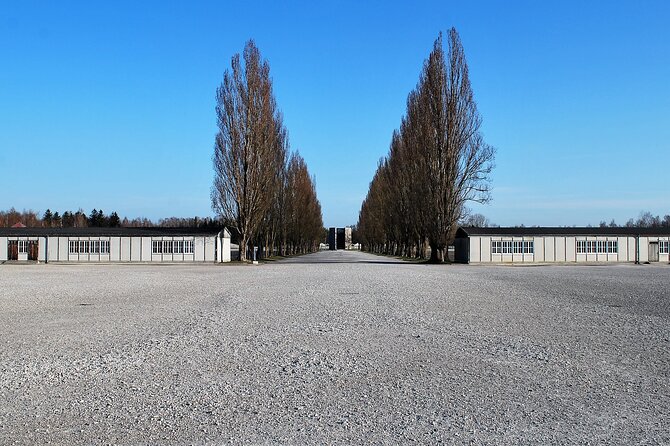
You meet in central Munich, then head out with your authorized guide to Dachau. The tour covers all public-access areas of the memorial grounds, with historical context built in so the site does not feel like a checklist of stops, but a connected story.
The other Dachau Memorial visits we reviewed
- Dachau Concentration Camp Memorial Site Tour from Munich by Train★ 4.5 · 5,637 reviews
- From Munich: Dachau Memorial Site Day Tour★ 4.8 · 2,723 reviews
- From Munich: Dachau Memorial Site Half-Day Trip★ 4.7 · 2,526 reviews
- From Munich: Dachau Memorial Site Full-Day Tour★ 4.9 · 1,406 reviews
What I Like Most
- Guided history that stays respectful and clear, including the rise of the Nazi party, how camps were organized, and what Dachau became over time.
- Smooth Munich-to-Dachau logistics, with round-trip public transport built in, so you spend less time figuring trains out and more time where it counts.
One Thing to Plan For
- You will get some time to read inside, but if you want to linger for long museum reading, you may need to do extra self-guided time afterward.
Key Highlights to Expect
- Small group (max 20) for a calmer pace and easier questions
- Licensed professional guide who explains what you are seeing, not just where it is
- Round-trip train from Marienplatz to keep the trip simple
- Full guided walkthrough of public areas at Dachau Concentration Camp Memorial Site
- Major historical themes tied to specific ground-level locations, from the Nazi rise to 1965 memorial developments
- A serious, somber tone handled with compassion and clear boundaries
Leaving Marienplatz at 9:00, and Getting There Smoothly
This tour starts in the center of Munich, at Marienplatz 15. Departure is at 9:00 am sharp, and you should arrive by 8:45. The check-in window is tight, so treat it like a flight, not a casual morning stroll.
The big value here is that you are not left to assemble your own public-transport puzzle. Round-trip public transport costs are included, and you travel with your authorized guide. In practice, that means less standing around with confusion, more time moving as a group, and fewer moments where you have to wonder whether you are headed in the right direction.
A small-group setup helps too. With a maximum of 20 travelers, it is easier for a guide to keep everyone together. The experience also tends to run with a careful flow, so when there are short waits for the next leg, the guide can use that time to keep the group oriented with background you will want once you reach the memorial grounds.
If you are traveling with limited mobility or you simply hate rushed logistics, this structure is a relief. Just do yourself a favor and build in time at the start so you do not start the day stressed.
More trips by rail from Munich
The Dachau Story You’ll Actually Be Taught on the Grounds
The tour is built around the idea that Dachau is not just a single tragedy, but a system that grew, changed, and influenced what came next. You are guided through all areas accessible to the public, with history threaded to the places you see.
You cover the timeline that matters. You start with the rise of Adolph Hitler and the Nazi Party throughout the 1920s, moving up to his appointment as Chancellor in 1933. Then you move into the trigger-era events that helped harden Nazi power, including the burning of the Reichstag and the formation of concentration camps.
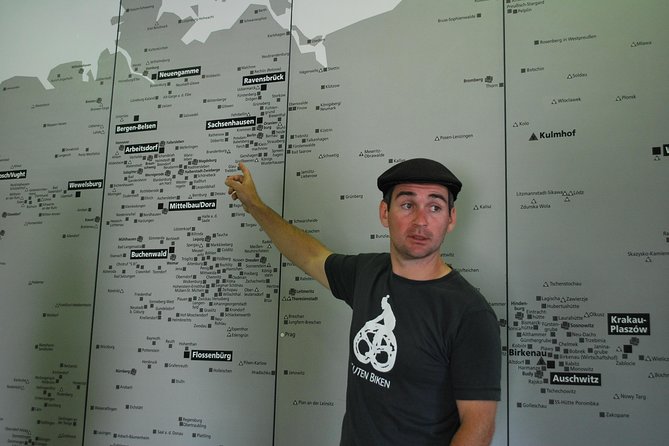
From there, the guide brings you into the camp as an evolving machine. You will learn about Dachau’s role as a model for other camps, the three major phases of the camp system, and the purpose of Nazi infrastructure inside the camp, including the SS training facility.
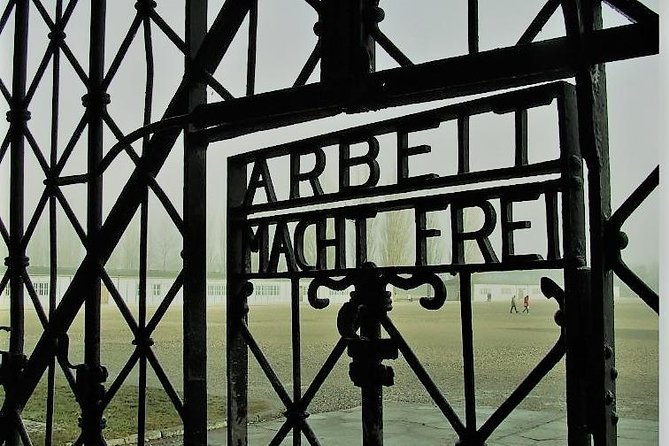
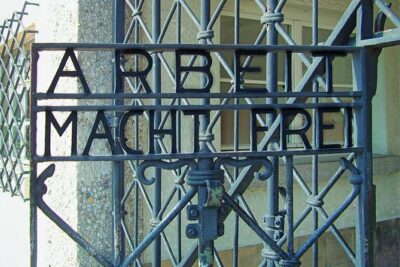
You also get the “why does this place look like this?” layer. That includes the Jourhaus, the main gate house, and the infamous slogan ARBEIT MACHT FREI. Even if you have seen that text in photos, it hits differently when you are standing where it was meant to control people.
Finally, the tour brings you through Dachau beyond 1945. You hear about liberation and the aftermath, and what happened between 1945 and the unveiling of the Documentation Center in 1965. That arc matters because it shows how memory and documentation were built after the horror, not just the horror itself.
The Early Nazi Rise, From Politics to Persecution
One of the hardest parts of learning about Dachau is that it is easy to treat it like a sudden evil. This tour fights that instinct by starting earlier, in the political story that made the camp possible.
You will walk through how the Nazi movement grew through the 1920s and into 1933, and you connect it to actions like the burning of the Reichstag. The point is not just dates. It’s how a political project built momentum, then used violence and repression to reshape society.
It also helps that your guide is there to connect the dots while you are physically at the memorial. When you see how camps functioned, you start to recognize the logic behind the machinery, and you understand why the system relied on categorizing people, controlling movement, and stripping away personal identity.
This section can be heavy going, but it is also what makes the Dachau experience more than a visit to old buildings. It turns the site into a lesson you can carry forward.
Inside the Camp System: Gates, Phases, and Prisoner Categories
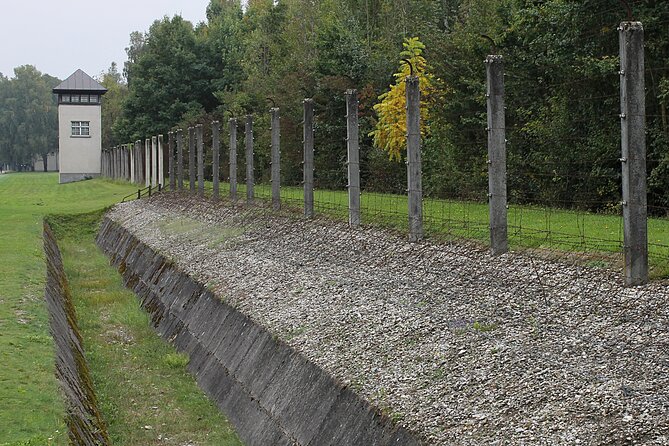
Once you’re at Dachau, the tour focuses on how the camp system was organized. This is where the memorial becomes more than symbolic. It becomes structural.
You’ll learn about the three major phases of the camp system, which helps you see that the camp did not stay frozen in one moment. It evolved in purpose and in how it operated.
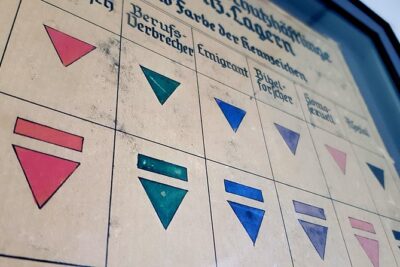
You also cover the registration of prisoners and the ways they were categorized. Categories and classification matter because they show how the Nazis turned human beings into records, then into targets. The tour includes the specifics of prisoner categories and how people were identified.
A key moment you will hear about is Kristallnacht in 1938, the pogrom against Jews, which marked a major influx of Jewish prisoners into Dachau. Hearing this in context of the grounds makes the timeline feel less abstract. You are not just reading about a historical event. You are seeing the place it changed.
And yes, you will talk about the main gate house and ARBEIT MACHT FREI slogan. It is a brutal detail, but it is also part of the camp’s control. It represents the cruel lie that labor meant redemption.
If you like your history grounded in what you see, this is the section you will appreciate most. It gives you a framework so that when you look at remaining structures and memorial markers, you have something in your head besides shock.
Liberation, Aftermath, and Why 1965 Matters
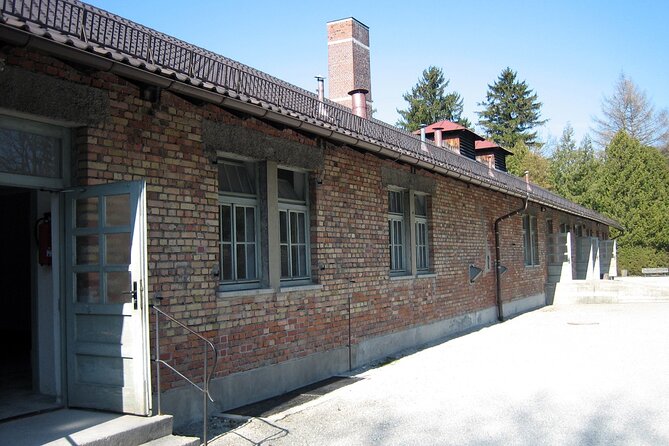
A lot of people expect a camp story to stop at liberation. This tour goes further, and that is a real benefit.
You’ll get guided explanation of liberation of the camp and the aftermath, including what the world faced once the war ended and survivors were left with both trauma and unanswered questions. Then you continue with what happened after the immediate crisis.
You also learn about the period between 1945 and the Documentation Center’s unveiling in 1965. That time span matters because it shows that remembering is not automatic. It takes work, decisions, and preservation. It’s easy to forget that memorial sites are not just leftovers, they are shaped over time by how a society chooses to tell the story.
This section can feel like a shift in mood, but it is still part of the same lesson. Dachau is about how people suffered, and it is also about how truth survived long enough to be documented and shared.
Comfort Prep: What to Wear, How Long You’ll Be Outside
This experience is a mix of indoor and outdoor parts. So check the weather and dress like you plan to be outside in real conditions. You should plan for walking on surfaces that can include gravel and cement, so comfortable shoes are not optional.
Also plan your snacks. Refreshments and snacks are not available during the tour. The good news is that you can purchase them at multiple places near where you meet. If you start the day hungry, you will feel it more here than on a typical sightseeing tour.
For many people, the emotion arrives fast. It is not just sadness, it is also the weight of realizing this is not a movie set. The moment you pass key points on the grounds, the atmosphere becomes intense. I suggest you pace yourself internally. Take breaks when you need them, and do not feel pressured to force your way through.
One more important note: the memorial site does not allow children under 14 to join guided tours. If you are traveling as a family, this is the deciding factor.
Guide Style, Pacing, and Why Small Groups Matter at Dachau
In places like this, the quality of the guide is not a luxury. It’s part of the experience.
The guides associated with this tour are repeatedly described as professional, respectful, and able to keep the group moving without turning the memorial into a race. You may hear answers to questions on the spot, and the guide can adjust as crowds build. That means you spend more time learning at the right spots and less time stuck waiting for other groups to pass.
Pacing also matters. Some people want time to read every museum panel. Others want the structure of a guided explanation. The balance here is set for a 5 hour visit, so you may get a few minutes to explore on your own inside exhibits, but the main value comes from the guided interpretation.
If you are the kind of person who learns best by asking questions while you stand in the space where history happened, small group size and a guide you can hear makes a difference.
If you are sensitive to crowds, the fact that the group is capped at 20 travelers can help you feel less overwhelmed while still getting the benefit of a guided route.
Price and Value: What Your $60.46 Actually Buys
At about $60.46 per person for roughly 5 hours, this is not a low-cost “grab and go” activity. What makes it good value is what is included.
You get:
- A fully licensed professional guide
- Round-trip public transport from central Munich
- Admission ticket free for the memorial experience portion
What is not included is food and drinks, so you need to plan your own snack stop before you head out.
For Munich, this price often feels fair because you are paying for the guide’s ability to connect locations to meaning. Without a guide, Dachau is still important, but it is much easier to lose the timeline and the “how the system worked” details. Here, you get the structure you need to understand what you are seeing.
Also, a group cap of 20 travelers helps keep the experience human-scale. That matters at a site like this, where you want a calm environment to process what you are learning.
Should You Book This Dachau Tour?
If you want a guided, respectful way to understand how the Nazi concentration camp system worked, this tour is a strong choice. It is especially good for you if you have limited time in Munich and you want someone to handle the route out of the city and the historical connections once you arrive.
Book it if:
- You want a guided walkthrough of public areas, with clear historical context
- You value small-group pacing and a guide who can answer questions
- You prefer built-in train transport rather than planning it yourself
Skip it or think twice if:
- You expect plenty of unstructured time to read every indoor display at your own speed
- You are traveling with children under 14, because guided tours are not allowed
If you are prepared for a sobering day, you will leave with a much clearer understanding of how Dachau functioned, how the camp evolved, and why remembering is so carefully done.
FAQ
Where does the tour meet in Munich?
The meeting point is Marienplatz 15, 80331 München, Germany.
What time does the tour start, and when should I arrive?
The tour starts at 9:00 am, and you should arrive by 8:45 since the tour leaves on time and cannot wait for late arrivals.
How long is the tour?
The duration is about 5 hours.
Is the tour offered in English?
Yes, it is offered in English.
Is admission to the memorial included?
Yes. The memorial site admission ticket is listed as free for this experience.
Are food and drinks included?
No. Food and drinks are not included, and refreshments and snacks are not available during the tour.
Is there an age limit for the guided tour?
Yes. The memorial site will not allow children under 14 to join guided tours.
How large is the group?
The tour has a maximum of 20 travelers.
Are service animals allowed?
Yes, service animals are allowed.
Can I cancel for a full refund?
Yes, free cancellation is available. You can cancel up to 24 hours in advance of the experience start time for a full refund.
By Rail From Munich
Visiting Dachau Memorial Site
Everything else we filed on Munich
- Munich Beer and Bavarian Bites Private Tour
★ 5.0 · 11 reviews - Private Day Trip from Munich to Neuschwanstein and Linderhof
★ 4.0 · 11 reviews - Private Munich Old Town Walking Tour – with optional Breakfast
★ 5.0 · 11 reviews - Festive Concert in the All-Saints Court Church
★ 4.6 · 11 reviews - Private Castle Tour from Munich: Neuschwanstein, Hohenschwangau, and Linderhof
★ 4.5 · 12 reviews - Munich: Oktoberfest Big Beer Tent Evening including table reservation
★ 4.8 · 12 reviews
Dachau Memorial Site Tours, side by side.
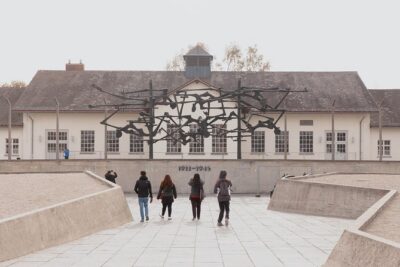 ★ 4.5Dachau Concentration Camp Memorial Site Tour from Munich by TrainFrom $645,637 reviews
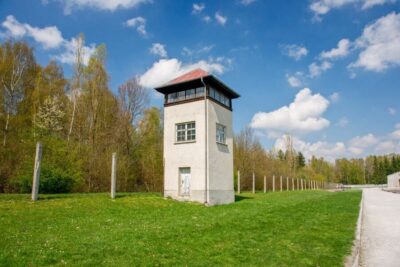 ★ 4.8From Munich: Dachau Memorial Site Day TourFrom $492,723 reviews
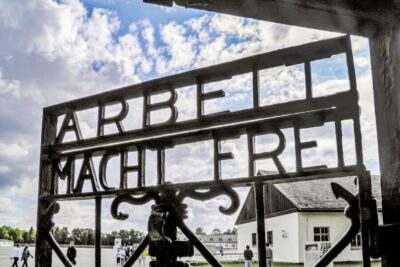 ★ 4.7From Munich: Dachau Memorial Site Half-Day TripFrom $622,526 reviews
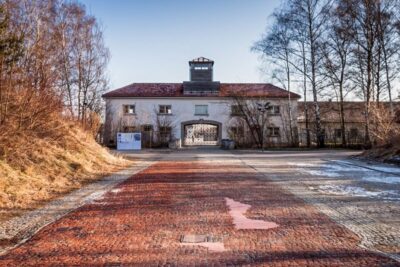 ★ 4.9From Munich: Dachau Memorial Site Full-Day TourFrom $511,406 reviews
 ★ 4.5Dachau Concentration Camp Memorial Tour with Train from MunichFrom $56955 reviews
 ★ 5.0Early-Start Dachau Memorial Half-Day Tour from MunichFrom $62942 reviews
 ★ 5.0Guided Dachau Concentration Camp Memorial Site Tour with Train from MunichFrom $90920 reviews
 ★ 5.0Full-Day Dachau Concentration Camp Memorial Site Tour from MunichFrom $48897 reviews
Other lists this tour is on