
REVIEW · MUSEUMS
Dresden: Albertinum Museum Entry Ticket
Rodin hits you right at the start. At the Albertinum, you get a smart mix of painting and sculpture, plus a timeline that stretches from German Romanticism to contemporary works, including Rodin’s The Thinker and masterpieces by Caspar David Friedrich. It is the kind of museum walk where one room changes your idea of what art can do.
Two things I particularly like: the way the museum puts iconic names in conversation with later ideas, and the chance to spend time with sculpture in a setting built for it. One caution, especially if you are visiting in April, is that the 2nd floor is closed from 07th April until 17th April due to technical construction work, so you may miss some works displayed there.
In This Review
- Key Things You’ll Notice at Albertinum
- Albertinum Entry Ticket: A One-Day Museum That Blends Paint and Sculpture
- Starting Point: Rodin’s The Thinker Sets the Tone
- Galerie Neue Meister: Romanticism Through Contemporary Styles
- Skulpturensammlung from 1800 Onward: Lehmbruck and the Power of Form
- Modern Art in Practice: Birgit Diecker and Tony Cragg’s Material Puzzle
- When the 2nd Floor Closes in April, Here’s What to Do
- What to Bring: Shoes and a Camera for the Big Moments
- Price and Value: Is $16 for Albertinum Worth It?
- Who This Museum Visit Suits Best
- Should You Book This Albertinum Entry Ticket?
- FAQ
- How much is the Albertinum entry ticket?
- How long is the ticket valid?
- What collections and time periods can I see with this entry ticket?
- Is anything closed at the Albertinum?
- What should I bring for my visit?
- Is the Albertinum wheelchair accessible?
- Do children get free entry?
- Is free cancellation available?
- Where can I check the latest opening hours?
Key Things You’ll Notice at Albertinum
- Rodin first, orientation fast: You start with The Thinker by Auguste Rodin, a great anchor for the whole visit.
- German Romanticism to today: You are looking at art spanning Romanticism through contemporary periods.
- Caspar David Friedrich is a centerpiece: Expect to find major works by one of Germany’s best-known Romantic artists.
- Sculpture collection from 1800 onwards: The Skulpturensammlung covers sculpture through changing eras.
- Modern materials that make you look twice: Tony Cragg’s mathematically stacked cube uses wood, fabric scraps, and loose-leaf binders.
More collections to walk through in Dresden
- Dresden: Guided Walking Tour and Chocolate Museum Ticket★ 4.5 · 385 reviews
- Dresden: Dresden Transport Museum Entrance Ticket★ 4.6 · 189 reviews
- Dresden: Albertinum Museum Entry Ticket★ 4.5 · 149 reviews
- Dresden: Ticket + Tour Gallery Old Masters★ 5.0 · 107 reviews
Albertinum Entry Ticket: A One-Day Museum That Blends Paint and Sculpture
The Albertinum is one of those Dresden museums that works best when you treat it like a slow walk, not a checklist. With this Albertinum entry ticket, you can move through two big tracks inside: the Galerie Neue Meister (New Masters Gallery) and the Skulpturensammlung (Sculpture Collection). The result is a visit that feels like one continuous conversation between artists, materials, and time periods.
What makes this ticket a good value is the range you get without needing multiple admissions. You can see work stretching from the 19th century all the way to the present day, with a particular emphasis on the bridge between Romanticism and contemporary art. The museum also leans into an idea that is easy to remember while you walk: it is a place where painting meets sculpture, East meets West, and today meets tomorrow.
For you, that matters because you are not stuck choosing between “a painting museum” and “a sculpture museum.” Instead, you get both, and you can compare how different artists solve the same problems, like emotion, form, and meaning, using totally different tools.
Starting Point: Rodin’s The Thinker Sets the Tone
The most helpful detail here is that the first work you will see is The Thinker by Auguste Rodin. That matters more than it sounds. When you meet a famous sculpture right away, you automatically start looking differently. You notice texture, weight, stance, and the way light turns the surface into a living thing.
From that first encounter, the museum can feel like it is teaching you how to watch. You begin with a work that has become a symbol in popular culture, then you follow the galleries as the style ideas keep shifting. That is when the Albertinum’s structure really pays off for a visitor: you spend less time wondering what to do, and more time noticing what changed between the 19th century and now.
If you care about the big names, this is also a strong start. Rodin’s The Thinker is not just a showpiece. It is a reference point that makes later sculpture and later artistic experiments easier to read, because you have already felt what sculpture can do in physical space.
Galerie Neue Meister: Romanticism Through Contemporary Styles

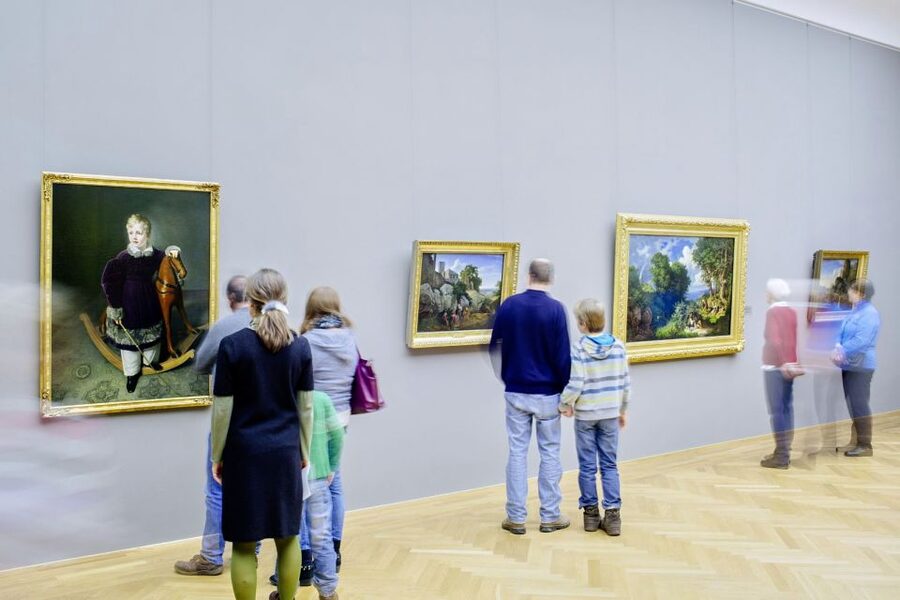
The Galerie Neue Meister is where the “paint plus ideas” side of the Albertinum becomes clear. You are looking at art from the Romanticism to Contemporary periods, not just one tidy slice of time. That gives you a sense of how German artists moved from dramatic emotional expression into modern questions about form, perception, and meaning.
Caspar David Friedrich is one of the big reasons to choose this ticket. He is a key German Romantic artist, and his work fits naturally in this museum’s timeline. You will see how Romantic art leans into mood and atmosphere, then you can compare it with later works that treat the artwork less like a window and more like a constructed statement.
As you go, you will likely notice that the museum does not force a single storyline. Instead, it lets works from different eras sit close enough that you can compare them. That is a good way to understand art history without feeling like you are reading a lecture.
Practical tip: wear comfortable shoes and give yourself time to pause. In a museum that jumps across periods, the best moments come when you stop trying to move fast and start letting one work “talk” to the next.
Skulpturensammlung from 1800 Onward: Lehmbruck and the Power of Form
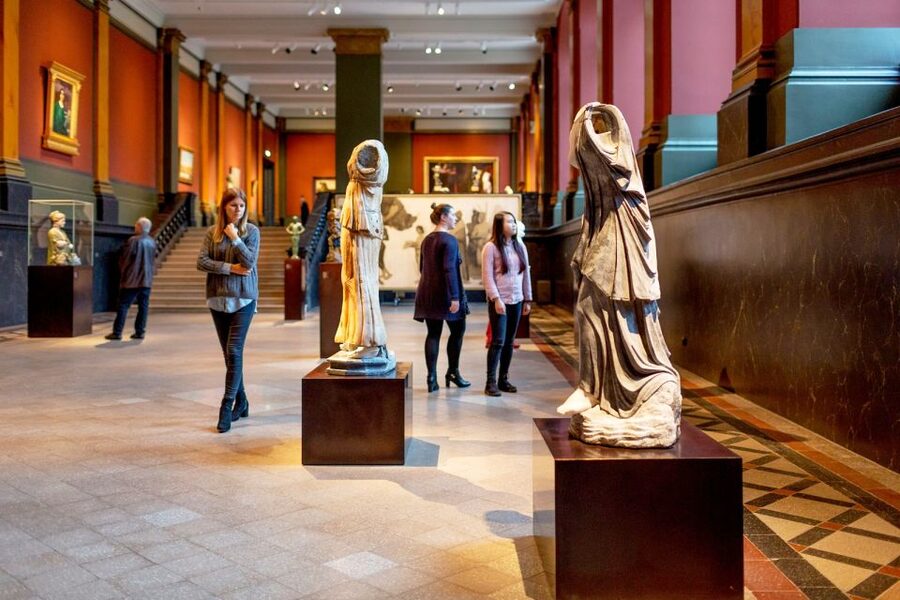
The Skulpturensammlung covers sculpture from 1800 onwards, and that is a huge advantage if you like three-dimensional art that you can walk around, not just look at from a distance. Sculpture is one of those mediums where small shifts in angle change everything. You will get more out of it if you slow down and reposition your viewpoint.
A standout here is Wilhelm Lehmbruck’s 1911 Kneeling Woman. That piece is a strong example of how sculpture can feel both intimate and monumental. Even if you are not a lifelong art lover, you can still read what is happening in the body language, the balance, and the tension of the pose.
What I find useful about seeing a work like Kneeling Woman inside a bigger range of sculpture is that you can spot the long thread connecting eras. Romanticism changes. Modern art changes. But the human body as a subject keeps pulling artists back because it is never just anatomy. It is emotion, vulnerability, and presence all at once.
And since the museum pairs sculpture with other artistic directions, you can also compare how a similar theme might be handled differently in painting versus sculpture.



Modern Art in Practice: Birgit Diecker and Tony Cragg’s Material Puzzle
Once you get into the later galleries, the Albertinum becomes more about asking questions than only about admiring technique. That is where works like Birgit Diecker’s Seelenfänger and Tony Cragg’s sculptural experiments come in.
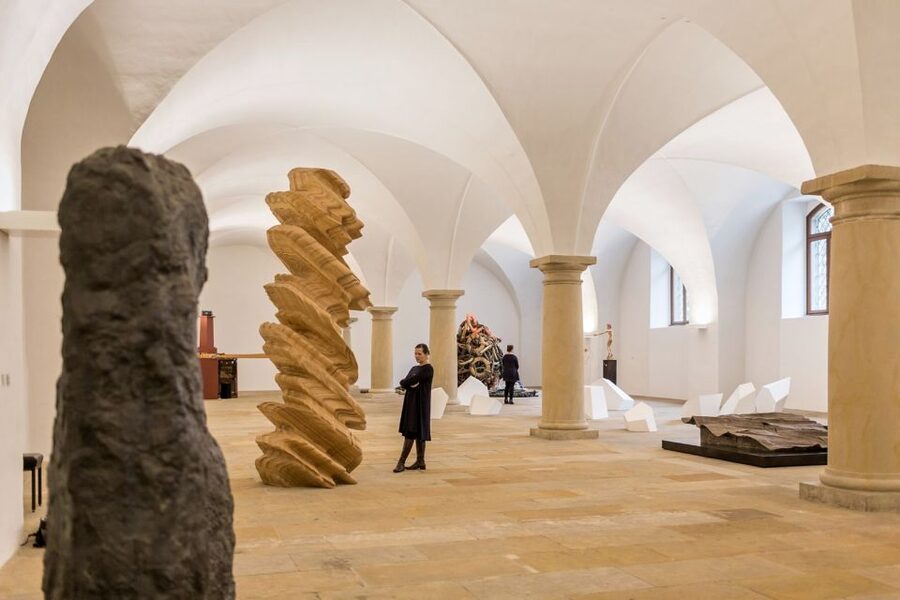
Tony Cragg’s famous mathematically stacked cube is the one I think most people remember after they leave. The details are part of the point: it is made of wood, fabric scraps, and loose-leaf binders. That mix of materials makes the work feel both engineered and personal. It is not just “modern” because it is new. It is modern because it uses everyday stuff as part of an intentional structure.
For you, that means the museum is not asking you to sit in the comfort zone. It is nudging you to look at how an artist builds meaning through choice of materials, not just shape.
Birgit Diecker’s Seelenfänger adds another layer to that modern shift. Even without needing extra background, the value is that you can stand in front of it and notice how it fits into the museum’s broader story of change from Romantic ideals to contemporary approaches.
This section of the museum is also a good place to take notes on your phone, or even just keep a mental list. When you are done, it helps you remember what felt surprising and what felt familiar.
When the 2nd Floor Closes in April, Here’s What to Do
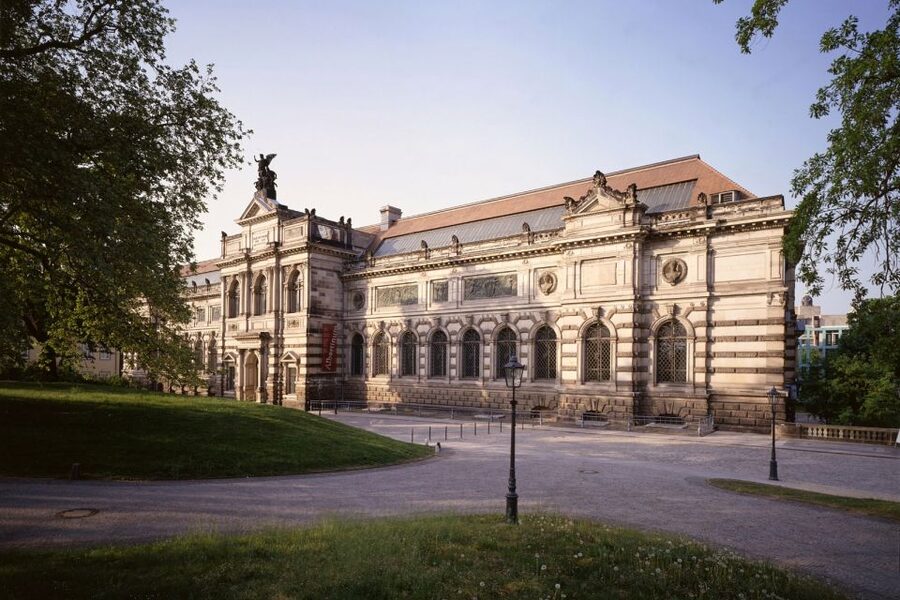
A real scheduling gotcha is the 2nd floor closure from 07th April until 17th April due to technical construction work. If your visit lands in those dates, plan around the fact that you may not be able to access everything on that level.
I treat this kind of closure as part of trip planning, not a disappointment. You can still have a strong visit because the Albertinum’s key focus areas, Galerie Neue Meister and the Sculpture Collection, are the core reason most people come. Still, the safest move is to check what you want most and then build your expectations around potentially missing works displayed specifically on the 2nd floor during that window.
If you are visiting in April, use that extra time to slow down with the works you can see. You might find that the pieces you love most are not the ones you expected, once you are allowed to focus without rushing.
What to Bring: Shoes and a Camera for the Big Moments
This ticket is simple, and that is good news. You just need to show up prepared to walk and look. Bring comfortable shoes, because you will likely want to circle back and compare works. Bring a camera too, especially for sculpture. A sculpture photo can capture angles you might not remember perfectly later, and this museum’s strong lineup includes pieces where your viewing angle matters.
Also consider how you want to experience the art. If you are the type who likes to read titles carefully, take a moment at the start to figure out where you want to spend extra time. If you are more about the emotional impact, use that Rodin start as your cue, then go with your instincts for what pulls you in next.
Price and Value: Is $16 for Albertinum Worth It?
At about $16 per person, this ticket is priced as an entry option for a museum with a serious lineup. The value is not just the price tag. It is what you get for it: major artists across periods, plus both painting and sculpture in the same visit.
Here is how I think about value for you. If you are only seeing one narrow era, $16 might not feel amazing. But if you walk through a museum that spans Romanticism to contemporary, and you get a sculpture collection starting from 1800 onward, that is where the ticket starts to look like a practical deal.
You are also getting specific heavy hitters. The inclusion of Caspar David Friedrich and Rodin’s The Thinker alone makes the ticket feel like you are buying access to an art-history conversation, not just room-filling sightseeing. Add works like Lehmbruck’s Kneeling Woman and Tony Cragg’s cube, and you have both “familiar” museum names and modern works that can surprise you.
So yes, I think this is solid value, especially if you like art and want one Dresden stop that gives you a lot of variety without doubling up on tickets.
Who This Museum Visit Suits Best
This Albertinum ticket is a great fit if you want:
- A self-paced museum walk with painting and sculpture together
- A mix of Romanticism and contemporary art, not only one style
- A chance to see landmark sculpture like Rodin and Lehmbruck
- Modern works that use unusual materials, like Tony Cragg’s cube
You will probably enjoy it most if you like art history but you also like the freedom to go by what catches your eye. The museum’s timeline makes it easy to connect eras visually, without needing a guided explanation for every room.
If you are traveling with kids under 17, there is a nice perk: children under 17 can enter the exhibition for free when accompanied by an adult. You should still book a child ticket.
Should You Book This Albertinum Entry Ticket?
I recommend booking if you want one Dresden museum that mixes famous names with a real variety of styles, and if you like the idea of seeing sculpture and painting in the same flow. The $16 price is sensible for the breadth you get, and Rodin’s The Thinker as the starting point is a smart way to get your attention quickly.
Skip or reconsider only if your travel dates fall within 07th April to 17th April and you specifically care about works likely shown on the 2nd floor during that period. Otherwise, this is the kind of ticket that rewards a slow, curious walk.
If you want an art stop that feels both classic and modern, with a dose of thought-provoking sculpture, this Albertinum entry is a strong pick.
FAQ
How much is the Albertinum entry ticket?
The price is $16 per person.
How long is the ticket valid?
The ticket is valid for 1 day. You can check availability to see starting times.
What collections and time periods can I see with this entry ticket?
You can visit the Albertinum to see masterpieces from the Galerie Neue Meister (New Masters Gallery) and the Skulpturensammlung (Sculpture Collection). The works span from the 19th century up to the present day, and the sculpture collection covers from 1800 onwards.
Is anything closed at the Albertinum?
Yes. The 2nd floor is closed from 07th April until 17th April due to necessary technical construction work.
What should I bring for my visit?
Bring comfortable shoes and a camera.
Is the Albertinum wheelchair accessible?
Yes, wheelchair access is available.
Do children get free entry?
Children under 17 can enter the exhibition for free when accompanied by an adult. You need to book a child ticket.
Is free cancellation available?
Yes, you can cancel up to 24 hours in advance for a full refund.
Where can I check the latest opening hours?
Check the local partner’s official website for the latest opening hours for all museums.
Museums Worth the Queue in Dresden
Everything else we filed on Dresden
- Outdoor escape game – the magical portal
★ 5.0 · 11 reviews - City Tour and Guided Tour in the New Green Vault – Program C – The Festive
★ 5.0 · 11 reviews - Bohemian and Saxon Switzerland Day Trip All inclusive-Winter Tour
★ 5.0 · 11 reviews - Escape Game Outdoor: Operation Mindfall
★ 5.0 · 12 reviews - Moritzburg: Scavenger Hunt Self-Guided Walking Tour
★ 4.8 · 12 reviews - Dresden: Bike Rental – City Bike with Option Children Seat
★ 4.5 · 13 reviews
Museums, side by side.
 ★ 4.5Berlin: Jewish Museum Berlin Entrance TicketFrom $08,393 reviews
 ★ 4.3Berlin: DDR Museum TicketsFrom $153,443 reviews
 ★ 4.6Berlin: Natural History Museum Entrance TicketFrom $123,382 reviews
 ★ 4.6Berlin: Neues Museum Entry TicketFrom $163,261 reviews
 ★ 4.4Cologne: Chocolate Museum Entrance TicketFrom $192,790 reviews
 ★ 4.7Dresden: Church of Our Lady Guided Tour of GalleryFrom $152,421 reviews
 ★ 4.1Skip-the-Line: Berlin Wall Museum at Checkpoint CharlieFrom $212,041 reviews
 ★ 4.4Berlin: Museum Island Multiple Museum Entry TicketFrom $272,007 reviews
Other lists this tour is on