
REVIEW · MUSEUMS
Dresden: Ticket + Tour Gallery Old Masters
Old Masters get a science makeover here. You’ll walk through Dresden’s Old Masters Picture Gallery with a German-speaking guide who explains not just what you see, but why it was painted, and you’ll even get to view X-rays and handle pigment samples that connect paint to chemistry. One thing to plan for: the tour is German only, and the museum can swap which paintings show up on your exact route.
I love the balance of quick art looks and then focused moments where you learn how to “read” a painting. You start with an orientation to the gallery concept, then spend time on standout works like Raphael’s Madonna, Renaissance megastars such as Titian and Giorgione, and the famous Sleeping Venus that becomes extra real once you see it through X-ray images. If you prefer slow museum wandering with lots of time in one room, this 2-hour format may feel a bit brisk, but it is designed to keep you moving and thinking.
In This Review
- Key Highlights You’ll Actually Use
- Finding the Group: Cloakroom Start, Clear Directions, No Fuss
- Entering Old Masters Picture Gallery With a Guide Who Teaches Your Eye
- The First Five Paintings: Fast Categories That Make the Museum Make Sense
- Raphael’s Madonna, Titian, Giorgione: Where the Tour Gets Specific
- “Sleeping Venus” and the Dresden Angle That Changes How You Look
- X-rays and Pigment Samples: The Fun Science Part (That Actually Sticks)
- Duration, Pacing, and Skip-the-Line Value at About $44
- Is This the Right Tour for You?
- Should You Book This Old Masters Ticket and Tour?
- FAQ
- What language is the tour guide?
- How long is the guided tour?
- Do I need to buy separate museum tickets?
- Where do I meet the guide?
- Will the exact highlighted paintings always be the same?
- Is luggage allowed?
Key Highlights You’ll Actually Use
- Skip-the-line entry plus guided time in the Old Masters Picture Gallery, so you spend less time waiting and more time looking.
- Five short painting stops at first, each representing a different category, so you get a framework fast.
- X-rays of the paintings to see underlayers and hidden details that the surface never tells you.
- Rare historic color pigment touch samples, a rare hands-on moment that makes technique stick.
- A guide-led way to spot storytelling in religious scenes, so your eye starts catching details on its own.
- Sleeping Venus in Dresden explained with background and X-ray viewing, connecting nudity, symbolism, and technique.
More collections to walk through in Dresden
- Dresden: Guided Walking Tour and Chocolate Museum Ticket★ 4.5 · 385 reviews
- Dresden: Dresden Transport Museum Entrance Ticket★ 4.6 · 189 reviews
- Dresden: Albertinum Museum Entry Ticket★ 4.5 · 149 reviews
- Dresden: Ticket + Tour Gallery Old Masters★ 5.0 · 107 reviews
Finding the Group: Cloakroom Start, Clear Directions, No Fuss
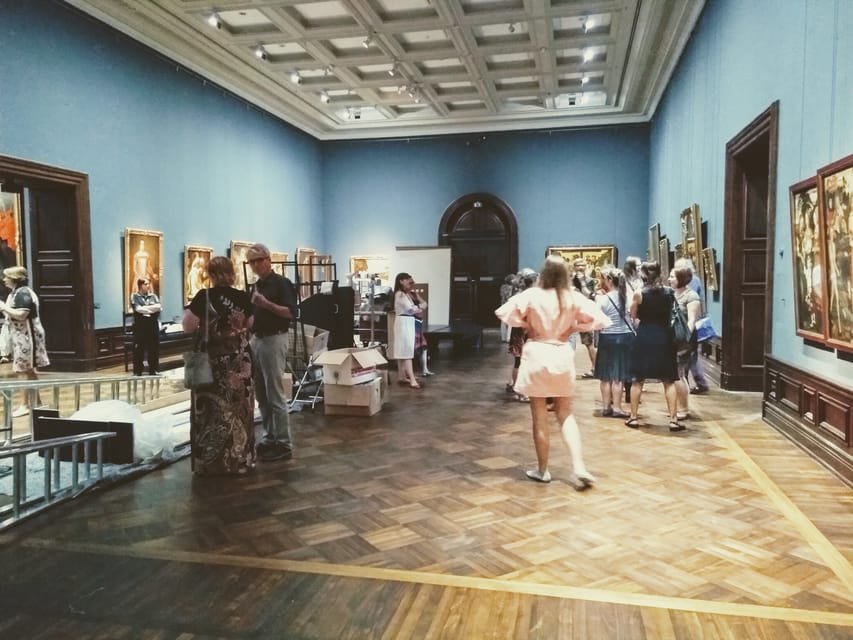
This tour starts at the Old Masters Picture Gallery, and the key is your meeting point. Your guide will wait in the cloakroom. From there, go downstairs, take a right through the door, then use the stairs on the right-hand side. Plan to arrive about 10 minutes early so you can settle and start on time.
The tour itself runs about 2 hours, and it ends back at the same meeting spot. That makes the timing easy to plug into a Dresden day: you can do this in the middle of sightseeing, then head out to another neighborhood without worrying about getting stranded across town.
One practical note: no luggage or large bags are allowed. If you’re carrying a big pack, plan to store it ahead of time. The good news is that the tour is wheelchair accessible, which matters because it keeps the experience doable for more people than many art tours.
Entering Old Masters Picture Gallery With a Guide Who Teaches Your Eye
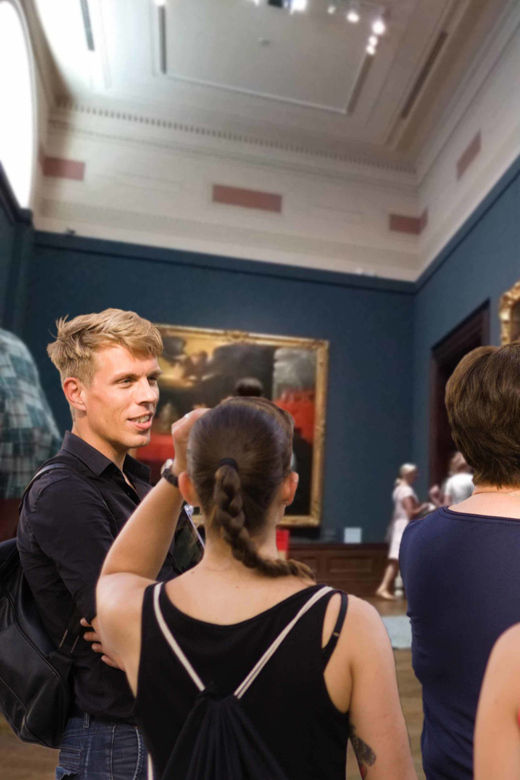
Before you even see the “big names,” you get a quick orientation. You’ll get a sense of the gallery’s overall concept and what “classic art” is trying to do. This is the part that makes everything later click. Instead of treating paintings like untouchable trophies behind glass, you learn the mechanics behind the images.
What helps is that the guide does not just toss out dates and titles. You’re guided to understand how pictures are built, and you’ll learn the kinds of details that a photo can’t show you: how religious paintings communicate, where attention is guided, and what visual clues can mean.
A highlight from the experience is that the guide also explains why certain works were created, and how that intent changes what you notice. That adds a layer most self-guided visits miss. You might think you’re just admiring surfaces, but after the orientation you start asking better questions, like what the artist wanted to reveal and what the patron likely expected.
If you get a guide named Thomas, that name comes up for a reason. He’s described as funny, passionate, and full of art connections that make different painters feel linked instead of separate.
The First Five Paintings: Fast Categories That Make the Museum Make Sense
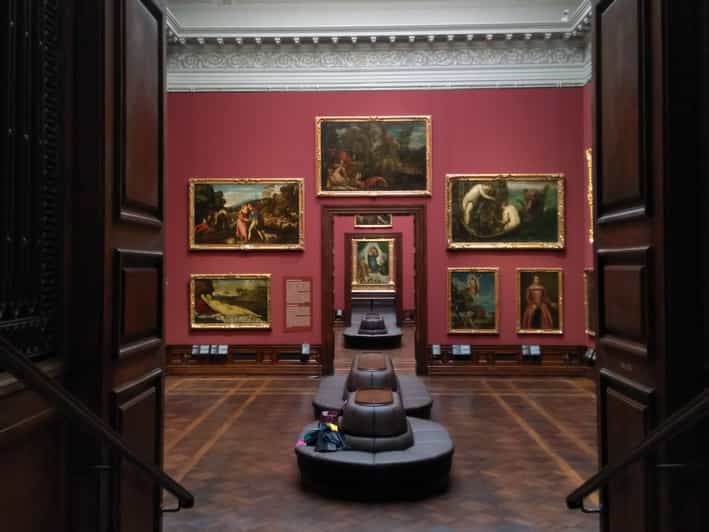
A big part of the tour is pacing, and it starts right away. You’ll do a brief look at five paintings, with each one taking only a couple of minutes at first. That sounds short, but it’s smart. You’re not meant to “finish” each painting. You’re meant to learn how to approach different kinds of works.
These early stops are designed to show different categories, and along the way you also see some of the earliest oil paintings ever made, plus works that include gold. Early oil matters because it changed what artists could do with light, texture, and layering. Gold matters because it changes the role of shine and sacred effect, especially in religious imagery. When you see those materials in context, the gallery stops feeling like a timeline and starts feeling like a toolkit.
You’ll also encounter major names such as Botticelli and Raphael, plus Dutch painter Jan van Eyck. The tour then moves toward the heavy hitters many people come for, like Rembrandt and Vermeer. Even when you only spend a short moment on each, the guide helps you understand what to look for, so the minutes don’t feel rushed. They feel like training.
Raphael’s Madonna, Titian, Giorgione: Where the Tour Gets Specific
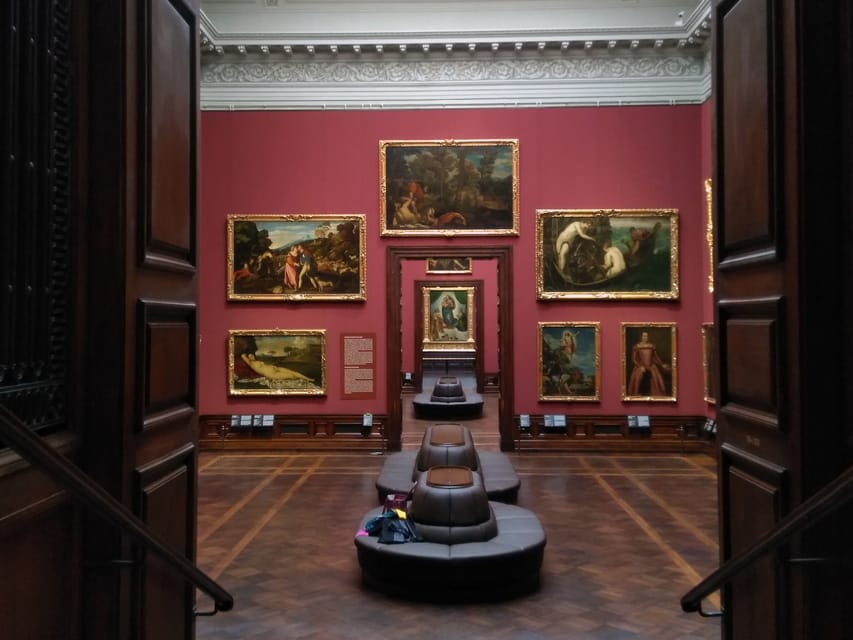
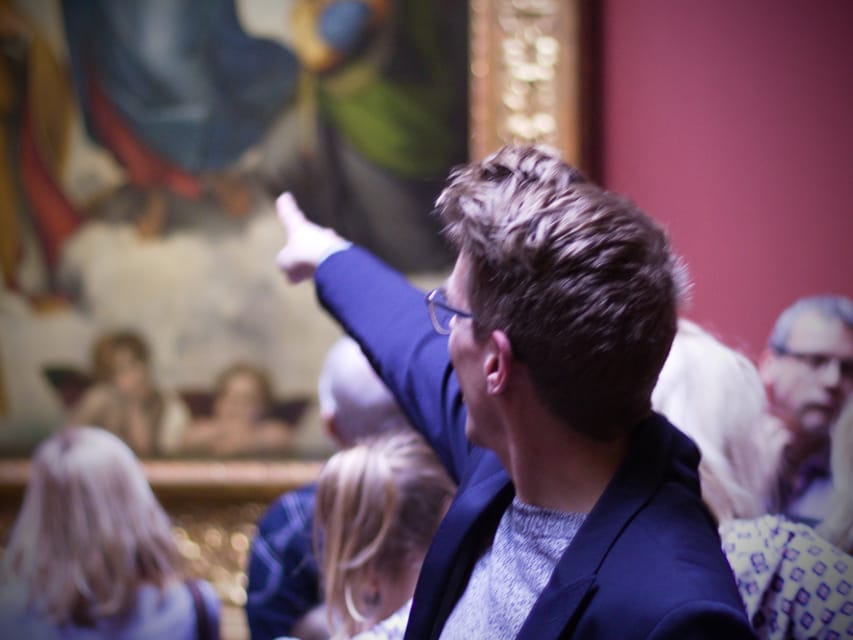
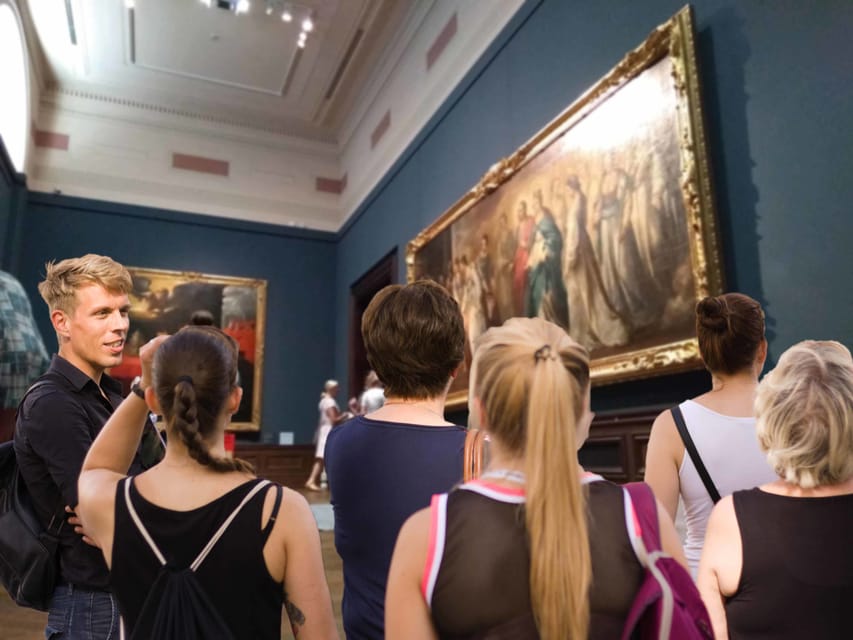
After that quick category phase, the tour shifts into close study. This is where you stop scanning and start seeing. The guide points you to what makes certain masterpieces stand out, and you learn how to connect story, symbolism, and technique.
The itinerary focuses on some of the most recognizable Renaissance moments in the collection. You’ll examine the world-famous Madonna by Raphael, then move on to two major Renaissance megastars, Titian and Giorgione. For many first-time art visitors, the challenge is knowing what to pay attention to once the painting stops being new and starts being complex. This is where the guide’s method helps you slow down without getting lost.
You’ll also get explanations that help you enjoy religious scenes. The guide shares ways to spot exciting elements in that genre, not in a “quiz” way, but in a way that makes the images feel readable. When you learn what religious paintings often communicate through poses, gestures, and setting choices, the scenes stop feeling generic.
A nice added layer is that you’ll see how painters connect across the collection. Instead of treating each artwork as an isolated star, the tour helps you notice overlaps in themes, style decisions, and visual storytelling. That connection-making is a real payoff for a 2-hour visit.
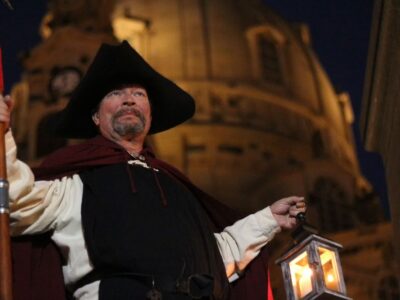



“Sleeping Venus” and the Dresden Angle That Changes How You Look
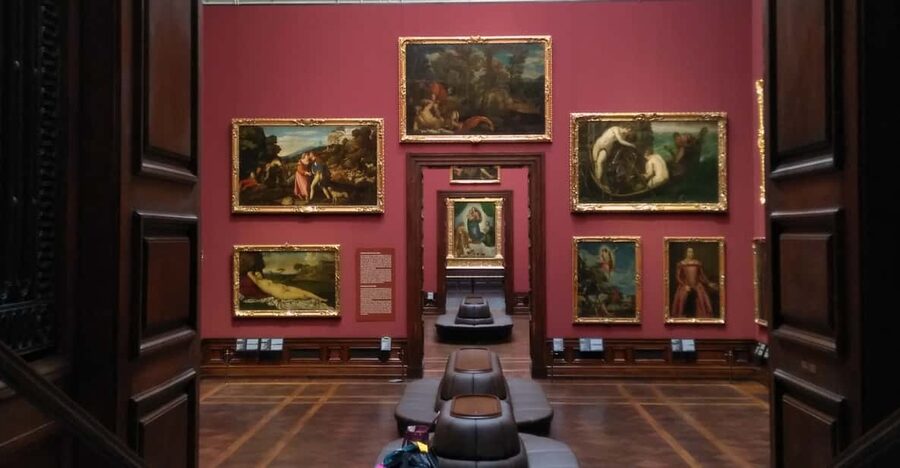
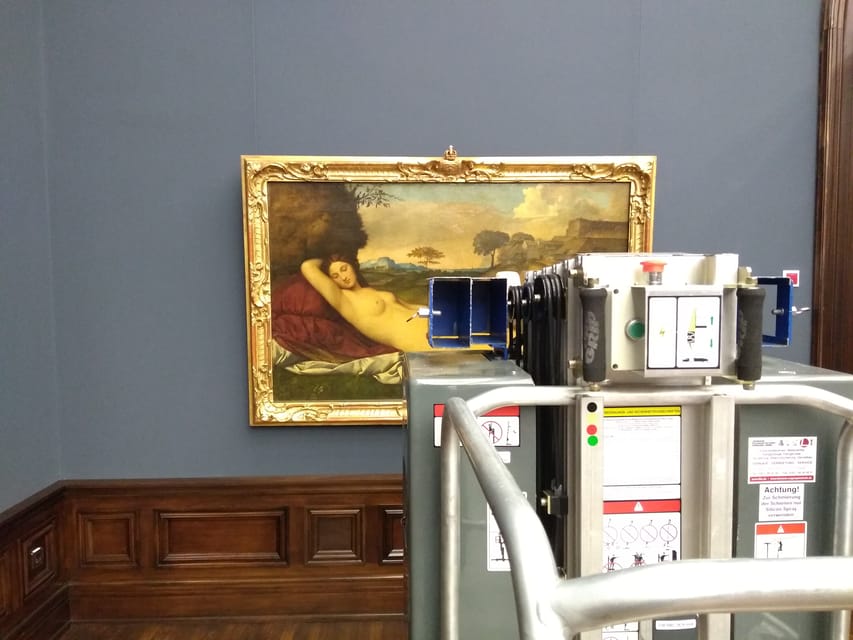
Then comes one of the reasons art lovers plan time in Dresden: the Sleeping Venus. The tour explains that it is not only the first and finest nude painting of a woman in all modern art, but also surprising in multiple ways.
This is the moment where the tour’s science meets its storytelling. You hear the background of the work, and you also get to experience it differently through X-ray images. Instead of only looking at what sits on the surface, you’re encouraged to understand what’s underneath, what may have changed during the painting process, and how the artist built the final image.
Seeing the inside through X-rays does something powerful. It turns the painting into a process, not just a result. You can start imagining the changes the painter made, the decisions made at layers, and the way light and form were planned.
This matters because nude paintings can feel like either shock value or something too distant for casual visitors. The guide frames it in a way that makes you look again, with context for technique and intent. Even if you’re not an art specialist, the explanations keep you oriented.
X-rays and Pigment Samples: The Fun Science Part (That Actually Sticks)
If you only remember one thing from this tour, make it this: you don’t just look, you get evidence.
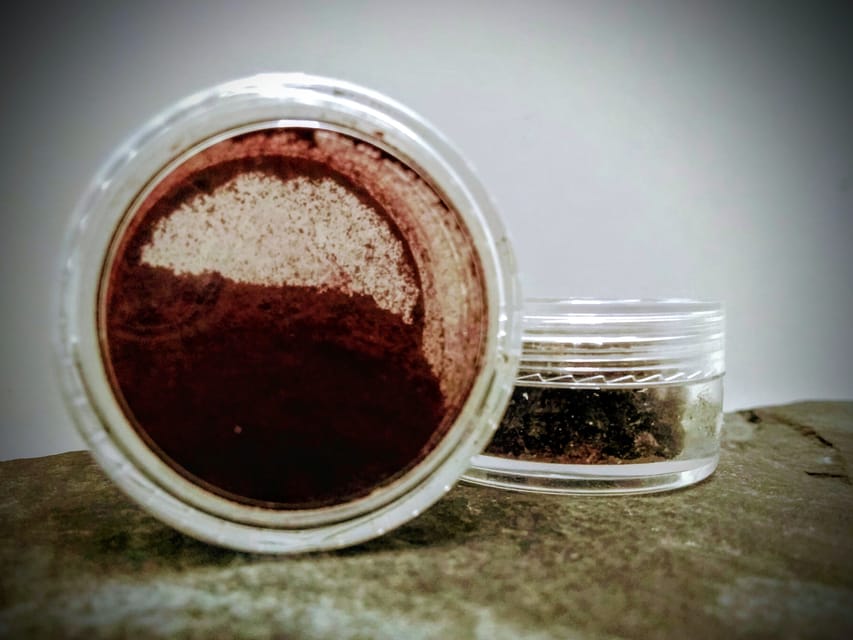
The experience includes X-ray images of the paintings, plus touch samples of rare historic colour pigment. That combination is unusual. X-rays help you see layers that the eye can’t. Pigment samples help you understand why the colors look the way they do and how materials shape final results.
The guide also uses additional digital imagery and videos to make complex scientific insights easy to follow. That is not there to entertain you instead of teaching you. It supports the central goal: once you know what you’re looking at, your brain keeps the lesson for future visits.
Here’s why it’s great value. Many museum tours stop at explanation. This one adds a second channel, visual and material. You get a sort of two-way handshake between art and science. That is exactly the type of experience you remember months later, because it changes your habits in the gallery.
And it’s not just technique for technique’s sake. When you understand pigments and layering, you start noticing things like transitions, highlights, and the way artists built dimensionality. Suddenly, the painting’s surface becomes a map.
Duration, Pacing, and Skip-the-Line Value at About $44
The price listed is $44 per person, for roughly 2 hours with gallery admission plus a German-speaking guide. On paper, it might look like a “standard guided museum tour.” In practice, the value comes from what’s included that you usually pay extra for: skipping the ticket line and gaining access to the tour’s special teaching tools, like the X-ray viewing and pigment samples.
Two hours is long enough to get a framework and then practice it on major works. It’s also short enough that you won’t feel trapped if you’re not sure you’ll love Old Masters art. The early phase trains your eye with those five quick stops, and then the tour focuses on the museum’s biggest talking points, especially Raphael, Titian, Giorgione, and the Sleeping Venus.
One honest consideration: the exact paintings mentioned as highlights can vary, because the museum may take works off display for restoration, loans, or internal handling. The guide is supposed to adjust the route if that happens, using equivalent or additional items, but you should understand that your date may not match every name perfectly.
Is This the Right Tour for You?
This experience is a strong fit if you want more than a sightseeing recap. You’ll enjoy it if you like learning how to look, and you want a guided method that turns paintings into stories you can actually read.
It’s especially good for:
- First-time Old Masters visitors who want structure, not a random walk
- People who enjoy art-science connections like X-rays and pigment materials
- Anyone who wants to feel confident about religious imagery and visual symbolism
- Art lovers who appreciate big names but also want the mechanics behind them
It might be less ideal if you only speak English and you’re hoping for an English explanation. This tour runs in German only. Also, if you want to linger for long stretches in front of a single painting, the tour’s format is designed to teach quickly and move.
Should You Book This Old Masters Ticket and Tour?
Yes, I’d book it if you match the vibe: you want a guided framework, you’re curious about how paintings are made, and you like the idea of seeing X-rays instead of only trusting appearances.
Before you reserve, check that the time works for your day and be sure you’re ready for German. If the idea of museum material science sounds fun, you’re likely to get real satisfaction from this one.
FAQ
What language is the tour guide?
The tour takes place in German only.
How long is the guided tour?
The duration is 2 hours.
Do I need to buy separate museum tickets?
The admission to the gallery is included in the activity price, along with license fees and the German-speaking guide.
Where do I meet the guide?
Meet your guide in the cloakroom. Go downstairs, take a right through the door, then take the stairs on the right-hand side. Arrive about 10 minutes early.
Will the exact highlighted paintings always be the same?
It cannot be guaranteed that all of the mentioned paintings will be included every time, since the museum may remove works from display or swap items. The guide will adjust the route with equivalent or additional items.
Is luggage allowed?
No luggage or large bags are allowed.
Museums Worth the Queue in Dresden
Everything else we filed on Dresden
- Outdoor escape game – the magical portal
★ 5.0 · 11 reviews - City Tour and Guided Tour in the New Green Vault – Program C – The Festive
★ 5.0 · 11 reviews - Bohemian and Saxon Switzerland Day Trip All inclusive-Winter Tour
★ 5.0 · 11 reviews - Escape Game Outdoor: Operation Mindfall
★ 5.0 · 12 reviews - Moritzburg: Scavenger Hunt Self-Guided Walking Tour
★ 4.8 · 12 reviews - Dresden: Bike Rental – City Bike with Option Children Seat
★ 4.5 · 13 reviews
Museums, side by side.
 ★ 4.5Berlin: Jewish Museum Berlin Entrance TicketFrom $08,393 reviews
 ★ 4.3Berlin: DDR Museum TicketsFrom $153,443 reviews
 ★ 4.6Berlin: Natural History Museum Entrance TicketFrom $123,382 reviews
 ★ 4.6Berlin: Neues Museum Entry TicketFrom $163,261 reviews
 ★ 4.4Cologne: Chocolate Museum Entrance TicketFrom $192,790 reviews
 ★ 4.7Dresden: Church of Our Lady Guided Tour of GalleryFrom $152,421 reviews
 ★ 4.1Skip-the-Line: Berlin Wall Museum at Checkpoint CharlieFrom $212,041 reviews
 ★ 4.4Berlin: Museum Island Multiple Museum Entry TicketFrom $272,007 reviews
Other lists this tour is on