
REVIEW · MUSEUMS
Frankfurt: Museum of Communication Exhibitions
Frankfurt’s phone history is more than tech. At the Museum of Communication, you get hands-on exhibits that trace how people share ideas, from early writing to today’s screens and systems. It is the kind of museum where you do not just read labels, you watch communication change shape over time.
I especially like the smart sweep of Mediengeschichte|n neu erzählt!, covering everything from telegraphs and phones to the tools we use now. The temporary exhibit KLIMA_X adds a practical angle on climate, connecting our daily choices and messages to real action. One thing to plan for, though: the museum can get extremely loud in the lobby area when kids are around, which can make quiet focus harder.
In This Review
- Key takeaways before you go
- Museum of Communication Frankfurt on Schaumainkai: what it feels like inside
- Mediengeschichte|n neu erzählt!: the communication timeline that actually makes sense
- Old devices gallery: telegraphs, phones, fax machines, radios, TV sets
- KLIMA_X climate exhibit: communication for the planet
- Interactive displays and the museum’s learning style
- The Main River café terrace: turning museum time into a breather
- Price and logistics: great value, but pick your moment
- Who should book this Museum of Communication Frankfurt?
- Should you book this one-day museum trip?
- FAQ
- How long is the Museum of Communication Frankfurt experience?
- What is the price per person?
- What is included in the ticket?
- Are food and drinks included?
- Do I need a guided tour?
- Is the museum wheelchair accessible?
- What are the opening hours on public holidays?
- Can I cancel for a full refund?
Key takeaways before you go
- 2500 square meters of permanent exhibition space means you can pace yourself and still see everything
- Mediengeschichte|n neu erzählt! spans from cuneiform tablets to data glasses, showing both tools and ideas
- The museum organizes media history around four themes: acceleration, networks, control, and participation
- You get a hands-on mix of old telegraphs, phones, fax machines, radios, and TV sets
- KLIMA_X gives you a climate-focused temporary exhibit that nudges toward simple steps
- The Main River café terrace is a very good reason to slow down after the galleries
More collections to walk through in Frankfurt
- Frankfurt: Museum of Communication Exhibitions★ 4.4 · 45 reviews
- from Frankfurt: Heidelberg, Mercedes Museum / Schwetzinger Schloß★ 5.0 · 35 reviews
Museum of Communication Frankfurt on Schaumainkai: what it feels like inside
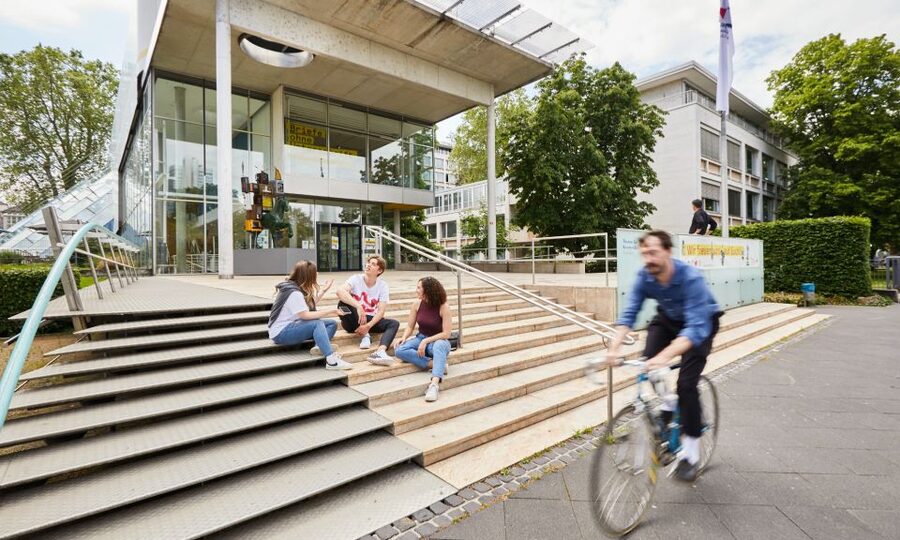
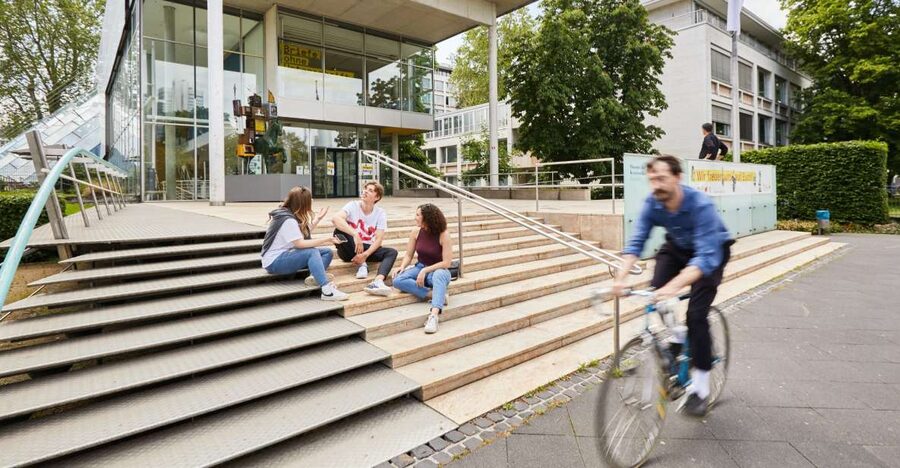
This museum is in the Hessen area, on Schaumainkai, and it has the kind of award-winning setup that makes you believe the place was designed for real learning, not just crowd control. The vibe is part museum, part public experiment: you move through themed areas and you keep bumping into communication in everyday form. If you like topics that connect history to your own life, you will enjoy how direct this one stays.
The building itself matters. Because the museum covers such a wide timeline, you can easily get the sense that communication is not a single invention, it is a chain of changes, with consequences. That is the big value here: it helps you see how messages travel, who controls them, and who gets to join the conversation.
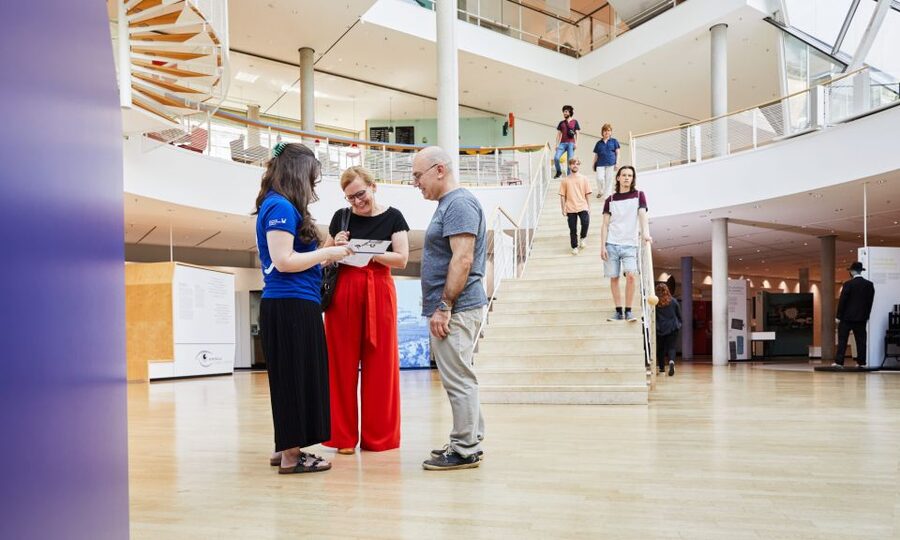
Two practical notes for your comfort. First, build in time for the galleries because the museum is spread over a lot of space. Second, do not assume you will have a silent experience, especially near the entrance lobby.
Mediengeschichte|n neu erzählt!: the communication timeline that actually makes sense
The permanent exhibition, Mediengeschichte|n neu erzählt!, covers 2,500 square meters and lays out the story of communication through four major phenomena: acceleration, networks, control, and participation. That framework is the secret sauce. Instead of treating every device like a separate collectible, the museum connects each era to the bigger pattern of how communication speeds up, links people, and raises questions about power.
You start with the long view. The exhibition arc reaches from the cuneiform tablet era all the way to data glasses, so you are not stuck in one century. Along the way, you keep seeing that communication is not just about gadgets. It is also about how humans organize, persuade, coordinate, and belong.
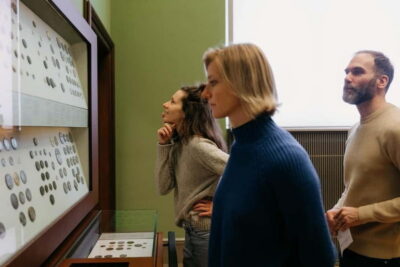
Expect interactive elements rather than a wall of glass cases only. You will also notice that the museum uses real artifacts and recognizable tech categories, like telegraph systems and later household and broadcast devices. Even if you do not know the details, you can still track the themes in your head as you walk: faster sharing, larger networks, more gatekeeping, and more chances for ordinary people to participate.
Old devices gallery: telegraphs, phones, fax machines, radios, TV sets
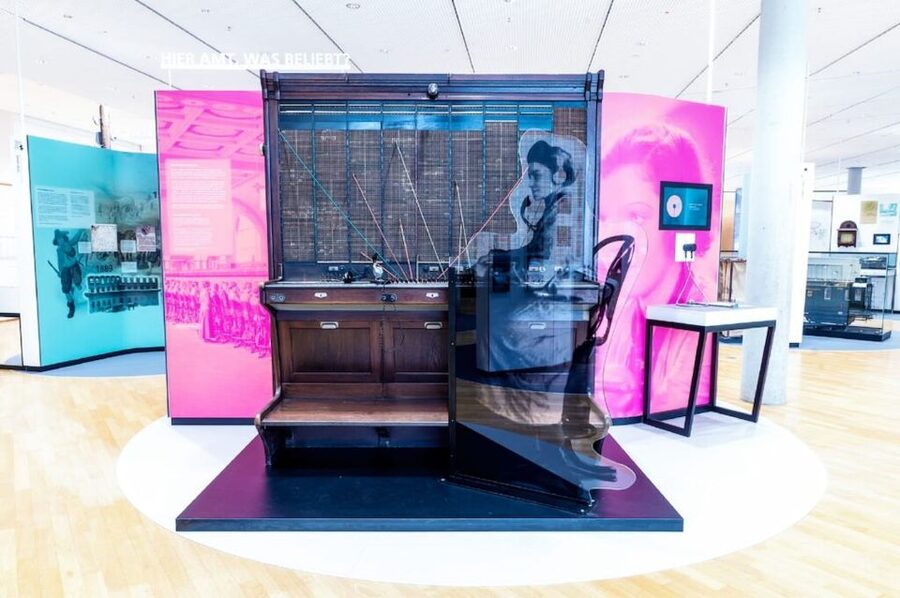
One of the strongest reasons to go is the variety of older communication equipment. You are not limited to one channel like phones. The museum includes a mix such as telegraphs, phones, fax machines, radios, and TV sets. That spread matters because it shows how each medium changed the rhythm of life.
It also helps you understand why later tech felt revolutionary. When you see older devices side by side with newer ways of communicating, it becomes obvious that progress is rarely a clean break. It is more like layers. New systems often add speed or reach, but they also shift control, change how people respond, and create new types of participation.
There are playful touches too. Some parts of the experience feel designed to pull you in quickly, including setup elements that use humor and odd detail, such as the presence of sheep with phones and display designs that feel like old-school storage, with trunks and shelf-like displays that give the museum a lived-in atmosphere. Those moments are not just decoration. They help the bigger story land, especially if you are visiting with kids or anyone who learns better by feeling curious first and reading later.
If you want the best results, slow down in this section. Take a moment to look at how each device fits a role in communication, then check how the exhibit brings you back to the themes of networks and control.
KLIMA_X climate exhibit: communication for the planet
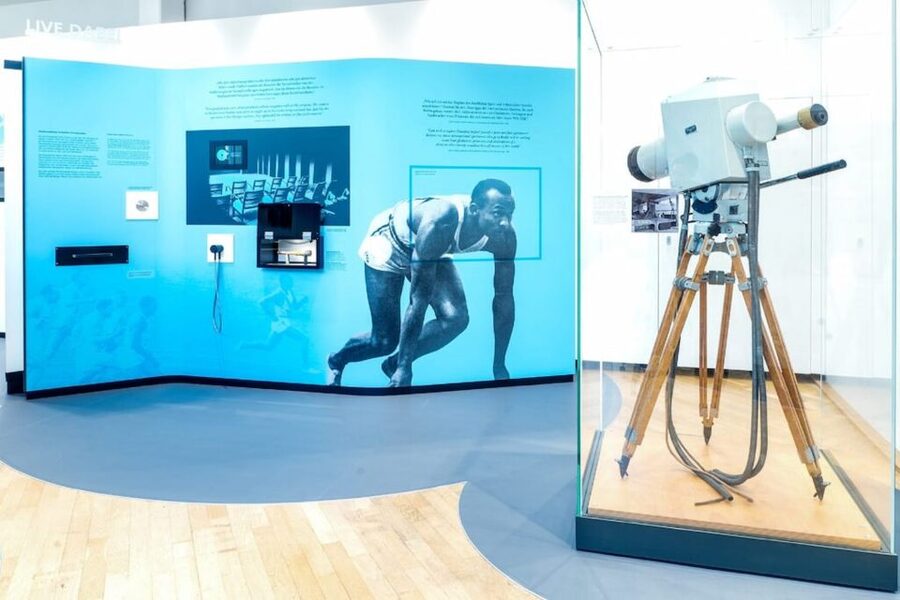
The temporary exhibition KLIMA_X shifts the story from media history to present-day responsibility. You are invited to explore how you can help change the world for the better, and the exhibit focuses on your actions around climate change rather than only the science behind it.
This section works well because it uses communication as a bridge. Climate action is not just about technology, it is about behavior, coordination, and sharing. If you leave the museum with only one takeaway, let it be this: communication shapes what people understand, what they prioritize, and what they do next.
The best part of KLIMA_X is that it pushes you toward simple methods you can implement. That is a nice change from exhibits that stop at warning signs and guilt. You leave with reflection time, and you also get ideas for practical steps, even if you cannot do everything at once.
Give yourself enough time here that you are not rushing. Temporary exhibits can feel easy to skim, especially when you are already full of older tech. KLIMA_X deserves at least a moderate pause, because the payoff is in connecting climate choices with everyday communication habits.


Interactive displays and the museum’s learning style
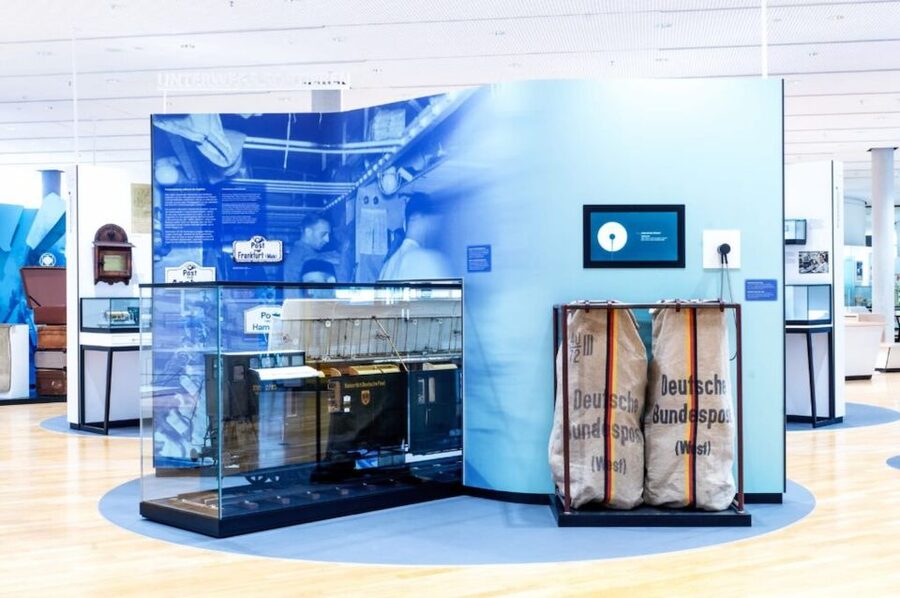
This museum does not rely on one learning method. You get interactive displays that help you understand the evolution of human communication through experience, not only explanation. That matters because communication history is abstract when you treat it as dates and inventions.
Here, the museum makes you think about the mechanics of messaging. How do signals travel? What changes when a network grows? Who gets to decide what information spreads? These questions line up with the exhibit’s four phenomena: acceleration, networks, control, and participation.
The exhibits also encourage you to compare eras. When you move from older forms like telegraph and radio into later household and broadcast tools, your brain does the pattern matching automatically. You start noticing the differences in speed, audience size, and the level of control or gatekeeping each era allowed. That is when the museum feels like more than a collection. It becomes a thinking tool.
One small planning tip: interactive areas can pull you in for longer than expected. If you are on a tight schedule, pick a few interactive spots to prioritize, then come back later if you still have energy.
The Main River café terrace: turning museum time into a breather
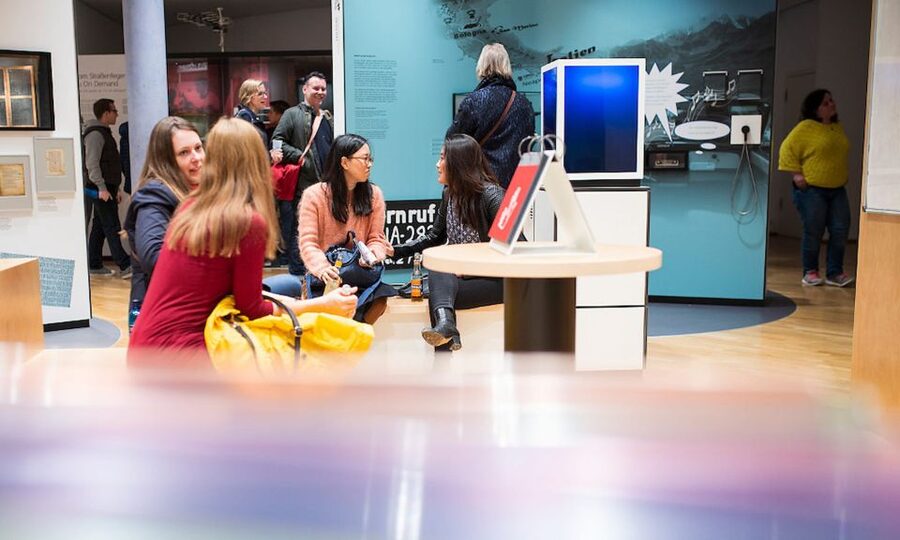
After your galleries, you will have an easy payoff break on the café terrace. The view looks out toward the Main River, which changes the tone from indoor focus to open air reset.
This matters more than you might think. A communication museum can get mentally busy fast, because it covers a lot of angles. A break with a view gives your brain time to organize what you saw: the big themes, the device progression, and how KLIMA_X reframed climate action.
One important heads-up from real-world experience: the café may not accept Mastercard or Visa. Plan to have cash or another payment option ready, so you do not lose momentum when you get thirsty or hungry.
Food and drinks are not included with the ticket, so treat the café as part of your day plan rather than a guaranteed meal. Even a short coffee stop here can make the experience feel complete.
Price and logistics: great value, but pick your moment
The price is $10 per person, and for a one-day visit it is strong value, especially when you consider the permanent exhibition footprint and the fact that you also get access to the temporary KLIMA_X. This is not a quick stop museum where you skim one room and leave. With the scale of the permanent exhibition and the variety of communication tools, you can easily justify the ticket by spending meaningful time in multiple sections.
Logistically, you can go straight to the museum for entry, and the ticket setup lets you skip the ticket line, which helps if you arrive during a busy time. The museum is also wheelchair accessible, so accessibility is built into the basic experience.
Now for the practical drawback to manage: sound levels can spike. Expect that the lobby area can get extremely loud with kids, and that can make concentration difficult in nearby areas. If you want quieter time for reading labels and taking in details, target a weekday or an earlier time window. If that is not possible, earplugs are a simple fix.
Also keep your expectations realistic. This is a popular museum, and it has interactive learning. That combination often brings families into the building.
Who should book this Museum of Communication Frankfurt?
This one is ideal if you like museums that connect technology to human behavior. You will enjoy it if you want to see how communication systems evolve from physical tools to digital life, while still thinking about networks, control, and participation.
It is a good fit for:
- First-time Frankfurt visitors who want a distinct, practical museum day
- Tech-minded travelers who also care about society, not just gadgets
- Families, since the exhibits use playful touches and hands-on elements, but go with the understanding that it can get loud in shared spaces
- Anyone interested in climate action framed through daily choices and shared understanding, thanks to KLIMA_X
It may feel less ideal if you need near-silent galleries for long stretches. You can still have a great time, but you will want to plan your pace and timing.
Should you book this one-day museum trip?
If you want a compact Frankfurt plan that still feels substantial, I would book the Museum of Communication. For $10, you get a real timeline of communication across centuries, a permanent exhibition that uses thoughtful themes, and a temporary climate-focused exhibit that does not stay theoretical.
Just go in with two expectations set: the museum can get noisy around the entrance lobby, and the café can be cash-smart if you rely on specific cards. If you handle those, you will leave with a sharper sense of how messages shape our world, from telegraphs and TVs to data glasses and climate action.
FAQ
How long is the Museum of Communication Frankfurt experience?
It is scheduled as a 1-day activity.
What is the price per person?
The price is listed as $10 per person.
What is included in the ticket?
Your ticket includes entry to the Museum of Communication Frankfurt.
Are food and drinks included?
No. Food and drinks are not included.
Do I need a guided tour?
A tour guide is not included.
Is the museum wheelchair accessible?
Yes, the museum is wheelchair accessible.
What are the opening hours on public holidays?
On public holidays, the museum is open from 10:00 AM to 6:00 PM.
Can I cancel for a full refund?
Yes, you can cancel up to 24 hours in advance for a full refund.
Museums Worth the Queue in Frankfurt
Everything else we filed on Frankfurt
- Airport Transfer: Airport FRA to Frankfurt by Luxury Van
★ 4.0 · 11 reviews - Munich City Tour and Dachau Concentration Camp Memorial Site Day Trip from Frankfurt
★ 3.5 · 11 reviews - Frankfurt: Private Sightseeing Tour in Retro Ape Calessino
★ 5.0 · 11 reviews - Heidelberg and Baden-Baden Tour from Frankfurt
★ 3.5 · 11 reviews - Frankfurt: Private custom tour with a local guide
★ 4.6 · 12 reviews - Frankfurt: Private Skyline Sightseeing Boat Tour
★ 4.9 · 12 reviews
Museums, side by side.
 ★ 4.5Berlin: Jewish Museum Berlin Entrance TicketFrom $08,393 reviews
 ★ 4.3Berlin: DDR Museum TicketsFrom $153,443 reviews
 ★ 4.6Berlin: Natural History Museum Entrance TicketFrom $123,382 reviews
 ★ 4.6Berlin: Neues Museum Entry TicketFrom $163,261 reviews
 ★ 4.4Cologne: Chocolate Museum Entrance TicketFrom $192,790 reviews
 ★ 4.7Dresden: Church of Our Lady Guided Tour of GalleryFrom $152,421 reviews
 ★ 4.1Skip-the-Line: Berlin Wall Museum at Checkpoint CharlieFrom $212,041 reviews
 ★ 4.4Berlin: Museum Island Multiple Museum Entry TicketFrom $272,007 reviews
Other lists this tour is on