
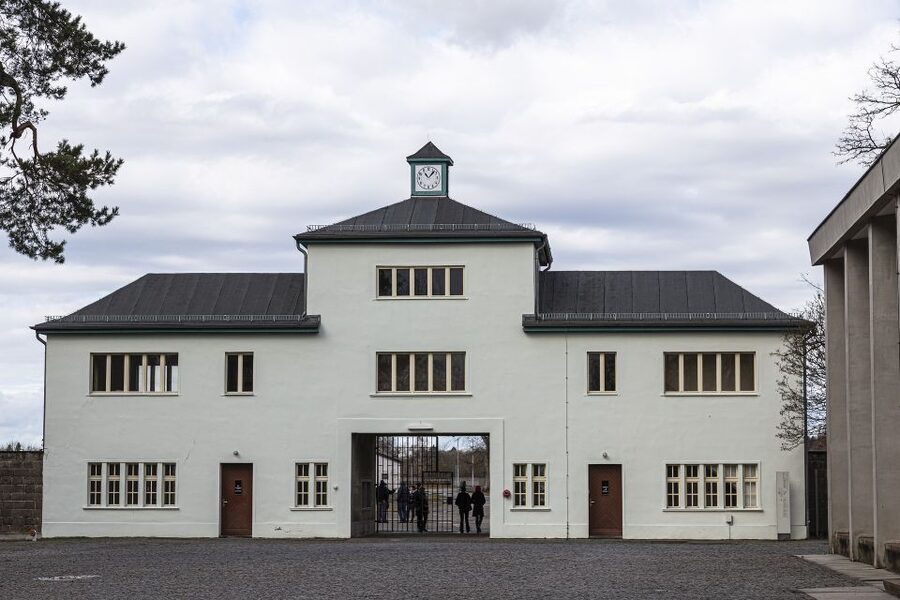
REVIEW · SACHSENHAUSEN
From Berlin: Sachsenhausen Concentration Camp Day Trip
Sachsenhausen is a sobering walk with context. This day trip brings you from Berlin to Oranienburg to trace how the camp started in 1936 and how Nazis used it to control and punish. You’ll hear the story behind the walls, then pause at the memorial to honor the victims.
I especially like the way the tour keeps the focus on both sides, persecutors and victims, so the history doesn’t feel like disconnected facts. I also like the small group setup, which makes it easier to follow along and ask questions.
One consideration: this is a somber, real place. Even with a great guide, you should expect emotions and a slower, respectful pace, not a light sightseeing day.
In This Review
- Key highlights you should care about
- Sachsenhausen Matters, and Why a Guided Walk Helps
- From Berlin to Oranienburg: The 5-Hour Day Trip Rhythm
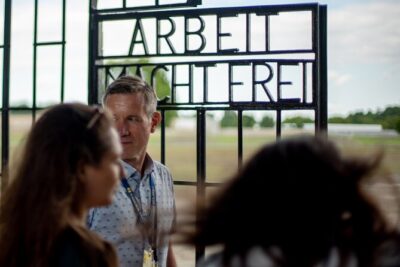
- Stepping Through the Main Gate: What You’ll Feel First
- 1936 Origins and the Nazi Logic of Targeting
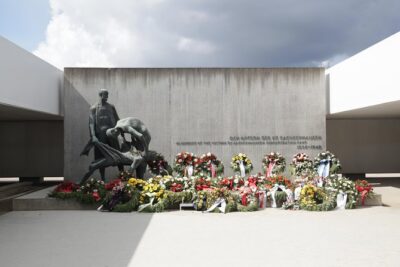
- The Memorial Stop: Paying Respects Without Rush
- The Guide Makes or Breaks It: English Narration That Lands
- Price and Value: About $32 and What That Covers
- Who This Tour Fits Best (and Who Should Think Twice)
- Practical Tips So Your Visit Goes Smoothly
- Should You Book the Berlin to Sachsenhausen Day Trip?
- FAQ
- Where does the tour start and end?
- How long is the Sachsenhausen day trip?
- Is entry to Sachsenhausen included?
- Do I need a train ticket from Berlin?
- What language is the guide?
- Does the tour run in bad weather?
- Is the tour wheelchair accessible?
- Is there cancellation flexibility?
- How big is the group?
Key highlights you should care about
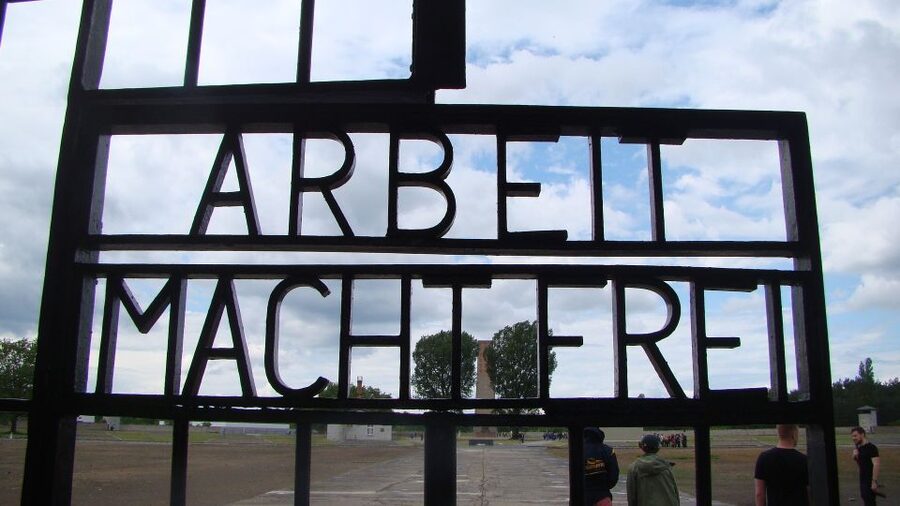
- Main gate first impression: you feel the weight of the place right away, before the history even starts
- Clear timeline back to 1936: origins and purpose of Sachsenhausen are explained in sequence
- Who was imprisoned and why: the guide connects Nazi targeting to specific prisoner groups
- Memorial time to reflect: you get a dedicated moment to pay respects at the memorial
- English live guide: narration is built for understanding, not just reciting dates
- Small group limit of 15: easier pace, better Q and A flow
Other guided visits to Sachsenhausen Memorial
- Berlin: Sachsenhausen Concentration Camp Tour in English★ 5.0 · 5,711 reviews
- Berlin: Sachsenhausen Concentration Camp Memorial Tour★ 4.7 · 3,716 reviews
- Sachsenhausen Concentration Camp Bus Tour in English from Berlin★ 5.0 · 1,962 reviews
- Berlin: Sachsenhausen Concentration Camp Tour in English★ 4.8 · 1,889 reviews
Sachsenhausen Matters, and Why a Guided Walk Helps
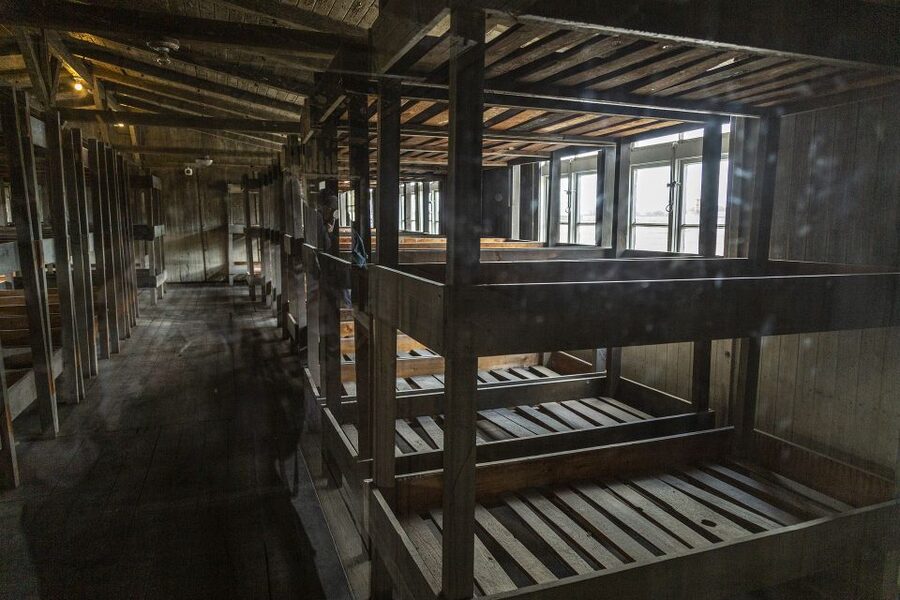
Sachsenhausen is one of those names that instantly lands in your brain the moment you start learning about World War 2. It wasn’t just one more site. The Nazis designed it with a purpose, and it became a camp meant to serve as a model for other Nazi camps. That single detail makes the place more than a stop on a map. It helps you understand that this was part of a system, not random cruelty.
The guided format is the key. A concentration camp can be visually confusing when you’re left to wander on your own, because the meaning of many areas only clicks once someone explains what you’re looking at and why it mattered. Here, the guide ties the story together, starting with the events that led to the camp’s creation in 1936, then moving through who was held there and what the Nazi regime hoped to achieve.
I also like that the tour balances perspectives. You hear about the persecutors and the victims, and the guide doesn’t reduce people to labels. You’ll learn who was targeted and why, which is essential for making sense of the camp’s function and the daily reality inside.
From Berlin to Oranienburg: The 5-Hour Day Trip Rhythm
This trip runs for about 5 hours, from meeting to return. That timing matters because it’s long enough to cover the camp properly, but not so long that you lose the thread halfway through.
You start in central Berlin at the entrance of the Rotes Rathaus, the Red Town Hall. From there, you take public transport to Oranienburg. The tour includes entry to Sachsenhausen and the guide, but you’ll need your own ABC zone train ticket. If you’re not a daily transit pro in Berlin, don’t panic. Plan to give yourself a little buffer at the station and keep your ticket handy for the whole route.
A practical plus: the tour runs rain or shine. Bring weather-appropriate clothing, because you’ll be walking outdoors through a site where slowing down is part of being respectful. This isn’t the kind of day you want to be underdressed for wind or drizzle.
Also note the format: you meet your guide at the start, you go together to Oranienburg, and the activity ends back at the meeting point. So you’re not left figuring out trains at the end with a tired brain and a head full of history.
Stepping Through the Main Gate: What You’ll Feel First
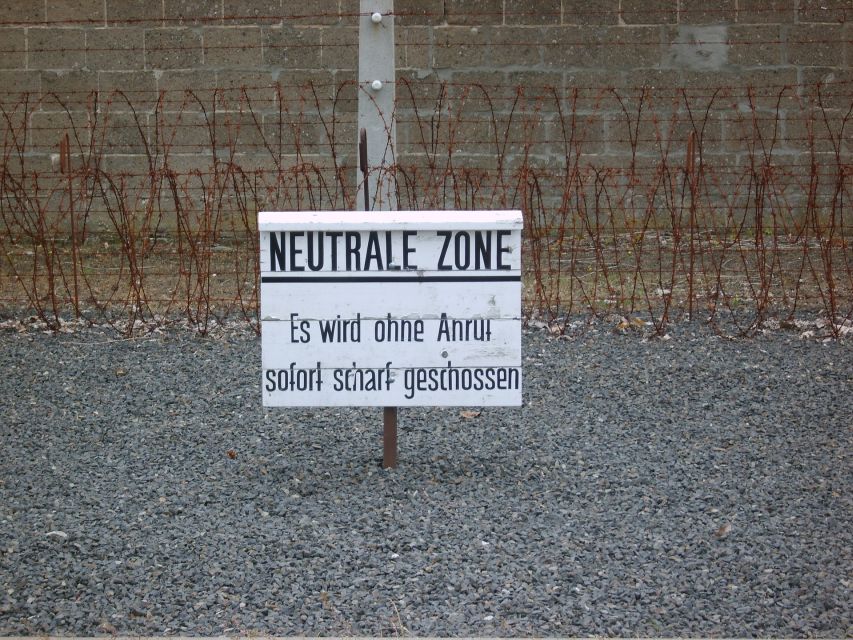
Most camp experiences begin with a lesson and end with reflection. Sachsenhausen does both, but the first impact often comes visually.
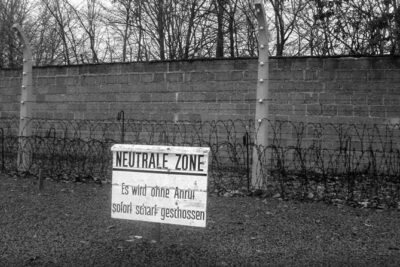
After you travel to Oranienburg, you enter the camp through the main gate. That moment is powerful because it forces you to confront what the Nazis intended visitors and prisoners to experience: a controlled entry point, a clear boundary, and an atmosphere where nothing feels accidental. You don’t need extra theatrics. The place already does its job.
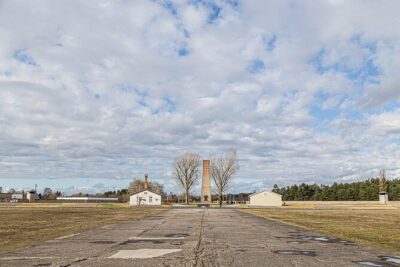
From there, your guide starts connecting what you’re seeing to the story of why the camp existed. The walking pace gives you time to take in what’s on the ground and to listen at the same time. That combination is important. If you rush, the history turns into noise. If you stop too long without guidance, you might miss why specific areas were significant.
This is one reason I think a guided walk is worth it, even for seasoned history travelers. You’re not just looking at structures. You’re learning how the camp was used as an instrument of persecution.
1936 Origins and the Nazi Logic of Targeting
One of the biggest promises of this tour is that you won’t just get the camp layout. You’ll get the chain of events and the logic behind it.
You’ll hear about the historical events that led to the camp’s creation in 1936, and then how the Nazis used Sachsenhausen as a kind of template. The tour frames Sachsenhausen as part of the broader Nazi system, which helps you avoid a common trap: treating each camp as isolated. Instead, you see it as a piece of a larger machinery.
Then comes the part that many people remember most clearly: learning who was kept in the camp and why the Nazi regime targeted each group. That explanation matters because it connects persecution to ideology and policy, not just violence without reason. You’ll learn about political prisoners and other persecuted groups, and how the regime used imprisonment to break people, control society, and enforce power.
A well-run guide makes this understandable. You should expect storytelling that’s organized and chronological, so you can follow without constantly checking your notes. The camp is big enough that you could get lost, so the guide’s structure is what turns walking into learning.
And because the guide talks about both persecutors and victims, the history feels less like a lecture and more like a story with consequences. It’s also a reminder that the camp wasn’t just a background setting. People made choices, victims endured, and the system had a purpose.


The Memorial Stop: Paying Respects Without Rush
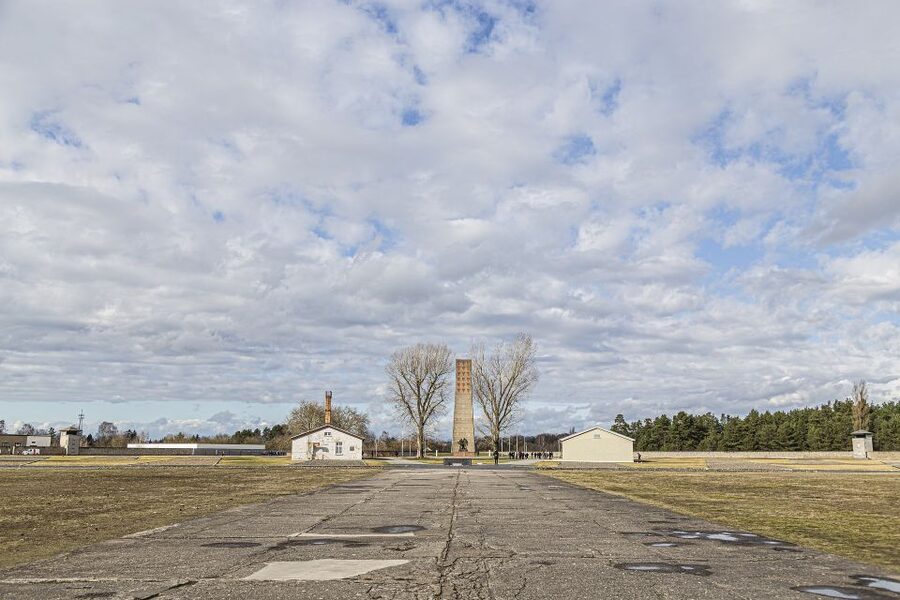
A good concentration camp visit has two jobs. It provides factual context, and it creates a space to respond with respect.
This tour includes a stop to reflect and pay your respects at the memorial to the victims of the camp. That matters because it prevents the visit from becoming only “content.” You get a real pause, which is often what your body needs after hours of listening to heavy history.
You don’t have to force emotion. Sometimes reflection is quiet, sometimes it feels like your thoughts are moving slower than usual. The memorial stop gives you time to stand, read, and process rather than just keep walking to reach the next site.
I also appreciate that the tour doesn’t treat remembrance as an afterthought. The memorial stop is built into the experience, so you end the visit with a more human focus.
The Guide Makes or Breaks It: English Narration That Lands
A concentration camp walking tour is one place where guide quality is not a luxury. It’s the whole experience.
This tour is led by a live English guide, and the small group size (limited to 15 participants) helps keep the session focused. When a guide is effective, you feel it immediately: people listen, questions get answered clearly, and the walking pace stays steady.
From the guide names associated with this tour, you might meet instructors such as Will, Tina, Xavier, or Julie. Across different groups, these guides are described as especially good at explaining the beginning, not just the outcomes. They use quotes and poems from people connected to the history, which can add a sharp human dimension when the facts start piling up.
Another practical strength: the guides are willing to help with real-world travel issues. If something goes wrong with transit on the day, you’re not left stranded with only a map and hope. That kind of problem-solving matters on a day trip that depends on trains.
Also, the tours are described as easy to listen to even when the subject matter is heavy. That balance is tough to get right, but when it works, it keeps the learning flowing instead of turning into fatigue.
Price and Value: About $32 and What That Covers
At around $32 per person, the price is actually a decent deal for what you get, as long as you understand the trade-offs.
Here’s the value equation as you should think about it:
- You pay for entry to Sachsenhausen and a guided walking tour
- You do not pay for the ABC zone train ticket, so you’ll still budget for transit
So your money goes mostly toward one of the most important parts, the guide and the official access. If you tried to do Sachsenhausen on your own, you might save the guide cost, but you’d likely lose the ordered story and the “why” behind what you’re seeing. At this price level, the guide is what you’re really buying.
The small group size also supports value. In a group that stays under 15, it’s easier to hear, easier to follow directions, and easier to ask questions without the guide constantly repeating everything.
If you are already comfortable with German transit and you don’t need a guide to navigate, you could still go independently. But if you want your time to turn into understanding, this is a strong use of your Berlin hours.
Who This Tour Fits Best (and Who Should Think Twice)
This is best for travelers who want more than surface-level sightseeing. If you like your history with context and cause-and-effect, you’ll appreciate how the guide connects the camp’s 1936 origins, the groups targeted, and the system behind the atrocities.
It can also work for families, including those bringing kids. One reason I’d still recommend using your own judgment is that the topic is very heavy. If you decide to bring younger travelers, consider doing a quick prep conversation beforehand so the day feels less like a surprise and more like a guided learning moment.
Who might think twice:
- If you prefer upbeat tours or light narration, this won’t match your mood
- If walking for several hours in variable weather is hard for you, plan ahead with comfortable shoes and layers
- If you want a completely self-paced visit with no structured narration, you might find the guided pace less flexible
Wheelchair access is listed as available, which is an important detail for mobility planning. If you need specific accommodations, it’s worth confirming specifics when you book, but the tour does advertise wheelchair accessibility.
Practical Tips So Your Visit Goes Smoothly
A day trip like this is not just about the camp. It’s also about how you manage your energy and attention.
- Bring weather-appropriate clothing since it runs rain or shine
- Wear comfortable shoes that can handle steady walking and potentially damp ground
- Use your public transport ticket confidently. The ABC zone ticket is required for the train portion
- Arrive a few minutes early at the Red Town Hall so you can start calmly
- When the guide asks for silence or asks everyone to listen, follow it. This is part of respectful rhythm at sites like this
If your goal is to leave with clarity, you’ll do better by treating this like a learning walk, not a photo marathon. There are places to pause. Let those pauses matter.
Should You Book the Berlin to Sachsenhausen Day Trip?
Book it if you want a structured, English-guided visit that explains both the camp’s origins in 1936 and the Nazi targeting of different prisoner groups. At about $32, you’re paying primarily for access plus a guide, and the small group format makes it easier to actually understand what you’re seeing.
Pass, or choose another option, if you’re looking for light entertainment or you can’t handle a somber experience with full attention. This isn’t a casual stop.
If you’re the kind of traveler who values context, careful guidance, and a meaningful memorial moment, this day trip is a strong choice from Berlin.
FAQ
Where does the tour start and end?
You meet your guide at the entrance of the Rotes Rathaus (Red Town Hall) in Berlin. The tour ends back at the same meeting point.
How long is the Sachsenhausen day trip?
The duration is 5 hours. Exact starting times vary, so check availability when you book.
Is entry to Sachsenhausen included?
Yes. Sachsenhausen Concentration Camp entry is included, along with the guide.
Do I need a train ticket from Berlin?
Yes. You need to purchase an ABC zone train ticket. The tour includes the guide and camp entry, not the train ticket.
What language is the guide?
The tour has a live English guide.
Does the tour run in bad weather?
Yes. It takes place rain or shine.
Is the tour wheelchair accessible?
The activity is listed as wheelchair accessible.
Is there cancellation flexibility?
There is free cancellation up to 24 hours in advance for a full refund.
How big is the group?
The tour is a small group, limited to 15 participants.
Visiting Sachsenhausen Memorial
Everything else we filed on Berlin
- East Berlin: City of Shadows Walking Tour
★ 5.0 · 11 reviews - Berlin: Die Stachelschweine – Frank Lüdecke – Träumt Weiter
★ 4.7 · 11 reviews - Potsdam Day Trip from Berlin with a Local: Private & Personalized
★ 4.0 · 11 reviews - An Introduction to Berlin Walking Tour
★ 5.0 · 11 reviews - DJ for a Day: Learn to Mix Like a Pro in Berlin
★ 5.0 · 11 reviews - 2-H Segway Sightseeing Tour Berlin
★ 4.5 · 11 reviews
Sachsenhausen Memorial Site Tours, side by side.
 ★ 5.0Berlin: Sachsenhausen Concentration Camp Tour in EnglishFrom $365,711 reviews
 ★ 4.7Berlin: Sachsenhausen Concentration Camp Memorial TourFrom $213,716 reviews
 ★ 5.0Sachsenhausen Concentration Camp Bus Tour in English from BerlinFrom $681,962 reviews
★ 4.8Berlin: Sachsenhausen Concentration Camp Tour in EnglishFrom $221,889 reviews
★ 5.0Sachsenhausen Concentration Camp Bus Tour in English from BerlinFrom $681,962 reviews
★ 4.8Berlin: Sachsenhausen Concentration Camp Tour in EnglishFrom $221,889 reviews
 ★ 5.0Sachsenhausen Concentration Camp Memorial Tour (Max. 15 Guests)From $351,516 reviews
 ★ 4.6Berlin: Sachsenhausen Concentration Camp and Potsdam TourFrom $651,334 reviews
 ★ 5.0Sachsenhausen concentration camp.From $341,189 reviews
 ★ 5.0Visita en español al campo de concentración SachsenhausenFrom $341,170 reviews
Other lists this tour is on