
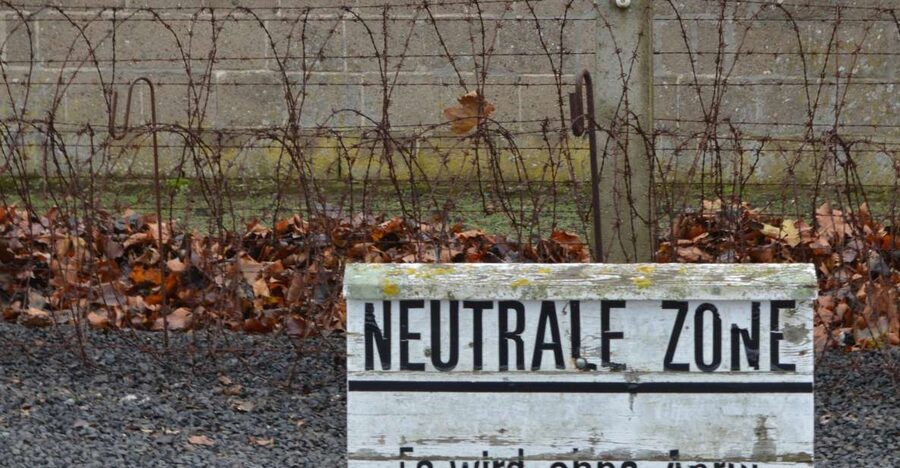
REVIEW · SACHSENHAUSEN
From Berlin: Sachsenhausen Concentration Camp Guided Tour
Sachsenhausen is history you can still feel in your bones. This 4-hour private tour from Berlin walks you through the former camp, with a licensed guide that explains how the machinery of terror worked, under both Nazis and Soviets. I love having a private guide on-site, because it turns a grim place into real context you can actually follow. I also like the smooth Berlin pickup and quiet, air-conditioned ride, so you are not stuck with crowds before you even start.
The experience hits hardest in the details: you’ll see the former prison core, barracks, the gas chamber area, and the first crematorium site, then move to the memorial grounds and museum exhibitions that explain causes and consequences of Nazi extremism. One possible drawback is that this is a heavy, emotionally intense visit, and you’ll be walking in outdoor spaces that may feel cold, so plan for discomfort and bring warm layers.
Key Points You’ll Care About
- Private car transfer from Berlin means a quiet ride and no crowded bus squeeze.
- Licensed, language-fluent guide helps you understand what you are seeing, not just where it is.
- Memorial and Museum Sachsenhausen covers operations under Nazis and Soviets, side by side.
- Key camp areas on the route include command headquarters, prisoners’ barracks, and the first crematorium site.
- Mass graves, burial grounds, and multiple memorials give the visit a broader human scope.
- Prominent prisoner stories include Joseph Stalin’s oldest son and relatives tied to major European ruling families.
In This Review
- What Makes Sachsenhausen Different From Other WWII Stops
- Berlin Pickup to Sachsenhausen, Without the Crowds
- Entering the Camp Through the Command Headquarters
- Prisoners’ Barracks and the Reality of Slave Labor
- The Former Prison and the Gas Chamber Site
- The First Crematorium Site and the Mass Graves
- Museum Exhibitions: Nazis and Soviets in One Narrative
- Who Were the Prisoners, and What Their Names Teach
- How the 4-Hour Format Works (So You Don’t Feel Rushed)
- Price and Value: Is $512 Worth It?
- Wheelchair Access and Private-Group Comfort
- Should You Book This Private Sachsenhausen Tour?
- FAQ
- How long is the guided tour from Berlin to Sachsenhausen?
- Do I get picked up from my accommodation in Berlin?
- Is this a private tour or a group tour?
- What languages are available for the licensed guide?
- What will we see at Sachsenhausen during the tour?
- Is admission to the Sachsenhausen Memorial and Museum included?
- Is the tour wheelchair accessible?
What Makes Sachsenhausen Different From Other WWII Stops
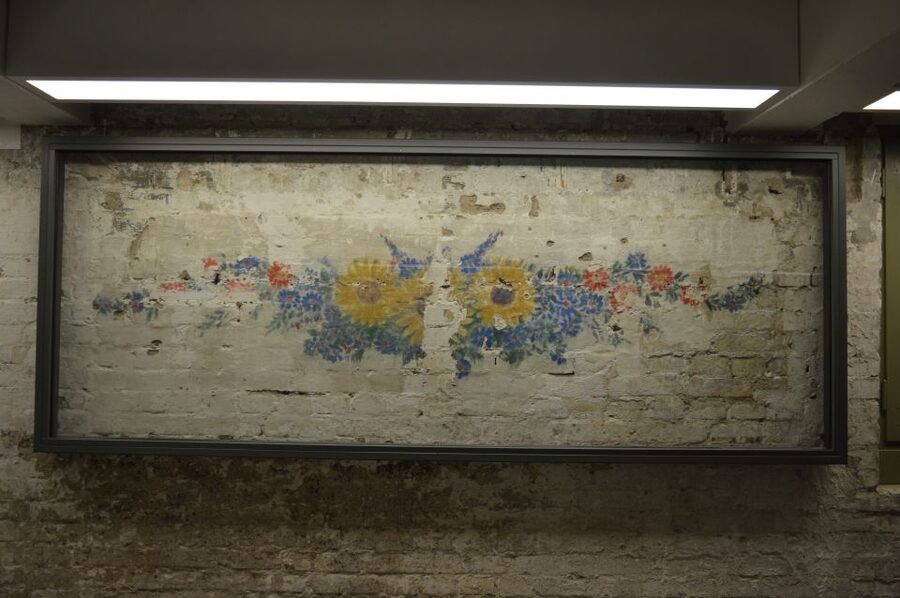
Sachsenhausen Memorial and Museum is not the kind of place where you can “skim” and still understand. The ground itself tells a story, but the guide brings the logic into focus, especially the camp’s role as a model and training site for the Nazis. The tour explains how Sachsenhausen was used to perfect the most efficient and effective methods of execution before techniques were expanded into death camps. That might sound like a history lecture, but on-site it lands as something chillingly practical: cruelty was not random, it was organized.
What I appreciate is that the tour does not stop at one regime or one timeline. You also learn how prisoners were abused and executed under the Nazis and later under the Soviets. This matters because it helps you see how systems of repression can persist and mutate, even when uniforms and slogans change.
And yes, it is dark. Expect to feel the weight of the camp’s purpose, including slave labor, prisoner abuses, and executions. If you come looking for spectacle, this will not match that mood. If you come looking for truth and clear context, you’ll be grateful you chose a guided format.
Other guided visits to Sachsenhausen Memorial
- Berlin: Sachsenhausen Concentration Camp Tour in English★ 5.0 · 5,711 reviews
- Berlin: Sachsenhausen Concentration Camp Memorial Tour★ 4.7 · 3,716 reviews
- Sachsenhausen Concentration Camp Bus Tour in English from Berlin★ 5.0 · 1,962 reviews
- Berlin: Sachsenhausen Concentration Camp Tour in English★ 4.8 · 1,889 reviews
Berlin Pickup to Sachsenhausen, Without the Crowds
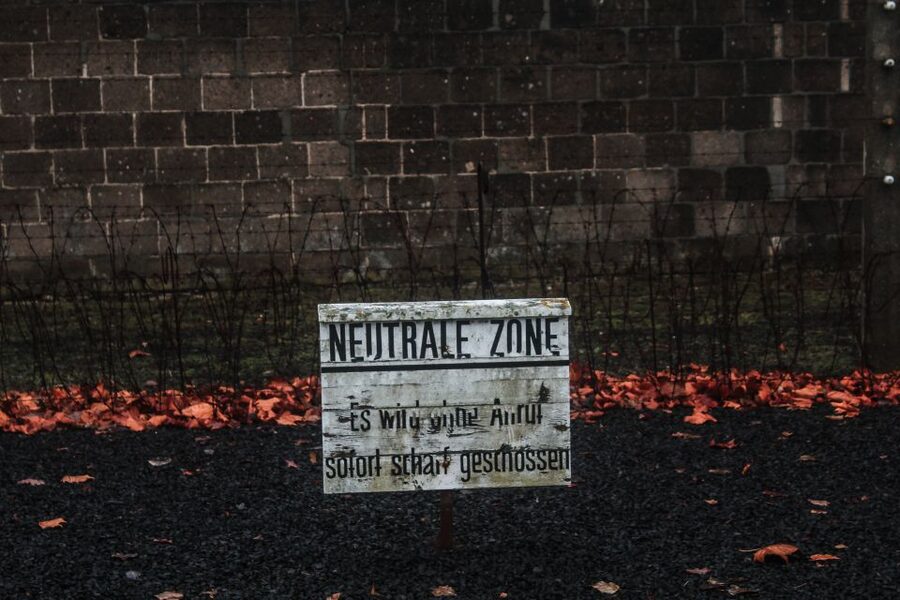
Getting out of Berlin smoothly is a real part of the value here. The tour starts with pickup from your accommodation, then you travel in a private, clean, air-conditioned vehicle exclusively for your group. That means you avoid commercial bus chaos right at the start, and you can settle into the day before the site does its work on your emotions.
Because this is a private car transfer, you also get more control over how you arrive and how you manage your time during a fixed 4-hour window. On a visit like Sachsenhausen, pacing matters. You will want to be present when you reach the memorial grounds, not thinking about logistics.
If you run cold easily, plan ahead for the day’s temperature swings. Even if Berlin feels mild, the memorial grounds and walking portions can feel sharper once you are outdoors for extended stretches.
Entering the Camp Through the Command Headquarters
Once you arrive at the Sachsenhausen Memorial and Museum, the tour shifts from transport to meaning. Your guide leads you through the former concentration camp with a private tour that focuses on major operational areas. One of the first places you’ll understand is the command headquarters.
Why it matters: the command area helps you grasp that what happened here was not only about individual sadism. It was about structure, control, and routine. When you connect that idea to what you see elsewhere in the camp, everything starts to click into place. You’re not just viewing remnants, you’re following an intentional system.
From this part of the route, you learn how prisoners were processed and held, and you begin to understand the layout of power in the camp. Even if you know the broad facts about WWII already, having a guide translate what the buildings and paths suggest gives you a clearer mental map.
Prisoners’ Barracks and the Reality of Slave Labor
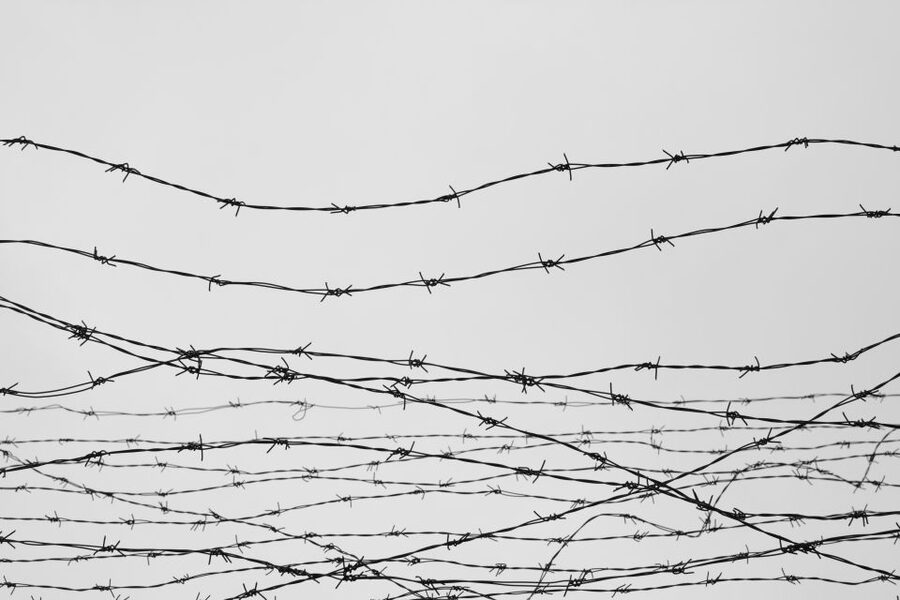
Next comes the heart of captivity: prisoner barracks. On a guided route, barracks are more than old rooms or reconstructed spaces. Your guide explains how prisoners endured the daily rhythm of abuse and slave labor, and how the camp functioned as a system rather than a temporary wartime measure.
This is one place where the language of the guide matters a lot. You want someone who can explain details clearly without losing respect for the subject. In particular, the value of a licensed guide shows up here, because it is easy for visitors to get lost in names, dates, and numbers if they are not connected to what you are standing in.
If your goal is to learn what life inside the camp was like, barracks are where the tour stops being abstract. You’ll also get context about the variety of people imprisoned here, including political prisoners and people targeted for identity or beliefs.
The Former Prison and the Gas Chamber Site
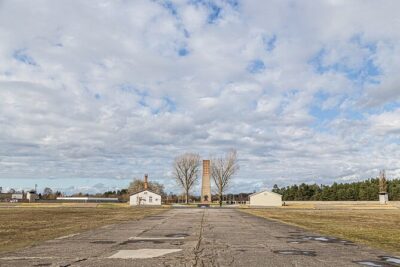
The tour also includes viewing the former camp prison and the site of the gas chamber. These are among the most difficult stops, not just because of what happened, but because they can feel too small or too ordinary for the scale of suffering tied to them.
A strong guide makes the difference between feeling overwhelmed and understanding what you are seeing. For example, one guide name you might hear associated with this kind of compassionate delivery is Gunnar, who has been described as compassionate with a difficult subject and an expert in the significance and legacy of Sachsenhausen. Another guide example is Silvia, noted for having a lot of knowledge about both the place and the trip, answering questions readily.
You do not need special knowledge to handle these areas, but you should give yourself permission to pause. Look, absorb, then move on with the guide’s explanation. If you try to rush, the mental load can spike.

The First Crematorium Site and the Mass Graves
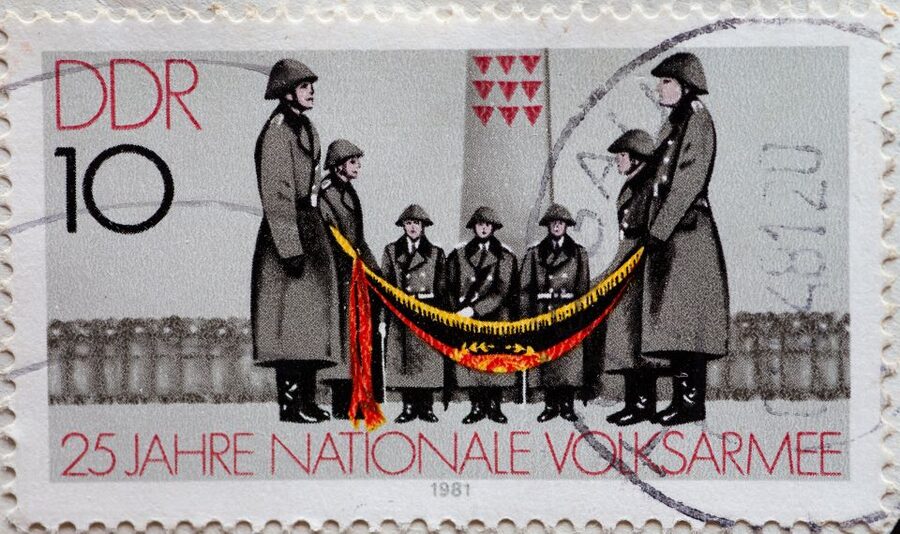
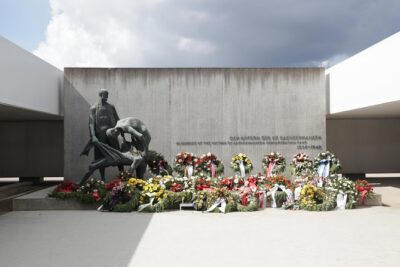
The tour route includes the site of the first crematorium, plus memorials tied to mass graves for concentration camp victims and burial grounds. This part of the visit can feel like a sudden change in tone, from operational buildings to spaces devoted to death and remembrance.
Why it is important: the crematorium site and related memorial elements help you see how the Nazis tried to manage and conceal death at scale. At the same time, the mass graves and burial grounds make it harder to treat victims like statistics. The guide’s framing matters because it connects physical locations to human loss.
Also, the memorial’s presence reminds you that this is not only an artifact of the past. The site exists to teach, to prevent forgetting, and to resist the temptation of denial. If you want a visit that gives you more than a photo opportunity, this is where it turns into education with moral weight.
Museum Exhibitions: Nazis and Soviets in One Narrative
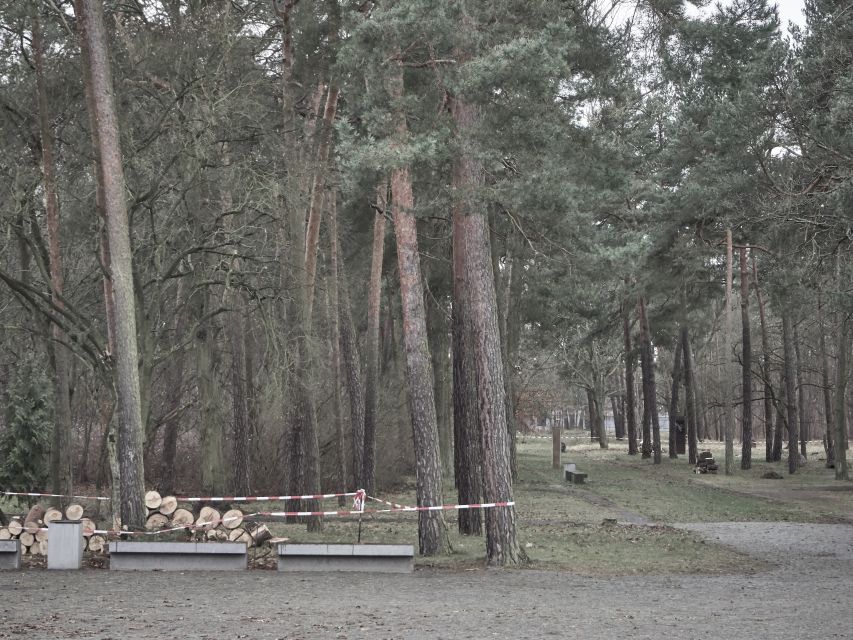
After the on-ground walk through former camp areas, the museum exhibits bring the story into focus. You’ll see displays on camp operations under the Nazis and under the Soviets, including how prisoners were tortured and executed.
I like museum time on tours like this because it lets you slow down and connect dots. When you’ve just walked through the physical layout of confinement, the exhibits help you understand the broader mechanics and how policies shaped daily life.
The museum also helps you understand why Sachsenhausen is often discussed as a site tied to the National Socialist ideology and its consequences. The tour emphasizes causes and consequences, so you get more than wartime trivia. You learn how extremist ideology turns into institutions and routines, not only into isolated acts.
Who Were the Prisoners, and What Their Names Teach
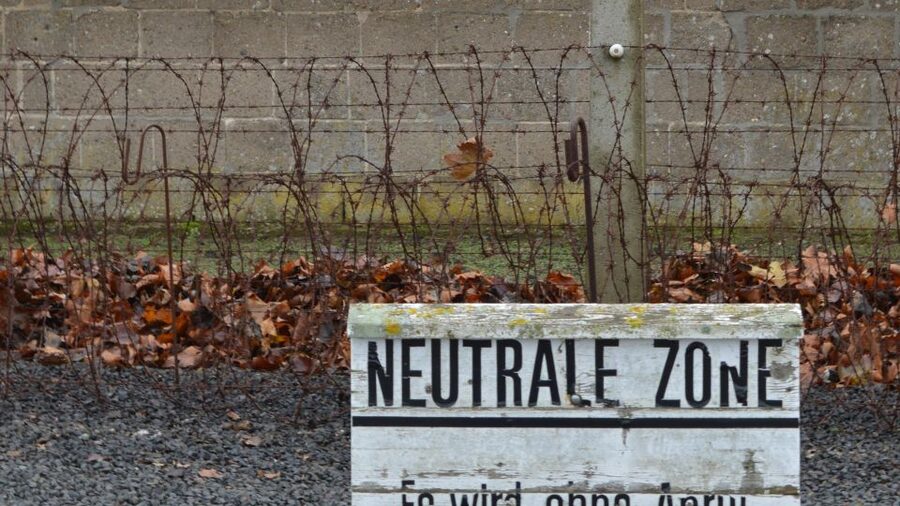
One of the standout aspects of this tour is that it gives you a sense of who was imprisoned, not just what the camp did. You learn that among the inmates were political prisoners, along with people targeted for identity or belief.
The names and categories presented can be sobering in a very specific way. For example, the tour includes references to Joseph Stalin’s oldest son and the family of the Crown Prince of Bavaria. You also learn about the penultimate PM of France, along with Jehovah’s Witnesses, Soviet POWs, Poles, Jews, homosexuals, and freemasons.
Here’s the practical value of this approach. It prevents the mind from treating prisoners as a single, faceless group. You can compare how different people were targeted for different reasons, yet processed through the same brutal system. That helps you understand the reach of Nazi extremism.
It also gives you a thread to follow after the tour, when you read or watch WWII material later. You’ll remember Sachsenhausen when you encounter details about ideology, oppression, and persecution across Europe.
How the 4-Hour Format Works (So You Don’t Feel Rushed)
The tour lasts 4 hours, and for a site this emotionally heavy, that time length is a careful choice. You get enough time to cover the major features, without the fatigue of staying too long in a constant state of tension.
Still, manage expectations. This is not a “quick overview.” A guided walk of former prison areas and memorial grounds plus museum time can feel fast or slow depending on your tolerance for walking and how much you ask. If you want to ask lots of questions, plan to bring your questions with you, because your guide’s explanations are part of what you are paying for.
For comfort, wear warm clothing. The suggestion is simple, but it matters here because you’ll likely spend time outdoors around memorial spaces.
Price and Value: Is $512 Worth It?

At $512 per person for a 4-hour private guided experience from Berlin, the price feels steep until you break down what you are actually buying.
You are not paying only for a ticket into the museum. You also get:
- a private car transfer with pickup and drop-off at your Berlin accommodation
- a clean, air-conditioned vehicle reserved for your group
- a licensed guide fluent in your chosen language
- free admission to the Sachsenhausen Memorial and Museum
In other words, you are paying for reduced friction. The private transfer saves you from planning trains or rides while carrying the emotional weight of the destination. And the private guide saves you from standing in front of sites without understanding the system behind them.
Who is this value best for? People who prefer direct access and clear interpretation, not a crowded group schedule. If you are traveling with family or friends and you want your questions answered in your preferred language, a private format can be the difference between a confusing experience and a meaningful one.
If you are on a tight budget, this is likely not the option you choose. But if you are prioritizing quality interpretation, especially at a morally serious site, it can feel like one of the more responsible ways to do it.
Wheelchair Access and Private-Group Comfort
The tour is listed as wheelchair accessible, which is a meaningful factor for planning a visit to a memorial site. It is also a private group, so you are not stuck moving at someone else’s pace or answering to a loud group dynamic.
Even if you are fully able-bodied, private comfort can still matter. In emotionally difficult places, quiet focus helps. You are more likely to hear the guide’s explanations clearly, and you’ll have more space to pause when needed.
Should You Book This Private Sachsenhausen Tour?
I think you should book this tour if you want:
- a licensed guide who can explain the camp’s role as a model and training site used to perfect execution methods
- a clear route that includes command headquarters, prisoner barracks, the former prison, the gas chamber site, and the first crematorium site
- museum exhibitions that cover operations under both Nazis and Soviets
- pickup from Berlin so you do not burn energy on transportation planning
You should reconsider if you know you struggle with heavy historical subjects or long outdoor walking in cool weather. This is one of those places where avoiding emotional strain is part of the decision, not a failure to “take it seriously.”
If you decide to go, go with a simple mindset: let the guide’s explanations slow you down, respect the memorial spaces, and don’t try to turn the experience into a checklist. You’ll leave with understanding, not just impressions.
FAQ
How long is the guided tour from Berlin to Sachsenhausen?
The tour is 4 hours long.
Do I get picked up from my accommodation in Berlin?
Yes. Pickup is included from your accommodation in Berlin, and the tour also returns you after the visit.
Is this a private tour or a group tour?
It is a private group tour.
What languages are available for the licensed guide?
The live guide is available in German, English, French, Italian, Spanish, and Polish.
What will we see at Sachsenhausen during the tour?
The tour includes a private guided visit of former camp areas such as the command headquarters and prisoners’ barracks, plus the site of the first crematorium. It also includes other key areas like the former camp prison and the gas chamber site, along with mass graves, burial grounds, and memorials.
Is admission to the Sachsenhausen Memorial and Museum included?
Yes. Free admission to the Sachsenhausen Memorial and Museum is included.
Is the tour wheelchair accessible?
Yes, it is listed as wheelchair accessible.
Visiting Sachsenhausen Memorial
Everything else we filed on Berlin
- Private Photo Tour in Kreuzberg
★ 5.0 · 3 reviews - Kreuzberg Private Walking Tour: Immigrants, Artists & Hipsters
★ 5.0 · 3 reviews - Berlin’s Jewish Heritage: Private Tour of the Vibrant Jewish District
★ 5.0 · 3 reviews - Individual city tour Berlin for max. 8 persons
★ 5.0 · 3 reviews - Berlin & The Third Reich Private Guided Tour
★ 5.0 · 3 reviews - Private Analogue Photography Experience in Berlin
★ 5.0 · 3 reviews
Sachsenhausen Memorial Site Tours, side by side.
 ★ 5.0Berlin: Sachsenhausen Concentration Camp Tour in EnglishFrom $365,711 reviews
 ★ 4.7Berlin: Sachsenhausen Concentration Camp Memorial TourFrom $213,716 reviews
 ★ 5.0Sachsenhausen Concentration Camp Bus Tour in English from BerlinFrom $681,962 reviews
★ 4.8Berlin: Sachsenhausen Concentration Camp Tour in EnglishFrom $221,889 reviews
 ★ 5.0Sachsenhausen Concentration Camp Memorial Tour (Max. 15 Guests)From $351,516 reviews
 ★ 4.6Berlin: Sachsenhausen Concentration Camp and Potsdam TourFrom $651,334 reviews
 ★ 5.0Sachsenhausen concentration camp.From $341,189 reviews
 ★ 5.0Visita en español al campo de concentración SachsenhausenFrom $341,170 reviews
Other lists this tour is on