
REVIEW · NIGHT WATCHMAN AND COSTUMED TOURS
Munich: Night Watchman Walking Tour
Late-night Munich gets a different kind of guide. This costumed night watchman walk turns old streets into scenes with humor, warnings, and real city details. I like that the stories come with street-level specifics, like why St. Peter’s towers look askew, and I also enjoy the pace of the route, short enough to stay fun but packed with “wait, really?” moments. The main drawback is simple: it’s at night, mostly walking, and there’s no food or drinks included.
The guide also has that rare skill of mixing spooky content with practical context, so the city feels understandable, not just dramatic. You’ll hear about prison and torture sites, churchyard funerary customs, and why Munich’s rulers and saints still shape what you see today. One more thing to consider is the cost: $530 per group up to 30 makes it best value when you’re sharing the group price.
The bottom line: if you like your Munich with lantern-light stories and real landmarks, this is a fun way to spend 1.5 hours in the old town.
In This Review
- Key things you should notice before you go
- Why Munich’s night watchman tour works after dark
- From Marktplatz to the watchman’s rules for the streets
- St. Peter’s Church and the mystery of the askew towers
- The churchyard gravestones, funerary customs, and missing pews
- Altes Rathaus on Salzstraße and the complaining Stadttor
- Patron saints, prison memories, and Louis II at Alter Hof
- Following the 12th-century city walls toward Wasserburg-side lanes
- Cathedral symbols, Frauenkirche tragedies, and epitaph stories
- Promenadeplatz, Salzstadel, and palaces built for a mistress
- Salvatorkirche, the host desecration story, and Theatinerkreuzgang
- Price and value for a 1.5-hour old-town nighttime story
- Who should book, and who might want a different night option
- Should you book the Munich Night Watchman Walking Tour?
- FAQ
- FAQ
- How long is the Munich Night Watchman Walking Tour?
- How much does the tour cost?
- What language is the live guide available in?
- Is food or drinks included?
- Is the tour wheelchair accessible?
- Is there a free cancellation window?
Key things you should notice before you go
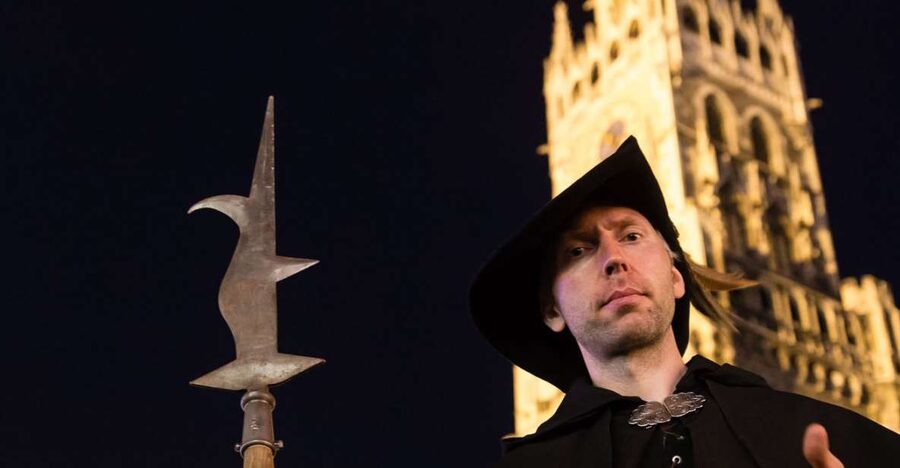
- A night-watchman character, not a lecture, so history lands through stories
- St. Peter’s Church tower angle, explained as part of the local lore
- Churchyard gravestone talk, including funeral customs and epitaph details
- Named old-town stops like Marktplatz, Altes Rathaus, Frauenkirche, and Promenadeplatz
- Crime, punishment, and rulers, from prisons to Louis II and the Wittelsbach family
- Short and focused route that fits well even on busy evenings
More lantern-lit rounds after dark
- Munich: Night Watchman Walking Tour★ 4.7 · 2,092 reviews
- Munich: Night Watchman Torch Tour in German★ 4.8 · 1,280 reviews
- Munich: Middle Ages Tour with Night Watchman★ 4.9 · 652 reviews
- München: Der Nachtwächter für Kinder – Führung auf Deutsch★ 5.0 · 322 reviews
Why Munich’s night watchman tour works after dark
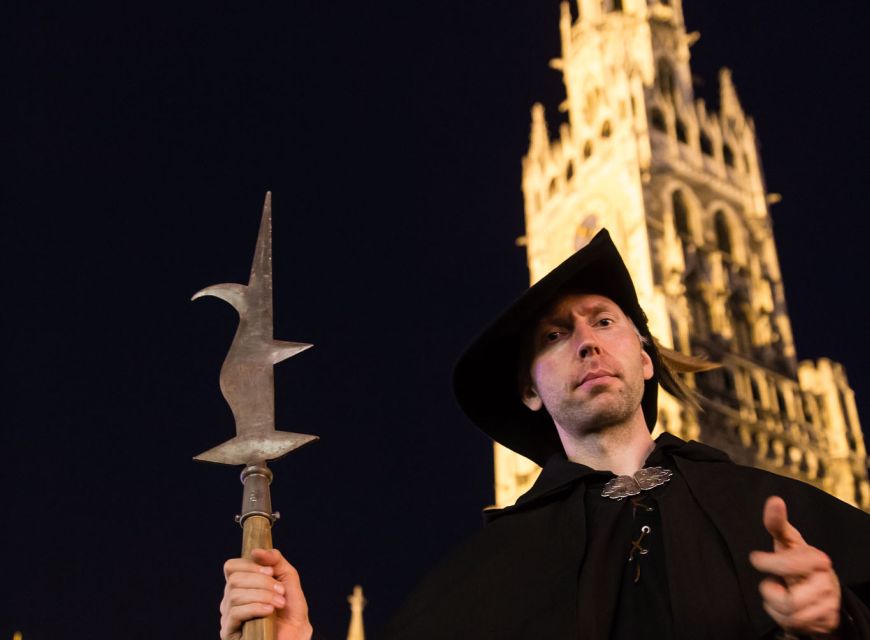
Nighttime changes Munich’s old town. Daytime has crowds and traffic noise. At night, the streets feel narrower, older, and more like a maze than a postcard. That shift matters here, because the whole concept is a costumed night watchman patrolling for peace and order, not just showing you sights.
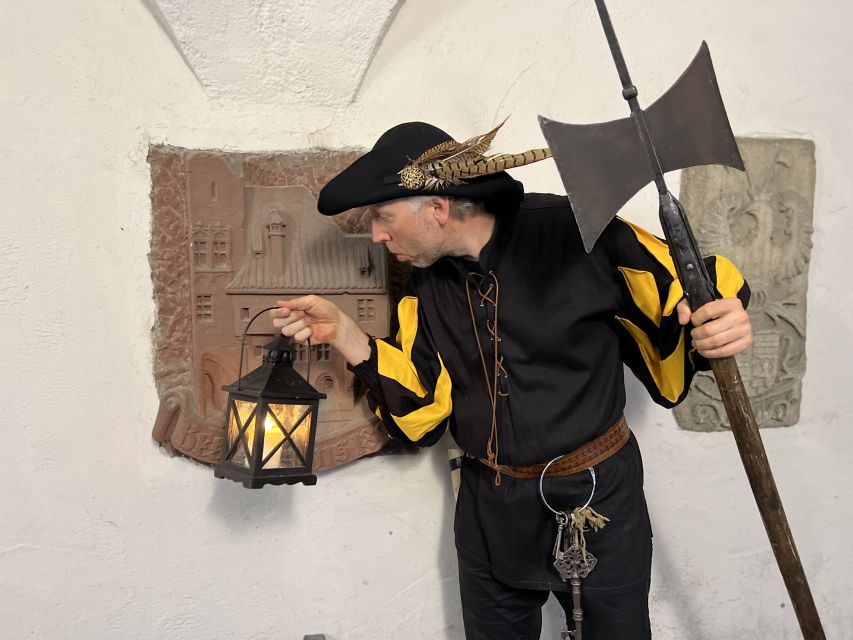
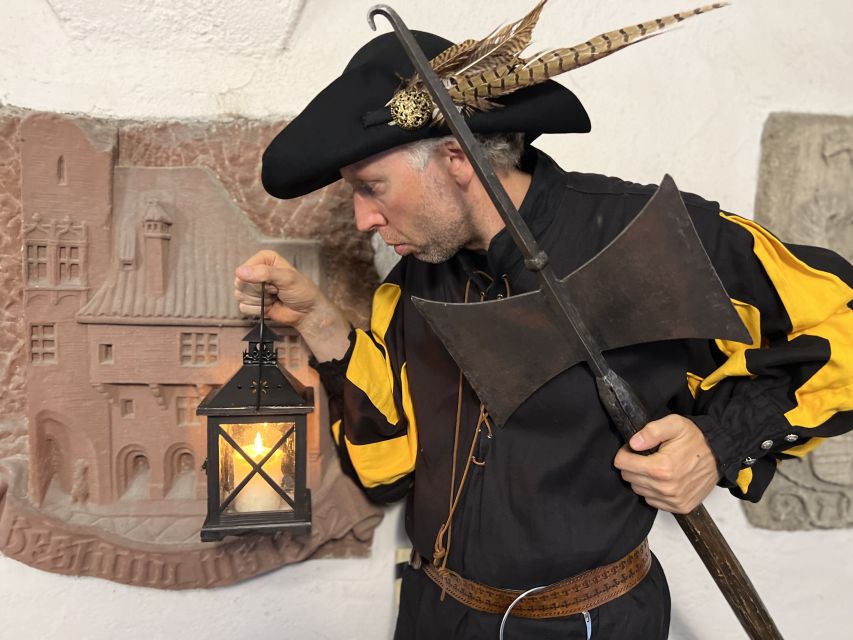
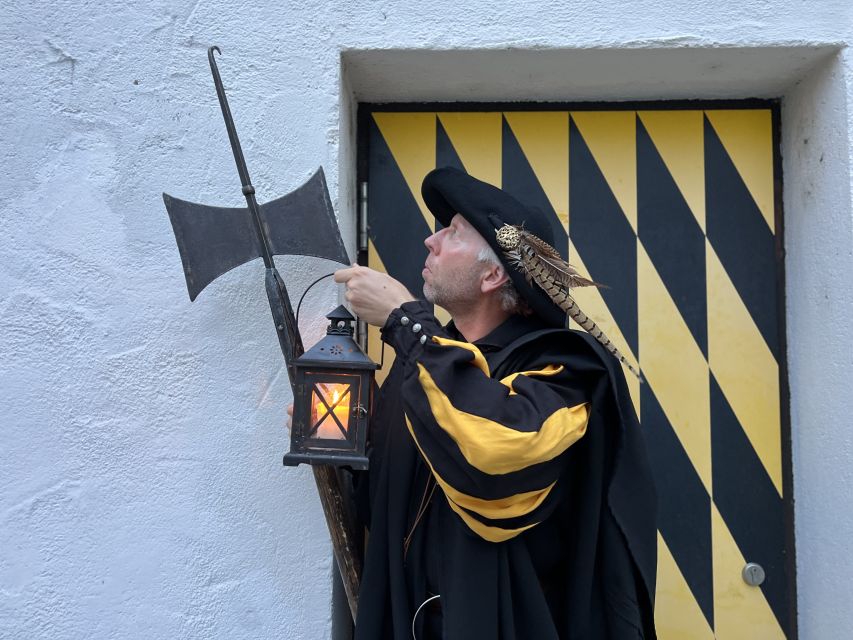
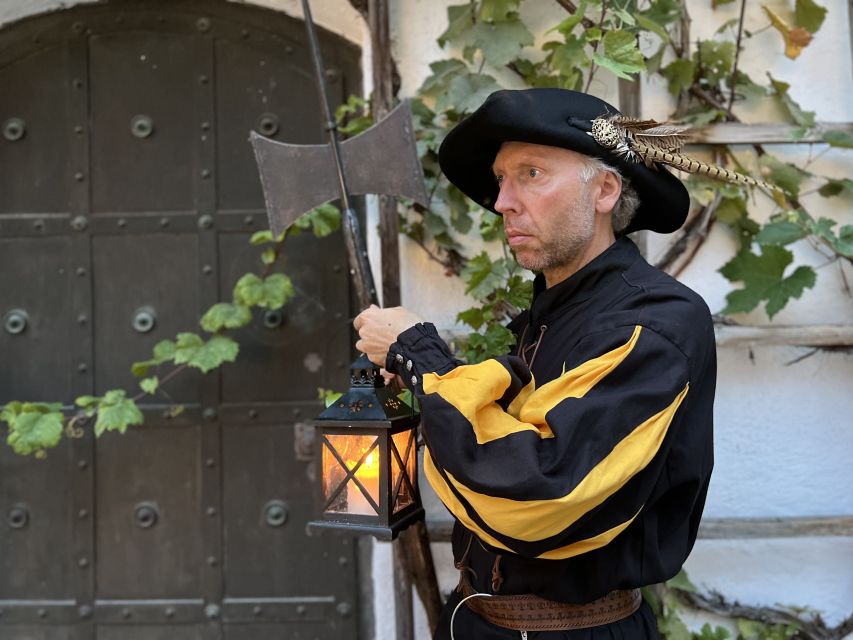
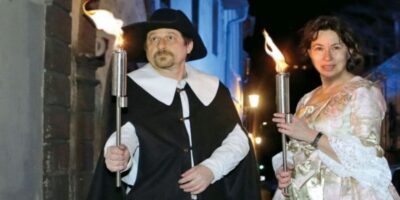
I like that the guide leans into character. The night watchman doesn’t just point at buildings, he talks like he owns the streets, knows the angles, and knows what people should be doing (or not doing) after 21:00. That attitude gives the tour a theme: when everyone else sleeps, the old town comes alive with secrets, warnings, and stories.
You also get a useful balance. Yes, there are spooky tales, clandestine societies, and darker episodes. But you’re not left with vague atmosphere. You walk through recognizable landmarks and hear explanations you can connect to what you see, like the meaning behind the church towers and the way Munich’s power and faith show up in stone.
The tour runs 1.5 hours, which is an ideal length. Long enough for a real story arc, short enough that you can stay engaged even in cool evening air.
From Marktplatz to the watchman’s rules for the streets
The tour starts at the pulse point of the old town: Marktplatz. This is where the guide’s “rounds” vibe really clicks. The night watchman shepherds his flock here, which sets the tone fast. He’s not impressed by modern habits, and he makes it clear that law-abiding citizens should be in bed after the night gets rolling.
One detail I’d pay attention to is the way he answers everyday questions with local humor. For example, when someone asks why there are so many taps in Munich, his answer is simply: for the beer. That kind of exchange is more than a joke. It’s a reminder that history in Munich isn’t locked in museums. It’s in the practical life of the city, even down to small urban habits you’ll notice later.
Also, Marktplatz is a good start point because it helps you orient quickly. Even if you’re new to Munich, you can place the rest of the route as the guide moves from one landmark cluster to another.
If you want maximum fun, show up ready to listen and ready to be a little playful back. This tour works best when you lean into the character, instead of treating it like a checklist.
St. Peter’s Church and the mystery of the askew towers
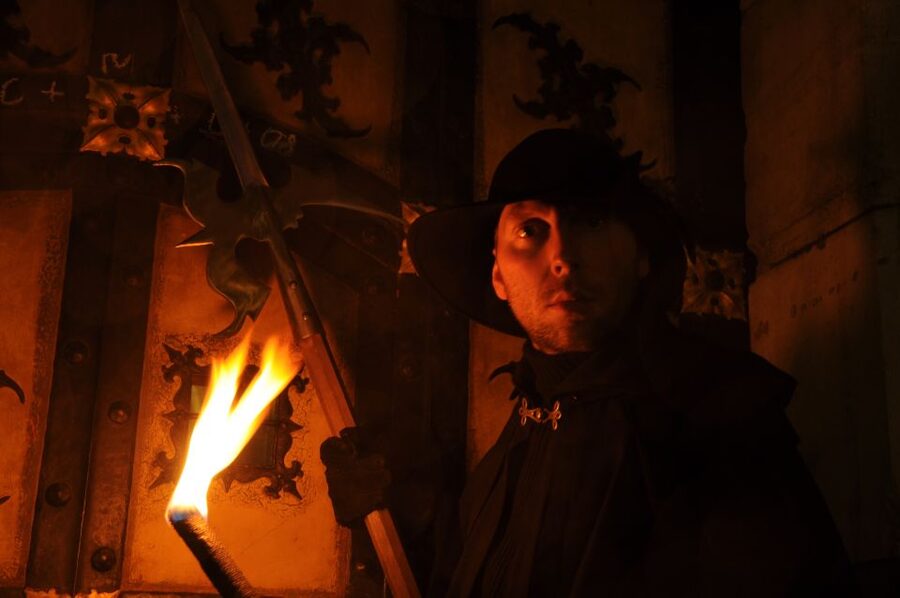
Next comes St. Peter’s Church, and specifically the tops of the towers. The guide explains why they stand askew, and that’s one of those details that makes you look up, not just around.
Why this stop matters: tower geometry is the kind of thing that seems like an accident until someone gives you the local reason. When the guide ties it to the night watchman’s stories, the church stops being background architecture. It becomes a character in the tour.
Practical tip for this part: keep your eyes up as much as your feet move. The explanation is about what you can visually confirm, so if you’re only watching the ground, you’ll miss half the point.
The churchyard gravestones, funerary customs, and missing pews
On the south side of St. Peter’s, you move into the churchyard area and the tour gets darker in a very specific way. Here you hear stories from the gravestones, including funeral customs and epitaphs. The guide also mentions decomposing corpses and, intriguingly, missing church pews.
This is where the “history through weird human details” approach shines. Funeral customs and epitaphs can sound academic, but when you hear them tied to real names, practices, and consequences, they become personal. It also helps you understand how strongly faith and community memory shaped the city.
One consideration: if you prefer your evening tours light and upbeat, this section is definitely more morbid than funny. It’s still entertaining, but it leans into grim reality. You can decide in advance if that’s your kind of story.
Other walking routes through Munich

Altes Rathaus on Salzstraße and the complaining Stadttor
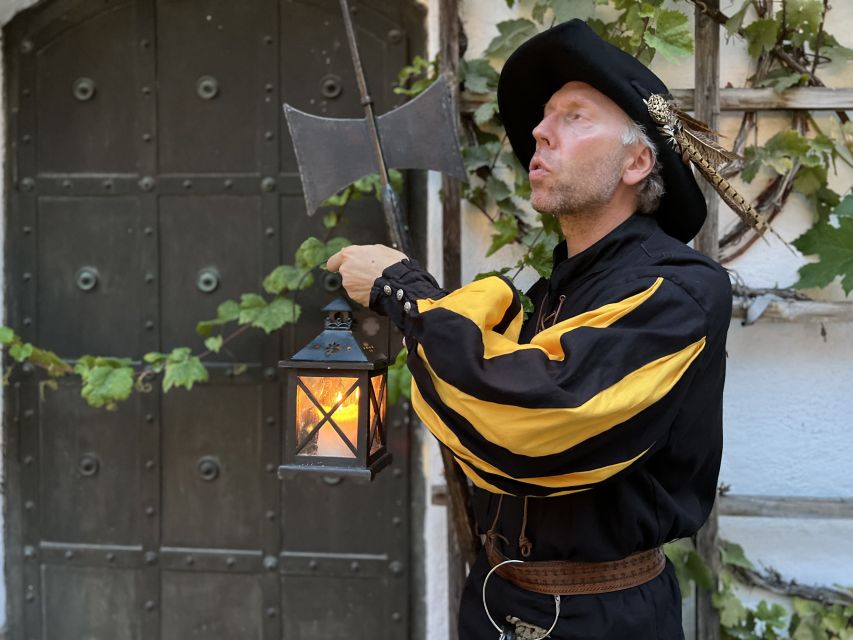
Then you reach the Altes Rathaus tower area along Salzstraße, where the old Stadttor comes to life in the guide’s telling. The Stadttor complains about its rebuilding in the 1970s, and the night watchman also questions visitors’ piety along the way.
This stop matters because it connects three big themes:
- how Munich’s civic power shows up in architecture
- how faith and ritual show up in everyday life
- how modern changes still get absorbed into the old town’s story
It’s also a good example of how the guide uses personality to keep the tour moving. If you start to tune out on long stretches of narration, the guide’s character work brings you back in.
As you listen, keep an eye on what you’d otherwise overlook. The point is not just to hear a tale, but to see the building elements that anchor it.
Patron saints, prison memories, and Louis II at Alter Hof
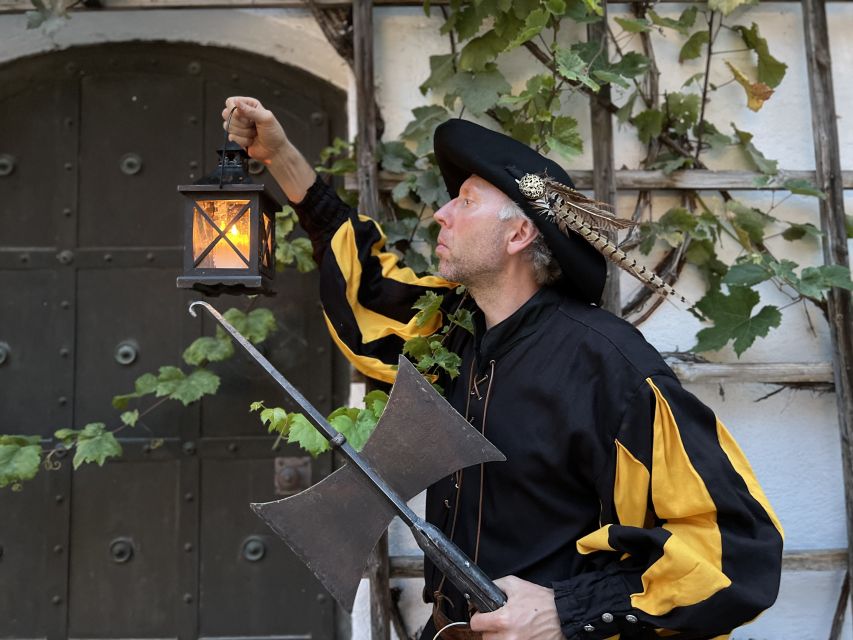
From there, the tour continues past the torture chamber and prison area toward the Alter Hof, built by Louis II. The guide talks about why this ruler was regarded as so harsh, and he also explains how the House of Wittelsbach came to Munich.
If you like your history with cause and effect, this is a strong segment. Power doesn’t just sit in documents. It shapes what gets built, what gets protected, and what gets feared. A night tour is a great format for that, because the darker aspects of rule and punishment make more emotional sense after dark.
Two more details stand out here:
- the guide connects the Zwingerstock name to its origin
- you also get a sense of how harsh leadership got tied into popular understanding
And don’t miss the saint talk either. The guide references patron saints like Onuphrius and Henry the Lion, presenting them as protectors from sudden death. This isn’t random trivia. It’s the logic of earlier centuries, where safety, religion, and fate were tightly linked.
Following the 12th-century city walls toward Wasserburg-side lanes
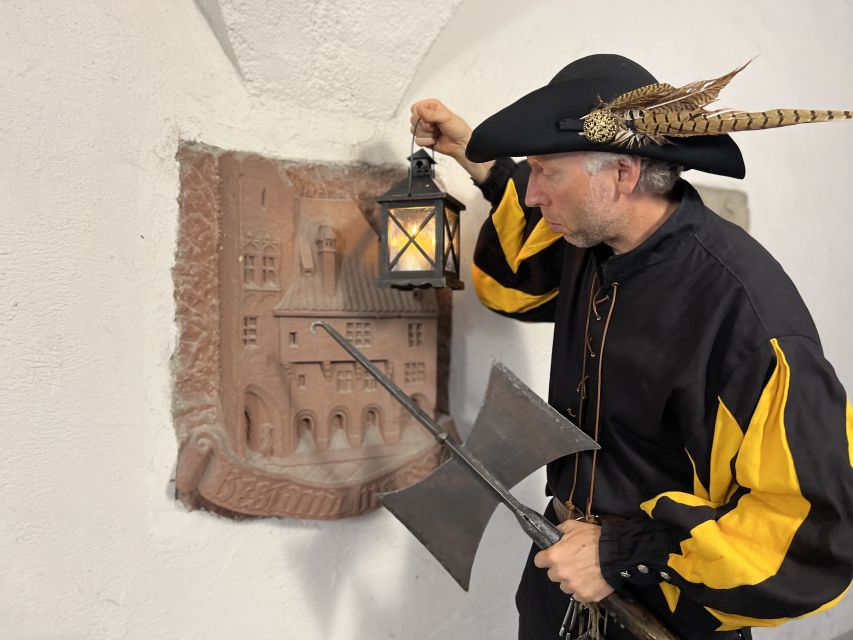
The route shifts toward the city walls from the 12th century. You follow the line of the walls and then head west from Wasserburg. This part feels like a change in texture, moving you away from the biggest landmark clusters into smaller lanes that better match the night watchman theme.
Here the guide also tells a spooky story at Gruftgasse about Waller in Walchensee, featuring a young lady and her golden ring. The guide includes the name Alois here, and that personal touch helps the story stick.
Then you reach Schäfflergasse, where you learn why wine, not beer, was the Middle Ages drink of choice. That’s a great example of the tour doing more than scary stories. It also gives you food and drink context that makes old trade and daily life clearer.
If you’re the type who loves details, these smaller lanes deliver. They can feel like you’re stepping into the back corridors of the old town, and your brain starts mapping Munich differently after this.
Cathedral symbols, Frauenkirche tragedies, and epitaph stories
You’ll then see the cathedral and focus on the city’s symbols, especially the two towers. Even if you’ve seen Munich’s big churches in photos, the night tour framing changes how you register them. Towers become more than a skyline view. They become signposts, like the city is pointing at itself.
In the same stretch, you hear about the rich widow’s epitaph and about Fanny von Ickstatt, including her unlucky fall from the north tower of the Frauenkirche.
This is another stop where I’d advise you to listen closely and look up at the right moments. The guide’s stories are anchored to specific places, and the emotional punch comes from linking names and events to real architectural locations.
Not every tour manages to make epitaph and tower lore feel relevant. This one does, because the watchman ties it into the theme of sudden death, faith, and the city’s ongoing memory.
Promenadeplatz, Salzstadel, and palaces built for a mistress
As you move to Promenadeplatz, you pass the old Salzstadel. Then the tour goes by Palais Porcia and Palais Holstein, where you hear a romance and power story connected to Karl Albrecht.
The guide explains how Karl Albrecht had these palaces built for his mistress. That kind of detail does two helpful things for you:
- It makes aristocratic life concrete, not abstract
- It gives you a reason to remember the palace names and locations
This is also where the tour becomes a walking map of political desire. You’re seeing architecture tied to personal choices, and you start noticing what that says about Munich as a place, not just as a landmark collection.
Salvatorkirche, the host desecration story, and Theatinerkreuzgang
The final major story arc starts at the Salvatorkirche. Here, you hear about the enormous host desecration, and you also get a love story at the Theatinerkreuzgang involving Henriette Adelaide and Ferdinand Maria, the electoral prince.
Then the guide connects it to a turning point. After 10 years, the long sought-after heir to the throne was born, and at that moment the Theatine Church was built.
This is the part of the tour where everything you heard earlier clicks. Faith and politics are not separate in old Europe. They’re tangled. This stop uses dramatic storytelling to show how a religious event and a dynastic outcome changed what got built in the city.
By the end, the night watchman lets his flock loose into the night to continue his rounds, which is a tidy way to bring the atmosphere to a close without leaving you abruptly standing around wondering what just happened.
Price and value for a 1.5-hour old-town nighttime story
Let’s talk money honestly. The price is $530 per group up to 30 for 1.5 hours. That’s not cheap if you’re traveling solo. But pricing like this can be good value if you’re booking with friends, a small group, or a ready-made party.
Think of it this way: you’re paying for a performer-guide format (costume, character, and a prepared narrative route), plus the ability to cover a lot of named landmarks in a single evening window. If you split the group cost across several people, it can start to look much more reasonable per person than a typical per-person ticketed walking tour.
A few value notes:
- The tour includes guidance from the night watchman in medieval garb.
- Food and drinks are not included, so you should plan a meal before or after.
- Transport is not included, so you’ll want to arrive on your own.
- The tour is wheelchair accessible, which is a big plus if you need that, even for a night walk.
Also, the guide experience has strong signals in the best ways. The most praised aspects include wit and charm, funny and informative delivery, and authentic-feeling character work. One guide name that shows up is Elsbeth, and her approach is described as authentic and experience-oriented, with great info. While guides can vary, that quality profile is exactly what you want from this kind of tour: storytelling you can trust.
Who should book, and who might want a different night option
This tour fits best if you:
- like story-driven history, especially at night
- enjoy the old town as a maze, not a straight-line route
- want a guided walk that connects church towers, city governance, and daily life
- don’t mind spooky themes, prisons, and funerary details
You might want to choose something else if you:
- want a quiet, purely educational walk with minimal drama
- dislike darker subject matter
- are looking for food in the package (it’s not included)
If you’re deciding between this and another evening activity, I’d use a simple test. Ask yourself if you want your Munich to feel like a living tale. If yes, book this. If you’d rather have a straightforward checklist tour, you may find the character style less your speed.
Should you book the Munich Night Watchman Walking Tour?
I think you should book it if you want a memorable night in Munich’s old town that mixes landmarks with character-led storytelling. The route hits recognizable places like Marktplatz, St. Peter’s, Altes Rathaus on Salzstraße, the Frauenkirche area, and Promenadeplatz, but what makes it special is the way the guide connects them with saints, rulers, punishment, and everyday life details like wine versus beer.
If you’re traveling in a group, the pricing can make more sense because it’s per group up to 30. If you’re solo, you may still enjoy it, but you’ll likely want to compare cost with other tours.
FAQ
FAQ
How long is the Munich Night Watchman Walking Tour?
It lasts about 1.5 hours.
How much does the tour cost?
The price is listed as $530 per group, with group size up to 30.
What language is the live guide available in?
The tour is available in German and English.
Is food or drinks included?
No. Food and drinks are not included.
Is the tour wheelchair accessible?
Yes, it is listed as wheelchair accessible.
Is there a free cancellation window?
Yes. You can cancel up to 24 hours in advance for a full refund.
Pavements of Munich
The Night Watchman Goes Again
Everything else we filed on Munich
- Munich Beer and Bavarian Bites Private Tour
★ 5.0 · 11 reviews - Private Day Trip from Munich to Neuschwanstein and Linderhof
★ 4.0 · 11 reviews - Private Munich Old Town Walking Tour – with optional Breakfast
★ 5.0 · 11 reviews - Festive Concert in the All-Saints Court Church
★ 4.6 · 11 reviews - Private Castle Tour from Munich: Neuschwanstein, Hohenschwangau, and Linderhof
★ 4.5 · 12 reviews - Munich: Oktoberfest Big Beer Tent Evening including table reservation
★ 4.8 · 12 reviews
Night Watchman and Costumed Tours, side by side.
 ★ 4.6Dresden: The Original Night Watchman Tour in Lantern LightFrom $176,653 reviews
 ★ 4.7Hamburg: Night Watchman’s Tour of St. Pauli in GermanFrom $234,818 reviews
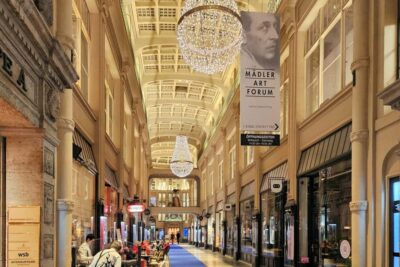 ★ 4.6Leipzig: 1.5-Hour Public Tour with Night Watchman BremmeFrom $173,116 reviews
 ★ 4.8Dresden: Night Watchman Tour Through The Old TownFrom $171,758 reviews
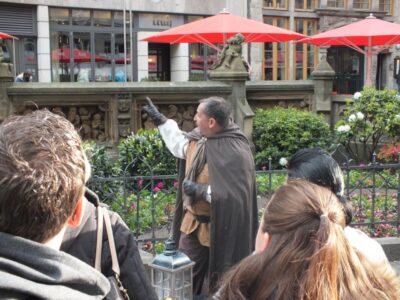 ★ 4.6Cologne: The Night Watchman Old Town Walking Tour in GermanFrom $171,395 reviews
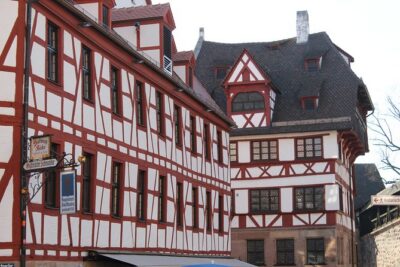 ★ 5.0Medieval Tour in Nuremberg in SpanishFrom $191,374 reviews
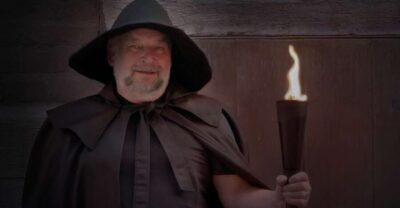 ★ 4.8Munich: Night Watchman Torch Tour in GermanFrom $221,280 reviews
 ★ 4.7Heidelberg: Night Watchman Historic Adventure TourFrom $3051,186 reviews
Other lists this tour is on