
REVIEW · SACHSENHAUSEN
Private Sachsenhausen Concentration Camp Memorial Tour
Private tours in Berlin have a special power. This one takes Sachsenhausen, Germany’s first purpose-built Nazi concentration camp, and turns it into a guided learning experience that makes the place’s role easier to understand. I especially like that you get a licensed memorial guide trained by the camp’s foundation, and that the pacing can be shaped to your questions and comfort level. One thing to plan for, though, is that this is a deeply somber site, and even a well-run tour still means serious emotional weight.
If you want history that connects the camp to the larger story of Nazi power, you’ll like the way the visit is structured. You’ll move through the camp’s key remaining structures, then your guide ties what you see to how the system formed and shifted over time, from the 1930s into WWII. That context is exactly what helps many people leave with clearer understanding instead of only names and dates. The possible drawback is simple: at about 6 hours total, it is a long day, and you will be walking around an outdoor memorial.
Finally, this tour’s private setup matters. With a group limited to up to 5, you are not stuck waiting for the slowest pace in a big crowd, and that can make hard topics feel more manageable. You start at Pariser Platz at the Academy of Arts and finish back at the same meeting spot, so you do not have to re-map your day at the end. Just be ready to slow down and let the guide’s explanations land.
In This Review
- Key things that make this Sachsenhausen private tour worth your time
- Why Sachsenhausen makes more sense with a licensed guide
- Tower A to the camp infirmary and pathology building
- Station Z, SS and Gestapo prison, and the exhibition space
- Former prisoner barrack blocks: what to notice on the ground
- How the guide connects Nazi politics in the 1930s to WWII at Sachsenhausen
- Private pacing and Q&A: what makes it feel personal
- Price, group size, and real value in a Berlin-day schedule
- Meeting at Pariser Platz, and planning your route and day length
- Who this Sachsenhausen private tour fits best
- Should you book this private Sachsenhausen memorial tour?
- FAQ
- Is this Sachsenhausen tour offered in English?
- How long is the tour?
- How much does the tour cost, and what group size does it support?
- Where do we meet, and do we return there at the end?
- What is included in the tour price?
- Do I need tickets for public transport?
Key things that make this Sachsenhausen private tour worth your time
- Licensed memorial guide: trained and licensed by the Sachsenhausen memorial foundation
- Key camp stops you can visually connect: Tower A, Station Z, infirmary and pathology building, and more
- History tied to how the Nazi system grew: changes in prisoner types, numbers, and nationalities over time
- Private group pacing: your group stays together and the guide can adapt to what you want to focus on
- Time built into the visit: one part of the tour is about 3 hours at the memorial site
- Practical start point: easy Berlin landmark meeting location at Pariser Platz
Other guided visits to Sachsenhausen Memorial
- Berlin: Sachsenhausen Concentration Camp Tour in English★ 5.0 · 5,711 reviews
- Berlin: Sachsenhausen Concentration Camp Memorial Tour★ 4.7 · 3,716 reviews
- Sachsenhausen Concentration Camp Bus Tour in English from Berlin★ 5.0 · 1,962 reviews
- Berlin: Sachsenhausen Concentration Camp Tour in English★ 4.8 · 1,889 reviews
Why Sachsenhausen makes more sense with a licensed guide
Sachsenhausen is not the kind of place where you can just wander and pick up facts. The grounds are spread out, the buildings and layouts invite your questions, and the history is tied to a system that grew step by step. That is why I like that this tour is led by a licensed and trained guide from the camp’s memorial foundation. You are not relying on someone’s personal blog knowledge. You get the structured, accurate context that helps you connect specific locations to how the camp operated within Nazi Germany.
What I also appreciate is the guide’s emphasis on development over time. The tour is designed to explain how the camp and the broader system came into being, how it developed, and how the prisoner population changed. You are also asked to understand those changes against the backdrop of Nazi dictatorship tightening in the 1930s, and then the impact of WWII. That framing helps the visit feel like a real timeline instead of a series of disconnected stops.
One more practical point: the tour being offered in English matters here. When you are dealing with difficult material, clarity is everything. A strong guide can keep the story accurate while still making it readable, and the reviews suggest the explanations are not delivered in a crushing, jargon-heavy way.
Tower A to the camp infirmary and pathology building
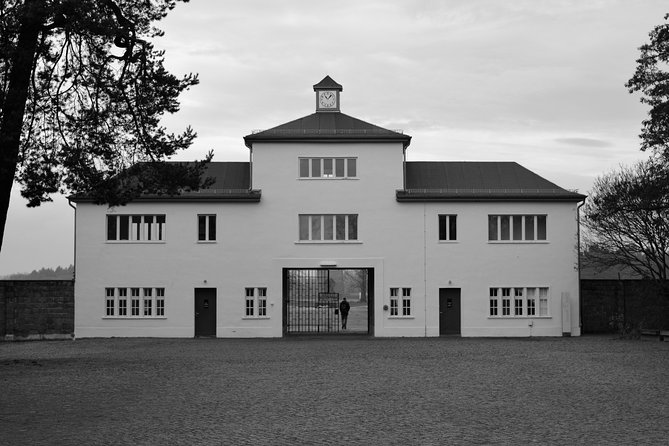
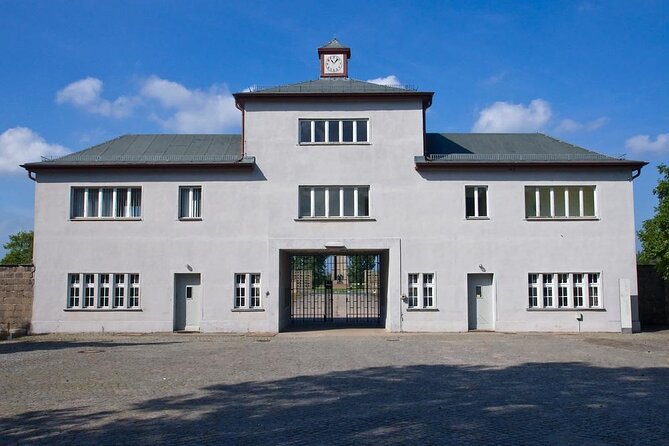
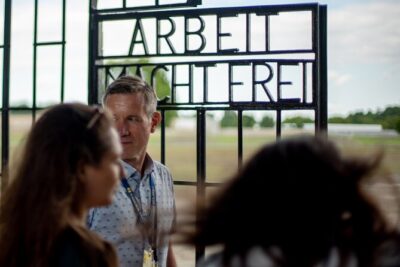
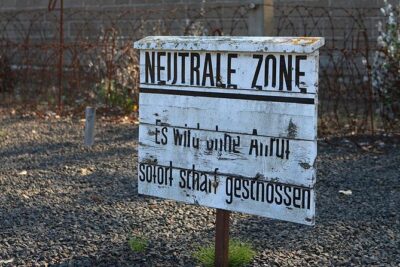
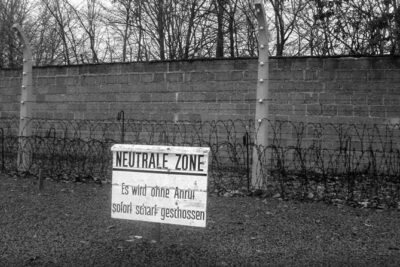
The visit starts at Gedenkstatte und Museum Sachsenhausen, where you focus on core remnants of what used to be the first purpose-built concentration camp within Nazi Germany. One of the first landmarks you’ll see is Tower A, the main entrance area. Even before the explanations start flowing, this is the moment when you begin to grasp control and confinement as a designed space, not an accident.
From there, you go to the camp infirmary and pathology building. This stop matters because it shows a side of camp life that is easy to overlook when people only think about barracks and guard lines. Seeing the purpose-built structures helps you understand how the system worked physically, not just conceptually.
In practical terms, this section is where the tour’s “why this matters” approach becomes clear. A good guide helps you look at each building and ask the right question, not just stare at stone and brick. And because this is a private tour, you can ask follow-ups without feeling rushed.
Station Z, SS and Gestapo prison, and the exhibition space
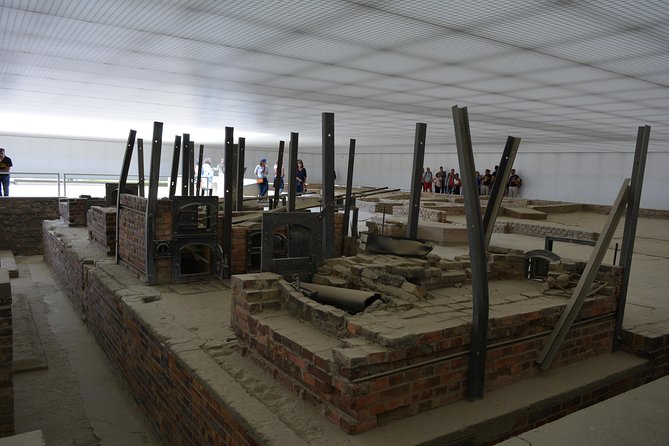
If there is one place that can make your stomach drop, it’s Station Z. The tour includes the purpose-built execution facility at Station Z, so you are not skipping the hardest pieces of the story. For many visitors, this is where guided framing is especially valuable, because the explanations help you understand how the camp was part of a larger machinery of terror.
Next up is the SS and Gestapo Prison. This stop brings the camp out of the “camp as isolated” mindset and back into the reality of how enforcement and political repression operated through institutions. Again, the guide’s role is key: the buildings give you the setting, but the guide gives you the timeline and the logic behind how these different parts fit together.
You’ll also visit an exhibition in the former camp kitchen building. That is a clever shift in perspective. Kitchens sound ordinary, but here they serve as a reminder that everyday functions inside the camp were absorbed into the system. An exhibition space like this often helps visitors process what they see elsewhere on the grounds, because it moves the story into explanation and documentation.
Former prisoner barrack blocks: what to notice on the ground
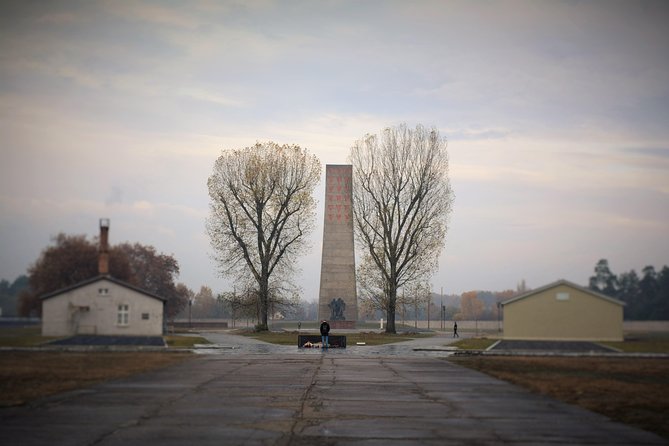
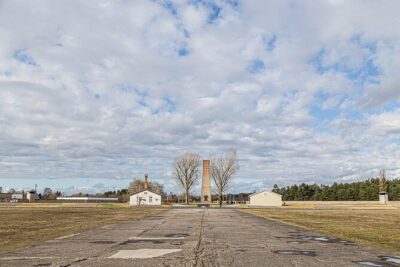
The tour includes time in the former prisoner barrack blocks. This is the stop where the physical scale can hit hardest. Barracks are where you can feel how routine and overcrowding would have worked, and how a system can reduce human beings to numbers.
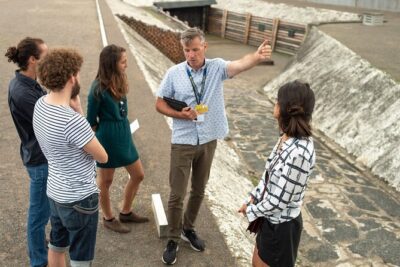
What helps most here is pacing. A private setup means you are not forced to keep up with a large group through each room or doorway. If you need a moment to step back or focus on one section more carefully, you likely can. Some reviews even mention that the guide gives time for you to visit parts alone, which can be important at memorial sites where you may want quiet or personal reflection.


How the guide connects Nazi politics in the 1930s to WWII at Sachsenhausen
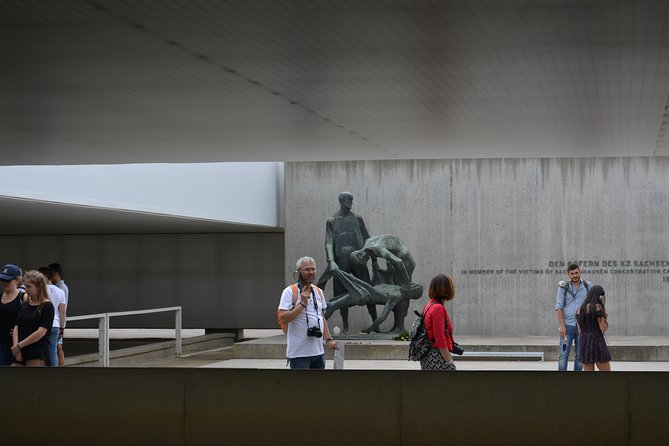
A standout promise of this tour is the way it connects the camp to the wider history. The guide’s job is to make you understand how Sachsenhausen and its surrounding camp system came into being, then how it changed as Nazi dictatorship strengthened in the 1930s and as WWII reshaped the world.
You should expect the guide to explain shifts such as the changes in prisoner types, numbers, and nationalities over time. You will not just learn that people were imprisoned. You will learn how the camp’s role evolved, and how the war period pushed the system in different directions.
This is also where tours can go right or wrong. If the guide is only reciting facts, you might end up with a memorization exercise. The reviews for this experience highlight guides who set up a clear political timeline and who can make difficult topics easier to follow without turning them into something light. If you are starting your Holocaust education, this is the kind of structure that helps you build a mental map.
Private pacing and Q&A: what makes it feel personal
Private does not mean casual. It means you get to move through the grounds as a small group while the guide adapts to your needs. That flexibility shows up in multiple ways that matter:
First, a private group means fewer interruptions and less waiting. You can ask direct questions at the moment you are facing the building that sparked the question. That reduces the chance you leave with half-understood details.
Second, guides for this tour are described as able to adjust to what you require. One review highlights a guide who took time to explain everything and still kept the information manageable, even though the subject is heavy. Another mentions a guide giving a bit of space for you to visit areas on your own.
Third, you may benefit from extra learning suggestions. Reviews include references to guides recommending books and movies to extend your education after the tour. That can be useful because memorial visits often leave you wanting follow-up reading, but not knowing where to start.
And yes, there is also a practical side. One review notes that a guide helped with the best way back toward a hotel. That kind of support can reduce stress if you are dealing with post-tour crowds and timing.
Price, group size, and real value in a Berlin-day schedule
The price is $390.50 per group, for up to 5 people, for about 6 hours. That can look pricey if you compare it to a cheaper group bus option. But private guide time is expensive in Berlin, and for a memorial site, licensed guidance is not the place to gamble on cost-cutting.
Here’s the simple math. If you have:
- 1 person, you are effectively paying the whole group price
- 5 people, the cost works out to about $78.10 per person
So this option is usually best when you have a small group, friends traveling together, or a family. If you are traveling solo, it can still be worth it if you strongly value pace control and personalized questions, but you should be honest about the per-person cost.
Also remember what’s included: the tour includes a professional, licensed guide, and admission ticket time for the memorial portion. Public transport tickets and private transportation are not included, so you will want to plan how you get to the meeting point.
Meeting at Pariser Platz, and planning your route and day length
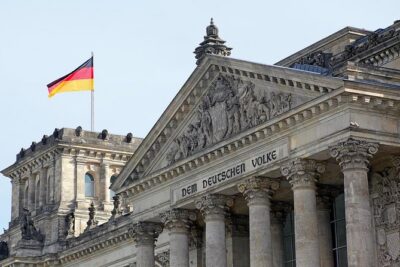
The meeting point is Academy of Arts, Pariser Platz 4, 10117 Berlin, and the tour ends back at the same meeting point. That structure is helpful. You do not have to worry about finishing in a remote area and then figuring out transit while your energy level is already drained.
The tour says it’s near public transportation. That matters because Sachsenhausen is outside the city core, and getting there on your own can be a bit of work. Even though this tour does not include public transport tickets, having a good starting landmark in central Berlin makes it easier to organize your trip.
Timing-wise, the tour runs about 6 hours total, with the main memorial visit section listed as about 3 hours. That leaves time for explanation, walking between key points, and settling into the grounds with less rushing.
My practical advice: build in buffer time before and after. This kind of visit often makes you want a slower pace afterward, whether that means grabbing a quiet meal or simply regrouping.
Who this Sachsenhausen private tour fits best
This tour fits best if you want more than surface facts. You should enjoy it if you like guided structure and want a clear arc that goes from Nazi dictatorship strengthening in the 1930s into WWII, with the camp’s evolution explained through the locations on-site.
It is also a good choice for families and groups who want to ask questions. Reviews mention guide performance with teenage children, including guides described as able to adapt and pass knowledge in a way that works for younger listeners. That does not mean this is light content. It means the guidance seems to land effectively for different ages.
Finally, because it’s a private tour and only your group participates, it’s a solid pick if you dislike the pressure of a large crowd schedule at sensitive sites.
Should you book this private Sachsenhausen memorial tour?
Yes, I think you should book it if you want a licensed guide-led experience where the camp’s physical spaces are tied to a timeline of how the system formed and changed. The value is strongest for small groups up to 5, and the private pacing can make a difficult visit more humane and more understandable.
Skip it, or reconsider if you are looking for something casual or purely self-guided. This is not a quick history walk. It’s long, it’s serious, and it’s built to teach you how the camp and the broader Nazi system evolved. If you can handle that reality, you’ll likely come away with clearer understanding and a steadier grasp of what you saw.
If you do book, a simple tip: come with questions, even basic ones. Where should I focus my attention? How did this part of the system relate to the rest? A private format makes it much easier to get direct answers.
FAQ
Is this Sachsenhausen tour offered in English?
Yes. The tour is offered in English, and you’ll receive a mobile ticket.
How long is the tour?
It lasts about 6 hours total.
How much does the tour cost, and what group size does it support?
It costs $390.50 per group, up to 5 people.
Where do we meet, and do we return there at the end?
You meet at Academy of Arts, Pariser Platz 4, 10117 Berlin, Germany. The tour ends back at the same meeting point.
What is included in the tour price?
You get a professional licensed guide trained by the camp’s memorial foundation. The memorial admission ticket is included for the Sachsenhausen portion.
Do I need tickets for public transport?
Public transport tickets are not included, and private transportation is also not included. The meeting point is near public transportation.
Visiting Sachsenhausen Memorial
Everything else we filed on Berlin
- 2-H Segway Sightseeing Tour Berlin
★ 4.5 · 11 reviews - Daily First Rickshaw promotion in Combi Vehicle public Group 90€
★ 5.0 · 11 reviews - Berlin: One-Hour Segway Signature Tour
★ 5.0 · 11 reviews - Berlin: Street Food Tour with 10 Tastings
★ 5.0 · 11 reviews - Private Third Reich Walking Tour of Berlin
★ 5.0 · 12 reviews - In Search of Jewish Berlin Walking Tour
★ 5.0 · 12 reviews
Sachsenhausen Memorial Site Tours, side by side.
 ★ 5.0Berlin: Sachsenhausen Concentration Camp Tour in EnglishFrom $365,711 reviews
 ★ 4.7Berlin: Sachsenhausen Concentration Camp Memorial TourFrom $213,716 reviews
 ★ 5.0Sachsenhausen Concentration Camp Bus Tour in English from BerlinFrom $681,962 reviews
★ 4.8Berlin: Sachsenhausen Concentration Camp Tour in EnglishFrom $221,889 reviews
★ 5.0Sachsenhausen Concentration Camp Bus Tour in English from BerlinFrom $681,962 reviews
★ 4.8Berlin: Sachsenhausen Concentration Camp Tour in EnglishFrom $221,889 reviews
 ★ 5.0Sachsenhausen Concentration Camp Memorial Tour (Max. 15 Guests)From $351,516 reviews
 ★ 4.6Berlin: Sachsenhausen Concentration Camp and Potsdam TourFrom $651,334 reviews
 ★ 5.0Sachsenhausen concentration camp.From $341,189 reviews
 ★ 5.0Visita en español al campo de concentración SachsenhausenFrom $341,170 reviews
Other lists this tour is on